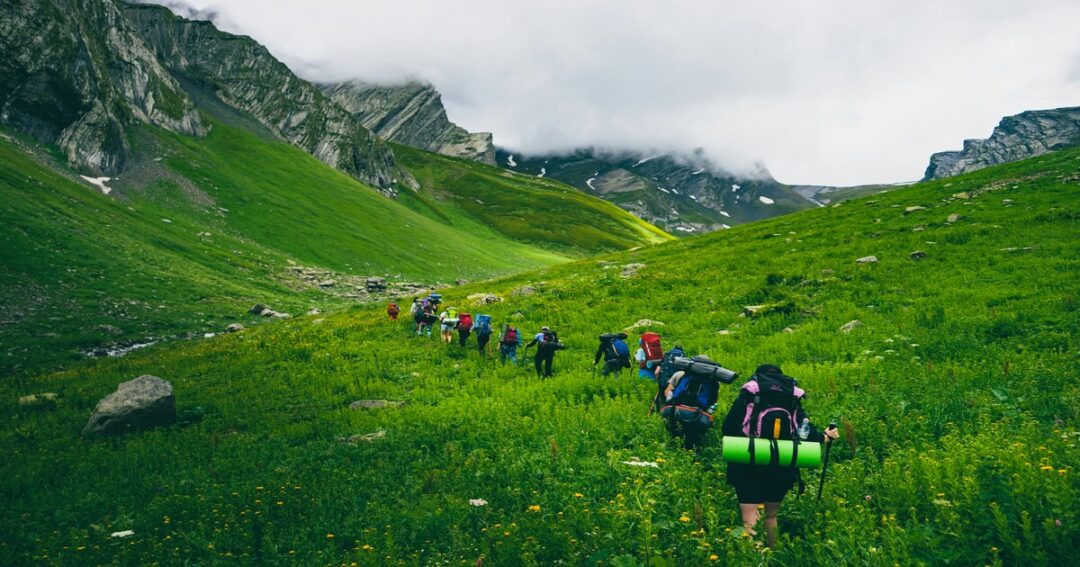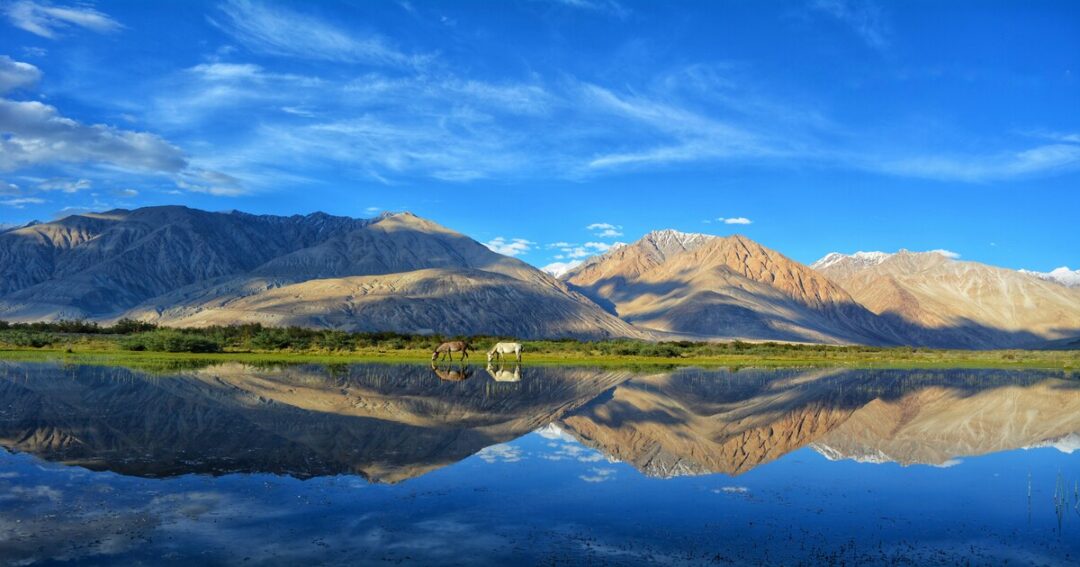

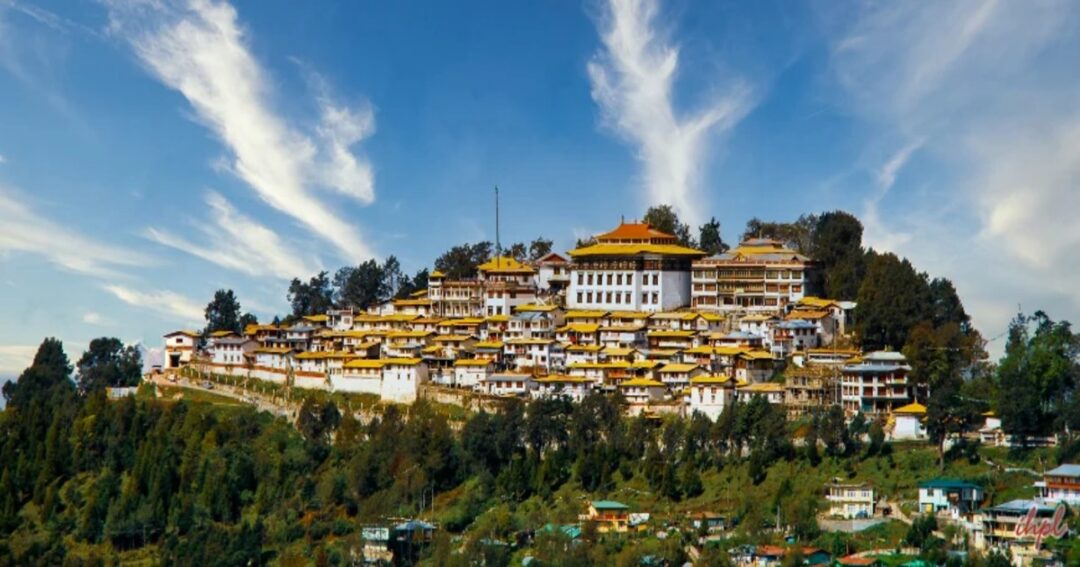

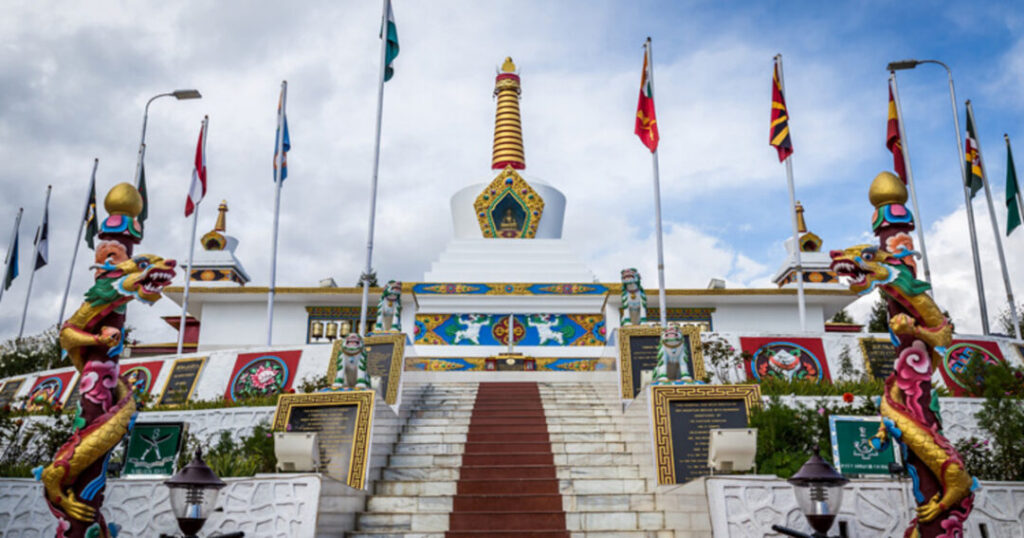
High up in the eastern Himalayas, where mist drapes itself over Buddhist monasteries and snow-capped peaks rise like sentinels, stands one of India’s most moving memorials. The Tawang War Memorial isn’t just a landmark — it’s a 40-foot stupa-shaped tribute to the soldiers who gave their lives defending this frontier during the 1962 Indo-China War.
For history buffs and heritage travellers making their way through Arunachal Pradesh, the Tawang War Memorial is unmissable. It tells a story most of India has never fully heard, against a backdrop that is genuinely one of the most beautiful in the country.
Here’s everything you need to know before you visit.
The History of the Tawang War Memorial
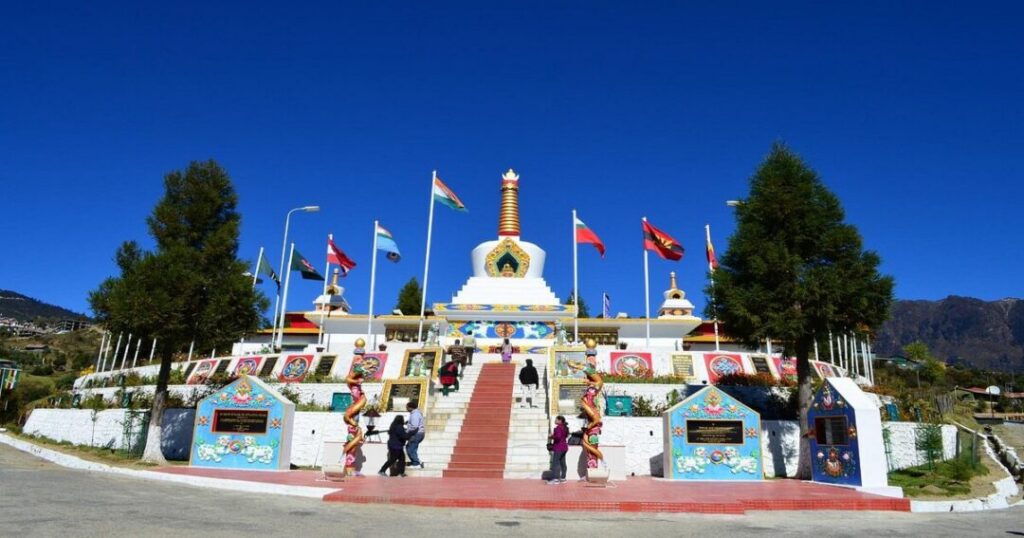
The Tawang War Memorial — known locally as Namgyal Chortenwas — was built to honour the 2,420 Indian soldiers who lost their lives during the 1962 Sino-Indian War. Inaugurated by the then Chief of Army Staff, General Ved Prakash Malik, the memorial sits at an altitude of 3,048 metres, looking out over the Tawang-Chu valley.
The design draws from traditional Tibetan Buddhist architecture — a colossal yellow-and-white stupa rising 40 feet tall, surrounded by lush green lawns. It brings together the region’s Buddhist heritage with the military sacrifices made on this exact terrain.
Key historical context:
- The 1962 Indo-China War saw some of its most intense battles in the Tawang sector
- The legendary stand of Subedar Joginder Singh at Bumla Pass — fighting against overwhelming odds — is at the heart of the memorial’s story
- Subedar Joginder Singh was posthumously awarded the Param Vir Chakra, India’s highest military honour
- Each soldier honoured here has their name inscribed on plaques inside the memorial complex
The memorial isn’t just for visitors — it’s a working tribute, with daily ceremonies, regular flag hoisting, and active participation from local Indian Army units stationed in Tawang.
Tawang War Memorial Timings
The Tawang war memorial timings are designed to welcome day visitors as well as evening attendees for the light and sound show.
Daily visiting hours:
- Opens: 7:45 AM
- Closes: 6:00 PM
- Open all 7 days of the week, including most public holidays
Best time to visit during the day:
- 8:00–10:00 AM — Soft morning light, ideal for photography, minimal crowds
- 4:00–5:30 PM — Beautiful golden-hour lighting on the stupa
On major Indian Army ceremonial days (Independence Day, Republic Day, Vijay Diwas), there are special parades — confirm visiting hours locally as schedules may be modified. Entry to the daytime memorial visit is free.
Tawang War Memorial Light and Sound Show
The light and sound show is the highlight of any evening at the memorial — and a deeply emotional experience for history-minded visitors.
Tawang war memorial light and sound show timings:
- Show timing: 6:30 PM – 7:15 PM (one show daily)
- Duration: Approximately 45 minutes
- Languages: Hindi and English; alternates by day
The show uses dramatic lighting, military soundtracks, recorded narration, and archival footage to tell the story of the 1962 war — from the political tensions that led to the conflict to the heroic stands made by Indian soldiers across the Tawang sector. It is genuinely cinematic and tends to leave most visitors quiet and reflective.
Tawang war memorial light and sound show tickets online booking:
- Online booking is not yet available through a dedicated official portal
- Tickets are best purchased on-site at the memorial counter, typically from 5:30 PM onwards on the day of the show
- Ticket price: ₹50–100 per person (subject to change; confirm at the counter)
- Group bookings can sometimes be arranged in advance through the Tawang Tourism Office
Open-air seating means visitors should carry warm clothing — temperatures can drop sharply even in summer. Arrive 15–20 minutes early for the best seats. The show may be cancelled or rescheduled in heavy rain or snow.
Tawang War Memorial Photos — What to Expect?
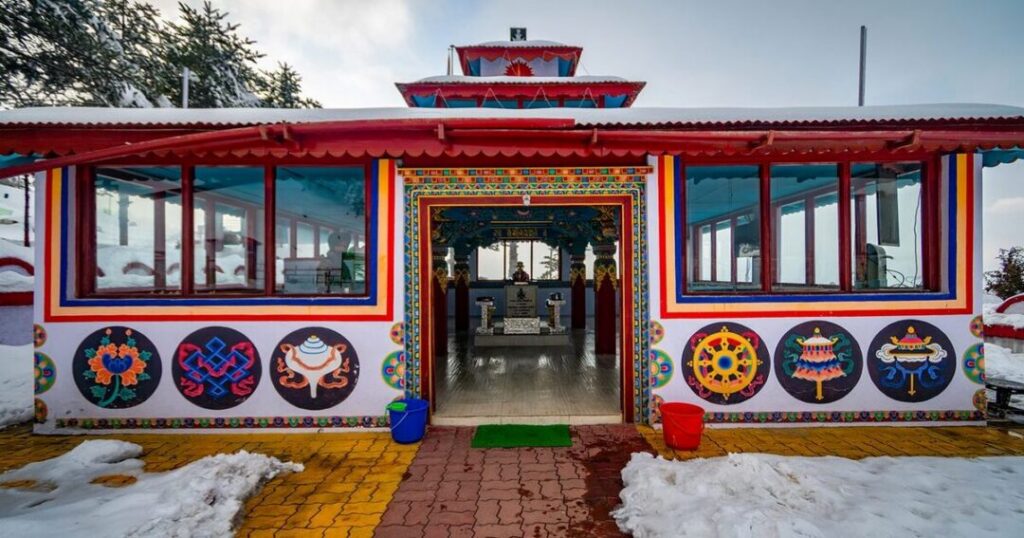
The Tawang war memorial photos travellers come away with are some of the most striking in any Indian heritage circuit. Between the dramatic stupa architecture, the Himalayan backdrop, and the cultural elements throughout the complex, this is an extraordinarily photogenic site.
The most photographed elements:
- The 40-foot stupa — yellow-and-white colours catching morning and evening light
- Name plaques inside the inner chamber — emotional, atmospheric close-ups
- Prayer wheels mounted along the outer pathway
- The vivid Buddhist mandala inside the memorial
- Snow-capped peaks visible in the distance on clear days
- Honour guard ceremonies during formal Army parades
Photography tips:
- Best lighting: 8:00–10:00 AM for soft glowing light on the stupa
- Golden hour: 4:00–5:30 PM for warm sunset tones on the white walls
- Inside the memorial: Use a tripod or stabilised camera for low-light shots
- Drones: Not permitted — Tawang is a sensitive border zone
Combine your memorial photos with shots of the surrounding Tawang Monastery and the dramatic valley views from the hilltop — they tell a complete visual story of the region.
Tawang War Memorial Location & How to Reach
The Tawang war memorial location is on the outskirts of Tawang town, in Arunachal Pradesh’s Tawang district. It sits on a hilltop about 1.5 km from the main Tawang town centre and just 1 km from the Tawang Monastery — making it easy to combine the two on a single visit.
Location quick facts:
- District: Tawang, Arunachal Pradesh
- Altitude: 3,048 metres (10,000 feet)
- Nearby landmarks: Tawang Monastery, Tawang Craft Centre, Urgelling Monastery
The site was chosen deliberately — the memorial overlooks the very valleys and passes where the 1962 battles were fought, including the route towards Bumla Pass on clear days.
Getting to Tawang:
By Air:
- Tezpur Airport (TEZ), Assam — closest commercial airport; ~317 km from Tawang
- Guwahati Airport (GAU), Assam — larger international hub; ~480 km from Tawang; better flight connectivity from across India
By Rail:
- Tezpur Railway Station — closest railhead in Assam; ~317 km from Tawang
- Guwahati Junction — best option for travellers connecting from major Indian cities
By Road:
- NH 13 connects Tezpur to Tawang; the journey takes 2 days with overnight stops in Bomdila or Dirang
- The route crosses Sela Pass (4,170 m) — one of the highest motorable mountain passes in India
- Shared sumos, private taxis, and state transport buses operate between major towns
- Most travellers hire a private taxi from Tezpur or Guwahati for the full circuit
Permits:
- Indian travellers — Inner Line Permit (ILP); apply online through Arunachal Pradesh’s official portal or in person at Guwahati, Kolkata, Tezpur, or New Delhi
- Foreign travellers — Protected Area Permit (PAP); apply through Indian Missions abroad or registered tour operators
- Processing time: 2–7 working days. Carry physical and digital copies during travel
Typical itinerary from Guwahati:
- Day 1: Guwahati to Bomdila (8–9 hours); overnight stay
- Day 2: Bomdila to Tawang via Sela Pass (6–7 hours); overnight stay
- Day 3: Explore Tawang Monastery, War Memorial, light show
- Day 4 onwards: Bumla Pass, Madhuri Lake, return journey
Best Time to Visit Tawang War Memorial?
Tawang’s weather is famously unpredictable, but here’s a guide:
- March to June — Spring; pleasant days (10–20°C); rhododendrons bloom across the valley
- September to November — Post-monsoon clarity; best window for photography and clear mountain views
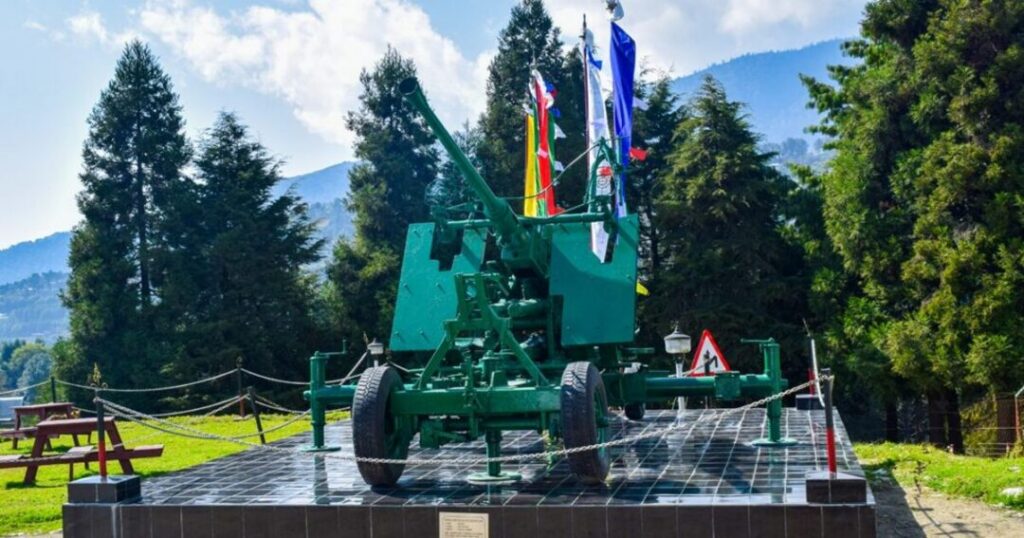
- December to February — Heavy snow; the memorial appears blanketed in white, making for stunning photographs; temperatures drop well below freezing
- July to August — Monsoon; landslide-prone roads; avoid if possible
For history-minded travellers, timing your visit around Vijay Diwas (December 16) adds a deeper layer to the experience, with special ceremonies held at the memorial.
Conclusion about Tawang War Memorial
The Tawang War Memorial is one of those rare destinations that combines history, heritage, and breathtaking natural beauty into a single, deeply moving experience. For travellers passing through Arunachal Pradesh, this is more than a stop on the itinerary — it’s a chance to stand at the spot where India’s soldiers held the line in some of the most challenging mountain terrain on Earth.
Wear warm clothes. Carry your permit. Take your time. The Tawang War Memorial isn’t a place you rush through — it’s a place you stand still in, and remember.
The mountains remember every soldier. So should we.
FAQs about Tawang War Memorial
2: What is the history of the Tawang War Memorial?
The Tawang War Memorial was built to honour the 2,420 Indian soldiers who lost their lives during the 1962 Indo-China War, particularly during the intense battles fought in the Tawang sector. Designed as a 40-foot stupa in traditional Tibetan Buddhist style, the memorial features inscribed plaques bearing the names of the fallen soldiers. Its central tribute is to Subedar Joginder Singh, whose heroic stand at Bumla Pass earned him a posthumous Param Vir Chakra.
3: What is the Tawang War Memorial location?
The Tawang War Memorial is located in Tawang district of Arunachal Pradesh, approximately 1.5 km from Tawang town centre and 1 km from the famous Tawang Monastery. It sits on a hilltop at an altitude of 3,048 metres, overlooking the Tawang-Chu valley. The site was chosen for its strategic vantage point overlooking the valleys where the 1962 battles were fought.
4: How do I book Tawang War Memorial light and sound show tickets online?
Online booking is not currently available through a dedicated official portal. Tickets are best purchased on-site at the memorial counter, typically opening around 5:30 PM on the day of the show. Tickets range between ₹50 and ₹100 per person. For group bookings or guaranteed seats during peak season (October to December), contact the local Tawang Tourism Office in advance.
5: What are the Tawang War Memorial light and sound show timings?
The light and sound show is held once daily, starting at 6:30 PM and lasting approximately 45 minutes. The show alternates between Hindi and English commentary. Open-air seating means warm clothing is essential as evening temperatures drop sharply. Arrive 15–20 minutes early for good seating. The show may be cancelled in heavy rain or snow.
6: Can I take Tawang War Memorial photos?
Yes, photography is permitted at the Tawang War Memorial. General photography of the stupa, gardens, prayer wheels, and panoramic valley views is fully allowed. However, photography should be respectful inside the inner chamber, especially near soldier name plaques. Drone photography is strictly prohibited as Tawang is a sensitive border area.
7: How much time should I spend at the Tawang War Memorial?
Most visitors spend about 1 to 1.5 hours during a daytime visit. If attending the evening light and sound show, plan a separate 1.5-hour visit. Travellers combining the memorial with nearby attractions like Tawang Monastery and Urgelling Monastery should plan a half-day in this area.