
793 Total Views
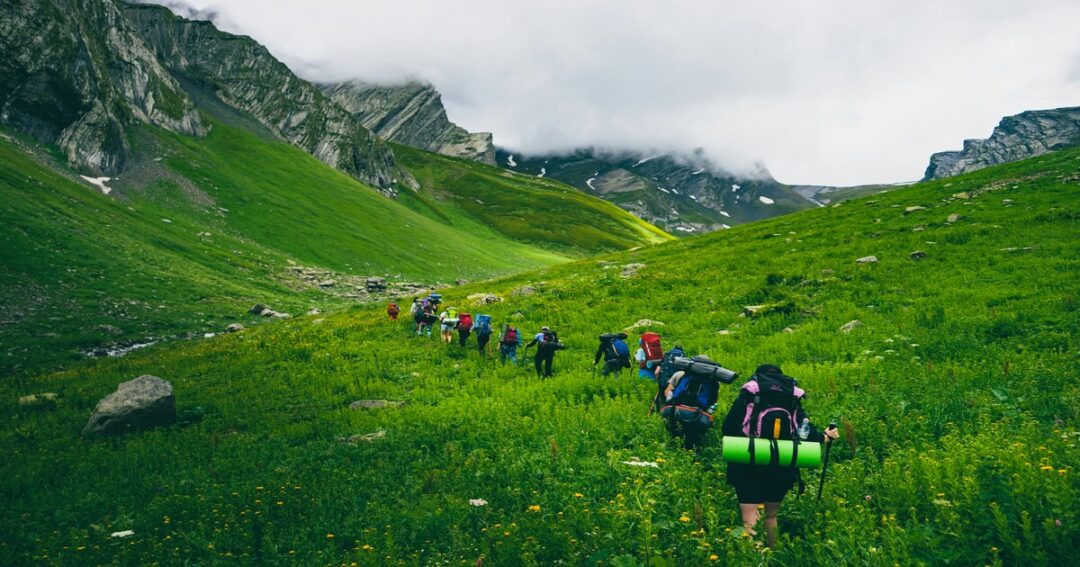
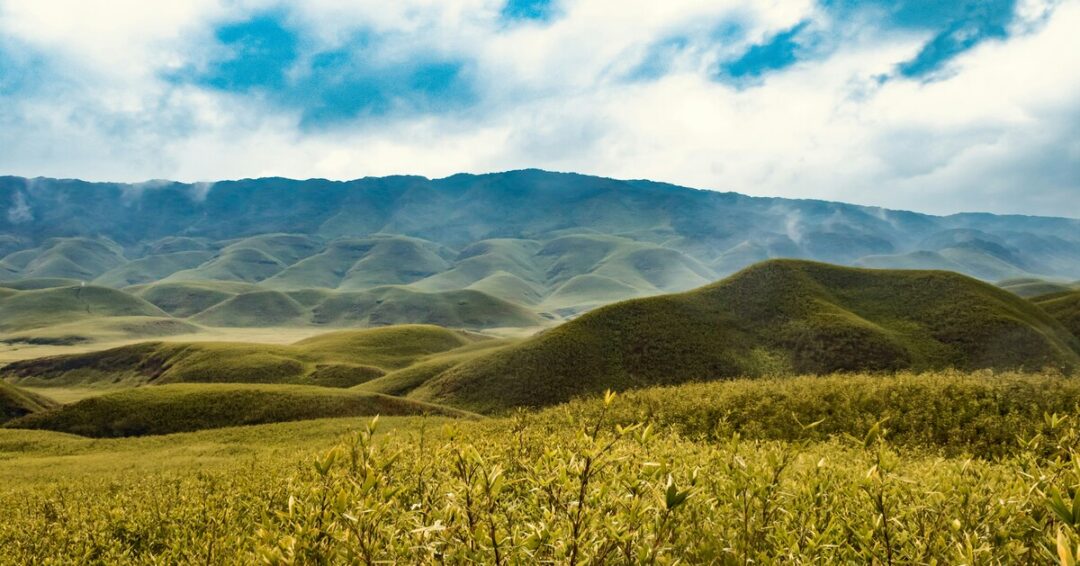
Nagaland doesn’t show up in most travel itineraries — and that’s exactly why you should go. Tucked into India’s far north-east, this hill state is a wild, raw, head-spinning mix of mist-covered peaks, warrior tribe heritage, war memorials, headhunter villages, and one of the most spectacular festivals on the planet.
For adventure travellers, solo explorers, friend groups chasing the offbeat, and first-time north-east visitors, the places to visit in Nagaland offer a kind of trip you don’t forget. Here are 11 destinations that will redefine what India can feel like.
Places to Visit in Nagaland — 11 Untamed Destinations
1. Kohima — The Most Iconic Place to Visit in Nagaland
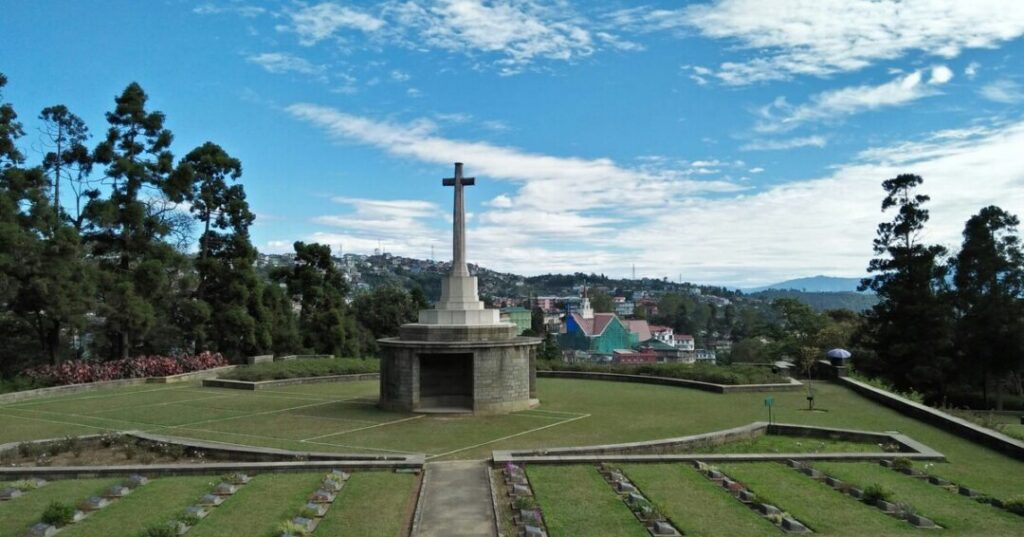
District: Kohima | Altitude: 1,444 m
The state capital is where every Nagaland journey begins — and it earns its place at the top of the list. Kohima is a hill town with a serious history: it was the site of one of World War II’s most decisive battles. Today, it’s a hub of culture, tribal heritage, and access to the wider state.
What to do here:
- Visit the Kohima War Cemetery — one of the most moving WWII memorials in Asia
- Explore the Nagaland State Museum for an introduction to all 17 official Naga tribes
- Time your visit with the Hornbill Festival (December 1–10) — held at nearby Kisama
- Check out Dzükou Valley trek base — one of India’s most beautiful valleys, accessible from Viswema near Kohima
⚠️ Caution: All Indian travellers (except Nagaland residents) require an Inner Line Permit (ILP) to enter Nagaland. Foreign nationals require a Protected Area Permit (PAP). Apply online through the Nagaland government’s ILP portal or in person at Dimapur, Kolkata, or Delhi.
Best for: First-time visitors, cultural travellers, history seekers
2. Dzükou Valley — The Most Stunning Place to Visit in Nagaland
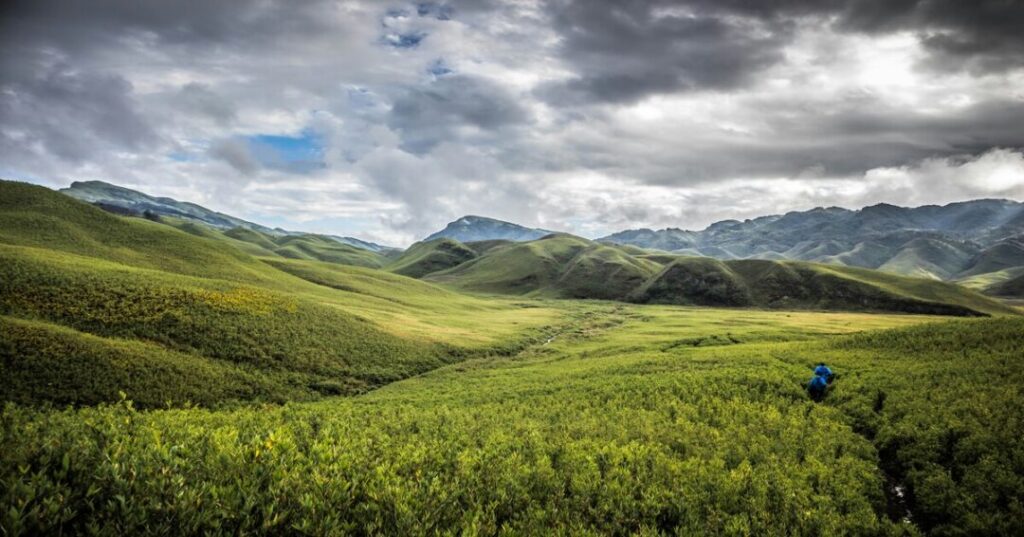
District: Kohima–Manipur border | Altitude: 2,438 m
Often called the “Valley of Flowers of the North-East,” Dzükou Valley is a sweeping high-altitude meadow that lights up in waves of seasonal wildflowers. The trek to reach it is moderately challenging — and absolutely worth every step.
What to do here:
- Trek from Viswema or Zakhama villages (4–5 hours) — Viswema is the easier route
- Camp overnight in the valley — the night sky here is unreal
- Spot the rare Dzükou Lily, which blooms only here, between June and August
- Cross over to Japfu Peak (3,048 m) for one of the most spectacular trekking experiences in eastern India
⚠️ Caution: Carry warm layers — nights drop to single digits even in summer. Stick to marked trails; the valley borders Manipur and crossing into restricted areas can cause legal issues. Carry your own water bottle and pack out all waste.
Best for: Adventure trekkers, friend groups, solo backpackers
Also read: Dzukou Valley Trek: The Complete Guide to Nagaland’s Most Beautiful Trail
3. Khonoma — Asia’s First Green Village & A Top Place to Visit in Nagaland
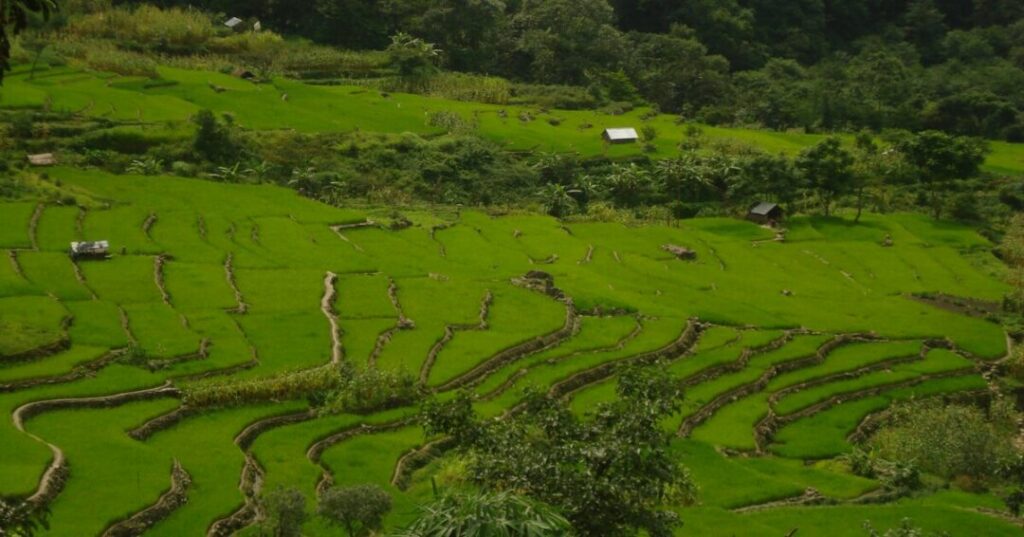
District: Kohima | 20 km from Kohima
Khonoma is one of the most fascinating Nagaland tourist spots — it’s officially Asia’s first “green village,” where the Angami Naga community banned hunting and logging to preserve their forests. Walking its stone-paved lanes feels like walking through a living museum.
What to do here:
- Stay in an Angami homestay — eat traditional smoked pork with bamboo shoot
- Trek through the surrounding Khonoma Nature Conservation Reserve
- Birdwatch — over 250 species recorded; home to the rare Blyth’s tragopan
- Visit the Khonoma Fort ruins — site of the legendary 19th-century Naga–British battles
⚠️ Caution: Respect local customs — Khonoma is a deeply traditional village. Ask before photographing residents or homes. Carry cash; ATMs and digital payment are limited.
Best for: Cultural immersion, ecotourism, solo travellers
4. Mokokchung — A Vibrant Place to Visit in Nagaland
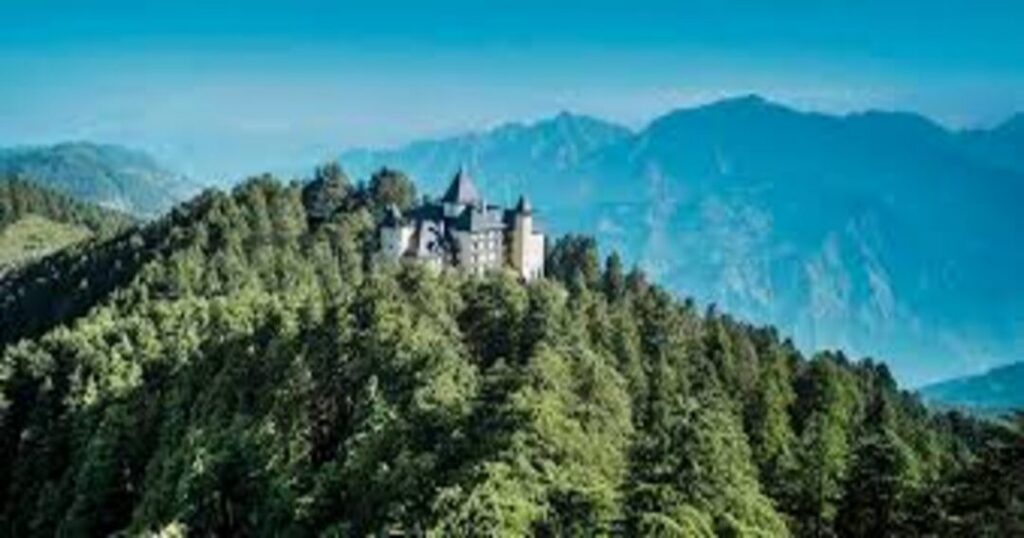
District: Mokokchung | Altitude: 1,325 m
Mokokchung is the cultural heartland of the Ao Naga people and one of Nagaland’s most spirited towns. Often called “the Aizawl of Nagaland” for its lively youth scene, music culture, and rolling hill setting, it’s a fantastic base for exploring traditional villages.
What to do here:
- Visit Longkhum village — known for spectacular sunset views and traditional Ao culture
- Explore Ungma, the oldest Ao village in Nagaland — over 600 years of continuous habitation
- Attend the Moatsü Festival in May — an Ao harvest celebration with feasting, music, and traditional games
- Hike to Mopungchuket village — known for its myths, legends, and woodcarving traditions
⚠️ Caution: Road conditions to Mokokchung can deteriorate during monsoon (June–September). Plan a buffer day in your itinerary. Phone connectivity is patchy in surrounding villages.
Best for: Cultural travellers, friend groups, music and festival lovers
5. Mon — The Most Untamed Place to Visit in Nagaland
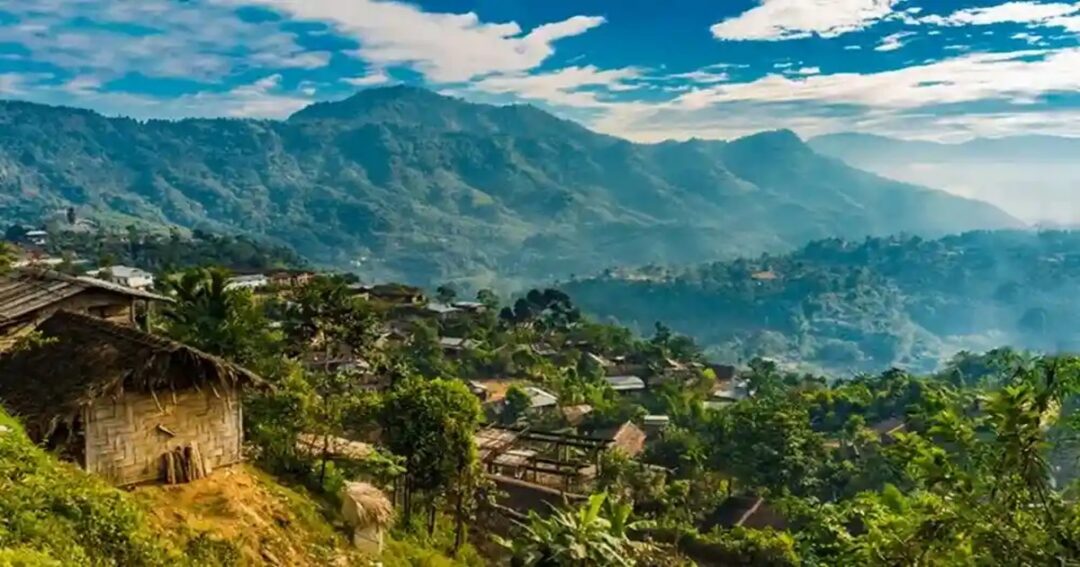
District: Mon | Altitude: 897 m
Mon is where you go to meet the legendary Konyak Naga — the former headhunting warrior tribe whose elder generation still wears traditional tattoos and ornaments earned through battle. Mon is remote, raw, and unlike anywhere else in India.
What to do here:
- Visit Longwa village — the village famously straddles the India-Myanmar border; the chief’s house literally sits on the international line
- Meet tattooed Konyak elders — many still wear the iconic facial tattoos earned through their warrior past
- Explore the Aoling Festival in early April — the most important Konyak celebration of the year
- Stay in traditional bamboo homestays and try roasted pork with king chillies
⚠️ Caution: Mon is genuinely remote — the road from Dimapur takes 12+ hours. Photograph elders only with permission and respect. Carry sufficient cash; ATMs are extremely limited. Respect the sensitivity of the India-Myanmar border zone.
Best for: Cultural adventurers, photographers, off-grid travellers
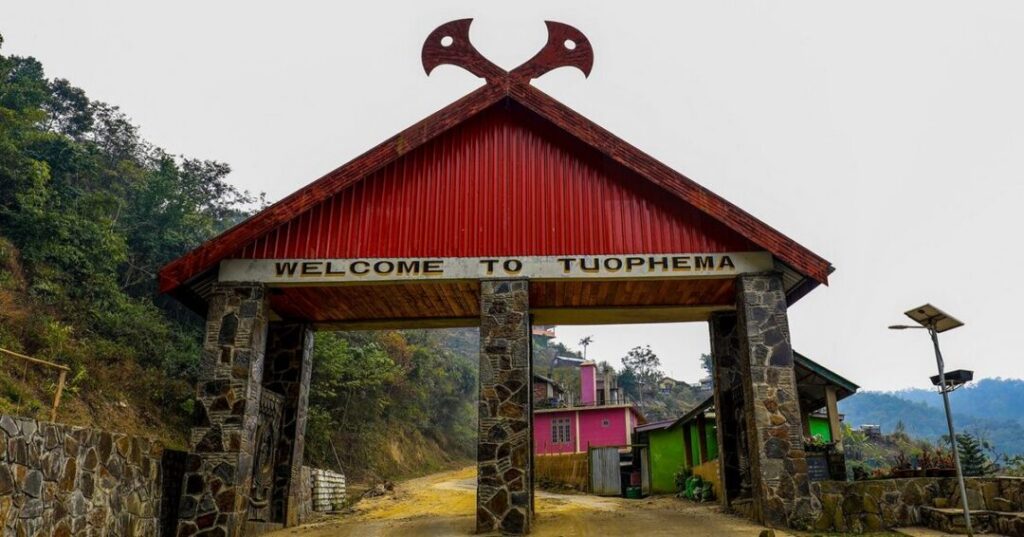
6. Tuophema — A Traditional Place to Visit in Nagaland
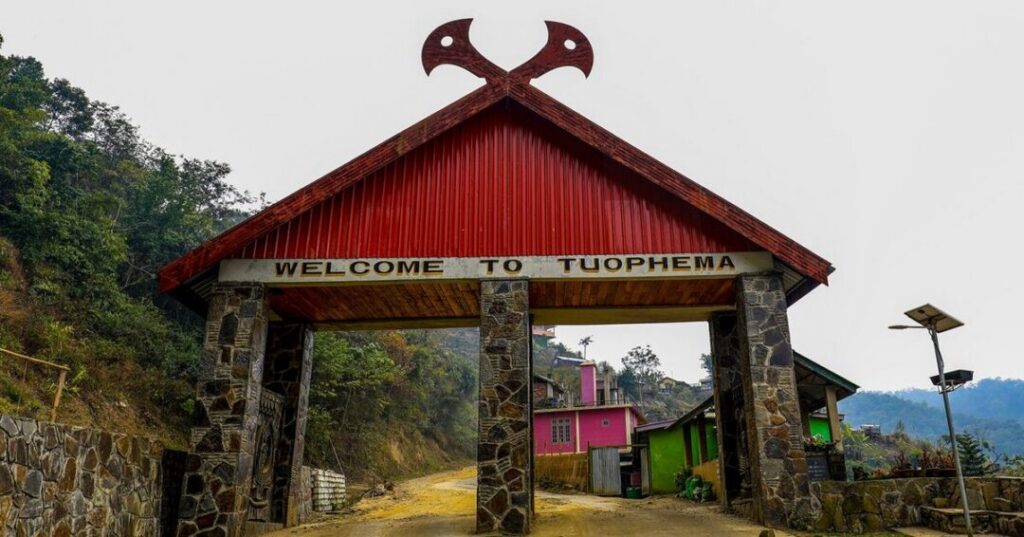
District: Kohima | 41 km from Kohima
Tuophema is the perfect place to experience traditional Naga village life in a structured, traveller-friendly setting. The Tuophema Tourist Village is a community-run heritage complex featuring authentic Naga architecture, food, and cultural performances.
What to do here:
- Stay in traditional Naga huts built in authentic tribal style
- Watch live performances of Angami folk dances and music
- Try local smoked meat dishes, axone (fermented soybean), and rice beer
- Visit the small but excellent on-site museum of Naga artefacts
⚠️ Caution: Book accommodation in advance, especially during peak season (October–February). The village shuts down early; carry your own snacks and entertainment for the evening.
Best for: Families, first-time North-East travellers, cultural travellers
7. Tuensang — One of Nagaland’s Most Adventurous Tourist Attractions
District: Tuensang | Altitude: 1,371 m
Tuensang is one of Nagaland’s largest and most ethnically diverse districts, home to multiple tribes including the Chang, Sangtam, Yimchunger, and Khiamniungan. It’s wild, mountainous, and one of the least-touristed corners of the state.
What to do here:
- Visit the Chang and Sangtam tribal villages — each with distinct dress, language, and customs
- Trek to Saramati Peak (3,841 m) — Nagaland’s highest peak; demanding multi-day trek
- Explore Noklak — separate district carved from Tuensang; known for stunning views and Khiamniungan culture
- Attend the Tsokum Festival of the Chang tribe in October
⚠️ Caution: Tuensang has unpredictable road access — landslides during monsoon can isolate the district for days. Always travel with a local guide for tribal village visits and respect community customs.
Best for: Off-grid adventurers, serious trekkers, cultural deep-divers
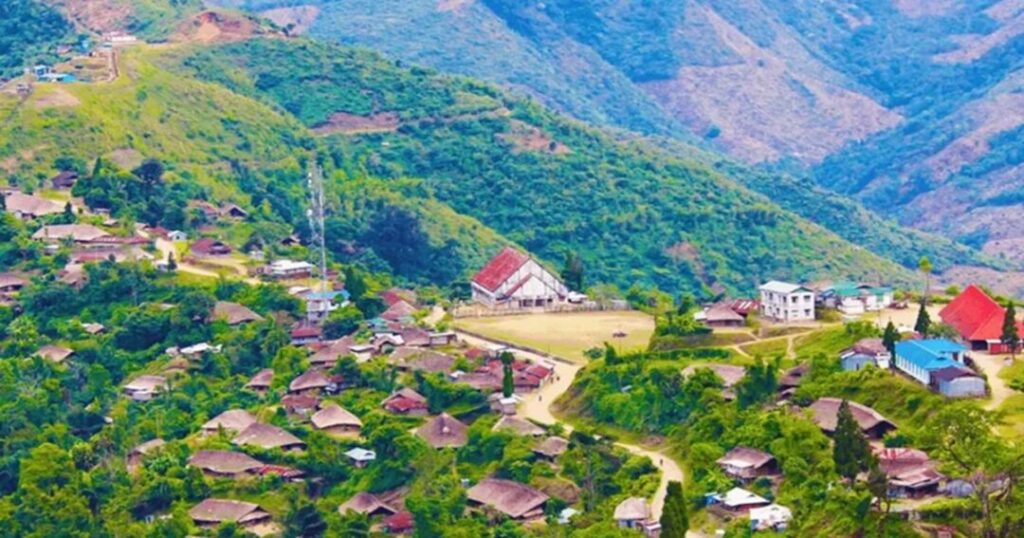
8. Tseminyu — A Quieter Place to Visit in Nagaland
District: Tseminyu (recently formed) | Altitude: ~1,200 m
Tseminyu is the heartland of the Rengma Naga community and one of Nagaland’s most peaceful, scenic, and underrated destinations. Surrounded by green hills and traditional villages, it offers an unhurried, authentic experience for travellers looking to slow down.
What to do here:
- Attend the Ngada Festival in November — the Rengma harvest celebration with traditional songs, dances, and feasting
- Hike through the rolling hills and Tesophenyu scenic viewpoint
- Visit Themokedima village — known for traditional Rengma woodcraft
- Stay in a local homestay for a slower, deeply local rural experience
⚠️ Caution: Public transport options are limited; hire private transport from Kohima. Avoid travelling during heavy monsoon weeks (July–August) due to road washouts.
Best for: Solo travellers, slow-travel seekers, cultural immersionists
Also read: 10 Stunning Sunrise Places in India: From Tourist Favorites to Hidden Gems
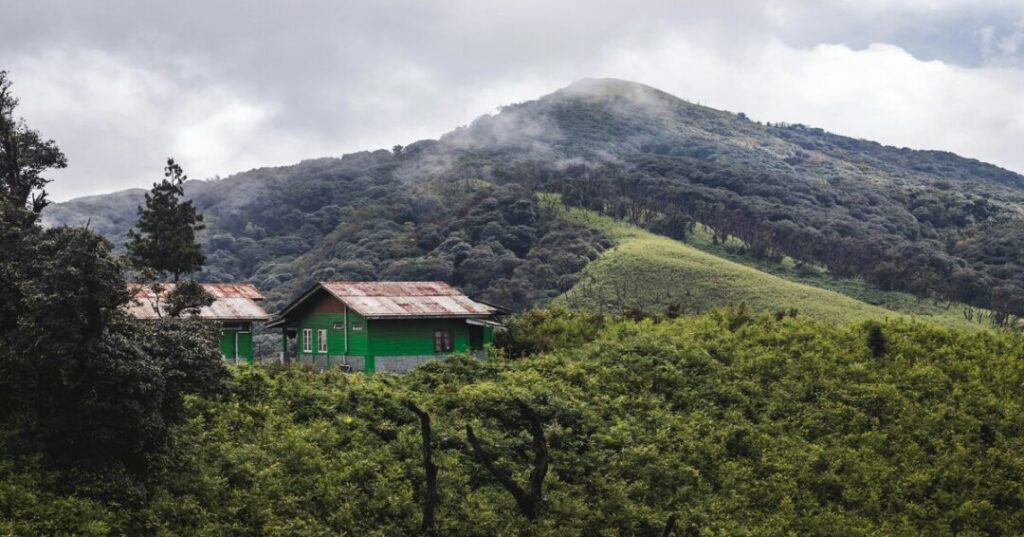
9. Pfutsero — The Highest Place to Visit in Nagaland
District: Phek | Altitude: 2,134 m
Pfutsero is the highest inhabited town in Nagaland — and one of its best-kept secrets. The Chakhesang Naga community calls this misty highland town home, and during winter it occasionally sees frost — a rare phenomenon in north-east India.
What to do here:
- Hike to Glory Peak for panoramic Himalayan views — on clear days you can see all the way to Mount Saramati
- Visit the surrounding alder forests and apple orchards
- Witness traditional Chakhesang stone-pulling festivities during community events
- Attend the Sukrunye Festival in January — celebrating the new year and youth coming of age
⚠️ Caution: Temperatures can drop to 4–6°C in winter; pack proper warm clothing. Roads up to Pfutsero are steep and narrow; experienced drivers only.
Best for: Adventure travellers, photographers, cool-weather seekers
10. Dimapur — The Gateway Place to Visit in Nagaland
District: Dimapur | Altitude: 145 m
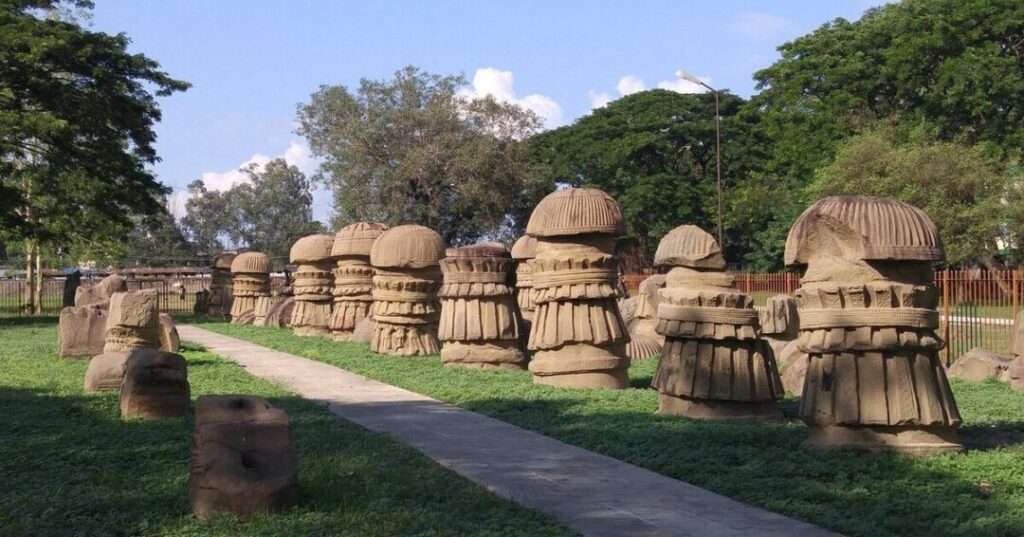
Dimapur is Nagaland’s only city in the plains and its commercial and transportation gateway. It’s also home to fascinating historic ruins from the medieval Dimasa Kachari Kingdom — making it a worthwhile stop in its own right.
What to do here:
- Visit the Kachari Ruins — mysterious mushroom-shaped pillars from the 13th-century Dimasa kingdom
- Explore Diezephe Craft Village — a working artisan village specialising in traditional Naga handlooms and woodwork
- Shop for fresh produce, traditional shawls, and souvenirs at Hong Kong Market
- Eat at Ozone Café, Café De Lava, or Kewi Naga Kitchen — Dimapur has Nagaland’s strongest restaurant scene
⚠️ Caution: Dimapur is significantly hotter and more humid than the hills of Nagaland. Don’t plan to stay long if you’ve come to escape the heat — use it as a transit and shopping stop.
Best for: Transit stops, food lovers, history buffs
11. Shilloi Lake — The Most Mysterious Place to Visit in Nagaland
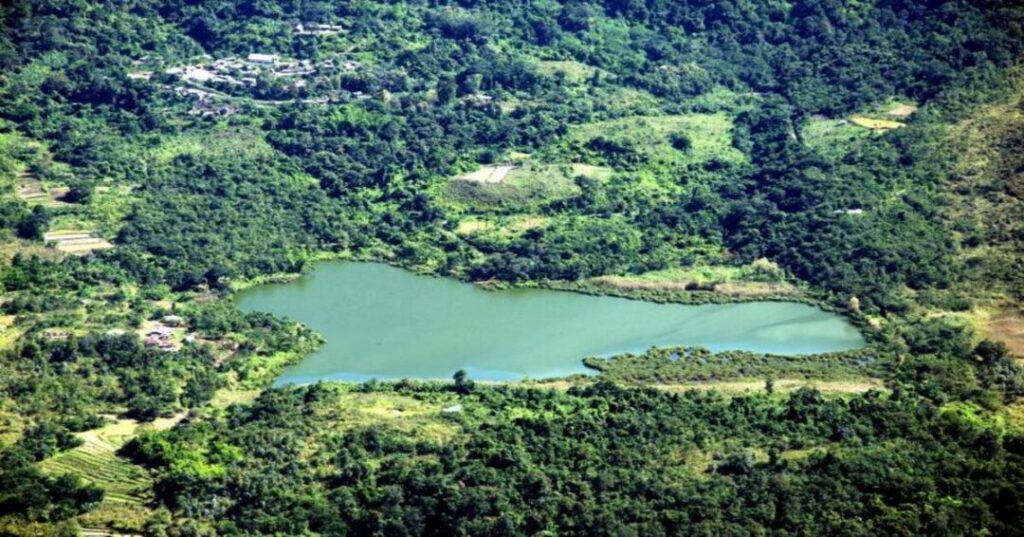
District: Phek | Altitude: 1,920 m
Shilloi Lake is Nagaland’s largest natural lake — a serene foot-shaped body of water tucked deep in the hills of Phek district. Locals consider it sacred, and the lake is shrouded in beautiful Naga folklore about spirits and forbidden swims.
What to do here:
- Trek down to the lake from the nearby village of Latsam
- Picnic and birdwatch — the surrounding forests are home to several rare bird species
- Camp overnight nearby (with local permission) for an unforgettable experience
- Hike through the Khezhakeno village area — historically significant for the Naga origin myth
⚠️ Caution: Swimming is prohibited — both for cultural and safety reasons. Reach only with a local guide; the area is remote and difficult to navigate without help. Carry your own provisions; no shops near the lake.
Best for: Off-grid adventurers, photographers, cultural travellers
What to Be Cautious About When Visiting Nagaland?
Nagaland is one of India’s most rewarding destinations — but it demands respectful, well-prepared travellers.
- Inner Line Permit (ILP) — Required for all Indian travellers (except Nagaland residents); foreign nationals need a Protected Area Permit (PAP). Apply online or in person before your trip
- Cultural sensitivity — Always ask before photographing villagers, especially elders; respect village rules around shoes, sacred sites, and dress codes
- Road conditions — Many remote districts (Mon, Tuensang, Phek) have rough roads; landslides during monsoon (June–September) can cause major delays
- Connectivity — Mobile networks and internet are unreliable outside Kohima and Dimapur; download offline maps in advance
- ATMs and digital payments — Limited outside urban centres; carry sufficient cash, especially when heading to remote districts like Mon and Tuensang
- Food adaptation — Traditional Naga food features fermented soybean (axone), bamboo shoot, smoked pork, and king chilli — be ready for bold flavours; vegetarians should communicate dietary needs clearly
- Insurgency-related areas — Most of Nagaland is safe for tourism, but check current travel advisories for areas near the Myanmar border before planning
- Festival travel — During the Hornbill Festival (December 1–10), accommodation books out 3–6 months in advance — plan early
- Weather variability — Hills can swing from sun to heavy rain quickly; pack layered, waterproof clothing year-round
Best Time to Visit Nagaland?
- October to March — Peak season; mild days (15–22°C), cool nights; clear skies and best for trekking, sightseeing, and festivals
- December (Hornbill Festival) — The biggest cultural draw; book accommodation well in advance
- April to May — Spring blooms; tribal festivals like Moatsü and Aoling; comfortable temperatures
- June to September — Monsoon; heavy rainfall; many remote roads close due to landslides; not recommended for first-time visitors
- November to February — Coldest months in higher altitudes; pack warm clothing for places like Pfutsero and Dzükou Valley
How to Reach Nagaland?
By Air:
- Dimapur Airport (DMU) — Nagaland’s only commercial airport; direct flights from Kolkata, Guwahati, Delhi, and Imphal
- Imphal Airport (IMF), Manipur — Alternative entry; ~215 km from Kohima by road
- Guwahati Airport (GAU), Assam — Larger international hub; ~340 km from Kohima by road
By Rail:
- Dimapur Railway Station — Nagaland’s only major railway station; connected to Guwahati, Kolkata, and Delhi via express trains
- Furkating Junction in Assam — Another option for travellers connecting via the Assam rail network
By Road:
- NH 29 connects Dimapur to Kohima (~74 km; 2.5–3 hours)
- NH 39 connects Kohima to Imphal (Manipur) — useful for combined north-east travel itineraries
- Shared sumos, private taxis, and Nagaland State Transport buses operate between major towns
- Self-driving requires a sturdy SUV; mountain roads are narrow, winding, and challenging in monsoon
Permits:
- Indian travellers — Inner Line Permit (ILP) required; apply online through the Nagaland government’s official portal or in person at major entry points
- Foreign travellers — Protected Area Permit (PAP) required; apply through the Indian Mission abroad or with help from registered tour operators
Conclusion about Places to Visit in Nagaland
The places to visit in Nagaland aren’t tourist attractions in the conventional sense — they’re encounters. With warriors, with valleys, with rituals, with a way of life that doesn’t bend itself to fit a guidebook. This is one of the last truly untamed corners of India, and every traveller who makes it here returns with stories that nobody else has.
Here’s your quick recap of the 11 destinations worth your time:
- Kohima — Nagaland’s capital and cultural gateway
- Dzükou Valley — high-altitude trekking and rare lily blooms
- Khonoma — Asia’s first green village and Angami heritage
- Mokokchung — Ao Naga heartland and vibrant culture
- Mon — the legendary Konyak warrior tribe and Longwa village
- Tuophema — authentic Naga heritage village experience
- Tuensang — multi-tribal adventure trekking territory
- Tseminyu — Rengma Naga heritage and slow travel
- Pfutsero — Nagaland’s highest town with rare frost conditions
- Dimapur — historic Kachari ruins and culinary hub
- Shilloi Lake — sacred, mysterious, and untouched
Plan your permits, pack for the cold, and step into one of the most unforgettable destinations in India. Nagaland doesn’t whisper — it roars.
The hills are calling. Answer them.
FAQs About Places to Visit in Nagaland
2: Do I need a permit to visit Nagaland?
Yes, all Indian travellers (except Nagaland residents) require an Inner Line Permit (ILP) to enter Nagaland. The ILP can be applied online through the Nagaland government's official portal or obtained in person at Dimapur, Kolkata, or Delhi. Foreign nationals require a Protected Area Permit (PAP), which can be processed through the Indian Mission abroad or via registered Indian tour operators. Always carry physical and digital copies of your permit during your trip.
3: When is the Hornbill Festival held in Nagaland?
The Hornbill Festival is held every year from December 1 to December 10 at the Naga Heritage Village in Kisama, just outside Kohima. It celebrates all 17 official Naga tribes through music, dance, traditional sports, food, indigenous games, and cultural exhibitions. The festival is the single biggest tourism event of the year in Nagaland, attracting visitors from across India and around the world. Accommodation books out 3–6 months in advance, so early planning is essential.
4: What are the most adventurous places to visit in Nagaland?
The most adventurous places to visit in Nagaland include Dzükou Valley for its high-altitude trek and unique seasonal lily blooms, Japfu Peak for serious mountain trekking, Saramati Peak in Tuensang district for Nagaland's highest summit, Mon district for cultural exploration of the Konyak tribe, and Shilloi Lake for offbeat trekking experiences. Pfutsero offers high-altitude exploration with rare frost conditions in winter, while Tuensang district provides demanding trails through some of India's least-explored hill country.
5: Is Nagaland safe for solo travellers?
Yes, Nagaland is broadly safe for solo travellers, including solo female travellers, when standard precautions are followed. The state has a strong tradition of hospitality, and locals are generally helpful and welcoming. Travel during daylight hours, especially on rural mountain roads. Stay in established homestays and government-approved accommodations. Inform your accommodation host of your daily plans. Connectivity is unreliable in remote districts, so always share itineraries with someone outside your current location.
6: What food should I try in Nagaland?
Must-try Naga food includes smoked pork with bamboo shoot, axone (fermented soybean) chutney, raja mircha (ghost pepper) preparations, smoked beef curry, akibiye (Naga-style steamed dish), rice beer (zutho), and traditional sticky rice. Each tribe has its own culinary specialities — the Ao and Angami communities are known for their pork dishes, while the Konyak are famous for their use of king chilli. Most homestays serve traditional meals, offering travellers an authentic taste of Naga cuisine.
7: How many days do I need to explore Nagaland?
A minimum of 5–7 days is recommended to cover Kohima, Khonoma, and Dzükou Valley with reasonable time for cultural exploration. A 10-day trip allows you to add Mokokchung, Mon, and Tuophema for a comprehensive cultural immersion across multiple tribal communities. For travellers attending the Hornbill Festival, plan 7–10 days that include festival days, surrounding village visits, and at least one trekking excursion. Travel between districts is slow due to mountain roads, so always build buffer time into your itinerary.