
2,025 Total Views
Tucked into the eastern Himalayas between Bhutan, Nepal, and Tibet, Sikkim is one of India’s smallest states — and one of its most quietly extraordinary food destinations. Here, every meal carries a story. A momo wrapped by a Bhutia grandmother. A bowl of thukpa simmered for hours in a Lepcha kitchen. A fermented soybean paste that’s been part of family traditions for generations.
Sikkim food is comfort cuisine in its purest, most honest form — born from monastery kitchens, mountain farms, and centuries of cultural exchange between the Lepchas, Bhutias, and Nepali communities who call this land home.
For foodies, families, and culture seekers, here are 12 dishes you absolutely must experience.
Sikkim Food — 12 Iconic Dishes You Need to Try
1. Momos — The Most Beloved Sikkim Food
Origin: Tibetan-Bhutia influence
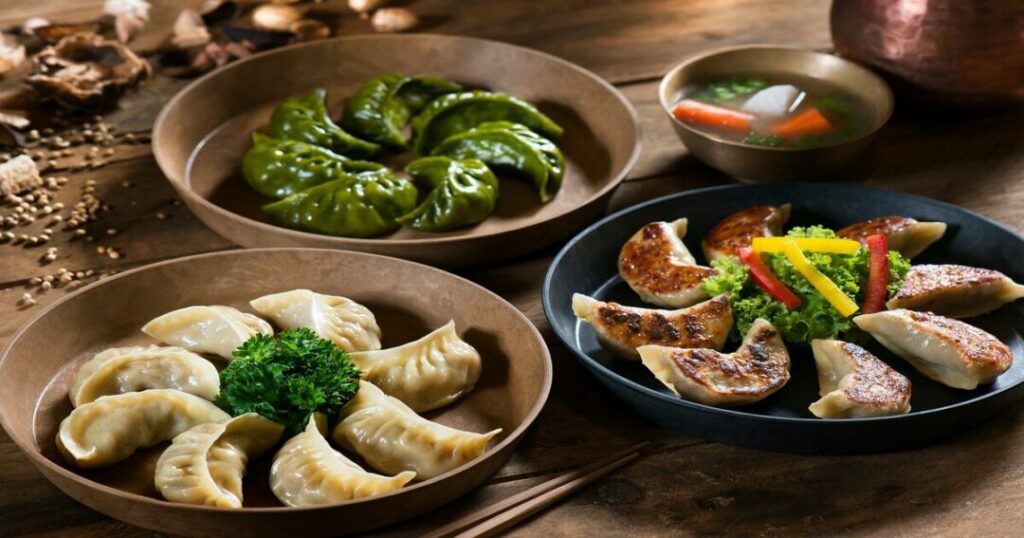
If there’s one dish that embodies sikkim food in the eyes of every traveller, it’s the momo. These steamed dumplings are crafted with paper-thin wheat wrappers and filled with minced pork, chicken, beef, or — for vegetarians — finely chopped cabbage, carrot, and spring onion. Served with a fiery dalle khursani (round chilli) chutney, they are the unofficial soul food of the state.
Where to find them:
- Taste of Tibet, MG Marg, Gangtok — among the most loved momo spots in the capital
- Roll House and The Coffee Shop also serve excellent versions
- Street stalls across Gangtok serve them piping hot with broth on the side
Cultural note: Momo-making is a family ritual in Bhutia households — the pleating of each dumpling is considered a small act of love.
Best for: Every kind of traveller; the ideal introduction to Sikkim cuisine
2. Thukpa — The Comfort Soul of Sikkim Cuisine
Origin: Tibetan
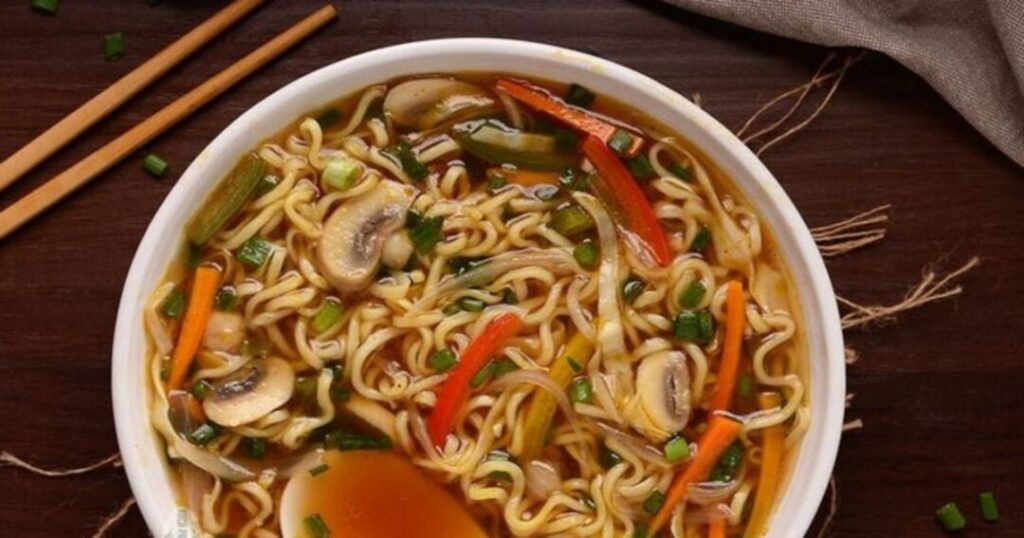
When the mountain mist rolls in and the temperature drops, nothing soothes like a steaming bowl of thukpa. This rich noodle soup combines hand-pulled wheat noodles with vegetables, eggs, and either chicken, mutton, or pork in a slow-simmered broth fragrant with ginger, garlic, and Sichuan pepper.
Where to find it:
- Tibet Hotel in Gangtok serves arguably the most authentic version in town
- Small Bhutia and Tibetan eateries across Lal Bazaar and MG Marg
Cultural note: Thukpa was originally a monastery dish, designed to fuel monks through long meditation hours in cold weather — and you’ll understand why after your first bowl.
Best for: Families, winter travellers, anyone seeking a warming, restorative meal
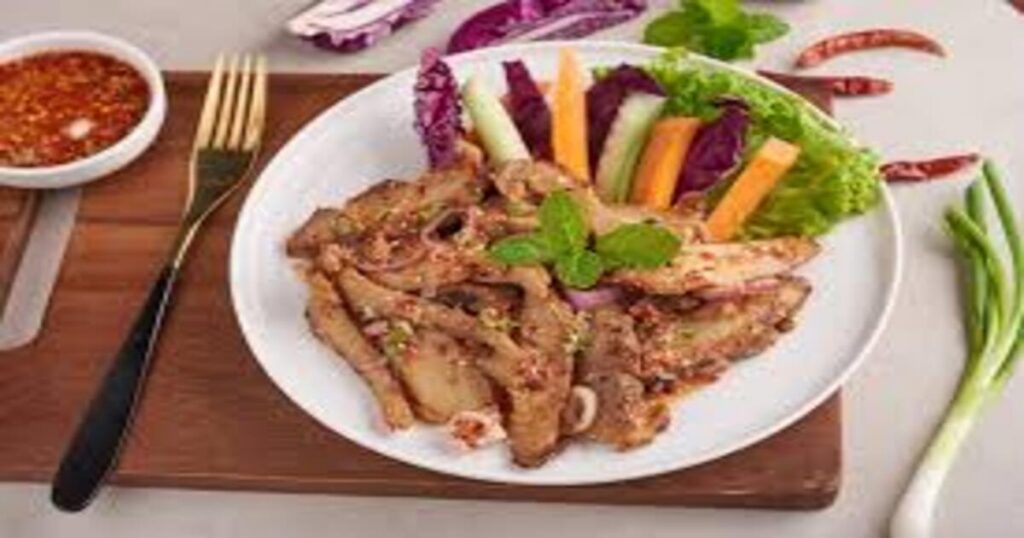
3. Phagshapa — Sikkim Food’s Most Indulgent Pork Curry
Origin: Bhutia community
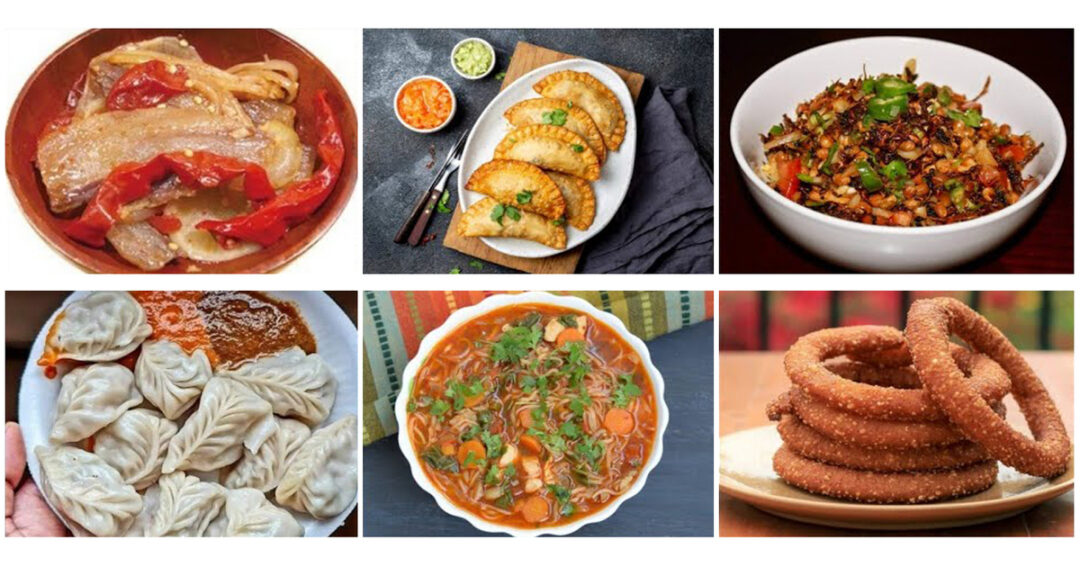
Phagshapa is what happens when pork fat meets dried red chillies and radish in a slow-cooked, hour-long embrace. This Bhutia speciality features thick strips of pork belly cooked until tender, then enriched with dried chillies and radish to create one of the most distinctive flavours in sikkim food.
Where to find it:
- Traditional Bhutia restaurants in Lachung, Lachen, and Pelling
- The Local Cafe in Gangtok occasionally features it on the menu
Cultural note: This dish is a centrepiece of Bhutia festival celebrations and Losar (Tibetan New Year) feasts.
Best for: Adventurous eaters, pork lovers, culinary explorers
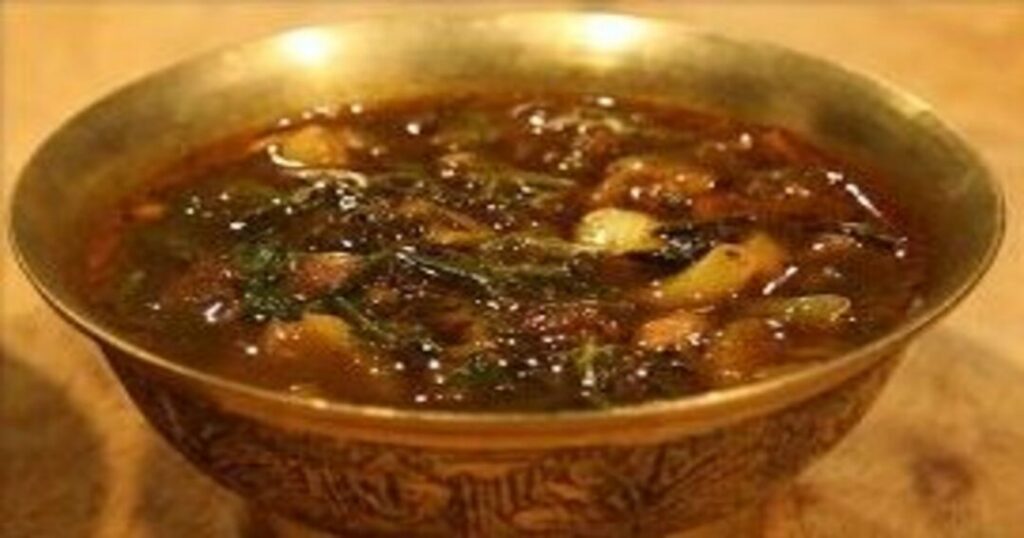
4. Gundruk — The Iconic Fermented Sikkim Cuisine Staple
Origin: Nepali community
Gundruk is fermented leafy greens — typically mustard, radish, or cauliflower leaves — that are aged, sun-dried, and stored for months. The result is a deeply tangy, complex ingredient used in soups, pickles, and side dishes. Gundruk ko jhol (gundruk soup) is the most popular preparation.
Where to find it:
- Nepali thali restaurants across Gangtok and Pelling
- Most homestays in rural Sikkim serve it as part of traditional meals
Cultural note: Gundruk is essential winter food for Sikkimese-Nepali families — a fermentation tradition that predates refrigeration and remains beloved today.
Best for: Foodies seeking authentic fermented flavours; great for vegetarians
Also read: PLACES TO VISIT IN SIKKIM THAT WE GUARANTEE YOU HAVEN’T HEARD OF
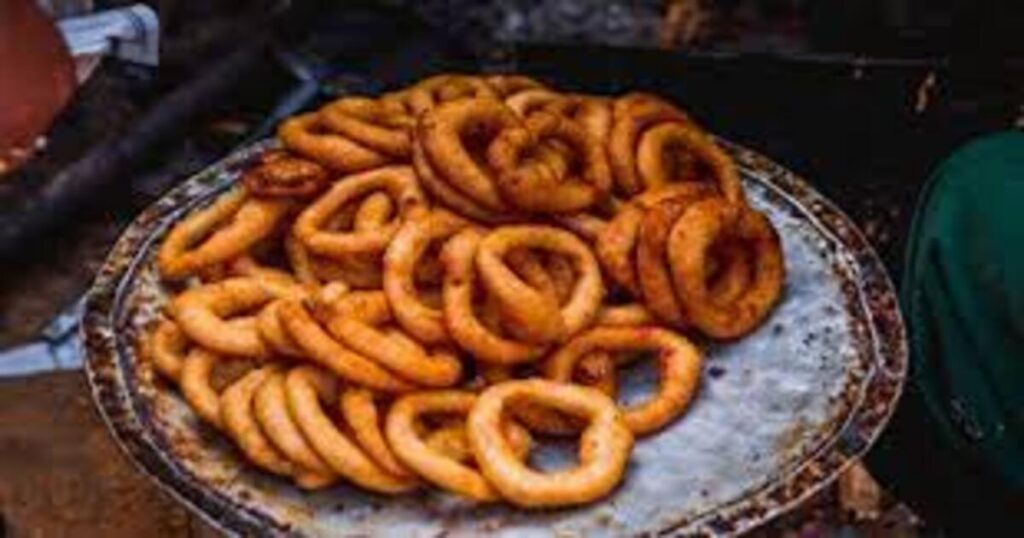
5. Sel Roti — Sikkim Food’s Sweet Festive Treasure
Origin: Nepali community
Sel roti is a sweet ring-shaped rice bread, made from a batter of soaked and ground rice, sugar, ghee, banana, and aromatic spices like cardamom and fennel. The batter is poured in a delicate circle into hot oil and fried until golden and crisp on the outside while remaining soft within.
Where to find it:
- Best during Tihar and Dashain festivals when families prepare it at home
- Local bakeries in Gangtok’s Lal Market sell fresh sel roti year-round
Cultural note: No Nepali Sikkimese festival is complete without sel roti — it’s offered to guests, gods, and ancestors alike.
Best for: Families, dessert lovers, festival travellers
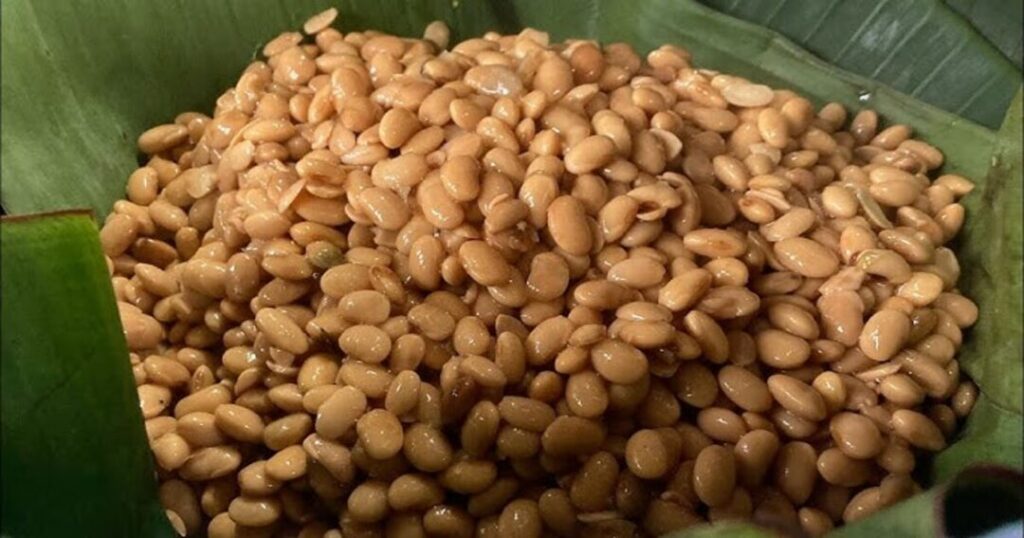
6. Kinema — The Most Unique Fermented Sikkim Food
Origin: Limbu and Rai communities
Kinema is fermented soybeans, traditionally made by boiling soybeans, wrapping them in fern or banana leaves, and allowing them to ferment over a few days. The result is a sticky, deeply umami ingredient that’s then cooked with onion, garlic, tomato, and chilli into a thick, savoury curry served over rice.
Where to find it:
- Limbu-run dhabas in Namchi and South Sikkim
- Many heritage homestays in rural Sikkim serve it as part of authentic local meals
Cultural note: Kinema is considered a “superfood” in traditional Sikkimese culture — rich in protein and used to build strength for high-altitude living.
Best for: Adventurous foodies, fermentation enthusiasts, vegetarians
7. Sha Phaley — The Most Comforting Sikkim Cuisine Snack
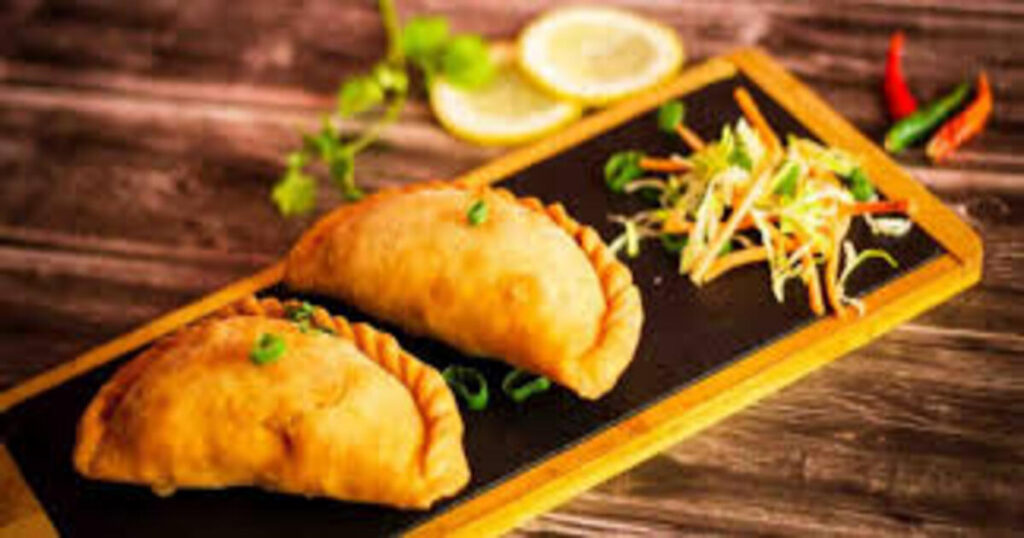
Origin: Tibetan-Bhutia
Sha Phaley is the indulgent cousin of the momo — semi-circular wheat pastries stuffed with seasoned minced beef, pork, or vegetables, then pan-fried until golden and crisp. The contrast between the crackling shell and the juicy filling is irresistible.
Where to find it:
- Tibet Hotel in Gangtok serves them traditional-style
- Many Tibetan eateries near monasteries serve them as breakfast or tea-time snacks
Cultural note: Sha phaley were originally pilgrim food — portable, filling, and energy-dense for long walks between monasteries.
Best for: Snack lovers, families, travellers seeking a quick handheld meal
8. Sikkim Cucumber & Vegetable Salads — The Refreshing Side of Sikkim Food
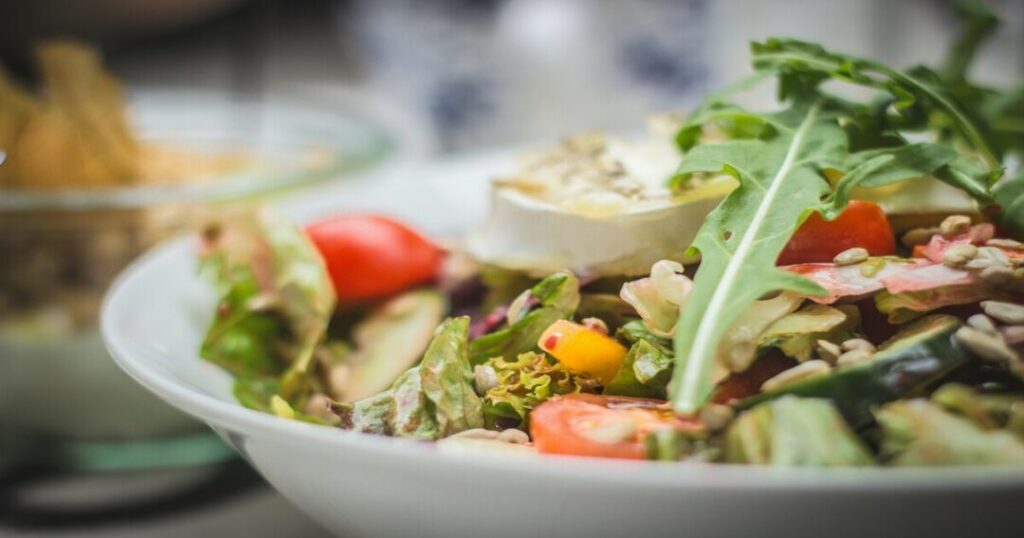
Origin: Local farming traditions
The famous Sikkim cucumber is a stout, dark-green local variety with a slightly sweet, deeply hydrating crunch unique to the region’s high-altitude growing conditions. It’s typically eaten fresh, sliced into rounds and tossed with crushed peanuts, fresh coriander, dalle khursani chilli, and a squeeze of lime to make a vibrant chutney-style salad.
Where to find it:
- Roadside stalls between Gangtok and Tsomgo Lake sell fresh Sikkim cucumbers with chilli-salt seasoning
- Local thali restaurants across the state include cucumber salad as a standard side
Cultural note: The Sikkim cucumber is celebrated locally and even features in the state’s GI-tagged agricultural heritage initiatives.
Best for: Hot-weather travellers, families, vegetarians
9. Chhurpi Soup & Chhurpi — The Hardest Sikkim Food in the World
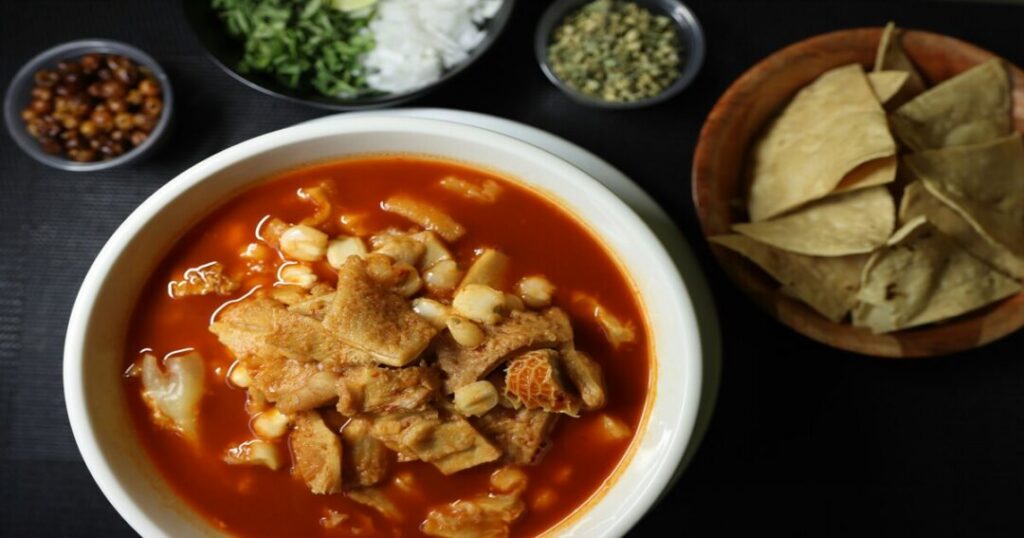
Origin: Yak-herding Bhutia and Lepcha traditions
Chhurpi is fermented yak or cow milk cheese — and it comes in two distinct forms. Soft chhurpi is used in soups and curries, while hard chhurpi (the famous “world’s hardest cheese”) is chewed slowly like candy and lasts for hours. Chhurpi soup combines the soft variety with mushrooms, garlic, and seasonal vegetables for a deeply nourishing meal.
Where to find it:
- Local Bhutia restaurants in Lachung and Lachen
- MG Marg shops in Gangtok sell hard chhurpi as a take-home travel snack
Cultural note: Chhurpi is a staple of the high-altitude pastoral traditions of Sikkim — a way of preserving milk that has sustained yak-herding families for centuries.
Best for: Adventurous foodies, culture seekers, snack hunters
Also read: Top Winter Treks in India–Best Trails From North to South
10. Sikkim Food’s Beloved Dal-Bhat-Tarkari — The Daily Heart of the Plate
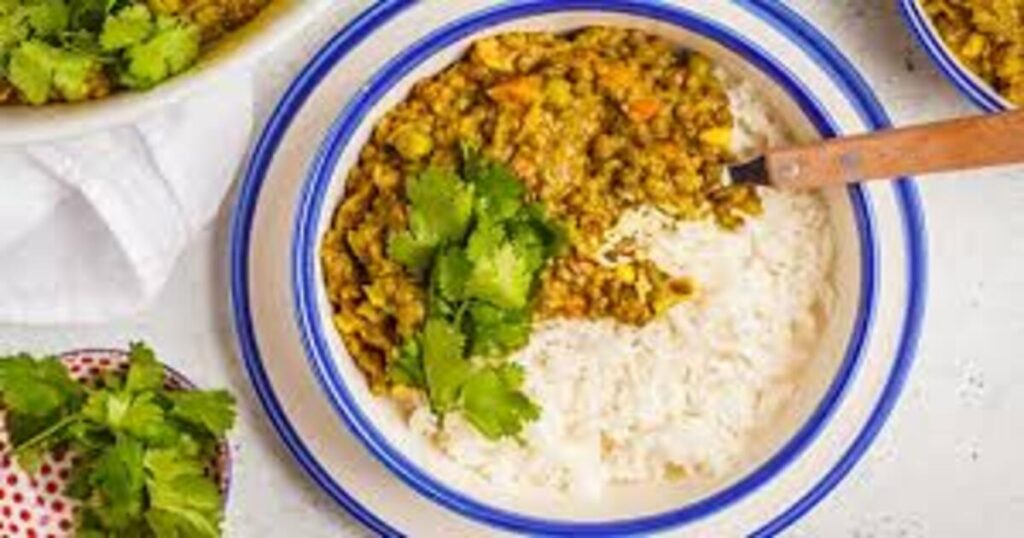
Origin: Nepali community
Dal-bhat-tarkari is the comforting Sikkimese-Nepali everyday meal — steamed rice (bhat), lentil soup (dal), and seasonal vegetable curry (tarkari), often served with achaar (pickle) and gundruk on the side. The version here is distinctive — flavoured with local timur (Sikkim pepper) and cooked with mountain-grown produce.
Where to find it:
- Roll House, Taste of Tibet, and most local thali restaurants in Gangtok
- Every homestay across Sikkim serves a version of this meal
Cultural note: This is the meal Sikkimese-Nepali families eat twice a day — it’s the foundation of home cooking and the heartbeat of regional comfort food.
Best for: Vegetarians, families, foodies wanting authentic everyday Sikkim food
11. Tongba & Chhang — The Traditional Drinks of Sikkim Cuisine

Origin: Limbu, Rai, Bhutia, and Lepcha communities
No Sikkim food experience is complete without trying tongba — a warm millet-based fermented drink served in a tall wooden mug with a bamboo straw. Hot water is poured over fermented millet, infused for a few minutes, and sipped slowly. Chhang, the cousin drink, is made from fermented rice or barley and is similarly enjoyed in cold-weather months.
Where to find it:
- The Local Cafe and Bayul in Gangtok serve traditional tongba
- Local home-brewed versions in Yuksom and Pelling are considered the most authentic
Cultural note: Tongba is the traditional welcome drink in Limbu households and remains a sacred element of community gatherings.
Best for: Adults seeking cultural drinking experiences; not for children
12. Phaley & Khabze — Sweet Sikkim Cuisine Festive Treats
Origin: Bhutia and Tibetan
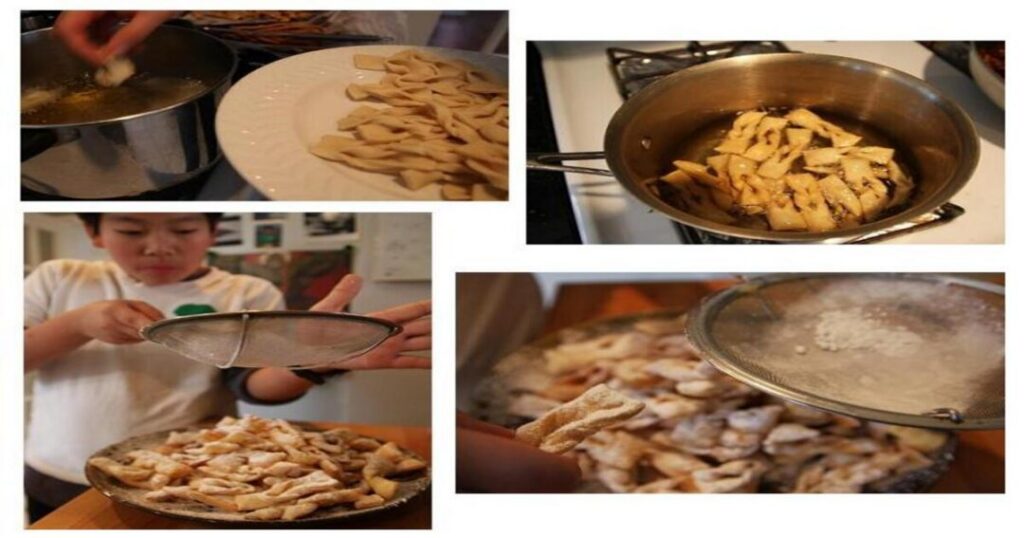
Khabze are deep-fried wheat pastries made in countless shapes — twisted strips, knotted rings, flower-shaped discs — and lightly sweetened. They are part of every major Bhutia and Tibetan celebration, especially Losar (Tibetan New Year), where elaborate towers of khabze adorn altars.
Where to find them:
- Local bakeries and sweet shops in Gangtok during festival seasons
- Homestays often serve them with butter tea or sweet tea
Cultural note: Each khabze shape carries symbolic meaning in Tibetan Buddhist tradition — donut shapes for prosperity, knots for eternal life.
Best for: Families, dessert lovers, festival-season travellers
Cultural Notes Every Sikkim Food Traveller Should Know
Sikkim’s cuisine is best understood through the lens of its three founding communities:
- Lepcha — the indigenous people of Sikkim; their food traditions centre on foraged greens, bamboo shoots, river fish, and minimal seasoning to honour the natural ingredient
- Bhutia — descended from Tibetan settlers; their cooking favours yak meat, chhurpi, pork, and butter-rich preparations suited to high-altitude living
- Nepali — Sikkim’s largest community today; their kitchen traditions bring dal-bhat, gundruk, sel roti, and rich curry traditions to the state
Sikkim was India’s first 100% organic state — a status it earned in 2016 — which means almost every ingredient on your plate is naturally grown without pesticides or chemical fertilisers. This is honest food, in every sense.
Sharing food in Sikkim is considered sacred. Refusing offered food can be perceived as rude — always accept at least a small portion when invited into someone’s home.
How to Reach Sikkim?
By Air:
- Pakyong Airport (PYG), Gangtok — Sikkim’s only commercial airport; approximately 30 km from Gangtok city centre; limited connectivity but growing
- Bagdogra Airport (IXB), West Bengal — the most widely used airport for Sikkim travellers; ~125 km from Gangtok via the scenic NH 10
- Most flights from Delhi, Mumbai, Kolkata, and Bengaluru route via Bagdogra
By Rail:
- New Jalpaiguri (NJP) Railway Station — closest major railhead; ~120 km from Gangtok
- Well-connected to all major Indian cities via express and superfast trains
By Road:
- Shared and private taxis from Bagdogra and NJP run regularly to Gangtok (4–5 hour journey)
- NH 10 connects Sikkim to the rest of India via the Siliguri corridor
- Self-driving is possible but mountain roads require experience and a sturdy vehicle
- Inner Line Permits (ILP) are required for foreign nationals; Indian nationals do not need permits for most areas but require special permits for protected zones like Nathula Pass and North Sikkim
Conclusion about Sikkim food
Sikkim food is more than just a cuisine — it’s a centuries-old conversation between the mountains, the monasteries, and the families who have called this land home for generations. From a freshly steamed momo on a misty Gangtok morning to a slow-sipped tongba in a Limbu homestay, every meal here connects you to something deeper.
Here’s your quick recap of the 12 essential dishes:
- Momos — the unmissable Sikkim food classic
- Thukpa — Himalayan noodle soup soul
- Phagshapa — slow-cooked Bhutia pork and radish
- Gundruk — fermented green leaves; flavour-packed
- Sel Roti — sweet festive rice bread rings
- Kinema — fermented soybean umami magic
- Sha Phaley — crisp-fried stuffed pastry
- Sikkim Cucumber Salad — the state’s beloved hydrator
- Chhurpi Soup & Hard Chhurpi — yak cheese in every form
- Dal-Bhat-Tarkari — the daily heart of every Sikkimese kitchen
- Tongba & Chhang — traditional fermented drinks
- Khabze — festive sweet pastries
Eat slowly, ask questions, accept every offered bite, and let the kitchen tell you its story. That’s the sikkim food experience.
Capture every momo, every monastery meal, every market discovery — download the Explurger app and share your Sikkim food journey with travellers everywhere.
The mountains are setting the table. Take your seat.
FAQs about Sikkim food
2: What is Sikkim cuisine known for?
Sikkim cuisine is known for its bold use of fermentation, fresh mountain vegetables, and minimal heavy spices. Traditional Sikkim food draws from three core communities — Lepcha, Bhutia, and Nepali — creating a rich blend of dishes including momos, thukpa, phagshapa, gundruk, kinema, sel roti, and chhurpi-based soups. Sikkim is also India's first 100% organic state, meaning its cuisine relies on naturally grown ingredients without pesticides. The use of timur (Sikkim pepper), dalle khursani chilli, and fermented soybeans gives the food its distinctive character.
3: What is Sikkim cucumber?
The Sikkim cucumber is a distinctive variety of cucumber native to Sikkim, characterised by its stout shape, dark green skin, and sweet, crisp, juicy interior. It thrives in the state's high-altitude climate and is part of Sikkim's organic agricultural heritage. Sikkim cucumber is most commonly eaten fresh — sliced, salted, and tossed with peanuts, chilli, and coriander to make a vibrant cucumber salad. It's served as a side dish across local thalis, sold by street vendors with chilli-salt seasoning, and prized for its hydrating qualities at altitude.
4: What is the best local food in Gangtok for vegetarians?
The best local food in Gangtok for vegetarians includes vegetable momos served with dalle khursani chutney, gundruk-based soups and pickles, kinema curry (fermented soybean) over rice, dal-bhat-tarkari thalis, traditional Sikkim cucumber salads, sel roti, and chhurpi soup with fresh mountain vegetables. Roll House, Bayul, Taste of Tibet, and The Local Cafe all offer excellent vegetarian Sikkim cuisine. Many local thali restaurants serve fully vegetarian dal-bhat-tarkari meals that showcase the depth of Sikkimese-Nepali vegetarian traditions.
5: Is Sikkim food spicy?
Sikkim food has a balanced level of spiciness rather than overwhelming heat. The signature local chilli — dalle khursani — is fiery but is usually served on the side as a chutney, allowing diners to control their preferred spice level. Most Sikkim cuisine relies more on fermentation, timur (Sikkim pepper), and slow-cooking techniques to build flavour rather than heavy chilli use. Dishes like thukpa and momos are mild and family-friendly. Travellers who prefer no spice can always request "no chilli" at most restaurants in Gangtok and across the state.
6: What are the must-try drinks in Sikkim cuisine?
The must-try traditional drinks in Sikkim cuisine include tongba (warm millet-based fermented drink served in a wooden mug with bamboo straw), chhang (fermented rice or barley beer), butter tea (po cha) served in Bhutia and Tibetan households, salty Tibetan tea, and locally brewed cardamom-infused chai. Tongba is the most iconic and best experienced in Gangtok's traditional cafes and homestays in Yuksom or Pelling. These drinks are central to Sikkimese hospitality and cultural gatherings, especially during the cold months.
7: Where can foodies find the most authentic Sikkim food experience?
The most authentic Sikkim food experience is found in traditional homestays across Pelling, Yuksom, Lachung, and Lachen. These family-run accommodations serve home-cooked meals using locally foraged and farm-grown ingredients, often around a communal hearth. In Gangtok, Tibet Hotel, Bayul, and The Local Cafe offer the closest restaurant equivalent of homestyle Sikkim cuisine. Joining a cultural food tour during major festivals like Losar, Dashain, or Saga Dawa offers an even deeper culinary immersion into the heart of Sikkim's traditions.