
332 Total Views
Imagine standing on a windswept island thousands of miles from the nearest city.
No traffic. No notifications. No crowds competing for the perfect photo.
Just endless ocean views, dramatic landscapes, and the feeling that you’ve reached the very edge of the world.
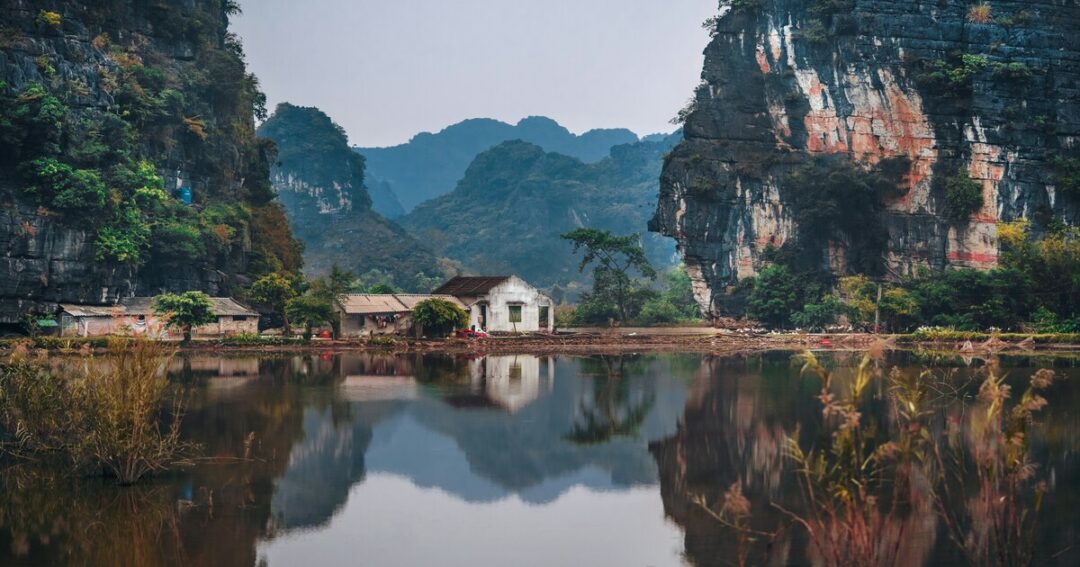
In today’s connected world, it may seem like every destination has already been discovered. Yet there are still places that remain wonderfully isolated—hidden corners of the planet where nature dominates, crowds are rare, and adventure begins long before you arrive.
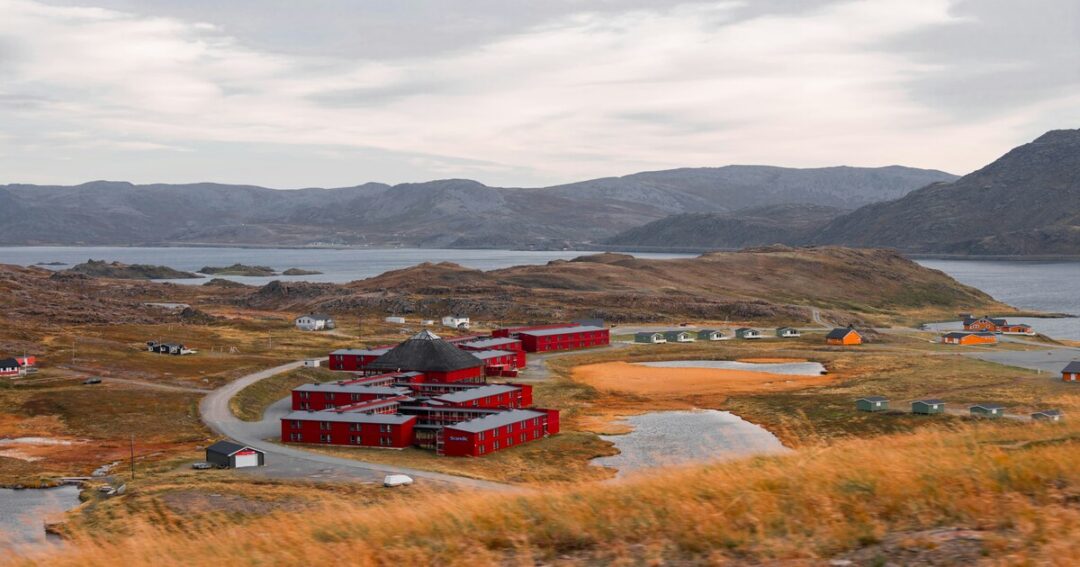
These remote destinations are more than just difficult to reach. They offer unique experiences that reward patience, curiosity, and a true sense of exploration. Whether it’s a forgotten island surrounded by vast oceans, a mountain village cut off by rugged terrain, or a frozen settlement near the Arctic Circle, these places provide an escape unlike any other.
For travelers seeking solitude, untouched landscapes, and unforgettable journeys, remote destinations offer a chance to disconnect from everyday life and reconnect with the world around them.
What are the most Extraordinary Remote Places on Earth?
From isolated islands and hidden mountain communities to far-flung polar settlements, here are some of the most extraordinary remote places in the world worth exploring.
1. Longyearbyen, Svalbard, Norway
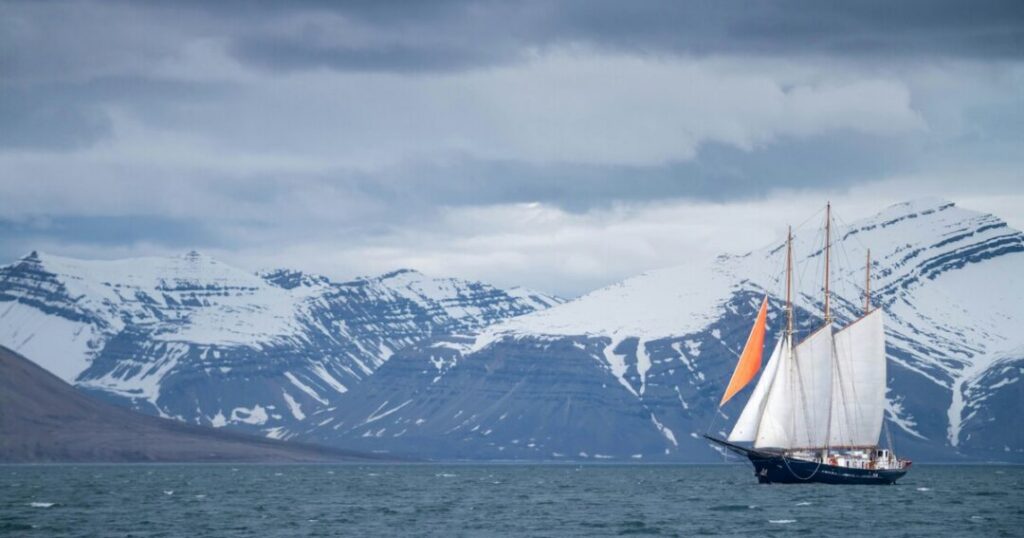
Deep within the Arctic Circle lies Longyearbyen, one of the world’s northernmost settlements.
Here, polar bears outnumber people outside the town limits, and winter brings months of complete darkness.
Despite its remote location, Longyearbyen offers incredible experiences, including:
- Northern Lights viewing
- Arctic wildlife encounters
- Glacier expeditions
- Snowmobile adventures
It is one of the most fascinating remote areas of the world for adventure seekers.
2. Wrangel Island, Russia: The Arctic’s Untouched Wilderness
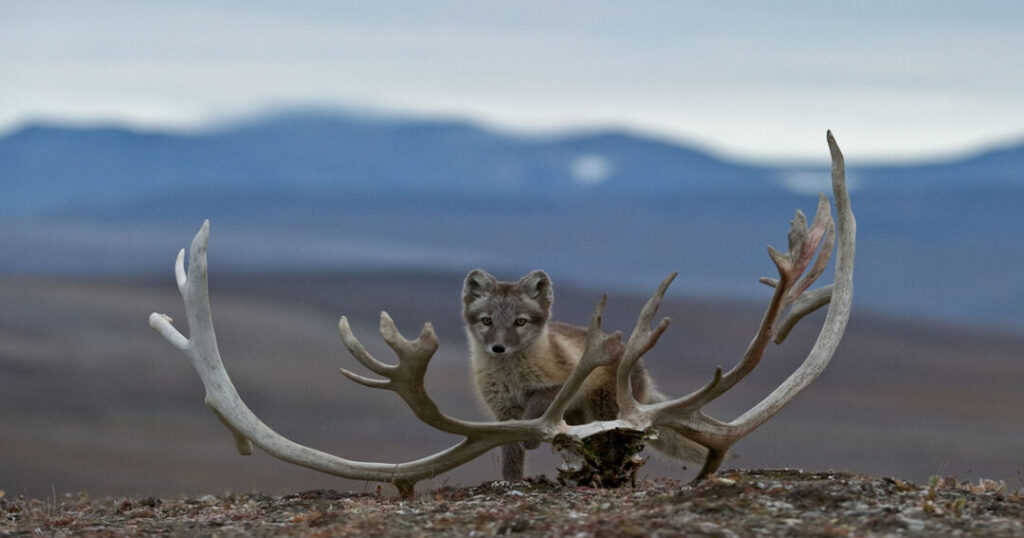
Located deep within the Arctic Ocean, Wrangel Island is one of the most remote and untouched places on the planet. Often referred to as the “Polar Bear Maternity Ward of the Arctic,” this isolated island is home to one of the world’s highest densities of polar bear dens, along with walruses, Arctic foxes, and migratory birds. Protected as a UNESCO World Heritage Site, Wrangel Island remains largely inaccessible, with only a handful of scientific expeditions and specialized cruises reaching its shores each year. Its dramatic tundra landscapes, rugged coastlines, and pristine wilderness offer a rare glimpse into an ecosystem that has remained virtually unchanged for thousands of years. For wildlife enthusiasts and true adventurers, few remote places in the world feel as wild, raw, and untouched as Wrangel Island.
Also Read: Remote Villages in India: A Guide for Hidden Adventures and Offbeat Tourism
3. Easter Island, Chile
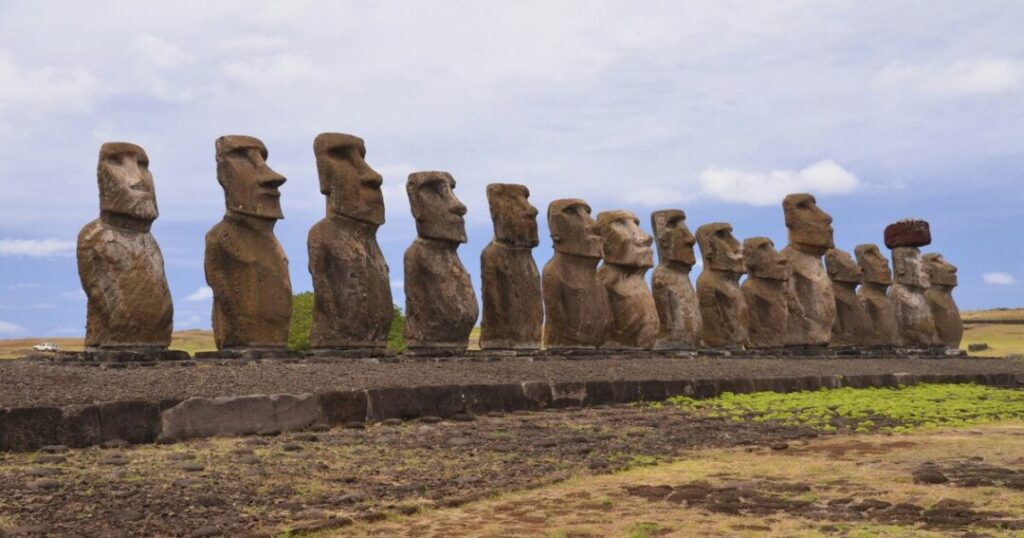
Rising from the middle of the Pacific Ocean, Easter Island remains one of the most mysterious destinations on Earth.
Famous for its giant stone Moai statues, the island sits over 3,500 kilometers from mainland Chile.
Its isolation helped preserve a unique culture and history that continues to captivate travelers today.
Walking among the ancient statues while surrounded by endless ocean feels like stepping into another era.
4. Ittoqqortoormiit, Greenland
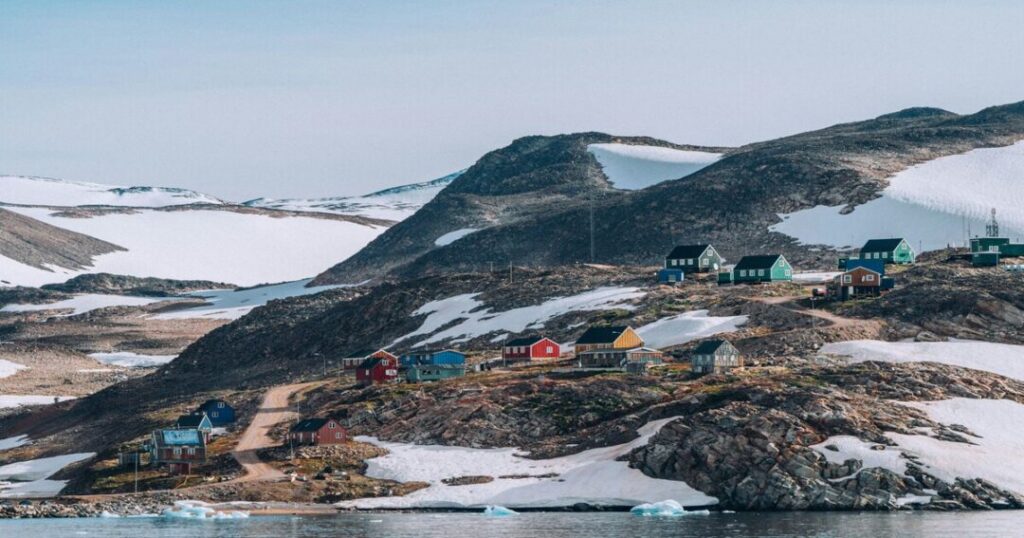
With fewer than 400 residents, this tiny Greenlandic settlement is one of the most isolated communities on the planet.
Accessible only during certain times of the year, Ittoqqortoormiit offers visitors:
- Massive icebergs
- Arctic wildlife
- Remote fjords
- Spectacular Northern Lights
It’s a destination where nature still dictates the pace of life.
5. Mongolia’s Gobi Desert: Where Silence Stretches to the Horizon
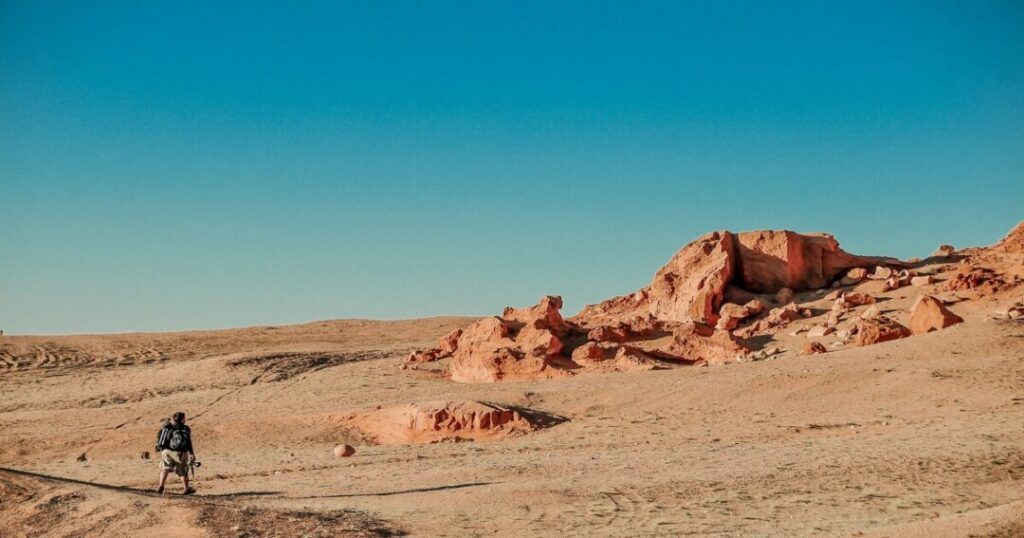
Vast, untamed, and unlike anywhere else on Earth, the Gobi Desert in Mongolia is one of the world’s most captivating remote destinations. Far from crowded tourist trails, this immense landscape is a mesmerizing blend of rolling sand dunes, dramatic rock formations, endless steppes, and rugged mountains. Travelers can spend days crossing its vast open spaces without encountering another soul, making it one of the most authentic remote places in the world. Beyond its striking scenery, the Gobi offers a glimpse into Mongolia’s nomadic way of life, where traditional herder families continue to live much as they have for generations. Whether you’re watching the sun set over the towering Khongoryn Els dunes or gazing at a sky filled with countless stars, the Gobi Desert delivers a sense of freedom, solitude, and adventure that few places on Earth can match.
6. Oymyakon, Russia

Known as the coldest permanently inhabited place on Earth, Oymyakon pushes human endurance to the limit.
Winter temperatures regularly drop below -50°C.
Despite the harsh conditions, locals continue to live, work, and thrive in one of the planet’s most extreme environments.
Visiting Oymyakon is less about sightseeing and more about experiencing life at the edge of human habitation.
7. Socotra, Yemen
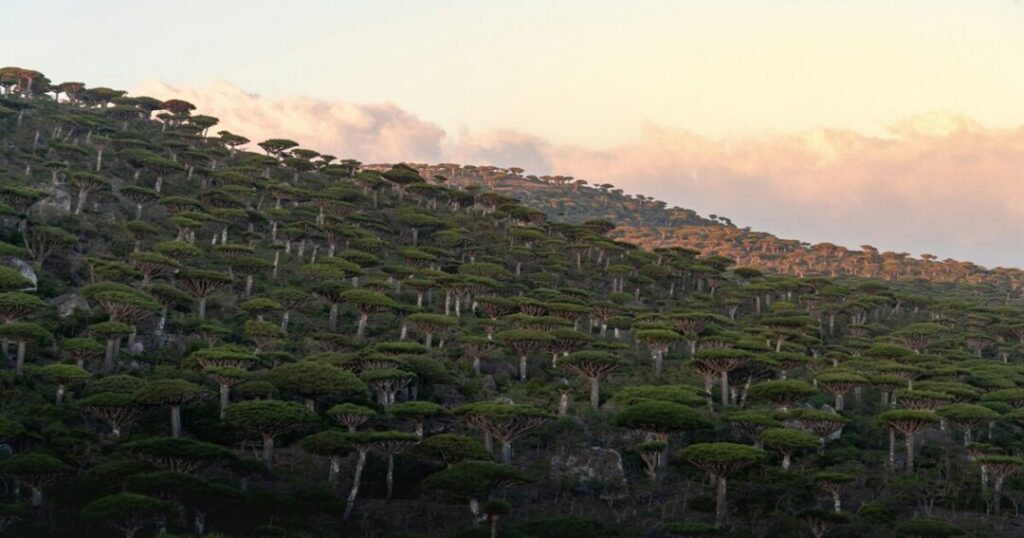
Often described as the “Galápagos of the Indian Ocean,” Socotra looks like another planet.
Its iconic Dragon Blood Trees and unusual landscapes have evolved in isolation for millions of years.
Nearly a third of its plant species exist nowhere else on Earth.
For photographers and nature lovers, few destinations feel as otherworldly as this remote place on Earth.
8. The Faroe Islands, North Atlantic Ocean
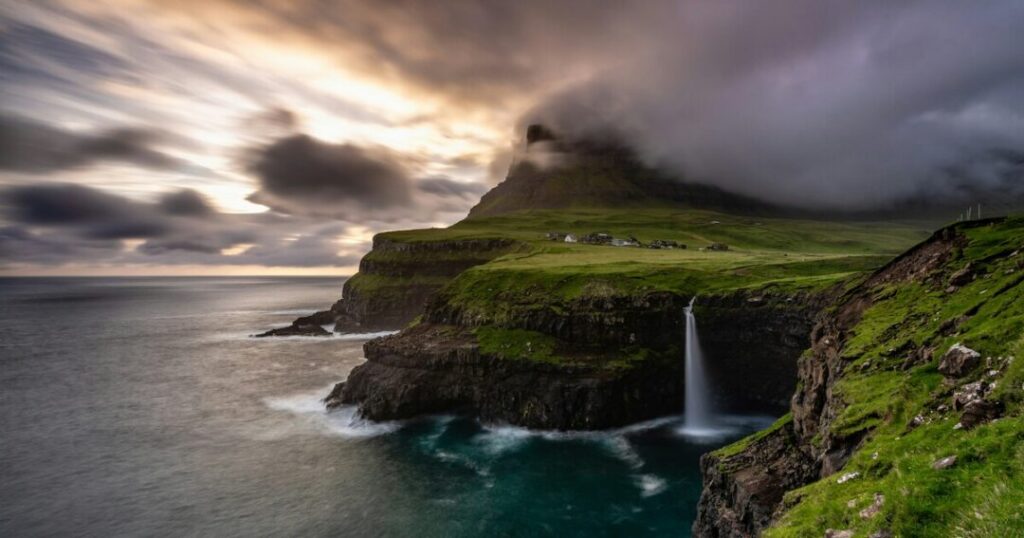
Nestled between Iceland and Norway, the Faroe Islands remain one of Europe’s best-kept secrets.
Towering sea cliffs, dramatic waterfalls, and colorful villages create landscapes that feel untouched by time.
While tourism is growing, the islands still retain a peaceful atmosphere rarely found in modern travel destinations.
9. Antarctica
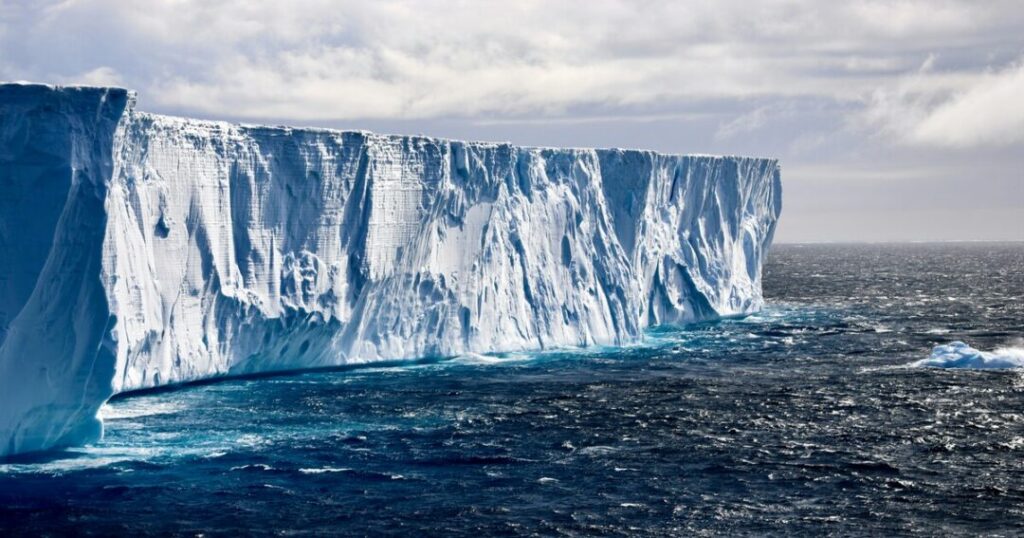
No list of remote escapes would be complete without Antarctica.
The southernmost continent remains one of the last true wildernesses on Earth.
Visitors encounter:
- Massive icebergs
- Penguin colonies
- Whales
- Endless frozen landscapes
The sheer scale and silence of Antarctica make it one of the most unforgettable remote areas of the world.
Also Read: UNESCO’s Newest Geoparks: Remarkable New Sites Added to the Global Network
10. The Kerguelen Islands, Southern Indian Ocean
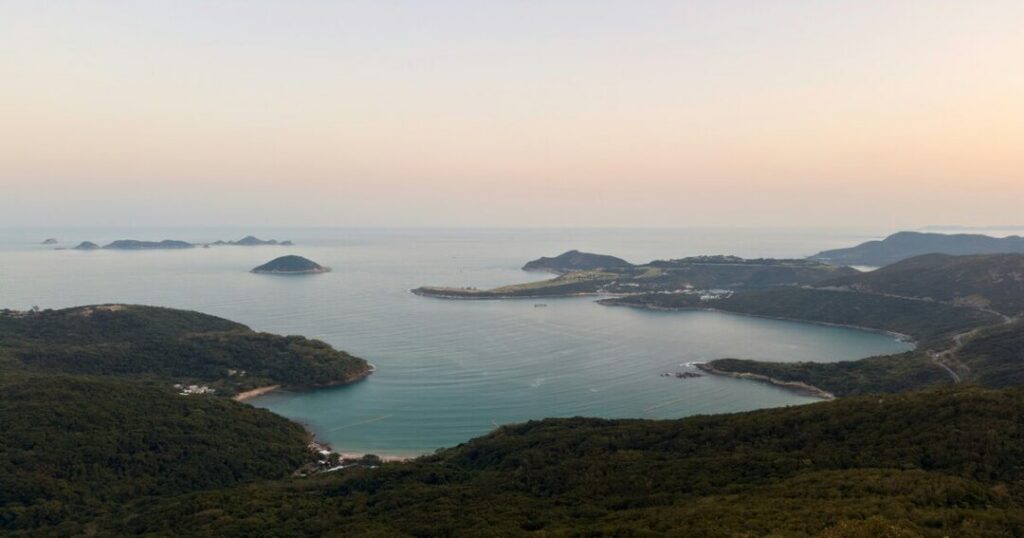
Nicknamed the “Desolation Islands,” the Kerguelen Islands are among the most isolated places on the planet.
There is no permanent civilian population, no airport, and virtually no tourism infrastructure.
Reaching them requires a lengthy voyage through some of the roughest seas on Earth.
For explorers fascinated by true isolation, few destinations compare.
Why Travelers are Seeking Remote Escapes?
Modern travel is changing.
Many travelers are moving away from crowded hotspots and searching for deeper, more meaningful experiences.
Remote destinations offer:
- Digital detox opportunities
- Untouched natural beauty
- Unique wildlife encounters
- Authentic cultural experiences
- A sense of true adventure
In a world that often feels constantly connected, these places provide something increasingly rare: solitude.
The Appeal of Going Off the Grid
The most memorable journeys aren’t always the easiest ones.
Sometimes they involve multiple flights, long boat rides, unpredictable weather, and stepping far outside your comfort zone.
But that effort often leads to experiences impossible to find elsewhere.
Standing on a remote island surrounded by endless ocean or watching the Northern Lights dance above an Arctic wilderness creates memories that stay with travelers forever.
Why Remote Travel Leaves the Deepest Impact?
The world’s most remote destinations remind us that exploration is still alive.
While cities continue to grow and technology keeps us connected, there are still places where nature dominates, silence prevails, and adventure feels genuine.
Whether it’s the volcanic isolation of Tristan da Cunha, the icy wilderness of Antarctica, or the surreal landscapes of Socotra, these extraordinary escapes prove that some of the most rewarding journeys begin where the roads end.
For travelers willing to venture beyond the familiar, the world’s most remote places offer experiences unlike anything else on Earth.
FAQs about the most Remote Place in the World
2. What is the most remote island in the world?
Tristan da Cunha is widely recognized as the most remote island in the world, located more than 2,400 kilometers from the nearest inhabited land.
3. Which remote place on Earth is hardest to reach?
Antarctica, the Kerguelen Islands, and Pitcairn Island are among the most difficult destinations to access due to their extreme isolation and limited transportation options.
4. Are remote places safe to visit?
Most remote destinations can be visited safely with proper planning, local guidance, and suitable travel arrangements. However, weather conditions and limited infrastructure often require extra preparation.
5. Why are travelers interested in remote areas of the world?
Remote destinations offer unique experiences, untouched landscapes, fewer crowds, authentic cultural encounters, and opportunities to disconnect from modern life.
6. Can tourists visit Tristan da Cunha?
Yes, tourists can visit Tristan da Cunha, but reaching the island requires planning and a multi-day sea voyage from South Africa.