
1,733 Total Views
Darjeeling sits at approximately 2,050 meters in the Darjeeling Himalayan hill region of West Bengal—a small city that has been, at various points in its history, a British hill station for colonial officers seeking relief from the Calcutta summer; a meeting point of Nepali, Tibetan, Lepcha, Bhutia, and Bengali cultures; and the source of what the world knows as the finest black tea ever produced. All of that history is on the plate. Darjeeling food is the food of a city that has absorbed multiple culinary cultures without fully belonging to any of them—and the result is one of the most distinctive, most layered, and most underappreciated food traditions in India.
The food here does not try to be sophisticated. What it does is nourish—with the directness of high-altitude mountain cooking, the warmth of fermented flavors developed for long, cold winters, the crunch of street-side snacks eaten under a blanket of clouds, and the comfort of a pot of Darjeeling tea that tastes like nothing else on earth.
What Makes Darjeeling’s Food Culture Unique?
Darjeeling’s culinary identity is shaped by three overlapping traditions:
The Nepali tradition—the largest ethnic community in Darjeeling—is Nepali-speaking, with roots in the successive waves of Gorkha migration into the Darjeeling hills from the late 18th century onward. The Nepali kitchen brought dal bhat, gundruk (fermented leafy greens), sel roti (rice flour ring bread), and the momo tradition that eventually became the defining food of the hills.
The Tibetan and Bhutia tradition—Tibetan refugees arrived in Darjeeling in significant numbers after the 1959 Tibetan exodus, reinforcing and deepening the already present Bhutia (Tibetan-origin) community. They brought thukpa (noodle soup), butter tea, tsampa (roasted barley flour), and their own momo tradition—technically distinct from the Nepali version in spicing and wrapping technique but deeply related in origin.
The British colonial legacy: Darjeeling was established as a sanatorium and hill station by the British in the 1840s, and the colonial period left a legacy in the food culture: bakeries producing Western-style bread and pastries, a café culture, and the tea estate system that made Darjeeling synonymous with its most famous export.
The people of Darjeeling consume a diverse variety of foods, with each ethnic group maintaining its own distinct traditional food. What emerges from this convergence is a food culture that is simultaneously very local (the fermented products, the specific chutney preparations, and the particular spicing of the Darjeeling momo) and deeply connected to the broader Himalayan food world.
Darjeeling Special Momos — The Deep Dive
Origin and Cultural History
The momo is the undisputed center of Darjeeling food culture—the dish that every visitor comes for and that locals eat daily without ceremony. Understanding what makes Darjeeling special momos different requires knowing where the momo itself comes from.
Momo originated in Tibet as portable food for nomadic communities, later spreading to Nepal through trade routes. Historical evidence confirms Tibetan origins dating back to the 13th century. The word “momo” itself reflects this complex heritage: Wikipedia states that “momo is the colloquial form of the Tibetan word ‘mog mog,'” possibly borrowed from the Chinese term “momo” used in northwestern Chinese dialects for wheat steamed buns and bread.
Nepali traders who went to Tibet and came back made their own version—the Nepali momo has spices in it, whereas the Tibetan ones are flavored primarily with ginger. The Darjeeling momo sits at the intersection of these two traditions—it carries the Tibetan wrapper technique and the Nepali spiced filling, shaped by a local palate that prefers its filling slightly more seasoned than the Tibetan original but less complex than some plain versions.
What Makes Darjeeling Momos Special?
Several things distinguish the best momos in Darjeeling from momos elsewhere:
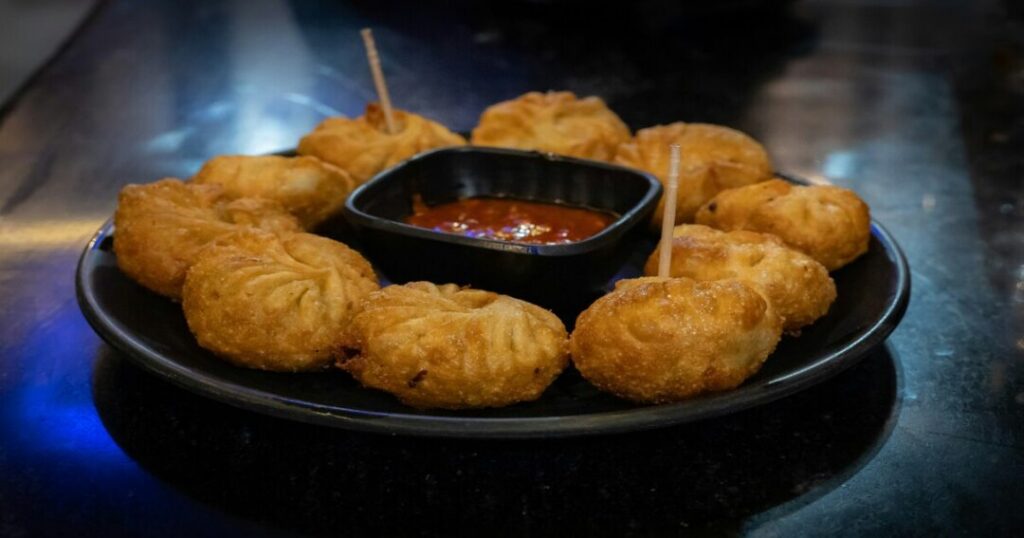
The wrapper: Momos tend to have wrappers made from a firmer, thicker dough than Chinese-style dumplings—suited to the traditional Himalayan practice of eating them with hands rather than chopsticks. Darjeeling momos use this thicker, slightly chewier wrapper—giving each dumpling a satisfying resistance before the filling is reached.
The filling: The classic Darjeeling momo filling is minced pork or chicken seasoned with garlic, ginger, onion, and a small amount of coriander. The seasoning is restrained by Plains Indian standards; the meat’s own flavor is meant to be the center of the experience. Vegetable momos (cabbage, potato, paneer) are equally popular and treat vegetarians with the same seriousness as meat versions.
The chutney: Momos are most commonly served with thicker, often very spicy, tomato dipping sauces or chutneys seasoned with rich, warming spices. The Darjeeling momo chutney—a fresh, blended tomato and chili sauce with garlic—is the finishing touch that makes or breaks a plate.
The soup: Traditional Nepali momos are often served with a small bowl of simple aromatic soup or broth seasoned with a mix of warming spices like cardamom and cinnamon—sometimes the momos are served in the broth. In Darjeeling, the thin clear soup served alongside momos—often just hot vegetable or meat broth with minimal seasoning—is drunk between bites as a palate cleanser and warming agent.
Types of Momos You’ll Find in Darjeeling
A Darjeeling momo shop will typically offer several variations:
- Steamed momos (pakke momo)—the original and still the finest; the dough steams to a silken, slightly translucent finish, and the filling stays juicy inside the sealed wrapper
- Fried momos (fried) — deep-fried after steaming, creating a crispy exterior that contrasts with the still-soft filling; the most popular street version
- Jhol momo—momos served in a rich, spiced broth rather than with chutney on the side; a more substantial and warming preparation particularly popular in cold weather
- C-momo (chilli momo) — steamed momos tossed in a spicy sauce; a more recent adaptation that has become standard at most Darjeeling momo shops
- Kothey momo—pan-fried (not deep-fried), producing a crispy bottom and soft top, a technique borrowed from Tibetan cooking
- Open momos — shaped with an open top, allowing the filling to be visible; typically used for cheese or vegetable preparations
Filling options at a standard Darjeeling momo shop: pork, chicken, beef, buff (buffalo), vegetable (cabbage), paneer, chhurpi (yak/cow cheese). The pork version is typically considered the most flavorful.
Also read: Tourist Places in Darjeeling: 12 Scenic Spots That Will Take Your Breath Away
What Food Is Darjeeling Famous For? — Beyond the Momo
Thukpa: The Warming Noodle Soup
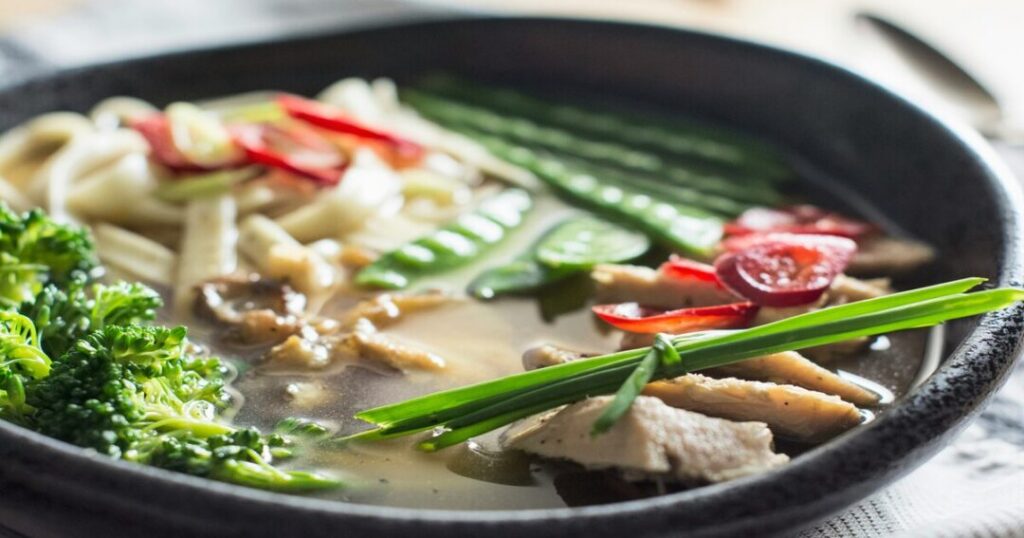
Thukpa is the other cornerstone of Darjeeling street food—a Tibetan noodle soup of wheat noodles in a clear or slightly cloudy meat or vegetable broth, laden with vegetables, a swirl of chili oil on top, and the slow warmth of ginger and garlic running through the base. This type of noodle, served with soup and vegetables or meat, is extremely popular in and around the hills of Darjeeling.
The Darjeeling version typically uses flat, hand-rolled noodles rather than the round varieties found in some other versions—the flat noodle absorbs the broth differently, giving each mouthful more surface area and therefore more flavor. A bowl of thukpa on a cold Darjeeling morning—served in a restaurant where the windows are misted and the town is wrapped in cloud—is one of the finest simple food experiences in India.
Sel Roti — The Festive Ring Bread
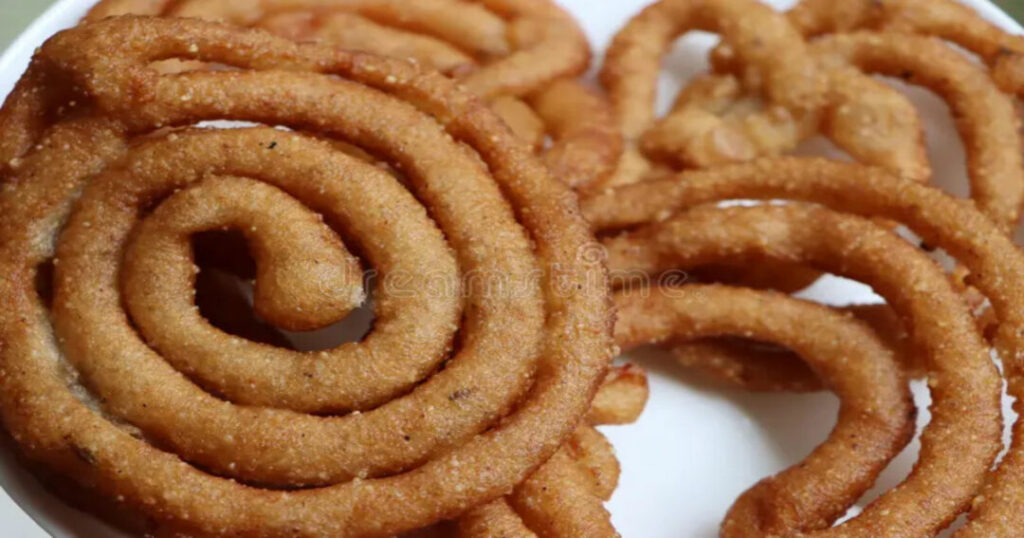
Sel roti is a traditional Nepali ring-shaped bread made from a fermented rice batter—poured into hot oil in a circular stream and fried until crispy on the outside and soft on the inside. It is the festival bread of the Nepali community—associated with the festivals of Tihar and Dashain—but eaten as a daily snack in Darjeeling’s markets and homes.
The texture is unique: crispy golden exterior, slightly chewy and soft inside, with a faint sweetness from the fermented rice base. It is always vegetarian. In Darjeeling, sel roti is eaten with a cup of milk tea (chiya) as the archetypal morning snack—a combination so natural it feels like it was designed to go together.
Also read: Best Food in Gangtok: A Complete Guide to Sikkimese, Tibetan & Nepali Cuisine
Gundruk and Kinema — The Fermented Foundation
Indigenous fermented food products such as gundruk (fermented and dried leafy vegetable), kinema (fermented soybean), and sinki (fermented and dried radish) are consumed by the people of Darjeeling.
Gundruk—a classified national food of Nepal—is fermented mustard or cauliflower leaf, sun-dried and stored. Used as a souring agent in soups and side dishes, it adds a depth and tang that is entirely unique to this food culture. Gundruk soup is one of the most nutritious preparations in Darjeeling’s traditional food: it’s warming, probiotic-rich, and deeply flavorful.
Kinema—fermented soybean—functions as the umami engine of many Darjeeling dishes, adding a pungent, protein-rich depth to curries and stir-fries. The smell during preparation is strong and acquired; the taste in a finished dish is irreplaceable.
Chhurpi: The Himalayan Cheese
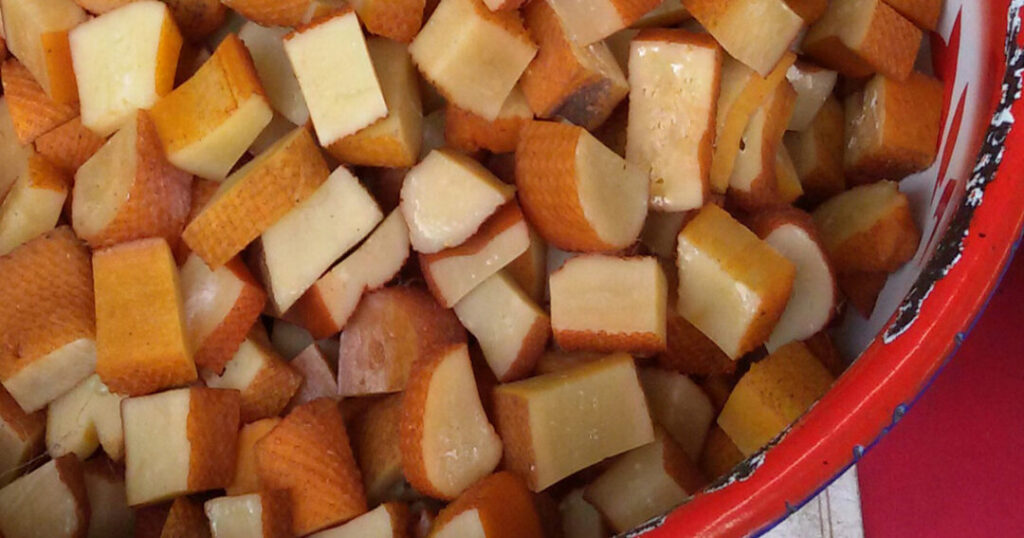
Hard chhurpi, a type of hard cheese made from cow or yak milk, is a popular snack that is both nutritious and long-lasting. Soft chhurpi, a traditional soft cheese, is consumed along with green vegetables as savory dishes, used as a filling for momos, ground with tomatoes and chilies for chutney, or made into a refreshing soup.
Hard chhurpi is chewed slowly—a single piece can last for hours, releasing flavor gradually. It is sold in small cubes at virtually every market stall in Darjeeling and is one of the most distinctively Himalayan food experiences in the city.
Dhido — The Forgotten Staple
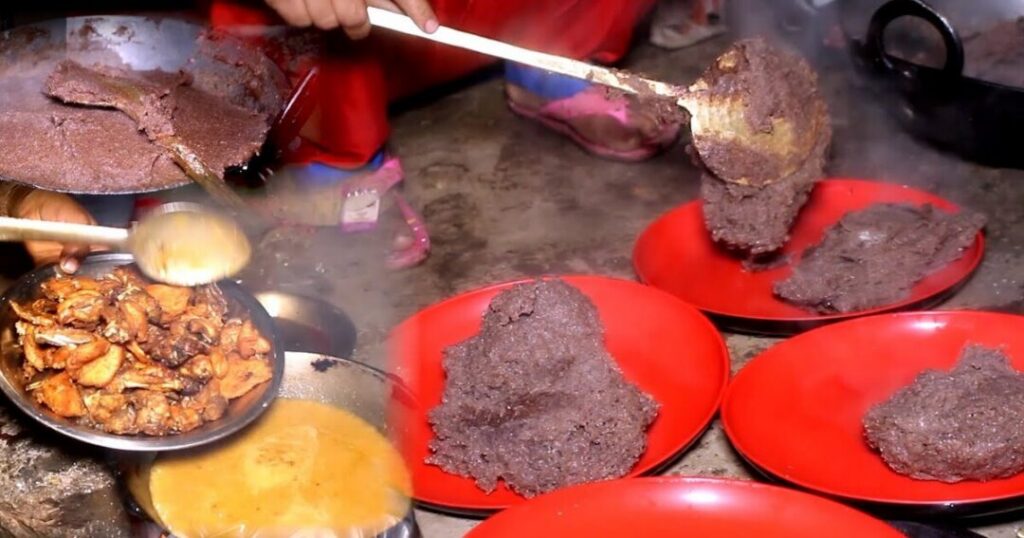
Dhido (also written “dhindo”) is a traditional Nepali and Himalayan preparation—a thick porridge made from buckwheat or millet flour, cooked with water until stiff and dense. It is often served with curries or gundruk (fermented leafy greens) and is a filling, rustic meal—commonly eaten at higher altitudes. Dhido is not restaurant food in the tourist sense—it is what people eat at home, particularly in the villages above Darjeeling town. Seeking it out at a local eatery is one of the most authentic Darjeeling food experiences available.
Mutton Pachoni—The Local Curry
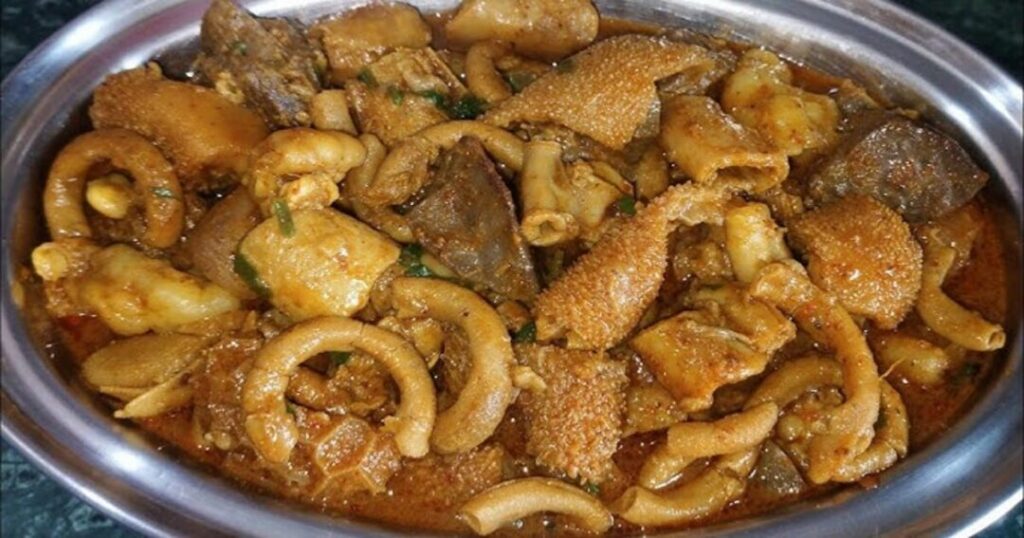
Mutton Pachoni is a slow-cooked mutton curry specific to the Darjeeling hills—prepared with a blend of local spices that includes timur (Sichuan pepper, Zanthoxylum armatum), which gives it a faintly numbing, citrusy quality unlike any standard Indian mutton curry. The combination of slow-braised mutton and the timur spice blend is one of the finest Darjeeling special food preparations and one of the least known outside the region.
Darjeeling Street Food— What to Eat and Where to Look?
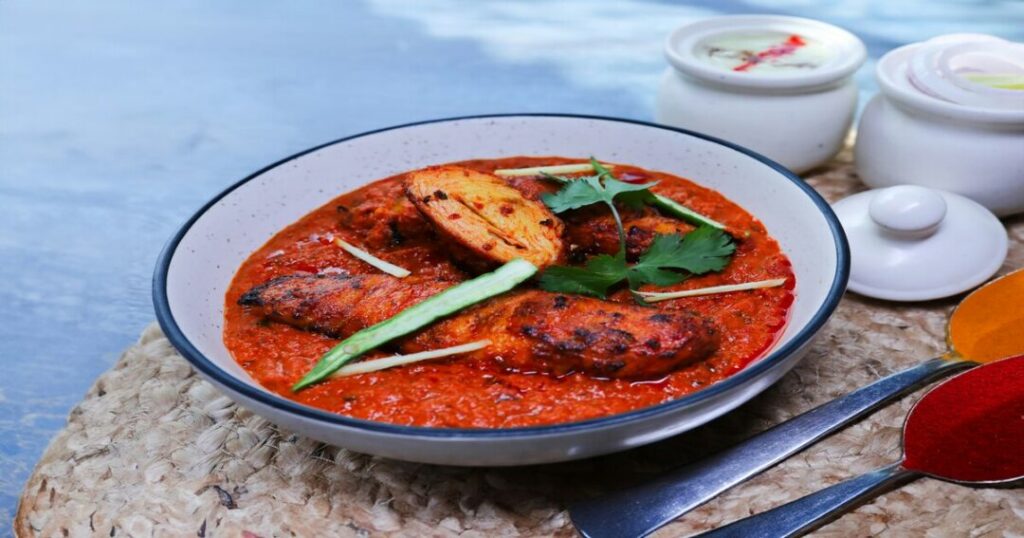
Darjeeling street food is concentrated around a few key areas:
Chowk Bazaar (the main market) is the heart of Darjeeling’s street food culture—the most active area for momo stalls, sel roti vendors, thukpa shops, and the snack vendors who set up from early morning. This is where locals shop and eat, and prices here are the most honest reflection of the actual Darjeeling food cost.
Nehru Road (the main tourist promenade) has a higher concentration of sit-down restaurants and slightly higher prices, but the momo stalls along its edges remain excellent—the competition is fierce and quality is generally high.
Loaded potato (aloo dum)—boiled or roasted potatoes in a spiced, tangy sauce—is the most common street snack below momos. Found at every corner, it is the default hunger fix and costs almost nothing.
Wai-Wai — the packaged instant noodle brand from Nepal — is a cultural staple rather than a junk food in Darjeeling. It is a favorite snack of the Darjeeling hills, comprising noodles eaten either dry or with soup. Watching locals crush a packet of dry Wai-Wai and eat it as a snack is one of the most Darjeeling-specific food experiences in the city.
Tingmo—a Tibetan steamed bread with a soft, pull-apart interior—is served alongside curries and soups at Tibetan-style restaurants and is worth seeking out specifically.
Darjeeling Tea — The Non-Negotiable
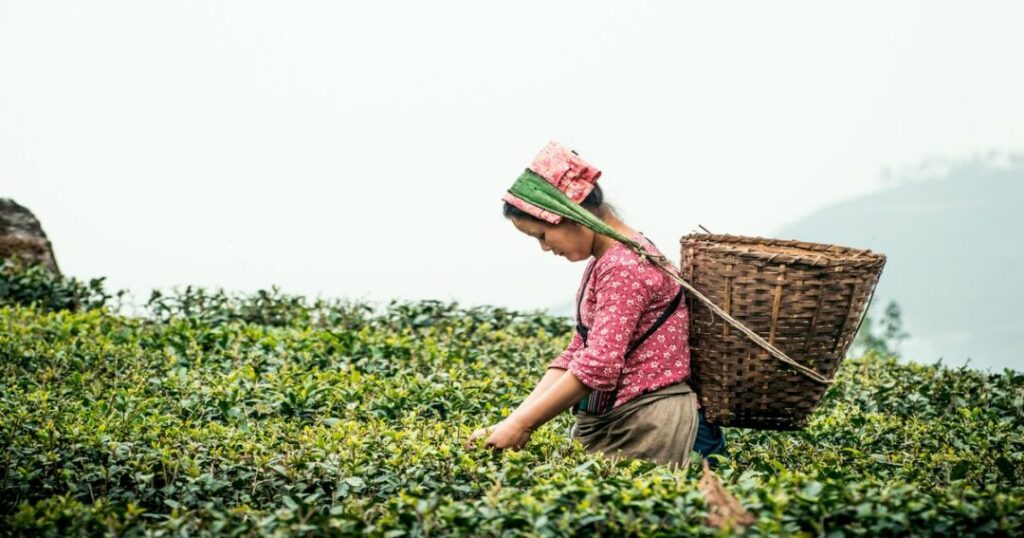
No guide to Darjeeling’s famous food is complete without its most famous export. Darjeeling tea is known as the “Champagne of Teas,” prized worldwide for its delicate flavor and floral aroma. The tea estates of Darjeeling — Happy Valley, Makaibari, Castleton, and others — produce a black tea with a muscatel (grape-like) quality that is unique to the high-altitude, specific climate, and particular tea cultivar (Camellia sinensis var. sinensis) grown here.
In Darjeeling itself, tea is drunk in two ways: the strong, milky, heavily sugared chiya that is the local version of masala chai—the background hum of every morning in the hills—and the delicate, correctly brewed single-estate Darjeeling tea that the world’s tea connoisseurs seek out.
Both are correct. Both are from Darjeeling.
Also read: Why Monsoon in Darjeeling is the Perfect Escape: Travel Guide for 2026
What are the food costs and prices in Darjeeling?—What to expect?
One of the most searched questions about Darjeeling food is how much it costs—and the answer is very reasonable, particularly by Indian hill station standards.
Street food and local eateries:
- Steamed or fried momos: approximately ₹50–100 for a plate of 8–10
- Thukpa: approximately ₹60–120 per bowl
- Sel roti: approximately ₹20–40 per piece
- Aloo dum: approximately ₹30–60 per plate
- Darjeeling tea (cup): approximately ₹20–50 depending on the type and location
Mid-range restaurants on Nehru Road and tourist areas:
- Meals at sit-down restaurants: approximately ₹150–400 per person
- Darjeeling tea (a proper single-estate cup): approximately ₹80–200
What drives cost variation: The Darjeeling food price varies primarily by location (Chowk Bazaar vs Nehru Road tourist strip), presentation (street stall vs sit-down), and ingredient quality (standard chicken momo vs pork or chhurpi filling). A full meal — momos, thukpa, and tea — from a local eatery should cost approximately ₹150–250 per person. Darjeeling is one of the most affordable hill stations in India for food.
Also read: Assam Food: The Complete Guide to Assamese Cuisine, Traditional Dishes & Famous Sweets
Conclusion about Darjeeling Food
Darjeeling food is mountain food in the fullest sense—honest, warming, shaped by altitude and community, and deeply connected to the cultures that made this remarkable small city. Quick guide to the essentials:
- The momo: The heart of it all—steamed or fried, pork or vegetable, always with tomato chutney and clear soup
- Thukpa: The warming noodle soup for cold mornings and cold evenings
- Sel roti: The crispy-soft fermented rice ring, eaten with chiya at every market corner
- Chhurpi: Hard yak/cow cheese, chewed slowly as a snack—one of the most Himalayan experiences in the city
- Gundruk and kinema: The fermented backbone of Nepali-Darjeeling home cooking
- Darjeeling tea: The “Champagne of “Teas”—drink the milky chiya on the street; seek out the single-estate cup at a proper tea shop
- Cost: Extremely affordable — a full street food meal for ₹150–250
The best Darjeeling food is not found in the restaurants that tourists photograph. It is found at the momo stall at Chowk Bazaar, where the vendor has been making the same filling since before dawn; at the sel roti seller, whose batter has been fermenting overnight; and at the small dhaba, where a bowl of thukpa costs less than a bus ticket and tastes like the entire mountain range.
Download the Explurger app to discover what locals recommend eating in Darjeeling, find authentic momo stalls and street food spots beyond the tourist trail, and log every dumpling, bowl of thukpa, and cup of tea on your trip.
The steamers are already going. The tea is already brewing. Darjeeling’s table is set.
FAQs about Darjeeling Food
2. What makes Darjeeling momos special?
Darjeeling special momos are distinguished by their Tibetan-Nepali heritage: a firm, slightly thicker wrapper than Chinese dumplings; a filling of spiced minced pork or chicken (or vegetable) that balances Nepali spicing with Tibetan restraint; and a fresh tomato-chili chutney of exceptional heat and flavor. The momo tradition in Darjeeling has been developing for generations—shaped by Nepali migration, Tibetan refugee communities, and a specific local palate. Types available include steamed, fried, jhol (in broth), C-momo (in chili sauce), kothey (pan-fried), and open momo.
3. What is Darjeeling street food?
Darjeeling street food centers on momos (steamed and fried, from stalls concentrated around Chowk Bazaar), thukpa (noodle soup), sel roti (fried rice flour ring bread, eaten with chiya), aloo dum (spiced potato), and chhurpi (hard cheese, sold in cubes at market stalls). The best Darjeeling street food is found at Chowk Bazaar — the main local market — rather than the tourist-facing restaurants on Nehru Road, which offer similar food at slightly higher prices.
4. How much does food cost in Darjeeling?
Darjeeling's food cost is very affordable by Indian hill station standards. At local eateries and street stalls: momos are approximately ₹50–100 per plate; thukpa is approximately ₹60–120 per bowl; sel roti is approximately ₹20–40. A full meal at a sit-down restaurant runs approximately ₹150–400 per person. Darjeeling food prices are lowest at Chowk Bazaar and highest at the tourist-facing restaurants on Nehru Road. All prices are approximate and subject to seasonal variation.
5. Is Darjeeling good for vegetarians?
Darjeeling food is more vegetarian-friendly than its reputation for momos might suggest. Vegetable momos (cabbage, potato, paneer, and chhurpi) are widely available and seriously made. Sel roti is always vegetarian. Gundruk preparations, thukpa with vegetable broth, and the fermented food traditions (kinema and sinki) are all plant-based. Dal bhat is available at most local eateries. The Tibetan and Nepali Buddhist traditions have maintained strong vegetarian cooking cultures in the hills.
6. What is Darjeeling tea and why is it special?
Darjeeling tea is a black (and white/green) tea produced at the Darjeeling tea gardens of West Bengal—known as the "Champagne of Teas" for its distinctive muscatel (grape-like floral) quality. The flavor comes from the specific combination of high altitude, cool temperatures, low humidity, and the particular tea cultivar (Camellia sinensis var. sinensis) grown in these gardens. It is one of the first agricultural products in Asia to receive a Geographical Indication (GI) tag. In Darjeeling itself, it is drunk both as strong milky chiya (the everyday version) and as a carefully brewed single-estate cup—both are authentically Darjeeling.