

840 Total Views
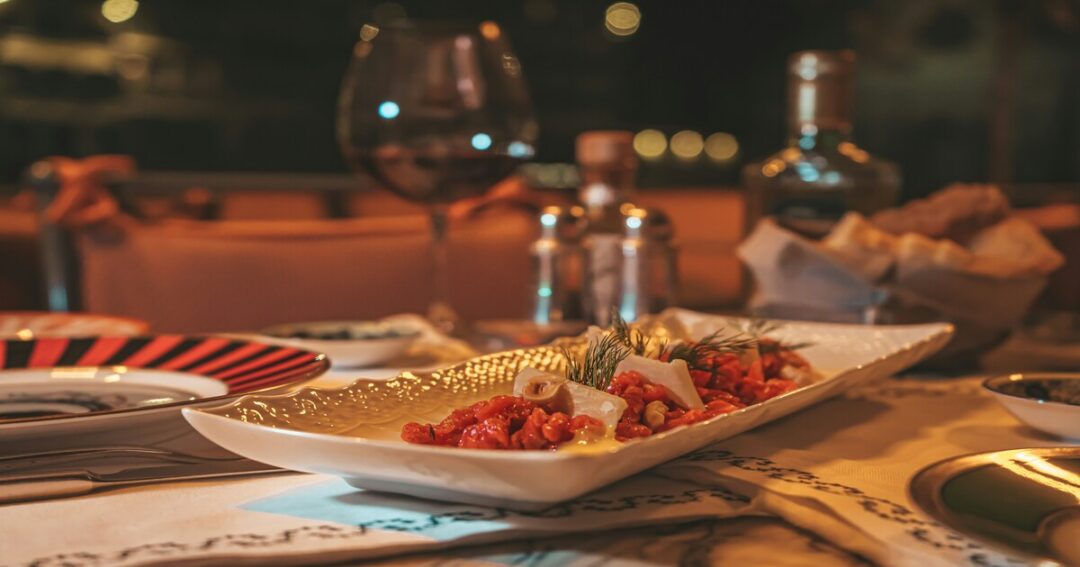
There is a concept in Greek culture called philoxenia — the love of strangers, the sacred obligation of hospitality. It runs through everything about the way Greeks eat: the table set for more than anyone expected, the insistence that you try one more thing, the meal that begins as a quick lunch and becomes an hours-long conversation. Greek food is not just the Mediterranean diet, though it is the origin and still the purest expression of it. It is food built around a set of values — generosity, seasonality, community, the idea that the table is where human life actually happens.
Greek cuisine is one of the oldest continuous culinary traditions in the world. The ancient Greeks wrote about olive oil, wine, honey, wheat, and fresh herbs as the foundations of a good life. Hippocrates prescribed food as medicine. The symposium — the communal drinking and eating gathering around which so much of ancient intellectual life was organised — was a food event before it was a philosophical one. The Greek dishes that fill modern taverna menus carry this history in their ingredients and their rhythms, even when no one at the table is thinking about it.
This guide covers the full spectrum of Greek food — the iconic dishes every visitor knows, and the ones they should know but don’t.
The Foundation: What Makes Greek Cuisine What It Is?
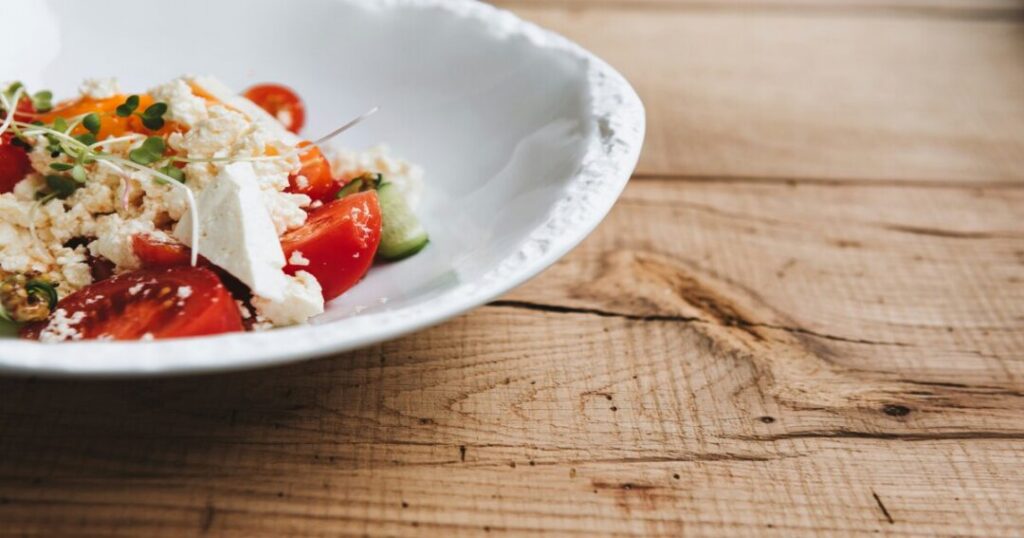
Greek food rests on four pillars that have been in place since antiquity:
Olive oil: Greece is the third largest producer of olive oil in the world and the largest per capita consumer. The olive tree has been cultivated on the Greek peninsula for at least 5,000 years. In Greek cuisine, olive oil is not a cooking fat — it is a flavouring, a finishing ingredient, a way of saying that something is important enough to receive the best. Cold-pressed extra virgin olive oil poured over horiatiki (village salad) at the end, not during cooking, is the simplest expression of this philosophy.
The sea: Greece has approximately 13,676 km of coastline — the longest coastline in the Mediterranean. This geographic fact is written into every aspect of the cuisine: octopus dried on lines outside harbour tavernas, lakerda (salt-cured bonito), taramosalata made from fish roe, the freshness of a simple grilled sea bass that has been out of the water for hours rather than days.
The land’s herbs: Oregano, thyme, rosemary, bay leaf, mint, dill — the wild herbs of the Greek hillsides have been the primary flavouring agents of the cuisine since before recorded history. Greek cooking uses fresh herbs not as a garnish but as a structural ingredient.
Time: Greek cooking is slow. The lamb goes into the oven at dawn for the Sunday lunch. The beans soak overnight. The filo is made in sheets thin enough to read through. The patience embedded in the technique is inseparable from the food.
What Are the Most Iconic Greek Dishes Everyone Should Know?
Moussaka — The Dish That Defined a Cuisine
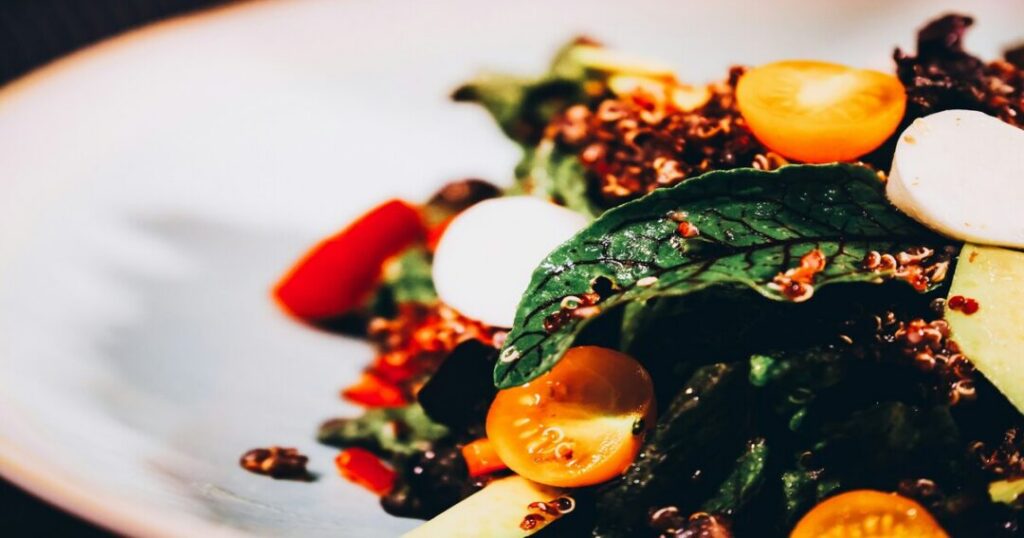
Moussaka is the most famous of all Greek dishes — a layered baked casserole of eggplant, spiced minced meat, and béchamel that has become internationally synonymous with Greek cuisine. But its history is more complicated and more interesting than its fame suggests.
The word moussaka traces to the Arabic musaqqa’a, meaning “chilled” or “moistened” — and the original versions, documented as far back as the 13th-century Arab cookbook Kitab al-Tabikh, were cold dishes of fried eggplant layered with tomatoes and chickpeas, with no meat and no béchamel. The dish spread through the Ottoman Empire across the Balkans and Mediterranean, each region adapting it with local ingredients.
The modern Greek version — the one with the béchamel on top, the cinnamon-spiced lamb, the orderly golden layers — is largely the creation of Nikolaos Tselementes, a Greek chef trained in France who published his influential cookbook in the early 20th century. Tselementes wanted to rid Greek cuisine of what he saw as its Ottoman influences, and he reformed moussaka with a French technique (the béchamel) that gave it the structure and refinement that made it exportable. The dish became the face of Greek cuisine internationally during the first wave of tourism to Greece in the 1960s — and that association, for better or worse, has defined the Greek restaurant menu ever since.
The moussaka worth seeking: eggplant slices lightly fried in olive oil, a meat layer seasoned with cinnamon, nutmeg, and allspice (not just salt and pepper), and a béchamel thick enough to stand up but loose enough to flow slightly when cut. The cinnamon is not optional and not subtle — it is the flavour that separates Greek moussaka from every imitation.
Also Read: Food of Rajasthan: The Complete Guide to Rajasthani Cuisine, Dishes & Sweets
Souvlaki — Greece’s Greatest Fast Food
Souvlaki is what Greeks eat when they are hungry and not performing for guests — the honest, immediate, universal street food of the country. The word simply means “little skewer” (souvla = skewer), and it encompasses two related but distinct things:
Skewered souvlaki: Small cubes of pork (most commonly), lamb, or chicken marinated in olive oil, lemon juice, garlic, and dried oregano, grilled over charcoal on metal skewers. Eaten directly from the skewer, with bread, or wrapped in pita with tomato, onion, and tzatziki. This is the taverna version — eaten sitting down, with wine.
Pita souvlaki (gyros): Shaved meat from a rotating vertical spit (gyros = “turn”) — pork or chicken — wrapped in a thick, soft pita with tomato, onion, French fries (yes, inside the pita — this is not negotiable), and tzatziki. This is the street version — eaten standing, walking, at midnight after an evening out.
The quality of a souvlaki depends entirely on two things: the quality of the meat and the heat of the charcoal. The best pork souvlaki is made from free-range animals with sufficient fat content to baste the meat from within as it grills; the charcoal must be hot enough to char the outside before the inside dries out.
Tzatziki — the inseparable companion — is thick strained yogurt (straggeristo), grated cucumber squeezed completely dry, raw garlic, olive oil, and fresh dill or mint. The cucumber must be dry (wet cucumber makes the tzatziki watery and flat), the garlic must be raw (cooked garlic produces a different and lesser result), and the yogurt must be Greek-style full-fat strained.
Greek Salad (Horiatiki) — The Standard Misunderstood
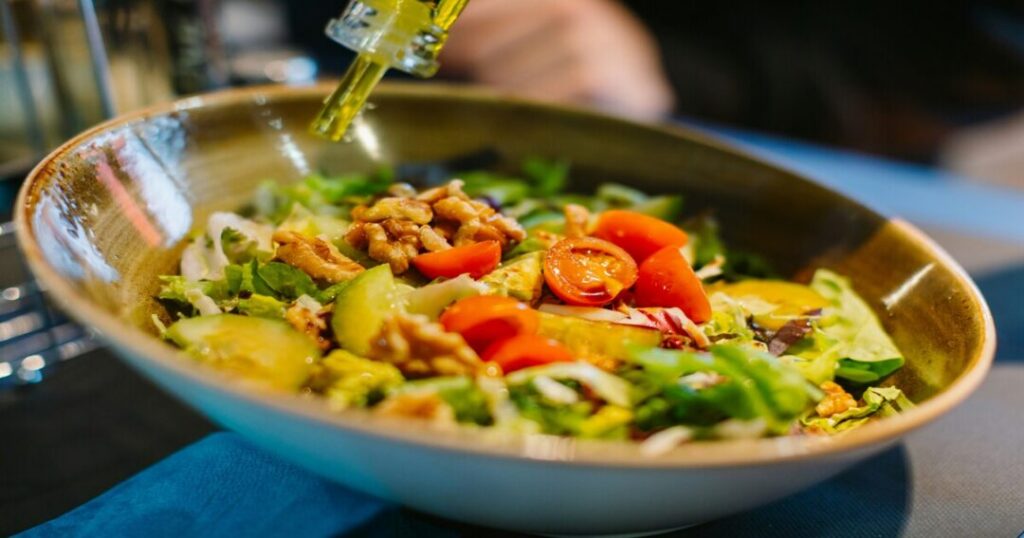
The dish the world calls “Greek salad” is called horiatiki (village salad) in Greece — and the original has no lettuce. This is the most important thing to understand about it. Horiatiki is: ripe tomato wedges, cucumber (halved lengthways and sliced, never peeled), green bell pepper rings, thinly sliced red onion, Kalamata olives, dried oregano, and a slab of feta placed on top whole — not crumbled, not mixed in — with cold-pressed olive oil poured over everything at the end.
The feta is a slab because it is the centrepiece, not an ingredient. The olive oil is poured last because it is a finishing flavour, not a dressing. The absence of lettuce is not an omission — the salad is built around vegetables that can stand up to the oil and the feta without wilting.
Feta — protected designation of origin (PDO) since 2002 — is made from sheep’s milk (minimum 70%) and goat’s milk (maximum 30%), produced in specific regions of mainland Greece and Lesbos. The PDO protection means that only cheese made within these regions from these specific animals can legally be called feta. Its flavour — tangy, salty, slightly crumbly with a creamy interior — is the defining taste of the Greek salad and irreplaceable by any imitation.
Spanakopita — The Spinach Pie That Travels
Spanakopita (spanaki = spinach, pita = pie) is a phyllo pastry filled with spinach and feta — one of the most beloved Greek meals across all regions and all occasions. The filling is simple: wilted spinach, feta, eggs, and fresh dill (or mint, depending on the region). The phyllo — paper-thin sheets of unleavened dough brushed with olive oil or butter between every layer — provides the structural architecture.
The making of proper phyllo by hand is one of the most technically demanding skills in the Greek kitchen: the dough must be rolled so thin that it becomes translucent, stretched over the entire surface of a large table without tearing. Most home cooks now use commercial phyllo; the best spanakopita still uses hand-made sheets.
Spanakopita comes in two forms: the large rectangular tray bake (cut into squares for serving) and the individual triangles folded around the filling. Both are correct; the tray version is more common at home, the triangle at bakeries and street counters.
Greek Olives — The Foundation of the Table
Greek olives are not a garnish or an afterthought — they are the oldest cultivated crop in the Greek landscape and the foundation of the cuisine and economy since antiquity. Greece produces some of the world’s finest olive varieties:
Kalamata olives — the most internationally famous Greek olive; grown in the Kalamata region of the Peloponnese, almond-shaped, deep purple-black, cured in red wine vinegar or red wine, with a rich, fruity flavour and firm flesh. Protected by PDO status.
Halkidiki olives — large, pale green, firm-fleshed, typically marinated with herbs; grown in the Halkidiki peninsula of northern Greece; excellent for stuffing with almonds, peppers, or feta.
Thassos olives — wrinkled, dry-cured, intensely flavoured black olives from the island of Thasos; the most intensely flavoured of all Greek olives, eaten as a table olive or in bread.
Amfissa olives — round, plump, brown-black, from the Amfissa valley near Delphi; PDO protected; particularly good for both oil production and eating.
Greek olives at a proper taverna are served before the meal begins, with bread and olive oil — they are not a starter but a declaration: this is a table that takes these things seriously.
Also Read: Turkish Foods: A Region-by-Region Journey Through One of the World’s Greatest Cuisines
Do You Know About The Greek Dishes Most Visitors Never Try?
Fasolada — The National Bean Soup
Fasolada — a thick white bean soup with tomato, carrot, celery, and generous olive oil — is by some accounts the actual national dish of Greece, predating moussaka by millennia. White beans, the Mediterranean sun, and olive oil: this is the food that sustained ancient Greek civilisation and still sustains its descendants. The version at a good Greek home is thick enough to support a spoon upright, finished with cold olive oil poured over the hot soup, and eaten with bread and olives.
Gemista — Tomatoes and Peppers Stuffed with Rice
Gemista (“stuffed things”) — ripe tomatoes and green peppers hollowed out and filled with seasoned rice, olive oil, pine nuts, raisins, and fresh herbs, then baked until the vegetables soften and caramelise — is one of the finest Greek meals in the summer repertoire. The rice inside absorbs all the juices from the tomato as it cooks; the vegetables collapse into sweet, savoury, herbaceous softness. It is a summer dish, made when the tomatoes are at their most ripe, and it is almost never found on tourist menus but always present at Greek family Sunday lunches.
Horta — Wild Greens Simply Cooked
Horta — boiled wild greens (typically dandelion, chicory, amaranth, or whatever is in season) served at room temperature with olive oil and lemon — is the most ancient preparation in the Greek kitchen and possibly the most nutritious. Greeks gather horta from hillsides and fields; the specific combination of bitterness from the greens, richness from the olive oil, and brightness from the lemon is one of the fundamental flavour relationships of the cuisine.
Taramasalata — The Real Version
The pink, fluorescent paste labelled taramasalata in most supermarkets outside Greece is almost nothing like the original. Authentic taramasalata is white or pale beige — made from tarama (salted, cured fish roe, traditionally from carp or cod), soaked bread, lemon juice, and olive oil blended to a loose, intensely flavoured cream. The colour comes from the roe itself, which is beige to pale pink; commercial versions add red food colouring and excessive bread to reduce cost. The real version has a clean, salty, oceanic flavour of genuine complexity.
Saganaki — The Fried Cheese
Saganaki refers to any dish cooked in a small two-handled frying pan (saganaki), but most commonly means a slab of firm cheese — kefalograviera, kefalotyri, or graviera — floured and pan-fried in olive oil until golden and blistered on the outside, still slightly yielding within. Served immediately, with lemon squeezed over the top. It is not complicated. It is one of the most satisfying things to eat at a Greek table.
Also Read: Top 10 Places to Visit in Istanbul (2026 Edition) for Cultural Travellers & Literature Lovers
Greek Meals — How Greeks Actually Eat?
Greek eating culture is structured around the unhurried meal. The pattern:
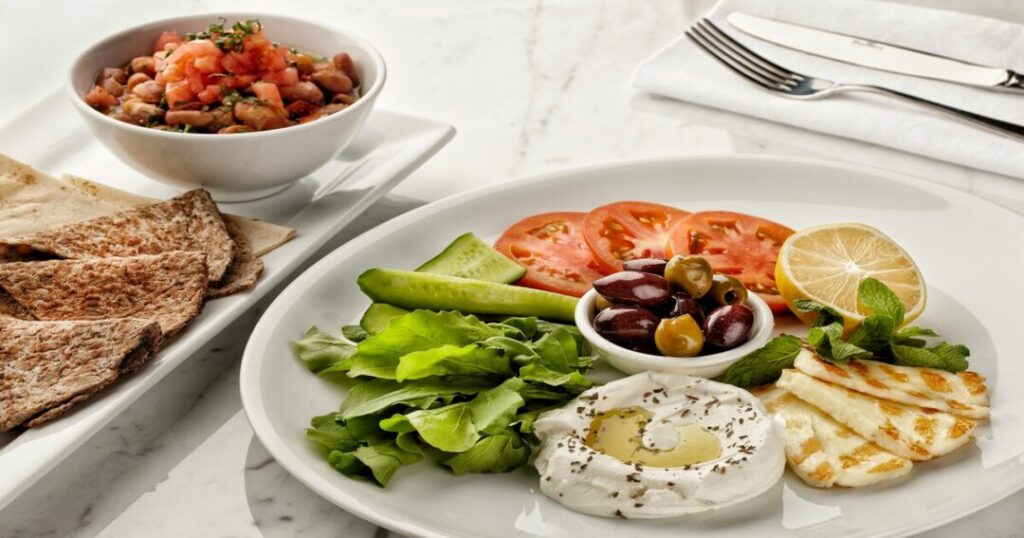
Mezedes — small shared dishes that arrive first and continue throughout the meal; not a starter course to be finished before the main, but a parallel running of flavours that the table shares throughout. Tzatziki, taramasalata, melitzanosalata (aubergine dip), olives, saganaki, grilled vegetables in olive oil, dolmades (stuffed vine leaves): these are the companions to wine, to conversation, the reason the meal takes three hours.
The main course — grilled fish, lamb chops (paidakia), souvlaki, moussaka — arrives without ceremony and is shared or eaten in whatever order people want.
The dessert — if there is one — is typically fruit, perhaps baklava or loukoumades (honey-soaked dough balls) at a zaharoplastio (sweet shop), or the extraordinary spoon sweets (glyko tou koutaliou) — preserved fruits in syrup served with a glass of cold water.
Coffee — Greek coffee (ellinikos kafes), brewed in a long-handled pot (briki), thick, with fine grounds settled at the bottom — is the signal that the meal is truly over and the conversation can begin in earnest.
Conclusion About Greek Food
Greek food is the oldest continuously practiced culinary tradition in the Western world — and it has endured not because it is complicated or clever but because it is right. The right ingredients, treated with the right restraint, eaten with the right people at the right pace.
Quick guide to Greek dishes by category:
- The icons: Moussaka (eggplant, spiced meat, béchamel — cinnamon is the key), souvlaki (charcoal-grilled pork in pita with tzatziki and fries), horiatiki (feta slab on tomato-cucumber-olive — no lettuce)
- The pastry: Spanakopita (spinach-feta phyllo), tiropita (cheese phyllo), baklava (nut-honey phyllo)
- The olives: Kalamata (PDO, red wine vinegar cure), Halkidiki (large green, stuffable), Thassos (dry-cured, intense)
- What tourists miss: Fasolada (white bean soup — the real national dish), gemista (stuffed summer vegetables), horta (wild greens with oil and lemon), real taramasalata (white or pale beige, not fluorescent pink), saganaki (fried cheese)
- How to eat: Mezedes first and throughout — tzatziki, taramasalata, olives, saganaki — then the main, then fruit, then Greek coffee in a briki
Download the Explurger app to discover the best Greek food experiences and authentic Greek restaurants wherever you are, and log every moussaka, souvlaki, and bowl of fasolada on your culinary journey.
The olive oil is already on the table. The charcoal is already lit. Greece’s table has been set for three thousand years.
FAQs About Greek Food
2. What is Greek salad?
The authentic Greek salad is horiatiki (village salad) — ripe tomato wedges, cucumber, green pepper rings, thinly sliced red onion, Kalamata olives, dried oregano, and a whole slab of PDO feta placed on top (not crumbled), finished with cold-pressed extra virgin Greek olive oil. There is no lettuce in the original. The feta must be PDO-certified — made from minimum 70% sheep's milk in designated Greek regions — to have the correct flavour. The olive oil is poured last as a finishing flavour, not a dressing mixed in.
3. What is moussaka?
Moussaka is Greece's most internationally recognised dish — a baked casserole of layered eggplant (aubergine), spiced minced meat (typically lamb or beef) seasoned with cinnamon and nutmeg, and a thick béchamel topping gratinated to a golden crust. The modern Greek version was codified by chef Nikolaos Tselementes in the early 20th century, adding the French-inspired béchamel to a dish whose roots trace to the Arabic musaqqa'a ("chilled") — cold eggplant dishes documented in 13th-century Arab cookbooks that spread through the Ottoman Empire across the Mediterranean.
4. What is spanakopita?
Spanakopita is a Greek phyllo pastry filled with spinach (spanaki), feta, eggs, and fresh dill or mint. The phyllo is paper-thin unleavened dough brushed with olive oil or butter between each layer, baked until golden and shatteringly crisp. It is one of the most beloved Greek meals across all regions — made as a large tray bake (cut into squares) at home and as folded triangles at bakeries. The key to the best spanakopita is ensuring the spinach is completely wilted and drained before mixing with the feta, to prevent a soggy filling.
5. What are Greek olives?
Greek olives are among the world's finest, with several PDO-protected varieties: Kalamata (almond-shaped, deep purple, red wine vinegar-cured, from the Peloponnese — the most internationally famous), Halkidiki (large, pale green, firm, from northern Greece), Thassos (wrinkled, dry-cured, intensely flavoured black olives from the island of Thasos), and Amfissa (round, brown-black, from near Delphi). Greece is the largest per capita consumer of olive oil in the world, and the olive has been cultivated on the Greek peninsula for at least 5,000 years.
6. What is souvlaki?
Souvlaki (literally "little skewer") is Greece's most beloved street food — small cubes of pork, lamb, or chicken marinated in olive oil, lemon, garlic, and oregano, grilled over charcoal and served from the skewer with bread or wrapped in soft pita with tomato, onion, French fries, and tzatziki. The pita-wrapped version uses gyros (vertical spit-roasted shaved meat). The quality of souvlaki depends entirely on the meat quality and charcoal heat. Tzatziki — thick strained Greek yogurt with dry-squeezed grated cucumber, raw garlic, olive oil, and dill — is its inseparable companion.