
421 Total Views
India does not celebrate festivals. India lives inside them. The country has more public holidays than almost any nation on earth, and the festivals behind those holidays span every religion, every season, every harvest, and every mythological story that has been told on this subcontinent for three thousand years. The famous festivals of India are not separate events scattered through a calendar—they are the calendar itself. From the color-drenched streets of Holi in spring to the lamp-lit riverbanks of Diwali in autumn, from the snake boat races of Kerala’s Onam to the towering clay idols of Kolkata’s Durga Puja, each festival reveals a different version of India that no other moment in the year can produce.
This guide covers the 10 famous festivals of India with names, cultural context, and the specific experiences that make each one worth planning your visit around.
Top 10 Famous Festivals of India in 2026
The Top 10 Famous Festivals of India showcase the country’s incredible cultural diversity, deep-rooted traditions, and vibrant celebrations. From colorful religious festivals to grand regional events, each festival offers a unique glimpse into India’s rich heritage. Whether you’re planning a cultural tour or simply want to experience local traditions, these Top 10 Famous Festivals of India promise unforgettable memories, lively festivities, and authentic cultural experiences.
1. Diwali — The Festival of Lights
When: October or November (5 days; follows the Hindu lunar calendar) Where celebrated: Pan-India—Hindu, Sikh, Jain, and Buddhist communities Primary states: Uttar Pradesh, Rajasthan, Gujarat, Delhi, Maharashtra
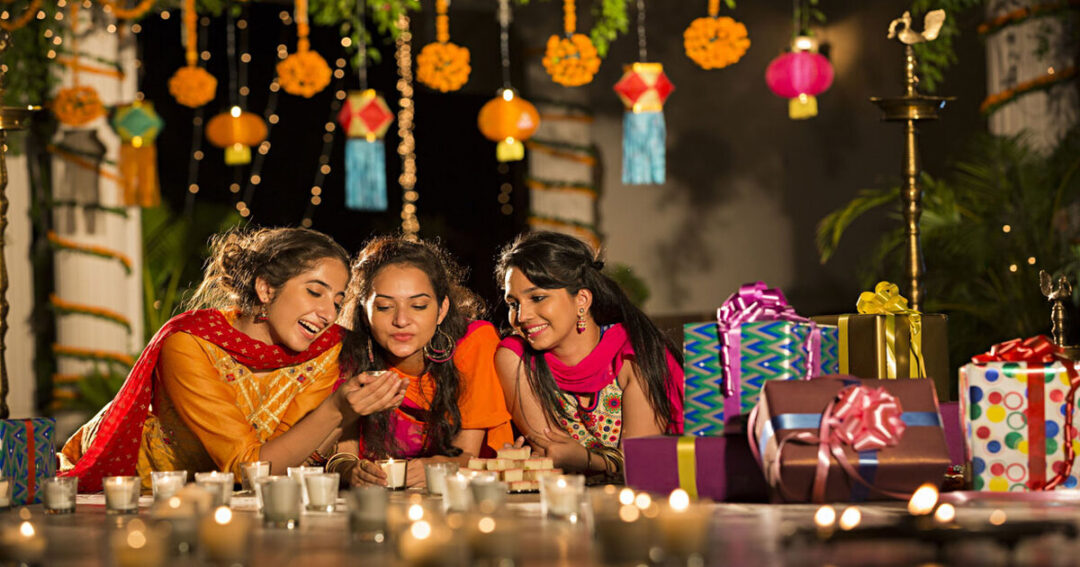
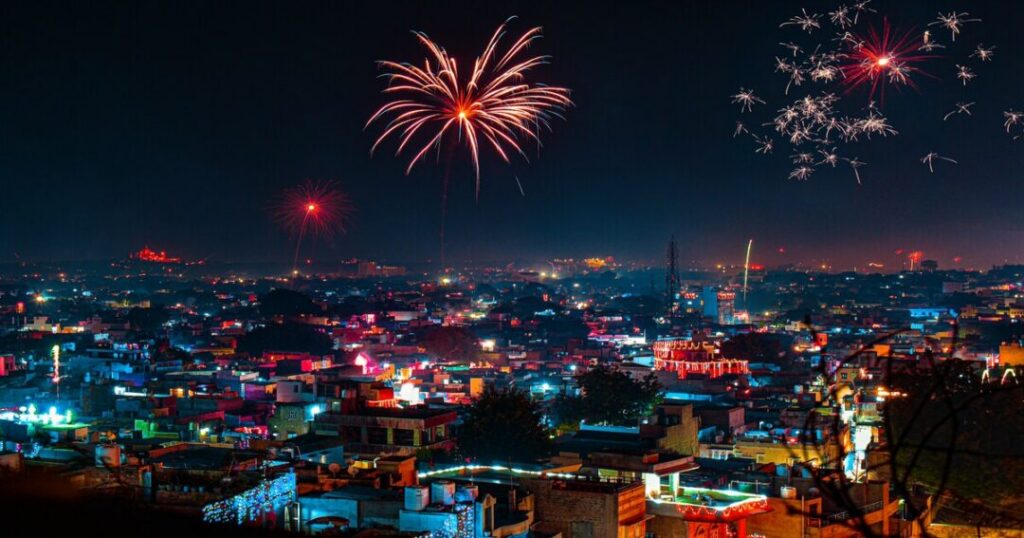
Diwali (Deepavali—”row of lights”) is the most famous festival in India and the one most recognizable internationally—five days of oil lamps, fireworks, sweets, and the annual cleaning and decorating of homes that make Indian cities luminous across October and November. The most popular legend associates Diwali with the return of Lord Rama to Ayodhya after 14 years of exile and his victory over the demon king Ravana; the people of Ayodhya lit oil lamps (diyas) to welcome him home. For Sikhs, Diwali coincides with Bandi Chhor Divas — the day Guru Hargobind Sahib was released from imprisonment. For Jains, it marks the nirvana of Lord Mahavira.
The famous Diwali celebrations in India:
- Ayodhya—the most significant Diwali site; the banks of the Saryu River are lit with hundreds of thousands of lamps; the Ram Leela (Ramayana performance) culminates here
- Varanasi — the Dev Deepawali (Diwali of the Gods) on the full moon night of Kartik, when the ghats of the Ganges are illuminated in a sight of extraordinary beauty
- Jaipur — fireworks over the pink city; the old city’s havelis and bazaars decorated with lights
- Gujarat—Diwali marks the Gujarati New Year (Bestu Varas); the celebrations have particular commercial and religious significance in the merchant communities.
Also Read: Top Destinations for Diwali 2026 Celebrations
2. Holi — The Famed Indian Festival with Colour
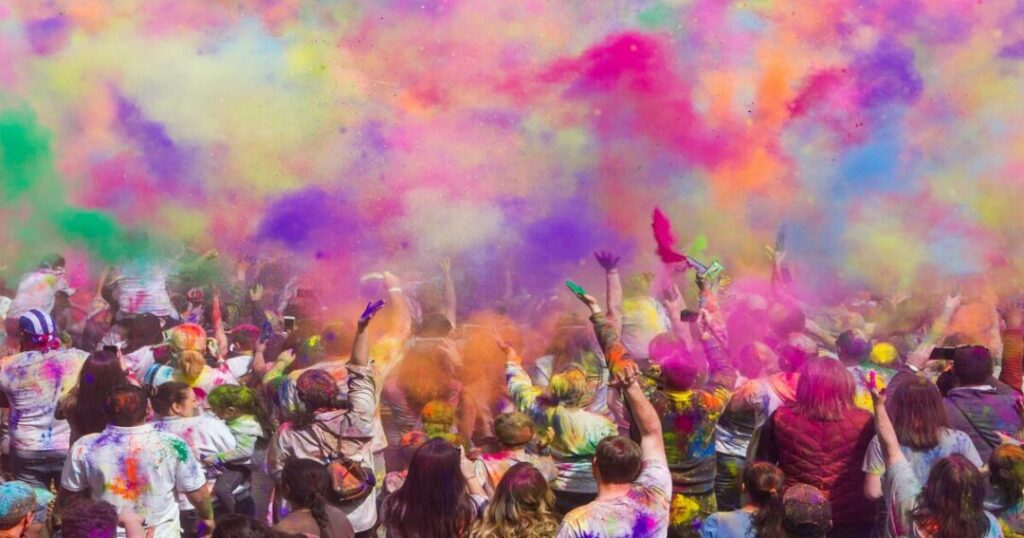
When: March (full moon of the Hindu month of Phalguna) Where celebrated: Pan-India; most intense in North India Primary states: Uttar Pradesh (Mathura, Vrindavan, Barsana), Rajasthan, Delhi, Haryana, Gujarat
Holi—the famed Indian festival with color—is celebrated on the full moon of the Hindu month of Phalguna, marking the arrival of spring. The festival begins with Holika Dahan on the eve—a bonfire ritual symbolizing the burning of the demoness Holika, from whose flames the devotee Prahlad (protected by his faith in Vishnu) emerged unharmed. The morning of Rangwali Holi is when the colors fly.
What happens on Holi morning: colored powder (gulal) is thrown, water balloons and water guns drench everyone, music plays, and the social hierarchies of everyday India momentarily dissolve—the festival has always carried an egalitarian charge, the moment when stranger and neighbor are all equally pink.
The most famous Holi celebrations in India:
- Mathura and Vrindavan — the birthplace and childhood home of Lord Krishna; the Holi here begins a week early with the famous Lathmar Holi at Barsana, where women ceremonially beat men with sticks — one of the most photographed festival traditions in India
- Jaipur — royal processions and vibrant celebrations in the pink city
- Shantiniketan (West Bengal)—Rabindranath Tagore’s university town celebrates Basanta Utsav (Spring Festival) with dance, music, and colour in a specifically cultural register
Also read: 14 Different types of Holi celebrations in India
3. Durga Puja — West Bengal’s Greatest Festival
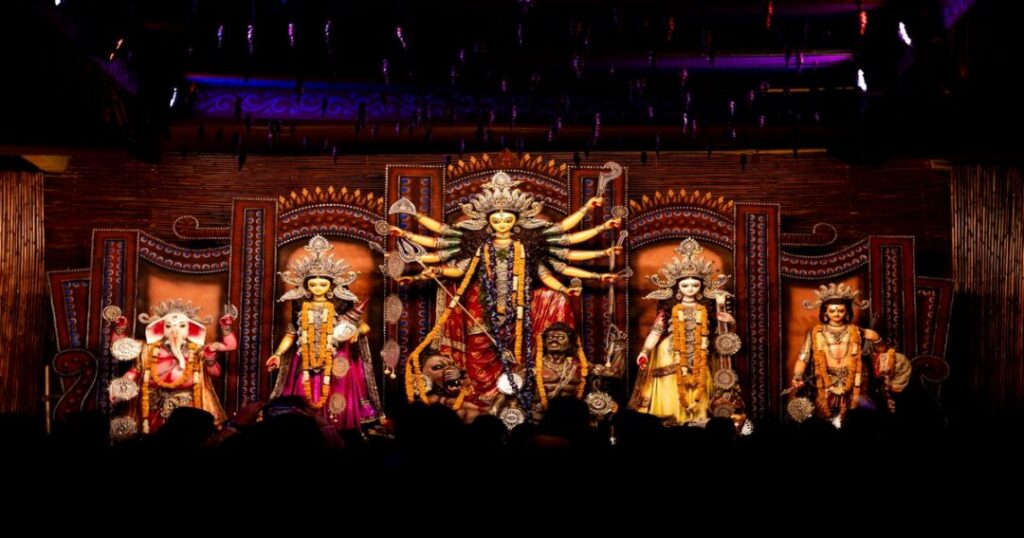
When: October (five days from Saptami to Vijaya Dashami) Where celebrated: West Bengal (primarily Kolkata), Assam, Odisha, Delhi UNESCO status: Inscribed on the UNESCO Representative List of Intangible Cultural Heritage in 2021
Durga Puja is the most culturally elaborate of all India’s famous festivals—a five-day celebration in Kolkata and West Bengal where enormous clay idols of Goddess Durga (with her children Lakshmi, Saraswati, Kartik, and Ganesha) are installed in thousands of elaborately decorated pandals (temporary pavilions); worshipped with music, dance, and elaborate ritual; and then immersed in the Hooghly River on the final day (Bijoya Dashami) in a procession of extraordinary emotion.
The pandals of Kolkata—each neighborhood competing to create the most creative, most spectacular, most technically ambitious installation—are one of the great civic artistic traditions in the world. UNESCO described Durga Puja as one of the world’s largest collective artistic performances.
What makes it extraordinary: Walking the pandals of North Kolkata on Ashtami night—moving from one neighborhood to the next, each pandal a different world of theme, architecture, and devotion—is an experience with no parallel in Indian cultural life.
4. Kumbh Mela — The World’s Largest Human Gathering
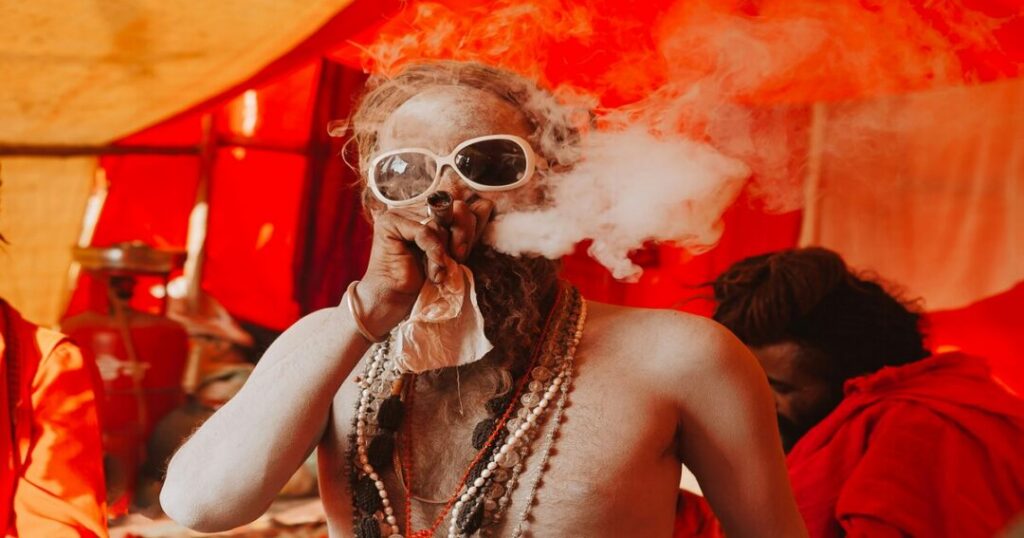
When: Rotating cycle—held every 3 years at one of four locations; Maha Kumbh every 12 years Where celebrated: Prayagraj (Uttar Pradesh), Haridwar (Uttarakhand), Nashik (Maharashtra), Ujjain (Madhya Pradesh) UNESCO status: Inscribed on the UNESCO Representative List of Intangible Cultural Heritage in 2017
Kumbh Mela is the largest peaceful gathering of human beings on earth — a pilgrimage to the confluence of sacred rivers where millions of pilgrims come to bathe in the waters, believing the act will cleanse accumulated sin and break the cycle of rebirth. The Maha Kumbh at Prayagraj (held every 12 years) draws hundreds of millions of visitors over its 45-day period.
The Kumbh rotates between four cities — Prayagraj (at the Triveni Sangam confluence of the Ganga, Yamuna, and mythological Saraswati), Haridwar (on the Ganga), Nashik (on the Godavari), and Ujjain (on the Shipra). The Shahi Snan (royal bathing) dates—when the akharas (orders of ascetics) process to the river—are the festival’s most dramatic moments.
Also Read: SIGNIFICANCE OF MAHAKUMBH 2025
5. Ganesh Chaturthi — Maharashtra’s 10-Day Celebration
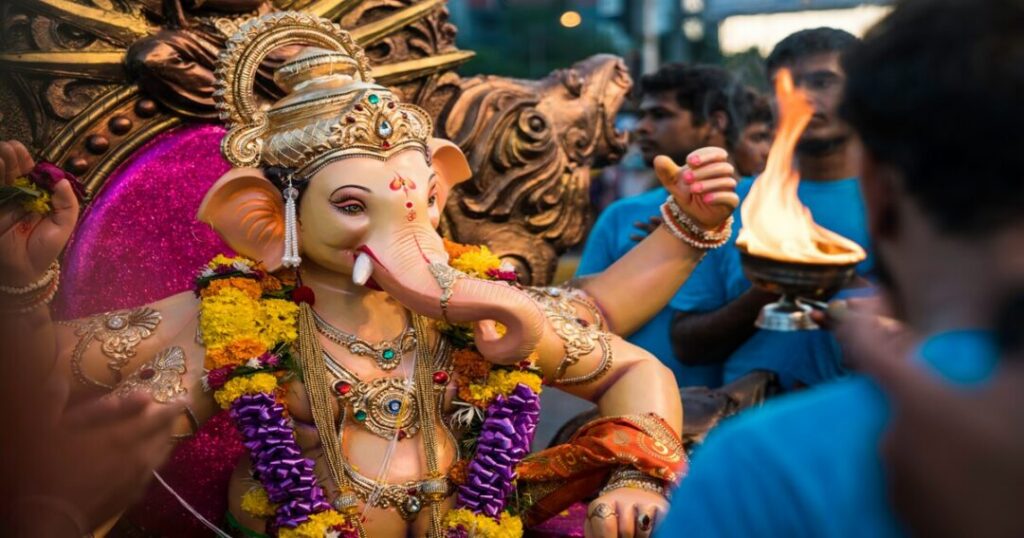
When: August or September (10 days, ending on Anant Chaturdashi) i) Where celebrated: Maharashtra (Mumbai, Pune), Karnataka, Andhra Pradesh, Telangana, Goa
Ganesh Chaturthi celebrates the birth of Lord Ganesha—the elephant-headed remover of obstacles—with the installation of clay Ganesha idols in homes and public pandals, 10 days of worship, and the final immersion (visarjan) of the idols in the sea, lakes, or rivers with processions of music, dance, and an emotional farewell. The Mumbai and Pune celebrations are the largest—with some pandals attracting hundreds of thousands of visitors over the 10-day period.
The festival’s modern public form was shaped by independence activist Bal Gangadhar Tilak in 1893, who transformed what had been a private household festival into a large community celebration as a way of bringing people together under British rule.
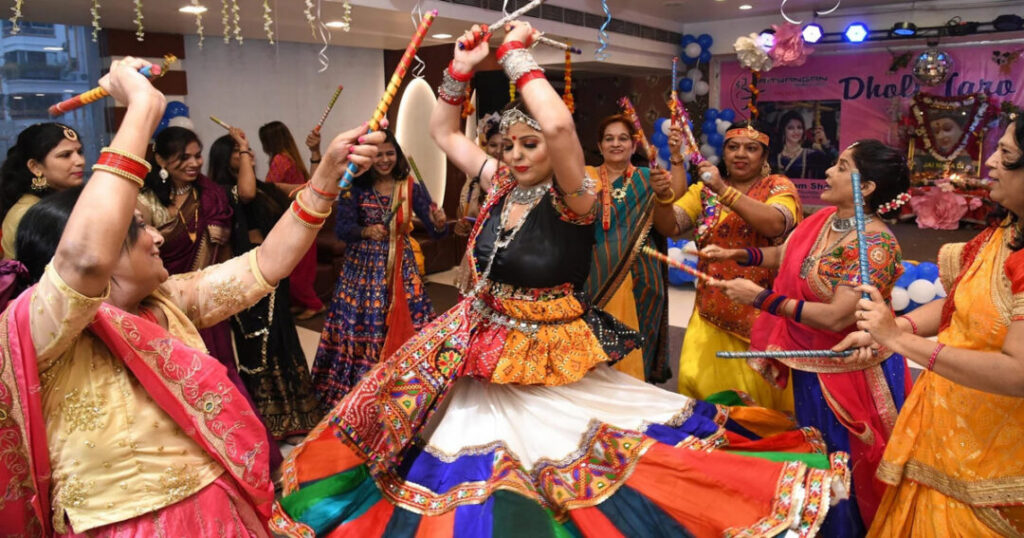
When: October (nine nights, ending on Dussehra/Vijayadashami) Where celebrated: Pan-India; most spectacular in Gujarat and West Bengal Primary states: Gujarat (Garba), West Bengal (Durga Puja), Karnataka, Maharashtra
Navratri (literally “nine nights”) is the nine-night festival dedicated to the nine forms of Goddess Durga (Navadurga). In Gujarat, Navratri is the primary annual festival—the Garba (circle dance performed around a lamp or idol) and Dandiya Raas (stick dance) are performed for nine consecutive evenings in massive open-air venues with thousands of participants in full traditional costume. In West Bengal, the same nine nights are the countdown to Durga Puja.
7. Onam — Kerala’s 10-Day Harvest Spectacle
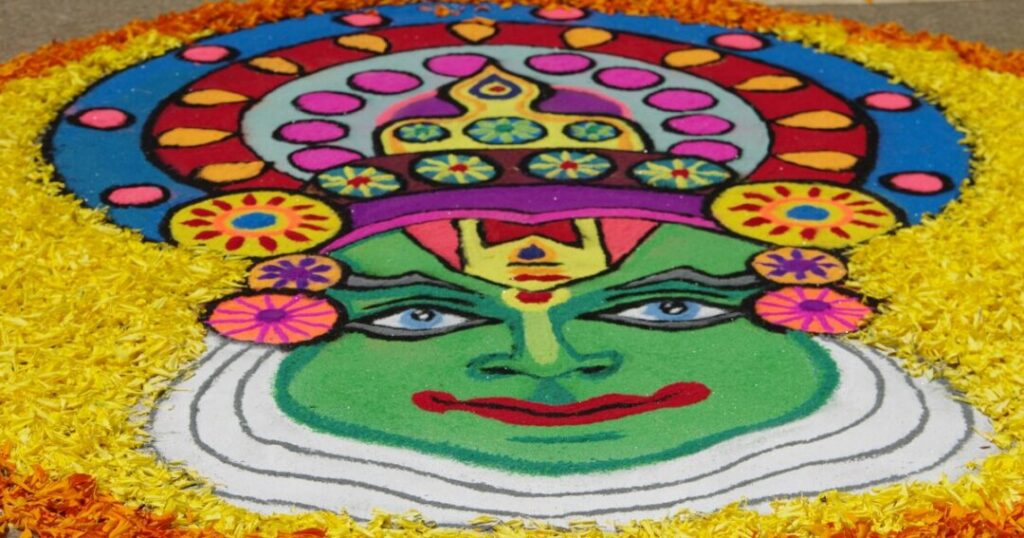
When: August or September (10 days; Thiru Onam is the main day) Where celebrated: Kerala — the state’s most important festival Primary traditions: Pookalam, Vallam Kali, Onam Sadya
Onam is the harvest festival and cultural apex of Kerala — a 10-day celebration marking the annual homecoming of the mythical King Mahabali, a beloved ruler whose reign is remembered as a golden age. According to legend, Vamana (a dwarf avatar of Vishnu) pushed Mahabali to the netherworld, but he is permitted to return to his people once a year during Onam. Keralites celebrate his return with elaborately arranged flower carpets (pookalam), snake boat races (Vallam Kali) on the rivers and backwaters, Kathakali dance performances, and the Onam Sadya—a 26-dish feast served on a banana leaf that is one of the finest ceremonial meals in India.
Also read: Bratislava Festivals: The Complete Guide to the Best Events in Slovakia’s Capital
8. Eid ul-Fitr — The Muslim Community’s National Celebration
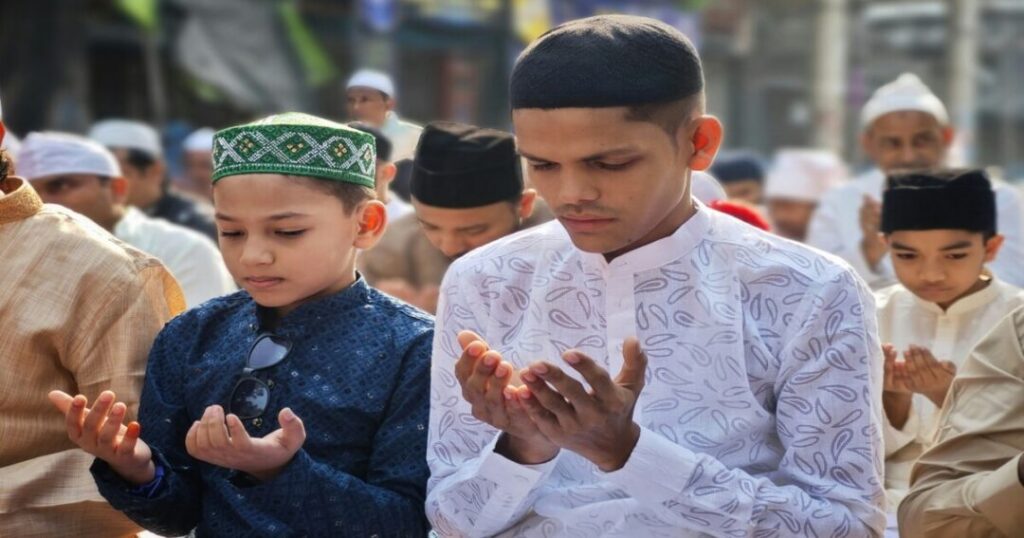
When: End of Ramadan (follows the Islamic lunar calendar — date shifts each year) Where celebrated: Pan-India — Muslim communities nationwide Primary states: Uttar Pradesh, Bihar, West Bengal, Jammu & Kashmir, Kerala
Eid ul-Fitr marks the end of Ramadan—the Islamic month of fasting—with morning prayers at mosques, the giving of zakat ul-fitr (charity), family visits, the wearing of new clothes, and the preparation of traditional sweets (sheer khurma—vermicelli cooked in sweetened milk with dates and dry fruits). The largest Eid congregations in India are at the Jama Masjid in Delhi, the Mecca Masjid in Hyderabad, and the mosques of Lucknow—cities where the Mughal and Nawabi traditions of celebration remain most vibrant.
9. Pongal — Tamil Nadu’s Four-Day Harvest Festival
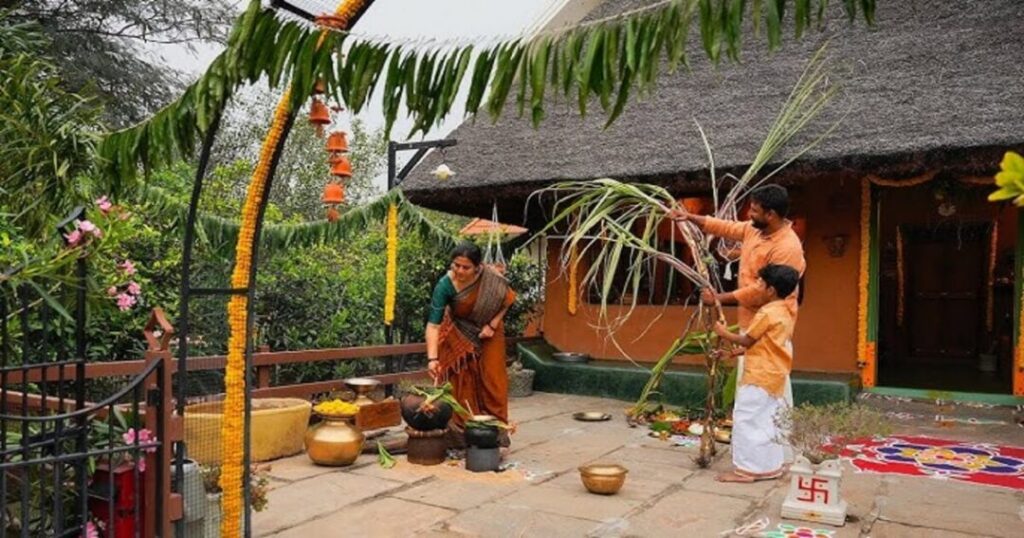
When: January 14–17 (fixed solar calendar date) Where celebrated: Tamil Nadu primarily related festivals across India on the same dates
Pongal is the harvest festival of Tamil Nadu — a four-day celebration of thanksgiving to the Sun God (Surya), the cattle, and the rain. The name derives from the Tamil word meaning “boiling “over”—the ritual cooking of the first harvested rice with milk and jaggery in a new clay pot, allowed to boil over the rim as a symbol of abundance. The four days have distinct characters: Bhogi (cleaning and discarding the old), Thai Pongal (the main day—cooking the pongal outdoors), Mattu Pongal (honoring cattle with garlands and bells), and Kaanum Pongal (family outings).
Related festivals on the same dates: Makar Sankranti (North India — kite festivals, most famous in Gujarat), Lohri (Punjab — bonfires and bhangra), Magh Bihu (Assam — harvest feasts).
10. Baisakhi — Punjab’s Harvest Celebration and Sikh New Year
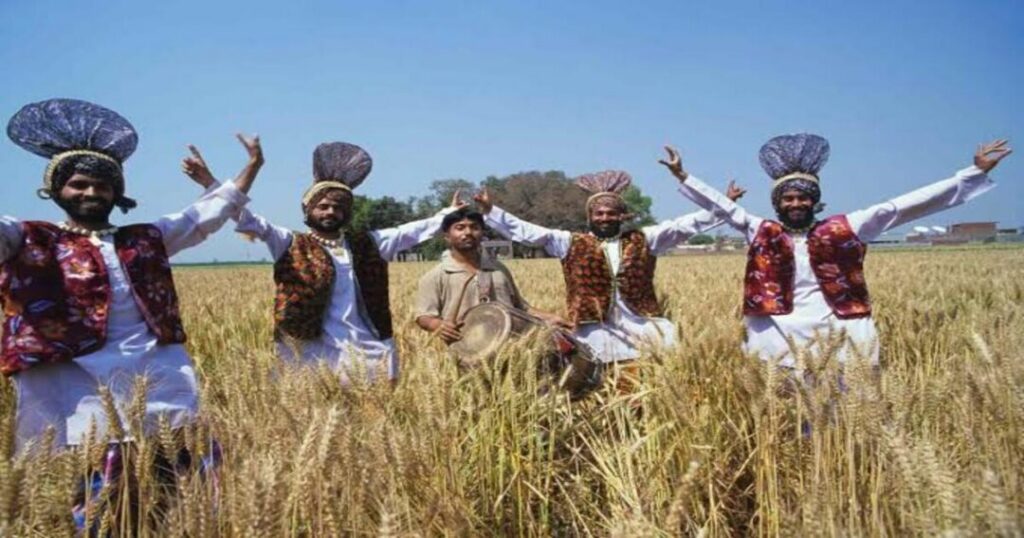
When: April 14 (fixed solar calendar date) Where celebrated: Punjab, Haryana, Delhi, and Sikh communities worldwide Dual significance: Harvest festival + Sikh New Year + founding of the Khalsa (1699)
Baisakhi (also written Vaisakhi) marks the Punjabi solar New Year and the wheat harvest—and for Sikhs, the additional significance of the founding of the Khalsa (the Sikh warrior community) by Guru Gobind Singh in 1699. The celebrations combine agricultural rejoicing (bonfires, bhangra and gidda dances, and community feasts) with religious observance at gurdwaras across Punjab. The Baisakhi mela at the Anandpur Sahib Gurdwara is the most significant gathering.
Also read: Caribbean Festivals: The Complete Guide to Carnival, Caribana & the Best Celebrations
Bonus Famous Festivals of India
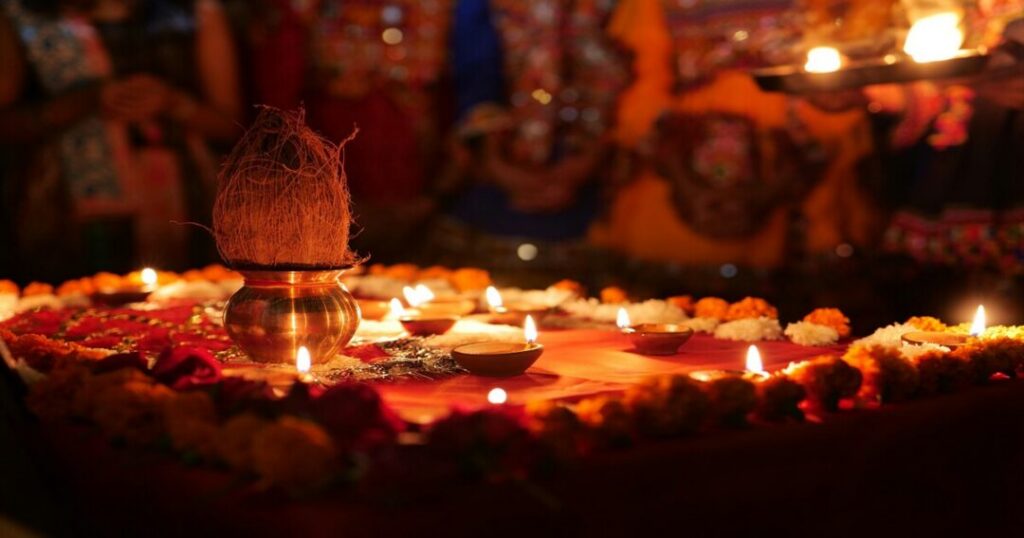
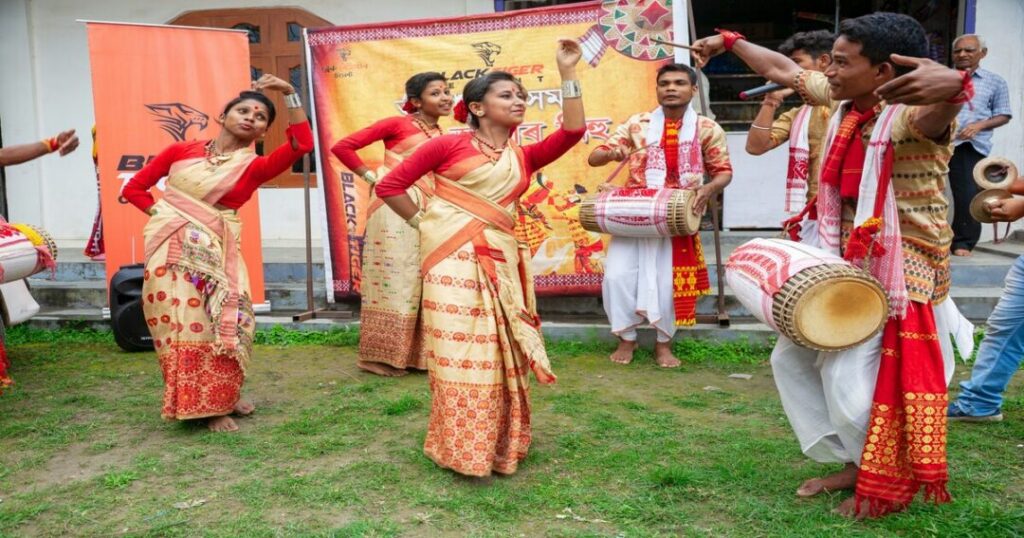
Bonus 1—Bihu (Assam): Three Bihus mark Assam’s year—Rongali/Bohag Bihu (April, spring—the most celebrated and the Assamese New Year), Kongali/Kati Bihu (October, sombre), and Bhogali/Magh Bihu (January, harvest feast). The Rongali Bihu is marked by the traditional bihu dance in open fields.
Bonus 2 — Hornbill Festival (Nagaland): Held annually in the first week of December at Kisama Heritage Village near Kohima, it’s the most famous tribal festival in Northeast India, bringing together all 16 tribes of Nagaland for a week of traditional music, dance, food, and crafts. Named after the hornbill bird, which features prominently in the ceremonial headdresses of Naga warriors.
Bonus 3 — Thrissur Pooram (Kerala): The most spectacular temple festival in India — held at the Vadakkumnathan Temple in Thrissur, Kerala, in April or May. Competing processions of caparisoned elephants, parasol displays, and the extraordinary pandimelam (percussion ensemble) create one of the most intense sensory experiences of any Indian festival.
Also read: Hornbill Festival Itinerary
Famous Festivals of India — State-Wise Quick Reference
| State | Famous Festival | Season |
| Uttar Pradesh | Holi (Mathura/Barsana), Kumbh Mela (Prayagraj) | Spring / rotating cycle |
| West Bengal | Durga Puja (UNESCO 2021) | October |
| Maharashtra | Ganesh Chaturthi | August–September |
| Gujarat | Navratri (Garba), Uttarayan (Kite Festival) | October / January |
| Rajasthan | Pushkar Camel Fair, Desert Festival | November / February |
| Tamil Nadu | Pongal | January |
| Kerala | Onam, Thrissur Pooram | August–September / April–May |
| Punjab | Baisakhi | April |
| Assam | Bihu (Rongali) | April |
| Nagaland | Hornbill Festival | December |
| Karnataka | Mysore Dasara | October |
| Himachal Pradesh | Kullu Dussehra | October |
| Goa | Goa Carnival, Shigmo | February / March |
| Odisha | Rath Yatra (Puri) | June–July |
| Bihar / Jharkhand | Chhath Puja | October–November |
Conclusion About Famous Festivals of India
The famous festivals of India are not just events — they are the most vivid, most immersive, and most emotionally direct way to understand what this country actually is. Each festival reveals a different India: the luminous Diwali that makes every city a river of light, the color-soaked Holi that dissolves boundaries for a morning, the sculpted grandeur of Durga Puja’s pandals, and the tidal human flow of Kumbh Mela’s bathing ghats.
Quick guide to famous festivals of India with names:
- Diwali — October/November; pan-India; Festival of Lights
- Holi—March; pan-India; Festival of Colours
- Durga Puja — October; West Bengal; UNESCO 2021
- Kumbh Mela — rotating cycle; Prayagraj/Haridwar/Nashik/Ujjain; UNESCO 2017
- Ganesh Chaturthi — August/September; Maharashtra
- Navratri — October; Gujarat & pan-India; nine nights of Garba
- Onam — August/September; Kerala; 26-dish feast
- Eid ul-Fitr — end of Ramadan; pan-India Muslim communities
- Pongal — January 14–17; Tamil Nadu; four-day harvest
- Baisakhi — April 14; Punjab; harvest + Sikh New Year
Bonus: Bihu (Assam, April), Hornbill Festival (Nagaland, December), Thrissur Pooram (Kerala, April–May)
Download the Explurger app to discover what travelers recommend for experiencing India’s festivals firsthand, find the best local events and hidden celebrations beyond the tourist circuit, and log every color, lamp, and feast on your Indian festival journey.
The calendar is already full. The colors are already being mixed. India’s festivals are always almost beginning.
FAQs About Famous Festivals of India
2. Which is the famed Indian festival with colour?
The famed Indian festival with color is Holi—celebrated on the full moon of the Hindu month of Phalguna (March). Colored powder (gulal) and colored water are thrown during the morning celebrations, following the Holika Dahan bonfire on the previous evening. The most famous Holi celebrations in India are at Mathura and Vrindavan in Uttar Pradesh, including the Lathmar Holi at Barsana. Holi is celebrated nationwide but is most intense in North India.
3. What is the most famous Diwali celebration in India?
The most famous Diwali celebration in India is at Ayodhya—where hundreds of thousands of oil lamps are lit on the banks of the Saryu River. Varanasi is equally famous for Dev Deepawali—the full moon night of Kartik when the ghats of the Ganges are illuminated. Jaipur (fireworks over the pink city) and Gujarat (where Diwali marks the Gujarati New Year) also have iconic celebrations. Diwali falls in October or November each year.
4. Which famous festivals are celebrated in different states of India?
The most famous festivals of Indian states: Durga Puja (West Bengal, UNESCO 2021), Ganesh Chaturthi (Maharashtra), Navratri-Garba (Gujarat), Onam (Kerala), Pongal (Tamil Nadu), Baisakhi (Punjab), Bihu (Assam), Hornbill Festival (Nagaland), Mysore Dasara (Karnataka), Rath Yatra (Odisha), Pushkar Camel Fair (Rajasthan), Thrissur Pooram (Kerala), Chhath Puja (Bihar), and Kullu Dussehra (Himachal Pradesh). A complete famous festival of India state-wise list covers all 28 states with distinct regional celebrations.
5. Which Indian festivals have UNESCO recognition?
Two famous festivals of India have UNESCO Intangible Cultural Heritage Recognition: Kumbh Mela (inscribed 2017—the world's largest peaceful human gathering, held at Prayagraj, Haridwar, Nashik, and Ujjain) and Durga Puja (inscribed 2021—West Bengal's grand five-day festival described by UNESCO as one of the world's largest collective artistic performances).