

686 Total Views
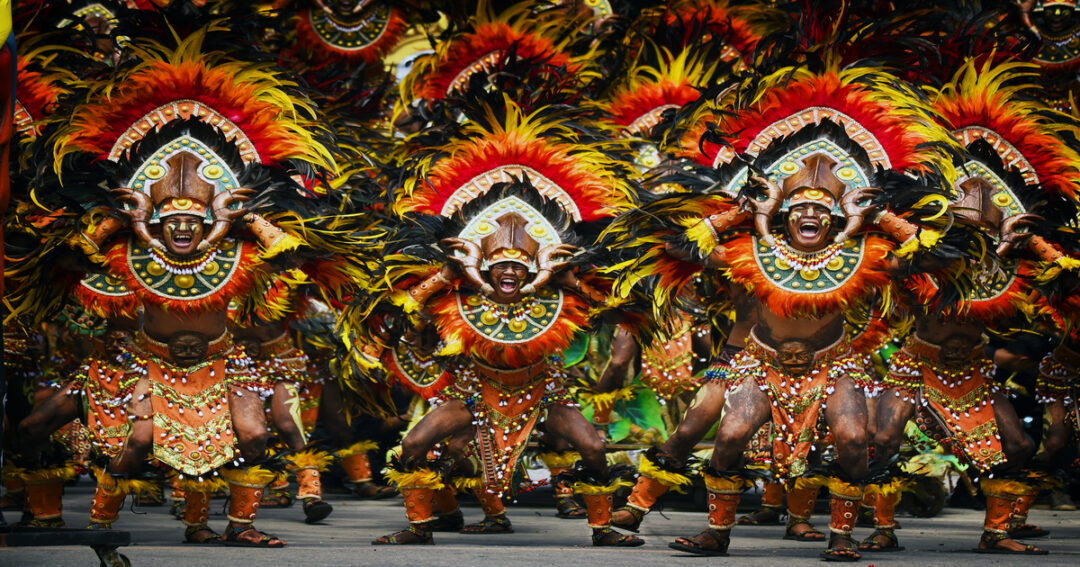
The Philippines holds a festival almost every week, from drum-led street dances for the Santo Niño in January to a Christmas lantern show in December. This guide to Festivals in Philippines starts with five major celebrations, then covers the four festivals readers search for most, Ati-Atihan, the banana festivals, the Giant Lantern Festival and the Paru-Paro butterfly festival, and ends with a calendar. A timing point: two of the biggest, Ati-Atihan and Sinulog, share the same main day in 2027, so you will need to pick one.
Top Festivals in Philippines: Five Not to Miss
These five are our own selection, based on how often they appear in the sources. Dates are from Wikipedia and other pages and should be confirmed locally.
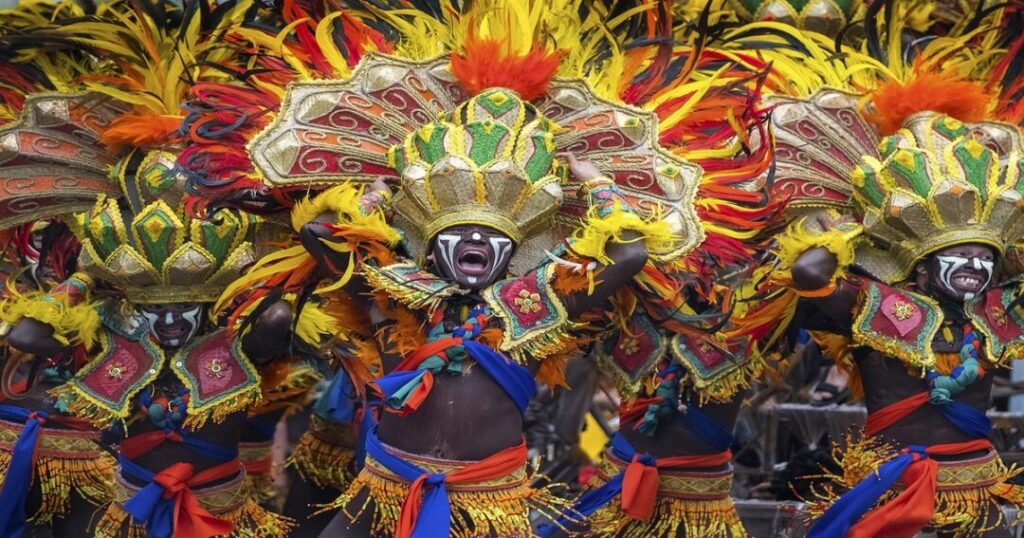
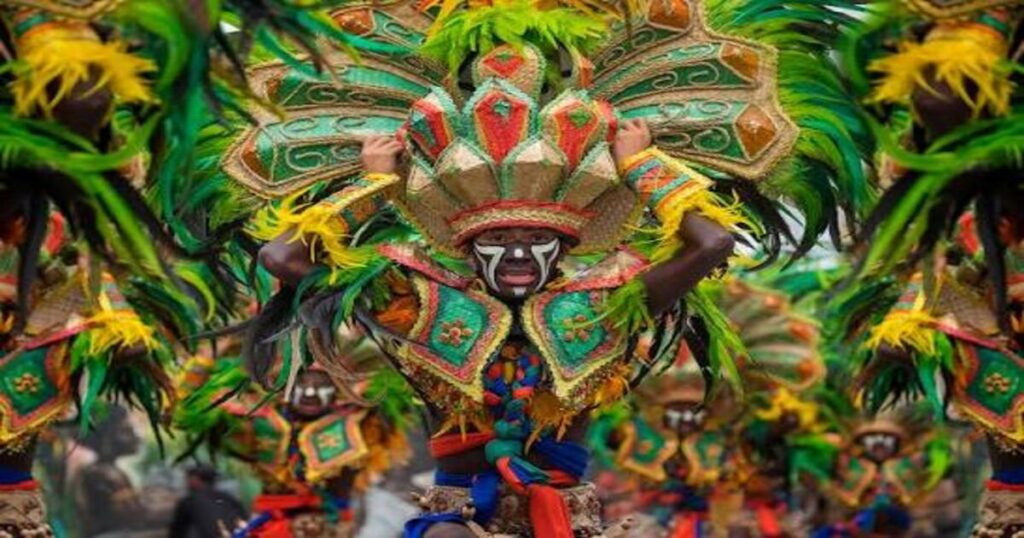
1. Ati-Atihan (Kalibo, Aklan)
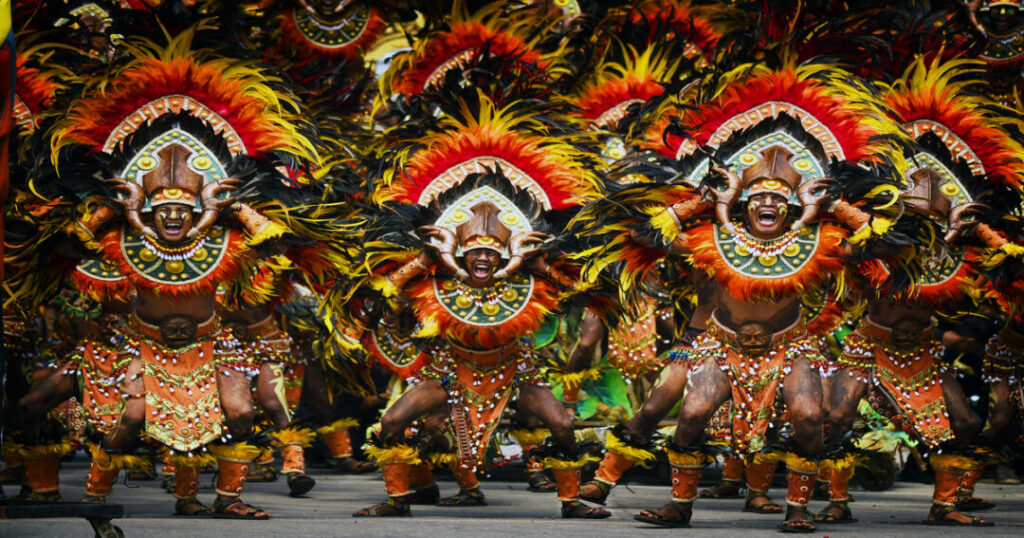
Held on the third Sunday of January, with the 2027 main day listed as January 17. Wikipedia calls it the festival believed to have inspired Dinagyang and Sinulog, often nicknamed the “Mother of All Philippine Festivals”.
2. Sinulog (Cebu City)

Also on the third Sunday of January, so January 17, 2027, according to Wikipedia. It honours the Santo Niño, and a cited SunStar report said the 2026 edition drew over 5.2 million attendees, though another headline said 5 million.
3. Dinagyang (Iloilo City)
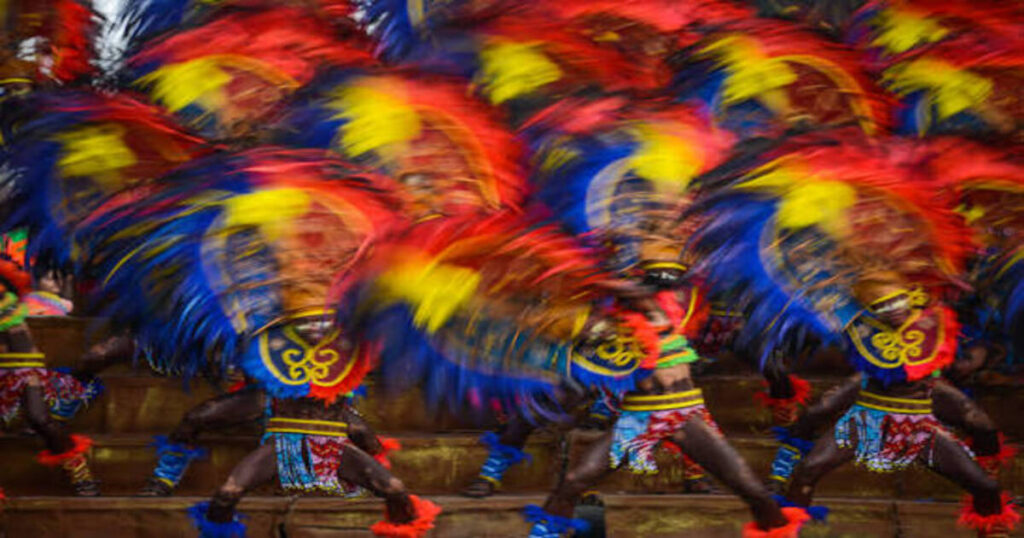
Held on the fourth Sunday of January, which is January 24, 2027, per Wikipedia. Its highlights include the Ati Tribes Competition and the ILOmination night parade of illuminated tribes.
4. Kadayawan (Davao City)
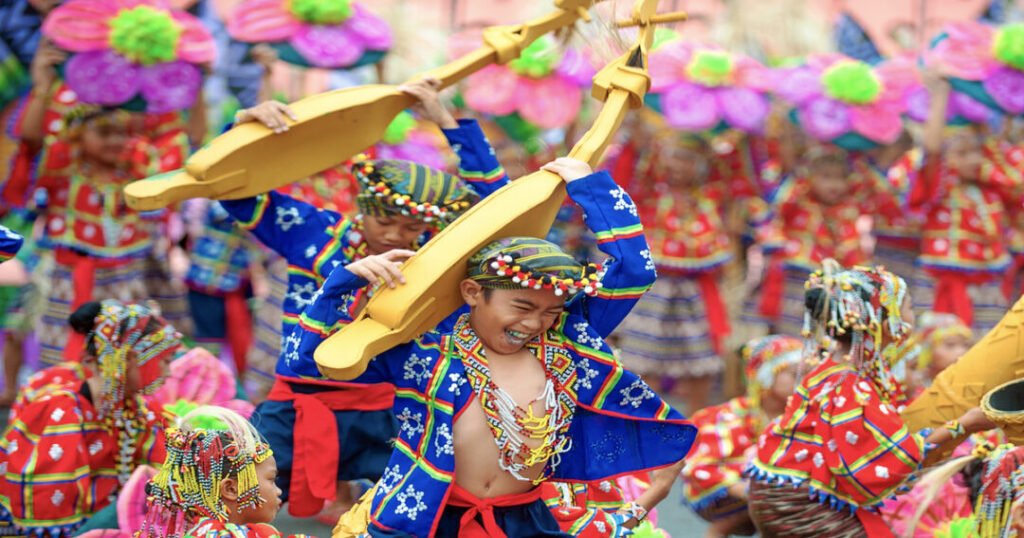
A thanksgiving festival traditionally held around the third week of August. Wikipedia lists the 2026 edition as August 7 to 16 in its header but August 7 to 18 in the body, so the end date is unresolved.
5. Giant Lantern Festival (San Fernando, Pampanga)
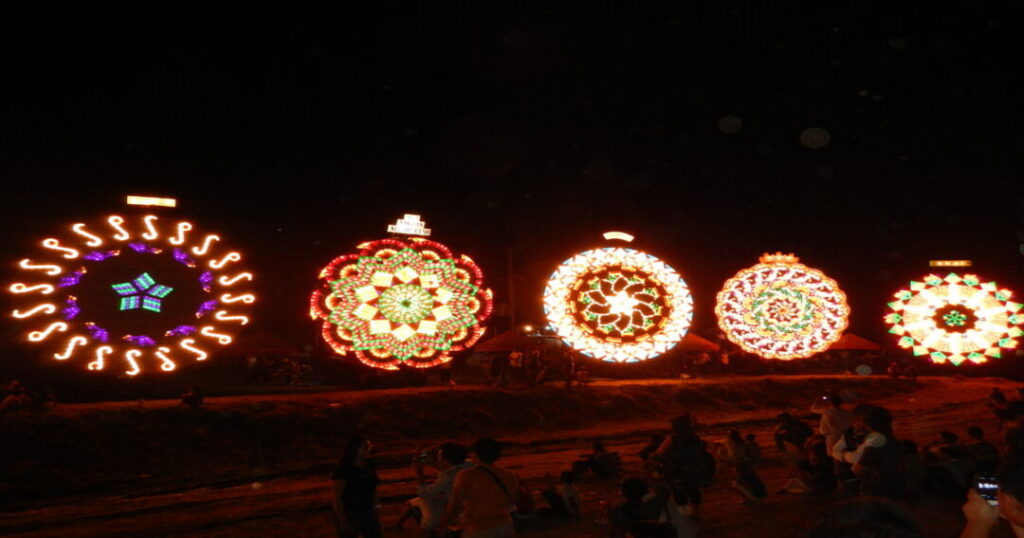
A December contest of huge electric lanterns in the city nicknamed the “Christmas Capital of the Philippines”, with the 2025 edition billed as the 117th by SunStar.
Best Festival in the Philippines: How to Judge It
There is no official ranking, so the Best Festival in the Philippines depends on what you value. The sources give these measures:
- Awards: Wikipedia says Dinagyang was named best tourism event by the Association of Tourism Officers in the Philippines for 2006 to 2008 and again in 2020, and won Best Festival in the Visayas at the 2024 Philippine LEAF Awards.
- Scale: Sinulog reportedly drew over 5.2 million attendees in 2026, and is sometimes called the “Grandest Festival in the Philippines”.
- Culture: Kadayawan highlights Davao City’s 11 ethnolinguistic tribes, and the 2026 Indak-Indak showdown reportedly drew about 120,000 people in person, though Wikipedia marks several 2026 claims as needing a better source.
- Spectacle: MassKara in Bacolod ran October 1 to 18, 2026, with its main events on October 9 to 18, per the city government, and the next edition has not been announced.
- Harvest and tradition: Wikipedia’s festival list gives Pahiyas as May 14 to 15 in Lucban and Sariaya, Quezon, though it does not say which year.
Our own suggestion: pick Ati-Atihan for the original street-party atmosphere, Dinagyang for a polished competition, Kadayawan for indigenous culture and the Giant Lantern Festival for a family Christmas trip.
Ati-Atihan Festival in Philippines: Dates and Travel
For the Ati-atihan Festival in Philippines, the main day is the third Sunday of January, which Wikipedia lists as January 17, 2027, and the Tourism Promotions Board gives no specific 2027 date. Gohub, a travel eSIM seller (updated October 21, 2026), says Kalibo had not yet published its 2027 calendar, and that the 2025 edition ran January 10 to 19 and 2026 ran January 7 to 18. Wikipedia describes a multi-day program with an opening Mass, a dawn rosary procession and a final-Sunday parade and competition. Practical points from Gohub, a commercial source:
- Airport: Kalibo International Airport is about 2 km from the town centre, with direct flights from Manila.
- Boracay link: Caticlan is about 68 km away, roughly 1.5 hours by road, and traffic on that road is expected to be heavy.
- Rooms: A local tourism officer said Kalibo rooms were fully booked by January 11, 2024, so book early on a refundable rate.
- Security: Police deployed 2,980 officers in 2026, and festival-zone rules from 2024 banned lasers, smoking and vaping, unregistered vendors and unregistered drones.
- Onward to Iloilo: Iloilo City to Kalibo takes about 3 hours by bus or van, which makes it possible to reach Dinagyang a week after Ati-Atihan. That pairing is our own suggestion.
Ati-Atihan in the Philippines: History and Meaning
To understand Ati-Atihan in the Philippines, it helps to know the layers of its story, which Wikipedia sets out:
- The legend: The Maragtas epic says ten Malay datus fled Borneo around 1212 and that Datu Puti bought the lowlands of Panay from the Ati for a golden salakot, brass basins and cloth, the Barter of Panay. Wikipedia adds that modern historians question the epic’s historicity.
- The fiesta: A Santo Niño fiesta is documented from at least the 17th century, as part of the Spanish colonial fiesta system.
- The revival: The festival became more commercial in the 1950s and 1960s, and its name was officially changed to Ati-Atihan in 1972.
- The name: The Tourism Promotions Board says it means “merry-making like the Ati”, and that crowds shout “Hala Bira!” followed by “Viva kay Señor Santo Niño!”
- The debate: Wikipedia says participants smear themselves with soot, but there is no historical evidence that soot was part of the original practice, and the Ati have not clearly endorsed it. The Ati are an indigenous people of Panay, and the page notes the original dancers were reportedly non-Ati locals who danced in thanks, with Ati people joining later.
Wikipedia notes that the 1212 origin and the 17th-century fiesta record leave a gap it does not explain, so present the festival’s origins as tradition and not settled history.
Banana Festival Philippines: Baco, La Castellana and Tagum
There is no single banana festival Philippines event. Wikipedia’s festival list names three:
- Baco, Oriental Mindoro: March 18 to 19. Festivalscape (updated September 2023) calls it a week-long thanksgiving for the banana harvest held with the feast of St. Joseph, with serenades, a trade fair using banana plant parts, a street dancing competition and a culinary contest, and highlights the señorita, latundan, lacatan and saba varieties.
- La Castellana, Negros Occidental: April 1 to 5, per Wikipedia’s list.
- Tagum, Davao del Norte: July 1 to 10, with street dancing and an agri-trade fair showing the province as “banana country”, per Wikipedia’s list and a 2016 real-estate-company blog.
Festivalscape’s route to Baco is a bus from Manila to Batangas, a ferry to Calapan City, then public transport about 20 km to Baco, taking roughly 30 to 40 minutes on the final leg. We did not confirm the current schedule for any of the three.
Also Read: The Great Coastal Nations: A Look At The World’s Longest Shorelines
Big Lantern Festival Philippines: San Fernando’s Giant Lanterns
The Big Lantern Festival Philippines is formally the Giant Lantern Festival, or Ligligan Parul in Kapampangan. Key facts:
- Origins: Wikipedia says some sources date it to 1904 and others to 1908, tracing its roots to a religious tradition called lubenas in Bacolor, and the first electrified festival to 1931.
- Size: Wikipedia gives lanterns of fifteen feet in one passage and about 20 feet in another, and Robinsons Malls says about 20 feet in diameter. Modern lanterns use roughly 3,500 to 5,000 bulbs, and a 10,000-bulb limit was set in 2017.
- 2025 edition: SunStar reported the 117th festival with ten barangays, a competition on December 13, 2025 at Robinsons Starmills, and exhibitions to January 1, 2026. PIA reported Bulaon won its first championship.
- 2026 edition: Bazly lists December 19, 2026 at the Philippine Christmas Village, but says showtime, participating barangays and admission had not been released, and conflicts on whether entry is free.
- Interruptions: Wikipedia says the 1978 and 1979 festivals were cancelled during Martial Law, and 2020 was held as an exhibition because of COVID-19.
Also Read: e-Visa for Indians: Your Complete Guide to Visa-Free, Visa on Arrival & e-Visa Travel
Butterfly Festival Philippines: Paru-Paro in Dasmariñas
The Butterfly Festival Philippines is the Paru-Paro Festival in Dasmariñas, Cavite, and “paruparo” is the word for butterfly. Details:
- Date: Cavite Biz Hub (a local business directory, published September 15, 2026) says it is held each November 26, the city’s founding anniversary, and that Dasmariñas became a city on November 26, 2009.
- Meaning: The butterfly represents the city’s transformation from farmland to an urban centre, per Cavite Biz Hub and the Philippine News Agency.
- Programme: Street dance competitions in butterfly costumes, floats, cultural presentations, food fairs and pageants, per Cavite Biz Hub.
- Parade example: In 2017, the Philippine News Agency reported a 3 pm parade with 36 school contingents and a ₱75,000 prize for the champion, with no float parade because of road rehabilitation.
- Numbering: Cavite Biz Hub says the first festival was held on November 26, 2011, yet the news agency called the 2017 edition the sixth, so one of the two accounts is off by a year or an edition was skipped.
A Philippine Festival Calendar From November 2026
In date order, using the sources above, with every date to be confirmed locally:
- November 26, 2026: Paru-Paro Festival, Dasmariñas.
- December 19, 2026: Giant Lantern Festival, San Fernando, as listed by Bazly.
- January 17, 2027: Ati-Atihan main day in Kalibo and Sinulog in Cebu City.
- January 24, 2027: Dinagyang, Iloilo City.
- March 18 to 19: Banana Festival, Baco.
- April 1 to 5: Banana Festival, La Castellana.
- May 14 to 15: Pahiyas, as listed by Wikipedia without a year.
- July 1 to 10: Banana Festival, Tagum.
- August: Kadayawan, Davao City.
- October: MassKara, Bacolod, dates for 2027 not yet announced.
Timing note: Three of the biggest festivals fall within a week of each other in January 2027, and Ati-Atihan and Sinulog share the same Sunday. Our own suggestion is to choose Ati-Atihan or Sinulog for January 17 and add Dinagyang a week later, and to book rooms months ahead, since Kalibo’s rooms were reported full days before the 2024 festival.
Must Read: Philippines Food Guide: 15 Famous Dishes Every Tourist Must Try
Conclusion: Plan Around the Festival Dates
The best Festivals in Philippines range from drum-led January street parties to a December lantern show and a November butterfly parade, each tied to a saint’s day, a harvest or a city anniversary. Check the local tourism office for the final dates, book rooms early and choose between overlapping January events before you fly.
Planning a Philippine festival trip? Open the Explurger app to find travelers on the same dates and share transport and lodging tips.
FAQs About Festivals in Philippines
2. What is the best festival in the Philippines?
There is no official ranking. Dinagyang has won tourism awards, Sinulog reportedly draws the largest crowds and Ati-Atihan is often called the mother of Philippine festivals.
3. When is the Giant Lantern Festival?
It is held in December in San Fernando, Pampanga. The 2025 competition was on December 13, and Bazly lists December 19, 2026 for this year, with showtime and admission not yet released.
4. Where is the butterfly festival in the Philippines?
The Paru-Paro Festival in Dasmariñas, Cavite, held around the city's founding anniversary of November 26.
5. Is there a banana festival in the Philippines?
Yes, several: Baco in March, La Castellana in April and Tagum in July, according to Wikipedia's festival list.
6. Are Ati-Atihan and Sinulog on the same day in 2027?
Yes. Both are held on the third Sunday of January, which is January 17, 2027.