
1,456 Total Views
If you’ve been searching for Kumara Parvatha, you’ve probably already seen it called one of the toughest one-day-doable treks in the Western Ghats — and that reputation is earned. Rising to 1,712 metres (5,617 ft) inside the Pushpagiri Wildlife Sanctuary in Karnataka, Kumara Parvatha is the second-highest peak in the state after Mullayanagiri, and the climb to its summit is a genuine test of stamina, not a casual weekend stroll. [STAT: At 1,712m, Kumara Parvatha is the highest point within the Pushpagiri Wildlife Sanctuary and the second-highest peak in Karnataka.]
This guide walks through the real Kumara Parvatha trek distance, the honest difficulty level, how booking actually works through the forest department’s online portal, and where you can (and can’t) camp or stay along the way — whether you’re an experienced trekker or attempting your first real high-altitude climb.
Before you dive into planning, it’s worth adding Kumara Parvatha to your Explurger Bucket List so you have it saved alongside every other trek and destination you’re eyeing, with an easy way to track what’s done and what’s still pending.
Kumara Parvatha Trek Distance and Route
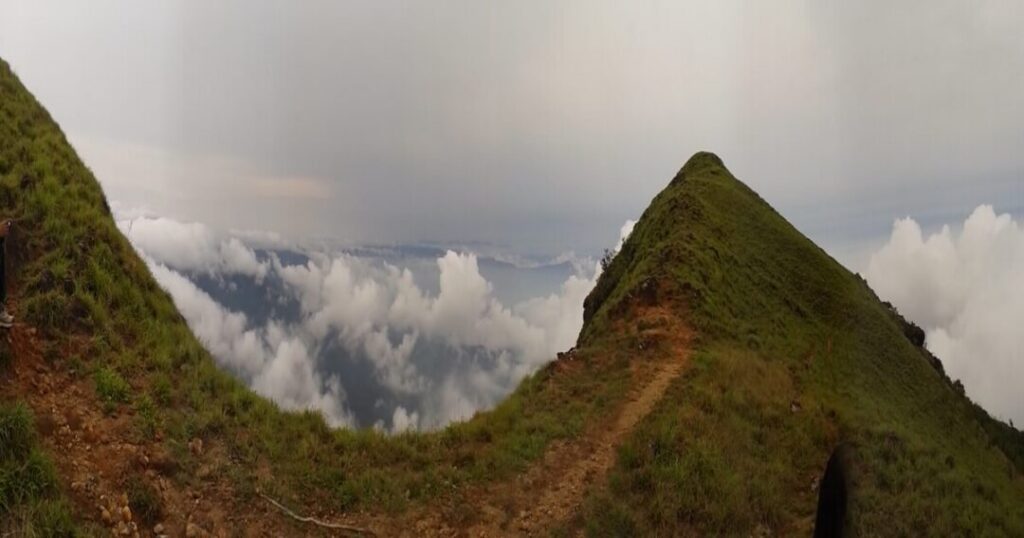
The standard route begins at Kukke Subramanya, a temple town at the base of the Western Ghats, and covers roughly 13–14 km one way to the summit — making the full round trip approximately 25–28 km if completed there and back on the same route. Most trekkers split this into a two-day trek, camping partway (at forest-department-approved points) and pushing to the summit on day two.
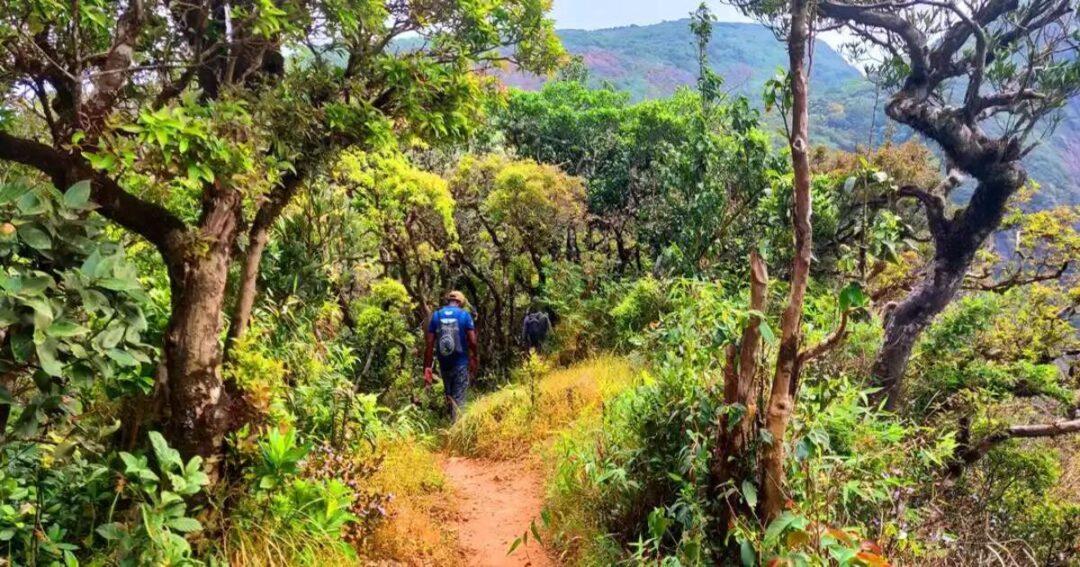
The Kumara Parvatha trekking route runs through progressively harder terrain: dense forest and stream crossings in the first stretch, open grassland ridges in the middle section, and a punishing final climb up rocky, exposed sections locally referred to as Kumara Parvatha’s “peak stretch.” According to trail data, the one-way climb involves roughly 3,195 ft (974m) of elevation gain and typically takes 6.5–7.5 hours one way for a reasonably fit trekker. [STAT: The route gains close to 3,195 ft in elevation over roughly 10.7 miles (17.2 km) one way, according to trail-tracking data.]
Kumara Parvatha Trekking Difficulty: Is It Beginner-Friendly?
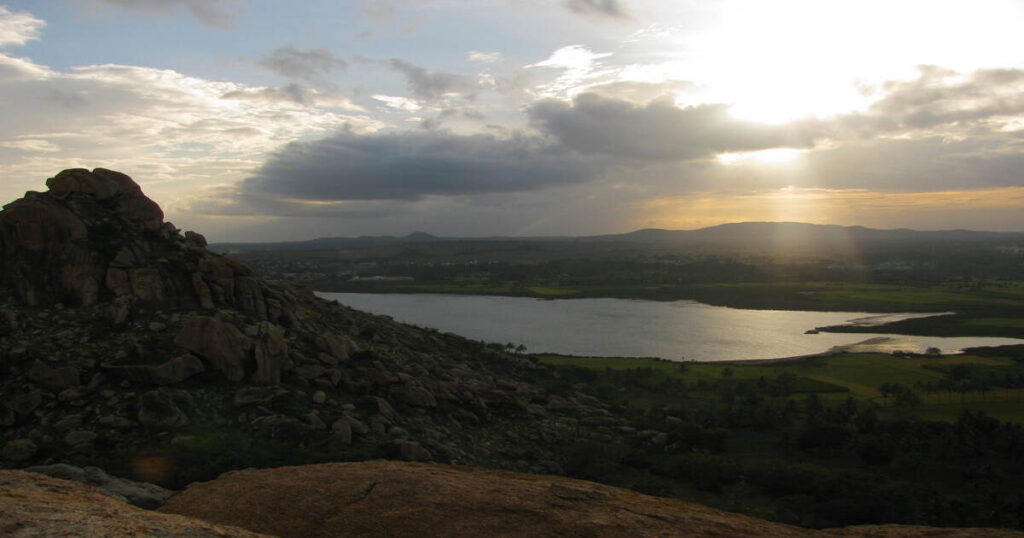
Here’s the honest answer: no, not really—and if you’re a first-timer, you should go in with realistic expectations rather than treating this as a starter trek. Kumara Parvatha is widely rated “hard” by trekking communities, and for good reason. The first three sections of the climb are consistently flagged as the toughest, and the stretch between the forest camp and Shesh Parvata (a rocky sub-peak just before the summit) is often described by trekkers as extremely challenging, involving steep rock scrambles with minimal shade or water access.
That said, “hard” doesn’t mean “impossible for beginners” — it means beginners need to come prepared: solid fitness, proper trekking shoes, enough water (there are limited refill points once you’re past Bhattara Mane), and ideally a guide or experienced group for the summit push. If you’re mixing experience levels in your group, plan the itinerary around the least experienced person’s pace, not the fastest one.
Also read: Ettina Bhuja Trek: The Complete Guide to Karnataka’s Ox-Shoulder Peak
Kumara Parvatha Trek Booking: The Aranya Vihaara Portal
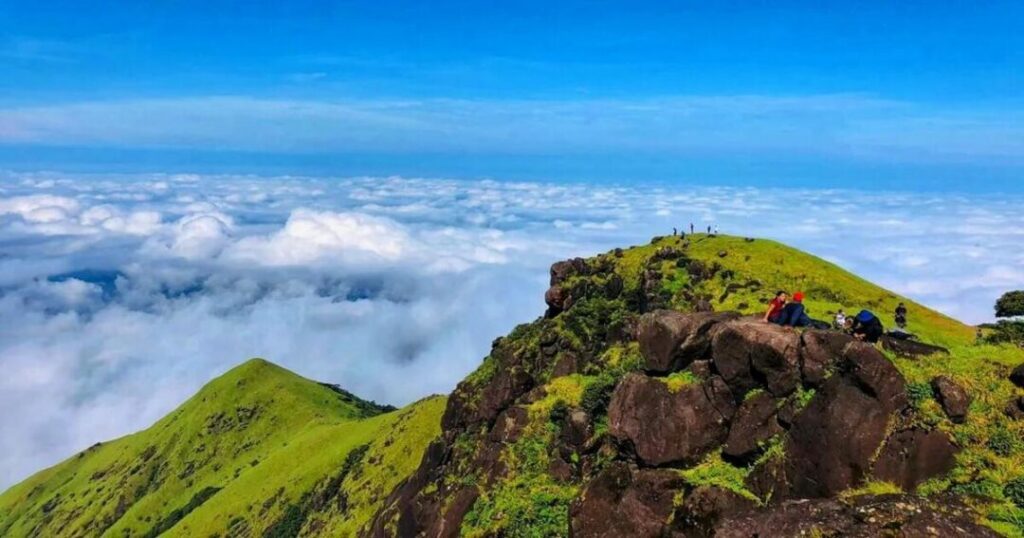
All Kumara Parvatha Trek bookings are now handled exclusively through the Karnataka Forest Department’s official online portal, Aranya Vihaara (aranyavihaara.karnataka.gov.in). Walk-in registrations are no longer accepted, so this step is non-negotiable.
Here’s how it works:
- Register on the portal using a valid email address.
- Upload a valid government ID—driving license, PAN card, or passport are all accepted.
- Book your slot anywhere between 1 and 15 days in advance of your planned trek date.
- Entry is capped at around 300 trekkers per day, so popular weekend dates fill up fast.
- The permit fee is approximately ₹350 per person for well-known trails like Kumara Parvatha (lesser-known trails are cheaper, around ₹250), plus applicable GST. [STAT: Karnataka Forest Department caps daily trekker entry at approximately 300 people across its regulated Western Ghats trails.]
- Cancellations are only permitted up to 2 days before your scheduled date, so book your travel and homestay only after your permit slot is confirmed.
If you’re weighing this against other treks in the region and can’t decide what actually fits your fitness level and dates, ask NIVU AI inside the Explurger app — it can factor in your experience level, timeline, and preferences to give you a straighter answer than a generic “top treks” list would.
Kumara Parvatha Trek Package Options and Cost
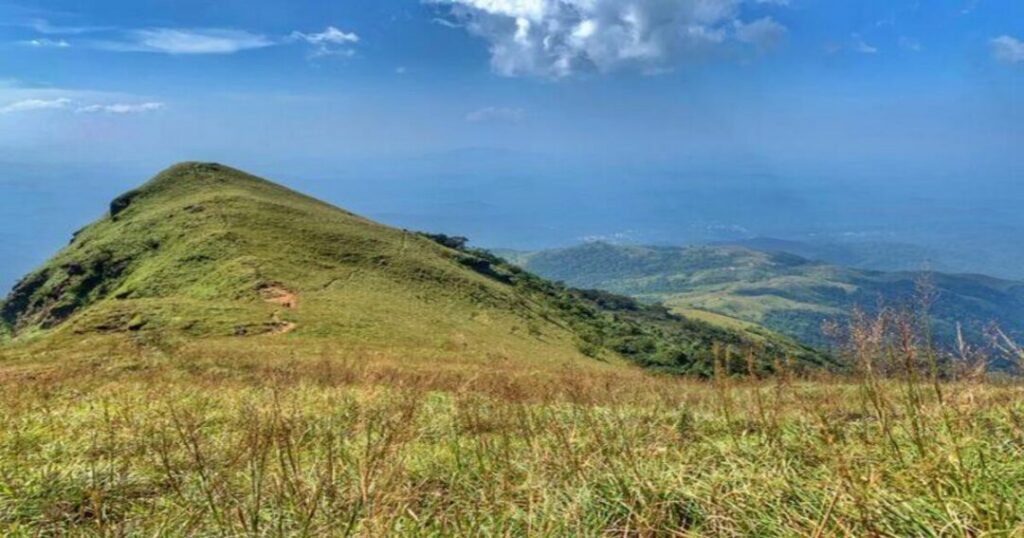
Most trekkers approach Kumara Parvatha in one of two ways: an independent DIY trek (arranging your own permit, transport, and stay) or a guided Kumara Parvatha trek package through a trekking organizer, which typically bundles permits, a local guide, camping equipment, and sometimes meals into one cost. Guided packages tend to run higher than the permit fee alone once guide charges, equipment rental, and transport from Bengaluru or Mangaluru are factored in, so it’s worth comparing a few operators rather than booking the first one you find—prices and inclusions vary noticeably.
If you’d rather go independent, the core costs to budget for are the Aranya Vihaara permit fee, homestay or camping charges, and transport—all of which are laid out in the sections below.
Also read: Channarayana Durga Trek: The Complete Guide to Karnataka’s Hidden Fort Trek
Kumara Parvatha Camping: What’s Actually Allowed?
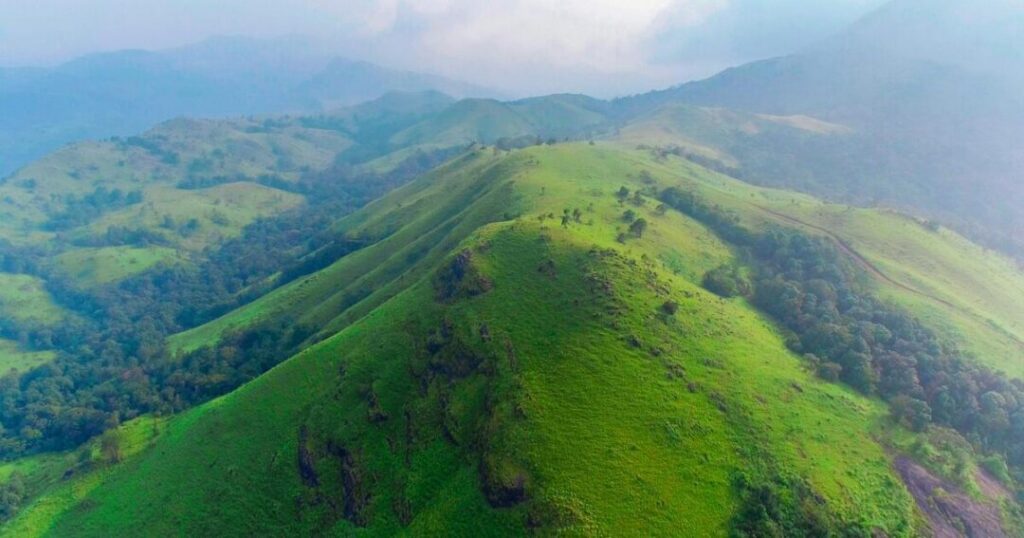
Kumara Parvatha’s camping rules are stricter than many first-time trekkers expect. Camping directly at the summit is not permitted. Instead, the forest department allows camping only at designated, pre-approved points along the route—most commonly near Bhattara Mane, roughly 5–6 km from the trek’s starting point.
This means your itinerary needs to be built around these approved camping zones rather than wherever looks scenic. If you’re trekking over two days, confirm your camping point aligns with what’s approved on your Aranya Vihaara permit before you set off.
Kumara Parvatha Homestay and Lodging Options
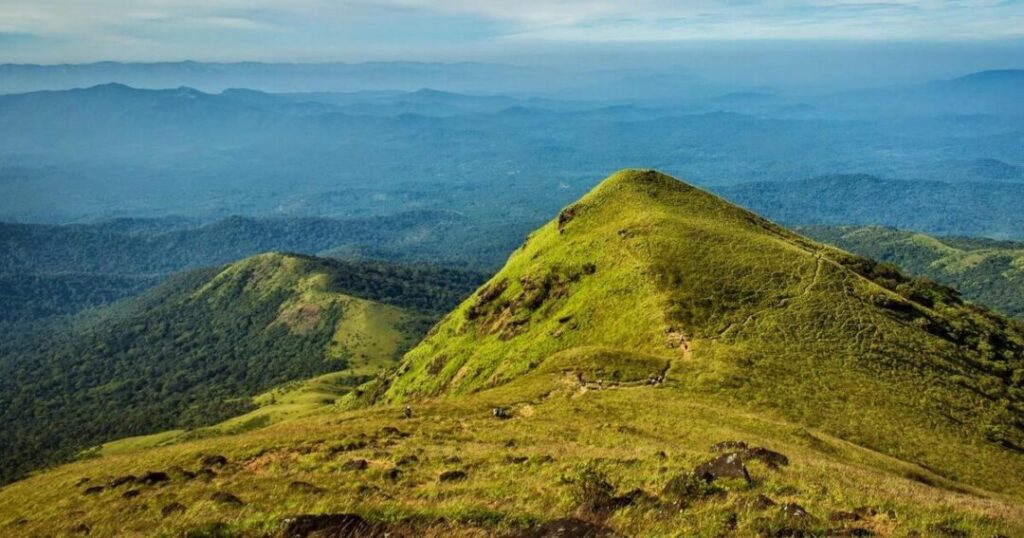
If camping isn’t your preference, Kumara Parvatha homestay options are available at both ends of the trek. Kukke Subramanya town itself has a range of budget lodges and homestays, generally priced between ₹800 and ₹1,500 per night, which work well if you want a comfortable base the night before an early start.
Closer to the trail, Bhattara Mane offers a simple homestay roughly 5–6 km into the route, providing basic meals and a water refill point—genuinely useful given how limited water access becomes higher up the mountain. Local homestay hosts can often also help arrange a guide for the day, which is worth asking about if you haven’t organized one already.
Kumara Parvatha Trek Best Time: When Should You Actually Go?
This is where it’s worth cutting through some conflicting information you’ll find online. Kumara Parvatha is officially closed to trekkers from March 1 through September 30 every year — a precautionary measure by the Karnataka Forest Department due to forest fire risk in the sanctuary’s upper reaches during the dry and monsoon months, when the trail also turns dangerously slippery. [STAT: The Karnataka Forest Department closes Kumara Parvatha to trekkers annually from March 1 to September 30.]
So while some sources describe the trek as suitable “post-monsoon through May,” that window doesn’t hold up against the forest department’s own closure dates—the trail simply isn’t open past the end of February in practice. The genuinely reliable Kumara-Parvatha trek’s best time is between October and February, once the monsoon has cleared and before the March closure kicks back in. Within that window, December through February tends to bring the coolest, driest conditions and the clearest ridge-line views.
Also read: Kudremukh Trek: Everything You Need to Know Before Conquering Karnataka’s Iconic Peak
How to Reach Kumara Parvatha?
The trek begins at Kukke Subramanya, which is
- Approximately 280 km from Bengaluru—the most common route follows NH75 via Hassan, typically taking 6–7 hours by road.
- About 105 km from Mangaluru, home to the nearest airport, making it a more practical option if you’re flying in.
- 12 km from Subramanya Road railway station, which is well-connected to both Bengaluru and Mangaluru by rail.
Most trekkers drive down the evening before, stay overnight in Kukke Subramanya or Bhattara Mane, and start the climb before dawn to beat both the heat and the crowds on the exposed upper sections.
Conclusion: About Kumara Parvatha
Kumara Parvatha rewards serious preparation more than it rewards enthusiasm alone — get your Aranya Vihaara permit sorted early, plan around the October-to-February window rather than the looser claims you’ll see elsewhere, and be honest with yourself (or your group) about the difficulty of that final climb to Shesh Parvata. Save it to your Explurger Bucket List while you plan, let NIVU AI help you weigh it against other Western Ghats treks on your list, and once you’re back down, log it as an Explurge-in — your Automatic Travelogue will map it alongside every other trek and trip you’ve completed. Plan smarter and track every summit with the Explurger app.
FAQs About Kumara Parvatha
2. What is the total Kumara Parvatha trek distance?
The one-way distance from Kukke Subramanya to the summit is roughly 13–14 km, making the full round trip approximately 25–28 km. Most trekkers don't attempt this in a single day; instead, they split it across two days, camping at an approved point roughly midway and completing the summit push on day two. Elevation gain on the one-way climb is close to 3,195 ft, which is a significant part of why the distance feels harder than the raw kilometre count suggests.
3. How do I book the Kumara Parvatha trek permit?
All bookings now go through the Karnataka Forest Department's Aranya Vihaara portal (aranyavihaara.karnataka.gov.in). You'll need to register with an email address, upload a valid government ID such as a driving license, PAN card, or passport, and book your slot between 1 and 15 days ahead of your trek date. Entry is capped at around 300 people per day, so popular dates can fill up, and cancellations are only allowed up to 2 days before your scheduled trek.
4. Is camping allowed at the Kumara Parvatha summit?
No—camping directly at the summit is not permitted. The forest department only allows camping at specific, pre-approved points along the route, most commonly near Bhattara Mane, about 5–6 km from the start. If you're planning a two-day trek, make sure your camping location matches what's approved on your permit rather than assuming you can pitch a tent wherever the view looks best.
5. What is the best time to do the Kumara Parvatha trek?
The reliable window is October to February. The Karnataka Forest Department officially closes the trek from March 1 to September 30 each year due to forest fire risk and dangerous monsoon conditions, so despite some claims that the trek is doable "through May," it genuinely isn't open past February in practice. December to February tends to offer the coolest, clearest conditions for the climb.
6. Are homestays available near Kumara Parvatha?
Yes. Kukke Subramanya town has budget lodges and homestays priced roughly between ₹800 and ₹1,500 per night, ideal for an overnight stay before an early trek start. Closer to the trailhead, Bhattara Mane offers a simple homestay with basic meals and a water refill point, which is especially useful given how limited water access becomes on the upper sections of the climb.
7. How do I reach Kukke Subramanya for the Kumara Parvatha trek?
Kukke Subramanya is about 280 km from Bengaluru via NH75 through Hassan (roughly 6–7 hours by road), around 105 km from Mangaluru's airport, and 12 km from Subramanya Road railway station. Most trekkers drive in the evening before, rest overnight locally, and begin the climb before sunrise to avoid the heat on the exposed upper stretches.