

11,832 Total Views
Search that phrase online, and you’ll find lists claiming entire beaches, forts, and even whole districts are “off-limits to Indians but open to foreigners”—almost none of it holds up. The genuine list of places in India where Indians are not allowed is much shorter and much stranger than the myths suggest: it’s built out of nineteenth-century tribal protection law, live Supreme Court orders, active military zones, and one temple vault nobody has legally been allowed to open since the 1880s. This guide separates the documented restrictions—the ones with a regulation number or a court order behind them—from the popular claims that don’t survive a fact-check and explains exactly who is restricted from where and why.
Complete List of Places in India Where Indians Are Not Allowed
These are the places where a genuine, documented restriction exists—a law, a court order, or an official permit requirement—rather than a rumor. Some ban everyone outright; others require Indian citizens specifically to obtain a permit before entering.
North Sentinel Island, Andaman & Nicobar Islands
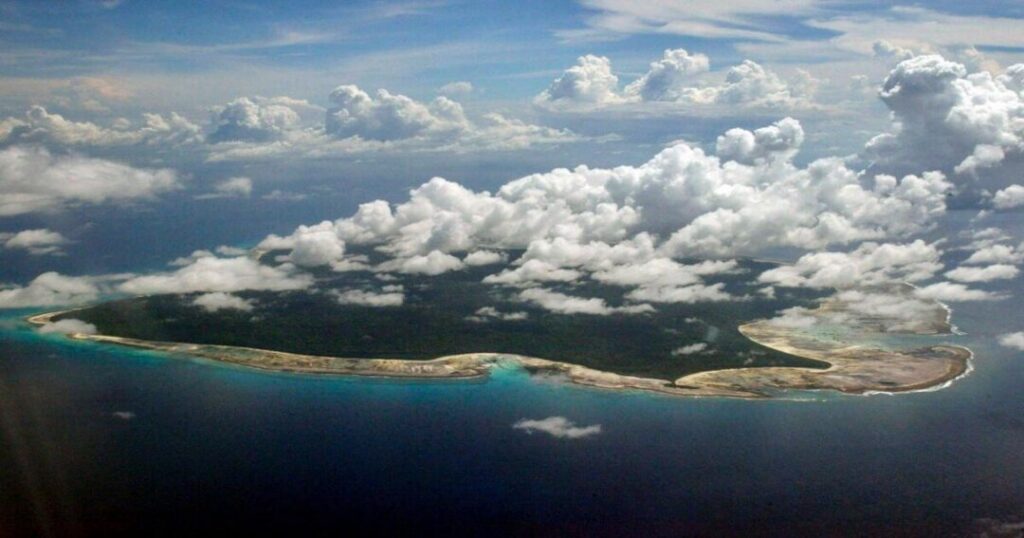
North Sentinel Island is the clearest case on this list: it is illegal for anyone—Indian citizen or foreign national—to land on it or approach closer than five nautical miles, under the Andaman and Nicobar Islands Protection of Aboriginal Tribes Regulation of 1956. The law exists to protect the Sentinelese, one of the world’s last uncontacted peoples, from outside diseases they have no immunity to, and the Indian Navy patrols the exclusion zone to enforce it. The restriction became international news in November 2018, when American missionary John Allen Chau paid local fishermen to ferry him to the island and was killed attempting contact; seven people who helped him reach the island were later arrested. India does not attempt to prosecute the Sentinelese for killing outsiders who breach the zone, since that risk is treated as the foreseeable consequence of a law meant to keep everyone away in the first place.
Also Read: 10 Must-Do Things in Andaman & Nicobar Islands here’s Your Complete Travel Guide
Padmanabhaswamy Temple’s Vault B, Kerala
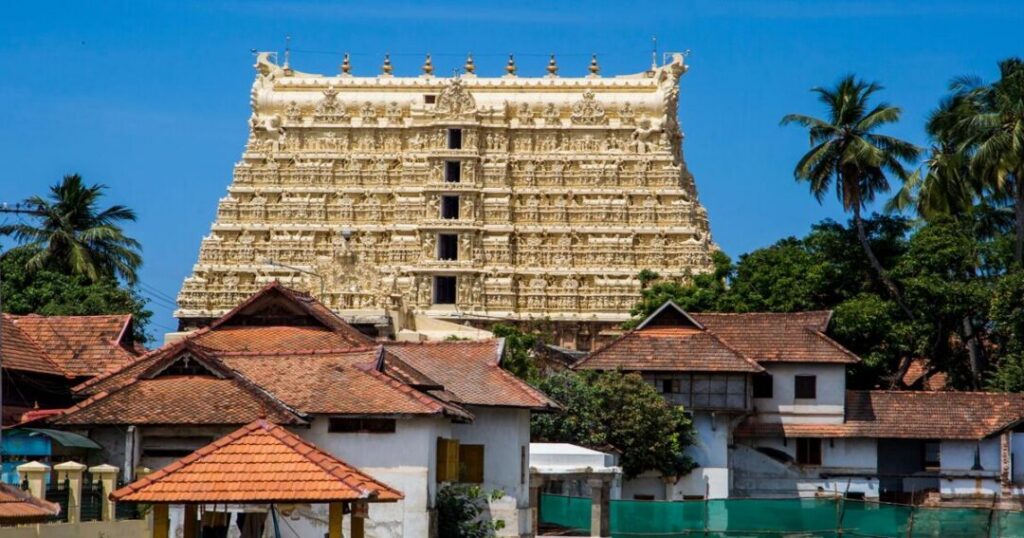
Inside Kerala’s Padmanabhaswamy Temple sits Vault B, one of six underground chambers involved in a landmark 2011 court-ordered inventory that revealed gold, jewels, and artifacts worth an estimated multiple billions of dollars. Vault B is the exception: it has three doors—a metal grille, a wooden door, and an iron door that jammed shut when a court-appointed committee attempted to force it open—and it reportedly has not been opened since at least the 1880s. Before a locksmith could be brought in, the temple’s royal family secured an injunction from the Supreme Court, and in July 2020 the Court refused permission to open the vault at all, citing the religious and astrological sentiments involved. That ruling applies to everyone, not just the general public—nobody, Indian or foreign, currently has any legal way to see what’s inside.
Jarawa Tribal Reserve, Andaman Trunk Road
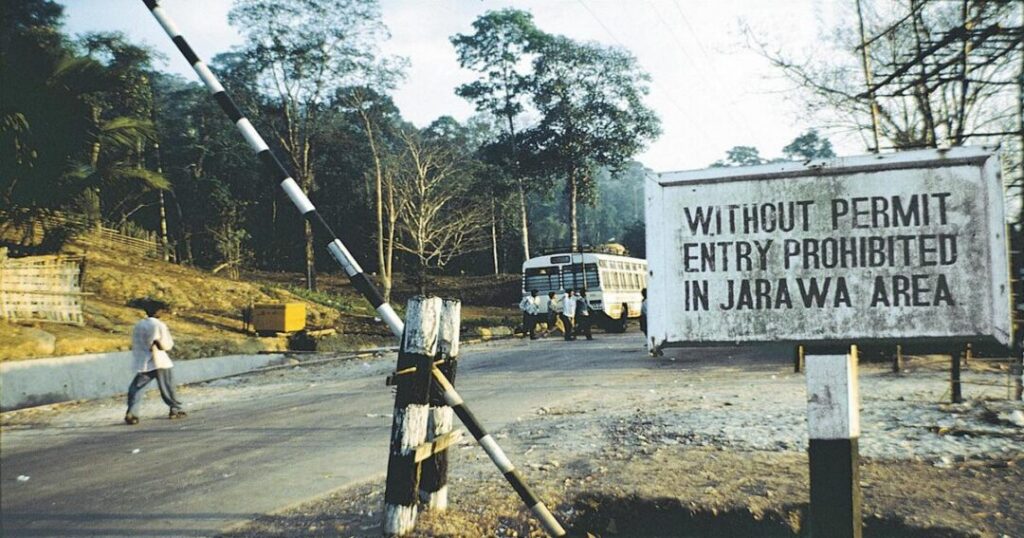
The Jarawa Tribal Reserve covers a stretch of the Andaman Trunk Road, and while the road itself has stayed open to traffic since a March 2013 Supreme Court order reversed an earlier attempt to shut it entirely, entering the reserve comes with rules that apply just as strictly to Indian travelers as to foreign tourists: vehicles must move in escorted convoys, cameras and phones have to stay switched off while passing through, stopping inside the reserve is prohibited, and giving the Jarawa food, clothing, or anything else is banned outright. Local police have made arrests for filming Jarawa individuals, and violations of the Protected Area Tribe regulations covering the reserve carry penalties of three to seven years’ imprisonment plus fines. The goal is the same one behind the North Sentinel restriction—protecting a population with no immunity to outside diseases from uncontrolled contact—just enforced through a checkpoint-and-convoy system rather than an outright landing ban.
Barren Island, Andaman & Nicobar Islands
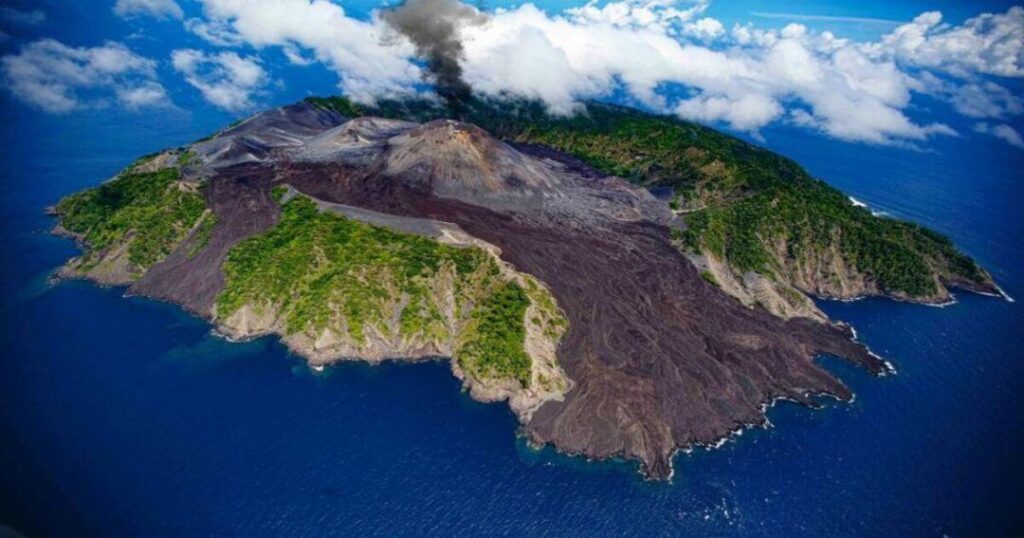
Barren Island, India’s only active volcano, sits in the Andaman Sea and is uninhabited, which is precisely why landing on it isn’t something a traveler can simply decide to do. Most visitors see it exclusively by boat, circling at a safe distance to photograph the crater and its scorched slopes; going ashore requires specific permission tied to research or monitoring purposes and isn’t offered as part of standard tourism, given the volcano’s continued activity and the total absence of infrastructure or rescue access on the island.
Also Read: Places to Visit in Andaman and Nicobar for the Ultimate Bucket List Experience
Core Areas of the Siachen Glacier
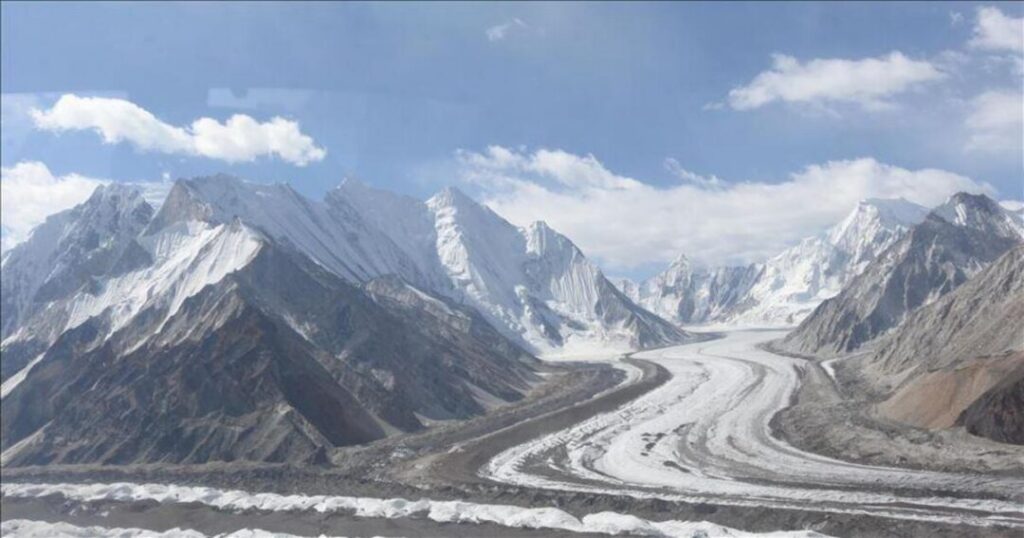
Siachen Glacier, the world’s highest battlefield, has been under Indian Army control since 1984, and while civilians have been permitted to visit Siachen Base Camp since the Army opened it to tourism in 2019, that access stops well short of the glacier itself. Beyond the base camp, the glacier remains an active military zone reserved for army personnel, and reaching even the base camp requires travel arranged through the Army rather than independent trekking.
Arunachal Pradesh, Nagaland, Mizoram, and Manipur Without a Permit
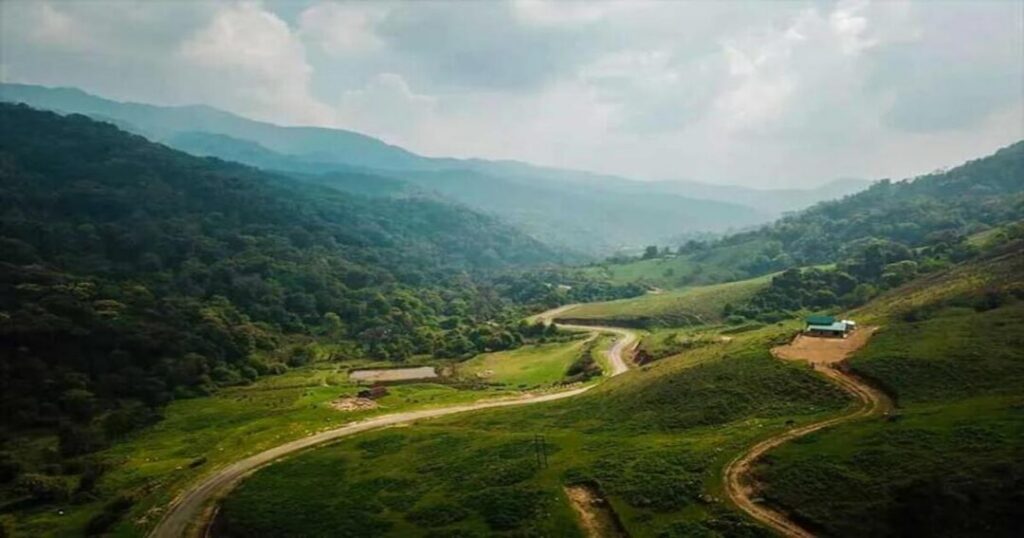
Four states—Arunachal Pradesh, Nagaland, Mizoram, and Manipur—require any Indian citizen from outside the state to obtain an Inner Line Permit before entering, under a system tracing back to the Bengal Eastern Frontier Regulation of 1873. Manipur is the newest addition, brought under the system by a presidential order signed in December 2019. The permit applies specifically to non-resident Indian citizens; it isn’t a ban, but entering without one is not allowed. Full details are in the dedicated section below.
Lakshadweep with an Entry Permit
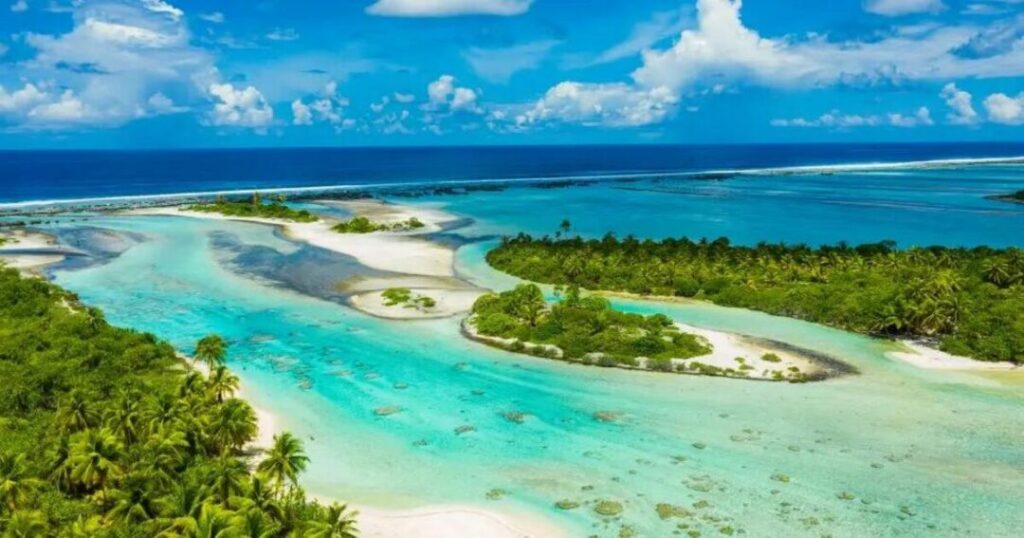
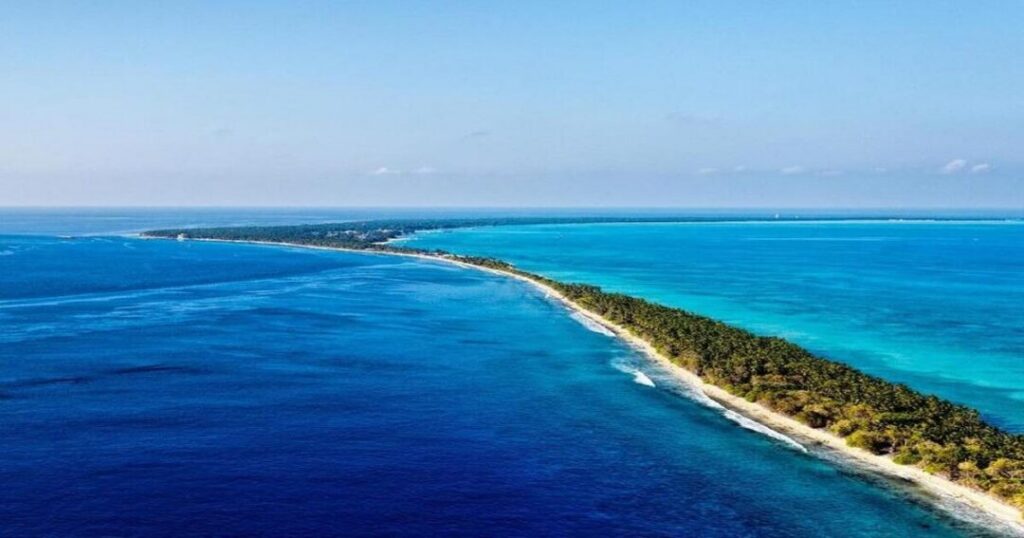
Lakshadweep requires an entry permit from every non-islander who wants to visit, Indian citizens included, under rules meant to protect the archipelago’s fragile coral ecosystem and its strategic location in the Arabian Sea. Entering without one isn’t permitted, though the application process itself was simplified through 2026—details follow in the section on restricted islands below.
Also Read: LAKSHADWEEP TOURISM IN 2026: EVERYTHING YOU NEED TO KNOW FROM A TRAVELER’S GUIDE
The Real Reasons Behind Places in India Where Indians Are Not Allowed
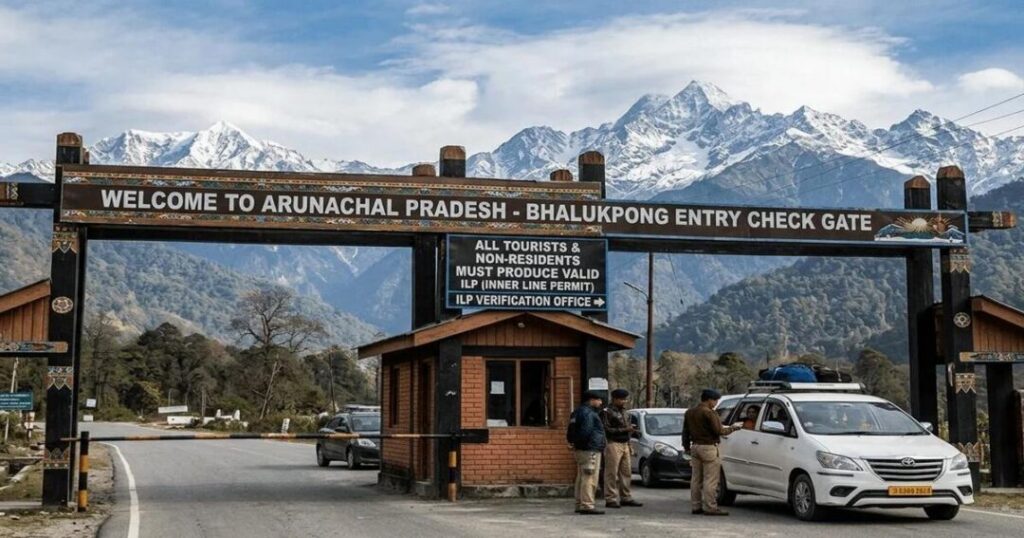
It’s worth asking why some places are banned for Indians in India, and why the reasons vary so much from one entry on this list to the next. Broadly, four different kinds of law are doing the work here, and they rarely overlap. Tribal protection law explains North Sentinel Island and the Jarawa Reserve—both regulations exist specifically to stop uncontrolled contact with populations that have no immunity to outside diseases, which is why the restriction applies to Indians and foreigners equally rather than singling out one group. National security and defense control explain Siachen Glacier and, historically, much of the logic behind the Inner Line Permit system, which began as a colonial-era tool to regulate frontier movement and now serves a mix of security and demographic-protection purposes in Arunachal Pradesh, Nagaland, Mizoram, and Manipur. A specific court order explains Vault B at Padmanabhaswamy Temple, where the Supreme Court’s 2020 refusal rests on religious and astrological grounds rather than security concerns. And separately, state-level social policy explains why Goa and Sikkim restrict certain residents from casino floors—a decision made by state governments responding to local political pressure over gambling’s effect on communities, not a security or heritage law at all. Knowing which category a restriction falls into is usually the fastest way to tell a genuine rule from an exaggerated one: a regulation with a number, a court order with a date, or an official permit portal are all real; a claim with none of those attached is usually folklore.
Places in India Where Indians Are Not Allowed: Foreigners Can Enter, But Indians Can’t—Myth vs. Fact
A huge amount of what circulates online under places foreigners are allowed but Indians are not doesn’t hold up once you check the actual rule, and the real pattern is often the reverse of what gets claimed. Take Goa’s casinos: the popular version of the story is that foreigners can gamble in Goa, but Indians can’t—the actual rule, in force since February 1, 2020, under Chief Minister Pramod Sawant, restricts only Goa’s own residents from casino floors, while Indian tourists from every other state are allowed in on exactly the same terms as foreign visitors. Sikkim runs an almost identical policy for its own residents at its casinos, dating to a 2016 government notification—in both states, the line is drawn between locals and everyone else, not between Indians and foreigners.
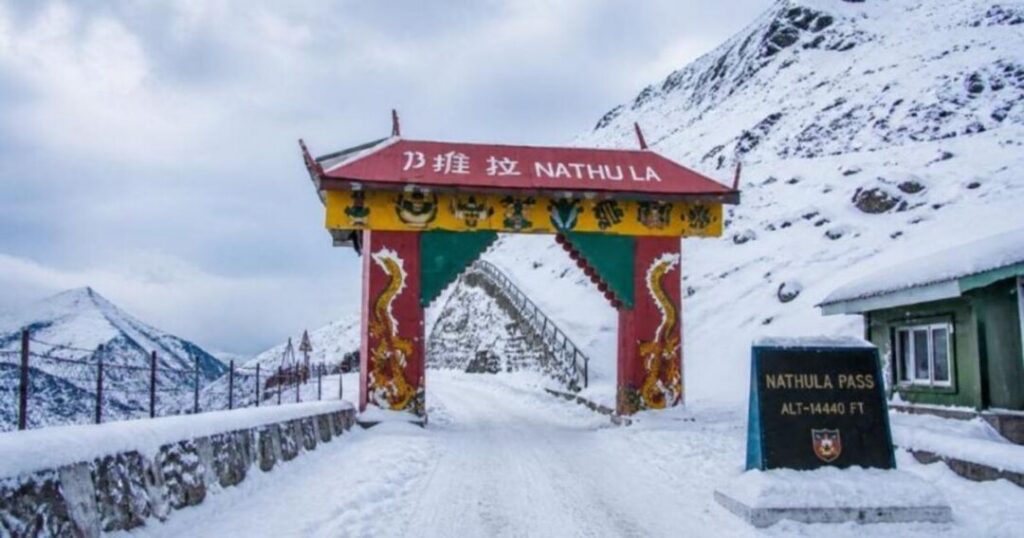
The other place this myth shows up is India’s border and frontier regions, where the actual permit system runs backward from what people expect: foreign nationals need a Protected Area Permit to visit places like Arunachal Pradesh or parts of Sikkim, a requirement that doesn’t apply to Indian citizens at all, while Indian citizens from outside those states need the separate Inner Line Permit covered below. If anything, foreign tourists face more paperwork in these regions, not less. As a rule of thumb, treat any “Indians banned, foreigners welcome” claim with real skepticism unless it names a specific law, court order, or government portal—the genuinely restricted places on this list all have one.
Inner Line Permit States in India: Full List and How to Apply
For anyone specifically researching inner line permit states in India, here’s the current list and what each one requires. Arunachal Pradesh issues tourist permits valid for up to 15 days, applied for online through the state’s eILP portal or on arrival at designated checkpoints. Nagaland’s tourist permit carries a modest fee, historically around ₹200, and is available both online and at entry points into the state. Mizoram offers a 15-day temporary permit for short visits and a separate six-month permit for longer stays, both obtainable online. Manipur is the newest state on this list, added by a presidential order signed in December 2019 after the Union Home Ministry announced the extension—visitors should confirm current requirements before travel, since Manipur’s implementation and any district-level exemptions have continued to evolve since the order took effect. In every case, the permit applies specifically to Indian citizens who are not residents of that state; residents of the state itself don’t need one to move around at home.
Restricted Islands in India: Places Where Indian Visitors Are Not Allowed Without Permission
Two entries on this list are islands rather than mainland regions, and each works differently. Anyone researching restricted islands in India permit rules for Lakshadweep should know the process now runs through the Lakshadweep Police directly: applicants file at least 14 days before travel, list every island and transit point on the itinerary, and no longer need a local sponsor or a hometown police clearance certificate the way earlier rules required. Barren Island works on the opposite principle—there’s no permit application process for tourists at all, because landing simply isn’t offered as an activity; the volcano is viewed by boat, and stepping ashore is reserved for research and monitoring visits arranged separately from any standard travel booking.
Military and High-Altitude Restricted Zones: Places Where Indians Are Not Allowed
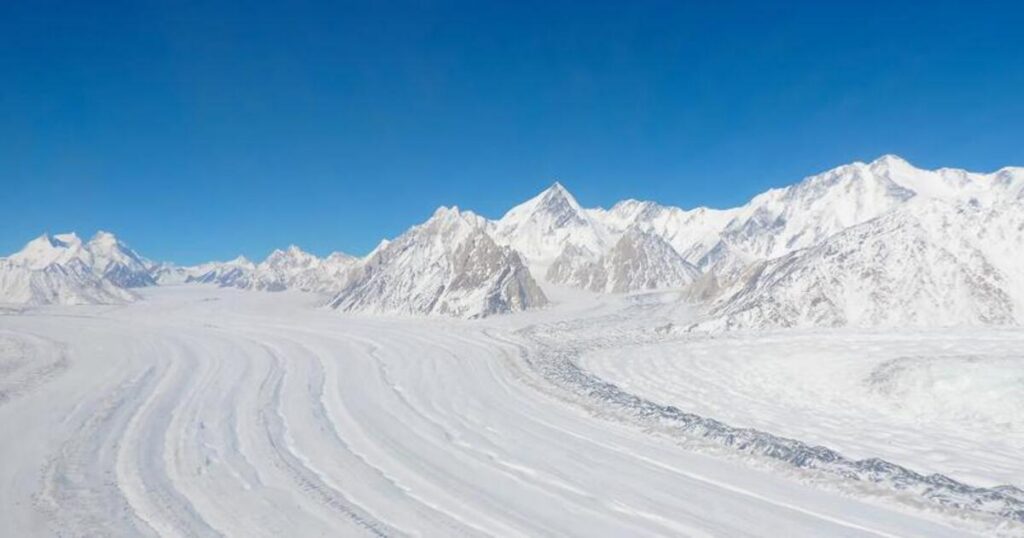
The clearest examples of military restricted areas in India sit along the Siachen Glacier and the broader Line of Actual Control, where the Indian Army controls access for reasons that have nothing to do with tourism policy and everything to do with an active, decades-long military standoff. Siachen Base Camp itself has been open to civilian visitors since 2019, but only through trips coordinated with the Army rather than independent travel, and the glacier beyond the base camp stays off-limits to everyone outside the military. Other high-altitude border zones along the Actual Ground Position Line follow the same basic principle: proximity to a live military frontier, not nationality, determines who can go where, and Indian civilians face the same hard boundary that foreign visitors do in these areas.
Conclusion: Places in India Where Indians Are Not Allowed
Strip away the myths, and the real places in India where Indians are not allowed come down to a short, specific list: a protected tribal island, a sealed temple vault, a handful of frontier states requiring a permit even for Indian citizens, and a military zone that answers to the army rather than the tourism department. Each restriction traces back to an actual regulation, court order, or government policy rather than a viral claim—which makes it worth checking the specific rule for wherever you’re headed rather than any list, including this one, before you travel.
Planning a trip to a permit-required region of India? Let the Explurger app help you track requirements and build your itinerary in one place.
FAQs About Places in India Where Indians Are Not Allowed
2. Do Indian citizens need a permit to visit Arunachal Pradesh, Nagaland, Mizoram, or Manipur?
Yes, Indian citizens who are not residents of these four states need an Inner Line Permit to enter, a rule with roots in the 1873 Bengal Eastern Frontier Regulation; the specific validity period and application process vary slightly by state.
3. Is it true that Indians are banned from Goa's casinos?
No — only Goa's own residents are restricted from casino floors, a policy in effect since February 1, 2020; Indian visitors from every other state can enter Goa's casinos on the same terms as foreign tourists.
4. Can anyone open Vault B at Padmanabhaswamy Temple?
No — the Supreme Court refused permission to open it in July 2020 on religious and astrological grounds, and the ruling applies to everyone, not to any specific nationality or group.
5. Can Indian citizens visit Lakshadweep without a permit?
No, all non-islanders including Indian citizens need an entry permit to visit Lakshadweep; the application process was simplified in 2026 to remove the local-sponsor and hometown police-clearance requirements.
6. Are foreigners allowed into Inner Line Permit states while Indians are not?
It's the opposite of how the myth is usually framed — foreign nationals need a separate Protected Area Permit for many of these regions, a requirement that doesn't apply to Indians at all, while Indian citizens from other states need the Inner Line Permit instead.