
925 Total Views
Few Indian cities carry as much weight in as small a footprint as Amritsar. Within a few kilometres, you’ll find Sikhism’s holiest shrine, a garden that marks one of the darkest days of British colonial rule, a museum built to hold the memory of a nation’s division, and a border ceremony where two countries perform their rivalry with genuine theatrical flair every single evening. This isn’t a city of scattered sights—it’s a city where history keeps showing up, one destination at a time.
This guide covers the essential places to visit in Amritsar, with the historical weight some of these sites carry treated with the seriousness it deserves, alongside the practical details—timings, distances, dress codes—you’ll actually need to plan the trip. Add the ones that stand out to your Explurger Bucket List as you read, so you’ve got a clear running list of what’s non-negotiable and what’s optional by the time you land in Punjab.
Top Places to Visit in Amritsar 2026
1. The Golden Temple: Amritsar’s Sacred Heart
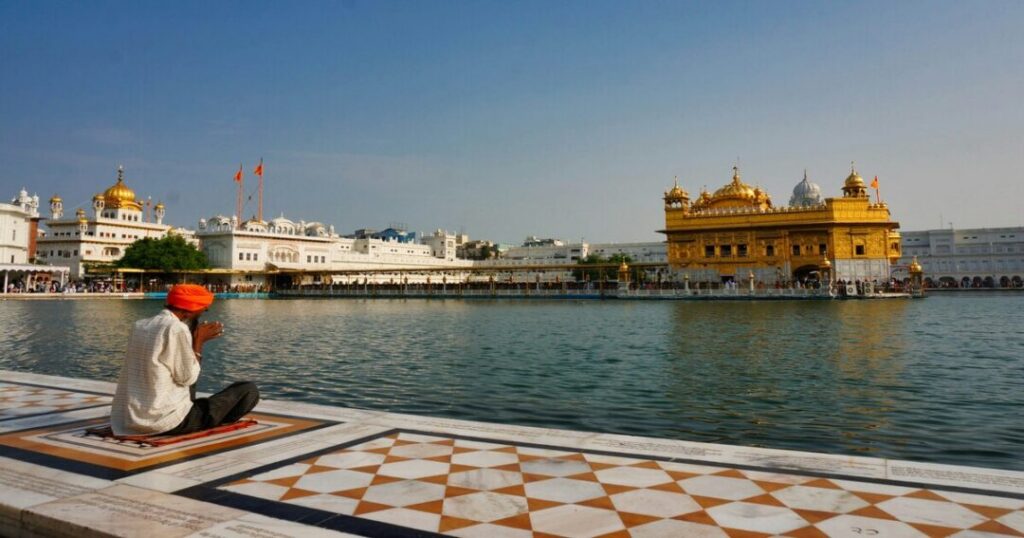
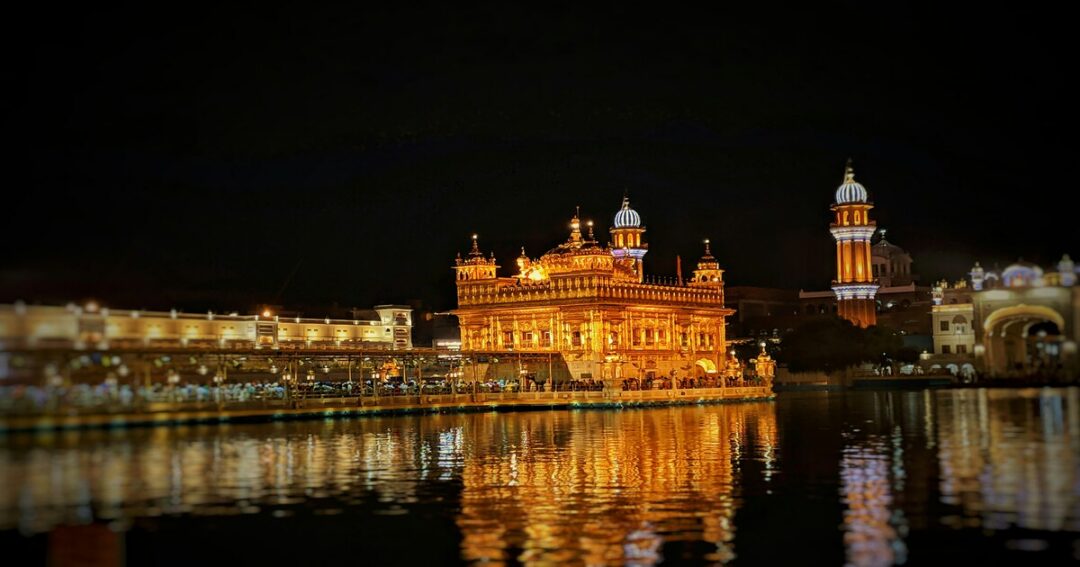
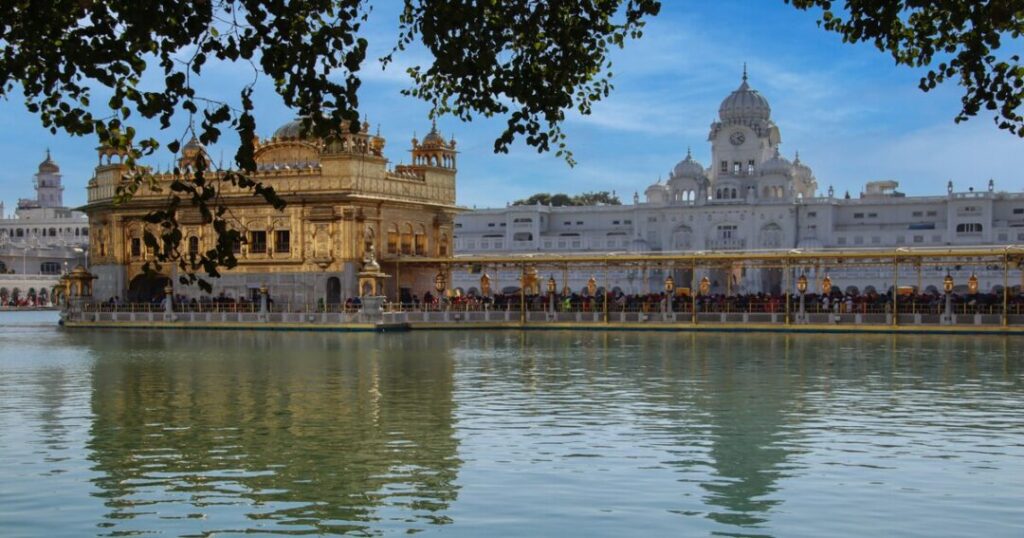
No list of Amritsar tourist attractions starts anywhere but here. The Golden Temple — known formally as Sri Harmandir Sahib — is Sikhism’s holiest site, and its story begins with Guru Ram Das, the fourth Sikh Guru, who acquired the land in 1577 and personally began excavating the sacred pool that would give the city its name: Amrit Sarovar, the “Pool of Nectar.” Guru Arjan Dev, the fifth Guru, completed the temple itself in 1604, establishing it as Sikhism’s central place of worship.
The gold that gives the temple its name and its glow came later. In the early 19th century, Maharaja Ranjit Singh had the sanctum plated in gold as an act of devotion—an estimated 750 kilograms of it, by most accounts.
[STAT: The Golden Temple’s sanctum is plated with an estimated 750 kilograms of gold, added in the early 19th century under Maharaja Ranjit Singh.]
Just as central to the temple’s identity is its Langar Hall, which serves free meals to everyone who walks in — no exceptions for religion, nationality, or background — feeding tens of thousands of people daily as an unbroken continuation of the langar tradition Guru Nanak established as Sikhism’s founding principle of equality.
It’s worth noting, briefly and without dwelling on it, that the temple’s more recent history includes 1984—a period that remains a genuinely sensitive and contested chapter in Sikh and Indian history, understood differently across different communities. This guide isn’t the place to adjudicate that history, only to acknowledge that it exists as part of the temple’s fuller story.
Practically, the Golden Temple is open 24 hours, every day of the year, with free entry for everyone. Visitors are asked to cover their heads (scarves are provided free at the entrance if you don’t have one), avoid shorts or sleeveless clothing, and wash their feet in the shallow pools at the entrance before walking in.
Also read: Religious Places in India: The Complete Guide to India’s Most Sacred Sites
2. Jallianwala Bagh: A Turning Point in India’s Freedom Struggle
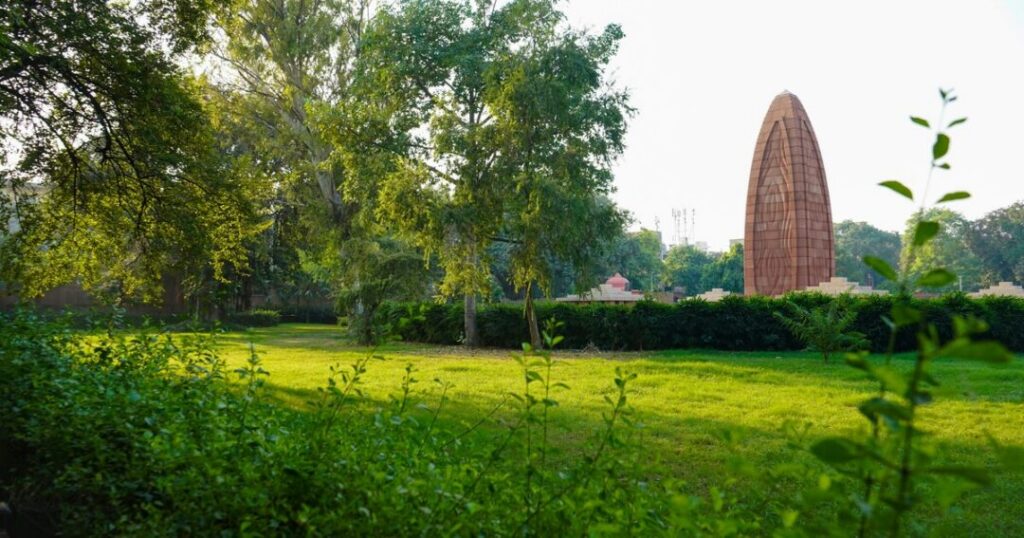
A short walk from the Golden Temple sits Jallianwala Bagh, and understanding what happened here matters more than simply checking it off a list of Amritsar places of interest.
On 13 April 1919—Baisakhi, one of Punjab’s most significant festival days—a crowd had gathered in this walled garden. Tensions across Punjab were already high following the Rowlatt Act, a deeply unpopular piece of British colonial legislation that expanded the government’s power to detain people without trial. Brigadier General Reginald Dyer had banned public gatherings in the city, but the crowd assembled anyway, many unaware the order even existed.
Dyer entered the Bagh with troops, blocked the main exits, and ordered his soldiers to open fire without warning. The firing continued for roughly ten to fifteen minutes, with an estimated 1,650 rounds discharged into a crowd that had almost nowhere to escape. Casualty figures remain genuinely disputed to this day: the official British inquiry recorded 379 dead and around 1,200 wounded, while the Indian National Congress’s own investigation estimated over 1,500 casualties, including roughly 1,000 deaths.
[STAT: Official British figures recorded 379 deaths at Jallianwala Bagh; the Indian National Congress’s independent inquiry estimated closer to 1,000 deaths—a gap that remains part of the massacre’s disputed historical record.]
The massacre’s impact reached far beyond the Bagh itself. It hardened Indian public opinion against British rule in a way few single events had before and is widely credited with pushing Mahatma Gandhi more firmly toward full non-cooperation with the colonial government. Dyer himself was censured by the British Parliament in 1920 and forced into retirement—though he continued to be defended by some conservative voices in Britain at the time, a division that itself reflects how contested the massacre’s memory has always been.
Today, the site preserves bullet marks on its walls and includes the Martyrs’ Well, into which many fleeing the gunfire jumped in desperation. It’s a quiet, deliberately unadorned memorial, and it’s one of the more essential stops for understanding modern Indian history rather than simply the city of Amritsar.
3. The Partition Museum: Remembering 1947
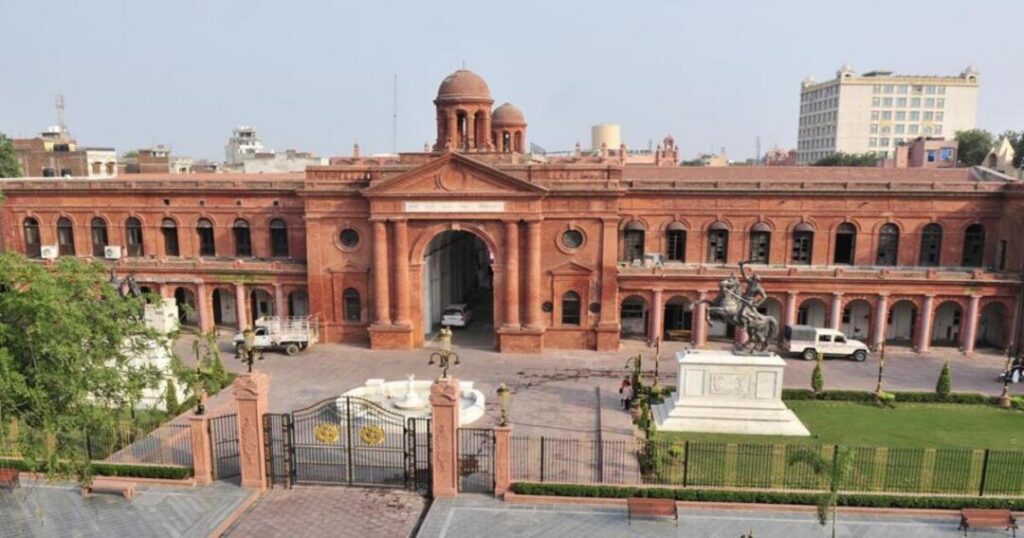
If Jallianwala Bagh captures a single, brutal afternoon, the Partition Museum captures a slower, sprawling catastrophe—the 1947 division of British India into India and Pakistan and the human cost that came with it.
Housed inside Amritsar’s Town Hall, a building that itself served as a refugee camp during Partition, the museum opened in August 2017 as the world’s first dedicated to documenting the event. It tells its story primarily through oral histories, personal artifacts, letters, and photographs donated by families who lived through the displacement—a deliberate choice to center individual memory rather than only statistics and dates.
And the statistics themselves are almost impossible to hold in your head cleanly. Widely cited estimates put the number of people displaced by Partition at somewhere around 15 million, making it one of the largest mass migrations in recorded history, alongside death toll estimates that themselves vary enormously across different historical accounts — a reflection of just how chaotic and undocumented the violence and displacement genuinely were in real time.
[STAT: Estimates commonly cite roughly 15 million people displaced during the 1947 Partition of India, among the largest mass migrations of the 20th century.]
Amritsar sits almost directly on the old dividing line, which makes this museum feel less like a distant historical exhibit and more like a local reckoning — this city absorbed an enormous share of the displacement Partition caused, and the Town Hall’s own walls carry that history literally, not just symbolically.
Also read: Places To Visit In Punjab: A Complete Travel Guide To Punjab’s Best Tourist Destinations
4. Wagah Border: Where the Flag Ceremony Meets the India-Pakistan Line
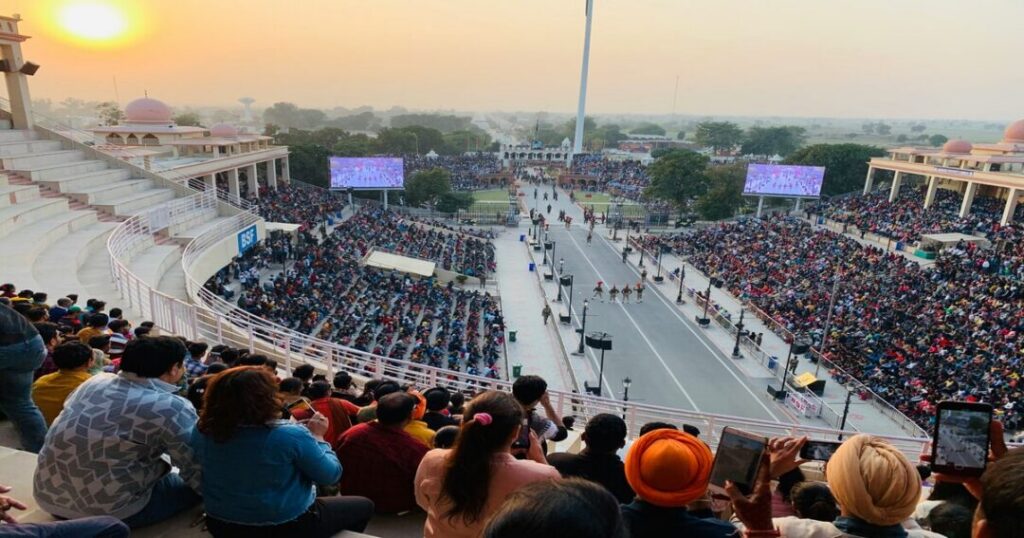
About 28 km from central Amritsar sits the Wagah-Attari crossing, the most prominent land border between India and Pakistan—a line whose very existence traces back to the same 1947 Partition covered a section above. Rather than dwell on that history again here, this stop is really about the ceremony that happens on it every single evening.
Officially called the Beating Retreat, and informally just “the Wagah Border ceremony,” this daily ritual has been performed jointly by India’s Border Security Force and Pakistan’s Rangers since around 1959. It starts at 4:15 PM in winter and 5:15 PM in summer, running for roughly 45 minutes, and it is, without exaggeration, one of the most energetic spectator experiences you’ll find at any border crossing in the world — synchronized high-kick marching, crowd chants, patriotic music, and a tightly choreographed, simultaneous lowering of both nations’ flags, ending in a brisk handshake between soldiers before the gates close for the night.
Entry is free, but arrive early. Seating fills up fast, especially on weekends, and the energy in the stands builds well before the soldiers even appear.
5. Durgiana Temple: Amritsar’s “Silver Temple”
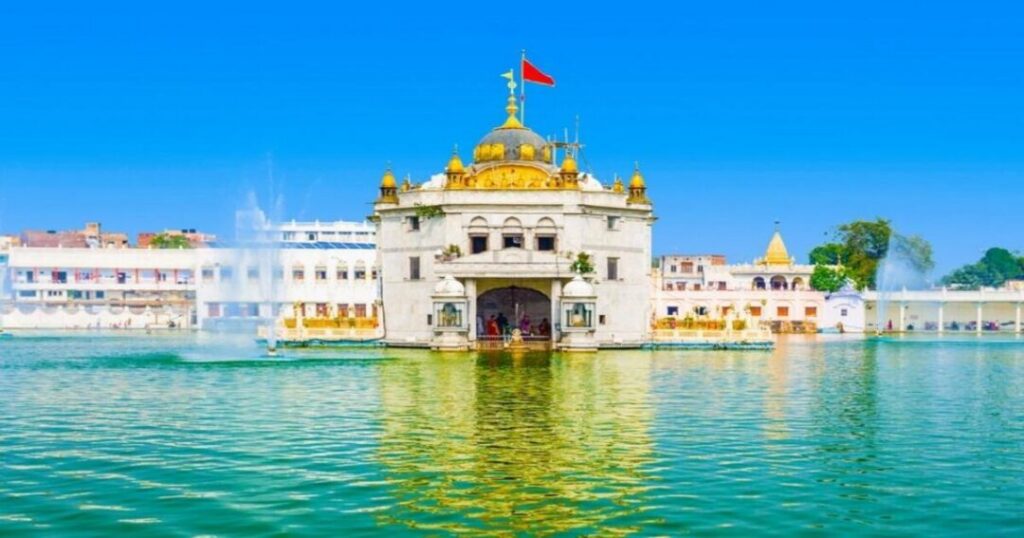
Built in 1921 by Harsai Mal Kapoor and dedicated to Goddess Durga, the Durgiana Temple is often nicknamed Amritsar’s “Silver Temple” for its striking architectural resemblance to the Golden Temple — complete with its own sacred sarovar, a gleaming central dome, and a marble walkway circling the main shrine. It’s one of Punjab’s most significant Hindu pilgrimage sites, and visiting it right after the Golden Temple makes for an interesting architectural comparison between the two.
6. Ram Bagh and Gobindgarh Fort: Maharaja Ranjit Singh’s Amritsar
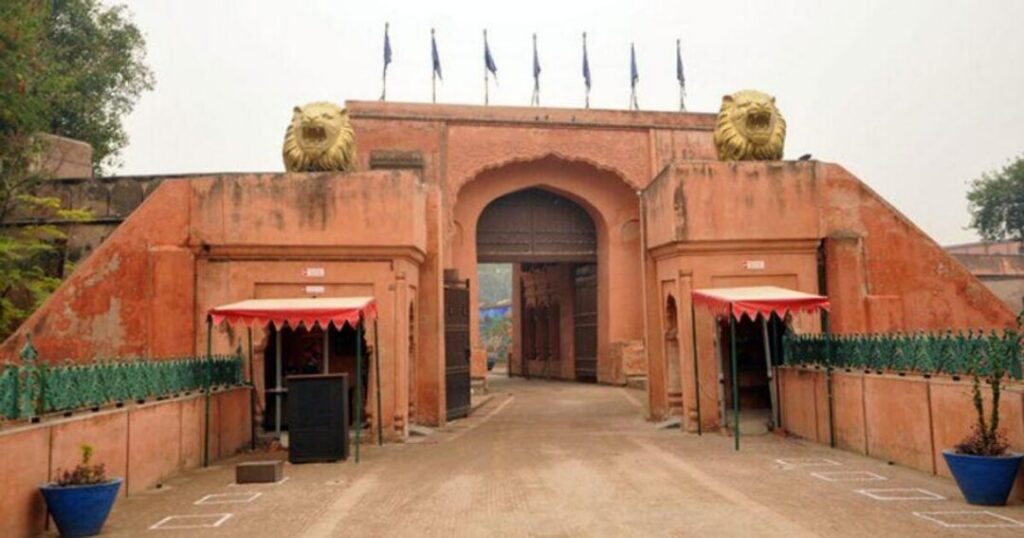
Two of Amritsar’s most underrated sites to visit trace back to the same 18th- and 19th-century figure who gilded the Golden Temple: Maharaja Ranjit Singh, founder of the Sikh Empire.
Ram Bagh, once his summer garden, sits alongside a preserved summer palace and offers a genuinely peaceful, green break from the density of the old city’s religious and historical sites. Gobindgarh Fort, spread across roughly 43 acres along the historic Grand Trunk Road, carries over 300 years of history — from its origins under the Bhangi Misl, one of the sovereign Sikh confederacy states, through its later use under Ranjit Singh’s own empire. Today it operates as a heritage and cultural complex, with historic weaponry on display, interactive exhibits, a 7D film covering Ranjit Singh’s life, and evening light-and-sound shows.
What to Eat While Exploring Places to Visit in Amritsar?
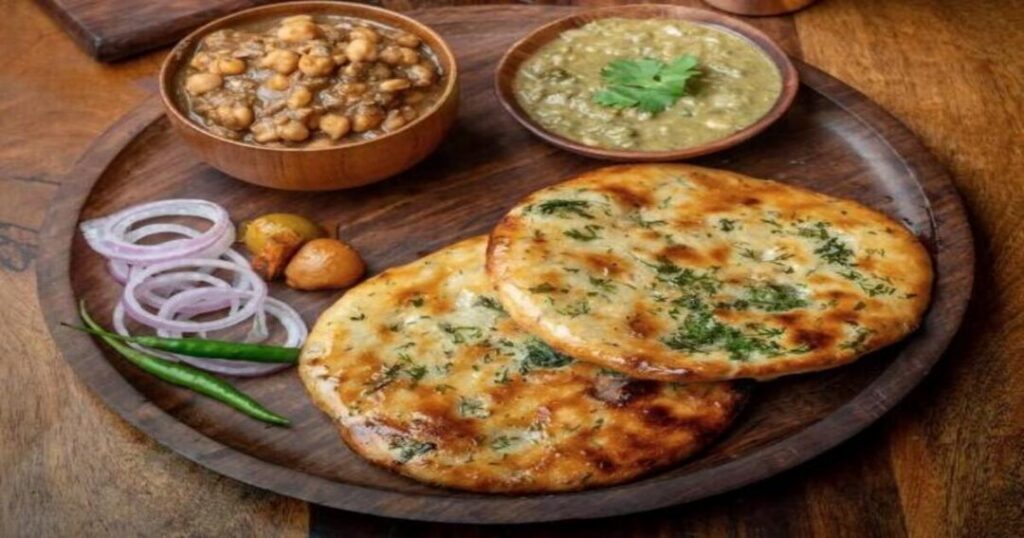
You cannot properly cover places to visit in Amritsar, Punjab, without at least a mention of what you’ll be eating between stops. Amritsari kulcha — a spiced, potato-stuffed flatbread baked in a tandoor and served with dark chole and a generous slab of butter — is the city’s signature dish, and Hall Gate’s surrounding lanes hold the densest concentration of kulcha shops in the city, most open from early morning and sold out well before midday. Pair it with an Amritsari lassi, thick, cream-topped, and served in oversized steel glasses, and you’ve covered the two dishes locals will insist you try before anything else.
Also read: Food in Amritsar: The Complete Guide to Amritsari Cuisine, Famous Dishes & Where to Eat
Best Time for Places to Visit in Amritsar
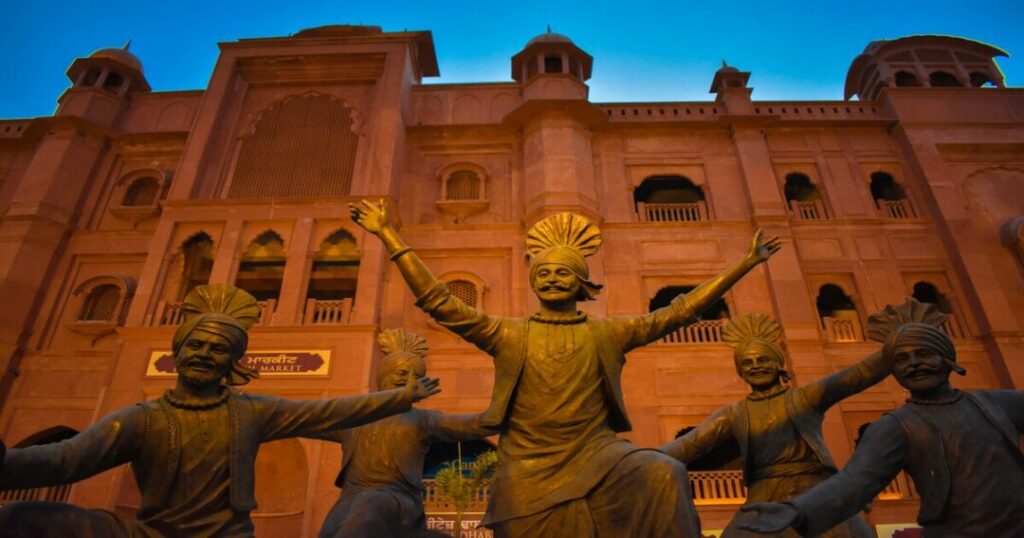
The most comfortable stretch to visit is October through March, when daytime temperatures stay cool enough for extended walking between the Golden Temple, Jallianwala Bagh, and the old city’s narrower lanes. Summers in Amritsar run genuinely hot, which makes outdoor stretches like Gobindgarh Fort’s grounds or the Wagah Border’s open stands considerably more draining if you’re visiting between April and June.
Trying to fit Amritsar into a wider Punjab or North India route and not sure how to sequence the historical sites against the lighter stops? NIVU AI, Explurger’s in-app trip-planning assistant, can help you build a realistic day-by-day plan based on your own pace and interests, rather than working off a generic checklist.
How to Reach Places to Visit in Amritsar?
Sri Guru Ram Dass Jee International Airport sits about 16 km from the city center and handles both domestic and international flights, including direct international connections on several major carriers. By road, Amritsar is roughly 450 km from Delhi, a drive of around 8 hours or a comparable overnight bus journey. Amritsar Junction railway station is well connected to Delhi and other major North Indian cities, and most of the city’s core sites — the Golden Temple, Jallianwala Bagh, and the Partition Museum — sit close enough together in the old city to cover largely on foot, with a taxi or auto-rickshaw needed mainly for Wagah Border and Gobindgarh Fort.
Conclusion: Places to Visit in Amritsar
Amritsar isn’t a city you skim — it’s one where nearly every stop asks you to sit with something real, whether that’s the quiet devotion inside the Golden Temple’s langar hall or the weight of what happened at Jallianwala Bagh and in the Partition Museum’s galleries. Add the places to visit in Amritsar that matter most to you to your Explurger Bucket List while you plan, and once you’ve walked these streets yourself, log each stop as an Explurge-in — your Automatic Travelogue will keep the whole trip mapped long after you’ve returned home. Plan your Amritsar trip with Explurger App, and remember it just as well.
FAQs About Places to Visit in Amritsar
2. What is the history of the Golden Temple?
The Golden Temple's story starts in 1577, when Guru Ram Das acquired the land and began digging the sacred pool that gave Amritsar its name. Guru Arjan Dev, the fifth Sikh Guru, completed the temple's construction in 1604. Its gold plating was added later, in the early 19th century, under Maharaja Ranjit Singh, using an estimated 750 kilograms of gold. It remains Sikhism's most sacred site and is open 24 hours a day, every day, with free entry for all visitors.
3. What happened at Jallianwala Bagh?
On 13 April 1919, British troops under Brigadier General Reginald Dyer opened fire without warning on a crowd gathered in this walled garden, many of whom were unaware that public gatherings had been banned. The firing lasted roughly ten to fifteen minutes. Official British figures recorded 379 deaths, while Indian estimates put the toll closer to 1,000—a gap that remains part of the massacre's disputed historical record. The event is widely seen as a turning point that hardened Indian opposition to British rule.
4. What can I see at the Partition Museum in Amritsar?
Housed in Amritsar's Town Hall—a building that itself served as a refugee camp during Partition—the museum documents the 1947 division of British India primarily through oral histories, personal letters, photographs, and artifacts donated by affected families. It opened in August 2017 as the world's first museum dedicated to Partition, and it tells the story of an event that displaced an estimated 15 million people, one of the largest mass migrations of the 20th century.
5. Is the Wagah Border ceremony worth visiting?
Yes, it's one of the more unique spectator experiences you'll find anywhere near an international border. Held daily since around 1959 at 4:15 PM in winter and 5:15 PM in summer, the roughly 45-minute Beating Retreat ceremony features synchronized marching, patriotic music, and a coordinated lowering of both nations' flags. Entry is free, but arriving early is essential since seating fills quickly, especially on weekends.
6. What is the Durgiana Temple known for?
The Durgiana Temple, built in 1921 and dedicated to Goddess Durga, is nicknamed Amritsar's "Silver Temple" for its close architectural resemblance to the Golden Temple, including its own sacred sarovar and central dome. It's one of Punjab's most significant Hindu pilgrimage sites and makes for an interesting architectural comparison if visited alongside the Golden Temple itself.
7. What is the best time to visit Amritsar?
October through March offers the most comfortable weather for sightseeing, with cool enough temperatures for extended walking between the old city's key sites. Summers, particularly April through June, run hot enough to make outdoor stretches like Gobindgarh Fort or the Wagah Border stands considerably more tiring.
8. How do I reach Amritsar and get around the city?
Sri Guru Ram Dass Jee International Airport is about 16 km from the city center with both domestic and international connections. By road or rail, Amritsar is roughly 450 km from Delhi. Most core sites—the Golden Temple, Jallianwala Bagh, and the Partition Museum—sit close enough together to cover on foot, while a taxi or auto-rickshaw is generally needed for Wagah Border and Gobindgarh Fort.