
977 Total Views
Chiang Mai is the kind of city that doesn’t need to explain itself. You arrive, step into the Old City through one of its ancient gates, and the place makes its case immediately: 700 years of history compressed into a walled square kilometre surrounded by a moat, with over 300 Buddhist temples including 34 within the moat itself, and one of the finest street food cultures in Southeast Asia spilling out of every alley. The city was founded in 1296 by King Mengrai as the capital of the Lanna Kingdom — a distinct Northern Thai civilisation that maintained its own language, art, and architectural tradition for centuries before integration into the Thai kingdom. That Lanna identity is still visible everywhere: in the temple architecture, in the distinctive Northern Thai food, in the craft traditions of the Old City’s workshops.
The things to do in Chiang Mai range from the sacred to the spectacular — sunrise at one of Thailand’s holiest temples, an encounter with elephants at an ethical sanctuary, the finest cooking classes in Thailand, and a night market scene that has been drawing food lovers for decades. This guide covers them all.
Top 10 Things to Do in Chiang Mai in 2026
1. Wat Phra That Doi Suthep — The Temple Above the City
No Chiang Mai attraction is more definitive than Wat Phra That Doi Suthep — a Theravada Buddhist temple perched at 1,073 metres on the flank of Doi Suthep mountain, 15 km from the city centre, founded in 1383 to enshrine a relic of the Buddha (believed to be a shoulder bone) after a sacred white elephant carrying the relic climbed the mountain, trumpeted three times, turned in circles, and knelt — choosing the site.
- Distance from Old City: 15 km by road
- Dress code: Shoulders and knees covered; sarongs available at entrance
- Best time to visit: Early morning or at sunset for the fewest crowds
2. Ethical Elephant Sanctuary — Northern Thailand’s Finest Experience
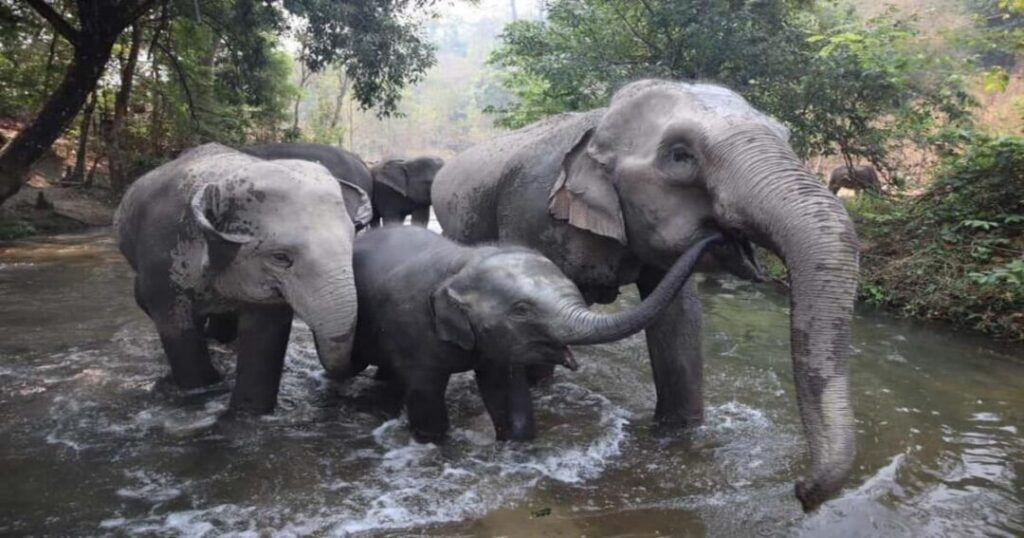
The area around Chiang Mai has more elephant sanctuaries than anywhere else in Thailand — and the quality varies enormously. The ethical elephant sanctuaries outside Chiang Mai offer an experience that is simultaneously the most extraordinary and most responsibly conceived encounter with Asian elephants available to tourists anywhere: walking with free-roaming elephants through forest, watching them bathe in rivers, and feeding them — without riding, chaining, or performing.
- Distance from Chiang Mai: 30–60 km depending on sanctuary
- Booking: Advance booking essential; most reputable sanctuaries limit daily visitors
- What to expect: 6–8 hours; feeding, walking, river bathing; vegetarian lunch included at most sanctuaries
3. Wat Chedi Luang — The Giant Ruined Stupa of the Old City
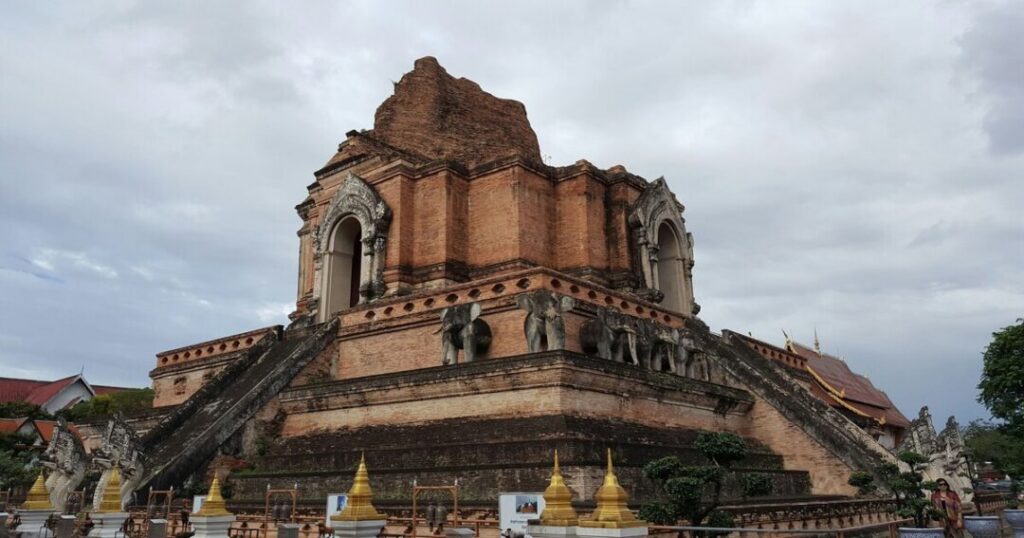
Wat Chedi Luang — in the heart of the Old City — contains the remains of one of the grandest Buddhist structures ever built in the Lanna Kingdom: a massive chedi whose original height reached approximately 82–86 metres before an earthquake in 1545 destroyed the upper section. Construction of the chedi began in 1391 and was completed in 1475 during the reign of King Tilokarat — at which point it was the tallest structure in the Lanna Kingdom; the Emerald Buddha — now Thailand’s most sacred religious object, housed in Bangkok’s Grand Palace — was placed here in 1468 before being moved to Luang Prabang in 1551 following the earthquake damage.
- Location: In the Old City, Chiang Mai
- Monk Chat: Typically 9 AM – 6 PM (verify before visiting)
- Dress code: Shoulders and knees covered
4. Doi Inthanon National Park — The Roof of Thailand
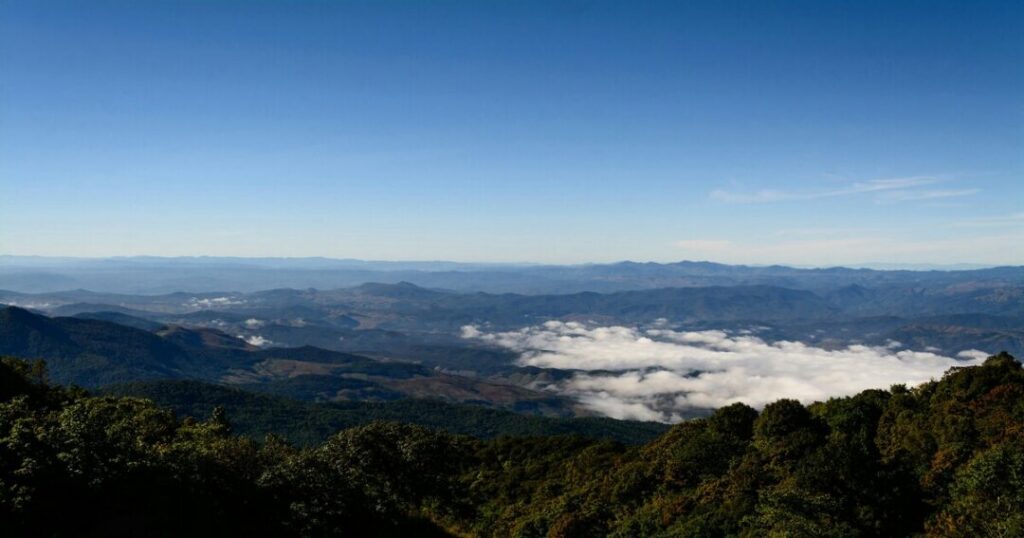
Doi Inthanon — at 2,565 metres (8,415 feet), the highest mountain in Thailand — is approximately 70 km southwest of Chiang Mai and offers one of the finest day trips from the city. The summit is known as the “Roof of Thailand” and the national park surrounding it covers 482 square kilometres of montane forest, waterfalls, and spectacular scenery.
Key highlights:
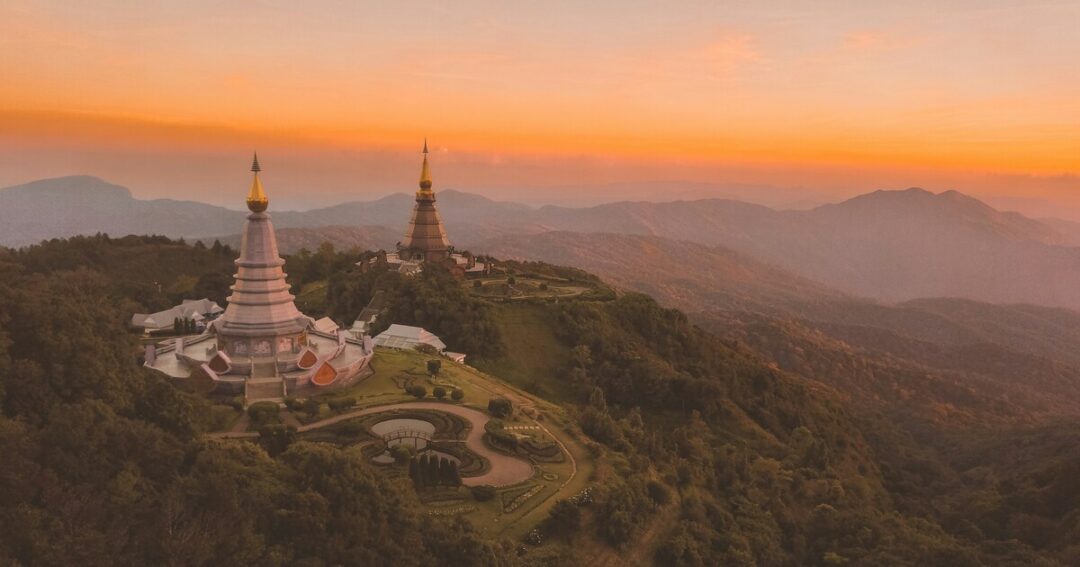
- The Two Royal Chedis: Two adjacent temples on the road to the summit — Naphamethinidon (built in 1987 to honour King Bhumibol’s 60th birthday) and Naphaphonphumisiri (built in 1992 to honour Queen Sirikit’s 60th birthday) — surrounded by remarkable flower gardens at altitude, providing some of the finest photography in Northern Thailand
- Waterfalls: Mae Klang Falls, Wachirathan Falls, and Sirithan Falls — all within the park, most dramatic from June to October during the rainy season
- Birdwatching: The park supports approximately 500 bird species — one of the finest birding destinations in Southeast Asia
- Summit plateau: At 2,565 m; mist and cool temperatures even in summer; the summit contains the ashes of King Inthawichayanon (the last ruler of Chiang Mai, in whose honour the peak was renamed)
- Distance from Chiang Mai: ~70 km southwest; approximately 1.5–2 hours by road
- Best time: November to February for the clearest summit views and coolest temperatures
5. Chiang Mai Old City & Temple Walks — 700 Years in a Moat
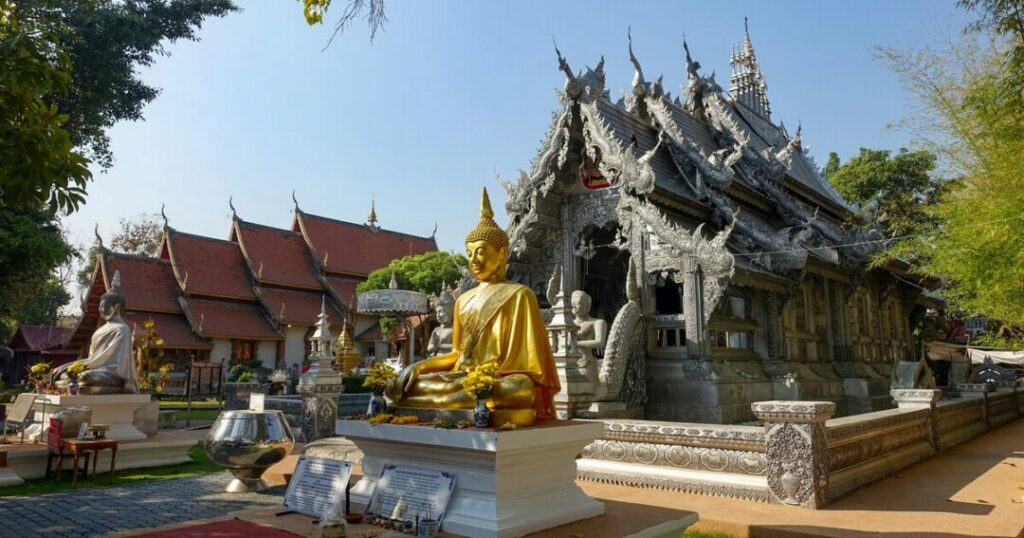
The Chiang Mai Old City — a near-perfect square of approximately 1.8 km × 1.8 km surrounded by a moat and the remains of ancient walls — is the finest walking area in Northern Thailand. With 34 temples within the moat alone, a morning walk through the Old City delivers a concentration of Lanna architecture, sacred atmosphere, and historical depth that no organised tour can replicate.
Must-see temples within the Old City:
- Wat Phra Singh — the most revered temple in Chiang Mai’s Old City; home to the Phra Singh Buddha image in a beautifully proportioned Lanna-style wiharn; the most photographed interior in Chiang Mai
- Wat Chedi Luang — the great ruined stupa (listed above as #3)
- Wat Chiang Man — the oldest temple in Chiang Mai, built by King Mengrai himself in 1296 at the site of his original campsite when establishing the city
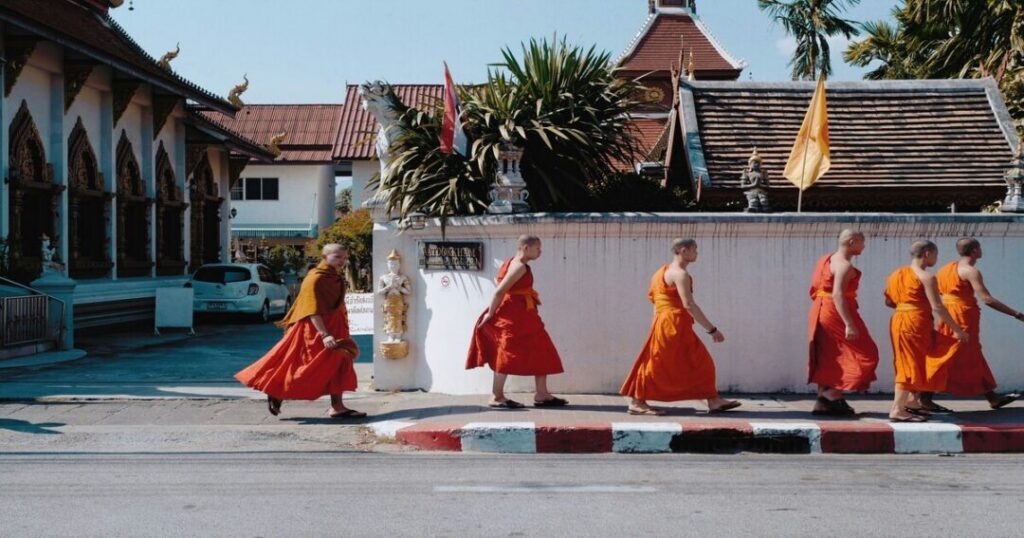
Walking the Old City early in the morning — before the heat and the crowds — with monks making their alms rounds and temple bells still audible, is one of the finest urban experiences in Southeast Asia.
6. Thai Cooking Class — Chiang Mai’s Most Rewarding Activity
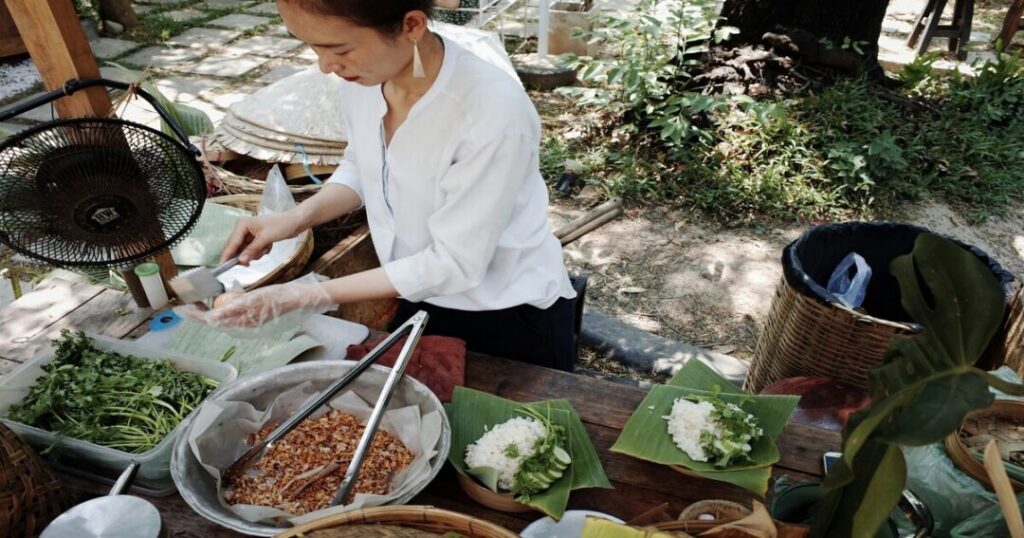
Chiang Mai is considered the best place in Thailand to take a Thai cooking class — the combination of accessible fresh markets, strong culinary tradition, and decades of tourist infrastructure has produced a cooking class ecosystem that ranges from half-day market tours to immersive all-day farm-to-table experiences. Northern Thai food specifically — with its distinctive flavours of khao soi (coconut curry noodle soup), sai oua (Northern Thai sausage), and nam prik ong (tomato and pork chilli dip) — is different from the Central Thai food most visitors know, and learning to cook it in Chiang Mai is one of the finest food education experiences in Southeast Asia.
Also Read: Things to Do in Bangkok Thailand: 20 Must-See Spots, Hidden Gems & Local Experiences
7. Sunday Walking Street (Tha Phae Walking Street)
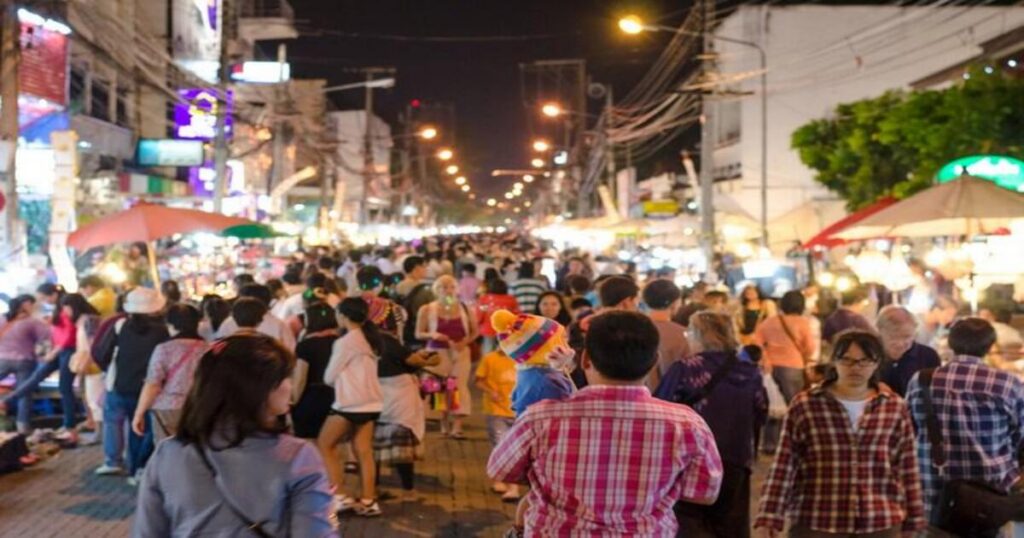
Chiang Mai’s Sunday Walking Street — held every Sunday evening on Tha Phae Road and the surrounding streets, running from the Tha Phae Gate into the Old City — is the finest night market in Chiang Mai and one of the finest street markets in Thailand. The market fills the road with stalls selling handmade crafts, silverwork, celadon ceramics, textiles, clothing, paintings, wood carvings, and Northern Thai food — all produced by local artisans rather than mass-manufactured.
- When: Every Sunday; starts around 4–5 PM; peak 6–9 PM
- Also worth visiting: The Saturday Night Market on Wualai Road (the “Silver Street”) — smaller, more focused on silvercraft and ceramics; different character from the Sunday market
8. Chiang Mai Night Bazaar & Nimman Road — Two Sides of the City
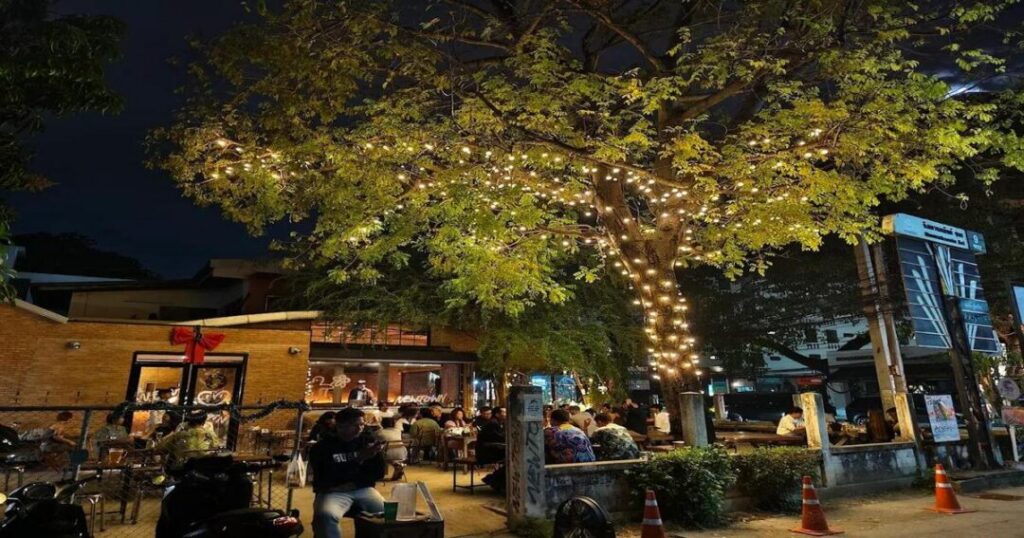
Chiang Mai Night Bazaar — on Chang Klan Road in the eastern part of the city — is the original tourist market of Chiang Mai, running nightly with stalls selling handicrafts, clothing, souvenirs, and food in a dense, lively atmosphere. Less curated than the Walking Street but more immediately accessible on any evening of the week.
9. Zip-Lining & Adventure in the Jungle
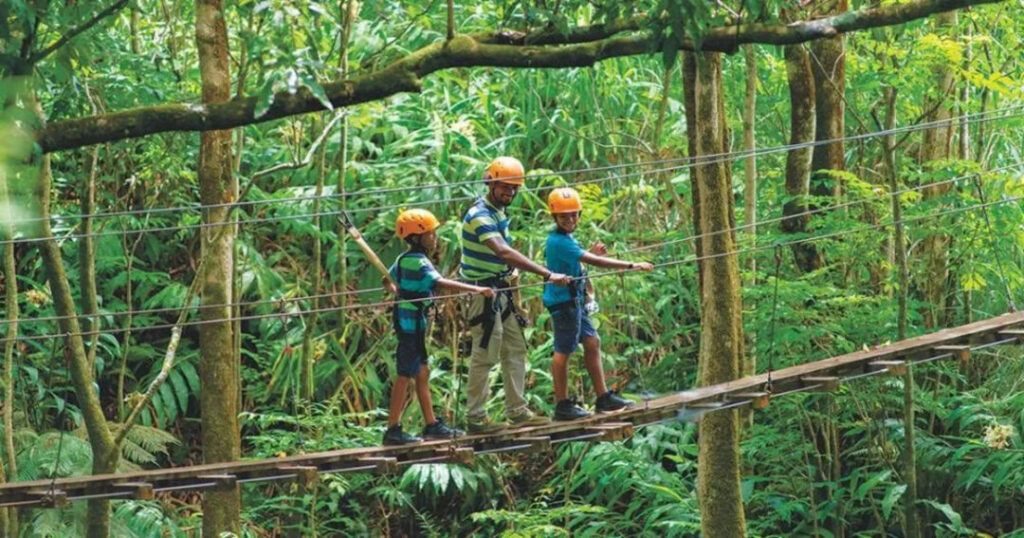
The jungle-covered hills surrounding Chiang Mai — part of the broader Doi Suthep-Pui National Park system and the northern mountain ranges — have made the city one of Southeast Asia’s finest adventure tourism destinations. The most popular Chiang Mai things to do for adventure include:
Zip-lining: Several operators run zip-line courses through the jungle canopy north of Chiang Mai — some of the finest zip-line courses in Southeast Asia, with platforms at treetop height, suspension bridges, and abseiling sections. Courses typically take 3–4 hours.
White water rafting: The Mae Taeng River north of Chiang Mai offers white water rafting appropriate for beginners and intermediate paddlers depending on season; June to November is the highest water and most exciting rafting; December to February is lower flow.
ATV and off-road quad biking: Forest and farm terrain around Chiang Mai for quad bike tours; available as half-day or full-day excursions.
Also Read: Chiang Mai Flower Festival 2026: The Complete Guide to Thailand’s Most Beautiful Celebration
10. Doi Suthep-Pui National Park — Forest Walks & Waterfalls
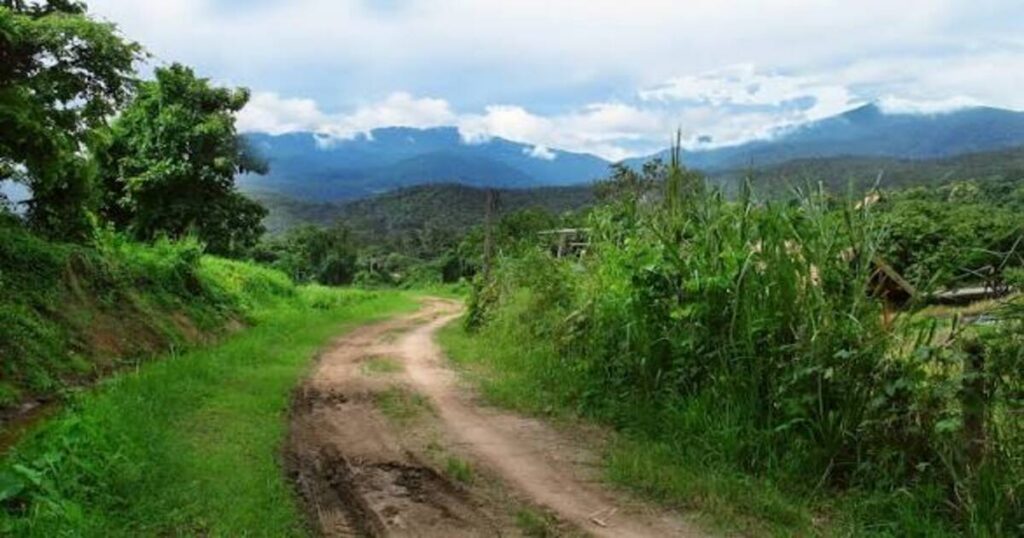
Beyond the temple, Doi Suthep-Pui National Park — established in 1981, covering 261 square kilometres — offers several excellent day hikes through the forest on Doi Suthep’s slopes. The most accessible:
Monk’s Trail: A forest trail from near the Huay Kaew Waterfall (at the bottom of the road to Doi Suthep) that climbs through the national park to Wat Pha Lat — a beautiful jungle temple founded in the 14th century that served as a resting place for pilgrims ascending to Doi Suthep. The trail takes approximately 1.5–2 hours one way and is one of the finest forest walks near any city in Southeast Asia.
Huay Kaew Waterfall: At the foot of the Doi Suthep road — accessible, with a pool for swimming; at its finest from June to October during the rainy season.
Day Trips from Chiang Mai
Chiang Rai (~190 km | 3 hours)
Chiang Rai is Northern Thailand’s second city — home to the extraordinary White Temple (Wat Rong Khun), a contemporary temple of stunning white and mirror-glass design by artist Chalermchai Kositpipat; the Blue Temple (Wat Rong Suea Ten); and the Black House (Baan Dam) — a collection of dark structures filled with animal bones and tribal art by artist Thawan Duchanee. Chiang Rai is a full-day trip from Chiang Mai or best done as an overnight.
Pai (~130 km | 3 hours by minivan through mountain road)
Pai — a small mountain town in Mae Hong Son Province northwest of Chiang Mai — is the backpacker haven of Northern Thailand: a main street of cafés, hostels, and night market stalls, surrounded by hot springs, waterfalls, and rice paddies. The mountain road between Chiang Mai and Pai has approximately 762 curves — minivan trips are available daily but are not recommended for those prone to motion sickness.
Chiang Mai Food — What to Eat?
Khao Soi: The defining dish of Northern Thailand — a rich coconut curry soup with egg noodles, topped with crispy fried noodles, served with pickled vegetables, shallots, and lime. The Chiang Mai version is the original; the best bowls in the city are found at small, specialist khao soi restaurants rather than tourist restaurants.
Sai Oua (Northern Thai Sausage): A grilled pork sausage seasoned with lemongrass, kaffir lime, galangal, shallots, and dried chillies — intensely aromatic and entirely different from the sausages of central or southern Thailand.
Nam Prik Ong: A Northern Thai dip of minced pork, tomatoes, dried chillies, and shrimp paste — served with raw vegetables, pork crackling, and sticky rice.
Mango Sticky Rice: Available throughout Thailand but at its best in Chiang Mai markets — glutinous rice cooked in coconut milk, topped with fresh ripe mango and coconut cream.
Also Read: Bali vs Thailand: Which Is Better for Friend Groups & Adventure Travellers in 2026?
What is the Best Time to Visit Chiang Mai?
| Season | Conditions | Best For |
| November to February | Cool (15–28°C); dry; clear skies; peak season | ✅ Best overall — most pleasant weather |
| March to May | Hot (up to 40°C); haze and smoke season (March–April worst) | ⚠️ Hot; air quality poor March–April |
| June to October | Rainy season; waterfalls and rivers at best; lush green | ✅ Good for nature; some flooding possible |
How to Reach Chiang Mai?
- By air: Chiang Mai International Airport (CNX) — well connected to Bangkok (1 hour), Singapore, Kuala Lumpur, and regional hubs
- By train from Bangkok: Overnight sleeper train from Bangkok Hua Lamphong (~13 hours) — one of the finest overnight train journeys in Southeast Asia; book through Thai Railways
- By bus from Bangkok: ~9–10 hours; VIP overnight buses available from Bangkok’s Mo Chit Bus Terminal
Also Read: 10 Unique Things to Buy in Thailand Most Travelers Miss (2026 Guide)
Conclusion About Chiang Mai
Chiang Mai rewards every kind of traveller — the pilgrim climbing 309 steps to Doi Suthep, the food lover hunting khao soi at 8 AM, the trekker in the Doi Inthanon forest, and the person who simply wants to sit in a 700-year-old temple courtyard in the cool of the morning with a cup of Northern Thai coffee and nowhere in particular to be. These are the Chiang Mai attractions that make it worth more than a stopover.
Quick guide to the best things to do in Chiang Mai, Thailand:
- Doi Suthep Temple — 15 km; 1,073 m; founded 1383; 309 steps; 24 m gold chedi
- Ethical Elephant Sanctuary — 30–60 km; the finest ethical elephant experience in Thailand
- Wat Chedi Luang — Old City; ~82–86 m stupa; construction 1391–1475; Emerald Buddha 1468; Monk Chat
- Doi Inthanon — 70 km; 2,565 m; Roof of Thailand; Royal Chedis; 500 bird species
- Old City Temple Walk — 34 temples in the moat; Wat Phra Singh; Wat Chiang Man 1296
- Thai Cooking Class — market + hands-on cooking; Northern Thai specialities
- Sunday Walking Street — Tha Phae Road; handmade crafts + Northern Thai food
- Night Bazaar & Nimman Road — nightly market + café culture quarter
- Zip-lining & White Water Rafting — Mae Taeng River; jungle canopy courses
- Doi Suthep-Pui Park Monk’s Trail — jungle temple Wat Pha Lat; 1.5–2 hours
Download the Explurger app to discover what Chiang Mai travellers actually recommend, find the best ethical sanctuaries and khao soi restaurants beyond the tourist circuit, and log every temple step, elephant encounter, and sunrise market on your Chiang Mai journey.
The 309 steps are already waiting. The khao soi is already simmering. Chiang Mai is always worth the journey.
FAQs About Chiang Mai
2. What is the best time to visit Chiang Mai?
The best time to visit Chiang Mai is November to February — the cool, dry season when temperatures are pleasant (15–28°C), the air is clear, and all attractions are fully accessible. March and April bring intense heat (up to 40°C) and serious air quality problems from agricultural burning — this is the worst period to visit. The rainy season (June to October) brings lush green scenery, the finest waterfall flow, and significantly fewer tourists, but some flooding is possible.
3. How far is Doi Suthep from Chiang Mai?
Doi Suthep temple (Wat Phra That Doi Suthep) is 15 km from central Chiang Mai — approximately 30–40 minutes by road depending on traffic. The temple is situated at 1,073 metres elevation on the flank of Doi Suthep mountain. Songthaew (red truck taxis) run from near Chiang Mai Zoo to the temple; tuk-tuks and Grab (Thailand's ride-hailing app) also serve the route.
4. Is Chiang Mai worth visiting?
Chiang Mai is consistently rated one of the finest city destinations in Southeast Asia — combining UNESCO-calibre historical and temple heritage (700-year-old Lanna Kingdom; 300+ Buddhist temples), a world-class food scene (khao soi, sai oua, night markets), access to the finest ethical elephant sanctuaries in Thailand, excellent adventure tourism (zip-lining, trekking, white water rafting), and a price point significantly lower than Bangkok, Singapore, or most European cities. The city's compact Old City, manageable size, and the quality of its artisan craft tradition make it one of the most rewarding destinations in Thailand.