
1,430 Total Views
Holi 2026 will be celebrated across India with vibrant colors, music, and traditional rituals. If you are searching for Holi 2026 date, Holika Dahan timing, or how Holi is celebrated in India, this complete guide covers everything — from the festival’s significance to the 14 different types of Holi celebrations across India.
Holi is one of the most famous festivals in India, symbolising the victory of good over evil and the arrival of spring. Each region celebrates it differently, making it a truly diverse cultural experience.
Before we talk about different types of Holi celebrations in India, let’s clear the air with some necessities. This year, 2026, Holi will be celebrated on the 13th and 14th of March at most places. In fact, you can plan a long weekend holiday based on your preferences.
Holi 2026 Date & Holika Dahan Timing
-
Holika Dahan 2026: March 3, 2026 (Evening)
-
Holi (Rangwali Holi) 2026: March 4, 2026 (Wednesday)
Holi is usually celebrated in the month of March, on the full moon day (Purnima) of the Hindu month of Phalguna.
Why Is Holi Celebrated?
-
The victory of Lord Vishnu’s devotee, Prahlad over Holika
-
The end of winter and the arrival of spring
-
The celebration of love associated with Radha and Krishna
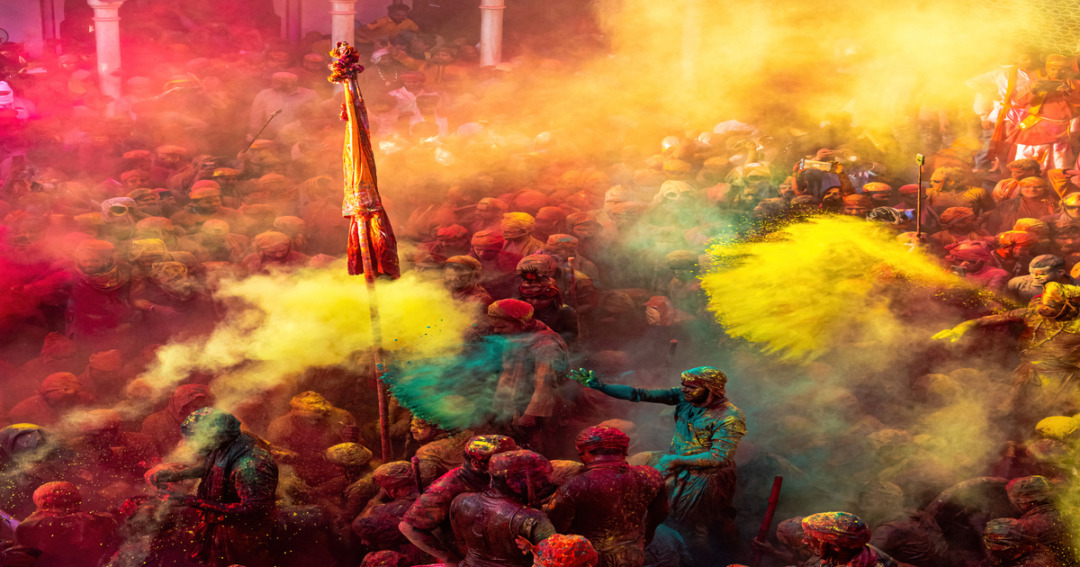
The festival begins with Holika Dahan, where people light bonfires symbolizing the burning of evil. The next day is celebrated as Rangwali Holi, where people play with colors.
How Is Holi Celebrated in India?
Holi celebrations include:
-
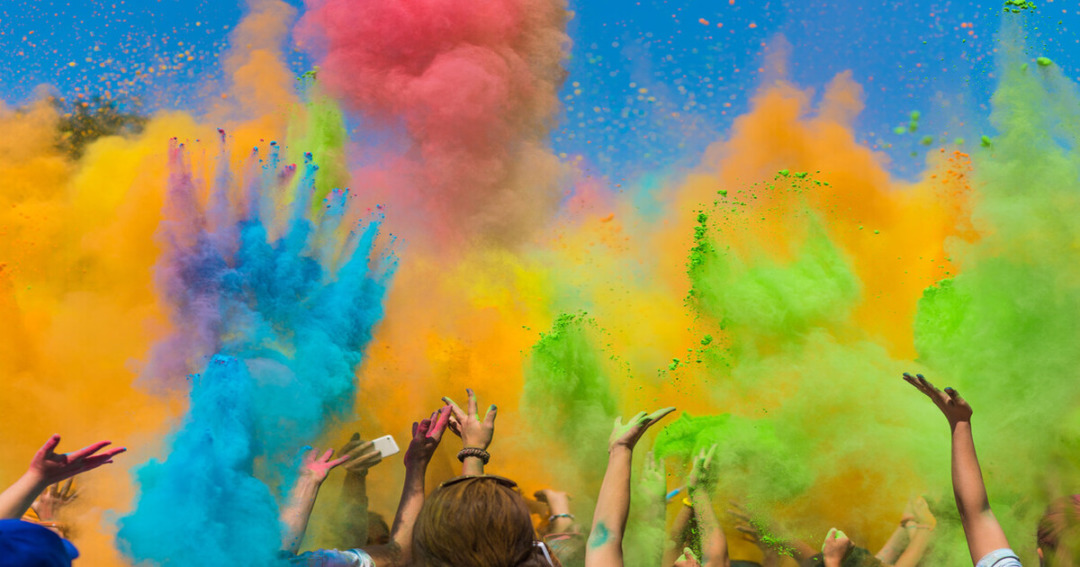
Playing with gulal (colored powder)
-
Water balloons and water guns
-
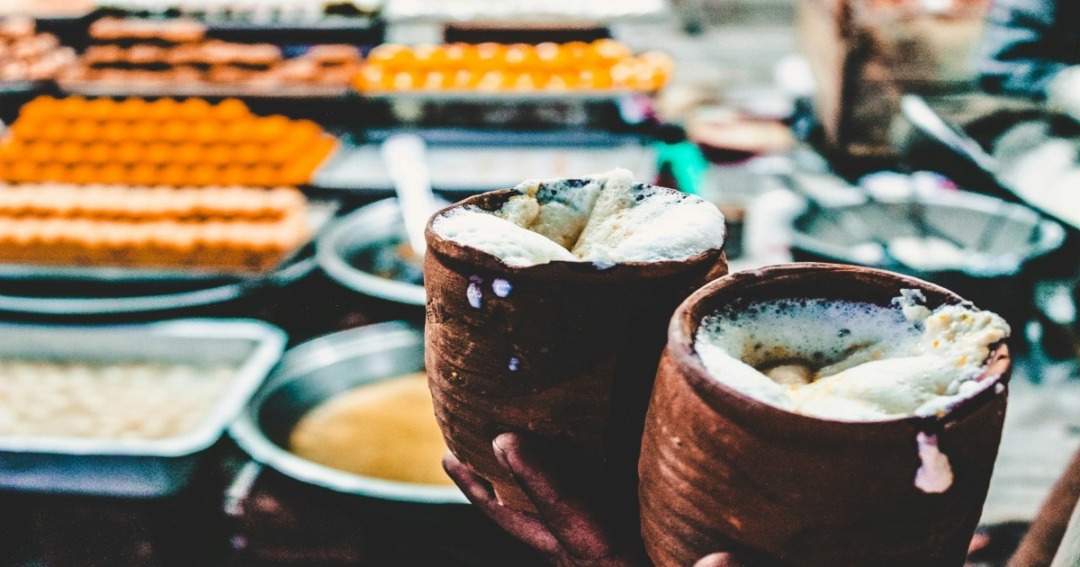
Traditional sweets like gujiya
-
Music and dance
-
Community gatherings
-
Visiting friends and family
But what makes Holi unique is how differently it is celebrated across various states.
14 Different types of Holi celebrations in India
A festival as diverse as Holi has a way of finding many different variations of its celebrations. And we’ve got ‘em for you! Don’t forget to add these places to your Explurger Bucket List!
1. Lathmar Holi – Barsana and Nandgaon, Uttar Pradesh
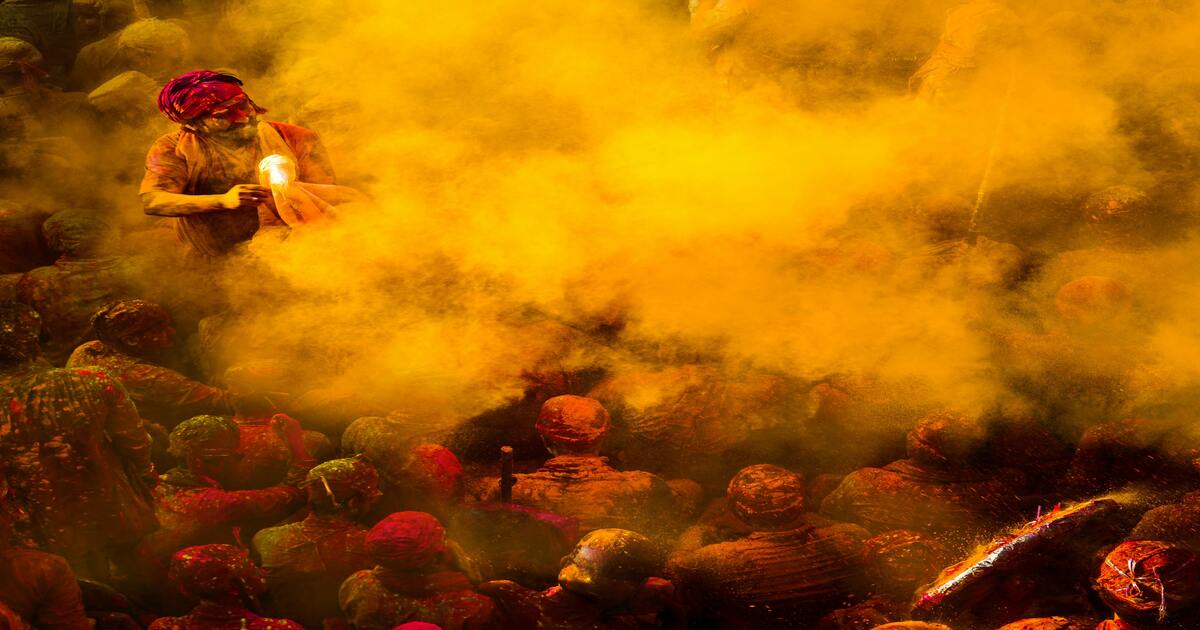
Basically the legend says that, Lord Krishna visited Barsana, Radha’s village, and playfully teased her and her friends. In response, the women of Barsana chased Krishna and his friends away with sticks, or ‘lathis.’ So now, the women playfully hit men with sticks (lathis), re-enacting the legend. The men protect themselves with shields, and it’s a whole scene of joy and laughter. These towns are named after Radha (Barsana) and Krishan (Nandgaon), and Lathmar holi is one of the different types of holi celebrations in India and it attracts thousands of tourists every year. It’s not strictly based in U.P., you can find different variations in places like Rajasthan as well.
Also Read: Spring season travel in India
2. Phoolon Ki Holi – Vrindavan, Uttar Pradesh
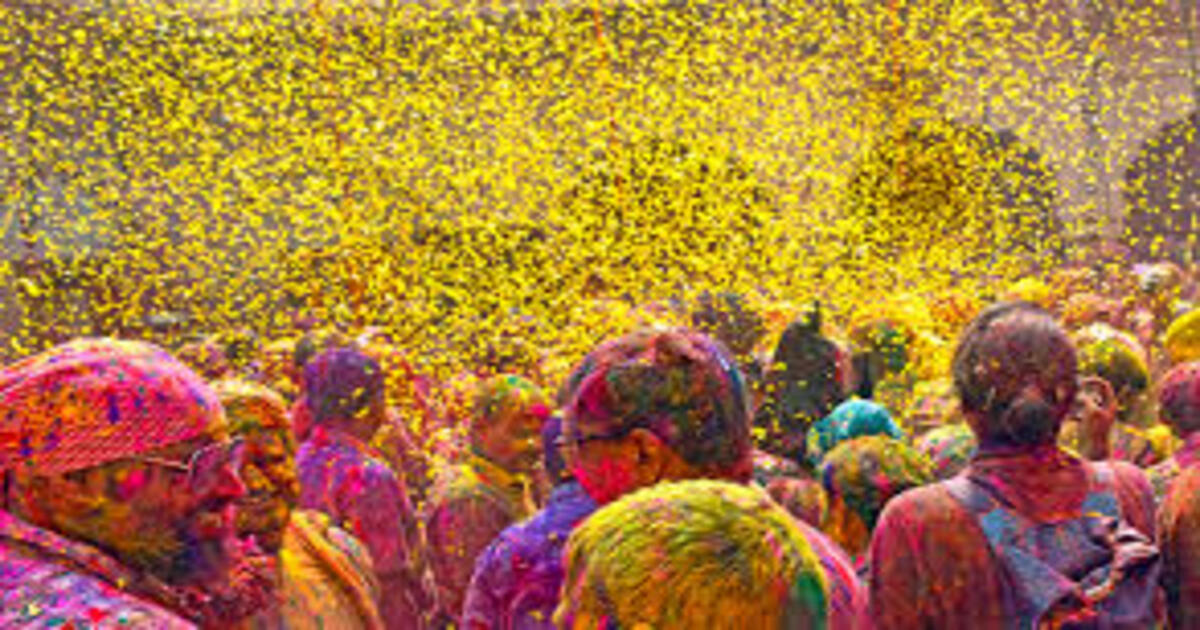
So you’ve been beaten/ or done the beating, now what? Let’s head to Vrindavan where devotees play with flower petals. This place is associated with Lord Krishna’s childhood and unlike the usual rowdy Holi revelry, this celebration has a divine and peaceful vibe, with people just swaying in devotion and using certain ‘substances’ to enhance their ‘joy’, if you catch my drift. (you didn’t hear that from us!)
If you get a chance to immerse yourself in one of the different types of Holi celebrations in India, don’t hesitate!
3. Royal Holi – Jaipur and Udaipur, Rajasthan
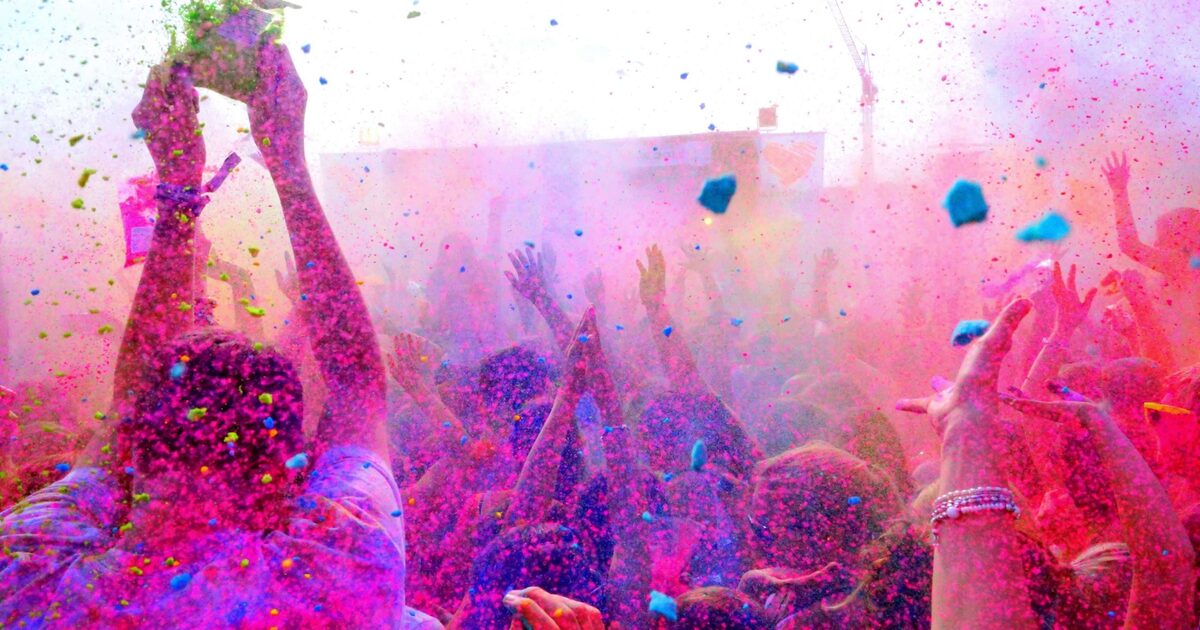
These two cities take Holi to the next level. There are grand processions featuring decked-out horses, elephants, and vibrant folk performances. Think of it as a regal parade straight out of a period drama, culminating in a bonfire for ‘Holika Dahan’ and a feast fit for kings.
Jaipur has the legendary ‘Elephant Festival,’ where majestic, painted elephants strut their stuff in processions, play polo, and even join in on tug-of-war matches. If you are interested in observing how animals are made to play for humans, how they are treated and such, go to Rajasthan and observe the festivals, and stay till the end to really catch the sight of what these festivals turn out to be for the animals.
4. Basanta Utsav – Shantiniketan, West Bengal
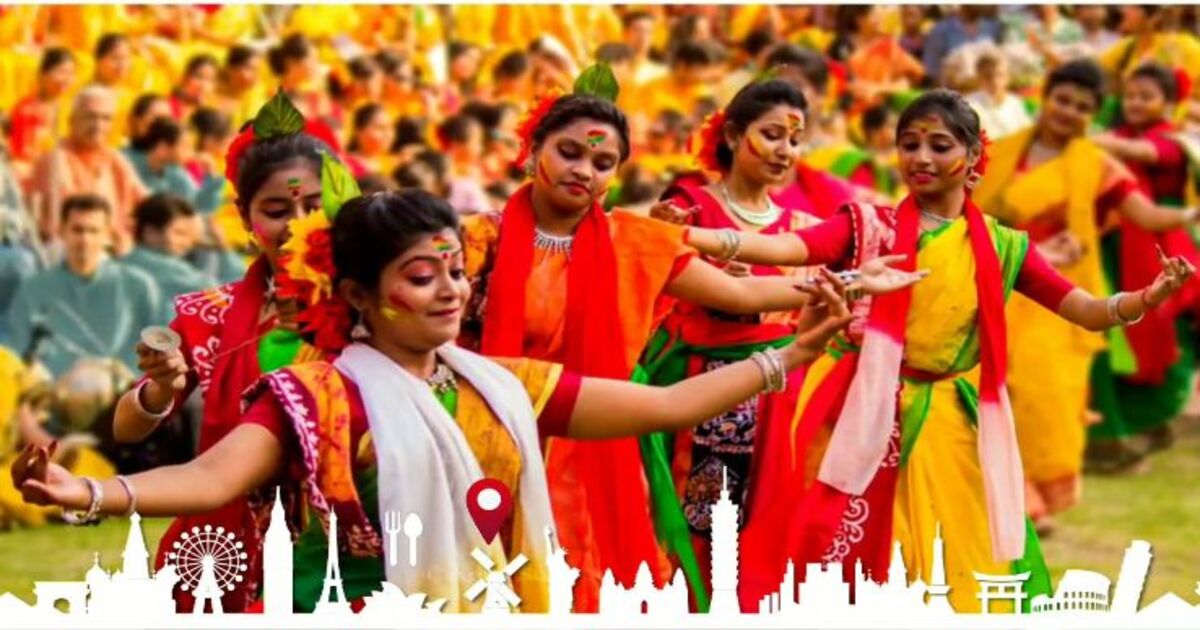
West Bengal loooves Rabindranath Tagore and if you have any doubt about it, this section will clear that right up. Not only is the Nobel laureate worshipped at the universities, they have managed to bring it out on the streets and celebrate his genius. Basanta Utsav in Shantiniketan is a cultural spectacle that blends Holi with literature, music, and dance. Students of Visva-Bharati University, founded by Tagore, dress in yellow (symbolizing spring) and present mesmerizing performances of Rabindra Sangeet (Tagore’s compositions), poetry recitals, and folk dances.
The atmosphere here is sophisticated, artistic, and unlike any different types of Holi celebrations in India. Visitors often travel to Shantiniketan specifically to witness this graceful and intellectual take on the festival.
5. Yaosang – Manipur
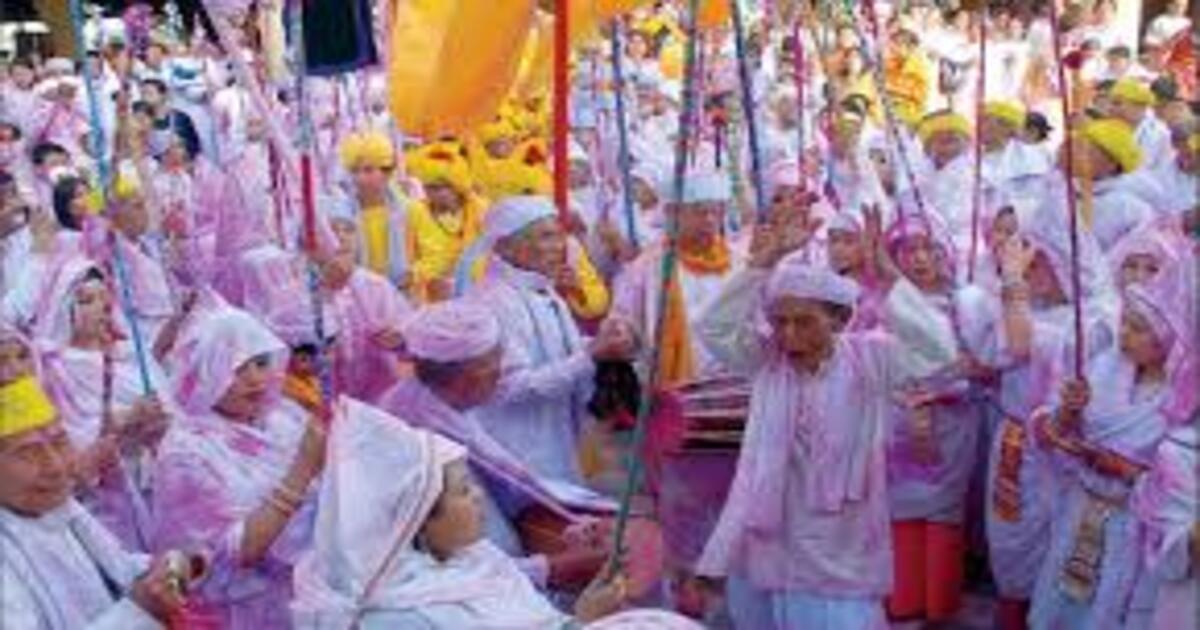
Manipur celebrated Holi or, Yaosang for six straight days with traditional folk dances, music, and rituals. One of the highlights is ‘Thabal Chongba,’ a traditional Manipuri dance that is an essential part of the culture. If you are interested in seeing how different cultural practices come together under one roof, Holi is your best bet.
Unlike the more chaotic color play seen elsewhere in India, Yaosang has a more structured and community-driven approach to Holi, focusing on cultural and religious aspects.
Also Read: Places to visit in Rajasthan
6. Manjal Kuli – Kerala
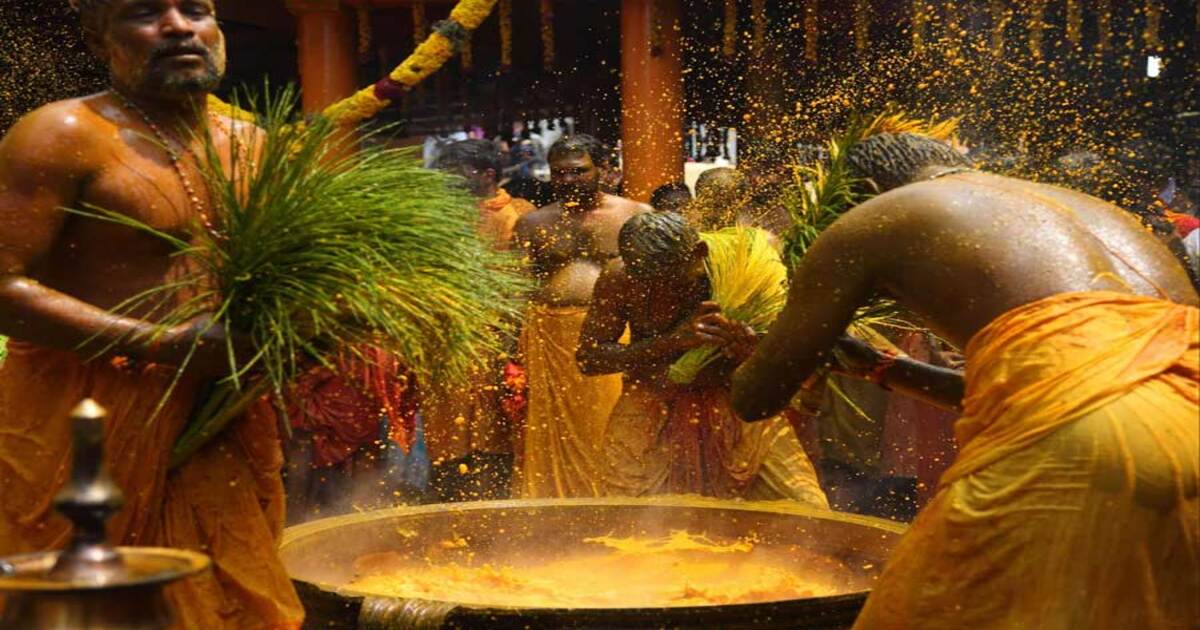
In Kerala, Holi is known as ‘Manjal Kuli’. That’s right, it’s not just the north that partakes in Holi, there are different types of Holi celebrations in India, all over NSEW. Here for instance, instead of the vibrant gulal used in North India, people play with turmeric and water. The festival is celebrated mainly in the Konkani and Gaud Saraswat Brahmin communities in Kerala.
Manjal Kuli is a gentler and more spiritual celebration compared to its North Indian counterpart, emphasizing purity, prosperity, and well-being.
7. Shigmo – Goa
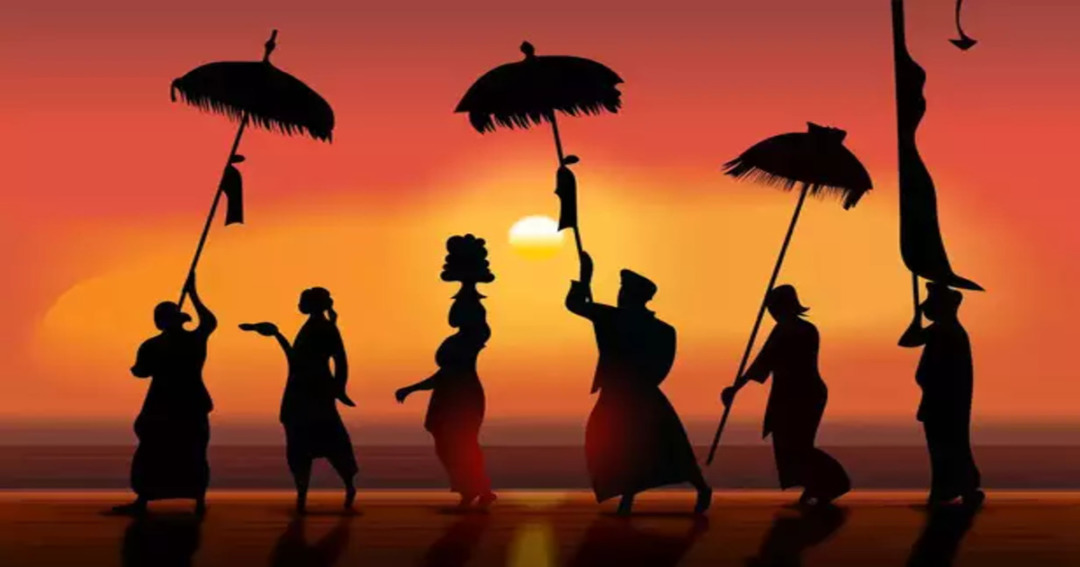
Goa’s version of Holi is called ‘Shigmo,’ and it lasts for several days and features parades, elaborate floats, folk performances, and street plays. Now you didn’t just associate Goa with parties cause let me tell you that’s just a small part of the Goan life. This place brings pomp to participation!
One of the biggest highlights is the vibrant processions where performers, dressed as mythological characters, showcase Goan folklore through dance and drama.
Ready for a perfect long weekend? Make Goa your Future Travel Plan with Explurger and you’ll get to know about more and more things you can make your travel better with!
8. Rang Panchami – Maharashtra
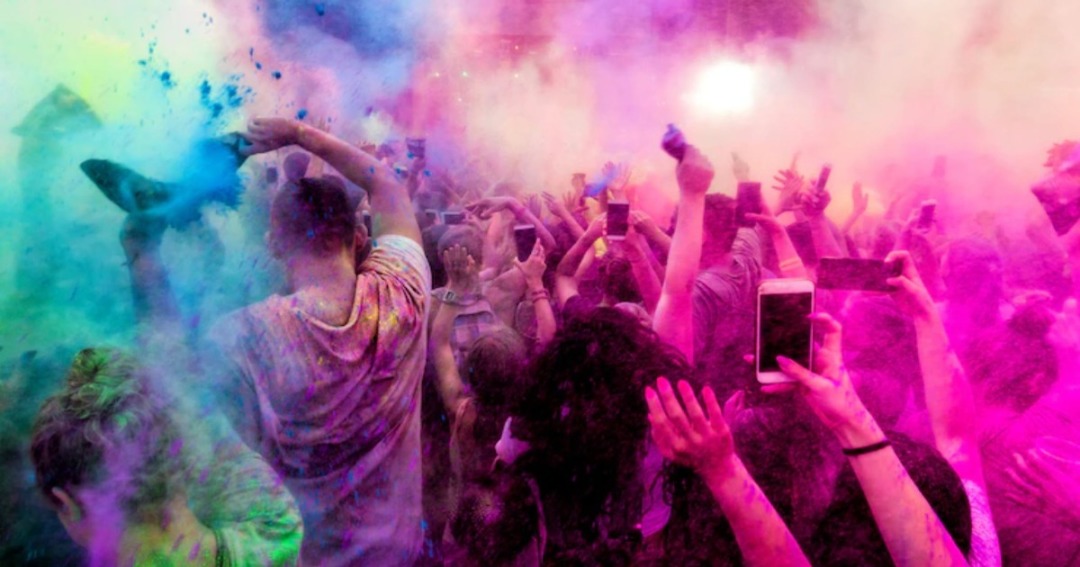
Maharashtra’s Holi celebrations, known as ‘Rang Panchami,’ focus more on color play and water fights. It is your typical take on Holi. But there’s one thing though, there’s a unique aspect of Holi in Maharashtra is the tradition of breaking the ‘Dahi Handi’ (curd pot), inspired by Lord Krishna’s childhood. Young men form human pyramids to break an earthen pot filled with buttermilk, symbolizing Krishna’s love for butter.
So I guess that’s one of the different types of Holi celebrations in India.
9. Dolo Jatra – Braj region (Rajasthan, Gujarat, Odisha, Assam, Tripura and W. Bengal)
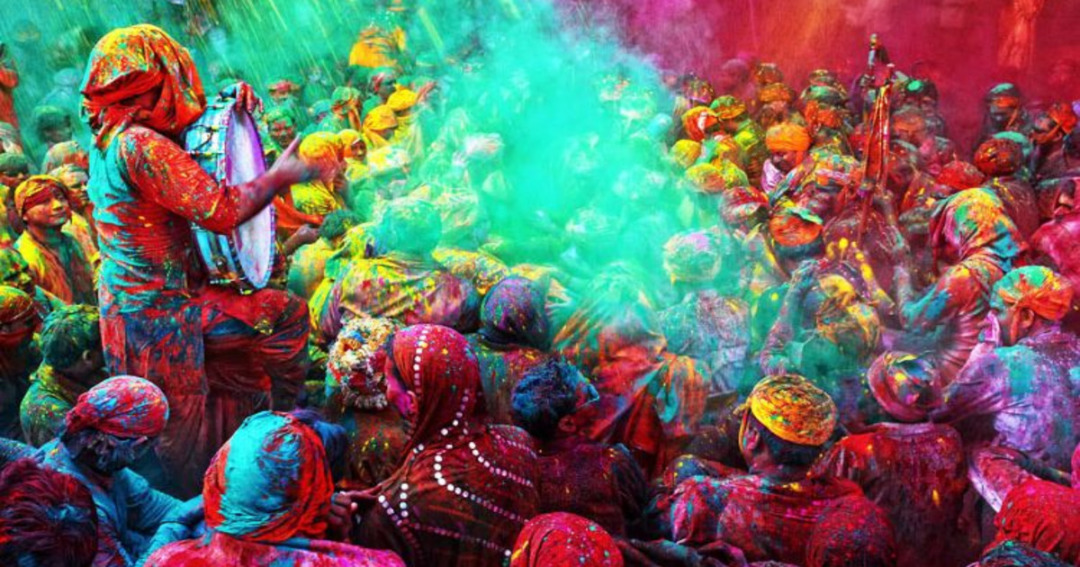
Dolo Jatra, celebrated in the Braj region, is the Eastern version of Holi. Devotees apply abir (colored powder) to the idols of Radha and Krishna and seek blessings for prosperity. In Assam, they sing “Phaku khele korunamoy” by the 16th-century Assamese poet Madhavdev, especially at the Barpeta Satra.
10. Kumaoni Holi – Uttarakhand
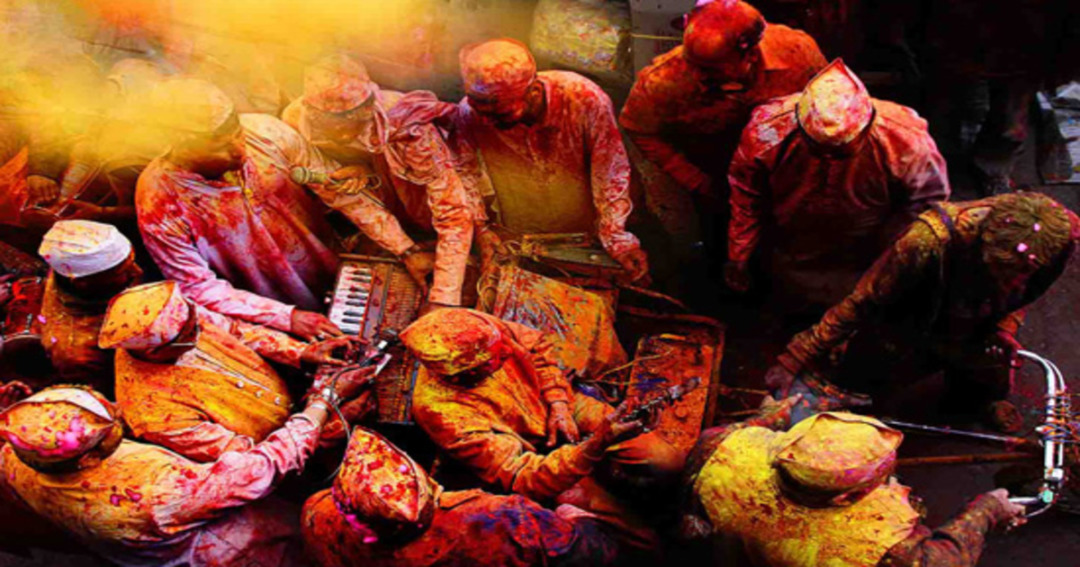
Holi in Uttarakhand’s Kumaon region is celebrated musically with ‘Baithaki Holi’ and ‘Khari Holi.’ These traditions involve gathering in community spaces to sing classical ragas and folk songs related to the festival. Unlike any other different types of Holi celebrations in India, the Kumaoni people focus on Music as a channel to express their spirituality and also, celebrate!
11. Bhojpuri Holi – Bihar
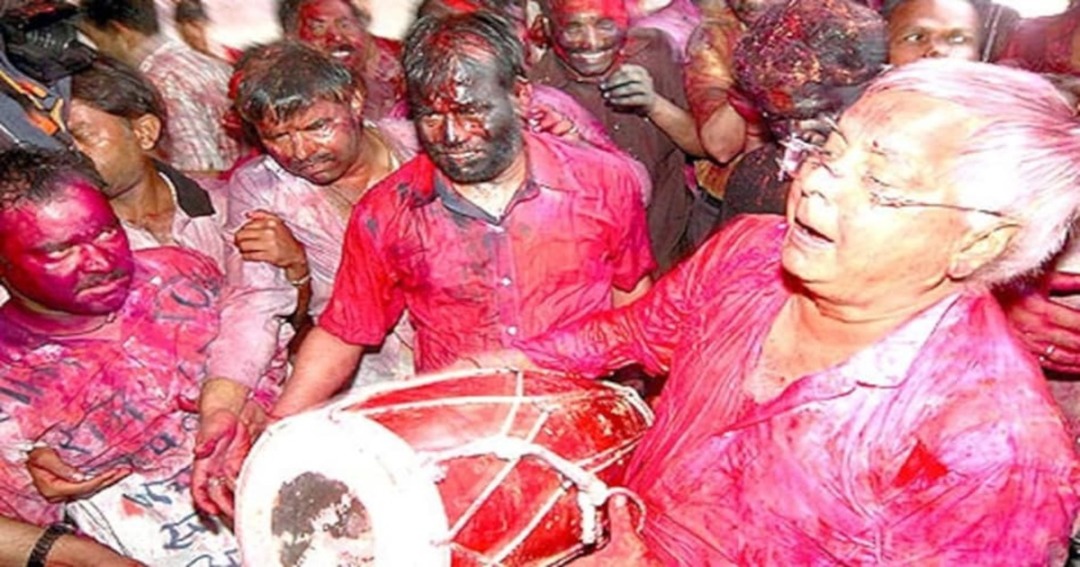
Holi in Bihar is known for its energetic and lively atmosphere, where people celebrate with ‘bhang’ (a cannabis-infused drink), Bhojpuri folk songs, and dhol beats. It is one of the most enthusiastic among different types of Holi celebrations in India, because of its sheer energy. If you wanna see Bollywood Live, go to Bihar.
12. Hola Mohalla – Punjab
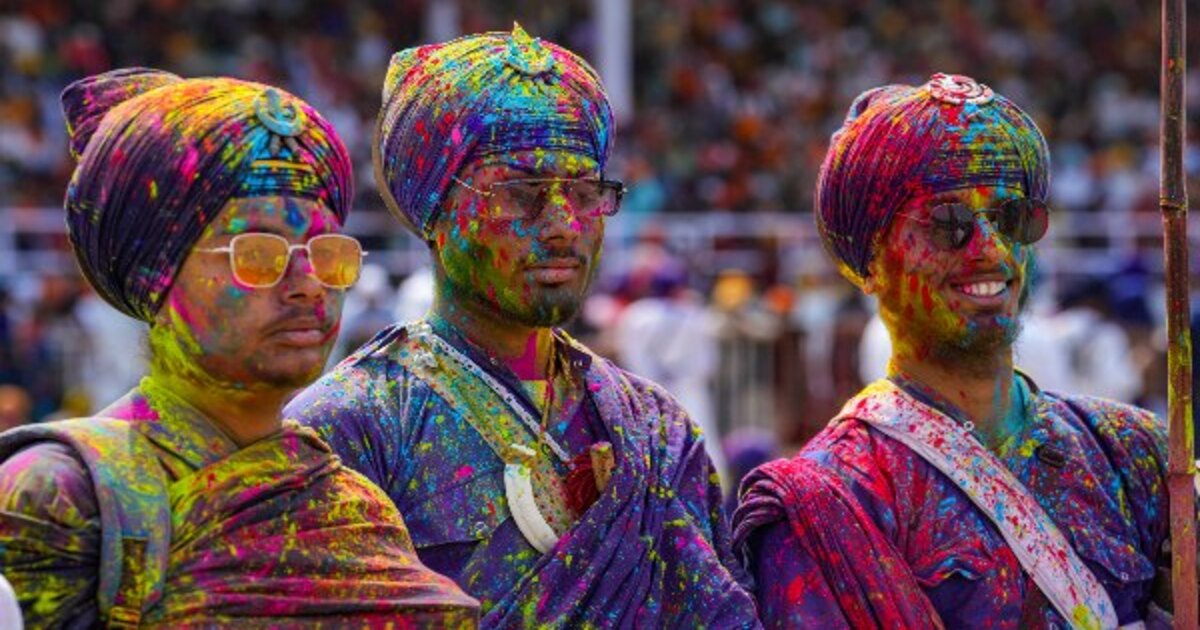
In Punjab, Holi takes on a warrior-like spirit in the form of ‘Hola Mohalla,’ started by Guru Gobind Singh. Instead of playing with colors, Sikhs display martial arts, mock battles, horse riding, and other physical prowess.
The celebration highlights bravery, discipline, and community bonding, making it distinct from other different types of Holi celebrations in India.
Also Read: Explore India during festivals
13. Mud Holi – Haryana
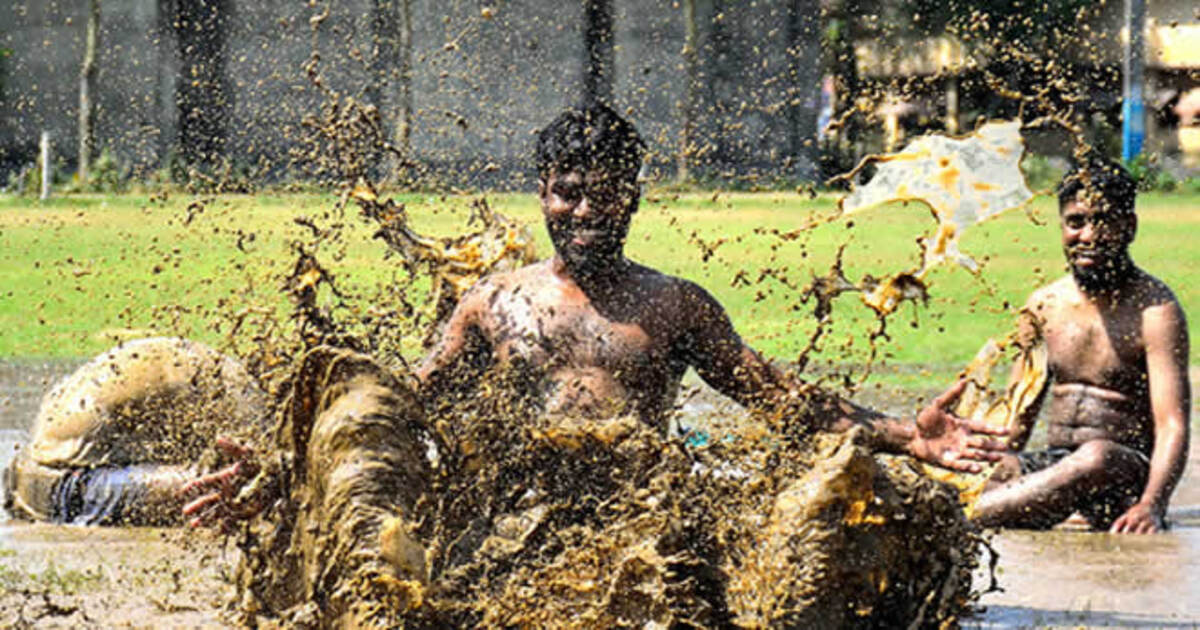
In some parts of Haryana, Holi is played with mud instead of colors. This tradition is believed to build camaraderie among villagers, as they smear each other with mud while enjoying folk songs and dances
14. Bhagoria Haat – Madhya Pradesh and Maharashtra
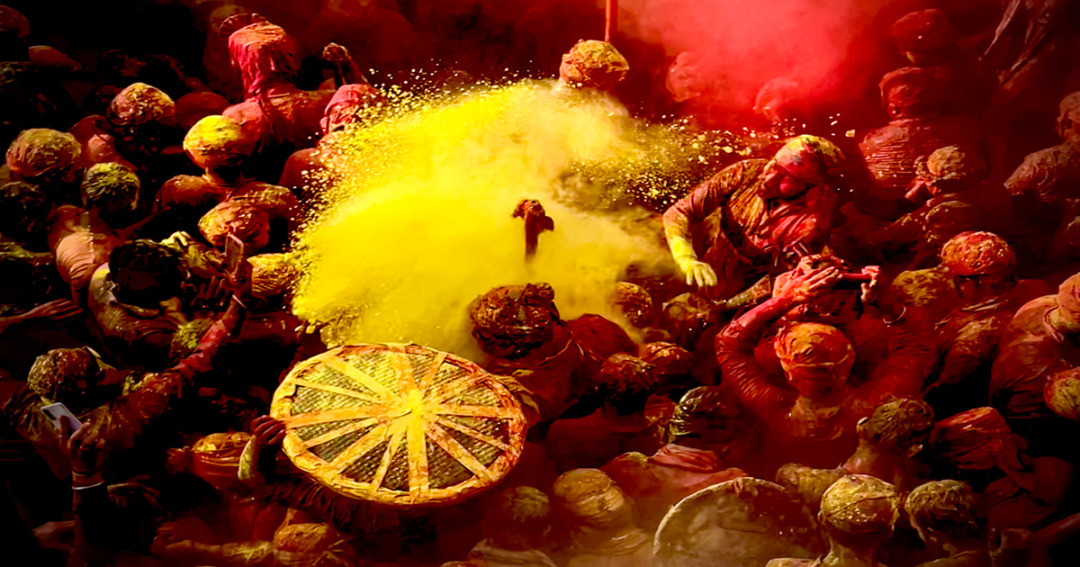
The Bhagoria or Bhangoria festival marks the end of the harvest season with a week-long pre-Holi bash in March. It is celebrated by the communities of Bhil, Bhilala, and Pateliya tribes in Madhya Pradesh and Maharashtra across districts like Barwani, Dhar, and Jhabua. It is super local and relatively unknown to the people who only associate Holi with Pushkar LOL! It is one of the most important among different types of Holi celebrations in India because Tribes need to protect their culture lest they be erased by colonizers and companies.
Tips for Celebrating Holi Safely
-
Use organic colors
-
Protect your skin and hair
-
Stay hydrated
-
Respect others’ boundaries
-
Avoid water wastage
Conclusion
Holi is more than just a festival of colors — it is a celebration of culture, unity, and tradition. From Lathmar Holi in Uttar Pradesh to Basanta Utsav in West Bengal, every region adds its unique flavour to this vibrant festival.
Whether you are searching for the Holi 2026 date, learning about Holika Dahan, or exploring the different types of Holi celebrations in India, this guide provides a complete overview to help you understand and experience the festival better.
As a social media app for travellers, we know everyone travels in a different way. So here we have 14 new ways of taking part in cultural travel!
If you enjoy discovering cultural festivals across India, you may also like exploring seasonal travel guides and regional destination stories.
Also Read: LAKSHADWEEP TOURISM IN 2026: EVERYTHING YOU NEED TO KNOW FROM A TRAVELER’S GUIDE
Also Read: PLACES TO VISIT IN SIKKIM THAT WE GUARANTEE YOU HAVEN’T HEARD OF
Also Read: GOD’S OWN COUNTRY: KERALA TOURIST ATTRACTIONS YOU CAN’T MISS IN 2026
FAQs About Holi 2026
What is Holika Dahan?
Holika Dahan is the bonfire ritual performed the night before Holi.
Why do we play with colors on Holi?
Colors symbolize joy, unity, and the vibrancy of spring.
How many types of Holi are celebrated in India?
There are numerous regional variations, including Lathmar Holi, Dol Jatra, Shigmo, Yaoshang, and more.