

999 Total Views
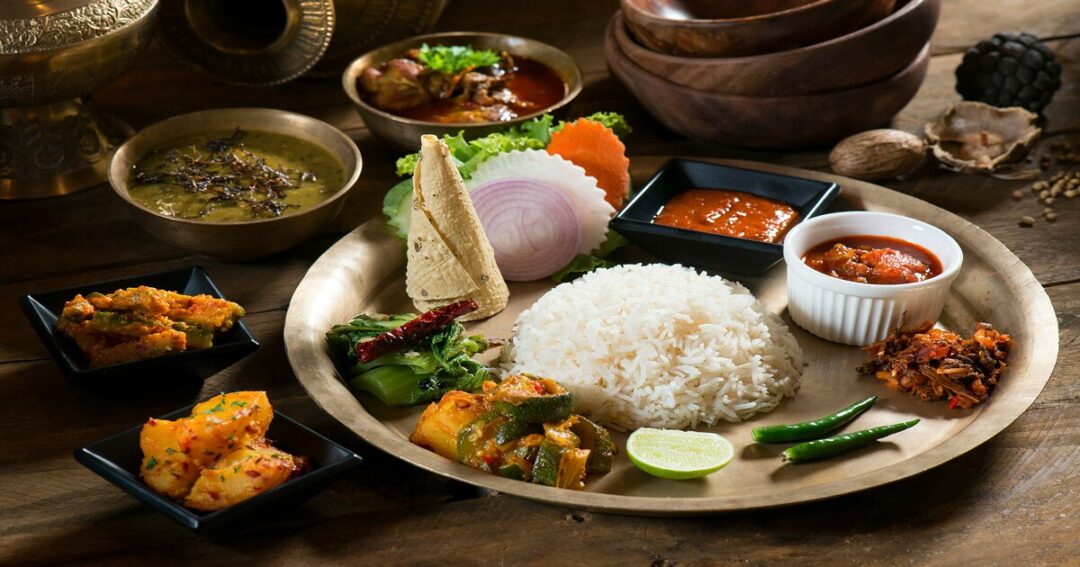
The towering Himalayas may be Nepal’s most famous attraction, but anyone who has spent time in the country knows that its cuisine is equally unforgettable.
From steaming bowls of lentils and rice enjoyed in mountain villages to freshly prepared momos served in bustling city streets, Nepalese food is a reflection of the country’s geography, culture, and traditions. Influenced by both Tibetan and Indian cuisines yet distinct in its own identity, Nepal’s culinary landscape offers a fascinating blend of flavors, ingredients, and cooking styles.
Whether you’re trekking through the Annapurna region, exploring the heritage streets of Kathmandu, or dining at one of the many growing Nepalese restaurants around the world, the country’s food tells stories of family, community, and centuries-old traditions.
For travelers and food lovers alike, discovering famous Nepalese food is one of the most rewarding parts of experiencing Nepal.
What Makes Nepalese Food Unique?
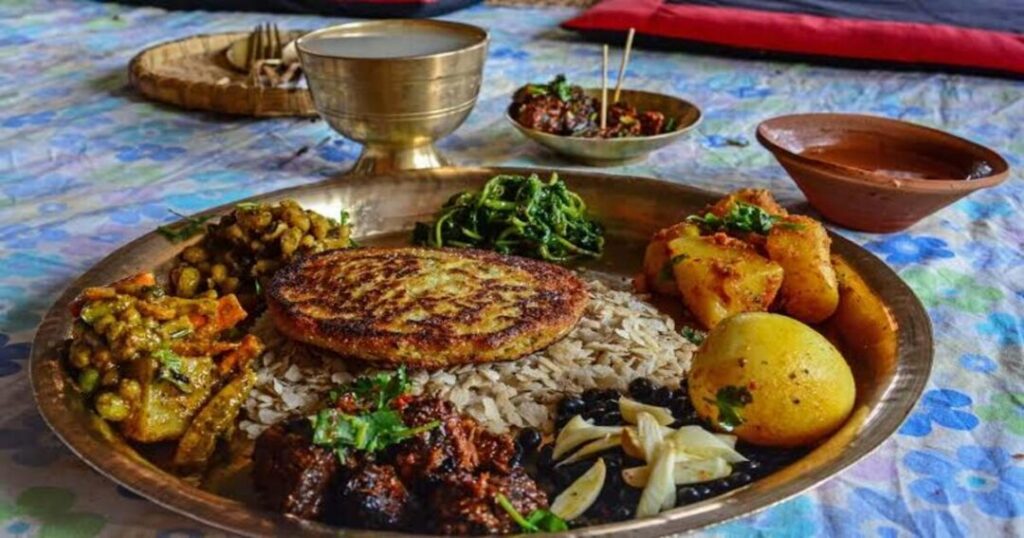
Nepalese cuisine is deeply influenced by the country’s diverse geography.
The fertile plains of southern Nepal produce rice, vegetables, fruits, and spices, while the Himalayan regions rely on grains, dairy products, potatoes, and hearty soups. This geographical diversity has created a cuisine that varies significantly from region to region.
Unlike some neighboring cuisines that focus heavily on rich spices, Nepalese food emphasizes balance, nutrition, and natural flavors. Most meals are wholesome, comforting, and designed to provide sustained energy, particularly for people living and working in mountainous terrain.
Some defining characteristics of Nepalese food include:
- Fresh seasonal ingredients
- Mild to moderate spice levels
- Fermented foods
- Nutrient-rich meals
- Community-style dining
- Regional specialties
Dal Bhat: The Heart of Traditional Nepalese Food
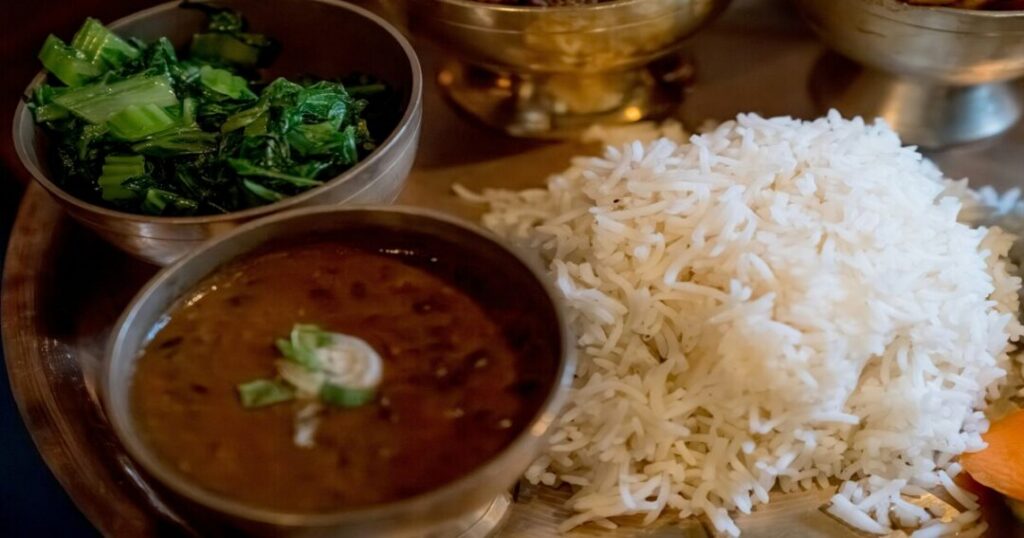
No discussion about traditional Nepalese food is complete without mentioning Dal Bhat.
Often described as the national dish of Nepal, Dal Bhat is more than a meal—it’s a daily ritual for millions of Nepalese people.
A traditional Dal Bhat meal typically includes the following:
- Steamed rice (Bhat)
- Lentil soup (Dal)
- Seasonal vegetable curries
- Pickles (Achar)
- Spinach or leafy greens
- Papad
- Meat curry (optional)
Also read: 10 Himalayan Treks in Nepal That Will Completely Change How You See the Mountains
Served as a complete Nepalese thali, this nutritious meal provides the perfect balance of carbohydrates, proteins, vitamins, and minerals.
Trekkers across Nepal often swear by the famous phrase.
“Dal Bhat Power, 24 Hour.”
After a long day in the mountains, few meals are as satisfying.
Momos: Nepal’s Most Famous Street Food
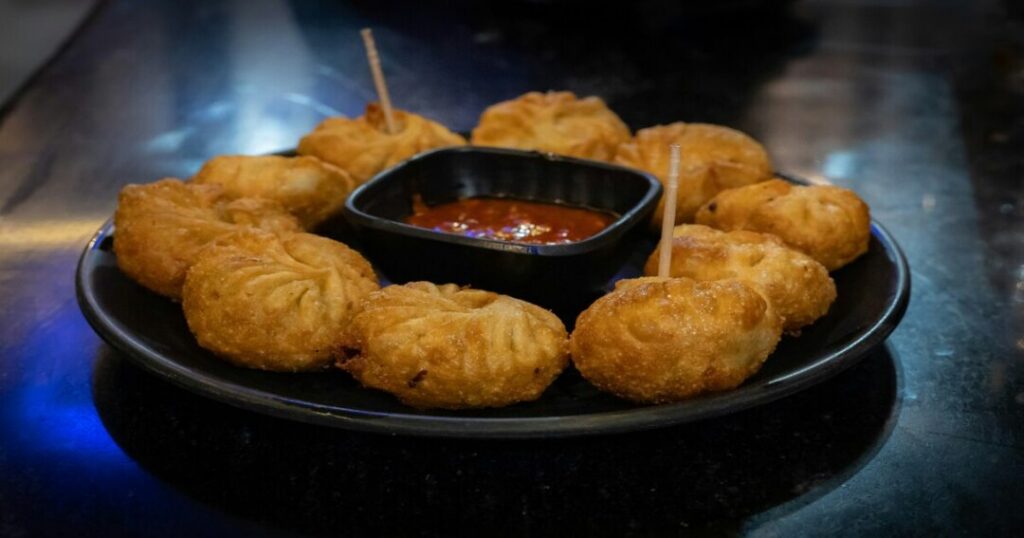
When people think of popular Nepali food, momos are often the first dish that comes to mind.
These delicious dumplings have become Nepal’s most beloved snack and street food.
Filled with ingredients such as:
- Chicken
- Buffalo meat
- Pork
- Vegetables
- Paneer
Momos are steamed, fried, or served in spicy soups and accompanied by flavorful dipping sauces.
Today, they can be found everywhere—from roadside stalls to fine-dining restaurants.
For many travelers, tasting authentic momos is a highlight of their Nepal journey.
Thukpa: A Bowl of Himalayan Comfort
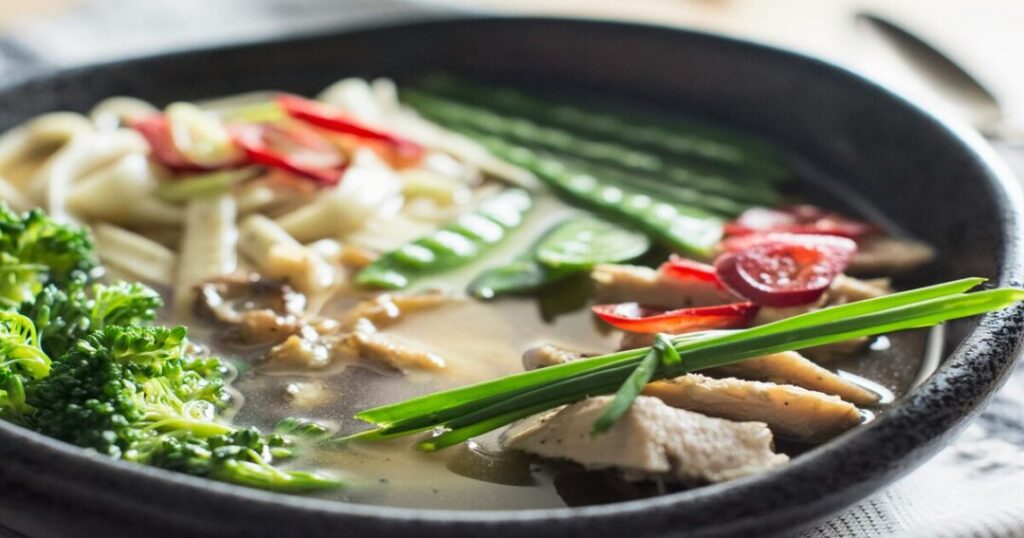
Originating in the Himalayan regions, Thukpa is a warming noodle soup that has become a staple across Nepal.
Made with:
- Handmade noodles
- Vegetables
- Herbs
- Meat or eggs
- Flavorful broth
Thukpa is especially popular during colder months and in high-altitude regions.
Its comforting flavors make it one of the most loved examples of typical Nepalese food.
Dhido: Nepal’s Ancient Staple Food
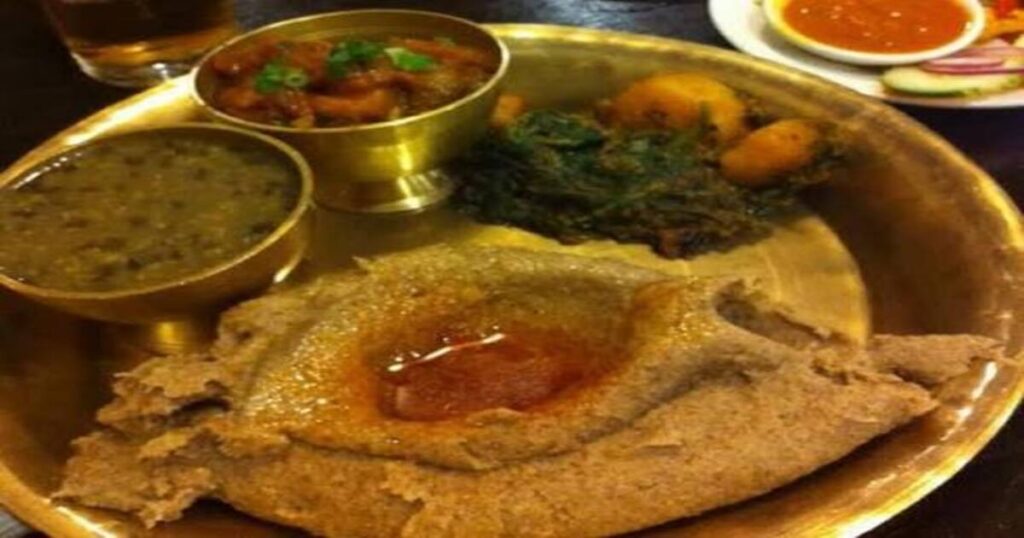
Long before rice became widespread, Dhido served as a staple food in many parts of Nepal.
Prepared using:
- Buckwheat flour
- Millet flour
- Maize flour
Dhido is cooked into a thick, dough-like consistency and traditionally eaten with lentils, vegetables, or meat curries.
Today, it remains an important part of Nepal’s culinary heritage, especially in rural communities.
Newari Cuisine: The Culinary Pride of Kathmandu Valley
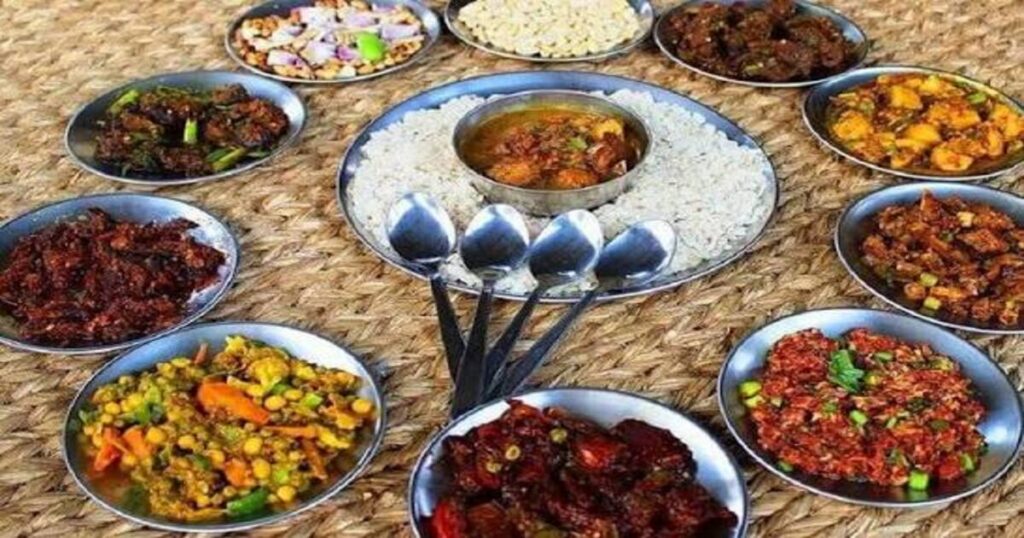
Among the most celebrated branches of Nepalese cuisine is Newari food.
The Newar community of Kathmandu Valley has preserved a rich culinary tradition that is known for bold flavors, unique ingredients, and elaborate preparation techniques.
Popular Newari dishes include:
Chatamari
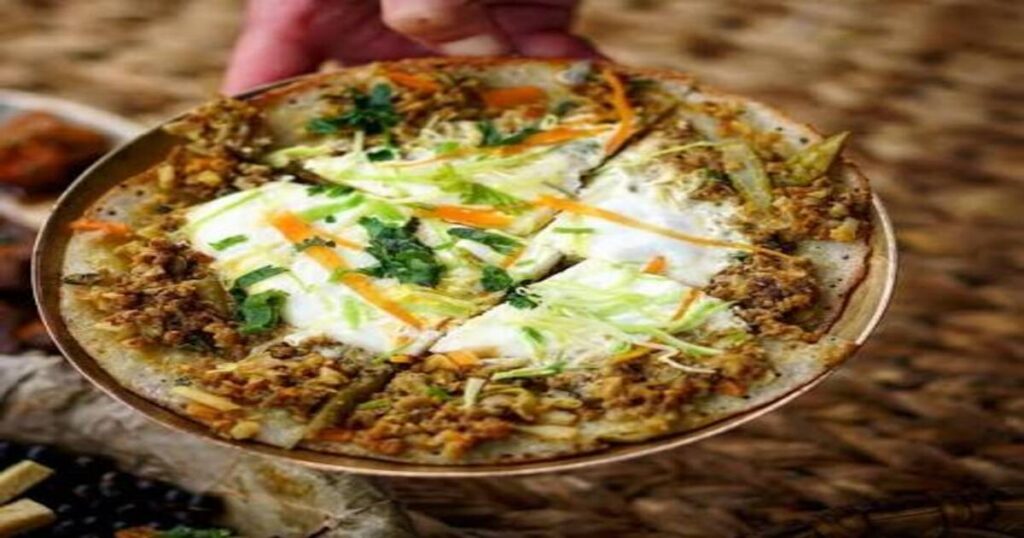
Often called the “Nepali pizza,” Chatamari is a rice flour pancake topped with meat, eggs, vegetables, and spices.
Bara
A savory lentil pancake is enjoyed during festivals and special occasions.
Also read: 20 Underrated and Hidden Places to Visit in Nepal in 2026
Choila
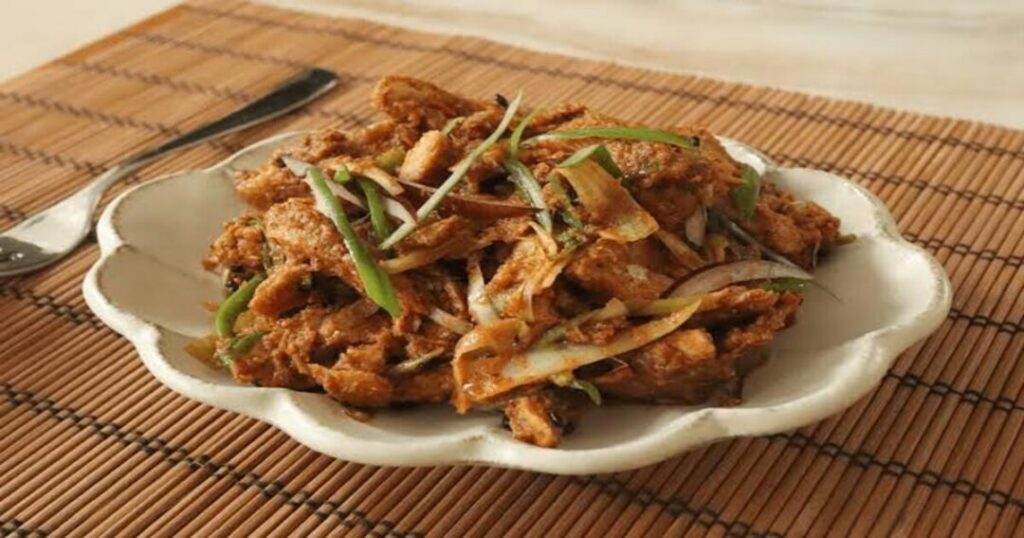
A spicy grilled meat dish marinated with traditional herbs and spices.
These dishes showcase some of the most distinctive flavors found in Nepal.
Gundruk: Nepal’s Traditional Fermented Delicacy
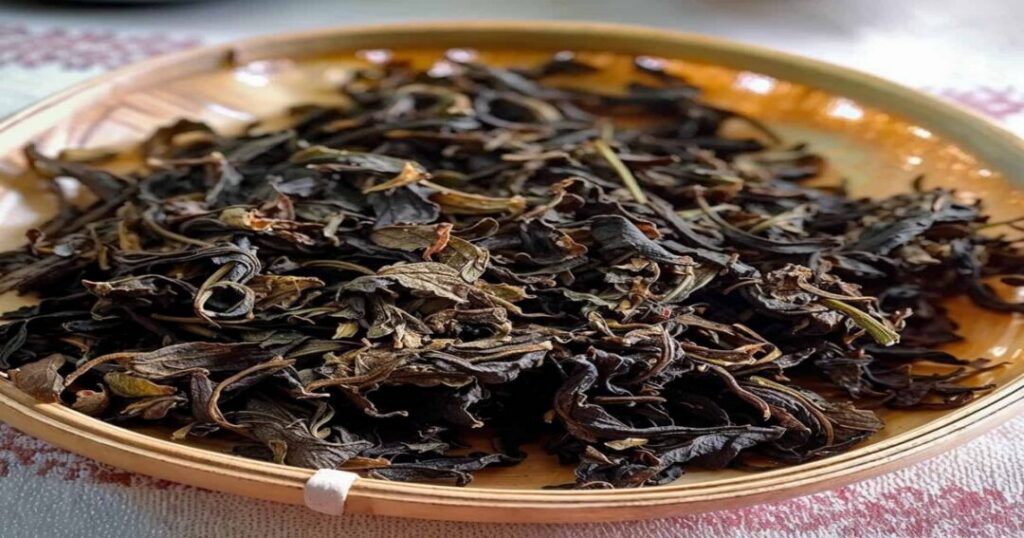
One of Nepal’s most unique foods is Gundruk.
Made by fermenting leafy vegetables such as mustard greens, Gundruk has been a staple of rural households for generations.
It is commonly served as
- Soup
- Side dish
- Curry ingredient
Its slightly sour taste adds a distinctive flavor that many visitors find surprisingly addictive.
Sel Roti: Nepal’s Traditional Festival Treat
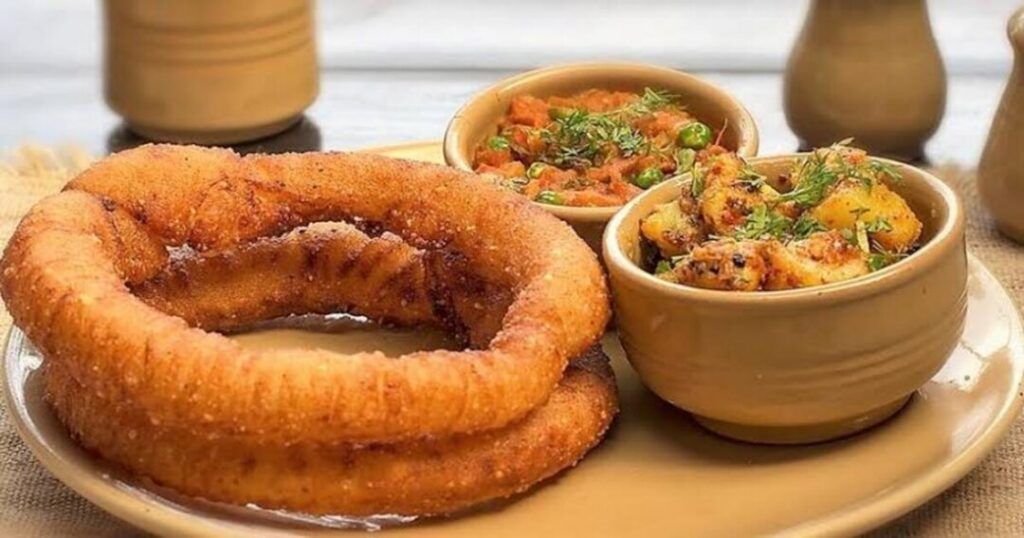
No celebration in Nepal feels complete without Sel Roti.
This ring-shaped rice bread is made from fermented rice batter and deep-fried until golden brown.
Crispy on the outside and soft inside, Sel Roti is commonly prepared during major festivals such as
- Dashain
- Tihar
- Weddings
- Family celebrations
It pairs perfectly with tea, yogurt, or vegetable curries.
Also read: 12 Best Tourist Places to Visit in Nepal for Every Kind of Traveler
Nepalese Sweets You Must Try
While savory dishes often dominate discussions about Nepalese cuisine, the country also offers a variety of delicious desserts and sweet treats.
Yomari
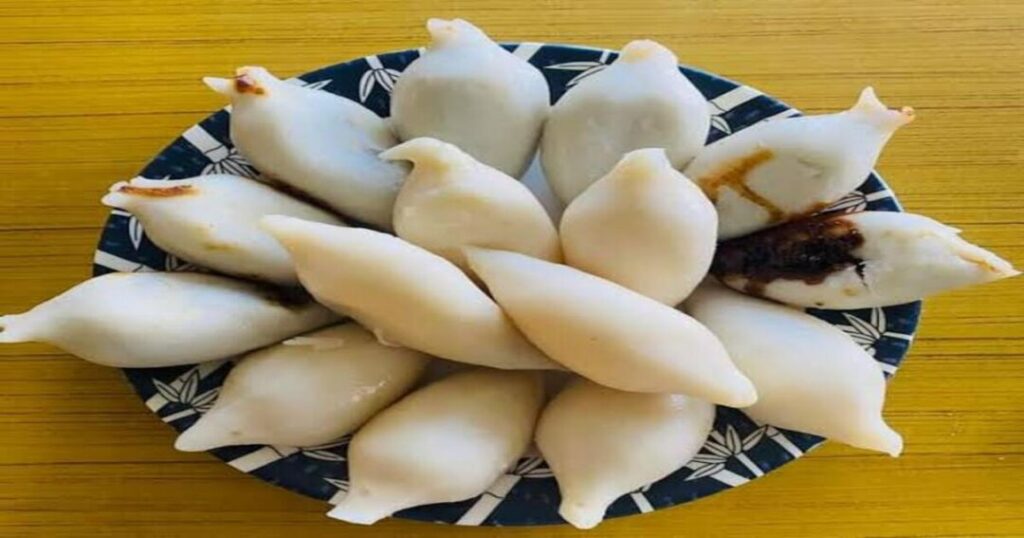
A sweet dumpling filled with molasses and sesame seeds.
Juju Dhau
Known as the “King Curd,” this creamy yogurt originates from Bhaktapur.
Lakhamari
A traditional Newari sweet is often served at weddings and festivals.
Kheer
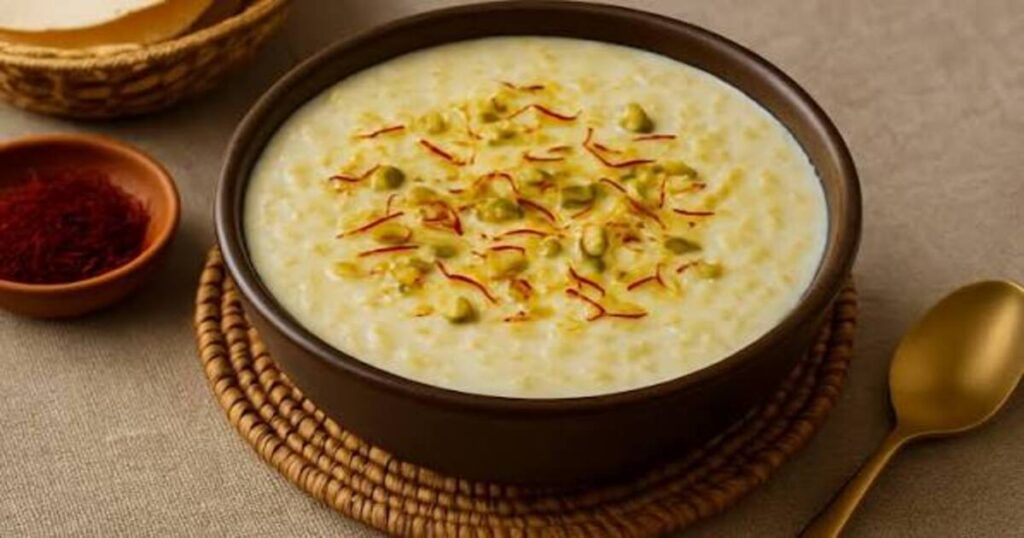
A rice pudding flavored with cardamom and nuts.
These Nepalese sweets provide the perfect ending to a traditional meal.
Popular Nepali Food Every Traveler Should Try
If you’re visiting Nepal, don’t leave without trying:
- Dal Bhat
- Momos
- Thukpa
- Sel Roti
- Chatamari
- Bara
- Choila
- Gundruk Soup
- Dhido
- Yomari
- Sekuwa
- Aloo Tama
- Kwati
- Juju Dhau
- Lakhamari
These dishes represent the very best of famous Nepalese food.
The Spice of Nepal: Understanding the Flavors of Nepalese Food
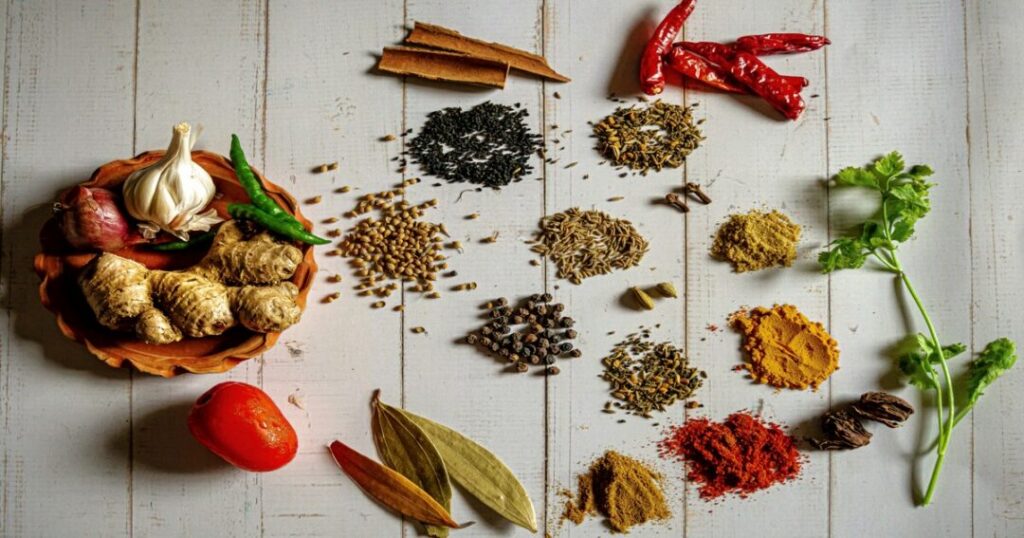
The spice of Nepal is not about overwhelming heat but rather about achieving balance.
Commonly used ingredients include:
- Turmeric
- Cumin
- Coriander
- Fenugreek
- Ginger
- Garlic
- Timur (Nepalese Sichuan Pepper)
- Mustard seeds
These spices create aromatic, flavorful dishes while allowing the main ingredients to shine.
Where Can You Find the Best Nepalese Food Around the World?
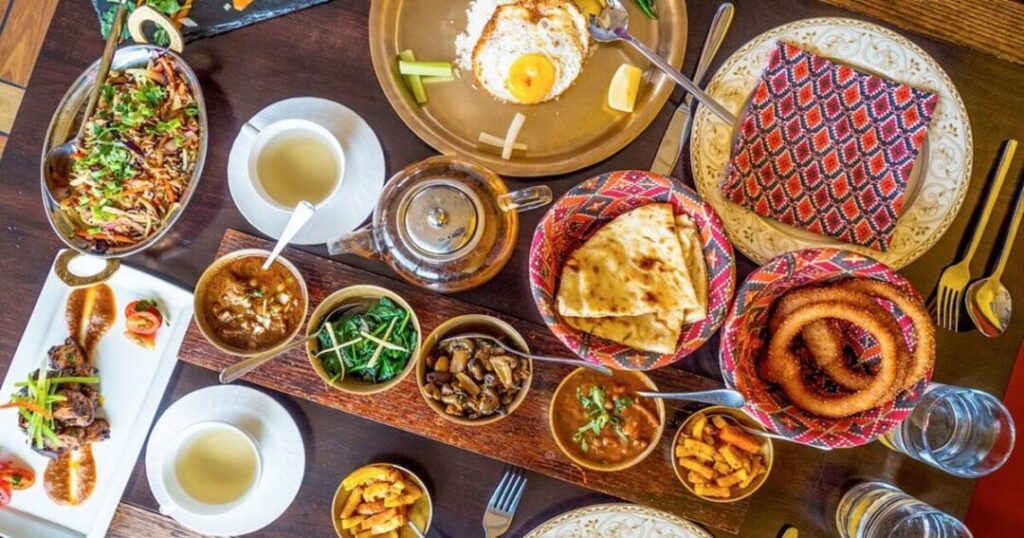
As global interest in Nepalese cuisine grows, Nepalese restaurants can now be found in major cities across the following:
- United States
- United Kingdom
- Australia
- Canada
- Germany
- Japan
- India
Many restaurants specialize in momos, thalis, and traditional Himalayan dishes, introducing international diners to Nepal’s rich culinary heritage.
Tips for Exploring Nepalese Food
Start with a Traditional Nepalese thali.
It offers the most complete introduction to Nepalese cuisine.
Try Regional Specialties
Different regions of Nepal have distinct culinary traditions.
Don’t Skip Street Food
Some of the best Momos and snacks are found in local markets.
Explore Newari Cuisine
It offers some of Nepal’s most unique and flavorful dishes.
Taste Seasonal Foods
Fresh ingredients play a major role in Nepalese cooking.
Visit Local Eateries
Small family-run establishments often serve the most authentic meals.
Also read: Canadian Food: The Complete Guide to Canadian Cuisine, Dishes & Regional Food Culture
Why Nepalese Food Deserves Global Recognition
Nepalese food is one of Asia’s most underrated culinary treasures.
It combines the warmth of Himalayan hospitality, the richness of local traditions, and the diversity of Nepal’s landscapes into every meal. Whether it’s a simple plate of Dal Bhat, a basket of steaming Momos, or a festive serving of Sel Roti, each dish tells a story of culture, history, and community.
For travelers, food lovers, and culinary explorers, Nepal offers far more than breathtaking mountain views—it offers unforgettable flavors that stay with you long after the journey ends.
Conclusion
Nepalese food is a delightful reflection of Nepal’s rich culture, diverse geography, and centuries-old culinary traditions. From the iconic momo and hearty dal bhat to flavorful Newari specialties and sweet treats, every dish tells a story of the country’s heritage and way of life. The unique blend of fresh ingredients, aromatic spices, and regional influences makes Nepalese cuisine a memorable experience for food lovers around the world.
Whether you are planning a trip to Nepal or exploring international restaurants that serve authentic dishes, discovering Nepalese food is a journey worth taking in 2026. Its comforting flavors, nutritional value, and cultural significance continue to win the hearts of travelers and food enthusiasts alike, making it one of the most exciting cuisines to experience today.
FAQs About Nepalese Food
2. What is a Nepalese thali?
A Nepalese thali is a complete meal that typically includes rice, lentils, vegetables, pickles, and optional meat curries.
3. Is Nepalese food spicy?
Most Nepalese dishes are mildly spiced and focus on balanced flavors rather than intense heat.
4. What are traditional Nepalese foods?
Traditional Nepalese foods include Dal Bhat, Dhido, Gundruk, Sel Roti, Chatamari, Bara, and Choila.
5. What sweets are popular in Nepal?
Popular Nepalese sweets include Yomari, Juju Dhau, Lakhamari, and Kheer.
6. Are Momos originally from Nepal?
Momos have Tibetan origins but have become an essential part of Nepalese food culture.
7. What is the national dish of Nepal?
Dal Bhat is widely regarded as Nepal's national dish.