
1,663 Total Views
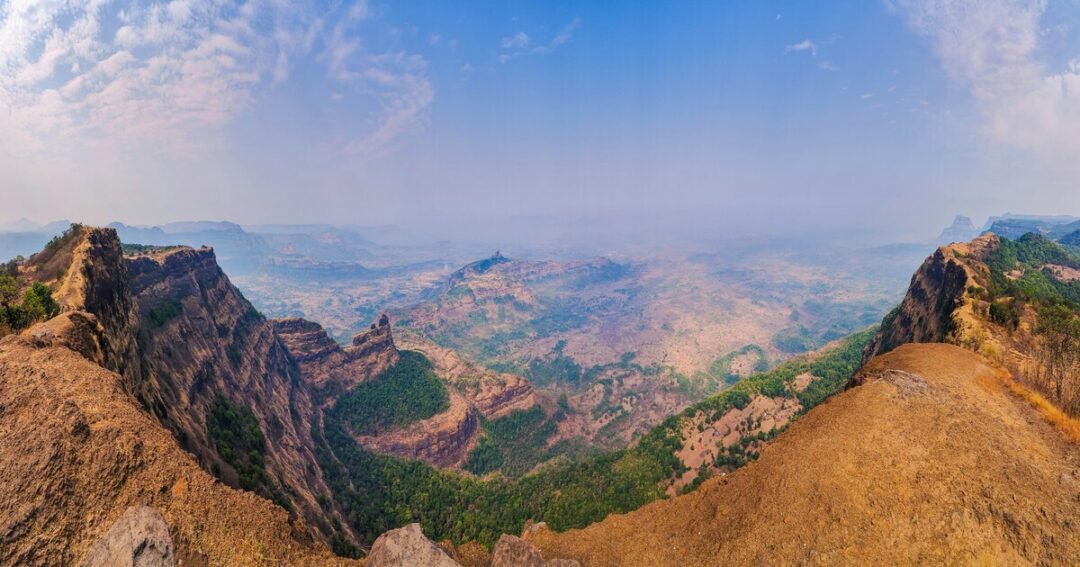
Bhimashankar is one of the most rewarding weekend treks near Mumbai and Pune — a forested Sahyadri trail that ends at one of the twelve Jyotirlingas, with the option to descend into a wildlife sanctuary thick with giant squirrels and waterfalls. The problem most first-timers run into is conflicting information: every blog quotes different distances, calls a different route “the easy one,” and assumes you already know where Khandas is. This Bhimashankar trek guide breaks down both major routes — Ganesh Ghat and Shidi Ghat — along with the Khandas base village logistics and seasonal access restrictions, so you can plan around facts rather than guesswork.
Bhimashankar Trekking Routes — Ganesh Ghat vs Shidi Ghat
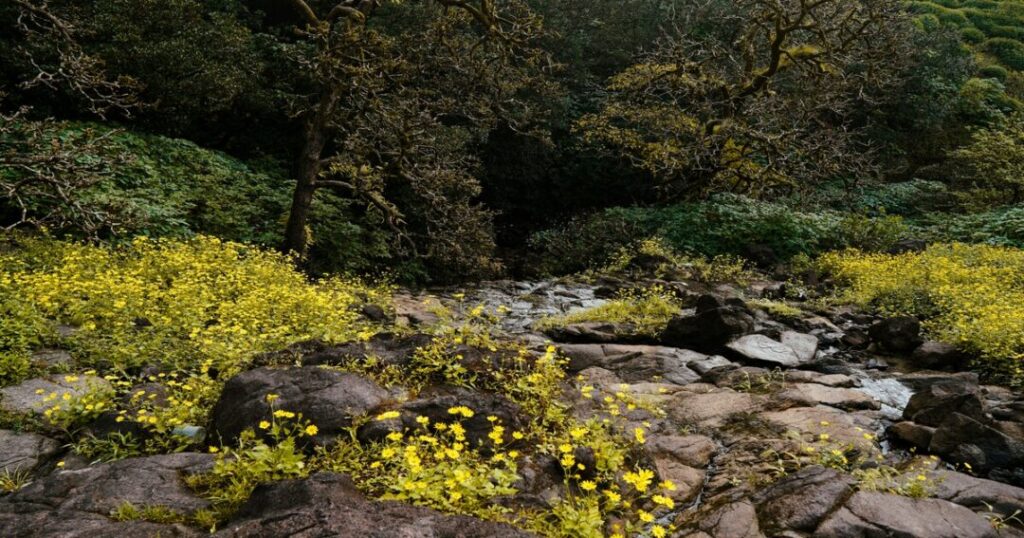
Both routes begin from Khandas village, about 29–34 km from Karjat railway station. A T-junction roughly 500 metres past Khandas splits the trail: right for Ganesh Ghat, left for Shidi Ghat.
Ganesh Ghat Route — The Longer, Scenic Option
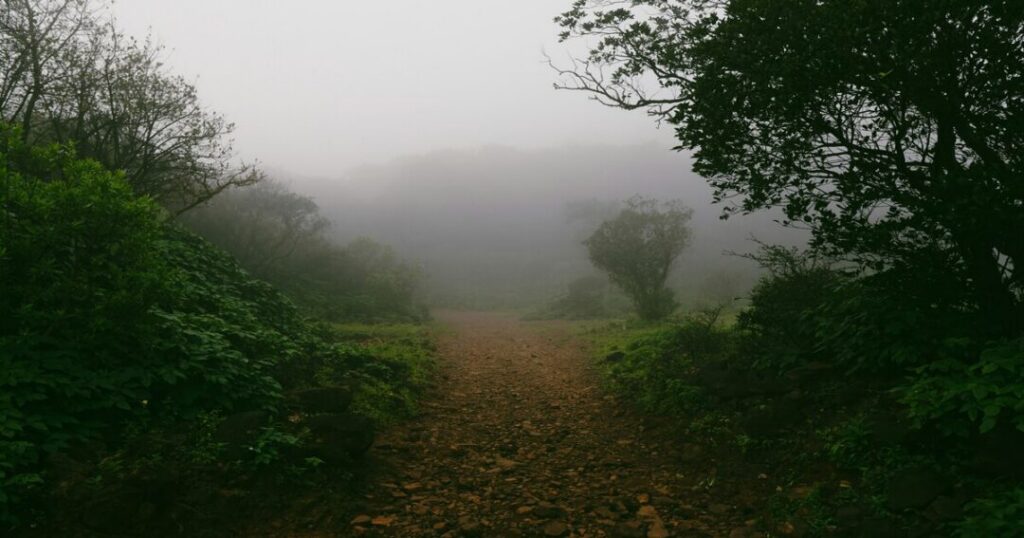
The Ganesh Ghat route covers approximately 8–13 km depending on the exact starting point measured (a few sources cite 18 km, but that figure appears to describe a less common approach from Kusur village rather than the standard Khandas start). The ascent takes roughly 4–6 hours. It’s named after a small Ganesh temple that marks the halfway point, where both routes typically merge before the final stretch to Bhimashankar temple.
- Difficulty: Moderate — gradual climb with no technical sections
- Terrain: Open grassland and scrub in the lower stretches, transitioning into dense forest higher up
- Suited for: Beginners with reasonable fitness, families, first-time trekkers
- Highlights: Waterfalls in monsoon, streams, the Ganesh temple at the midpoint, broader views of the Sahyadri range
Shidi Ghat Route — Shorter but Technical
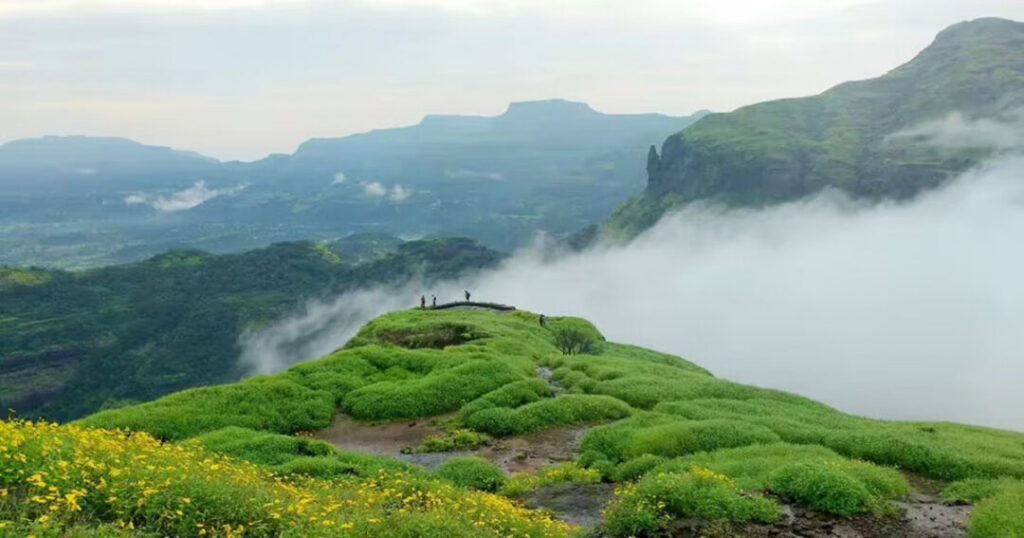
Shidi Ghat (“shidi” means ladder in Marathi) covers a shorter distance — around 5–7.5 km — but is considerably steeper and more demanding. The defining feature is a series of iron ladders bolted into rock faces, along with exposed, narrow sections that require confidence on uneven terrain.
- Difficulty: Moderate to difficult, with a genuinely technical ladder section
- Terrain: Steep rock patches, narrow ledges, multiple iron ladder crossings
- Suited for: Experienced trekkers; not recommended for first-timers or young children
- Important safety note: The Maharashtra Forest Department has, in recent years, imposed seasonal closures on accident-prone stretches in the Bhimashankar Wildlife Sanctuary — including the Shidi Ghat section between Padarwadi and Kathewadi — typically from early July through September 30, citing slippery conditions and prior accidents during monsoon. Always confirm current access status with the Forest Department or your Khandas homestay host before planning a Shidi Ghat trek, particularly if travelling between July and September. A local guide is strongly recommended for this route regardless of season.
Also Read: Bandaje Falls Trek: The Complete Guide for First-Time Trekkers
Bhimashankar Forest Trek — What You Walk Through
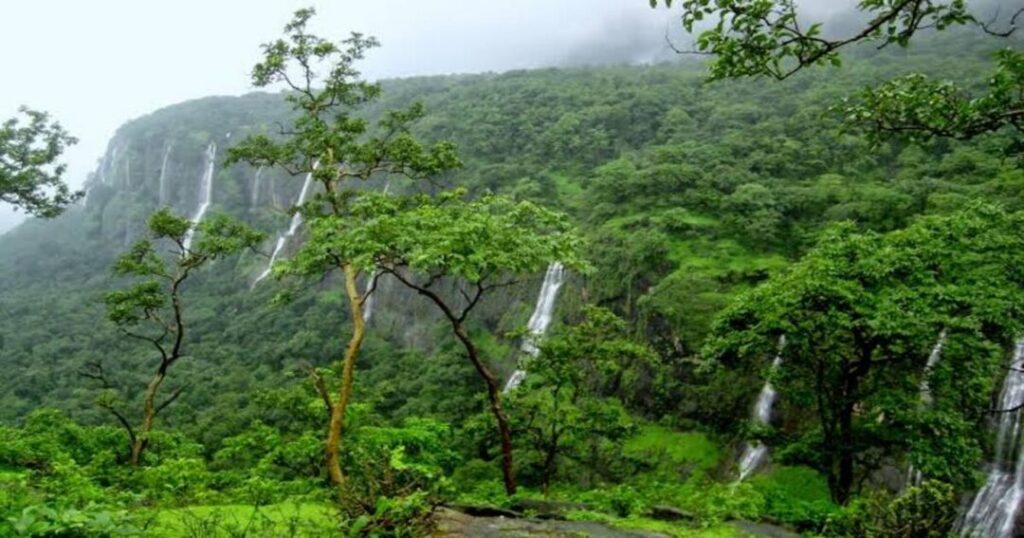
The trail runs through Bhimashankar Wildlife Sanctuary, a protected forest reserve covering approximately 130.78 square kilometres of Sahyadri terrain, notified by the Maharashtra government on 16 September 1985 primarily to protect the Indian giant squirrel. This isn’t incidental scenery — it shapes the entire character of the trek.
- Wildlife: The sanctuary is known for the Indian giant squirrel (the state animal of Maharashtra), Malabar grey hornbill, barking deer, golden jackal, and occasional leopard sightings
- Vegetation: Dense deciduous and semi-evergreen forest, with grassland patches lower down the Ganesh Ghat side
- Seasonal character: Waterfalls and streams are at their fullest during monsoon (June–September), though trails get slippery and leeches are common in this window — this is also the period when several routes face official closure
- Padargad fort: A ruined hill fort (also called Paddar Killa) visible near where the Ganesh Ghat and Shidi Ghat trails merge, close to the final approach to the temple
The forest stretch near the Ganesh Ghat–Shidi Ghat merge point is where most trekkers describe the trail shifting from open hillside to genuine jungle — narrower, shadier, and noticeably cooler.
Bhimashankar Trek via Ganesh Ghat — Suggested Day Plan
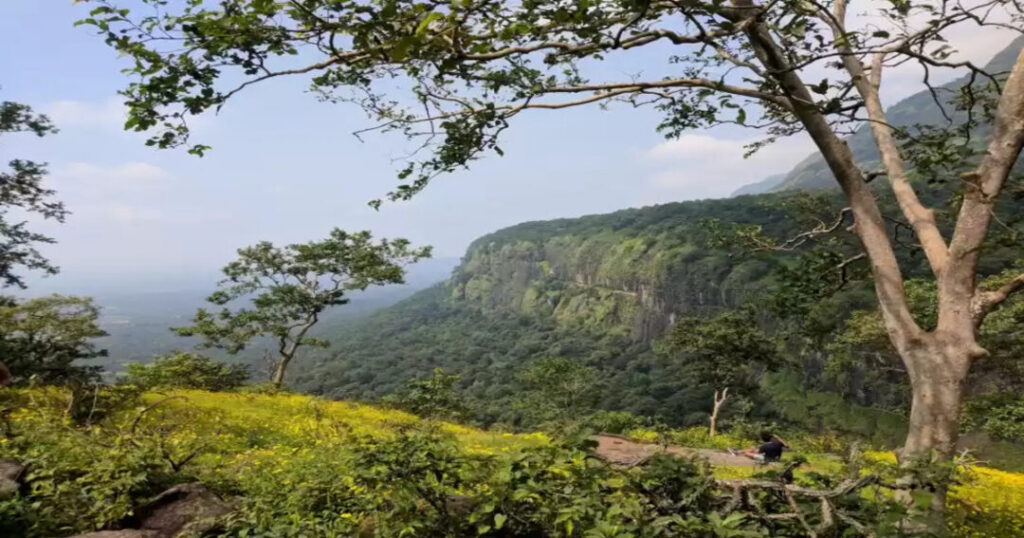
A typical single-day Ganesh Ghat itinerary, suited to families and mixed-fitness groups:
- 6:30–7:00 AM: Reach Khandas base village; have breakfast before arriving, as there’s no food on the trail until the halfway mark
- 7:00 AM: Begin ascent via Ganesh Ghat
- 10:00–10:30 AM: Reach halfway huts near the Ganesh temple; rest, hydrate, pick up light snacks from local vendors
- 10:30–11:00 AM: Reach Bhimashankar Temple; darshan and rest
- 11:00 AM–12:30 PM: Optional side trek to Gupt Bhimashankar (a hidden cave shrine roughly 3–4 km, about 40 minutes, from the main temple) — worth the extra hour if your group has the stamina
- 1:00 PM: Lunch near the temple complex
- 1:30–4:00 PM: Descend back to Khandas via Ganesh Ghat
- 4:30 PM onward: Transport back to Karjat or Neral for return travel
Also Read: Anthargange Trek: The Ultimate Guide to Night Trekking, Caves & Camping
Bhimashankar Trekking Guide — The Two-Day Traverse Option
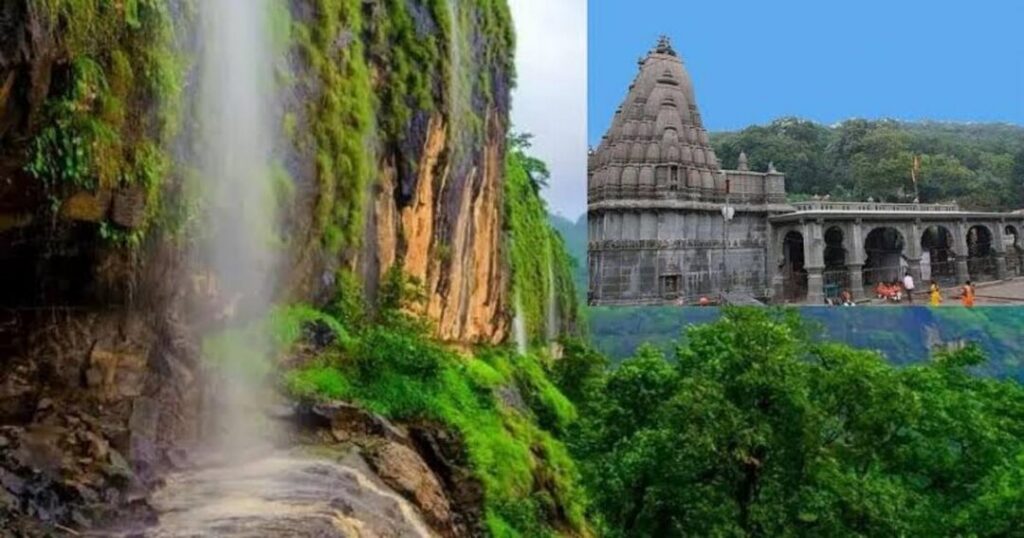
For serious trekkers, the more complete way to experience Bhimashankar is the two-day traverse covering both routes — subject to the seasonal access restrictions noted above:
- Day 1: Ascend via Ganesh Ghat from Khandas; overnight stay at Bhimashankar (basic lodges, MTDC accommodation, or temple guesthouses) or at a homestay in Khandas the night before starting
- Day 2: Early darshan at the temple, visit Gupt Bhimashankar, then descend via Shidi Ghat while conditions are still cool — only when the route is officially open
This format lets you experience both the grassland-to-forest transition of Ganesh Ghat and the ladder sections of Shidi Ghat in a single trip, without the fatigue of attempting both ascents and descents in one day.
- A pre-dawn start (around 5 AM) is recommended if descending via Shidi Ghat, since the ladder sections are safer to navigate in cooler conditions before the afternoon heat sets in
- Khandas homestays — Haribhau Vide’s homestay is frequently recommended — can arrange local guides for the Shidi Ghat stretch and will have the most current information on trail status
Bhimashankar Trek Booking — Stay, Guides & Logistics in Khandas
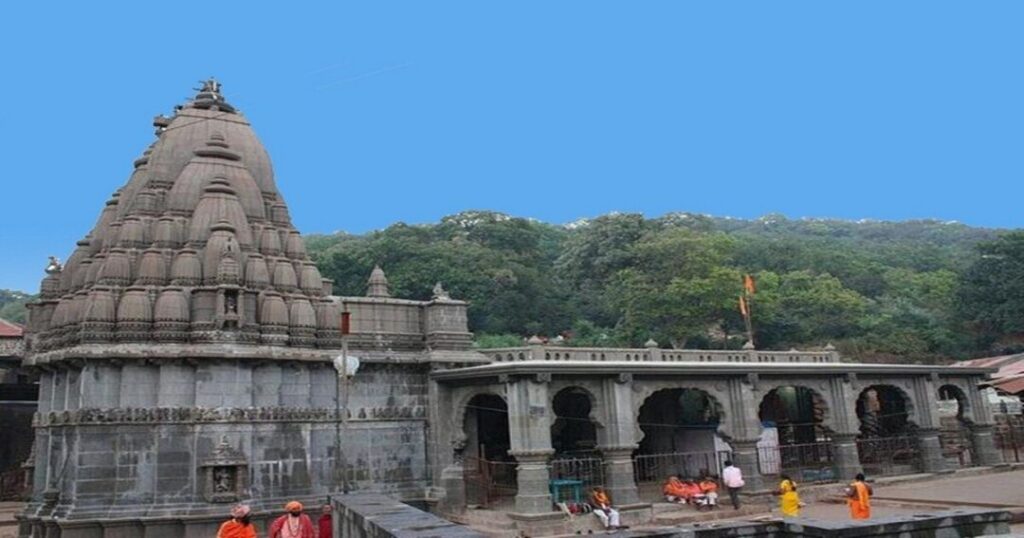
Reaching Khandas
- By train: Nearest railway stations are Karjat and Neral, both roughly 29–34 km from Khandas
- From Karjat/Neral: Shared autos, tum-tums (shared vans), or private cabs run to Khandas via Kashele; ST buses also operate but with unreliable timing
- By road from Mumbai: Approximately 90 km via the Mumbai-Pune Expressway to Karjat, then local roads to Khandas — roughly 2.5–3 hours by car
- By road from Pune: Estimates across sources range from 110 to 135 km, roughly 2.5–4 hours depending on the exact route taken (via Karjat or via Manchar–Rajgurunagar)
Guides and Accommodation
- Local guides can be arranged through Khandas homestays, particularly important for the Shidi Ghat route
- Homestays in Khandas offer basic shared accommodation with home-cooked meals (vegetarian and non-vegetarian); booking in advance is recommended, especially for groups
- Several organised trekking groups (Trikon, IndiaHikes, Mischief Treks, HikerWolf, Bikat Adventures) run scheduled batch treks with transport, guides, and meals included — a reasonable option for solo trekkers or those uncomfortable navigating independently
- No trekking permit is required for the Khandas-Ganesh Ghat-Shidi Ghat routes themselves, though entry to the wildlife sanctuary area near the temple may involve a nominal vehicle fee
- Camping is generally not permitted within the wildlife sanctuary itself
Also Read: Ananthagiri Hills Trek: Complete Guide to Routes, Tips & Best Time to Visit
What is the Best Time to Visit Bhimashankar Trek?
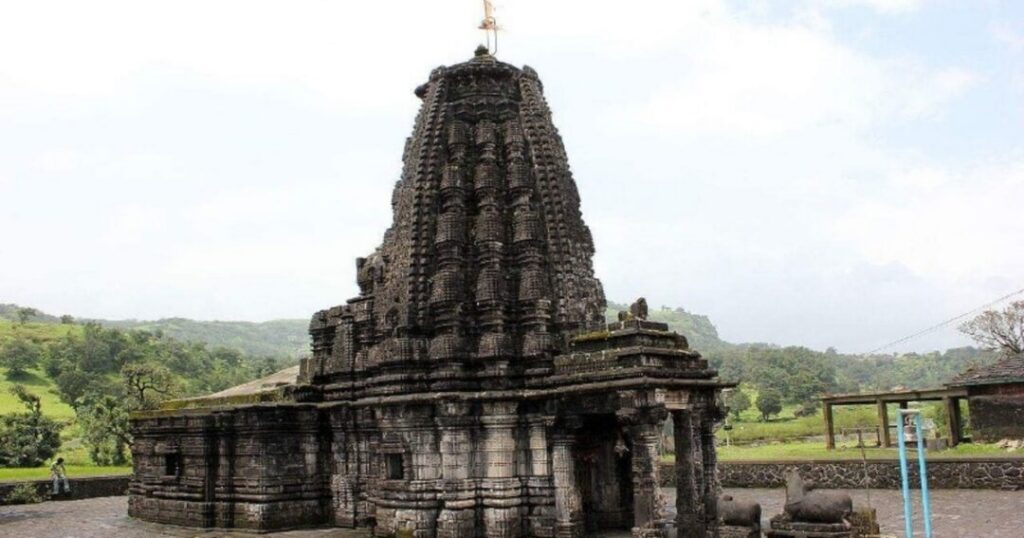
| Season | Months | Conditions |
| Monsoon | June – September | Waterfalls and streams at their fullest; lush green forest; leeches present; multiple trails including parts of Shidi Ghat are typically closed by the Forest Department from early July to September 30 due to accident risk |
| Post-monsoon | October – November | Excellent trail conditions; lush but drying landscape; no leeches by November; good wildlife visibility; trails generally reopen |
| Winter | December – February | Cool, pleasant temperatures (15–28°C); clearest conditions overall; widely considered the best window for the Shidi Ghat ladder sections |
| Summer | March – May | Hot and dry; least recommended; limited water sources on trail |
Most experienced trekkers consider October through February the most reliable window — dry trail conditions, comfortable temperatures, full trail access, and good visibility. Monsoon is visually the most dramatic season but carries genuine access restrictions and higher risk, particularly on Shidi Ghat.
How to Reach Bhimashankar?
By Air
The nearest airport is Pune International Airport, approximately 100–125 km from the Bhimashankar/Khandas area depending on the exact route, roughly 2.5–3 hours by road.
By Train
Karjat and Neral are the nearest railway stations for the Khandas trek base, both well-connected to Mumbai CST and Pune on the Central Railway line. From either station, shared transport to Khandas via Kashele takes approximately 45 minutes to an hour. Pune Junction is the nearest major station if approaching via the direct Bhimashankar road route rather than the trek base.
By Road
- From Mumbai: ~90 km via the Mumbai-Pune Expressway to Karjat, then local roads to Khandas
- From Pune: ~110–135 km via NH 60 and local roads (via Karjat, or via Manchar and Rajgurunagar)
- Bhimashankar temple itself is also reachable directly by road from Pune (around 110–125 km, 2.5–3 hours) for those who want to visit without trekking
Conclusion About Bhimashankar trek
The Bhimashankar trek rewards those who plan around the route that actually matches their group and the season — Ganesh Ghat for a manageable, scenic climb with families or first-timers, Shidi Ghat for trekkers wanting a technical challenge, when it’s officially open. Either way, you’re walking through a protected Sahyadri forest sanctuary to reach one of India’s twelve Jyotirlingas, which is a fairly rare combination for a weekend trip from Mumbai or Pune.
Download the Explurger app to plan your Bhimashankar trek itinerary, log the route you take, and see how other trekkers are tackling Ganesh Ghat and Shidi Ghat.
Check current trail access before you go, pick your route honestly based on your group’s fitness, and don’t skip Gupt Bhimashankar if you have the time.
FAQs About Bhimashankar trek
2. Is the Shidi Ghat route currently open?
It depends on the season. The Maharashtra Forest Department has, in recent years, closed accident-prone stretches of the Bhimashankar sanctuary — including parts of the Shidi Ghat route — from early July through September 30 each monsoon, following incidents involving tourists and trekkers in the region. Outside this window, the route is typically open, but it's worth confirming current status with the Forest Department or a Khandas homestay before finalising plans.
3. Can beginners attempt the Bhimashankar trek?
Yes, via the Ganesh Ghat route, provided you have a reasonably active lifestyle. If you lead a sedentary lifestyle, it's worth building up walking fitness over two to three weeks before attempting the trek. The Shidi Ghat route is not recommended for first-time trekkers due to its technical ladder sections.
4. Is a guide necessary for the Bhimashankar trek?
A guide isn't strictly mandatory for the Ganesh Ghat route, which is reasonably well-marked, but is strongly recommended for Shidi Ghat given its technical sections and the risk of losing the trail. Local guides can be arranged through homestays in Khandas.
5. What is the best time to do the Bhimashankar trek?
October through February offers the most reliable trail conditions — cool weather, no leeches, full trail access, and good visibility. Monsoon (June–September) is popular for waterfall views but brings slippery conditions and seasonal closures, particularly on the Shidi Ghat ladder sections.
6. How long does the complete Bhimashankar trek take?
A single-day Ganesh Ghat round trip typically takes 9–11 hours including rest stops and darshan time. The two-day traverse covering both Ganesh Ghat and Shidi Ghat, with an overnight stay at Bhimashankar or Khandas, is the more comfortable option when both routes are open and accessible.