
2,946 Total Views
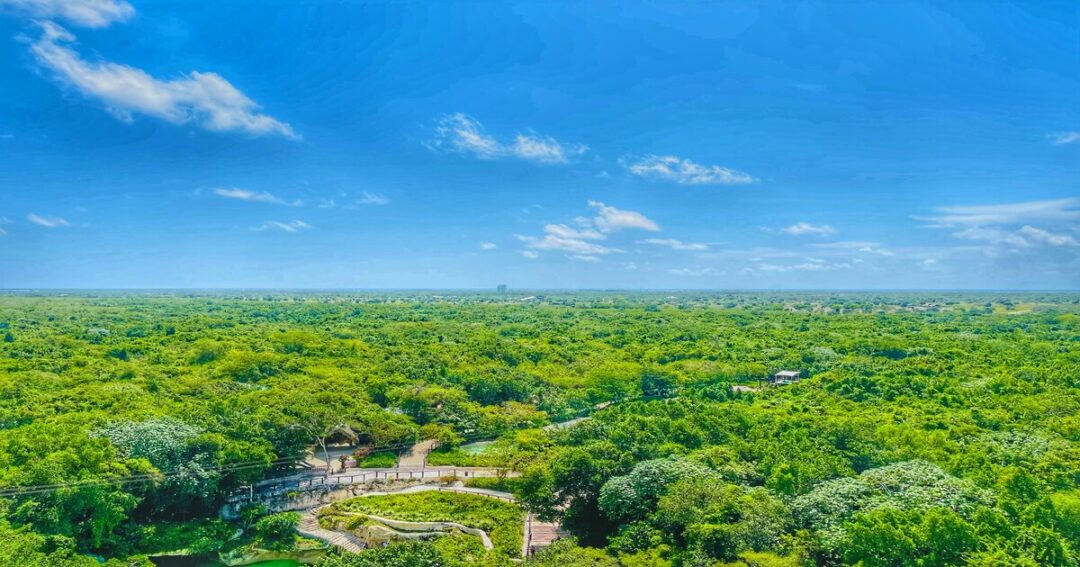
If you live in Hyderabad and are tired of the same crowded weekend spots, the Ananthagiri Hills trek is exactly what you need. Just 90 km from the city, Ananthagiri Hills sits inside one of Telangana’s oldest and densest forests, offering shaded trails, a centuries-old temple, sweeping valley views, and the rare pleasure of genuine quiet. Whether you are a first-time trekker, a birdwatcher, or simply someone who wants a full day in the woods, this place delivers.
This guide covers everything — the two trekking routes, the best season, how to get there, what to pack, and where to stay. Read it once, and you are ready to go.
Ananthagiri Hills Trek – Quick Overview
Before you lace up your shoes, here is what to expect from the trek at a glance:
Location: Vikarabad district, Telangana
Distance from Hyderabad: ~90 km
Trek Distance: 2 km to 8 km, depending on route
Altitude: ~700 m (approx. 2,300 ft)
Difficulty Level: Easy to Moderate
Duration: Half-day to full-day
Best For: Beginners, families, birdwatchers, nature lovers
Entry Fee: No fixed entry fee (as of last update)
The trek is beginner-friendly. Trails are shaded, the elevation gain is gradual, and there are no technical sections requiring special skills. That said, the terrain is unpaved and can be uneven, so proper footwear is non-negotiable.
Ananthagiri Hills Trekking Distance and Routes — Trail 1 & Trail 2
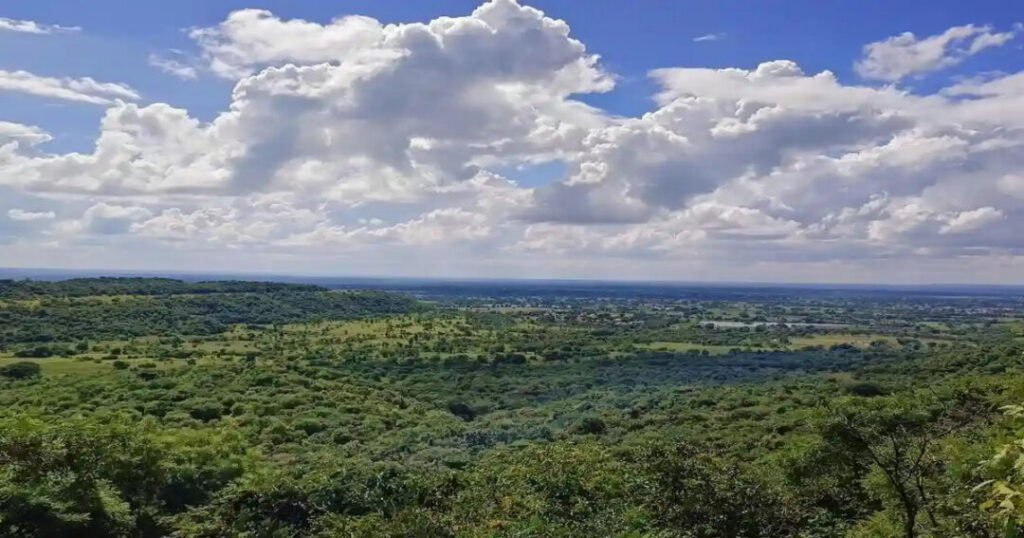
Trekking in Ananthagiri Hills is centred on two main forest trails, both starting near the Anantha Padmanabha Swamy Temple. Each offers a distinct experience.
Trail 1 — Temple Forest Trail (Beginner-Friendly)
Starting Point: Anantha Padmanabha Swamy Temple
Distance: ~4–5 km (round trip)
Difficulty: Easy
Duration: 2–3 hours
Highlights:
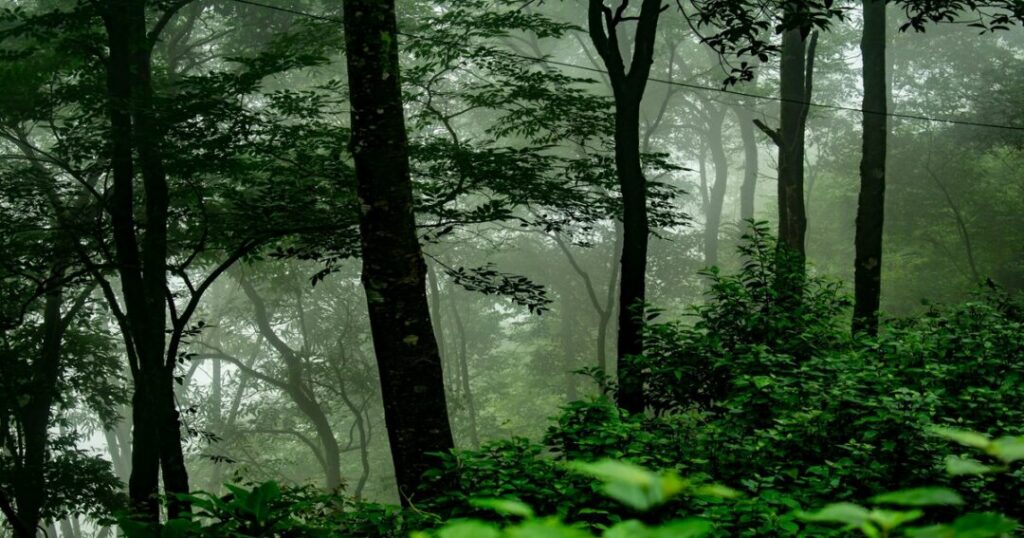
Dense teak and bamboo forest from the very first step
Gentle incline with multiple natural viewpoints
Chance to spot deer, peacocks, and woodland birds
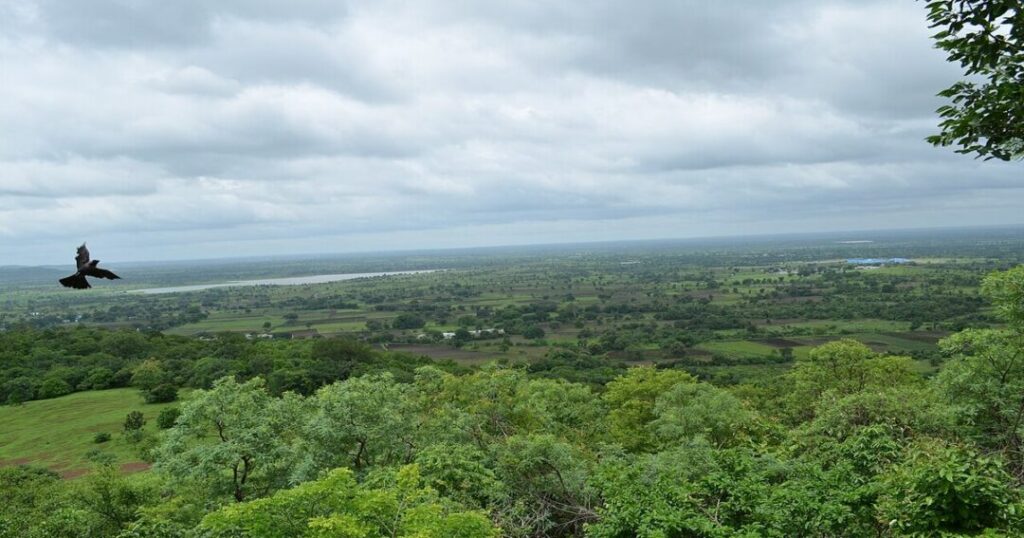
The hilltop viewpoint offers panoramic views of the Deccan plateau
This is the go-to Ananthagiri Hills trekking route for families, solo walkers, and anyone doing their first forest trek. The path is well-worn and easy to follow. Start early for the best birdwatching.
Trail 2 — Kerelli Deep Forest Trail (Intermediate)
Starting Point: 0.5 km from the temple, towards Kerelli
Distance: ~6–8 km (round trip)
Difficulty: Easy to Moderate
Duration: 3–4 hours
Highlights:
Deeper forest cover with denser canopy
A seasonal stream that flows during and after the monsoon
More wildlife sightings — langurs and migratory birds are common in winter
Less foot traffic — a more solitary, immersive experience
This trail is the better pick for trekking in Ananthagiri Hills if you want to go beyond the usual tourist circuit. Carry a local guide on your first attempt, as trail markers are sparse.
Trail 1 (Temple Trail) | Trail 2 (Kerelli Trail)
Distance: ~4–5 km | ~6–8 km
Difficulty: Easy | Easy–Moderate
Best For: Families, beginners | Experienced walkers, solo trekkers
Wildlife: Deer, peacocks, birds | Langurs, migratory birds
Trail Clarity: Clear | Sparse markers — guide advised
Also Read: 10 Himalayan Treks in Nepal That Will Completely Change How You See the Mountains
Top Attractions on the Ananthagiri Hills Trek
The trek is about more than just walking. These stops make the experience complete.
1. Anantha Padmanabha Swamy Temple
A 400-year-old Vishnu temple built during the Nizam era, legend holds that Sage Markandeya performed penance here and Lord Vishnu appeared to him as Anantha Padmanabha Swamy in a natural cave. The main shrine is built around that cave. A small Shiva temple, a pushkarini (sacred pond), and a Hanuman statue stand nearby. The temple is both a spiritual landmark and the natural starting point for both trekking trails.
2. Godamguda Viewpoint (Ananthagiri Hills Trekking Point)
This is the most popular Ananthagiri Hills trekking point for good reason. The viewpoint sits above the treeline and offers a sweeping bird’s-eye panorama of the green valleys and forested slopes. Sunrise and sunset visits are exceptional — the valley floor turns golden and mist clings to the treetops.
3. Coffee Plantations
Ananthagiri Hills is one of the oldest coffee-growing areas in the region, with plantations dating to the Nizam era. Walking through the rows of coffee plants, with the earthy fragrance and cool shade overhead, is one of those small joys that trekkers consistently remember long after the trip.
4. Nagasamudram Lake (Kotpally Reservoir)
Located about 17 km from the temple, this reservoir is a calm, beautiful detour after the trek. The clear water is popular for a relaxed lakeside picnic. Some visitors swim here; check local conditions before entering. Kayaking and boating are available at the nearby Kotipally area from around ₹150 per person.
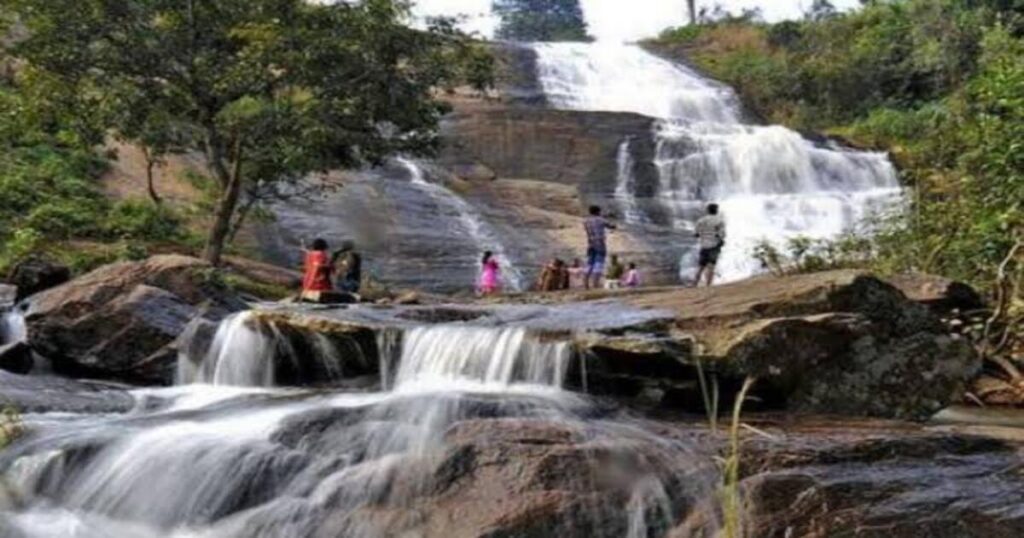
5. Ananthagiri Waterfalls
A short 2 km hike from the main trail leads to a waterfall that drops from approximately 50 ft. The falls are at their best between September and October. The trail to the falls is rated moderate — wet rocks near the base require care. The setting, surrounded by dense green canopy, is ideal for photography.
Also Read: Things to Do in Hyderabad: Adventure, Culture, and Unique Experiences You Shouldn’t Miss
Trekking in Ananthagiri Hills — What to Carry?
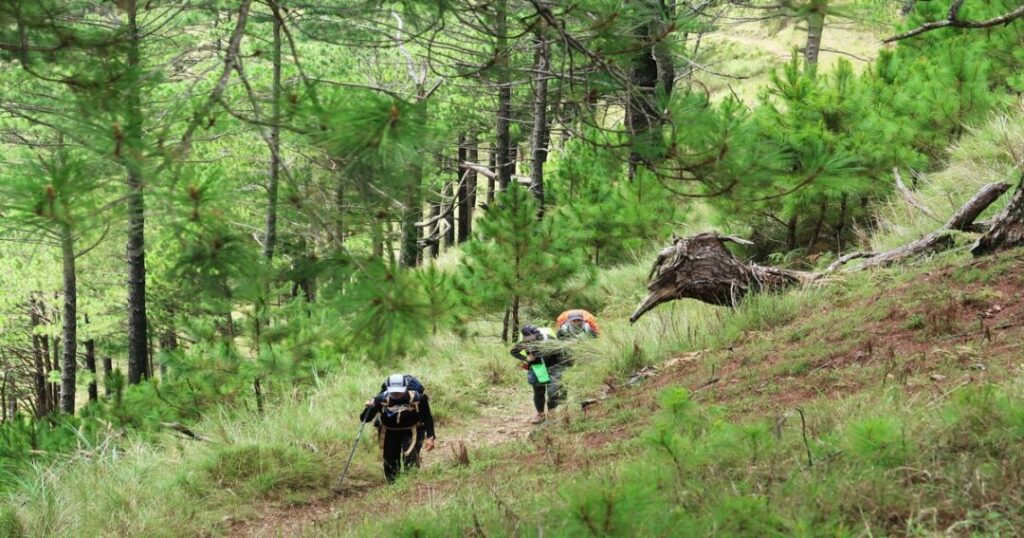
Pack light but pack smart. Here is the essential checklist for trekking in Ananthagiri Hills:
Footwear & Clothing
Sturdy trekking shoes or trail runners (mandatory — trails are rocky and unpaved)
Moisture-wicking t-shirt and light trousers or track pants
Light jacket or windcheater for winter morning starts
Earthy or neutral colours are recommended near wildlife
Hydration & Food
Minimum 2 litres of water per person — there are no shops or water sources inside the forest
High-energy snacks: nuts, energy bars, bananas, biscuits
Packed lunch if planning a full-day trek — no restaurants on the hills
Safety & Gear
Insect repellent (mosquitoes and ticks are active year-round; leeches in monsoon)
Salt packets (effective against leeches on monsoon treks)
Basic first-aid kit: bandages, antiseptic wipes, pain relief
Fully charged phone with offline maps downloaded
Torch or headlamp for early starts
Carry back all waste — no littering in the forest
Optional
Binoculars for birdwatching
Trekking poles for monsoon slippery trails
Camera or tripod for sunrise/sunset photography at the viewpoint
Camping & Accommodation Near Ananthagiri Hills
You do not have to rush back to Hyderabad. Staying overnight transforms the trip completely.
Deccan Trails (Camping)
The most well-known camping site near Ananthagiri Hills. They organise overnight stays with tents, campfire evenings, and guided trek packages. Ideal for groups and college trips. Advance booking is essential on weekends.
Hills & Valley Adventure Resort
Located about 2 km from Godamguda Railway Station, this resort offers cottages, a pool, zip-lining, and dirt karts. Good for families wanting comfort alongside adventure.
Guesthouses in Vikarabad Town
Vikarabad town (~6 km from the hills) has budget guesthouses and small hotels for those who prefer a proper bed. Book in advance on long weekends.
Pro tip: Staying overnight lets you catch the sunrise from Godamguda Viewpoint — widely regarded as one of the best sunrise spots near Hyderabad.
Ananthagiri Hills Trekking Tips for First-Timers
A few simple things that make a big difference:
Start by 7 AM. Morning trails are cooler, less crowded, and alive with bird calls. The forest light between 7 and 9 AM is spectacular.
Return by 4 PM. Trail visibility reduces fast after sunset. There is no artificial lighting inside the forest.
Hire a local guide for Trail 2. The Kerelli trail has limited markers. A guide from Vikarabad costs around ₹200–₹400 and makes the experience richer and safer.
Do not feed or provoke wildlife. Deer and langurs are common. Keep your distance and observe quietly.
No plastic inside the forest. Use reusable bottles and pack your waste out.
Trek in groups of at least two if you are a first-timer — solo trekking deep into Trail 2 without a guide is not recommended.
Monsoon trekkers: Leech socks or tucking your socks over your trousers prevents most leech bites. Check footwear after every 20 minutes on the trail.
Also Read: Hyderabad Street Food: 15 Must-Try Dishes for Every Food Lover
Conclusion about Ananthagiri Hills Trek
The Ananthagiri Hills trek is one of the most underrated outdoor experiences in Telangana. Within 90 minutes of Hyderabad, you are walking through a century-old forest, standing at a 400-year-old Vishnu temple, watching peacocks cross the trail, and breathing air that no city can offer.
Here is what to remember before you go:
Choose Trail 1 for a relaxed, beginner-friendly experience; Trail 2 for a deeper forest adventure
Visit between October and February for the best trekking conditions
Start by 7 AM, return by 4 PM
Carry 2 litres of water and a packed meal — there are no shops inside the forest
Consider staying overnight at Deccan Trails to catch the sunrise from Godamguda Viewpoint
Track your trek, log your trails, and share your Ananthagiri adventure — download the Explurger app before you head out.
Ready to escape the city? Pack your shoes, pick your trail, and let Ananthagiri Hills remind you what a real weekend feels like.
FAQs about Ananthagiri Hills Trek
2. How long does the Ananthagiri Hills trek take?
Trail 1 (Temple Trail) covers approximately 4–5 km round trip and takes 2–3 hours at a comfortable pace. Trail 2 (Kerelli Trail) covers 6–8 km round trip and takes 3–4 hours. If you plan to visit Godamguda Viewpoint, the waterfall, and the coffee plantations as well, factor in a full day of 6–8 hours. Most day-trippers from Hyderabad leave by 6 AM and return by 6–7 PM comfortably.
3. Is Ananthagiri Hills trek safe for solo trekkers?
Trail 1 is safe for solo trekkers as it is well-defined and sees regular footfall. For Trail 2 (Kerelli Trail), solo trekking without a local guide is not recommended on your first visit as the trail markers are sparse and the forest is dense. Hiring a local guide for ₹200–₹400 is the safer and more enriching option. Carry a fully charged phone with offline maps, inform someone of your itinerary, and always return by 4 PM before light fades.
4. What is the best time to do the Ananthagiri Hills trek?
October to February is the best period for trekking in ananthagiri hills. The weather is cool and pleasant, skies are clear, and the trails are dry. Post-monsoon (August–October) is excellent if you want lush green scenery and active waterfalls, though trails can be slippery. Avoid deep summer afternoons (April–June). Winter mornings offer the best birdwatching, as migratory species from Central Asia are present in the forest from November onwards.
5. Is there an entry fee for the Ananthagiri Hills trek?
There is no fixed government entry fee for accessing the Ananthagiri Hills trek trails as of the last update. If you hire a local guide or join an organised trek through an operator like Deccan Trails or GoXp, a nominal fee will be charged for the service. Camping packages typically range from ₹600–₹1,200 per person depending on the operator and inclusions. Always confirm current rates directly with the operator before booking.
6. What wildlife can you spot on the Ananthagiri Hills trek?
Ananthagiri Hills supports a healthy mix of wildlife within its dense teak and bamboo forests. Common sightings on the trek include spotted deer, Indian peacocks, langurs, and various woodland bird species including woodpeckers and kingfishers. During winter months, the forest edge attracts migratory birds from Central Asia, making it a rewarding destination for birdwatchers. Maintain silence on the trail and avoid bright or synthetic colours to maximise wildlife sightings.