
967 Total Views
You’ve done the café weekends. You’ve scrolled through the same “Top 10 Bangalore day trips” lists. But what you’re really looking for is something raw, a little wild, and genuinely unforgettable. The Anthargange trek delivers exactly that — volcanic rock formations, a labyrinth of ancient caves, and a night sky so clear it feels personal. Whether you’re a seasoned trekker or a first-timer stepping into the wild, this guide covers everything you need to plan a perfect adventure.
Anthargange Trek Routes & Caves: What Every Adventure Traveller Must Know?
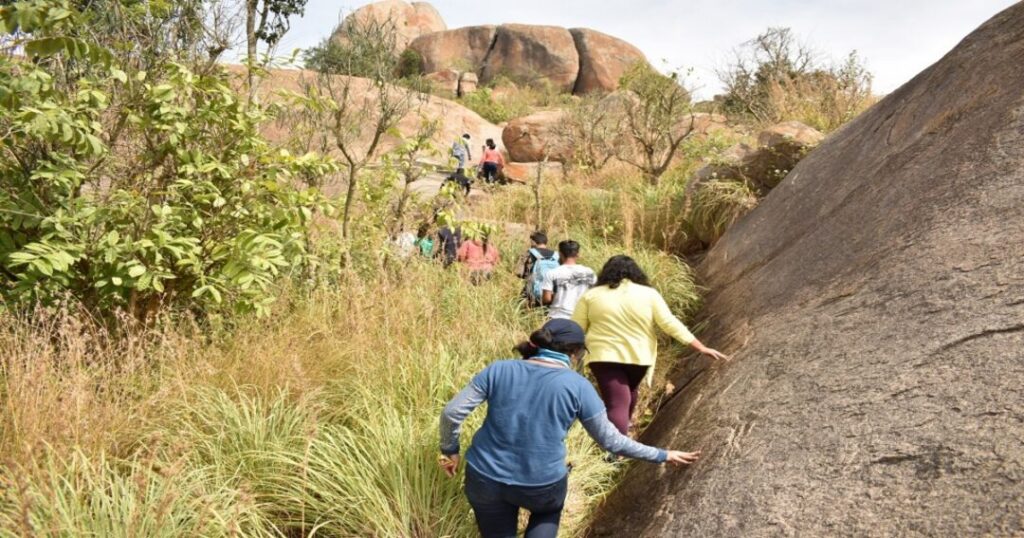
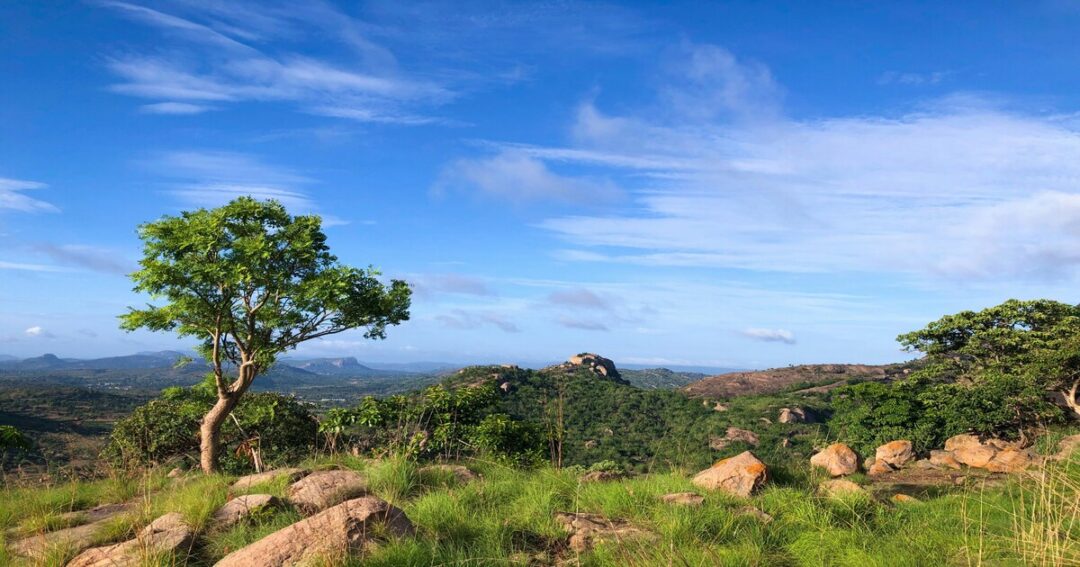
The Anthargange trek isn’t just a walk up a hill — it’s a full sensory experience carved out of ancient volcanic geology. The hill sits at an elevation of around 1,712 metres and is dotted with naturally formed caves, some barely shoulder-width wide, others opening into cathedral-like chambers. What makes this trek genuinely special for global travellers is the rare combination of physical challenge, geological wonder, and living temple tradition — all within a single trail.
The caves here are believed to have formed through volcanic activity thousands of years ago. Some go deep enough to require crawling on all fours, while others offer dramatic through-passages with natural light filtering in. Trekkers who enjoy exploration over just summit-bagging will find the cave network endlessly rewarding.
Key routes and cave highlights:
1. Main Temple Trail — Begins at Anthargange temple; winds through boulders to the summit. Moderate difficulty, ~3 km one way.
2. Cave Crawl Route — A network of caves mid-trail involving narrow passages and natural rock tunnels. Best done with a local guide.
3. Summit Ridge Walk — A short exposed ridge after the caves leading to 360° panoramic views of the Kolar plateau.
4. Seasonal Waterfall Trail — Active during and just after monsoon; leads to a small natural spring near the base.
Also Read: Places to Visit in Mysore: The Complete Guide to Mysore, Karnataka’s Best Experiences
Anthargange Night Trek Experience: Tips for a Safe & Thrilling Adventure
The Anthargange night trek is what puts this destination on every serious trekker’s Karnataka bucket list. Starting after sunset, the trail takes on a completely different character — rocky silhouettes loom larger, stars emerge in full force, and the cave passages feel genuinely mysterious. Groups typically start around 9–10 PM, reach the summit by midnight, rest under the open sky, and descend after the sunrise.
For global travellers used to organised trekking circuits, Anthargange offers something refreshingly unscripted. No cable car, no souvenir stall halfway up, no guardrails at the top — just you, your headlamp, and the mountain. A little preparation, though, goes a long way. [INTERNAL LINK: night trekking safety tips India → beginner night trek guide]
Night trek tips:
1. Carry a headlamp, not just a phone torch — hands-free lighting is essential on rocky terrain
2. Start no later than 10 PM to reach the summit with enough time to rest before sunrise
3. Wear closed-toe shoes with grip — volcanic rocks are uneven and dewy at night
4. Go with a guide for the caves — cave passages are disorienting in the dark without local knowledge
5. Pack layers — summit temperatures drop significantly post-midnight, even in October
6. Inform someone of your itinerary — standard safety protocol for any overnight trek
7. Avoid monsoon nights — wet rocks and poor visibility make it genuinely dangerous
Anthargange Sunrise Trek: Best Spots & Timings for Golden Hour Views
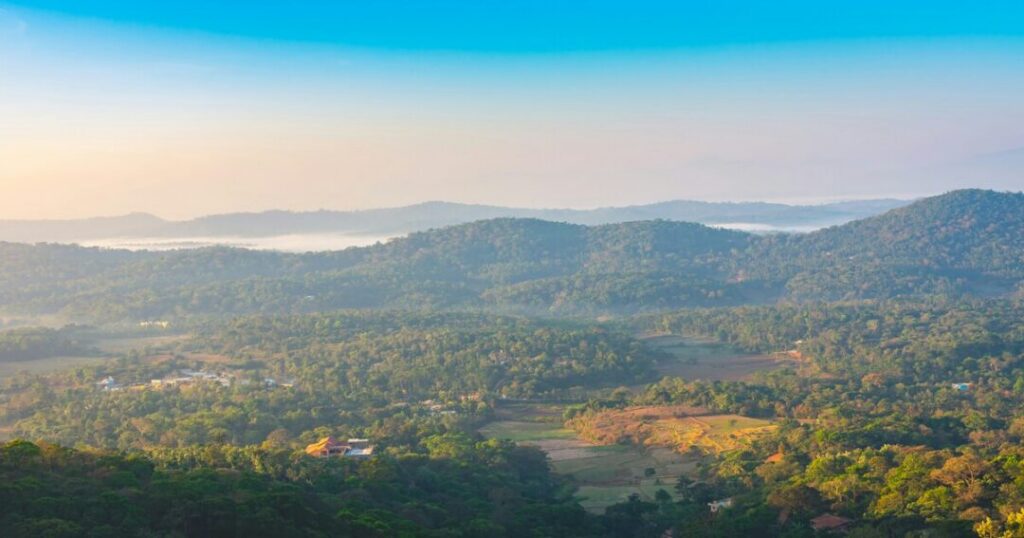
If the night trek is the body of the Anthargange experience, the sunrise is its soul. Watching the first light wash over the Kolar plateau from the volcanic summit is one of those quiet, cinematic moments that stays with you long after you’ve returned to city life. The horizon opens up in every direction — farmlands, distant hills, and on exceptionally clear mornings, a faint outline of Bangalore’s skyline to the west.
The Anthargange sunrise trek is also a great standalone option for those who prefer not to do the full overnight trail. Starting from the base around 4:30–5 AM, trekkers can reach the summit comfortably before first light, giving ample time to find a good perch before the sky turns orange.
Best sunrise spots and timings:
1. Summit Boulder Flat — The widest open viewpoint; ideal for groups; unobstructed 180° eastern view
2. Cave Mouth Overlook — A narrow ledge just above the main cave exit; dramatic framing for photos
3. Ridge End Point — Best for solitude; slightly longer walk from the summit, but worth it
4. Optimal arrival time: 5:30–5:45 AM (Oct–Feb); 5:00–5:15 AM (Mar–May)
5. Golden hour duration: Approximately 25–35 minutes of peak light before the sun clears the ridge
Also Read: Places to Visit in Karnataka: 20 Best Karnataka Tourist Spots for Every Kind of Traveller
Anthargange Camping: Top Spots and What to Carry Overnight?
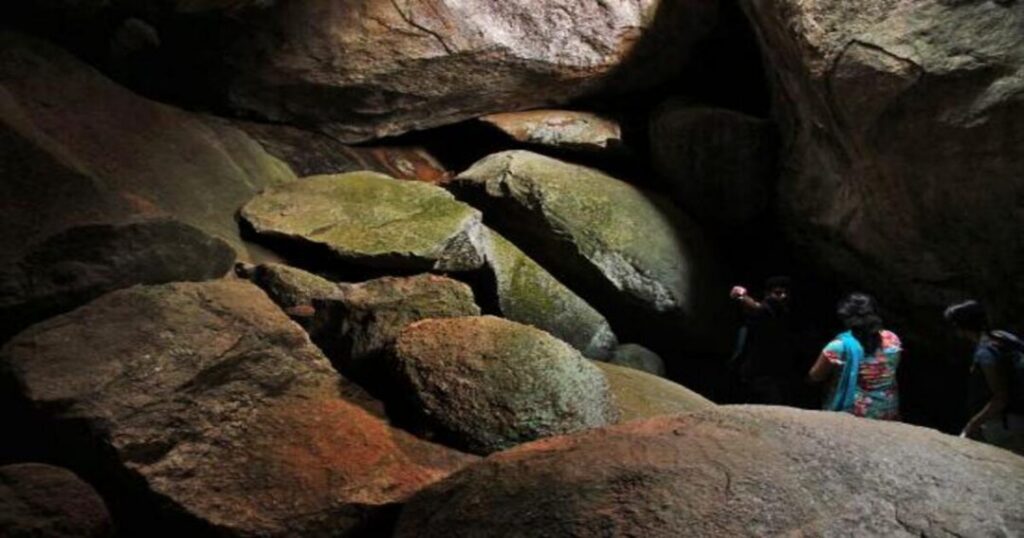
Camping at Anthargange hits different. There are no designated campgrounds with numbered plots and shared bathrooms — it’s open-sky sleeping on volcanic rock, with the wind for company and the Milky Way overhead on clear nights. Most trekkers camp just below the summit ridge or in the flatter boulder fields mid-trail, where the ground is slightly more forgiving underfoot.
The Anthargange camping experience is best suited to trekkers who carry their own gear or book through an operator who provides tents and sleeping equipment. Facilities are minimal by design, and that’s precisely the point.
What to carry for overnight camping:
1. Sleeping bag rated to 10°C or lower — nights get cold, especially November through January
2. Lightweight tent or tarp — rock surfaces need tent pegs with wide anchors; stakes don’t penetrate
3. 2+ litres of water per person — no water source at the summit; refill at the base temple
4. Dry snacks and ready-to-eat meals — no food stalls above the base; carry energy bars, nuts, fruit
5. First aid kit — antiseptic, bandages, and blister pads are the basics
6. Trash bag — carry out everything you bring in; leave no trace
Anthargange Trek Booking: How to Plan & What to Expect?
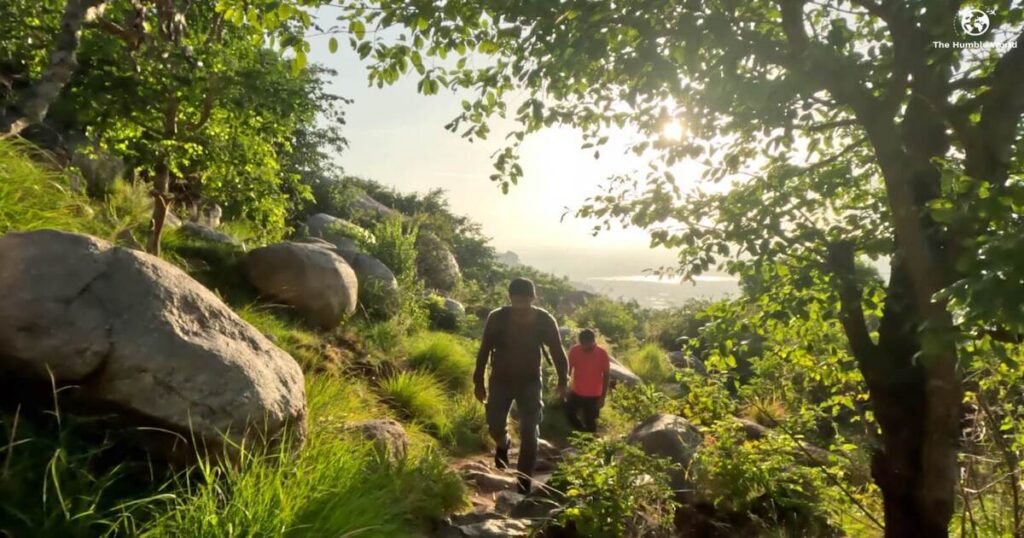
Booking the Anthargange trek is straightforward, and you have two clear options — go independently or book through an organised trekking group. Independent trekkers simply drive or bus to the Anthargange temple base and begin the trail. No permits are needed for day treks, though night treks may require prior coordination with local authorities depending on the season.
Organised trek operators offer packages that typically include transport from Bangalore, a guide, basic camping equipment, and sometimes breakfast. Costs generally range from ₹600 to ₹1,500 per person depending on the operator and inclusions.
Booking tips:
1. Book at least 3–5 days in advance for weekend slots — they fill fast, especially Oct–Jan
2. Verify if the operator provides headlamps, tents, and sleeping bags or if you bring your own
3. Check cancellation policy — rain can make the night trek unsafe and good operators allow rescheduling
4. For solo travellers, joining a group package is safer and more social than going alone
5. Confirm pickup point in Bangalore — most operators depart from Majestic or Koramangala
What is the Best Time to Visit Anthargange?
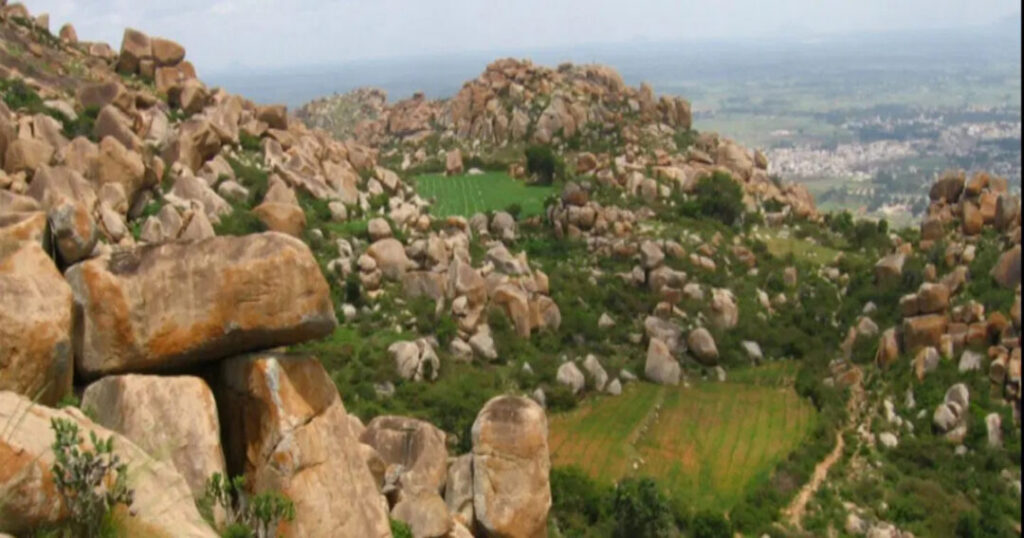
Anthargange is a year-round destination, but the experience varies significantly by season. Choosing the right window makes the difference between a memorable adventure and a slippery, uncomfortable one. The sweet spot for the anthargange trek is the cooler, drier months when trails are firm and skies are clear enough for both star-gazing and sunrise views.
Also Read: Kudremukh Trek: Everything You Need to Know Before Conquering Karnataka’s Iconic Peak
Here’s a season-by-season breakdown to help you plan:
1. October to February — Best season overall; cool nights (8–15°C at summit), clear skies, ideal for night trek and camping
2. March to May — Manageable for early morning starts; warmer days but pleasant at altitude before 9 AM
3. June to September — Monsoon season; trails become slippery, caves flood partially; recommended only for experienced trekkers with proper gear
4. Festival season tip — Avoid major public holidays when the base temple draws large crowds and parking becomes chaotic
How to Reach Anthargange?
Anthargange is located near Kolar, approximately 68 km from Bangalore, making it one of the most accessible overnight treks from the city. The drive takes around 1.5 hours via NH 75, and the trek base begins right at the Anthargange temple — easy to locate and well-signposted from the main highway.
Whether you’re travelling independently or joining an organised group, getting here is simple across all transport modes:
1. By Road — Take NH 75 from Bangalore towards Kolar; the Anthargange temple base is clearly marked. Cab or self-drive recommended for night trek departures. Parking available at the base.
2. By Bus — KSRTC buses run regularly from Majestic Bus Stand to Kolar (approx. 2 hours). From Kolar bus stand, take an auto (~₹150–200) to the Anthargange temple base, around 8 km away.
3. By Train — Kolar Railway Station is the nearest railhead, approximately 8 km from the trek base. Multiple daily trains run from KSR Bangalore City Station; journey time ~1.5 hours.
4. Nearest Airport — Kempegowda International Airport (Bangalore) is approximately 90 km away; a cab to the trek base takes around 2 hours.
Conclusion About Anthargange Trek
The Anthargange trek is one of those rare experiences that rewards you differently each time — as a night trekker squeezing through ancient caves by torchlight, as a sunrise chaser perched on a volcanic boulder, or as a camper counting stars above the Kolar plateau. It’s accessible, affordable, and genuinely wild in a way that few destinations within reach of a major city can claim.
If you’re planning your next weekend escape, this is the one worth putting on the calendar. Pack your headlamp, lace up your shoes, and let the mountain do the rest.
Download the Explurger app to log your Anthargange trek, discover hidden trails nearby, and connect with fellow travellers who’ve been there.
Whether it’s your first trek or your fiftieth, the Anthargange trek always has something new to offer — and that’s what keeps people coming back.
FAQs About Anthargange Trek
2. Is the Anthargange night trek safe?
Yes, the Anthargange night trek is safe when done with basic precautions. Carry a headlamp, wear sturdy closed-toe shoes with grip, go with a guide for the cave sections, and avoid the trail during or immediately after heavy rain. The rocky volcanic terrain can be uneven and dewy at night, so sure-footed footwear is non-negotiable. Informing someone of your itinerary and starting before 10 PM are standard safety steps followed by most experienced groups on this trail.
3. How long does the Anthargange trek take?
A one-way ascent of the Anthargange trek takes approximately 1.5 to 2 hours depending on your pace and how much time you spend in the caves. A full round trip — including cave exploration, summit time, and descent — typically takes 4 to 5 hours. For the night trek with camping and sunrise, most groups spend 8 to 10 hours total from base to base, starting around 9–10 PM and descending by 7–8 AM the following morning.
4. What should I wear for the Anthargange trek?
Wear comfortable, moisture-wicking clothes with full-length trousers for the Anthargange trek — the caves and boulder sections can scrape bare skin. Closed-toe trekking shoes or trail runners with good grip are essential; avoid sandals or flat sneakers on the volcanic rock. For the night trek and camping, carry an extra layer or light jacket as summit temperatures drop significantly after midnight, particularly between October and February when the mercury can dip to 8–10°C.
5. Can beginners do the Anthargange caves trek?
Absolutely. The Anthargange caves trek is one of the most beginner-friendly cave trail experiences in Karnataka. The main cave passages are accessible without any climbing gear or technical skill — just a willingness to crawl and squeeze through narrow sections. Beginners are strongly recommended to hire a local guide who knows the cave network well, especially for the night version. A guide not only ensures safety but also points out cave features and hidden passages that most first-timers would miss on their own.