

365 Total Views
There is a saying about Belgium food that every food lover eventually discovers: the French may have the reputation, but the Belgians have the meals. Belgian cuisine is the great underrated tradition of European cooking — a food culture shaped by centuries of Burgundian abundance, the culinary crossroads between French finesse and Germanic heartiness, and the specific genius of a small country that has produced some of the world’s finest chocolate, the most extraordinary variety of beer, and the original fried potato.
Belgium cuisine is characterised by generous portions, quality ingredients, and an unflinching commitment to things cooked properly — the beef stew slow-braised in dark beer for hours, the mussels steamed in white wine and served immediately in the pot they cooked in, the fries double-fried in beef tallow until the outside shatters and the inside remains soft. Outside Belgium, the country is best known for chocolate, waffles, fries, and beer. Inside Belgium, the range goes much further than that. This guide covers the most famous Belgian dishes — both the classics and the ones most visitors never discover.
Top 10 Famous Belgian Dishes in 2026
1. Moules-Frites — Belgium’s National Dish
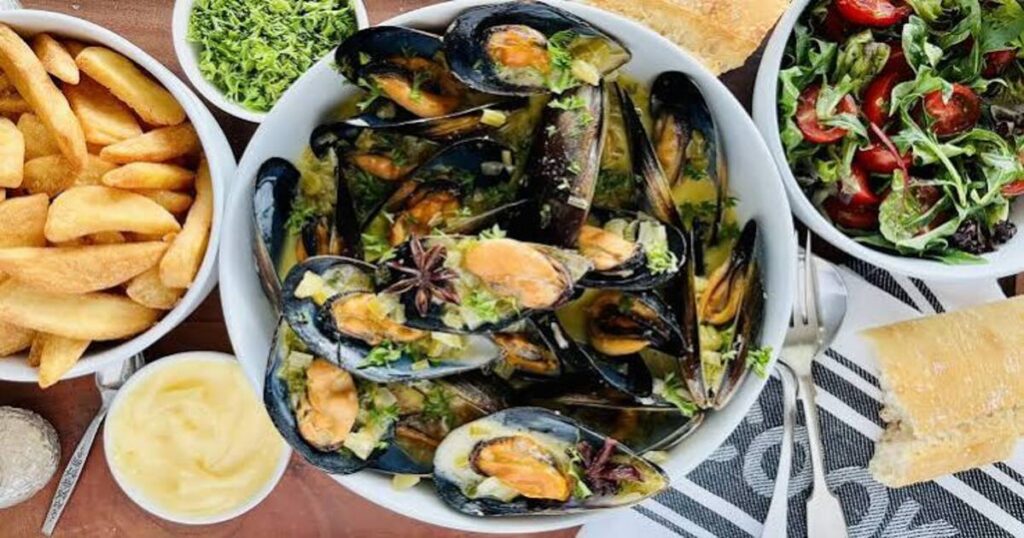
Moules-frites (mussels with fries) is the definitive Belgium famous food — a combination so central to Belgian culinary identity that it has been called the country’s national dish alongside Carbonade Flamande. Fresh mussels are steamed in a broth of white wine, celery, onion, butter, and fresh herbs and served still in the steel or cast-iron pot in which they were cooked, accompanied by a generous portion of Belgian frites and a pot of mayonnaise.
The variations are extensive: moules marinière (classic white wine), moules à la crème (cream and butter), moules au curry (mild curry sauce — surprisingly traditional), moules à la bière (Belgian wheat beer instead of wine). Every brasserie has its own recipe, treated like a family secret. The mussel season traditionally runs from July to February — purists follow the old rule of eating mussels only in months containing the letter R, though industrial production has made them available year-round.
Belgian mussels are almost always sourced from Zeeland (the Dutch region bordering Belgium) — the specific cold, tidal waters produce a plump, briny mussel that is among the finest in Europe.
Where to eat it: Any Belgian brasserie — from the simplest neighbourhood Gastenhof to the most elegant Brussels restaurant. The frites alongside are never an afterthought — they must be double-fried, crispy outside, soft inside.
Also Read: Festivals in Belgium: From Tomorrowland to Brussels’ Most Spectacular Celebrations
2. Carbonade Flamande / Stoofvlees — Beer Stew from Flanders
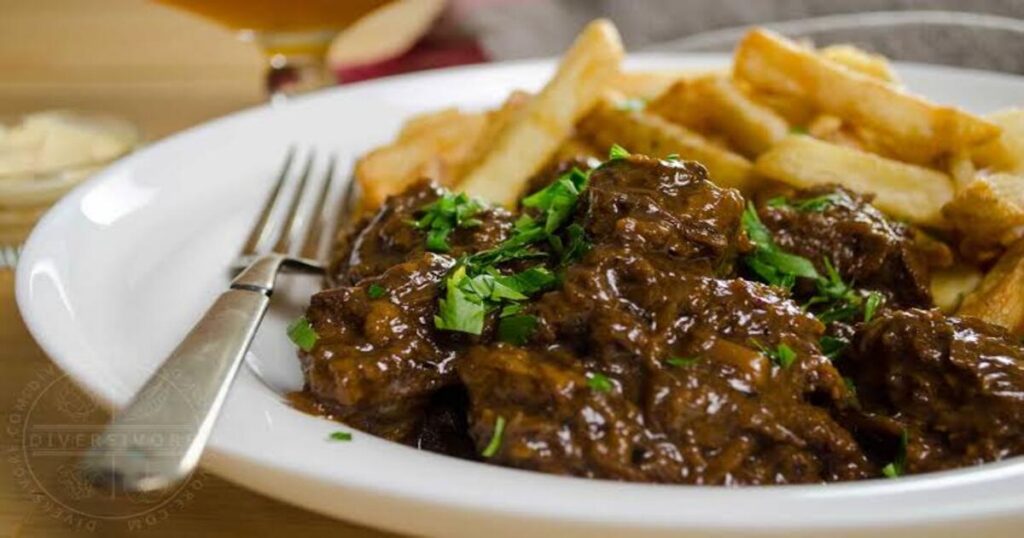
Carbonade Flamande (in French) or Stoofvlees (in Flemish Dutch) is Belgium’s most deeply satisfying Belgian dish — a slow-braised beef stew made not with red wine, as the French would, but with dark Belgian beer. The beef is cooked for several hours with onions, thyme, bay leaves, and a slice of bread spread with mustard (which dissolves into the sauce during cooking, thickening and enriching it). The result is a dark, deeply caramelised sauce with a complex sweet-sour note from the beer, the mustard, and occasionally a touch of brown sugar.
The dish is a national dish alongside moules-frites and is the definitive expression of the Flemish talent for combining sweet and savoury flavours. The beer used matters significantly — a dark dubbel or bruin ale gives a rich, malty depth; a lambic or gueuze gives a pleasantly sour note. Served with frites or bread for sauce-soaking.
Flemish note: In Bruges, it is traditional to make stoofvlees with lambic — a spontaneously fermented sour beer that gives the stew a pleasantly acidic complexity distinct from the Ghent or Antwerp versions.
3. Belgian Frites — The Original Fried Potato
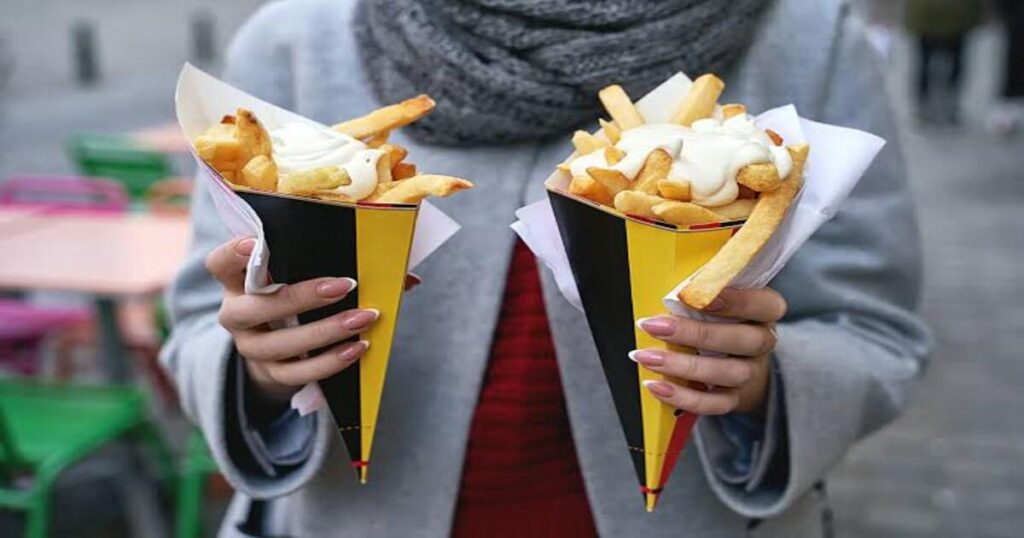
Belgian frites are not French fries. The distinction is specific and important: Belgian frites are made from thickly cut potatoes, fried twice — once at a lower temperature to cook the interior, cooled, then fried again at a higher temperature to create the shattering crispy exterior. Traditionally fried in beef tallow (though vegetable oil is now common), they are served in a paper cone with mayonnaise — not ketchup — as the default sauce.
The first mention of fried potatoes in Belgium dates to 1781, describing how people near the river Meuse had been frying potatoes since around 1680. The legend that American soldiers during World War I called them “French fries” because the Belgian soldiers who shared them spoke French is widely cited, though historians dispute the details.
The friterie (frietkot or frituur in Flemish) — the Belgian fry stand — is a genuine cultural institution. Most offer a dozen or more sauce options beyond mayonnaise: sauce andalouse (tomato and peppers), sauce américaine, sauce tartare, aïoli, and many more. The mitraillette — fries served inside a baguette sandwich with meat and sauce — is the classic Belgian street food experience.
4. Waterzooi — The Stew of Ghent
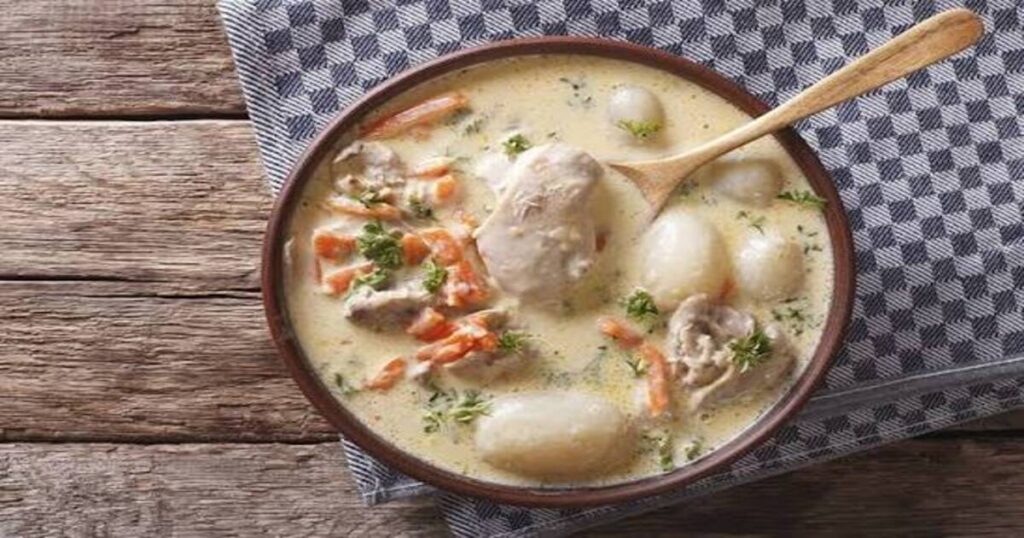
Waterzooi is one of the most distinctively Flemish of all Belgium dishes — a rich stew-soup originating in Ghent, originally made with freshwater fish from the rivers of the Ghent region and later adapted to chicken (kippenwaterzooi) when the rivers became too polluted to support the original fish population. The dish is built on a delicate broth thickened with egg yolks and cream, with slow-cooked vegetables — leeks, carrots, celery, potatoes — and either tender chicken pieces or fish; the result is simultaneously soup and stew, simultaneously light and rich.
Waterzooi has been a fixture of Ghent’s food culture since the Middle Ages. The chicken version is more widely available; the fish version (visrwaterzooi) is the more historically authentic. Served with thick, crusty bread for broth-soaking.
Also Read: Austrian Food: The Complete Guide to Famous Austrian Dishes & Cuisine
5. Chicons au Gratin — Belgian Endive, Belgium’s Own Vegetable
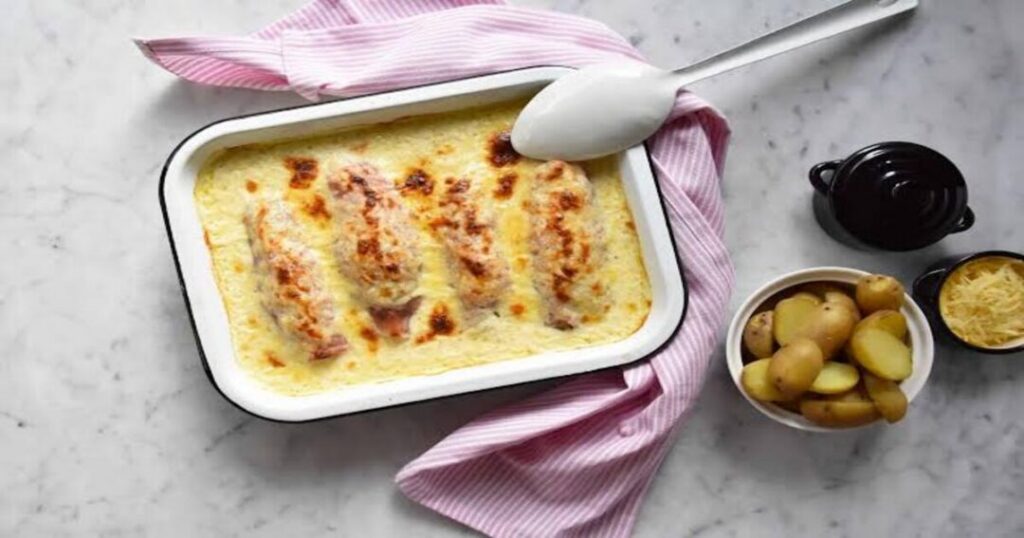
Chicons au gratin (French) or Gegratineerd witloof (Flemish) is one of Belgium’s most beloved comfort dishes and the showcase for chicon (Belgian endive or witloof) — a vegetable that Belgium can legitimately claim as its own. Belgian endive (Cichorium intybus) was developed as a commercial product in Belgium in the 19th century; the specific forced-growing technique that produces the pale, tightly-packed, slightly bitter head was an accidental Belgian discovery. Today Belgium produces the vast majority of the world’s chicory/endive.
The dish: endives are blanched to reduce bitterness, wrapped in a thin slice of ham, placed in a baking dish, covered with a rich béchamel sauce and grated cheese, and baked until golden and bubbling. The result is simultaneously bitter (the endive), salty (the ham), and rich (the béchamel) — one of the finest combinations in Belgian home cooking.
6. Stoemp — Brussels’ Mashed Potato Masterpiece
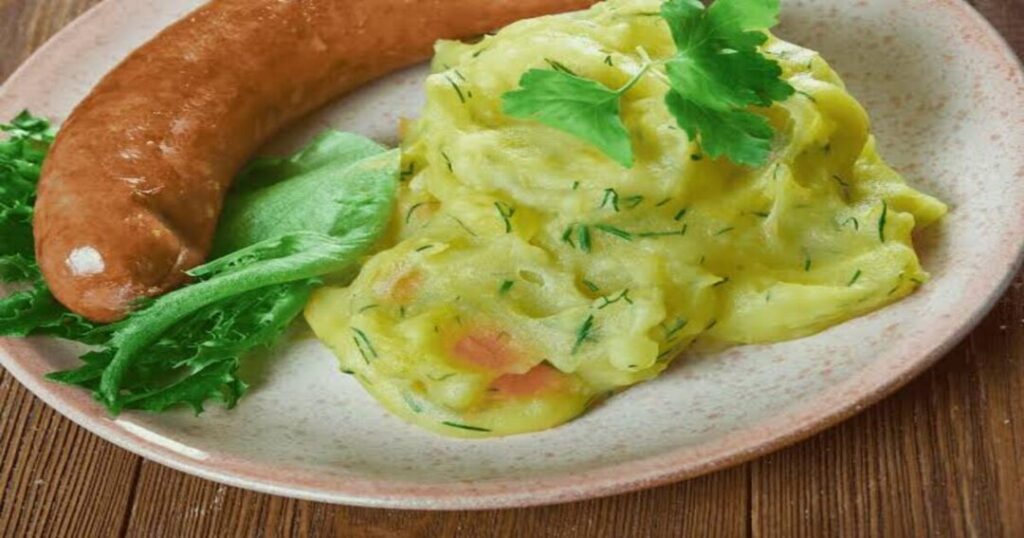
Stoemp is the defining comfort food of Brussels — a mashed potato preparation in which the potatoes are combined with one or more cooked vegetables (carrots, Brussels sprouts, leeks, spinach, or seasonal greens), mashed together with generous amounts of butter and cream. Served alongside boudin (blood sausage), merguez (spiced sausage), bacon, or fried egg — whatever the kitchen offers.
Stoemp is not fancy. It is Brussels home cooking at its most direct — the kind of food that appears on kitchen tables on cold evenings and fuels market workers and office workers alike. Its genius is in the simplicity: the specific combination of potato and vegetable and butter, the temperature, the sauce from the sausage soaking into the mash.
7. Filet Américain — Belgian Steak Tartare
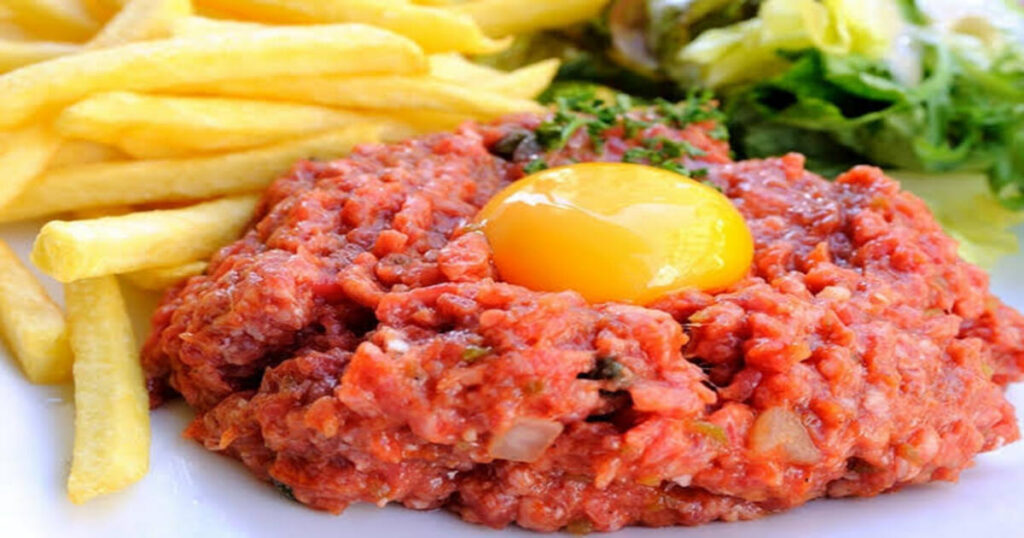
Filet Américain is the Belgian version of steak tartare — finely minced or ground raw beef seasoned with mustard, capers, pickles, onion, egg yolk, and Worcestershire sauce, served spread on bread (filet américain préparé) with frites alongside. The Belgian version differs from the French by being served directly on bread rather than as a formed tartare on a plate, and the seasoning tends to be bolder and more mustardy.
It is found in almost every Belgian brasserie and is one of the most widely consumed Belgian dishes in the country — eaten for lunch, as a starter, or late at night. The quality is judged by the freshness of the beef and the balance of the seasoning.
8. Grey Shrimp Croquettes (Croquettes aux Crevettes Grises)
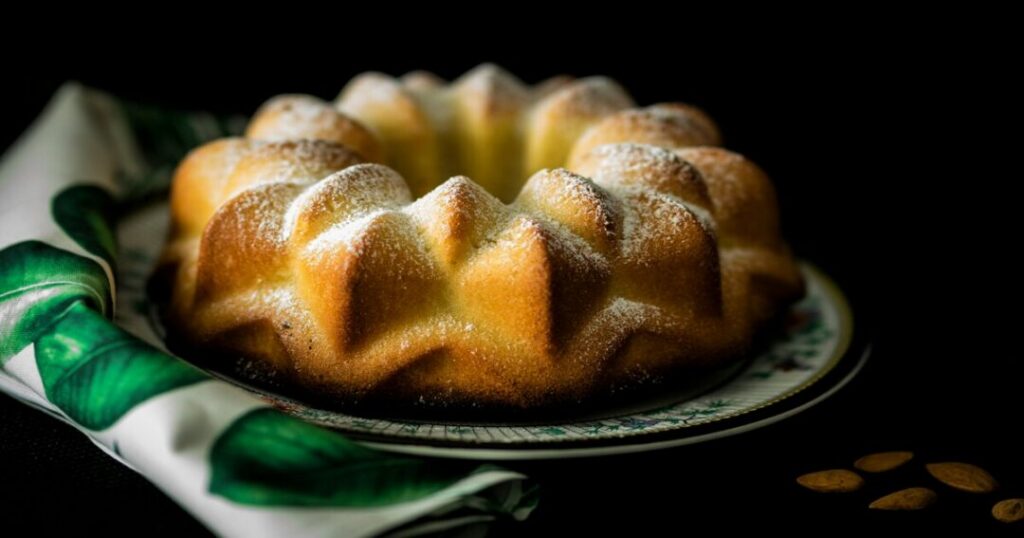
Grey shrimp croquettes (croquettes aux crevettes grises / grijze garnaalkroketten) are among the finest things Belgium has produced in culinary history — a crispy, deep-fried croquette with a filling of grijze garnalen (grey North Sea shrimps — tiny, intensely flavoured, very different from the large pink prawns of other cuisines) in a thick, creamy béchamel. The exterior shatters; the interior is impossibly rich and sweet from the shrimp and cream. Served with lemon and parsley.
The grey shrimp (Crangon crangon) is fished from the North Sea off the Belgian and Dutch coast and is one of the defining ingredients of Belgian coastal cooking. In Belgium, they are also served cold on toast with mayonnaise (garnaalcocktail) or as a salad filling. The croquette form, however, is the pinnacle — one of the most technically and gastronomically satisfying preparations in Belgium cuisine.
9. Paling in ‘t Groen — Eel in Green Herb Sauce
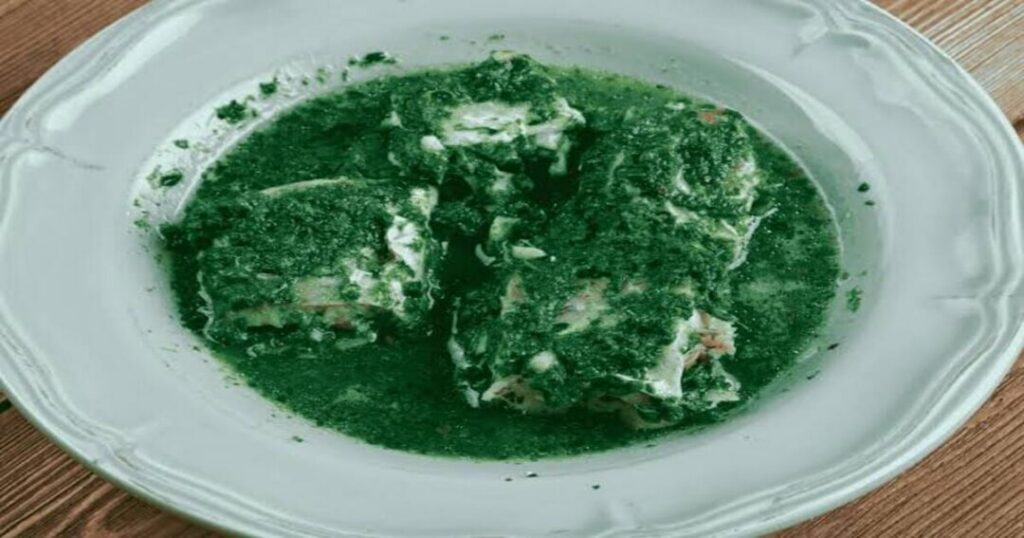
Paling in ‘t groen (eel in green sauce) is the most distinctively Flemish of all traditional Belgium dishes — pieces of eel cooked with shallots, white wine, and an extraordinary quantity of fresh green herbs (sorrel, chervil, watercress, spinach, parsley, tarragon, mint — the exact combination varies by cook and region) into a vibrant green sauce that is simultaneously herbal, sharp, and rich. A traditional speciality of the Scheldt river region, where eel fishing was historically central to the local economy. The dish has been declining in availability as wild eel populations have decreased, making it a genuinely rare traditional Belgian experience today.
10. Boulets à la Liégeoise — Meatballs from Liège
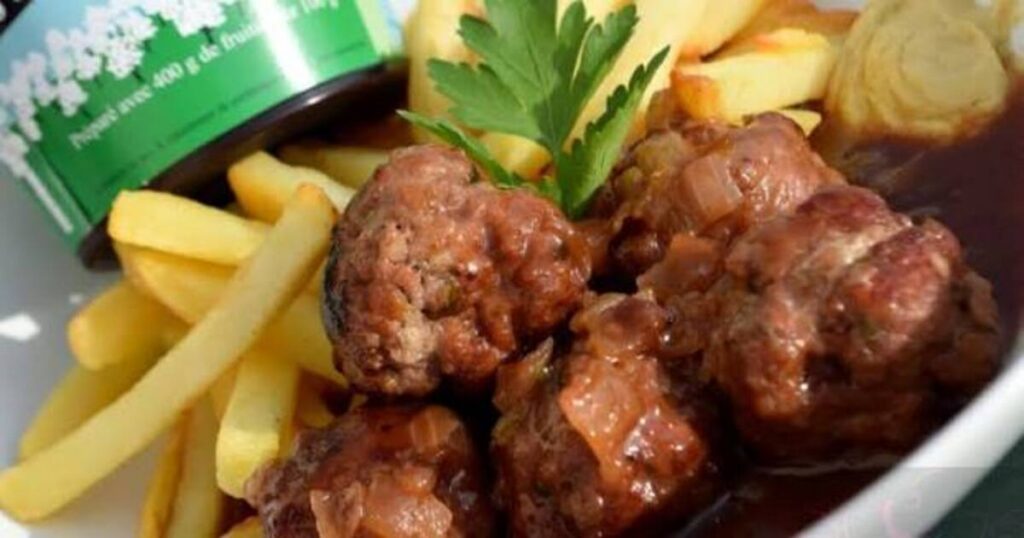
Boulets à la Liégeoise — Liège-style meatballs — are the defining dish of Walloon Belgian cooking: large, generously-sized beef and pork meatballs served in a rich sauce made with sirop de Liège (a dark, intensely concentrated apple-pear syrup that is the defining condiment of the Liège region) combined with Leffe or another Belgian abbey beer, onions, and spices. The result is a sweet-sour-savory sauce with a specifically Walloon character — deeper, richer, and more fruit-forward than the Flemish beer stews. Served with frites, always.
Also Read: Famous Vietnamese Food: The Complete Guide to Top Vietnamese Dishes & Cuisine
Belgian Sweets & Pastry — The Famous Side of Belgium Food
1. Belgian Waffles in Brussels — Two Waffles, Two Cities
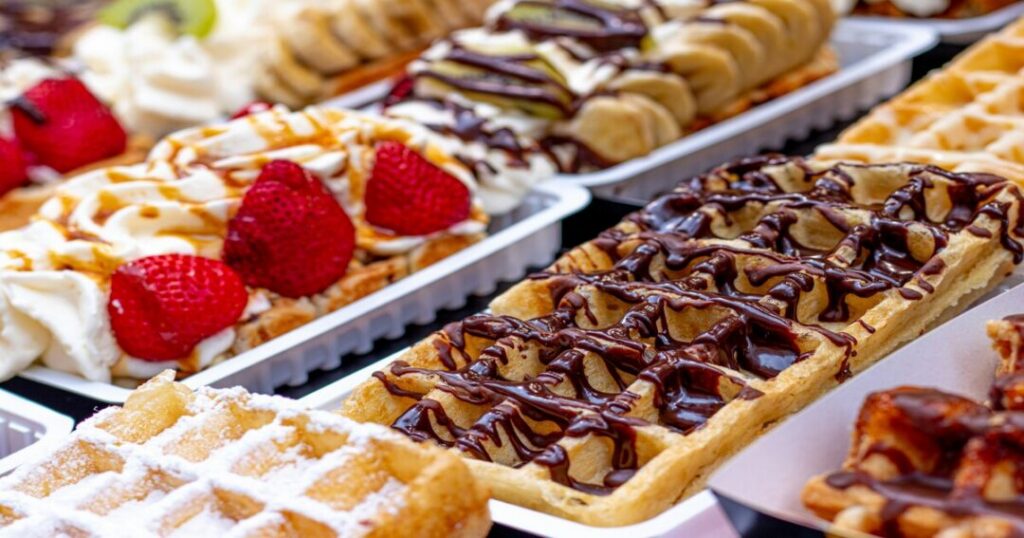
The Belgian waffle in Brussels (gaufre de Bruxelles) is the lighter, crispier, more elegant of Belgium’s two great waffle traditions. The Brussels waffle is rectangular, with deep rectangular pockets, made from a yeasted batter with beaten egg whites folded in to create a light, airy interior and a shatteringly crispy exterior. Served dusted with powdered sugar and traditionally eaten as a street food, standing up, without toppings — though tourist-facing stalls add whipped cream, fruit, chocolate sauce, and anything else imaginable.
The Liège waffle (gaufre de Liège) is the other tradition — round, dense, made from a brioche-like dough enriched with pearl sugar (sucre perlé, large grains of sugar that survive the waffle iron intact and caramelise on the surface), giving the waffle its characteristic sweetness and chewy texture. The Liège waffle is eaten warm, on its own — no toppings needed.
The distinction matters: Brussels waffle = light, crispy, rectangular, powdered sugar. Liège waffle = dense, sweet, round, caramelised pearl sugar.
2. Belgian Chocolate — The World Standard
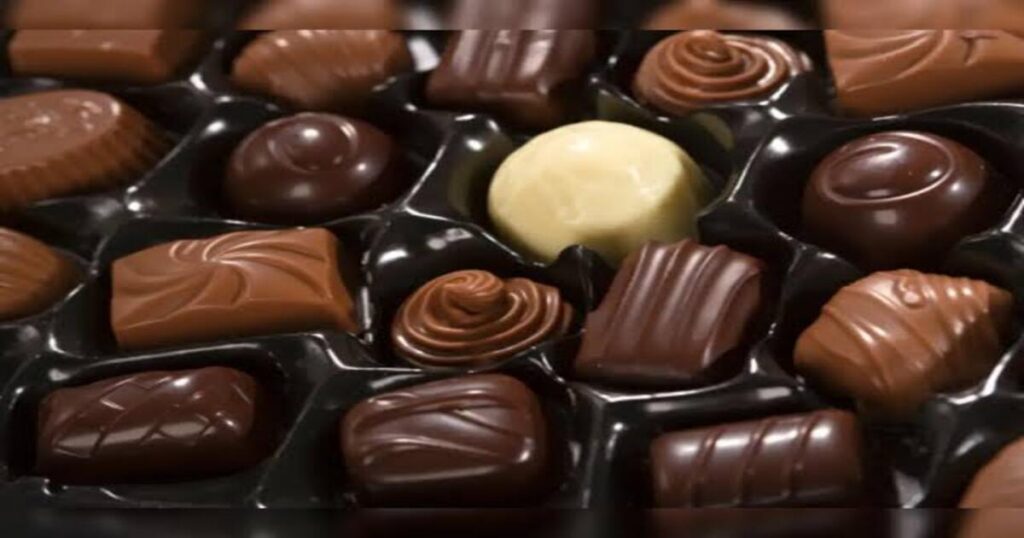
Belgian chocolate is widely considered the finest chocolate in the world — a claim based on specific techniques, specific ingredients, and specific tradition. The key Belgian innovations:
The praline: The filled chocolate praline (not the French confection of the same name) — a chocolate shell filled with ganache, marzipan, cream, or other fillings — was invented in 1912 by Jean Neuhaus II in his Brussels gallery shop. This single invention transformed chocolate from a luxury bar into the world of filled chocolates that now defines Belgian chocolate culture.
The technique: Belgian chocolate is produced through a process called conching — prolonged mixing and aeration of the chocolate mass — that produces an extraordinarily smooth, complex flavour profile. The strict standards require a minimum of 35% pure cocoa butter.
Pralines, truffles, and ganaches: The filled chocolate tradition is Belgium’s most distinctive contribution to world chocolate culture. Truffles (rolled in cocoa powder), ganaches (cream and chocolate fillings), marzipan fillings, and nougatine represent the range. The best are found at dedicated chocolatiers in Brussels, Bruges, Ghent, and Antwerp.
The Belgium choco chip context: Belgian chocolate chips (pépites de chocolat belge) — the small chocolate pieces used in baking — carry the same quality standard as Belgian bar chocolate and are significantly more flavourful than standard chocolate chips due to the higher cocoa butter content.
3. Speculoos — The Belgian Spice Biscuit
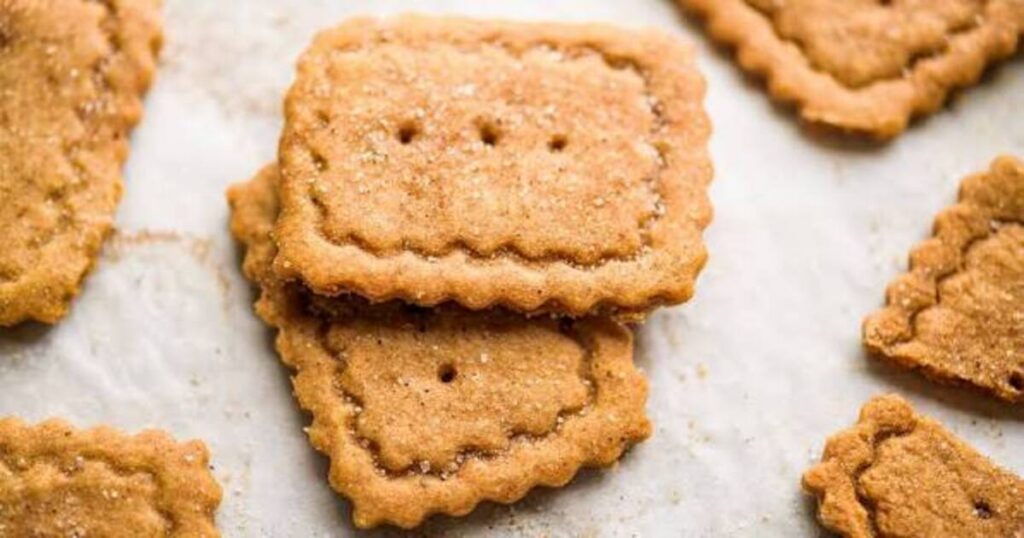
Speculoos (also spelled speculaas in Dutch) is the most recognisable of all Belgian biscuits — a thin, crispy, deeply caramelised shortbread flavoured with a specific blend of spices (cinnamon, nutmeg, cloves, ginger, cardamom, white pepper) that gives it a warm, warming flavour unlike any other biscuit tradition. Speculoos is associated with the feast of St Nicholas (Sinterklaas / Saint Nicolas), celebrated on December 6 in Belgium and the Netherlands, and is traditionally given as a gift on that day in biscuit form — often pressed into shapes using carved wooden moulds (windmills, St Nicholas himself, animal shapes).
In recent years, speculoos spread (Lotus Biscoff spread internationally) has become one of Belgium’s most successful food exports — a smooth paste made from ground speculoos biscuits that has found worldwide use as a spread, baking ingredient, and flavouring. The spread is now served on many Belgian airline flights and in cafés internationally.
4. Belgian Pancakes (Crêpes à la Belge)

Belgian pancakes (pannenkoeken in Flemish Dutch; crêpes in French-speaking Wallonia) are thinner than American pancakes and thicker than French crêpes — a middle-ground style that is extremely popular as a breakfast and dessert preparation across Belgium. In Flemish-speaking Belgium, the pannenkoek is a large, thin, slightly chewy pancake traditionally served with syrup, powdered sugar, butter, or jam; in Wallonia and Brussels, the French-style crêpe is more common, often filled with sweet or savoury fillings and folded into quarters. Street-food versions topped with Nutella, speculoos spread, whipped cream, and fresh strawberries are among the most popular Belgian pastry snack preparations for tourists and locals alike.
5. Tarte au Riz (Rice Tart) — Wallonia’s Favourite Pastry
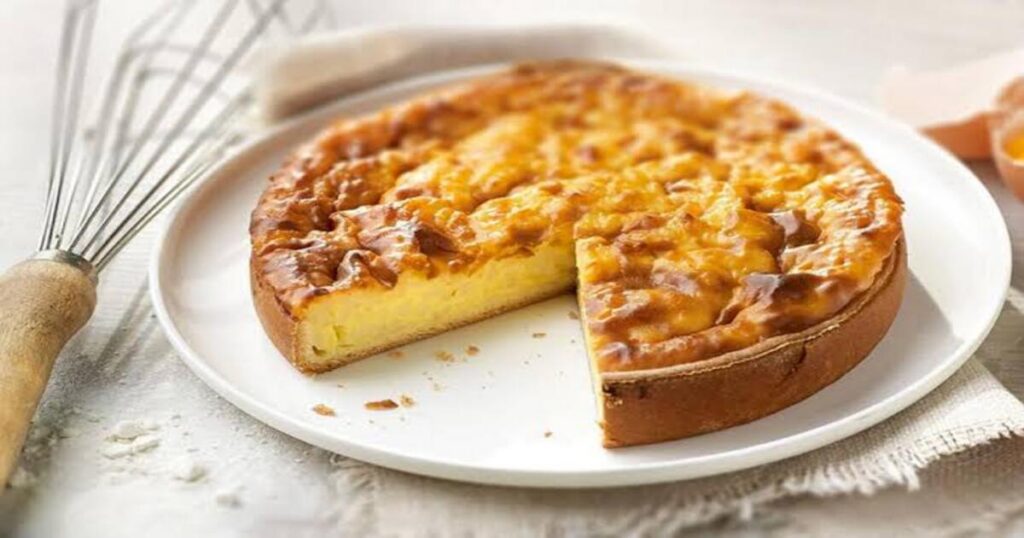
Tarte au riz is a Wallonian pastry that is almost entirely unknown outside Belgium but is considered one of the finest regional Belgian pastries — a short pastry shell filled with a lightly sweetened rice pudding (full-fat milk, rice, sugar, vanilla) baked until the top is golden and slightly caramelised. The result is simultaneously simple and extraordinary — the custard-like rice filling against the buttery pastry. A speciality of the Verviers and Liège region; found in bakeries throughout Wallonia and Brussels.
6. Couque de Dinant — The Honey Rock Biscuit
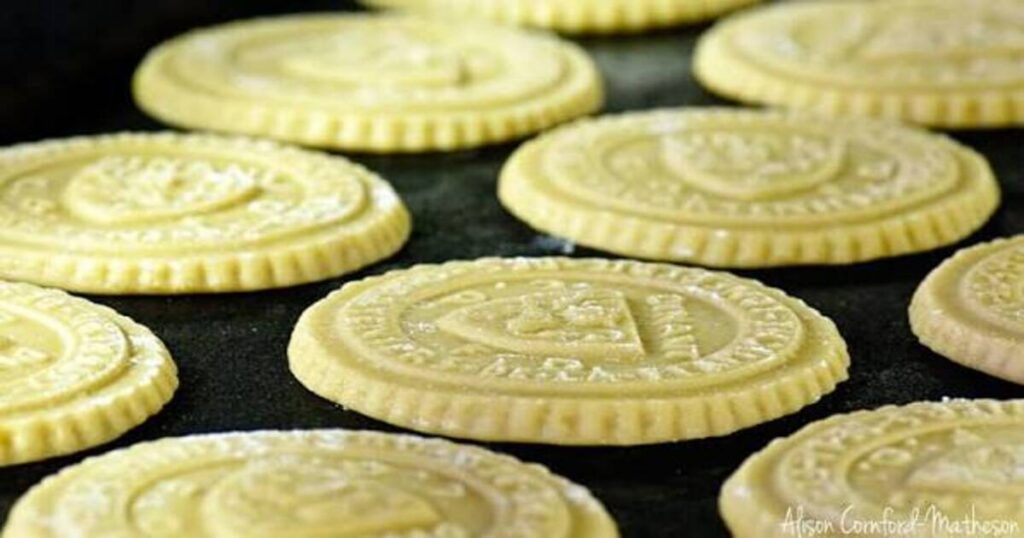
Couque de Dinant is one of Belgium’s most unusual traditional foods — an extremely hard biscuit made from only two ingredients: flour and honey. Baked in beautifully carved wooden moulds into elaborate shapes (fish, birds, coats of arms, religious figures), the couque is pressed into service more as a decorative object than a snack — it is nearly impossible to bite without risk to your teeth, and is best dunked in tea or coffee, where it softens slowly and releases its rich, caramelised honey flavour. A centuries-old tradition from the Meuse valley town of Dinant in Wallonia.
Belgian Beer — The World’s Most Varied Beer Culture
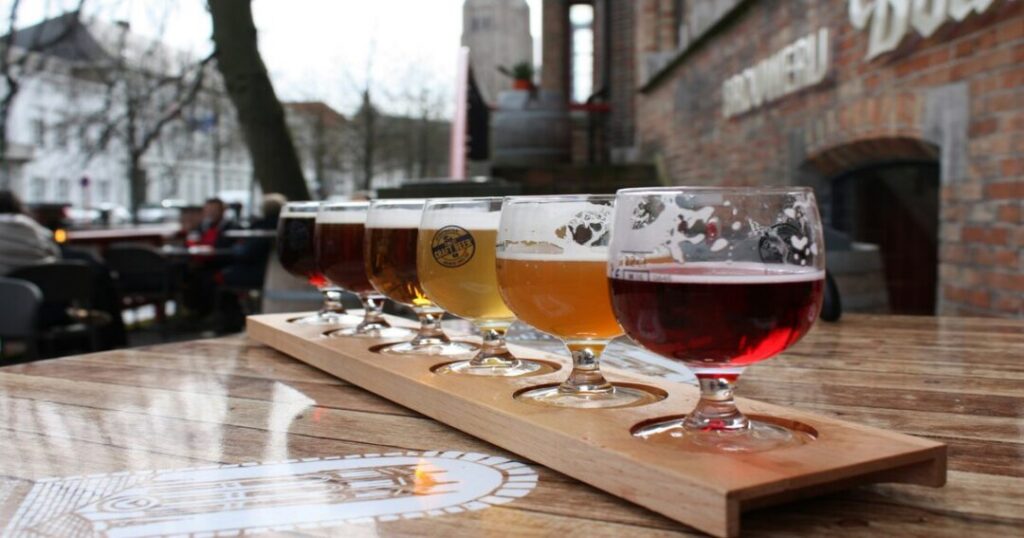
Belgium has over 1,500 varieties of beer — a number that represents the greatest diversity of beer styles produced by any country relative to its size. The major Belgian beer traditions:
Trappist beers: Produced in monasteries by or under the supervision of Trappist monks — five Belgian monasteries currently hold certified Authentic Trappist Product status: Chimay, Orval, Rochefort, Westmalle, and Westvleteren. A sixth, Achel, historically produced certified Trappist beer but lost its official recognition in January 2023 when the abbey was sold to a private party and monks no longer supervised brewing. The beers are typically dubbel (dark, malty, ~7%), tripel (golden, complex, ~9%), or quadrupel (very strong, 10%+). Westvleteren is frequently rated the world’s finest beer.
Lambic and Gueuze: A spontaneously fermented style unique to the Senne valley around Brussels — wild yeasts from the air ferment the beer without the addition of commercial yeast. Gueuze is a blend of aged lambics that produces a Champagne-like effervescence and a sharp, complex sour-fruity flavour. Kriek adds sour cherries to lambic for a fruit beer of extraordinary depth. This is the most distinctive and most irreplaceable of all Belgian beer styles.
Witbier (White Beer): A wheat-based beer brewed with orange peel and coriander — the Belgian witbier tradition produced the style that became Hoegaarden (the most famous witbier internationally) and which has influenced wheat beer production worldwide.
Jenever: Belgium’s traditional spirit — a distilled malt wine flavoured with juniper berries and other botanicals, considered the direct ancestor of modern gin. Jenever has been produced in Belgium and the Netherlands since at least the 16th century and was sold as a medicine before becoming the defining Belgian spirit. Oude (old style) jenever has a malty, heavier character; jonge (young style) is lighter and closer to gin.
Regional Identity — Flemish vs Walloon Cuisine
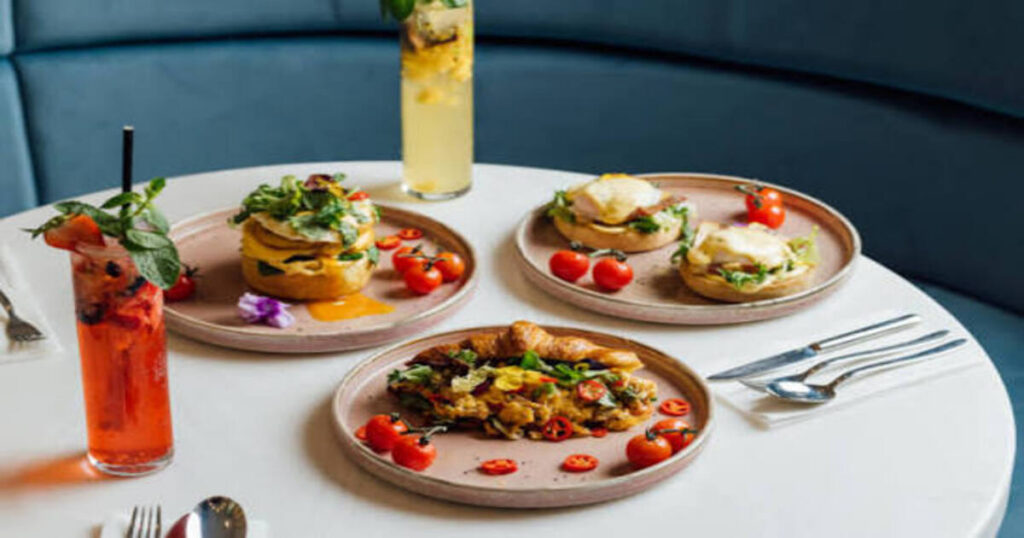
Flemish Belgium (North, Dutch-speaking): The cuisine of Flanders is heartier and more Germanic in character — generous portions, beer as a cooking ingredient, a love of mussels and grey shrimp from the North Sea, the specific bitterness of Belgian endive, and the dark sweetness of stoofvlees. The coast (Ostend, Bruges) specialises in North Sea seafood; Ghent has its own strong culinary identity around waterzooi; Antwerp has its own traditions including the smoske (local sandwich) and Antwerpse handjes (hand-shaped biscuits commemorating the city’s legend).
Wallonia (South, French-speaking): The cuisine of Wallonia reflects greater French influence — richer sauces, game preparation (rabbit, venison, wild boar from the Ardennes forests), the boulets à la Liégeoise with their distinctive sirop de Liège, the tarte au riz of the Verviers region, and the jambon d’Ardenne (Ardennes ham — dry-cured and lightly smoked, similar to prosciutto but with a specifically Walloon flavour profile).
Brussels: The capital sits at the intersection, combining French finesse and Flemish heartiness in a cosmopolitan food culture that contains both Michelin-starred restaurants and the finest friteries in the country.
Conclusion About Belgium food
Belgium food is the food of a country that takes eating seriously without taking itself seriously — generous, technically accomplished, regionally proud, and entirely comfortable serving the world’s finest chocolate from the same counter as a paper cone of frites. The Flemish stew and the Brussels waffle, the grey shrimp croquette and the praline chocolate, the lambic and the Trappist tripel — these are Belgium dishes that deserve a reputation equal to any culinary tradition in Europe.
Quick guide to famous Belgian dishes:
- Moules-Frites — national dish; mussels in white wine; always with fries and mayonnaise
- Carbonade Flamande / Stoofvlees — beef slow-braised in dark beer; mustard bread in the sauce
- Belgian Frites — double-fried; beef tallow; paper cone; mayonnaise; first recorded 1780s
- Waterzooi — Ghent’s chicken or fish stew; egg yolk and cream broth
- Chicons au Gratin — Belgian endive in ham, baked in béchamel
- Stoemp — Brussels mashed potatoes with vegetables; sausage alongside
- Filet Américain — raw seasoned beef on bread; with mustard and capers
- Grey Shrimp Croquettes — North Sea shrimp in béchamel; deep-fried
- Paling in ‘t Groen — eel in green herb sauce; Scheldt river tradition
- Boulets à la Liégeoise — meatballs in sirop de Liège and beer; Walloon classic
Famous Belgian Sweets: Brussels waffle (light, crispy, rectangular), Liège waffle (dense, pearl sugar, round), Belgian chocolate praline (invented 1912), Speculoos (St Nicholas spice biscuit), Tarte au Riz (Wallonian rice custard tart), Couque de Dinant (honey biscuit)
Download the Explurger app to discover what Belgium food lovers and Brussels travellers actually recommend, find the finest chocolatiers, friteries, and brasseries, and log every waffle, mussels pot, and praline on your Belgian food journey.
The frites are already frying. The stew is already simmering in dark beer. Belgium’s table is always ready.
FAQs About Belgium food
2. What are the two types of Belgian waffle?
There are two distinct Belgian waffle traditions: the Brussels waffle (gaufre de Bruxelles) — rectangular, light, crispy, made from a yeasted batter with beaten egg whites, served with powdered sugar and traditionally eaten as street food; and the Liège waffle (gaufre de Liège) — round, dense, made from brioche-like dough with pearl sugar (sucre perlé) that caramelises on the surface during cooking, eaten warm on its own without toppings. The Brussels waffle is lighter and crispier; the Liège waffle is denser, sweeter, and more filling.
3. What is Speculoos?
Speculoos is a thin, crispy Belgian spiced shortbread biscuit flavoured with cinnamon, nutmeg, cloves, ginger, cardamom, and white pepper — associated with the feast of St Nicholas (December 6), when it is traditionally given as a gift. The biscuit is a deeply caramelised, warmly spiced, and entirely distinctive Belgian pastry tradition. Speculoos spread (ground speculoos in paste form) has become one of Belgium's most successful international food exports, used as a spread, baking ingredient, and café topping worldwide.
4. What is Belgian chocolate praline?
The Belgian chocolate praline — a chocolate shell filled with ganache, cream, marzipan, or other fillings — was invented in 1912 by Jean Neuhaus II in his Brussels gallery shop. This invention transformed chocolate culture by moving beyond bar chocolate into the world of filled chocolates that now defines Belgian chocolate internationally. Belgian chocolate requires a minimum of 35% pure cocoa butter and is produced through prolonged conching (mixing and aeration) that creates an unusually smooth, complex flavour. Belgian chocolate chips (Belgium choco chip) carry the same high cocoa butter content and are significantly more flavourful than standard chocolate chips.
5. What is Carbonade Flamande?
Carbonade Flamande (French) or Stoofvlees (Flemish Dutch) is Belgium's most famous beef stew — chunks of beef slow-braised for several hours in dark Belgian beer with onions, thyme, bay leaves, and a slice of mustard-spread bread that dissolves into the sauce during cooking. Unlike French boeuf bourguignon (which uses red wine), Carbonade Flamande uses Belgian beer — typically a dark dubbel or bruin — to create a deeply caramelised, complex sweet-sour sauce. It is considered one of Belgium's national dishes alongside moules-frites and is the definitive expression of Flemish cooking.