

1,113 Total Views
Austrian food is the product of an empire—and not just any empire. The Austro-Hungarian Empire at its peak stretched from the Alps to the Adriatic, from Bohemia to the Balkans, from Vienna’s imperial palaces to the Dalmatian coast. Six hundred years of Habsburg rule meant six hundred years of absorbing the culinary traditions of every people the empire governed: Hungarian goulash, Czech dumplings, Italian pasta forms, Balkan grilled meat, Jewish pastry techniques, and the French refinements of haute cuisine all found their way into Viennese kitchens and, eventually, onto the menus of the coffee houses and restaurants that shaped one of the world’s most distinctive urban food cultures.
The result is Austrian cuisine that is simultaneously imperial and homely—a food culture that includes both the Sachertorte (invented for a prince) and the Tafelspitz (the favorite of an emperor who ate it simply, with horseradish). Both are right. Both are Austrian. This guide covers the most famous Austrian dishes—the savory classics, the legendary pastries, and the Viennese coffee house that contains them all.
Top 10 Famous Austrian Dishes in 2026
1. Wiener Schnitzel — Austria’s National Dish
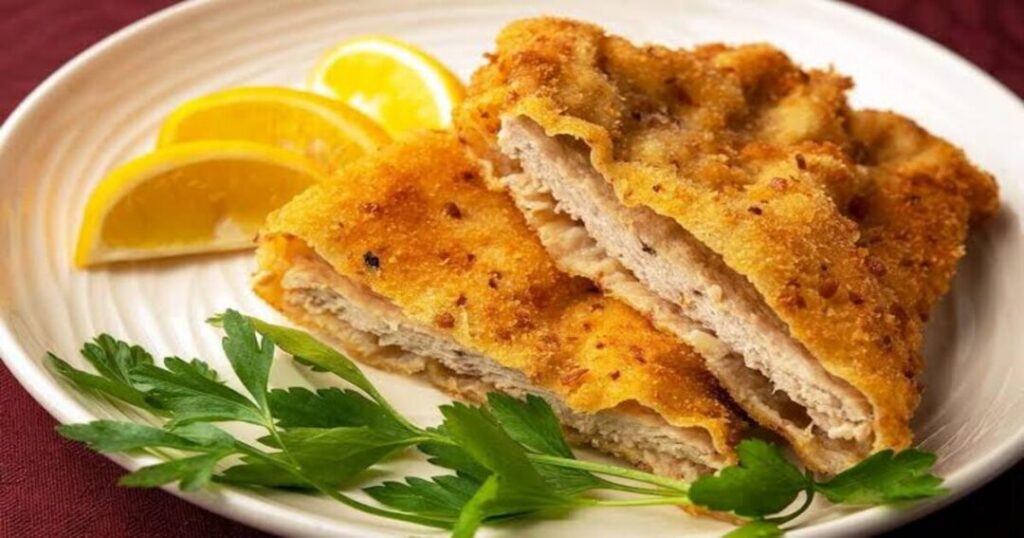
Wiener Schnitzel is the most famous Austrian food in the world — a thin veal cutlet, pounded flat, coated in flour, egg, and fine breadcrumbs, and fried in clarified butter or lard until golden and crispy. It is served with a wedge of lemon and traditionally with either a potato salad dressed in oil and vinegar (Erdäpfelsalat), a green salad with a sweetened vinaigrette, or parsley potatoes.
Austrian law requires that a dish called Wiener Schnitzel be made of veal. A pork version—common because pork is significantly cheaper—must be labeled Schnitzel Wiener Art (Schnitzel in the Viennese style). This is not a minor distinction in Austria; serving a pork schnitzel under the Wiener Schnitzel name is a genuine legal issue.
The origin debate: The first known mention of Wiener Schnitzel in a cookbook dates to 1831—a recipe in Anna Maria Neudecker’s cookbook. A popular legend attributes the dish to Field Marshal Joseph Radetzky, who supposedly brought the recipe from Milan in 1857, but food historians, including linguist Heinz-Dieter Pohl, have debunked this story, noting that the dish appears in Viennese cookbooks nearly three decades before Radetzky’s alleged introduction. The Italian Cotoletta alla Milanese—a similar preparation—has its own claim to the breaded cutlet tradition, but the Wiener Schnitzel is distinctly Viennese in its legal definition and its cultural identity.
What to order with it: The traditional accompaniment is Austrian potato salad — not the mayonnaise-heavy variety but a lighter, vinegar-dressed version with red onion — or a simple green salad. Many restaurants also serve it with Preiselbeeren (lingonberry jam) on the side.
2. Tafelspitz — The Emperor’s Favourite
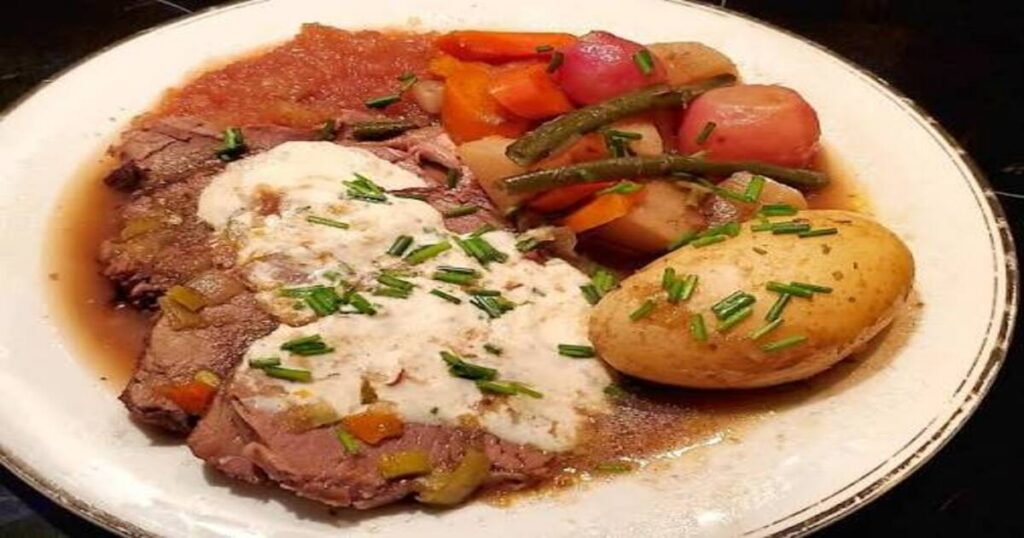
Tafelspitz—boiled beef—was the favorite dish of Emperor Franz Joseph I, who reportedly ate it for lunch almost every day of his reign. The name refers to the specific cut of beef: the tafelspitz (literally “table tip”) is the rump cap, a cut from the hindquarters that becomes extraordinarily tender after slow cooking. The beef is simmered for hours in a rich broth with root vegetables—carrots, celeriac, parsnip, and leek—until the meat is fork-tender and the broth has absorbed all of their fragrance.
Tafelspitz is served with the cooking broth as a starter soup (with thin pasta or semolina dumplings), followed by the beef itself with two sauces: Apfelkren (freshly grated horseradish mixed with apple) and Schnittlauchsauce (chive sauce with sour cream and bread). The combination of the gentle beef, the sharp horseradish, and the creamy chive sauce is one of the most elegantly simple preparations in Austrian cuisine.
Also read: Famous Vietnamese Food: The Complete Guide to Top Vietnamese Dishes & Cuisine
3. Wiener Gulasch — Vienna’s Interpretation
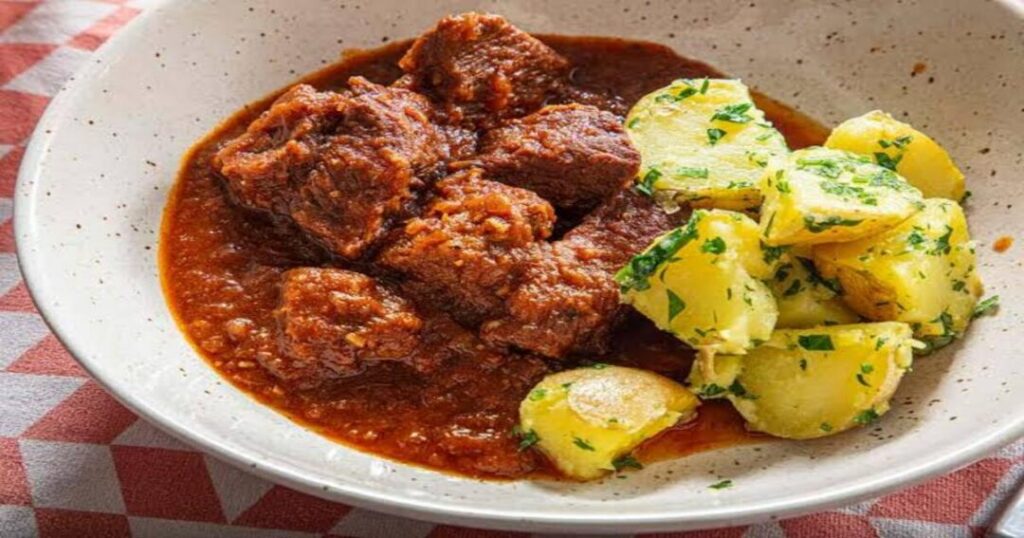
Gulasch entered the Viennese kitchen from Hungary — gulyás was the stew of Hungarian herdsmen (gulyás = herdsman), made with beef and paprika on the Great Hungarian Plain and brought into Viennese cooking during the Austro-Hungarian era. The Viennese version—Wiener Gulasch—differs from the Hungarian original in specific ways: it is richer, darker, more onion-forward, and thicker in consistency. The onion is cooked down slowly until it almost melts into the sauce; the paprika and caraway seeds are the defining spices; and the sauce has a deep, winey intensity that the simpler Hungarian version rarely achieves.
Wiener Gulasch is served in coffee houses and traditional Gasthäuser throughout Vienna—often with a Semmel (bread roll) to soak up the sauce or with Nockerl (small dumplings). It is a dish for cold evenings and long, unhurried meals. A Saftgulasch (juice goulash) is a wetter, lighter version; Erdäpfelgulasch is the potato version often served as a budget alternative.
4. Zwiebelrostbraten—The Roast Beef of Vienna
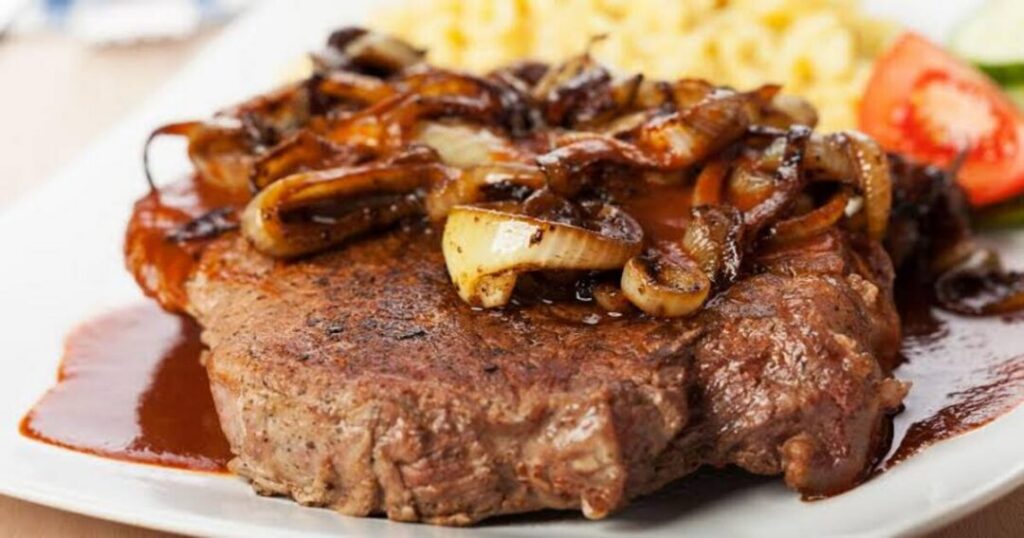
Zwiebelrostbraten, roast beef with crispy onions, is one of the most quintessentially Viennese of all popular Austrian dishes. A thick sirloin steak is scored, seasoned, seared in a very hot pan, and then roasted or pan-finished; the defining element is the enormous quantity of thinly sliced onions that are slowly caramelized and then crisped until they form a golden, sweet, crackling mass on top of the beef. The cooking juices become the sauce, thickened slightly and poured around the meat. It is served with Semmelknödel (bread dumplings) or Erdäpfelrösti (potato rösti).
5. Beuschel — Vienna’s Offal Classic
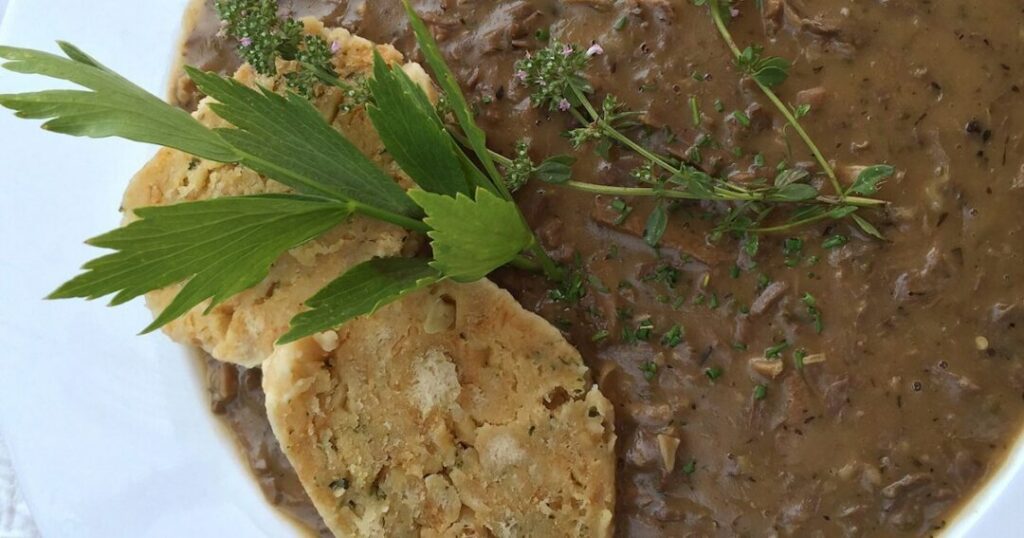
Beuschel is a ragout of veal lungs and heart—one of the most distinctively Viennese of all the city’s preparations and the most demanding of open-minded eating. The organs are cleaned, blanched, and then sliced finely and cooked in a sauce of white wine, capers, anchovy, gherkins, and sour cream into a rich, intensely flavored ragout. Served with Semmelknödel or Serviettenknödel (bread dumplings), Beuschel is one of the older Austrian dishes—a product of the Viennese tradition of whole-animal cooking that predates modern sensitivities about offal. It is found in the finest traditional Viennese restaurants and is worth ordering by anyone genuinely curious about Viennese culinary history.
6. Backhendl—The Fried Chicken of Vienna
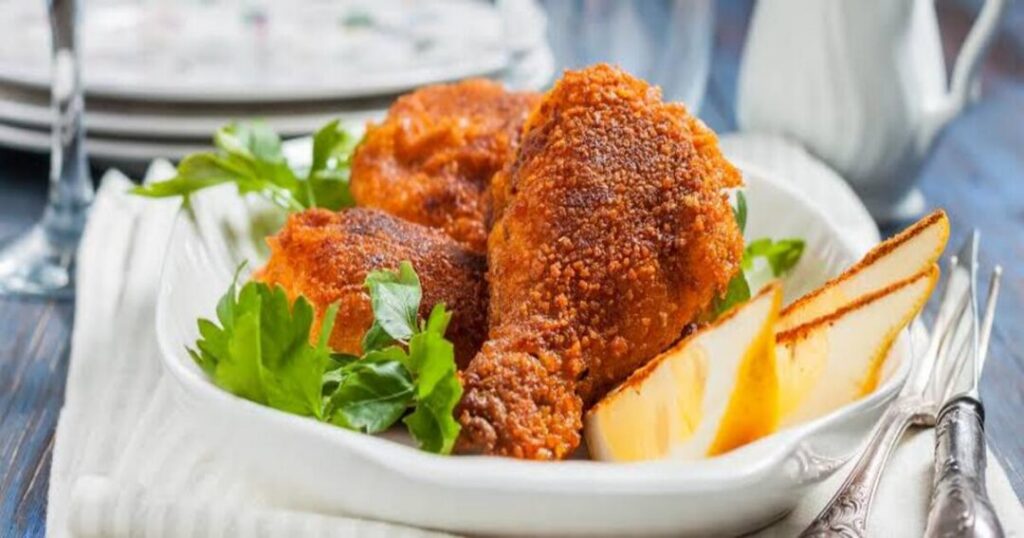
Backhendl—Viennese fried chicken—is the Wiener Schnitzel of poultry: a chicken (traditionally whole or jointed) coated in fine breadcrumbs and deep-fried until the skin crackles and the interior steams. It is served with a lemon wedge and a green salad. Backhendl has been a fixture of Viennese cooking since the 19th century—the Heuriger (wine tavern) and the Gasthaus were its traditional settings, where it was eaten with the hands. It remains one of the most beloved, popular Austrian foods for its combination of crispy exterior, juicy interior, and the specific pleasure of good fried chicken eaten in a room that smells of white wine.
Also read: Philippines Food Guide: 15 Famous Dishes Every Tourist Must Try
7. Erdäpfelgulasch — The Everyday Austrian Meal
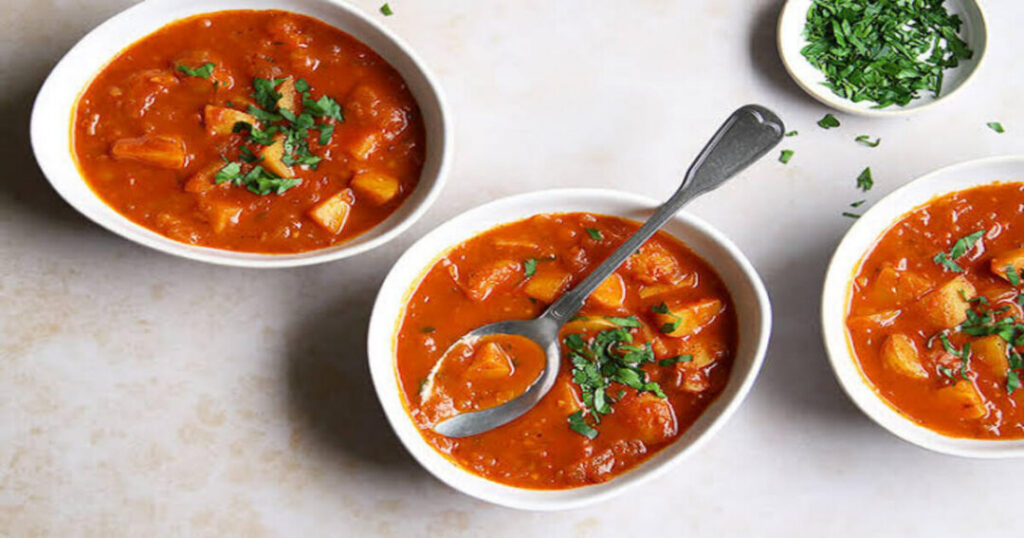
Erdäpfelgulasch, potato goulash, is the most democratic of all Austrian meals: a vegetarian (sometimes with sausage) one pot of potatoes, onions, paprika, caraway, and marjoram, slow-cooked into a thick, warming stew. It is the food of Austrian home cooking, of school canteens, of mountain hut lunches—unpretentious, deeply satisfying, and unmistakably Austrian in its flavor profile. The caraway and marjoram combination is a specifically Austrian pairing that appears across the cuisine; the paprika gives the dish its deep reddish color and gentle warmth.
8. Liptauer—The Austrian Cheese Spread
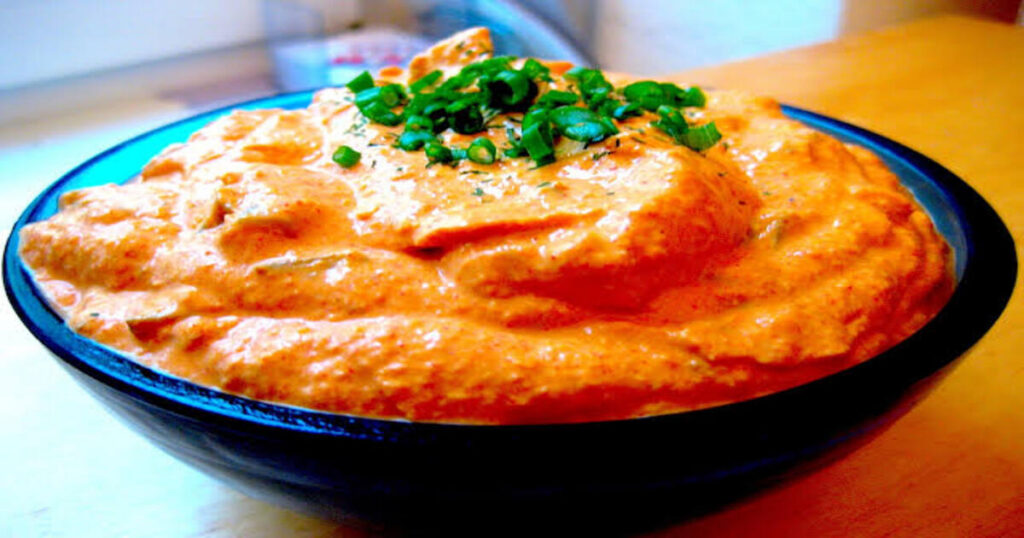
Liptauer is a spiced fresh cheese spread that is one of Austria’s most distinctive and most versatile popular Austrian foods—equally at home on a bread roll at a Heuriger wine tavern and as a starter in a fine Viennese restaurant. Fresh curd cheese (Topfen) or quark is blended with butter, capers, caraway, paprika, onion, and mustard into a smooth, pungent spread that is served on rye bread with a glass of Austrian Grüner Veltliner. The name comes from the Liptov region of Slovakia — another reminder that Austrian cuisine is the cuisine of an empire, not just of a country.
9. Selchfleisch mit Sauerkraut — The Alpine Classic
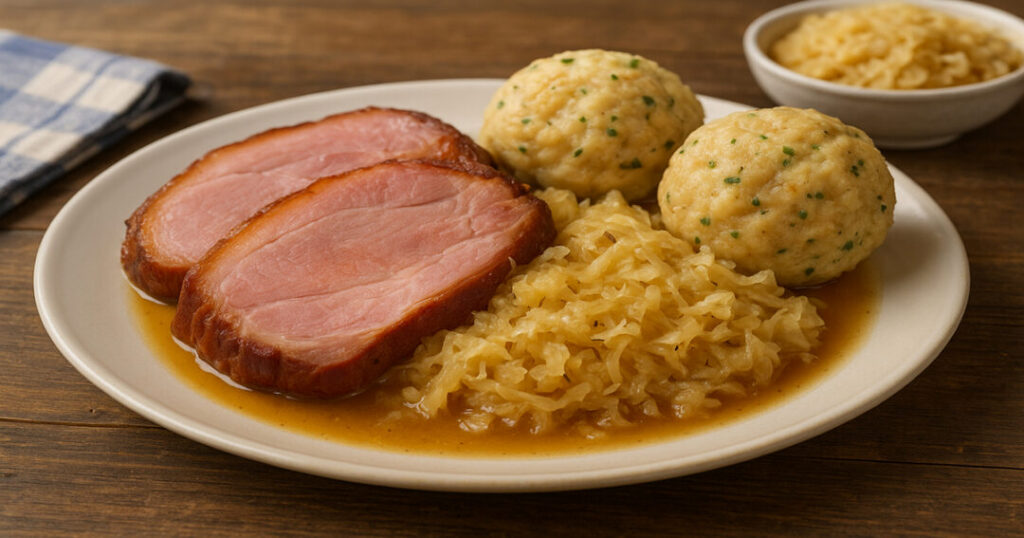
Selchfleisch—smoked meat—served with Sauerkraut and Knödel (dumplings) is the defining Austrian dish of the alpine regions. The meat is cold-smoked over beechwood for days, developing a dark, mahogany exterior and an intensely flavored, slightly chewy interior. Served alongside fermented white cabbage (sauerkraut) and one of Austria’s many dumpling varieties—Semmelknödel, Erdäpfelknödel, or Tiroler Knödel (bread dumplings with bacon and chives, specific to Tyrol)—this is the food of the Austrian Alps: winter food, warming food, food built for cold and altitude.
10. Tafelspitz Soup — The Broth Before the Beef
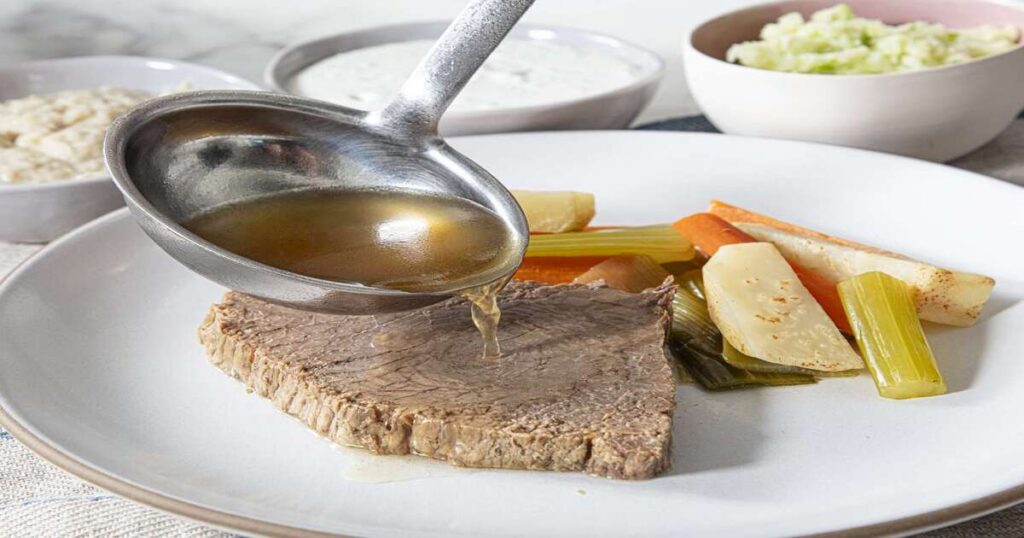
The soup served from the Tafelspitz cooking broth—clear, golden, intensely beefy—with a Frittatensuppe (thin pancake strips), Grießnockerlsuppe (semolina dumpling soup), or Leberknödelsuppe (liver dumpling soup) is one of the finest things Austria eats. Austrian soup culture is extraordinary in its range and refinement—the Vorspeise (starter) soup in a traditional Viennese restaurant is often the best thing on the menu, the product of a culinary tradition that takes broth-making as seriously as any cuisine in the world.
Famous Austrian Food: Must-Try Sweets & Pastries
1. Sachertorte — The Most Famous Austrian Cake
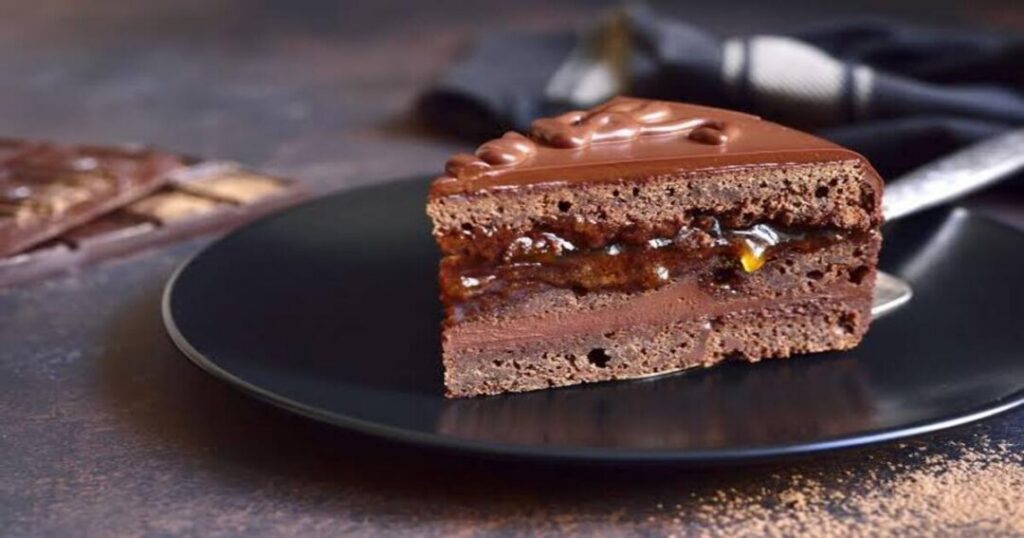
The Sachertorte is the most famous cake in Austria and one of the most famous in the world — a dense, rich chocolate sponge cake with a thin layer of apricot jam inside and a dark chocolate glaze on the outside, served with a mound of unsweetened whipped cream (Schlagobers).
Its origin story is one of culinary history’s finest: in 1832, at the palace of Prince Wenzel von Metternich in Vienna, the head chef fell ill on the eve of an important dinner. The cooking fell to a 16-year-old apprentice named Franz Sacher, who improvised the cake that would bear his name. Franz later opened a gourmet shop; it was his son Eduard Sacher who refined the recipe and, in 1876, opened the Hotel Sacher in Vienna, where the original Sacher-Torte has been made to a secret recipe ever since.
The 20-year legal battle between the Hotel Sacher and the Demel bakery—both of which claimed the right to call their version the “Original Sachertorte”—was resolved in 1963 when the Hotel Sacher won the right to the designation. The Demel’s version (which places the apricot jam only under the chocolate glaze, while the Hotel Sacher’s version has two layers) must be labeled differently.
2. Apfelstrudel — The National Pastry
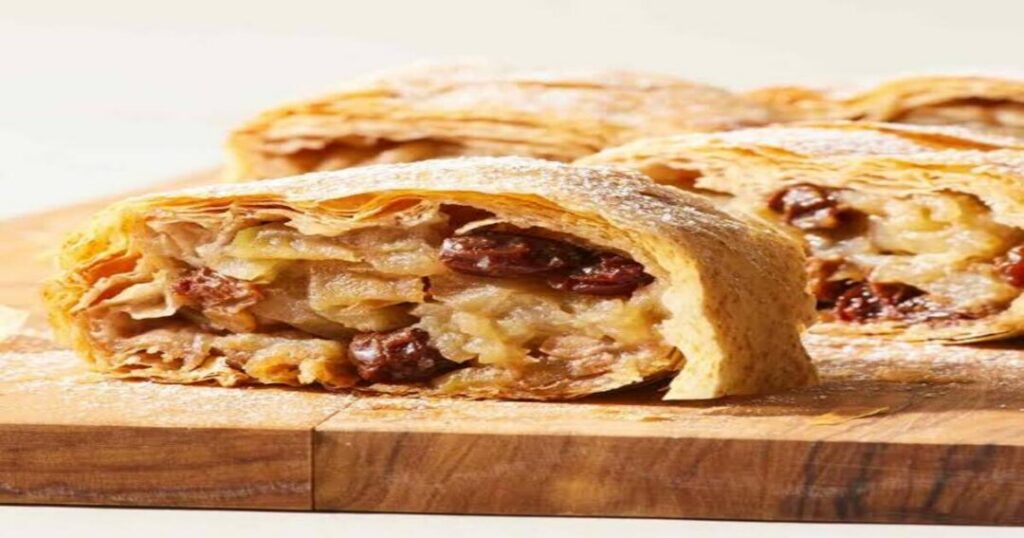
Apfelstrudel (apple strudel) is the most beloved of all Austrian pastries — a paper-thin sheet of stretched dough wrapped around a filling of spiced apples, sugar, cinnamon, rum-soaked raisins, and breadcrumbs toasted in butter, baked until golden and served warm with vanilla sauce or Schlagobers. The dough is the skill: it must be stretched by hand until thin enough to read a newspaper through—a process requiring years of practice.
The oldest known handwritten recipe for strudel dates to 1696 and is housed in the Vienna City Library. The strudel tradition traces its roots through the Austro-Hungarian Empire to Turkish baklava and the Ottoman culinary tradition—another example of how Austrian cuisine absorbed the influences of the peoples it governed. Apfelstrudel is part of the Viennese coffee house culture that UNESCO has recognized as intangible cultural heritage.
3. Kaiserschmarrn — Shredded Pancake of the Emperor
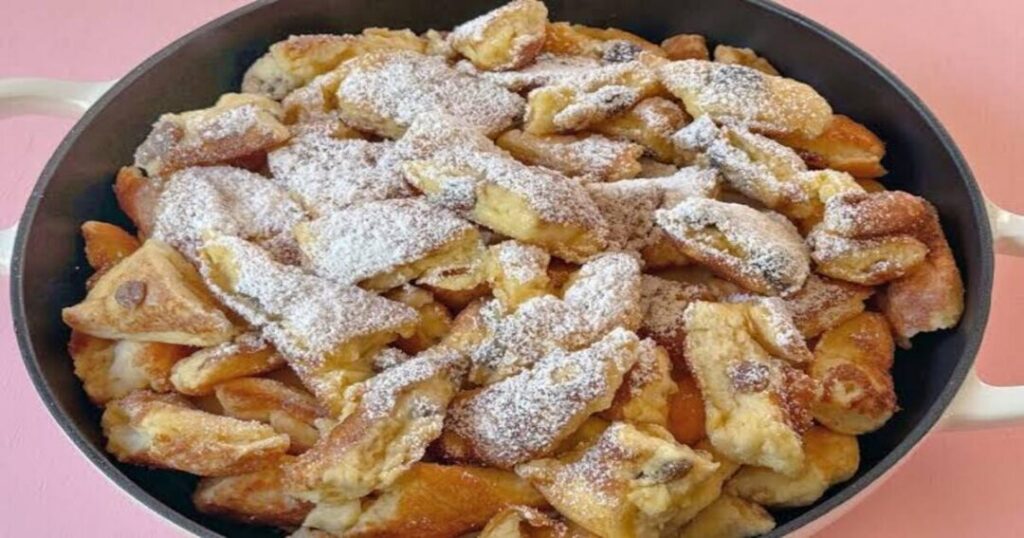
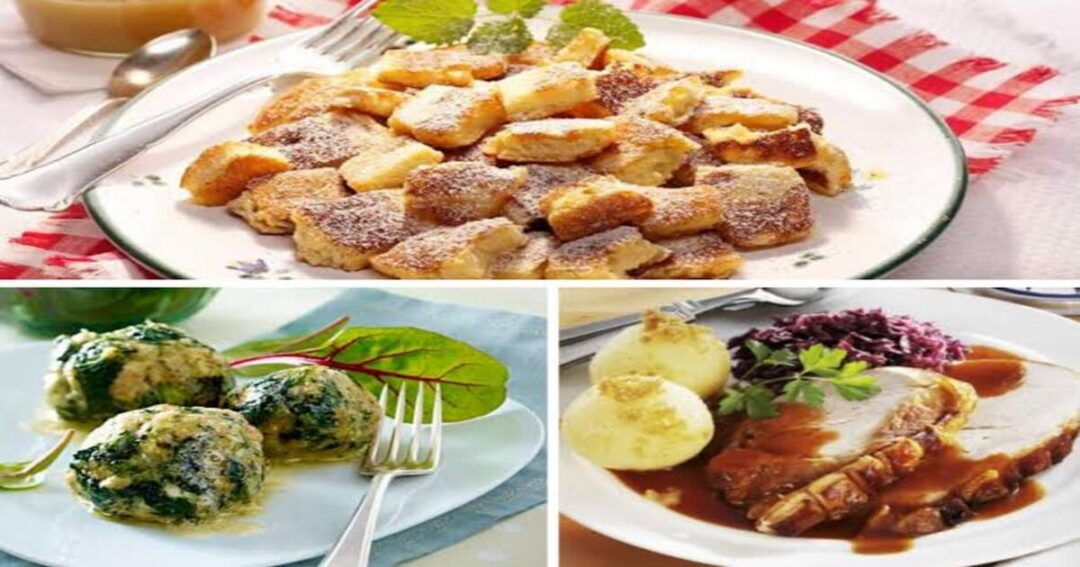
Kaiserschmarrn, the emperor’s mess (Kaiser = emperor, Schmarrn = mess or nonsense), is a dessert of egg-rich batter cooked in butter until fluffy and golden, then torn into irregular pieces, caramelized with sugar and butter, dusted with powdered sugar, and served with Zwetschkenröster (stewed plums) or lingonberry jam. The name is said to derive from Emperor Franz Joseph’s fondness for the dish, though the exact origin legend varies.
Kaiserschmarrn is simultaneously the most aristocratic and most rustic of Austrian desserts—the imperial title and the alpine hut setting. In its finest form, it is simultaneously crispy at the edges, soft in the interior, and slightly eggy throughout—a dessert that, unlike the elegant Sachertorte, you eat with a certain happy abandon.
4. Marillenknödel — Apricot Dumplings
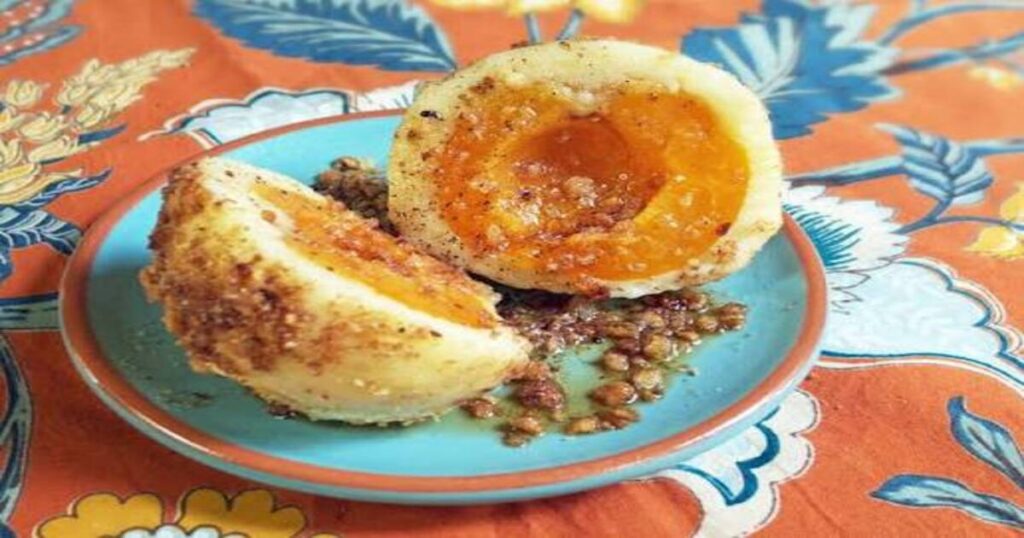
Marillenknödel, apricot dumplings (Marillen = apricots in Austrian German; standard German uses Aprikosen)—are one of the most characteristic and most seasonal Austrian dishes: whole apricots (stone removed, replaced with a sugar cube) enclosed in a Topfen (quark) or potato dough, boiled, rolled in buttered breadcrumbs, and dusted with sugar. The best Marillenknödel use apricots from the Wachau Valley—the UNESCO World Heritage region of the Danube west of Vienna, whose microclimate produces the most aromatic apricots in Austria, harvested for a few weeks in July.
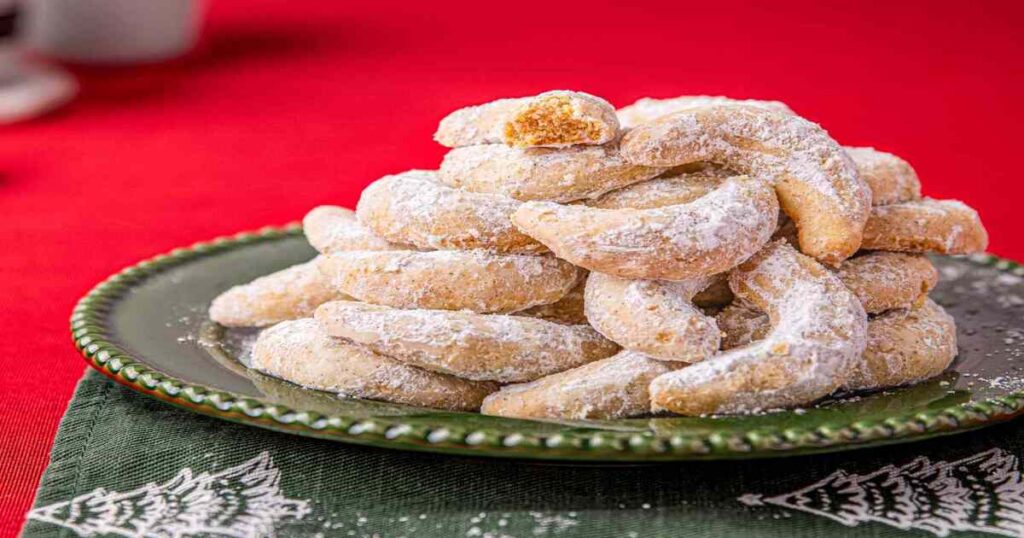
Vanillekipferl—crescent-shaped vanilla almond shortbread cookies—are the quintessential Austrian Christmas biscuit and one of the most widely recognized of all Austrian foods. The crescent shape is traditionally said to commemorate Austria’s victory over the Ottoman Turks at the 1683 Siege of Vienna, when Viennese bakers celebrated by making pastries in the shape of the Ottoman crescent. The cookies are made with ground almonds or walnuts, butter, sugar, and vanilla, rolled into crescents and baked until just barely golden, then dusted generously with vanilla sugar while still warm.
Also read: Famous Nepalese Food: Discovering the Flavors That Define Nepal
Austrian Food & the Viennese Kaffeehaus: A UNESCO Cultural Institution
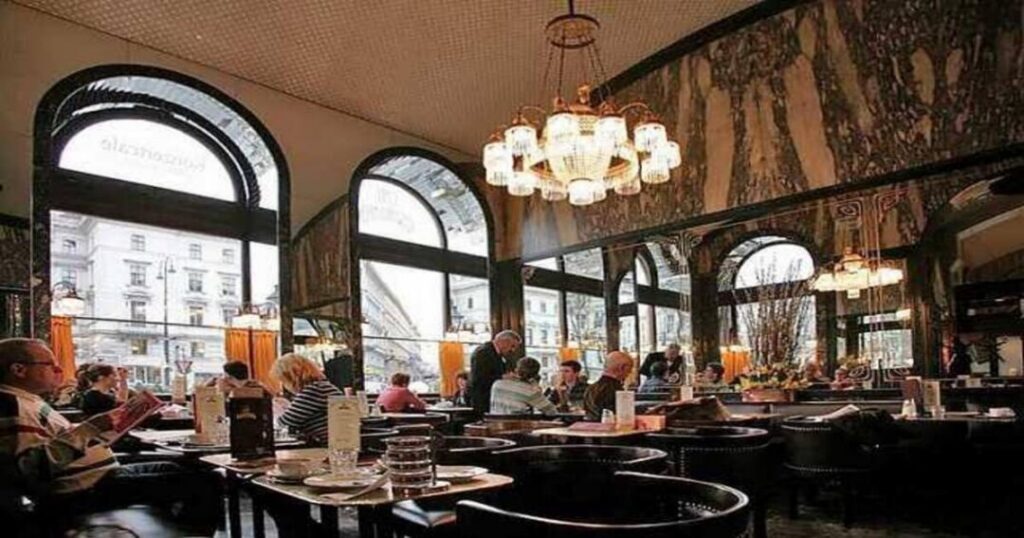
The Viennese coffee house (Kaffeehaus) is not merely a place to drink coffee. It is, as the UNESCO Intangible Cultural Heritage listing describes it, “a place where time and space are consumed, but only the coffee is found on the bill.” The Viennese Kaffeehaus is listed in the Austrian National Inventory of Intangible Cultural Heritage—a recognition that it constitutes a specific way of life rather than simply a catering establishment.
The tradition dates to the 1683 Ottoman siege of Vienna, after which coffee houses began to multiply across the city. The popular legend credits Georg Franz Kolschitzky (a Polish-born officer) with opening the first coffee house after receiving abandoned coffee beans as a reward for his service. However, the City of Vienna’s own official history records that the first actual coffee house was opened by Johannes Diodato—an Armenian merchant at the Imperial Court—in 1685. Both are commemorated in Vienna today. What followed was real and consequential regardless of who came first: the coffee houses of Vienna became the birthplace of conversations, newspapers, political movements, psychoanalysis (Freud was a regular at several), and much of the artistic and intellectual ferment of fin-de-siècle Vienna.
What to order in a Viennese Kaffeehaus:
- Wiener Melange: The most characteristic Viennese coffee — espresso with steamed and frothed milk, similar to a cappuccino but distinctly Viennese in preparation. The Melange is served with a glass of cold water, always—a tradition that remains constant across all Kaffeehäuser.
- Kleiner Brauner / Großer Brauner: Small or large espresso with a small amount of cream.
- Einspänner: Strong black coffee served in a glass with a large portion of whipped cream on top.
- Verlängerter: A lengthened espresso — espresso with hot water, similar to an Americano.
What to eat in a Kaffeehaus: The classic Kaffeehaus food includes goulash (available in many coffee houses until late at night), Wiener schnitzel, toast (a toasted sandwich), Kipferl (the crescent-shaped pastry that gave the French croissant its shape), and the full range of Austrian cakes and strudel. The Mehlspeise (flour dish—the Austrian category for all desserts and pastry) section of a Kaffeehaus menu is often the finest thing on it.
The etiquette of the Kaffeehaus: You may sit as long as you wish. You may read the newspapers provided on wooden rods. You may order one coffee and stay for three hours. No one will rush you. This is the specific civic value of the institution — a democratic, affordable public space where the price of entry is a coffee and the commodity on offer is time.
Also read: Croatian Food: 15 Traditional Dishes You Must Try in Croatia
Regional Austrian Food — Beyond Vienna
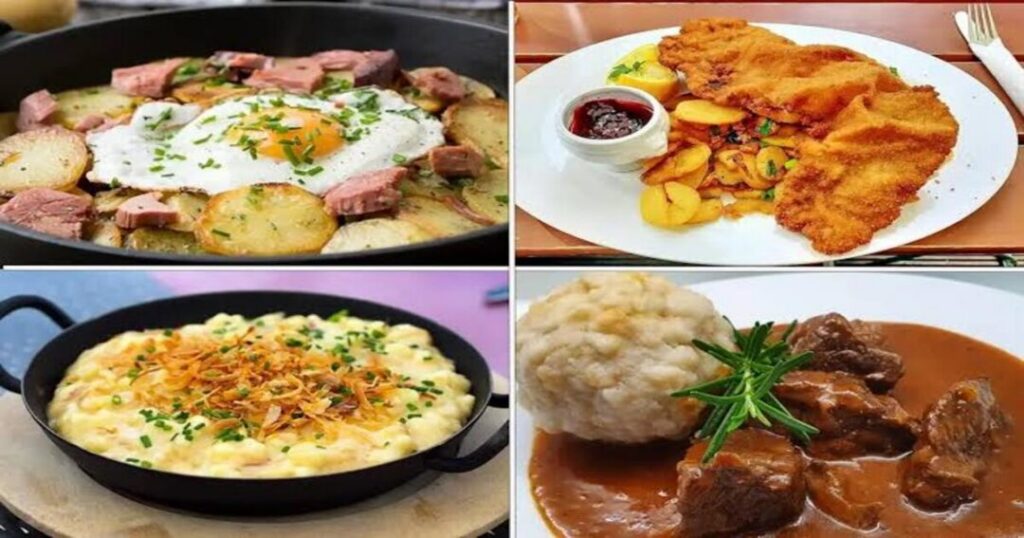
Tyrol (Western Austria): The most distinctly alpine of Austrian regional cuisines—Tiroler Gröstl (pan-fried potatoes and leftover meat, the alpine equivalent of bubble and squeak), Speckknödel (bacon and herb bread dumplings), and Tiroler Speck (dry-cured, lightly smoked ham—the defining ingredient of the Tyrolean kitchen, eaten on rye bread with a glass of Schnapps).
Styria (Steiermark): Austria’s “Green “Heart”—the Styrian kitchen uses a distinctive ingredient unique to the region: Kürbiskernöl (Kürbis = pumpkin, Kern = seed, Öl = oil)—a dark, nutty, intensely flavored pumpkin seed oil used to dress salads, drizzled on soups, and incorporated into dressings. Styrian cuisine also features Steirisches Wurzelfleisch (boiled pork with root vegetables) and the Schilcher rosé wine made from the Blauer Wildbacher grape.
Salzburg: Salzburger Nockerln—a dessert of baked meringue dumplings (Nockerln) arranged to represent the three hills of Salzburg, dusted with powdered sugar, and served warm. One of the most theatrical of all famous Austrian dishes—it must be eaten immediately after baking, while the Nockerln are still puffed and proud.
Conclusion About Austrian Food
Austrian food is what you get when a great empire’s centuries of cultural absorption meet a specific climate, a specific landscape, and a specific city—Vienna—that turned eating and sitting and drinking coffee into an art form refined over hundreds of years. The Wiener Schnitzel, the Sachertorte, the Apfelstrudel, the Tafelspitz — these are not just dishes. They are the edible history of a civilization that understood, perhaps better than any other, that food is culture.
Quick guide to famous Austrian dishes:
- Wiener Schnitzel — veal only by law; breadcrumbs; clarified butter; lemon; potato salad
- Tafelspitz — Emperor Franz Joseph’s boiled beef; horseradish; chive sauce
- Wiener Gulasch — Vienna’s version of Hungarian goulash; dark, onion-rich
- Zwiebelrostbraten — roast beef with crispy caramelised onions
- Beuschel — veal lung and heart ragout; capers; sour cream
- Backhendl — Viennese fried chicken in breadcrumbs
- Erdäpfelgulasch—Austrian potato goulash; caraway; marjoram
- Liptauer — spiced fresh cheese spread; capers; paprika; caraway
- Selchfleisch — smoked meat with sauerkraut and dumplings
- Tafelspitz Soup — the golden broth; liver dumplings; semolina dumplings
Famous Austrian Sweets: Sachertorte (1832), Apfelstrudel (recipe 1696), Kaiserschmarrn, Marillenknödel (Wachau apricots), Vanillekipferl
Download the Explurger app to discover what Vienna and Austria travelers actually recommend for the best Schnitzel, Sachertorte, and Kaffeehaus experiences, and log every golden cutlet, chocolate slice, and Melange on your Austrian food journey.
The coffee is already being poured. The schnitzel is already in the pan. Austria’s table is always ready.
FAQs About Austrian Food
2. What is Sachertorte and who invented it?
Sachertorte is Austria's most famous cake—a dense chocolate sponge with apricot jam and dark chocolate glaze, always served with unsweetened whipped cream. It was created in 1832 by Franz Sacher, a 16-year-old apprentice pastry chef, when the head chef at Prince Metternich's palace fell ill before an important dinner. Franz's son Eduard later refined the recipe and opened the Hotel Sacher in Vienna in 1876, where the original Sacher-Torte has been made to a secret recipe ever since. A 20-year legal dispute between the Hotel Sacher and the Demel bakery—both claiming the right to the "Original" designation—was resolved in 1963 in the Hotel Sacher's favor.
3. What is the Viennese coffee house culture?
The Viennese Kaffeehaus (coffee house) is listed in the Austrian National Inventory of Intangible Cultural Heritage—UNESCO describes it as a place "where time and space are consumed, but only the coffee is found on the bill." The tradition dates to the 1683 Ottoman siege, after which coffee houses proliferated. The popular legend credits Georg Franz Kolschitzky; the historical record credits Johannes Diodato (Armenian, 1685) as the first actual coffeehouse operator—both are commemorated in Vienna. The coffee house became the social and intellectual center of Viennese life—Sigmund Freud, Gustav Klimt, and much of fin-de-siècle Vienna's cultural elite were regulars. The signature drink is the Wiener Melange—espresso with steamed milk, always served with a glass of cold water. Guests may sit as long as they wish for the price of a single coffee.
4. What is the difference between Wiener Schnitzel and regular schnitzel?
Wiener Schnitzel is legally protected in Austria—by Austrian law, a dish can only be called Wiener Schnitzel if it is made from veal. Any pork version must be labeled Schnitzel Wiener Art (Schnitzel in the Viennese style). The true Wiener Schnitzel must "swim in fat" during frying—the fat must be deep enough that the schnitzel floats in it, which creates the characteristic golden, slightly ruffled crust rather than a flat fried exterior. It is traditionally served with a lemon wedge and Austrian potato salad or a green salad; serving it with a sauce is considered inappropriate in Austrian culinary culture.
5. What is Apfelstrudel?
Apfelstrudel is Austria's most beloved pastry — a paper-thin sheet of hand-stretched dough filled with spiced apples, cinnamon, rum-soaked raisins, and buttered breadcrumbs, baked golden and served warm with vanilla sauce or whipped cream. The dough must be stretched until thin enough to read a newspaper through. The oldest known handwritten recipe dates to 1696 and is held in the Vienna City Library. Apfelstrudel is part of the Viennese coffee house culture recognised by UNESCO as Intangible Cultural Heritage.