
522 Total Views
Chicago food is the food of people who work hard and eat harder. It is not a cuisine of delicacy or restraint. It is a cuisine of Italian immigrants who slow-roasted the cheapest cuts of beef and dunked their sandwiches in the cooking liquid to stretch the flavor. Of Depression-era hot dog vendors who loaded a five-cent frankfurter with so many vegetables that it became a meal. Of a Black woman from Mississippi named Alice Mae Redmond, who walked into a kitchen in 1943 and figured out how to make a pizza dough stretch—and in doing so, arguably invented the dish that now defines the city.
Chicago eats are the product of one of the great immigrant cities of North America—Italian, Polish, Jewish, German, Mexican, Puerto Rican, and African American—and the food traditions they brought to the lakefront and the working-class neighborhoods of the South Side, the West Side, and the Near North Side. The deep dish is famous. So are the hot dog and the Italian beef. But Chicago’s food story goes deeper than any single dish—into the neighborhood beef stands, the Polish deli, the jibarito, the shot of Malört, and a five-layer ice cream cone that has been served at the same corner on the South Side since 1926.
This guide covers the best food in Chicago—the famous and the local, the legendary and the overlooked.
Top 10 Famous Chicago Foods in 2026
1. Chicago Deep Dish Pizza — The Most Debated Pizza in America
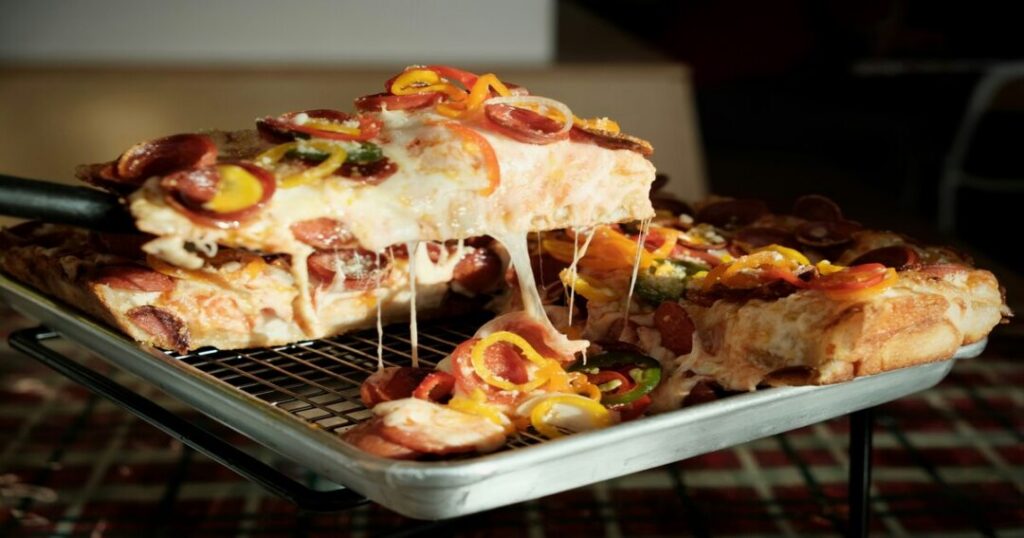
Chicago deep dish is the most internationally famous of all Chicago foods—and also the most internally contested. The story begins on December 3, 1943, at a restaurant called The Pizzeria (later renamed Pizzeria Riccardo, then Pizzeria Uno) at the corner of Ohio and Wabash in Chicago’s Near North Side. Ike Sewell and Ric Riccardo opened it together. The dish that emerged — a thick-walled, cast-iron-baked pie with mozzarella on the bottom, toppings in the middle, and chunky tomato sauce on top — was unlike anything else in American pizza culture.
What makes it what it is: A cast-iron pan greased with butter or olive oil. A thick, layered dough rising up the sides. Sliced mozzarella laid directly on the dough. Toppings (Italian sausage is the most traditional) are placed above the cheese. Chunky crushed tomato sauce on the very top. Baked for 30–45 minutes. Served by the slice with a fork and knife. It is not fast food. It is not pizza in the Neapolitan sense. It is, as its critics say, closer to a casserole—and its defenders say that is precisely the point.
2. Chicago-Style Hot Dog — The Dog You Cannot Ruin with Ketchup
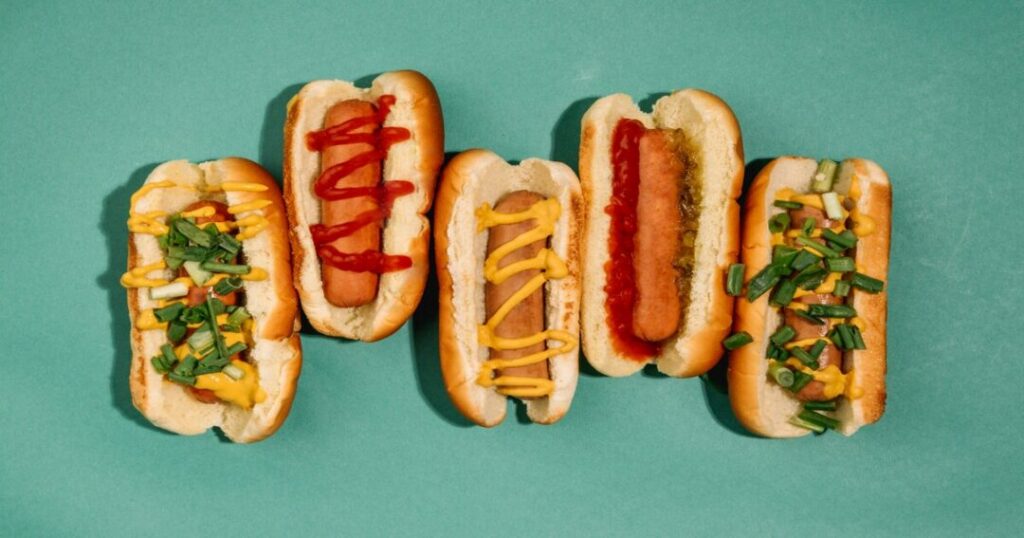
The Chicago-style hot dog was born in the Great Depression. In 1929, a vendor named Abe Drexler began selling what he called the “Depression Sandwich” at his stand, Fluky’s, on Maxwell Street on the Near South Side. For five cents, you got an all-beef frankfurter—not a pork hot dog, not a mixed-meat hot dog; an all-beef hot dog, the result of the specifically Jewish and German immigrant food culture of the Maxwell Street market—in a steamed poppy seed bun, topped with yellow mustard, electric neon-green relish, chopped white onions, two tomato wedges, a pickle spear, two sport peppers, and a shake of celery salt.
Also read: Famous Vietnamese Food: The Complete Guide to Top Vietnamese Dishes & Cuisine
3. Italian Beef — The Sandwich That Got There First
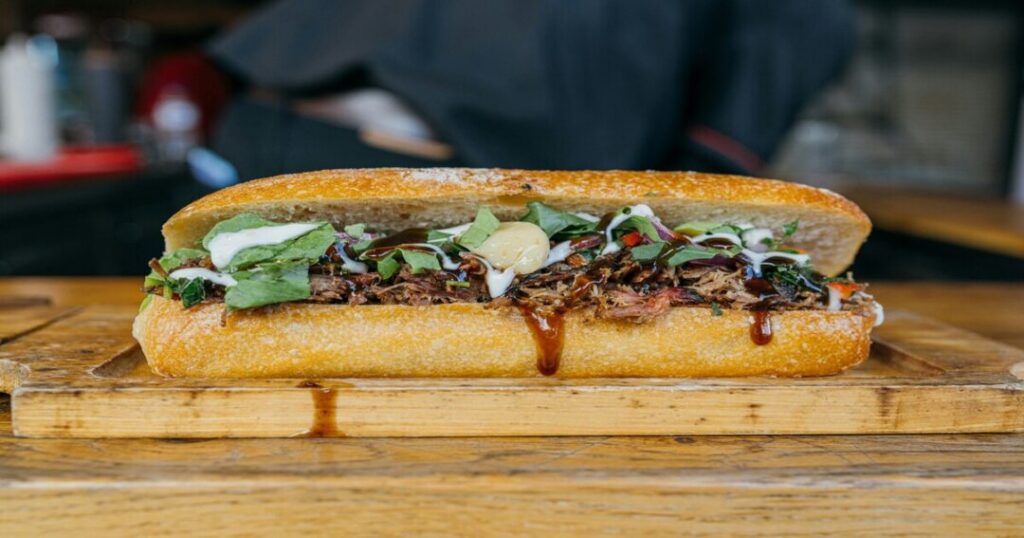
The Italian beef sandwich predates the deep dish by decades as Chicago’s original immigrant working-class food. Italian families on the Near West Side in the early 20th century—many of whom had emigrated from Southern Italy and Sicily—would slow-roast the cheapest cuts of beef (top round, bottom round) in heavily seasoned broth, slice it thin on a deli slicer, and serve it on Italian bread at gatherings. The broth—the au jus—was what made it: beef-flavored, herb-scented, and available for dunking.
4. Chicago Tavern-Style Pizza — The One Chicagoans Actually Eat
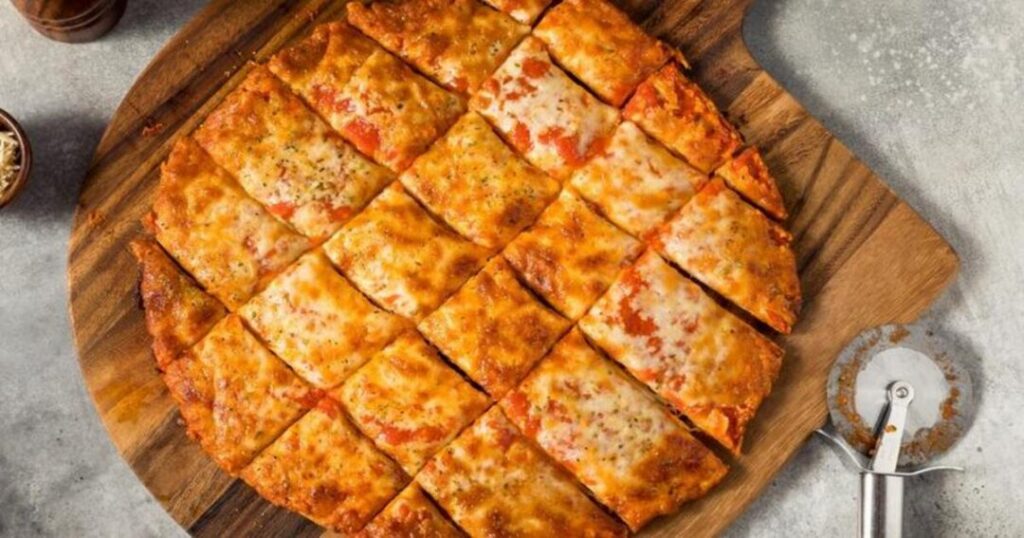
Here is something deep dish mythology obscures: most Chicagoans eat thin-crust tavern-style pizza, not deep dish. According to Grubhub data, deep dish accounts for approximately 9% of pizza deliveries in the city. The tavern-style (also called “party cut” or “bar pizza”)—a thin, crispy, cracker-like crust cut into squares rather than wedges—is the everyday pizza of Chicago neighborhoods, served at bars and pizzerias that have been in the same buildings since the 1950s.
5. The Jibarito—Puerto Rican Chicago’s Contribution
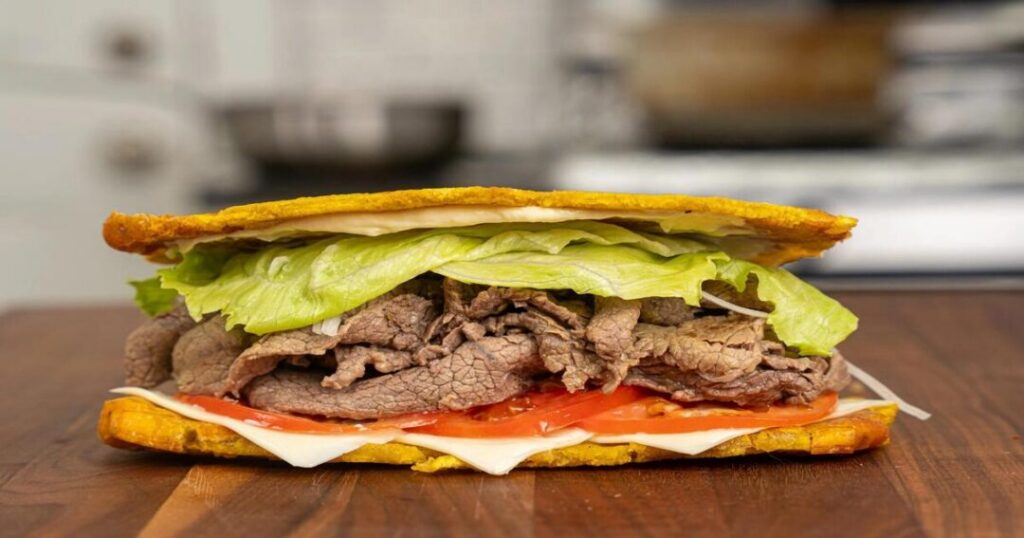
The jibarito is a sandwich that was invented in Chicago in 1996 and exists nowhere else in the world in quite the same form. Juan “Peter” Figueroa created it at Borinquen Restaurant in the Humboldt Park neighborhood on the North/West Side—Chicago’s Puerto Rican heartland—using flattened, fried plantain (plátano) in place of bread. The filling: seasoned skirt steak (or chicken), American cheese, lettuce, tomato, onion, and garlic mayonnaise, pressed between two crispy plantain planks.
6. Garrett Popcorn — The Chicago Mix
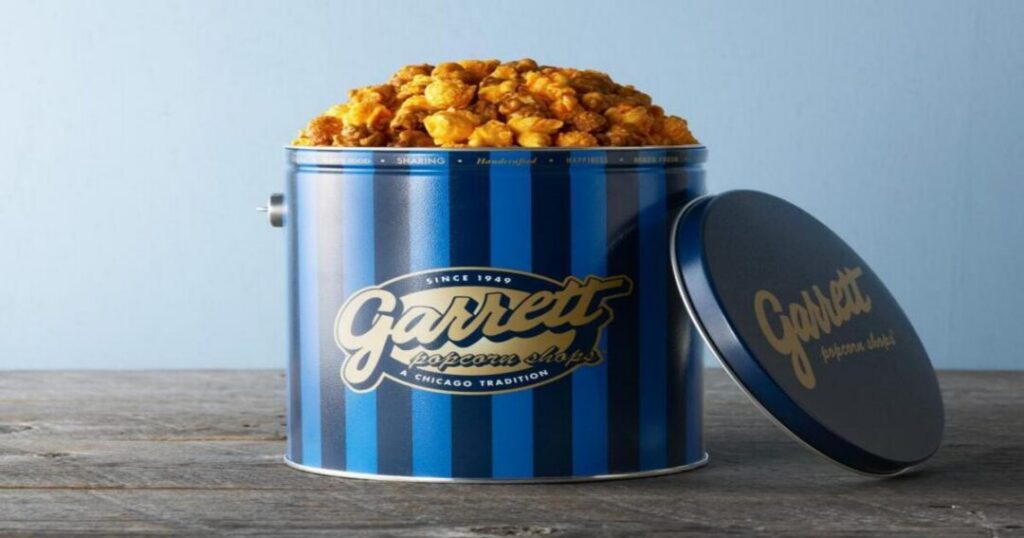
Garrett Popcorn Shops, founded in Chicago in 1949, created what is now called the Chicago Mix (or Chicago-style popcorn): a specific combination of caramel popcorn and cheddar cheese popcorn mixed together in a single bag, the sweet and the savory combining into a flavor that is inexplicably better than either component alone. The chemistry is legitimately mysterious; food scientists have proposed various explanations involving fat and sugar interaction, but the real explanation is simpler: it is delicious.
Also read: Austrian Food: The Complete Guide to Famous Austrian Dishes & Cuisine
7. The Original Rainbow Cone — Five Layers Since 1926
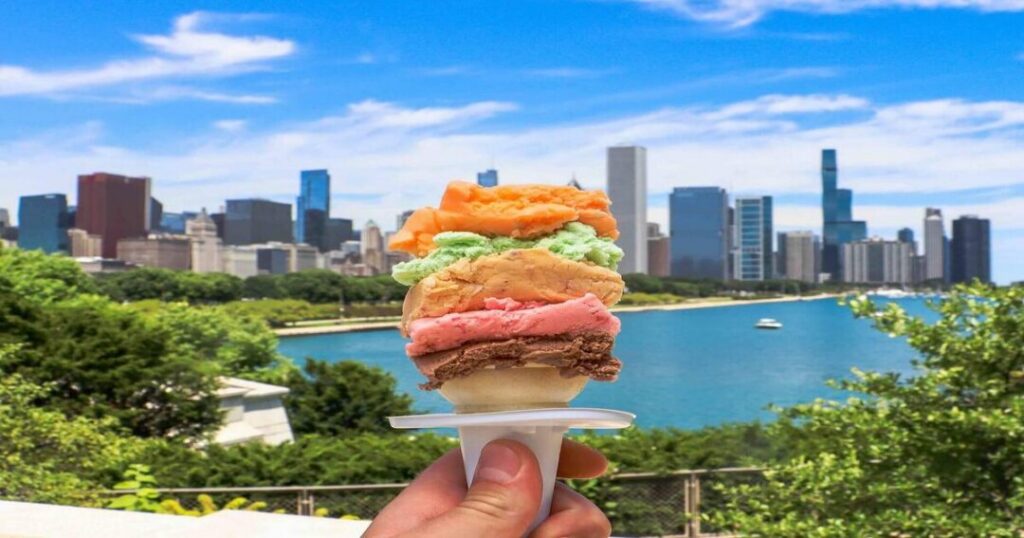
The Original Rainbow Cone has been served at the same location at 92nd and Western Avenue (9233 S. Western Ave.) in Chicago’s Beverly neighborhood on the South Side since 1926, when Joseph Sapp opened the stand. The cone is not a single flavor or even a simple combination—it is five specific flavors stacked in a precise order, sliced rather than scooped, and applied in a single continuous diagonal motion: chocolate, strawberry, Palmer House (cherry walnut), pistachio, and orange sherbet, in that order, every time.
8. Chicago-Style Popcorn (Beyond Garrett)
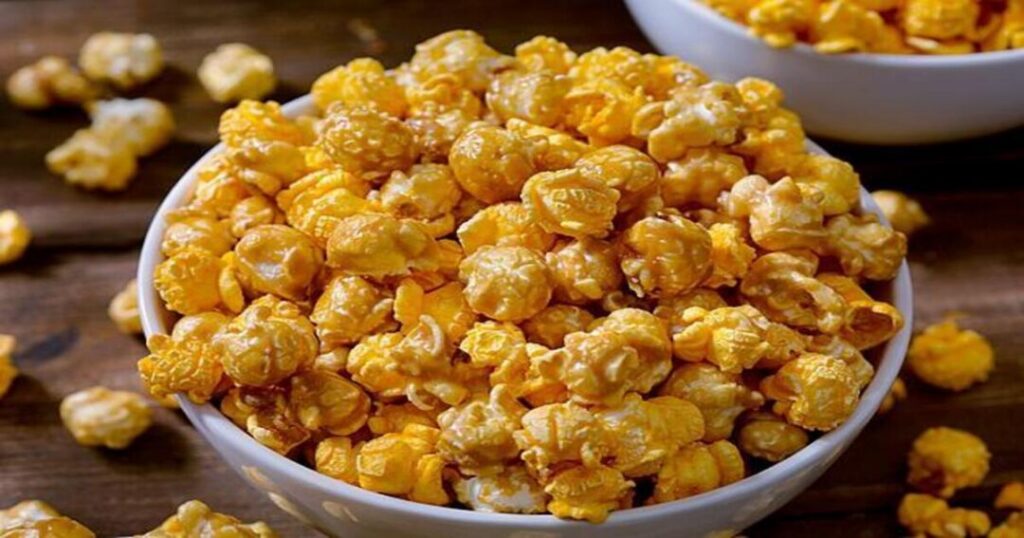
Beyond Garrett’s, Chicago-style popcorn—the caramel-cheddar combination—is a citywide tradition available at independent popcorn shops across every neighborhood. The best versions outside Garrett’s are found at small, family-run shops that add their own spice variations (sriracha caramel, truffle cheddar, and seasonal flavors). Chicago’s love affair with popcorn is deep, specific, and expressed in the specific weight of a paper bag carried out of a popcorn shop onto Michigan Avenue.
9. Malört — The Taste of Chicago
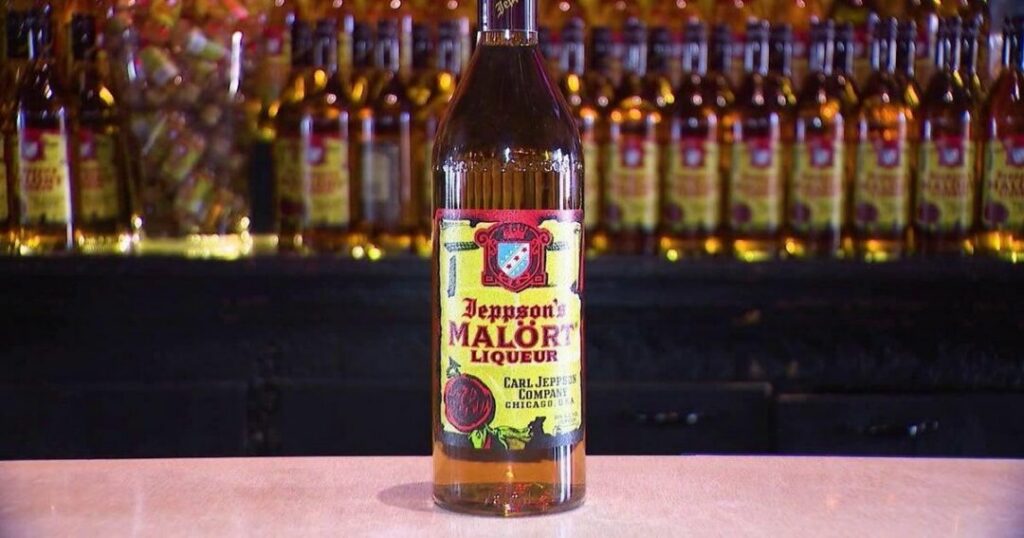
Jeppson’s Malört is Chicago’s signature spirit—a wormwood-based bitter liqueur that has been produced in and associated with Chicago since the 1930s when Swedish immigrant Carl Jeppson began selling it here. Malört is genuinely, defiantly, and legendarily unpleasant on the first encounter—grapefruit pith, pine resin, and something between medicine and punishment—and yet it has become a defining cultural marker of Chicago bar culture. The Malört shot is the Chicago hazing ritual: visitors are given their first shot, their face contorts, and they either become converts or definitively decline the second.
10. The Italian Sausage Sandwich — Maxwell Street Legacy
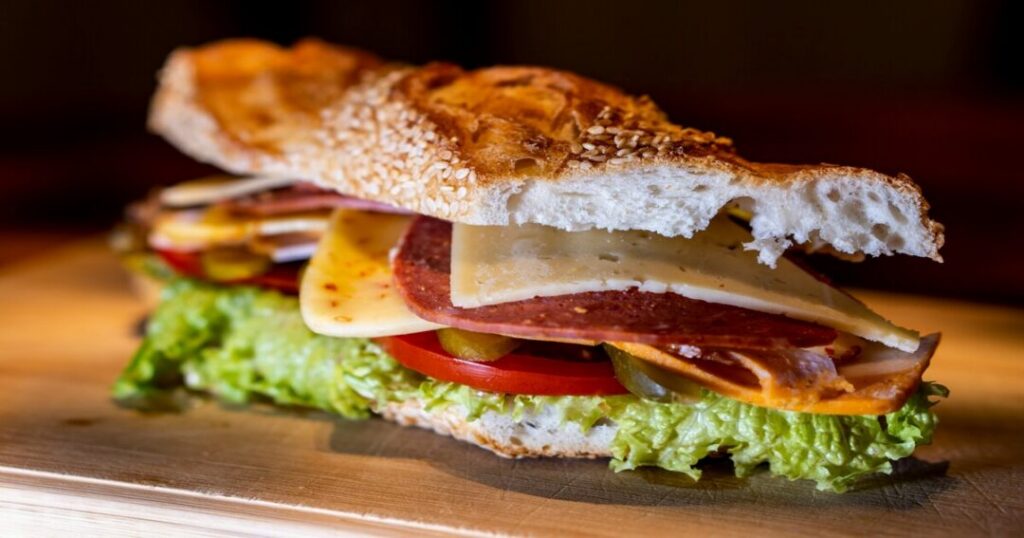
The Maxwell Street Polish (or Chicago Polish)—a grilled or fried kielbasa sausage on a hoagie roll with caramelized onions, yellow mustard, and sport peppers—is the legacy of Maxwell Street: the open-air market on the Near South Side that was the arrival point and commercial center for successive waves of Jewish, Greek, Italian, African American, and Mexican immigrants from the 1880s onward. Maxwell Street was the origin of Chicago’s blues scene, its street food culture, and its reputation for selling anything to anyone for a negotiated price. The Maxwell Street Polish—the specific combination of grilled kielbasa, sweet and soft caramelized onions, and sport peppers—is the edible memorial of a market and a neighborhood that was largely demolished by the University of Illinois Chicago campus expansion in the 1990s.
Also read: Belgium Food: The Complete Guide to Famous Belgian Dishes & Cuisine
Chicago Food: The Sweet Side of the City
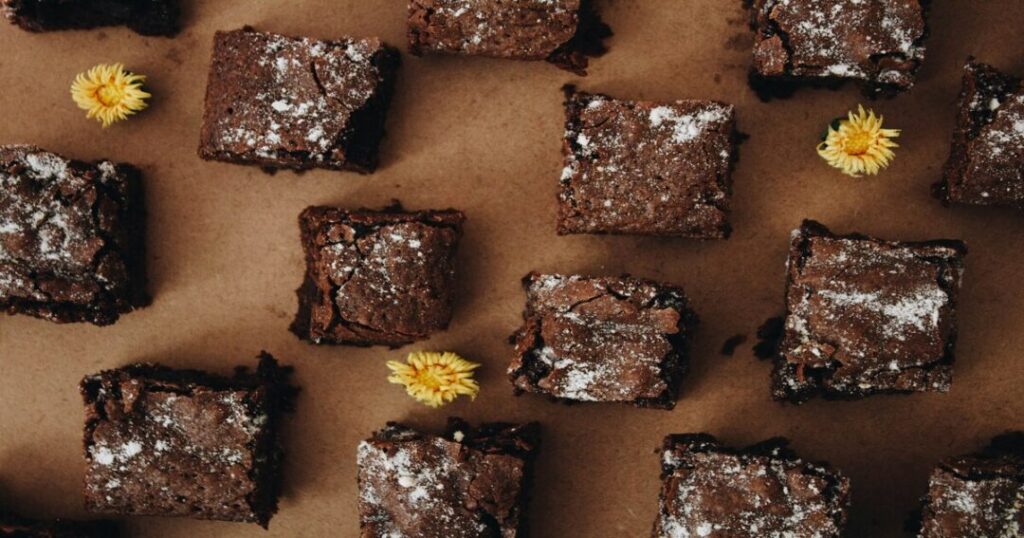
Brownies: Chicago has a legitimate claim on the invention of the brownie. Bertha Palmer, the Chicago socialite who presided over the Palmer House Hilton, reportedly commissioned a small chocolate cake that could be carried in boxed lunches at the 1893 World’s Columbian Exposition in Chicago. The Palmer House brownie—dense, walnut-studded, and glazed with apricot preserve—has been on the Palmer House menu since 1893.
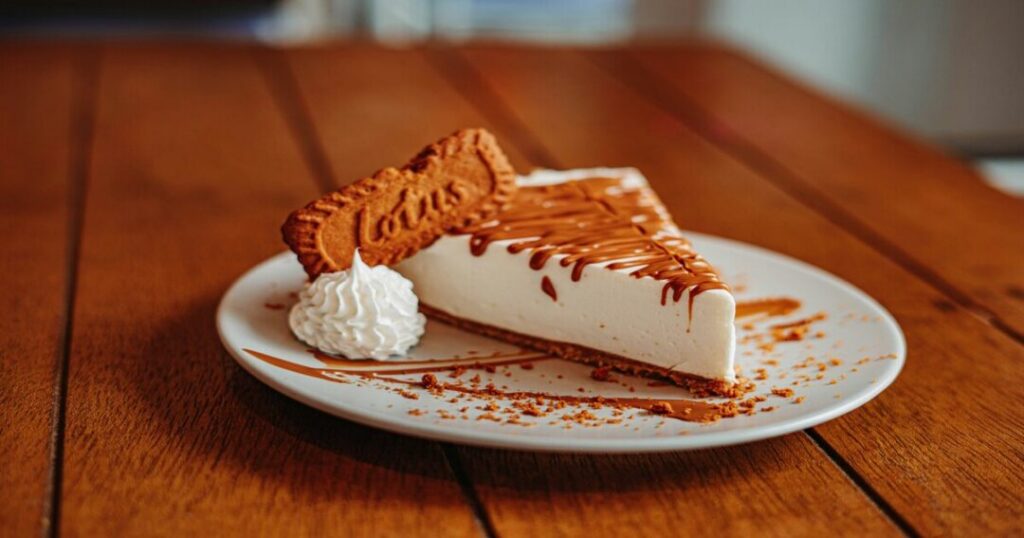
Eli’s Cheesecake: Founded by Eli Schulman at Eli’s The Place for Steaks in 1980, Eli’s Chicago-Style Cheesecake was the official dessert of Chicago’s World’s Fair celebration in 1980 (the Taste of Chicago’s inaugural year). It is now one of the most recognized American cheesecake brands—denser and firmer than New York style, with a shortbread cookie crust.
Thrills Gum: A Chicago original—a purple grape gum with a rose water flavor that Chicago kids have been chewing since the 1960s. Divisive, nostalgic, specifically Chicago.
Chicago Food Tours: How to Eat Your Way Through the City
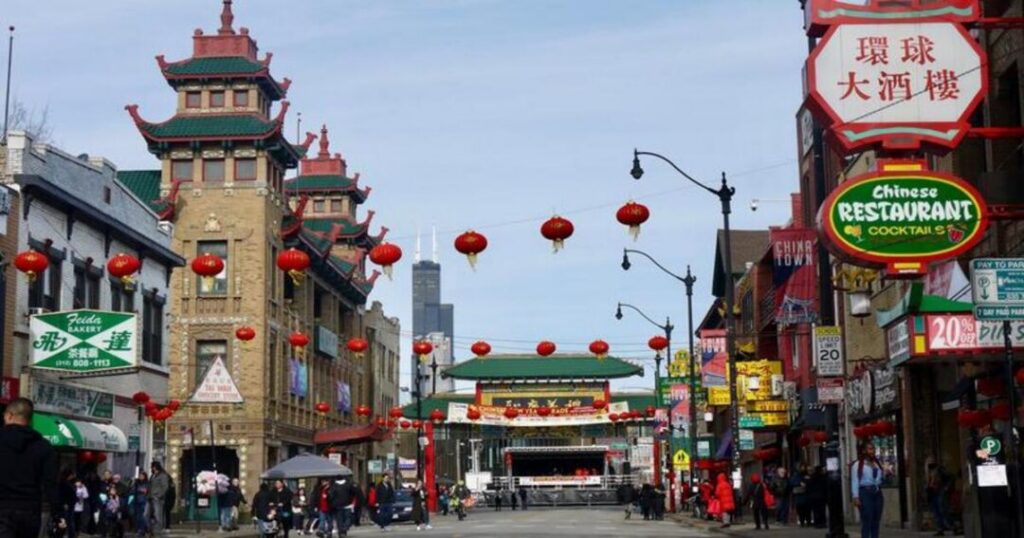
The finest Chicago food tours are not organized tours—they are self-organized neighborhood walks through the distinct culinary landscapes of Chicago’s communities.
The South Side Italian Beef & Hot Dog Circuit: Starting on the South Side—where the city’s beef stands are concentrated—and following the specifically South Side tradition of eating at standing counters.
Pilsen (Mexican & Latin American): The neighborhood of Pilsen on the Lower West Side is the heart of Chicago’s Mexican-American community—tacos, tamales, birria, elotes, and the finest Mexican bakeries in the Midwest are concentrated on 18th Street.
Also read: Bahamian Food: The Complete Guide to Bahamas Cuisine, Dishes & Recipes
Chinatown (South Loop): Chicago’s Chinatown is one of the most vibrant in the Midwest—dim sum on Cermak Road, roast duck, bubble tea, and the specific Cantonese-American food culture that has been here since the early 20th century.
Logan Square (New American & Polish): The neighborhood where the city’s contemporary restaurant scene meets its Polish immigrant heritage—pierogi at neighborhood delis alongside some of the finest new American restaurants in the city.
The Magnificent Mile → Michigan Avenue Garrett’s: The standard tourist food circuit—Garrett’s Popcorn on Michigan Avenue, the Chicago Mix in hand, walking north toward the Tribune Tower. This is the free Chicago food experience at its most accessible: samples at Garrett’s, street food at Millennium Park events, and the general abundance of a city that feeds its visitors generously.
Free Food Chicago: The Taste of Chicago—a summer festival in Grant Park (typically July)—is the city’s biggest annual food event, with dozens of Chicago restaurants selling food at accessible prices. Many neighborhood block parties and summer festivals offer free food sampling. The Garfield Park Conservatory, the Chicago Cultural Center, and Millennium Park host regular free events, some of which include food components.
Conclusion About Chicago Food
Chicago food is not a single dish. It is the accumulated result of every community that built the city—the Italian immigrants who slow-roasted their beef, the Jewish vendors who insisted on all-beef hot dogs, the Puerto Rican cook who replaced bread with plantain, and the Mississippi woman who fixed a pizza dough. These are the best foods in Chicago: not the dishes that are in the guidebooks (or not only those), but the ones that carry the weight of the people who made them and the neighborhoods where they were first sold.
Download the Explurger app to discover what Chicago food lovers actually recommend; find the best beef stands, pizza joints, and popcorn shops beyond the tourist trail; and log every wet beef sandwich, deep-dish slice, and Rainbow Cone on your Chicago food journey.
The Italian beef is already simmering. The deep dish is already in the cast iron. Chicago’s table is always already set.
FAQs About Chicago Food
2. What is a Chicago-style hot dog?
A Chicago-style hot dog is an all-beef frankfurter in a steamed poppy seed bun, topped in this order: yellow mustard, neon-green sweet relish, chopped white onion, two tomato wedges, a dill pickle spear, two sport peppers, and celery salt. It is never, under any circumstances, served with ketchup. The Chicago hot dog was born in 1929 when Abe Drexler began selling the "Depression Sandwich" from Fluky's stand on Maxwell Street—a five-cent combination so complete it constituted a full meal.
3. What are the best food tours in Chicago?
The best Chicago food tours—organized and self-guided: Organized tours concentrate on specific neighborhoods (Pilsen for Mexican cuisine, Chinatown, Logan Square, and the South Side for Italian beef stands). Self-guided: the Michigan Avenue corridor (Garrett's Popcorn + surrounding food options), 18th Street in Pilsen (Mexican food), Cermak Road in Chinatown, and Maxwell Street (the successor Sunday market) for Chicago Polish and other street food. The Taste of Chicago in July (Grant Park) is the city's largest annual food festival—dozens of Chicago restaurants, accessible pricing, and free entry to the park.
4. Is deep dish pizza really from Chicago?
Yes—Chicago deep-dish pizza originated at Pizzeria Uno (then called The Pizzeria) at Ohio and Wabash, which opened on December 3, 1943. Founders Ike Sewell and Ric Riccardo are credited with the concept, though the actual recipe was likely developed by cook Alice Mae Redmond, a Black woman from Mississippi who adjusted the dough to make it stretch properly, incorporating elements of Southern biscuit-making. The dish's distinctive structure—cheese below, toppings in the middle, tomato sauce on top, baked in a cast iron pan—was a genuinely new invention. Note: Most Chicagoans actually eat thin-crust tavern-style pizza more regularly than deep-dish—deep-dish is what visitors order and what the city is known for.