
458 Total Views
Hong Kong food gets flattened into a couple of menu phrases outside the city — “Hong Kong fried rice,” “Hong Kong noodles” — that don’t actually map to specific dishes locals would recognize by those names. This guide starts by clearing that up honestly, then moves through what’s genuinely eaten here: dim sum teahouses, retro cha chaan teng diners, Cantonese roast meats, and Kowloon’s genuinely strong Indian food scene for travelers looking for something familiar between Cantonese meals.
Save the dishes and areas that catch your eye to your Explurger Bucket List as you plan.
List of Famous Food of Hong Kong in 2026
Hong Kong Fried Rice
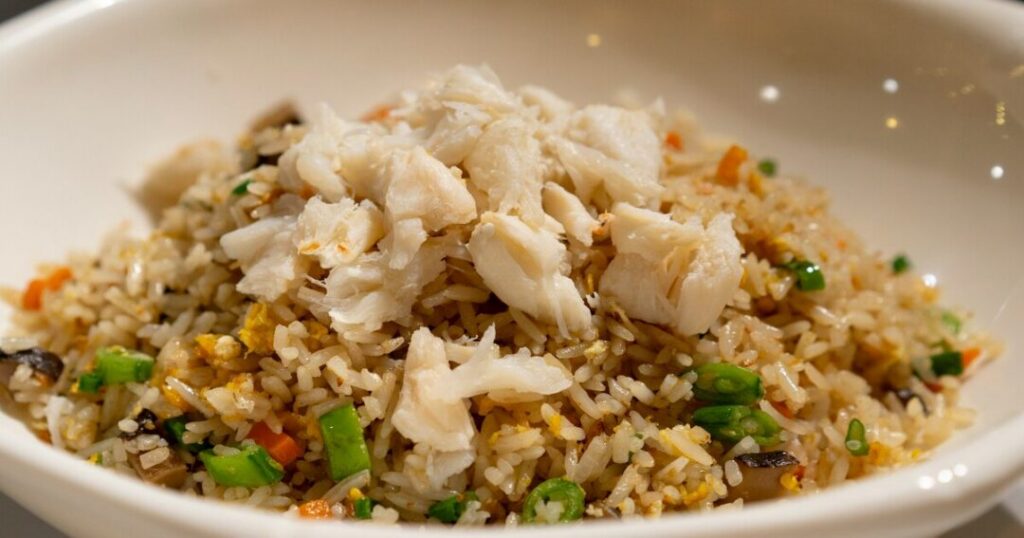
Here’s the honest version: “Hong Kong fried rice” isn’t really a dish with that name on menus in Hong Kong itself. What most people abroad are picturing is Yeung Chow fried rice (also spelled Yang Chow), and even that dish didn’t originate in Hong Kong — it traces back to Yangzhou, a city in China’s Jiangsu province. The name “Yeung Chow” is simply the Cantonese pronunciation of Yangzhou, and it spread internationally through Hong Kong-run restaurants, which is likely how it picked up the “Hong Kong” association in the first place. [STAT: Yeung Chow fried rice is named for its Cantonese pronunciation of Yangzhou, the Chinese city it actually originates from, rather than being a native Hong Kong dish.]
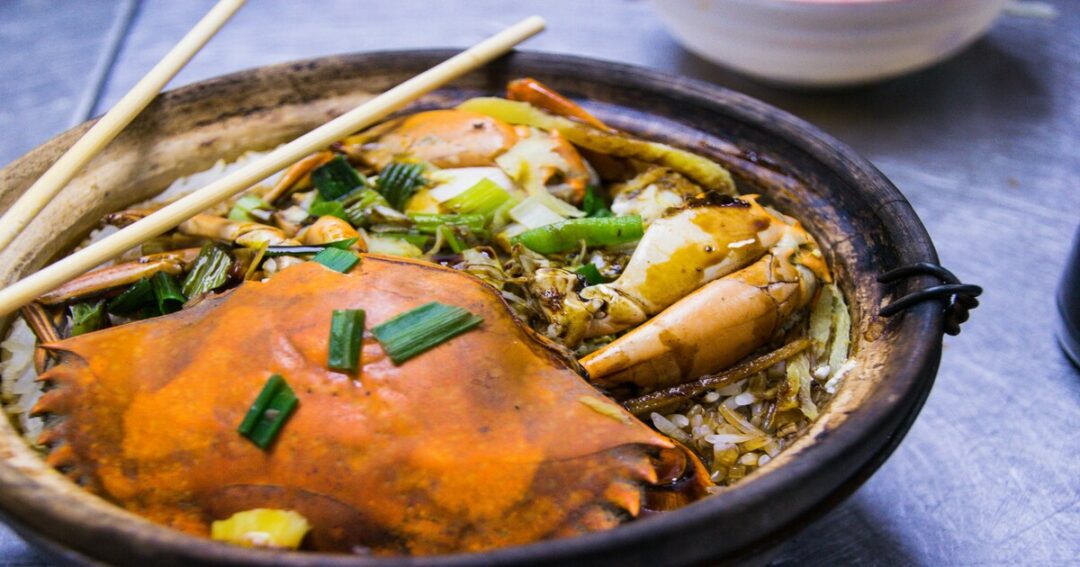
What makes it distinct from plain fried rice is the requirement for at least three types of protein, with shrimp and char siu (roast pork) almost always included. If you’re searching for genuine Hong Kong rice dishes to try locally, claypot rice — rice cooked and served in an individual clay pot, often with sausage, chicken, or salted fish mixed in — is a far more authentic and specifically Hong Kong-associated choice than anything labeled “Hong Kong fried rice” abroad.
Hong Kong Noodles: Wonton Mein and the Crispy Noodle Tradition
Similarly, Hong Kong noodles as a generic restaurant-menu category doesn’t point to one specific dish locally — but two real noodle traditions are worth knowing by name instead. Wonton noodles (wonton mein) actually originated in Guangzhou during the Qing dynasty, gaining massive popularity in Hong Kong specifically after World War II, when hawker stalls serving the dish spread rapidly across the city. The Hong Kong version is defined by delicate shrimp-or-pork wontons, thin egg noodles, and a clean, flavorful broth — a genuinely different experience from the thicker noodle soups found elsewhere in China.
The second tradition is Hong Kong-style pan-fried noodles: egg noodles fried until crispy on the outside, then topped with a stir-fried mix of vegetables and protein in a light sauce. This crispy preparation, distinct from the softer lo mein style, is a genuinely Hong Kong-associated way of serving noodles and a far better answer to hongkong noodles searches than any single packaged dish name.
Also Read: e-Visa for Indians: Your Complete Guide to Visa-Free, Visa on Arrival & e-Visa Travel
Dim Sum and Yum Cha: Hong Kong’s Essential Food Ritual
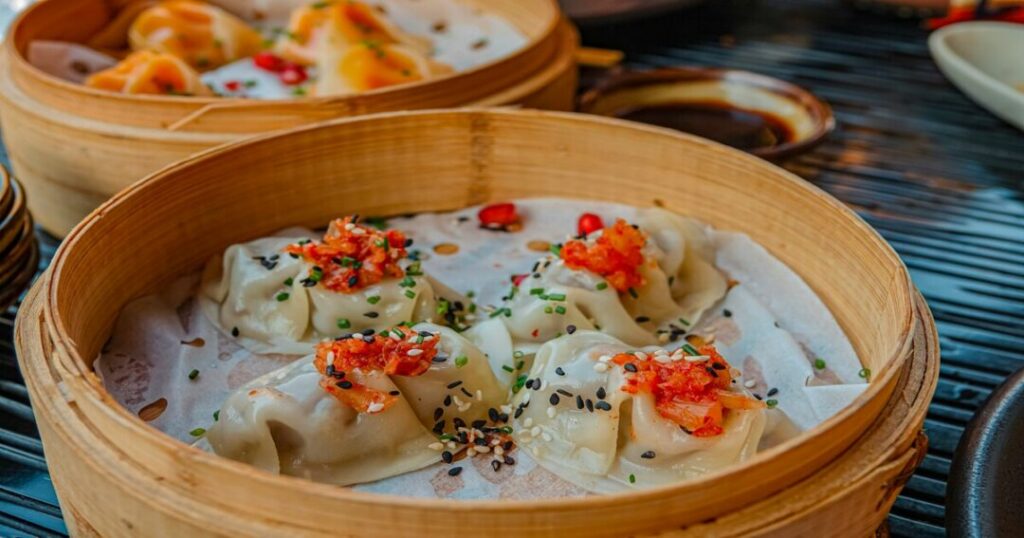
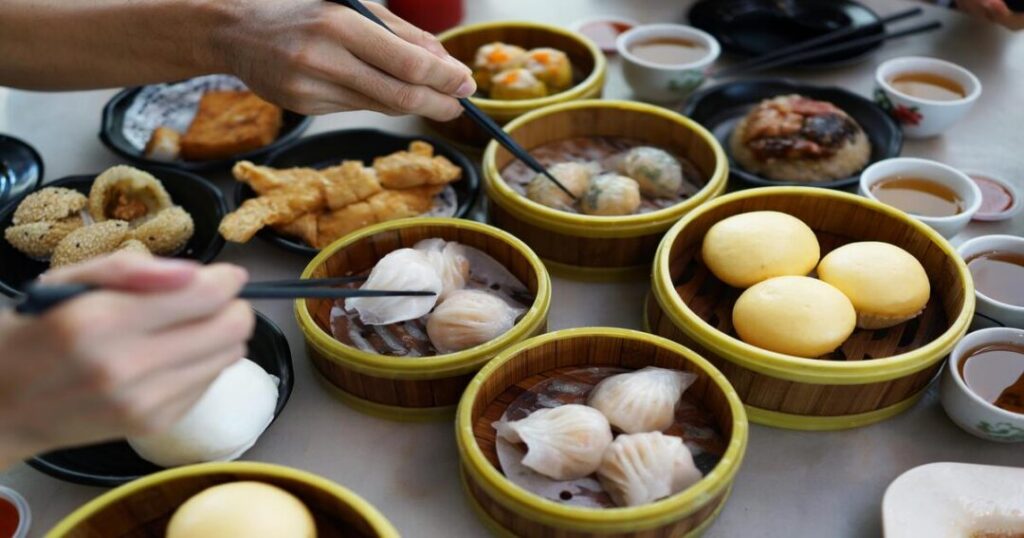
If there’s one food experience that defines Hong Kong more than any single dish, it’s dim sum, traditionally eaten during yum cha (literally “drink tea”) gatherings at Cantonese teahouses. This is inherently communal — you order a spread of small plates for the table rather than one dish per person, historically served from rolling carts and increasingly ordered today from tick-box paper menus at busier restaurants.
The essentials to know by name: har gow (delicate shrimp dumplings with a nearly translucent wrapper), siu mai (open-topped pork and shrimp dumplings), char siu bao (fluffy steamed buns filled with barbecue pork), and rice noodle rolls (cheung fun), often served with a light soy-based sauce. Morning and early afternoon are the traditional windows for yum cha, and it’s worth going with at least one other person, since ordering a proper spread solo tends to mean far more food than makes sense for one.
Cha Chaan Teng: Hong Kong’s Retro Diners
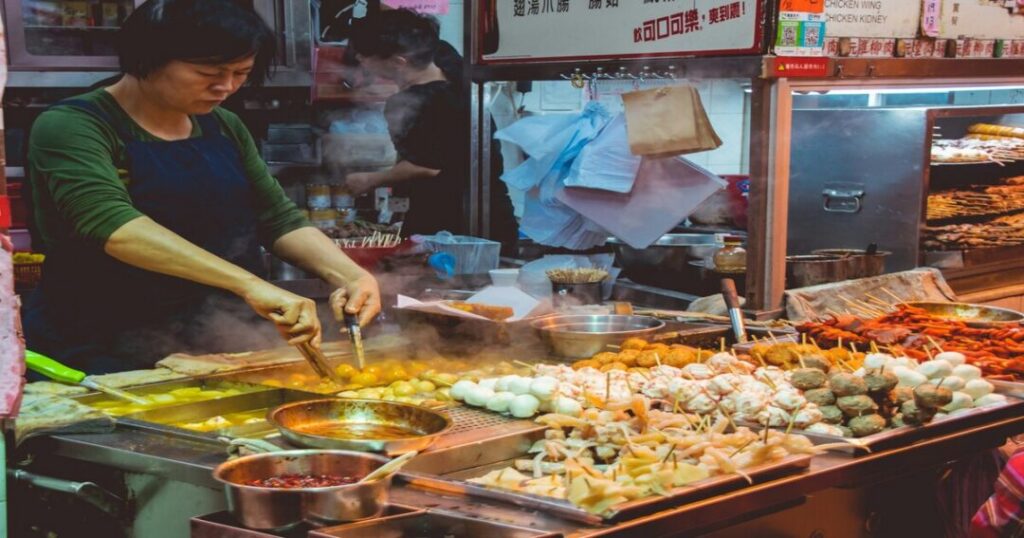
Cha chaan teng — literally “tea restaurant” — are Hong Kong’s answer to the American diner or British greasy spoon, and their history is genuinely tied to the city’s colonial-era social divides. They trace back to “bing sutt” (ice rooms) that emerged in the 1950s, originally just cool drink shops for workers under ceiling fans, which gradually evolved into full restaurants serving affordable, Hong Kong-style versions of Western food that ordinary residents couldn’t otherwise access at pricier colonial-era establishments.
Milk tea is the drink most associated with this culture, traditionally strained through a cloth bag nicknamed a “silk stocking” before condensed milk gets stirred in. Pineapple buns — named for their caramelized, scored crust rather than any actual pineapple — and Hong Kong-style egg tarts round out the classic order. There’s even a named ritual around this: “saam dim saam” (three-fifteen), the traditional mid-afternoon break when office workers and laborers alike step out for milk tea and a pineapple bun.
Also Read: Famous Vietnamese Food: The Complete Guide to Top Vietnamese Dishes & Cuisine
Roast Meats and Claypot Rice: Cantonese Classics
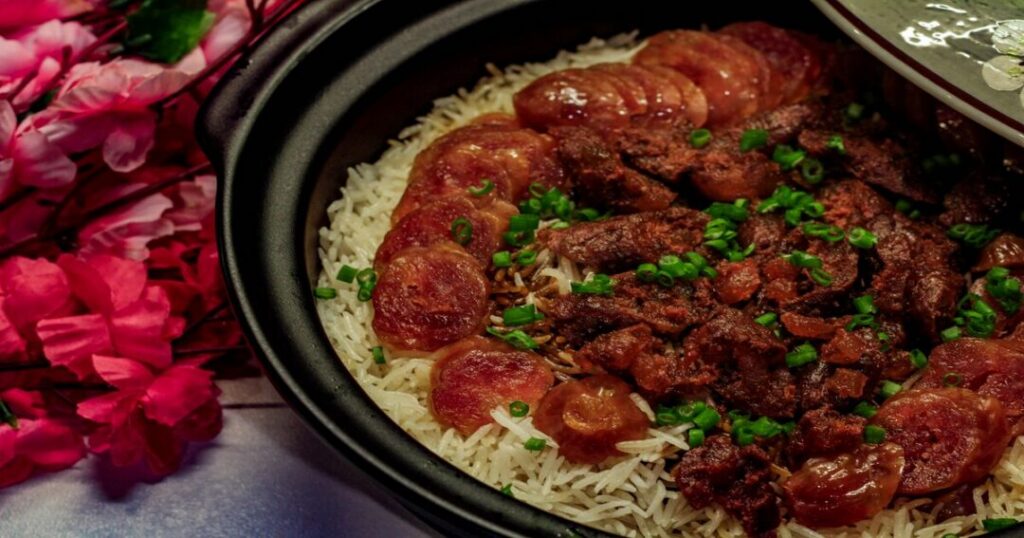
Beyond noodles and dim sum, Hong Kong’s roast meat tradition deserves its own attention. Char siu (barbecue pork), glazed and roasted until the edges caramelize, hangs in the windows of countless local restaurants as a genuine visual signal of quality. Roast goose, marinated in a specific blend of spices before slow-roasting, is considered a pinnacle of Cantonese cooking, prized specifically for the contrast between crackling skin and tender meat underneath.
Claypot rice, mentioned earlier as a genuine “Hong Kong rice” dish, deserves a second look here too — it’s typically cooked to order, meaning the rice at the bottom of the pot develops a light, crisp crust that’s considered the best part by regulars, not an accident to be avoided.
Kowloon’s International Food Scene: Indian Restaurants and Beyond
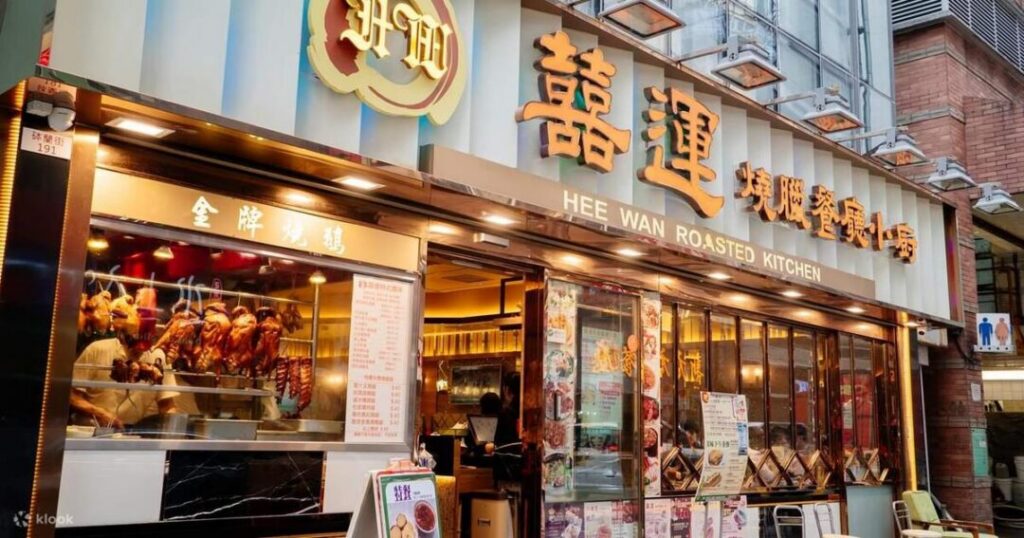
Hong Kong’s food scene isn’t purely Cantonese, and Kowloon in particular — especially around Tsim Sha Tsui and the Chungking Mansions building on Nathan Road — has developed a genuinely strong, long-running Indian food scene, largely built up by South Asian traders, workers, and residents who’ve called this part of the city home for decades. If you’re specifically looking for an indian restaurant hong kong search would point you toward, this is the neighborhood to focus on, with multiple family-run kitchens tucked into the building’s dense, multi-floor layout offering everything from tandoori dishes to South Indian specialties.
This same area also holds a wider mix of Nepalese, Pakistani, and other South Asian food options, reflecting Chungking Mansions’ history as a genuinely multicultural hub rather than a single-cuisine enclave. It’s worth going in with an appetite for exploration rather than a single restaurant in mind — the building’s food scene rewards wandering between floors as much as it rewards any one specific stop.
Also Read: Places to Visit in Bangkok: The Complete Guide Beyond the Grand Palace
What is the Best Time for a Hong Kong Food Trip?
Late September through early December offers Hong Kong’s most comfortable stretch for eating your way through the city on foot — warm but dry, with average daytime temperatures around 24°C and considerably less humidity than the summer months. Summer, particularly June through September, brings intense heat, frequent rain, and the risk of typhoons, which can disrupt both outdoor food stalls and general movement around the city. If dim sum and cha chaan teng crawls are the priority, the cooler months make for far more comfortable walking between stops.
Trying to plan a food-focused Hong Kong itinerary around everything else on your trip? NIVU AI inside the Explurger app can help you weigh how much time to set aside for dim sum, cha chaan teng, and a Kowloon food crawl against the rest of your plans.
Also Read: Visa-Free Countries for Indians in 2026 | Budget International Travel Guide for Young Explorers
Conclusion About Hong Kong food
The real story behind Hong Kong food is more interesting than the menu shorthand suggests — a fried rice dish that’s actually from Yangzhou, noodle traditions with real post-war history, and a Kowloon food scene that’s as much South Asian as Cantonese. Save the dishes and neighborhoods that stand out to your Explurger Bucket List, and once you’ve eaten your way through them, log each stop as an Explurge-in — your Automatic Travelogue will keep the whole food trail mapped for next time. Let Explurger help you plan the eating, dish by dish.
FAQs About Hong Kong Food
2. What are real Hong Kong noodle dishes to try?
Wonton noodles (wonton mein), featuring delicate shrimp-or-pork wontons in a clean broth with thin egg noodles, became hugely popular in Hong Kong after World War II via hawker stalls. Hong Kong-style pan-fried noodles, crispy on the outside and topped with a stir-fried sauce, are the other genuine local noodle tradition worth seeking out.
3. What is dim sum and how do you order it?
Dim sum is a communal spread of small dishes traditionally eaten during yum cha (tea-drinking sessions) at Cantonese teahouses. Dishes are ordered from rolling carts or tick-box paper menus, with essentials including har gow (shrimp dumplings), siu mai (pork and shrimp dumplings), char siu bao (barbecue pork buns), and rice noodle rolls. It's best enjoyed with at least one other person since a proper spread means more food than makes sense solo.
4. What is a cha chaan teng?
A cha chaan teng is Hong Kong's version of a diner or greasy spoon, tracing back to 1950s "bing sutt" ice rooms that evolved into full restaurants serving affordable, Hong Kong-style Western food. Signature items include milk tea strained through a "silk stocking" cloth, pineapple buns, and egg tarts, tied to the local mid-afternoon "saam dim saam" break tradition.
5. Where can I find good Indian restaurants in Hong Kong?
Kowloon, particularly around Tsim Sha Tsui and the Chungking Mansions building on Nathan Road, has a long-established Indian food scene built up by South Asian residents and traders over decades. The area also includes Nepalese and Pakistani food options, making it worth exploring across multiple floors rather than seeking out just one specific restaurant.
6. What is the best time of year for a Hong Kong food trip?
Late September through early December offers the most comfortable weather, with warm, relatively dry conditions around 24°C. Summer months, particularly June through September, bring heavy rain, high humidity, and typhoon risk, which can disrupt both outdoor food stalls and general sightseeing.