
535 Total Views
Ten days is enough to do Egypt properly, but only if the days are allocated with real intent. This 10 day Egypt itinerary tightens Cairo to its essentials, uses the fuller 4-night Nile cruise between Luxor and Aswan rather than the rushed 3-night version, and still leaves genuine time at the Red Sea rather than treating it as an afterthought tacked onto the end.
Here’s the full breakdown, plus what Indian travelers specifically need to sort before departure. Save each leg to your Explurger Bucket List as you plan so you’ve got a clear running list of what’s booked and what’s still pending.
Egypt Itinerary 10 Days from India: Visa, Flights & Money
Before the day-by-day plan, the practical groundwork — this is where an Egypt itinerary 10 days from India actually starts.
Visa: The e-visa is the reliable route for Indian passport holders, applied for entirely online through Egypt’s official portal (visa2egypt.gov.eg) with no embassy visit required. The government fee runs around $25 USD (roughly ₹2,100–2,700 depending on exchange rates), the e-visa is valid for 3 months from issue, and it permits a stay of up to 30 days. Visa-on-arrival eligibility for Indian citizens is genuinely inconsistent across sources — some describe it as available only through a certified Egyptian tour operator with a signed letter of guarantee for groups of two or more, while others state Indian nationals aren’t eligible for visa-on-arrival at all. Rather than risk it, apply for the e-visa in advance and treat that as your confirmed route in. [STAT: The Egypt e-visa for Indian citizens costs approximately $25 USD, is valid for 3 months from issue, and permits a stay of up to 30 days.]
Flights: EgyptAir operates direct flights between India and Cairo, including a Delhi–Cairo route running around 7 hours 25 minutes, and near-daily Mumbai–Cairo service. If direct flights don’t suit your dates or budget, one-stop options via Gulf carriers — Emirates, Etihad, Qatar Airways, and others routing through their respective hubs — are widely available and often comparably priced.
Money: Egypt’s currency is the Egyptian Pound (EGP), trading at roughly 50 EGP to 1 USD. ATMs are widely available in Cairo, Luxor, and Aswan, and credit cards work fine in hotels and larger restaurants, but keep cash on hand for taxis, tips, markets, and smaller vendors, where card payment often isn’t an option.
Days 1–3: Cairo — Pyramids, the Grand Egyptian Museum & One More Stop
Day 1 is essentially an arrival day — land in Cairo, check into your hotel, and rest ahead of a packed Day 2. If your flight lands early enough, a short evening walk near your hotel or a first taste of Egyptian food is a good low-key start.
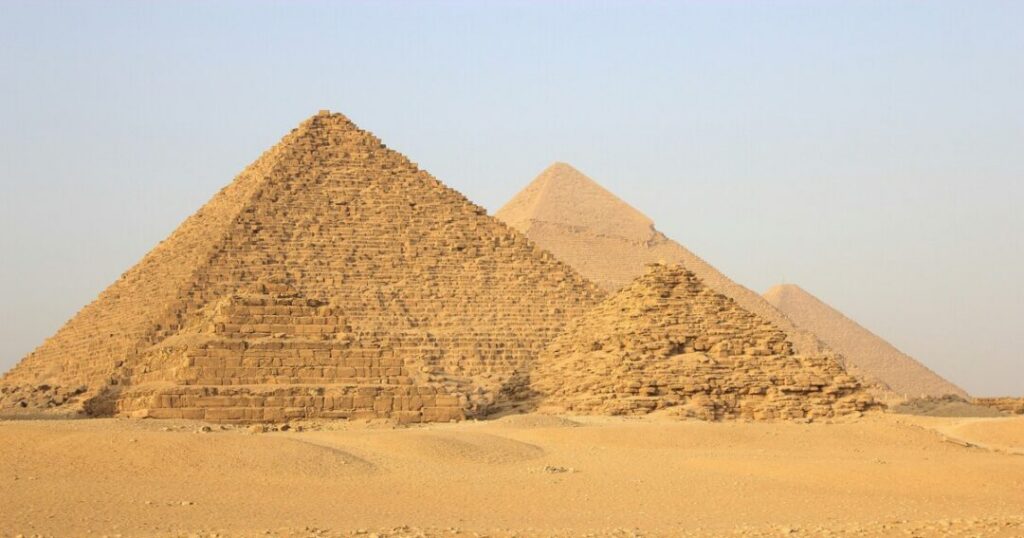
Day 2 is the single most important day of the Cairo leg: the Giza Plateau, home to the Great Pyramid, the pyramids of Khafre and Menkaure, and the Great Sphinx. Right nearby — about 1.2 miles from the pyramids — sits the Grand Egyptian Museum (GEM), which opened in November 2025 and is now the largest archaeological museum in the world dedicated to a single civilization, holding over 100,000 artifacts including the complete Tutankhamun treasure collection (5,398 pieces) displayed together for the first time. [STAT: The Grand Egyptian Museum, which opened in November 2025 near the Giza Plateau, now houses the complete Tutankhamun treasure collection of 5,398 pieces displayed together for the first time.] Because GEM sits so close to Giza, pairing the pyramids and the museum on the same day is genuinely efficient rather than a rushed compromise.
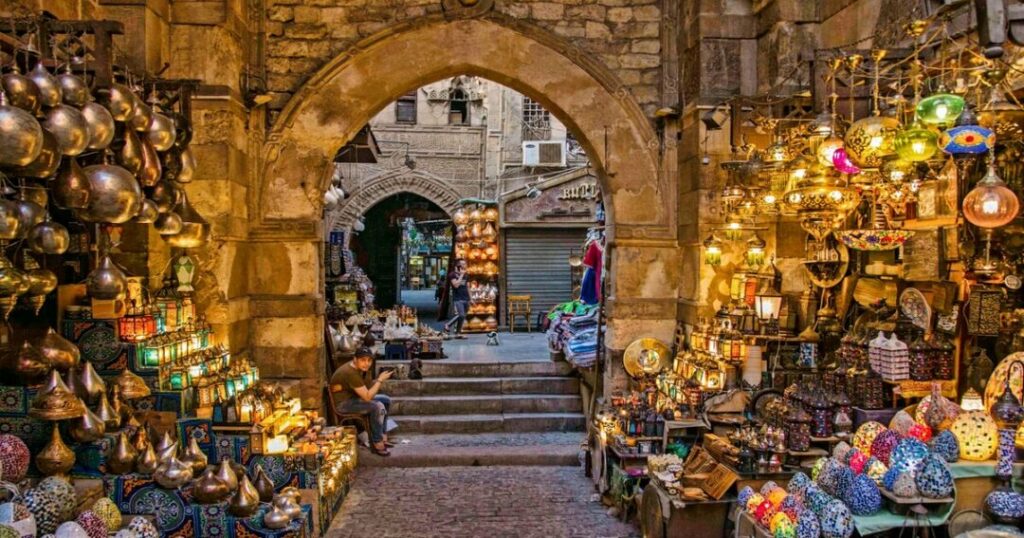
Day 3 morning leaves room for one more Cairo stop before you fly onward — Saqqara’s Step Pyramid or a walk through Islamic Cairo and the Khan el-Khalili bazaar both work well as a shorter half-day add-on. In the afternoon, fly from Cairo to Luxor to begin the Nile cruise leg.
Days 3–6: The Nile Cruise — Luxor to Aswan (4 Nights)
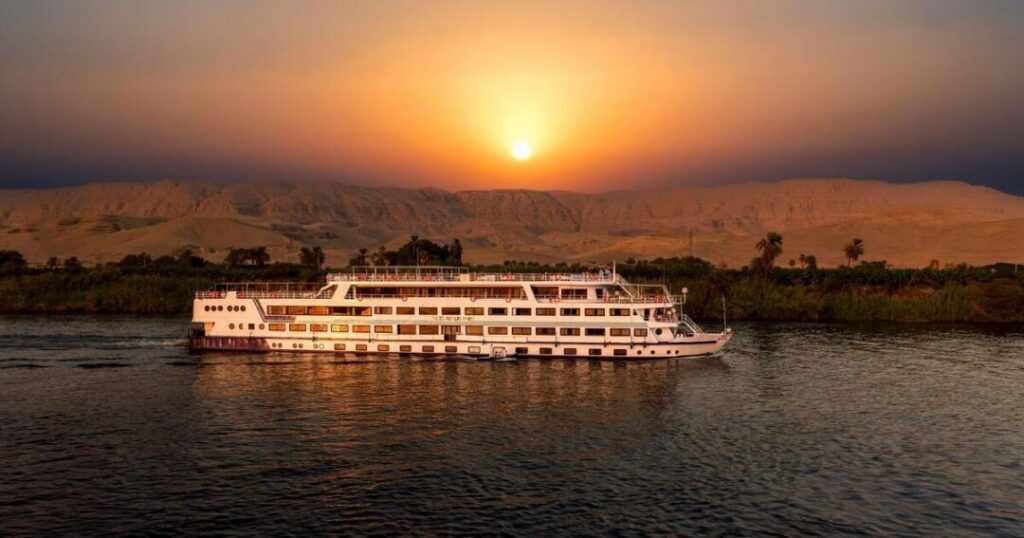
This Egypt 10-day itinerary with Nile cruise structure uses the fuller 4-night sailing between Luxor and Aswan rather than the shorter 3-night version, since the extra day gives you a genuine buffer between temple visits and proper time on deck rather than a rushed back-to-back schedule.
Day 3, afternoon/evening: Land in Luxor, embark your cruise ship, and spend the evening at Karnak Temple and Luxor Temple — both dramatically lit after dark, which is arguably the better time to see them anyway.
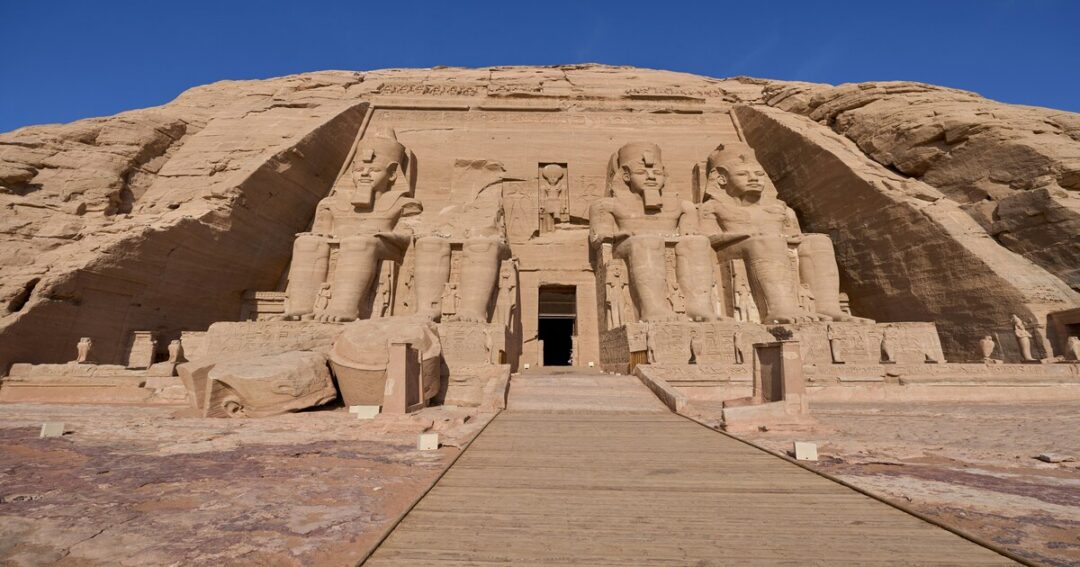
Day 4: Cross to Luxor’s West Bank for the Valley of the Kings, Hatshepsut’s mortuary temple, and the Colossi of Memnon. The ship sails toward Edfu overnight.
Day 5: An early-morning visit to Edfu Temple — widely considered the best-preserved Pharaonic temple in Egypt — typically reached from the dock by horse-drawn carriage. In the afternoon, continue to Kom Ombo, visiting its double temple dedicated jointly to the crocodile god Sobek and Haroeris, ideally timed for the golden late-afternoon light.
Day 6: Arrive in Aswan for a morning covering the Aswan High Dam, the Unfinished Obelisk in the ancient granite quarries, and Philae Temple on Agilkia Island. Disembark after this, then take an afternoon flight from Aswan to the Red Sea (Hurghada is the most common connection point).
Also Read: Cairo Festivals: A Complete Guide to the Most Exciting Cultural Celebrations in Egypt’s Capital
Days 6–9: The Red Sea — Diving, Snorkeling & Real Rest
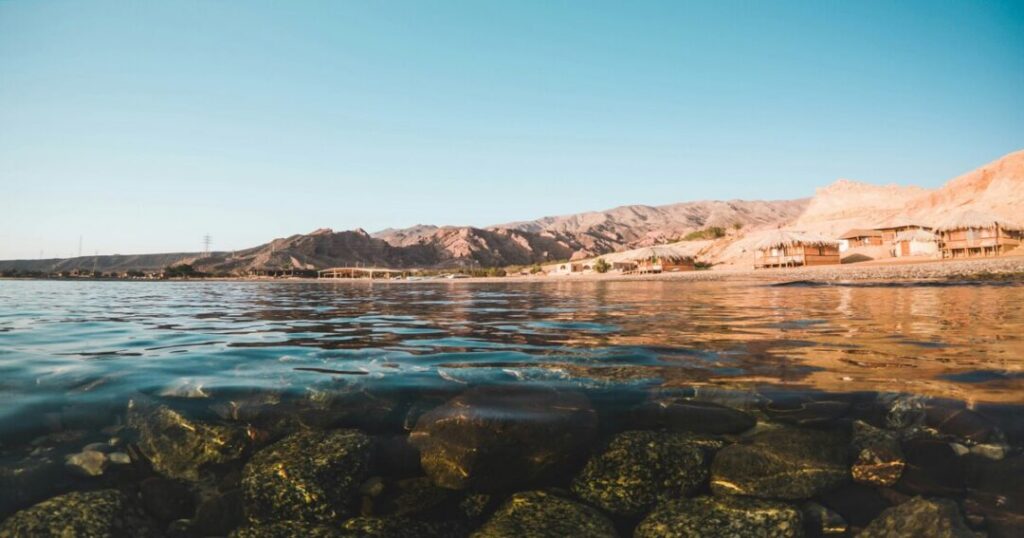
After five days of temples, ships, and early mornings, the Red Sea leg is meant to slow the pace down — and per this itinerary’s structure, it gets genuine time rather than a token day.
Day 6, evening: Arrive in Hurghada, check into your resort, and do nothing more ambitious than dinner by the water.
Day 7 and Day 8: Two full days for the Red Sea itself — snorkeling or diving in the Red Sea Marine Park’s reefs, known for exceptional visibility and marine life, or simply resort time if diving isn’t your priority. Mid-September through roughly April offers the best diving and snorkeling conditions, so if your dates fall in that window, it’s worth booking at least one proper reef excursion rather than sticking to the resort’s house beach the whole time.
Day 9, morning: One last swim or beach morning before flying back to Cairo (or connecting onward internationally, if your return routing allows a direct flight out of Hurghada instead).
Day 10: Departure
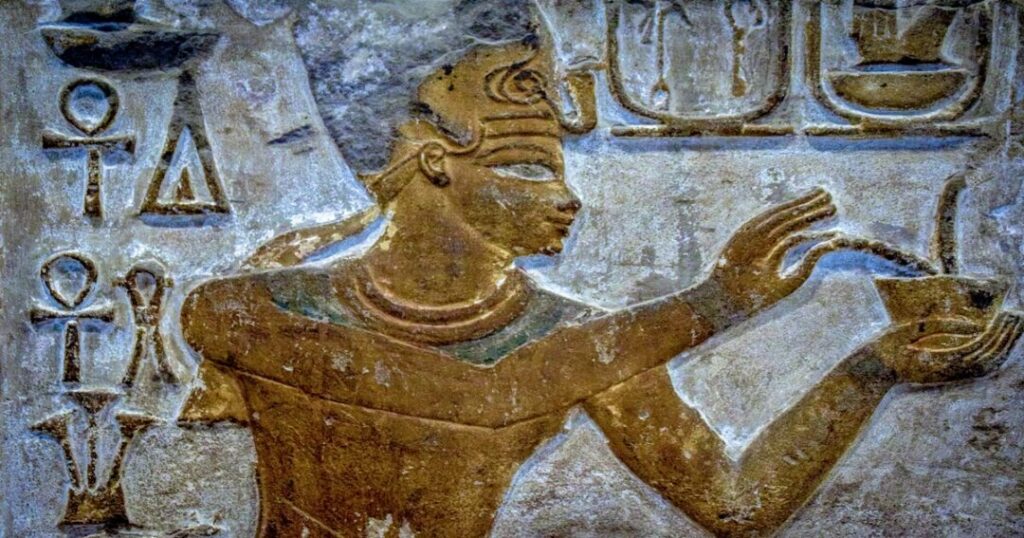
Depending on your international flight timing, Day 10 is either a straightforward departure from Cairo or a final half-day for any last-minute shopping — Khan el-Khalili again, or a final walk through central Cairo — before heading to the airport.
Also Read: Best Kept Secret Destinations in Europe — For Travelers Who’ve Already Done the Obvious Stuff
What is the Best Time for This 10-Day Egypt Itinerary?
October through April is the ideal window for this exact itinerary, since it works well across all three legs: comfortable daytime temperatures of roughly 20–30°C for the Cairo and Nile cruise sightseeing days, and warm but not punishing conditions at the Red Sea, where winter lows sit around a pleasant 21°C. If diving and snorkeling are a priority for your Red Sea days specifically, aim for late October through November or April through May, which offer the clearest water and best marine visibility. Summer (June through August) pushes Red Sea highs toward 38°C, making daytime sightseeing at Giza and the Nile temples considerably more punishing.
Trying to figure out how to adjust this exact day count if your trip is a few days shorter or longer? NIVU AI inside the Explurger app can help you rework the day allocation across Cairo, the Nile cruise, and the Red Sea based on your actual dates rather than forcing this exact 10-day structure onto a different trip length.
Also Read: Things to Do in Berlin: 16 Attractions, Historic Sites & Experiences for International Travellers
Conclusion About a 10-day Egypt itinerary
A well-paced 10-day Egypt itinerary doesn’t try to squeeze in everything — it tightens where it can (Cairo) and gives real time where it matters most (the Nile cruise and the Red Sea). Save each stop to your Explurger Bucket List as you plan, and once you’ve made the trip, log every leg as an Explurge-in — your Automatic Travelogue will keep Cairo, the cruise, and the Red Sea mapped together long after you’re home. Plan your Egypt trip smarter with Explurger.
FAQs About a 10-day Egypt itinerary
2. Do Indian citizens need a visa for Egypt?
Yes. The e-visa, applied for entirely online through Egypt's official portal, is the reliable route for Indian passport holders, costing around $25 USD and valid for 3 months with a permitted stay of up to 30 days. Visa-on-arrival eligibility for Indians is inconsistently reported across sources, so applying for the e-visa in advance is the safer approach.
3. Should I do a 3-night or 4-night Nile cruise?
A 4-night cruise from Luxor to Aswan is the fuller, more comfortable option, separating Edfu and Kom Ombo into different visits rather than cramming both into one rushed day, and leaving proper time on the sun deck between temple stops. The 3-night version covers the same core sites but at a noticeably faster pace.
4. What changed recently at the Egyptian Museum in Cairo?
The Grand Egyptian Museum opened in November 2025 near the Giza Plateau, about 1.2 miles from the pyramids, and now holds the complete Tutankhamun treasure collection of 5,398 pieces displayed together for the first time. The older Egyptian Museum in Tahrir Square remains open, expected to stay so at least until 2030, but many of its most famous items have been relocated to the new museum.
5. What are the direct flight options from India to Egypt?
EgyptAir operates direct flights from Delhi (around 7 hours 25 minutes) and near-daily service from Mumbai to Cairo. If direct flights don't suit your schedule, one-stop connections via Gulf carriers like Emirates, Etihad, or Qatar Airways are widely available and often comparably priced.
6. Is the Red Sea worth including in a 10-day Egypt trip?
Yes, particularly if diving or snorkeling interests you — the Red Sea Marine Park near Hurghada offers some of the clearest water and richest marine life in the region. This itinerary gives it roughly 3 days specifically so it doesn't feel like a rushed add-on after the history-heavy Cairo and Nile cruise legs.