
640 Total Views
Berlin doesn’t do tourism quietly. The city wears its history on its surface — in bullet holes still visible on museum facades, in the double row of cobblestones that traces where the Wall once stood, in a Cold War checkpoint that now has a gift shop next to it. For international travellers, Berlin is one of the most content-dense cities in Europe: a 1788 gate that watched Napoleon, two world wars, and the Cold War pass through it; a UNESCO-listed museum island with a bust of an Egyptian queen dating to around 1345 BCE; the largest open-air gallery in the world painted directly onto Wall remnants. The problem isn’t finding things to do in Berlin — it’s knowing which version of the city you’re actually looking for. This guide breaks it down by experience type so you can plan around what actually matters to you.
Things to Do in Berlin — History, Memorials & Cold War Landmarks
This is the layer of the city most international travellers come for. Berlin’s 20th-century history is still physically present — not reconstructed or museum-fied, but embedded in the urban fabric.
1. Brandenburg Gate
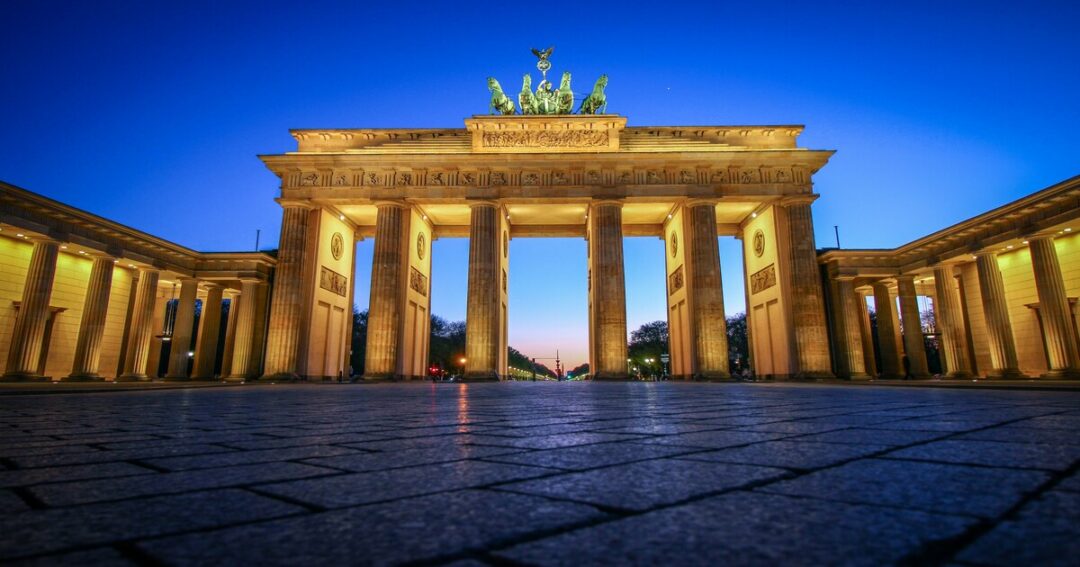
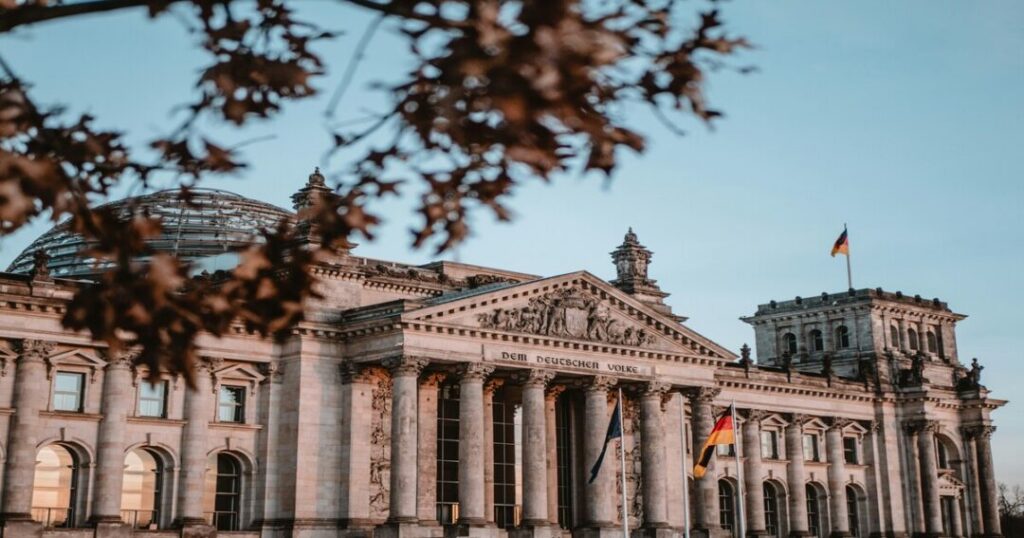
Built between 1788 and 1791 by orders of Prussian King Frederick William II, designed by royal architect Carl Gotthard Langhans and modelled on the Propylaea gateway of the Athenian Acropolis, the Brandenburg Gate is Berlin’s most famous landmark and the one that has witnessed more of the city’s history than any other structure. Napoleon marched through it in 1806 and took the bronze Quadriga sculpture atop it to Paris as a trophy — it was returned in 1814. The Wall sealed it off from 1961 to 1989. On 22 December 1989, when the gate officially reopened as a border crossing, 100,000 people gathered at Pariser Platz. Reagan delivered his “tear down this wall” speech within sight of it on 12 June 1987.
The gate is open 24 hours, free to visit, and the best starting point for Berlin’s historic centre. The tourist information centre in the south wing is open 9 AM – 6 PM daily.
2. Berlin Wall Memorial (Gedenkstätte Berliner Mauer)
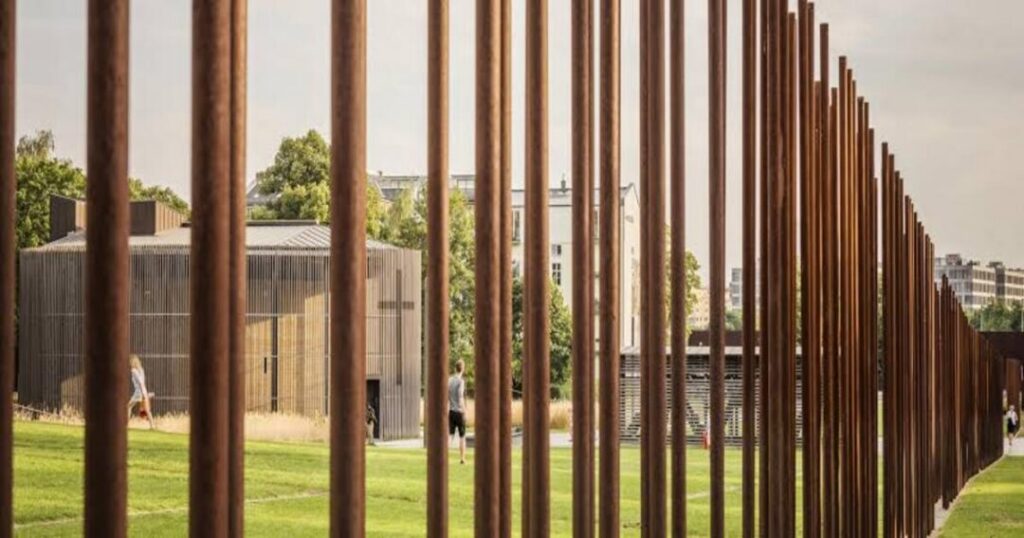
The Berlin Wall ran 155 km in total length, dividing the city from 13 August 1961 until 9 November 1989. The Berlin Wall Memorial on Bernauer Strasse is the most substantive surviving site — a 1.4 km stretch of the original border strip preserved with its death strip, watchtower, and documentation centre intact. The outdoor memorial is free and open around the clock; the indoor documentation centre is also free and provides one of the most thorough accounts of life in the divided city, including individual escape stories.
- Address: Bernauer Strasse, Mitte
- Documentation Centre: 10 AM – 6 PM (closed Mondays)
- Entry: Free
3. East Side Gallery
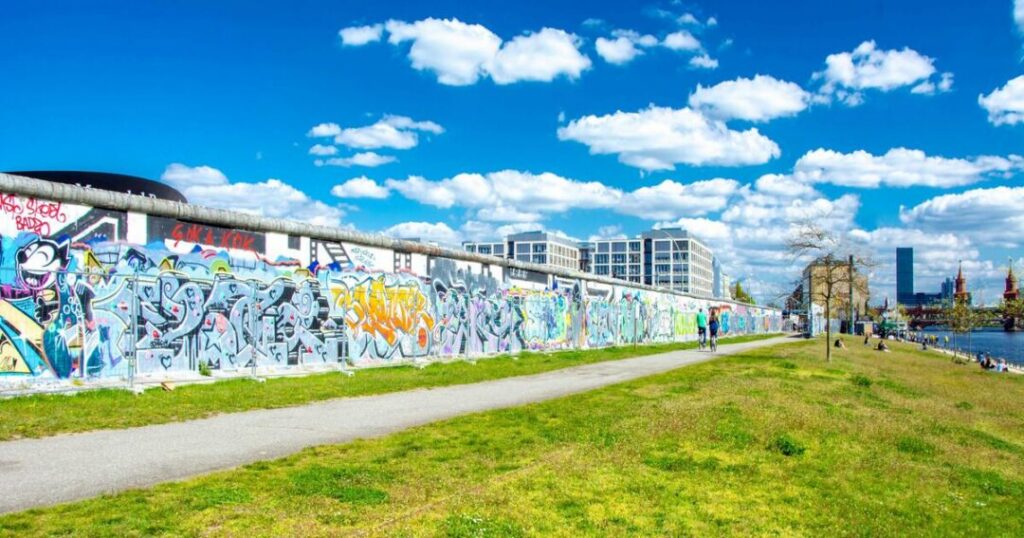
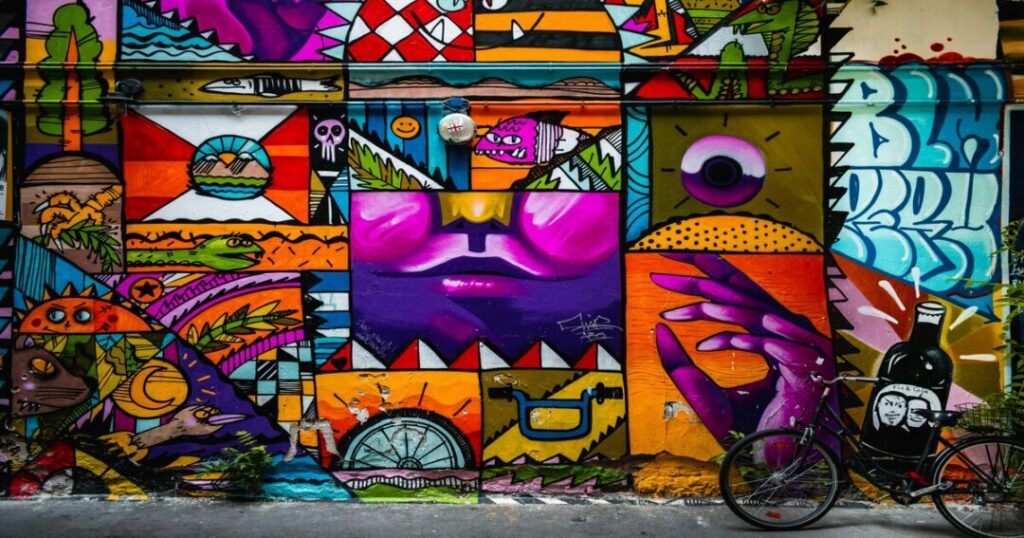
The East Side Gallery is a 1.3 km stretch of the original Berlin Wall preserved as an open-air gallery — the longest surviving section of the Wall — painted by 118 international artists in 1990, shortly after the Wall fell. The most reproduced image is Dmitri Vrubel’s painting of Brezhnev and Honecker kissing, titled “My God, Help Me to Survive This Deadly Love.” The gallery runs along the Spree river in Friedrichshain and is freely accessible 24 hours.
- Entry: Free
- Location: Mühlenstrasse, Friedrichshain
- Note: Sections are periodically repainted when damaged
4. Checkpoint Charlie
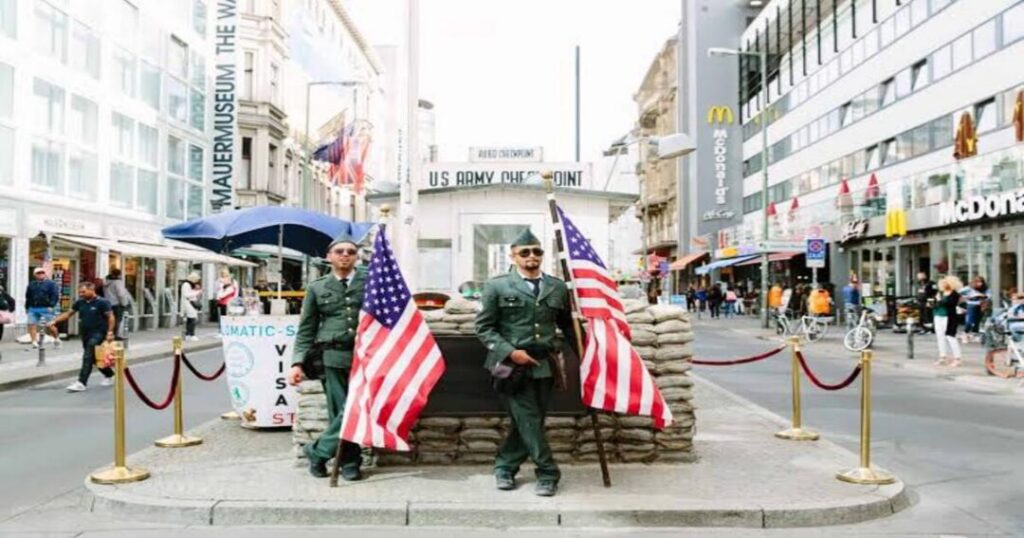
The former crossing point between East and West Berlin at Friedrichstrasse is now unambiguously a tourist site — the original guardhouse is a replica, the surrounding area has souvenir shops and photo opportunities with people dressed as Allied soldiers. Know what you’re getting and calibrate accordingly. The Haus am Checkpoint Charlie museum next door, however, has a serious collection of documentation on escape attempts, Cold War history, and the Wall’s political context — worth the entry fee.
- Museum entry: Paid
- Location: Friedrichstrasse, Mitte
5. Memorial to the Murdered Jews of Europe
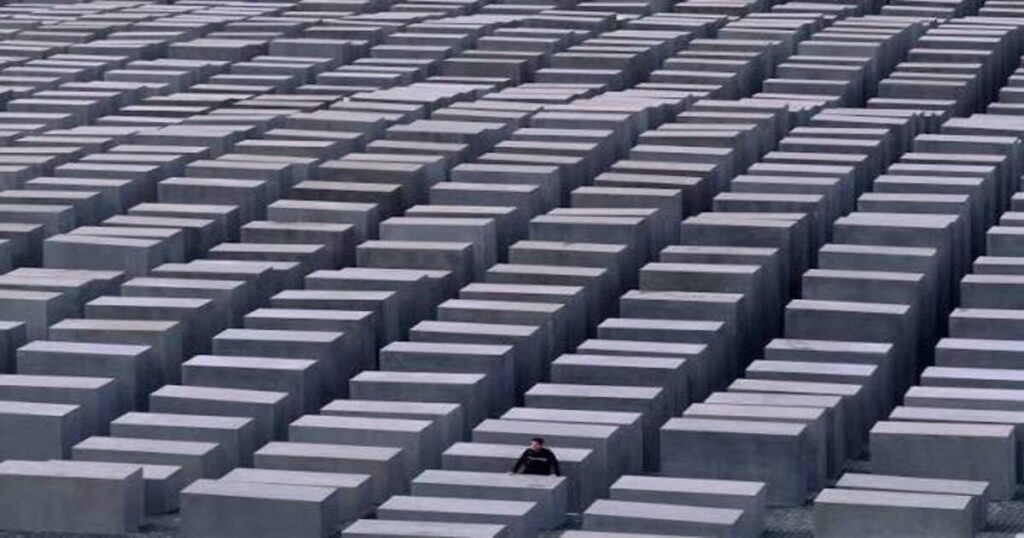
Designed by architect Peter Eisenman and opened on 10 May 2005, the Memorial to the Murdered Jews of Europe — also called the Holocaust Memorial — covers 19,000 square metres adjacent to the Brandenburg Gate with 2,711 concrete stelae of varying heights arranged in a grid on undulating ground. The effect — disorienting, silent, enclosed — is deliberate. An underground information centre with individual victim testimonies and documentation sits beneath the memorial.
- Memorial: Free, open 24 hours
- Information centre: Currently closed for renovation until 30 April 2026; check stiftung-denkmal.de for current status before visiting. Entry fee applies when open.
Also Read: e-Visa for Indians: Your Complete Guide to Visa-Free, Visa on Arrival & e-Visa Travel
Berlin Attractions for Art & Culture — Museums, Galleries & UNESCO Sites
6. Museum Island (Museumsinsel)
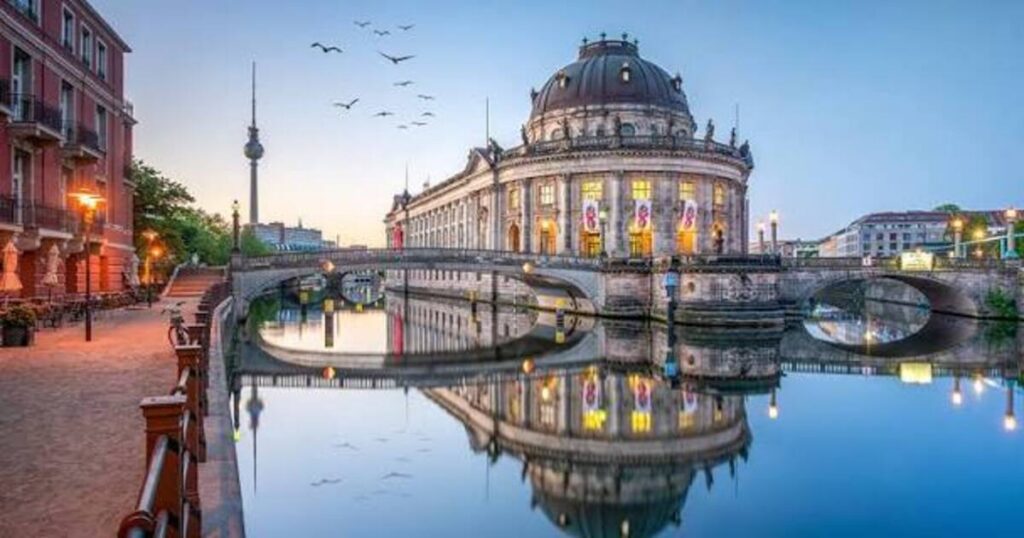
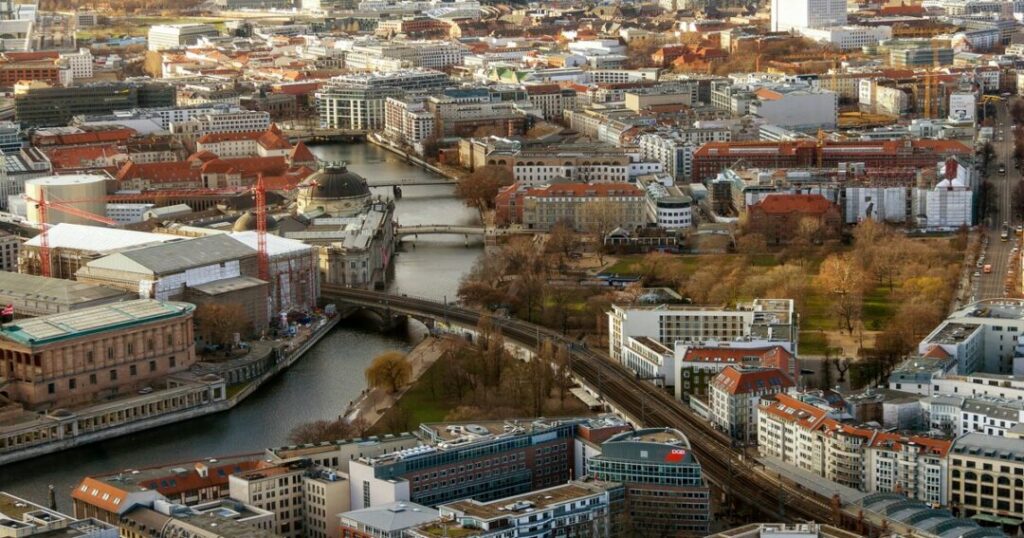
Museum Island is a UNESCO World Heritage Site (designated 1999) — a complex of five world-class museums built between 1830 and 1930 on a Spree island in the heart of Berlin. The five museums are:
- Altes Museum (Old Museum): Ancient Greek and Roman antiquities; opened 1830
- Neues Museum (New Museum): Egyptian collections including the famous Bust of Nefertiti, dating to around 1345 BCE; prehistoric and early history collections; reopened 2009 after reconstruction by David Chipperfield
- Alte Nationalgalerie (Old National Gallery): 19th-century European paintings including Caspar David Friedrich and early French Impressionists
- Bode Museum: Medieval to 18th-century sculpture, Byzantine art, and one of the world’s largest coin collections
- Pergamon Museum: Major parts are currently closed for extensive renovation — the Pergamon Hall with the Pergamon Altar is expected to partially reopen in June 2027. Check visitberlin.de for current access before planning your visit.
The James Simon Gallery (opened 2019) serves as the island’s main visitor centre. A day pass covers all open museums on the island.
- UNESCO status: 1999
- Entry: Day pass approximately €24; most museums closed Mondays
- Nearest U-Bahn: U5 to Museumsinsel
7. Gemäldegalerie (Picture Gallery)
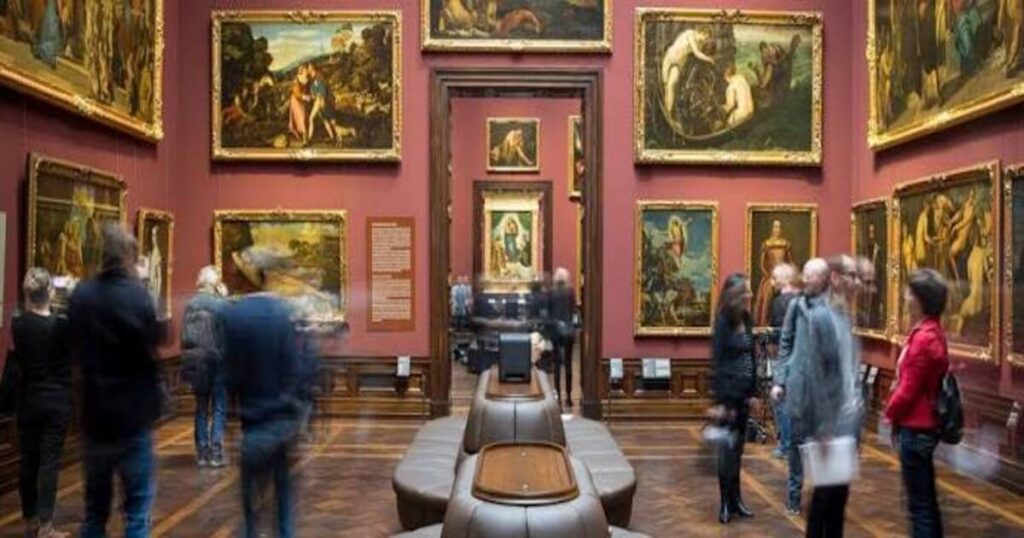
Separate from Museum Island but equally significant, the Gemäldegalerie in the Kulturforum holds one of the world’s finest collections of European paintings from the 13th to 18th centuries — Rembrandt, Vermeer, Caravaggio, Raphael, Dürer, Rubens — across 72 rooms. Consistently underrated relative to Museum Island. If you have one day for art and want paintings rather than antiquities, start here.
- Timings: 10 AM – 6 PM (Thursdays until 8 PM; closed Mondays)
- Entry: Paid
8. Jewish Museum Berlin
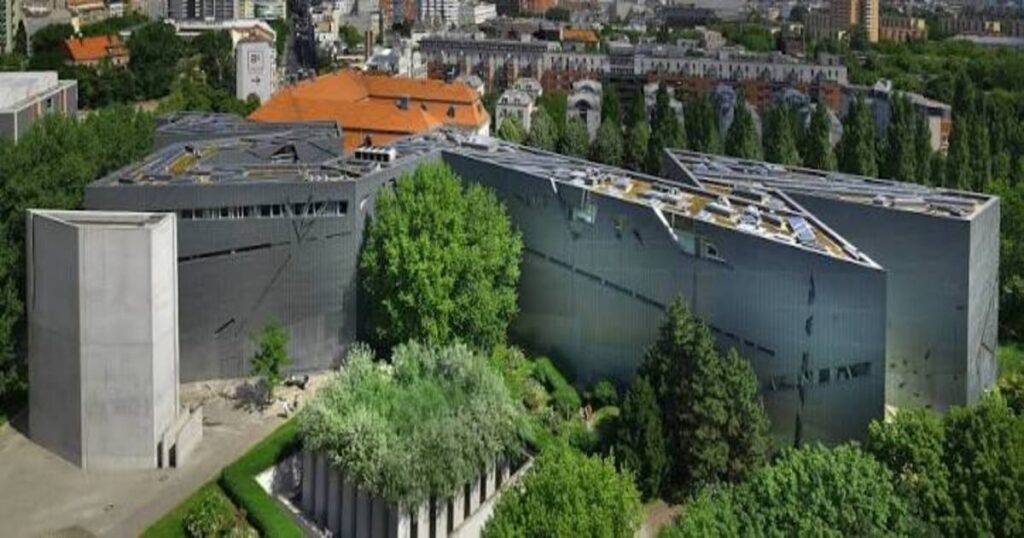
Designed by architect Daniel Libeskind and opened in 2001, the Jewish Museum Berlin is as much an architectural experience as a museum one. The zinc-clad building’s fractured facade, voids, and the deliberately disorienting Holocaust Tower are structural expressions of rupture and absence. The collection covers 2,000 years of Jewish life in Germany. The building alone is worth visiting regardless of the exhibition schedule.
- Timings: 10 AM – 7 PM (closed Mondays)
- Entry: Paid; combination tickets available
9. Topography of Terror
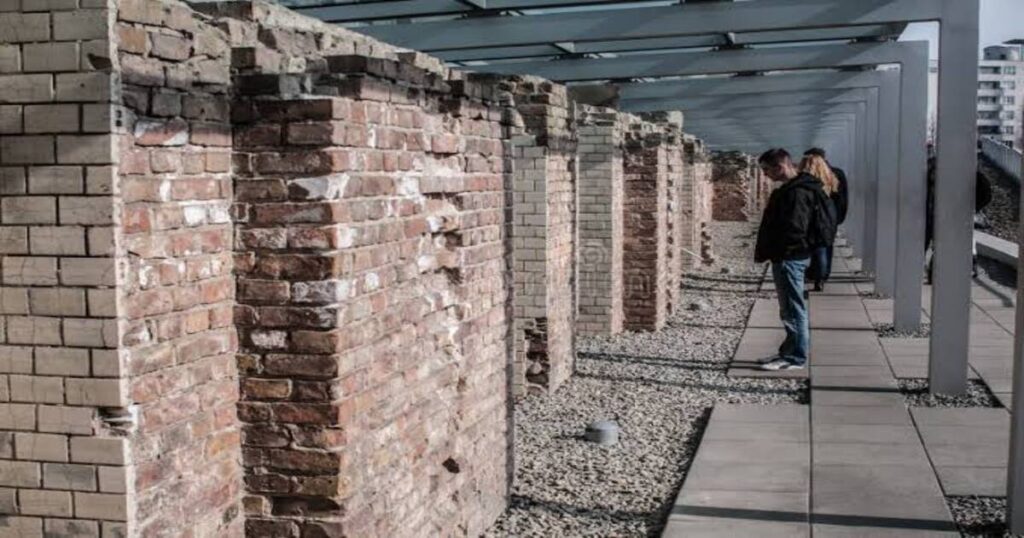
The Topography of Terror occupies the excavated site of the former SS and Gestapo headquarters in Kreuzberg — the nerve centre of Nazi terror in Germany. The outdoor and indoor exhibitions document the institutions of Nazi persecution, individual perpetrators, and specific crimes in exceptional detail. The format is direct, factual, and without drama. One of the most important historical sites in the city, and free to enter.
- Timings: 10 AM – 8 PM daily
- Entry: Free
- Location: Niederkirchnerstrasse, Kreuzberg
Also Read: Festivals in Belgium: From Tomorrowland to Brussels’ Most Spectacular Celebrations
Things to See in Berlin — Neighbourhoods Worth Walking
Berlin is a city of distinct neighbourhoods, each with a different character. International travellers who stay only in Mitte miss most of what makes the city interesting.
10. Prenzlauer Berg
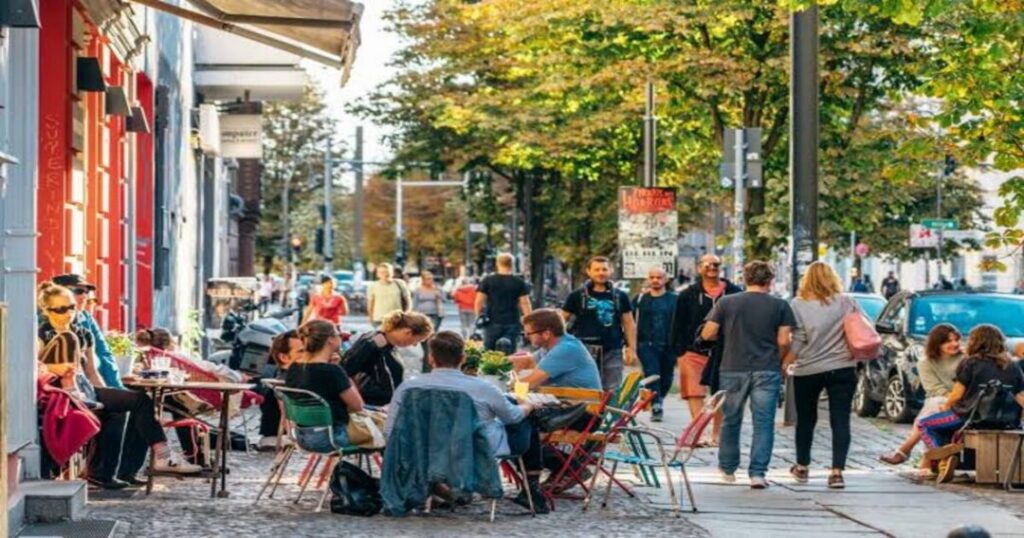
The former East Berlin neighbourhood of Prenzlauer Berg is now one of Berlin’s most liveable and walkable areas — tree-lined streets, late 19th-century apartment buildings (Altbau), independent coffee shops, farmers’ markets on weekends, and the Mauerpark flea market on Sundays. The Kulturbrauerei (a converted 19th-century brewery complex) hosts concerts, events, and a permanent exhibition on everyday life in the GDR.
11. Kreuzberg and Neukölln
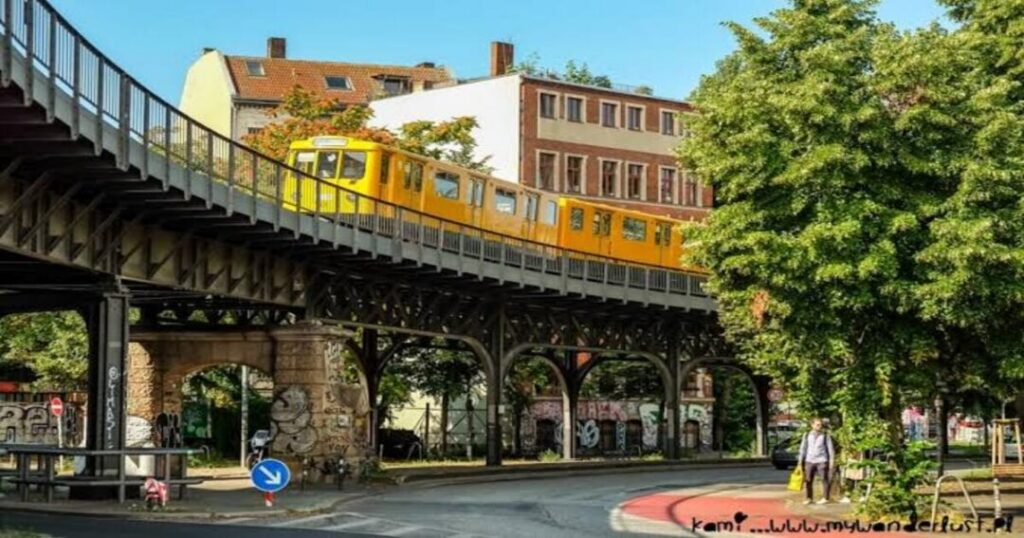
The historically Turkish-German working-class district of Kreuzberg and its southern neighbour Neukölln together form Berlin’s most culturally layered residential area — independent bookshops, Turkish market (Türkenmarkt) along the Maybach canal on Tuesdays and Fridays, Lebanese and Vietnamese restaurants, and an art and nightlife scene that operates well outside normal hours. Bergmannstrasse in Kreuzberg is one of the city’s best streets for walking and eating.
12. Charlottenburg
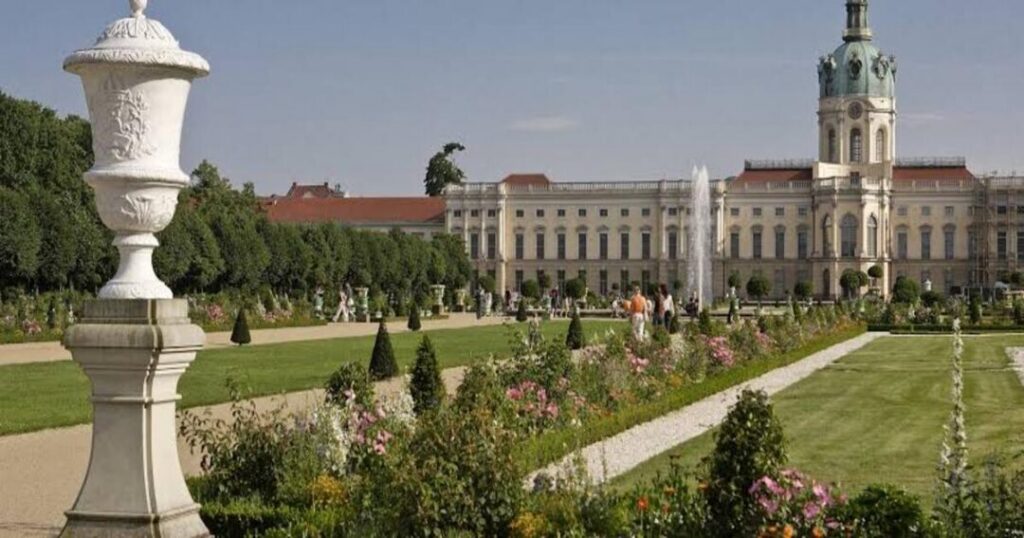
The western, historically wealthy district of Charlottenburg is anchored by Schloss Charlottenburg — a Baroque palace originally built between 1695 and 1699, significantly expanded through the 18th century, and the largest palace in Berlin. The Kurfürstendamm (Ku’damm) is the main shopping boulevard, and the Kaiser Wilhelm Memorial Church — a bombed-out ruin deliberately preserved as a war memorial — stands at its eastern end as one of the city’s most distinctive anti-war symbols.
Stuff to Do in Berlin — Parks, Lakes & the Outdoors
13. Tiergarten
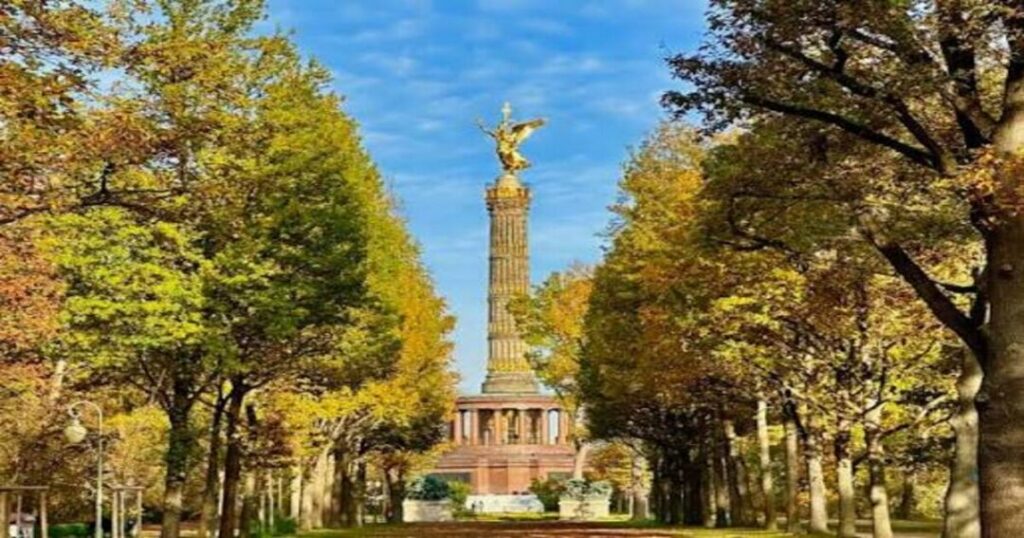
The Tiergarten is Berlin’s central park — 210 hectares of formal woodland and open meadows running from the Brandenburg Gate westward. The Siegessäule (Victory Column), standing approximately 67 metres tall and topped with a gilded bronze Victoria, stands at the park’s central roundabout and can be climbed for a panoramic view of the city. The column was originally erected at Königsplatz (today’s Platz der Republik, the square in front of what is now the Reichstag building) and was moved to its current position in the Tiergarten on Hitler’s orders in 1938–39 as part of plans to remodel Berlin into the world capital Germania. The park also contains the Soviet War Memorial and the Café am Neuen See — a lakeside beer garden that is one of Berlin’s most pleasant outdoor spaces in summer.
14. Wannsee and the Berlin Lakes
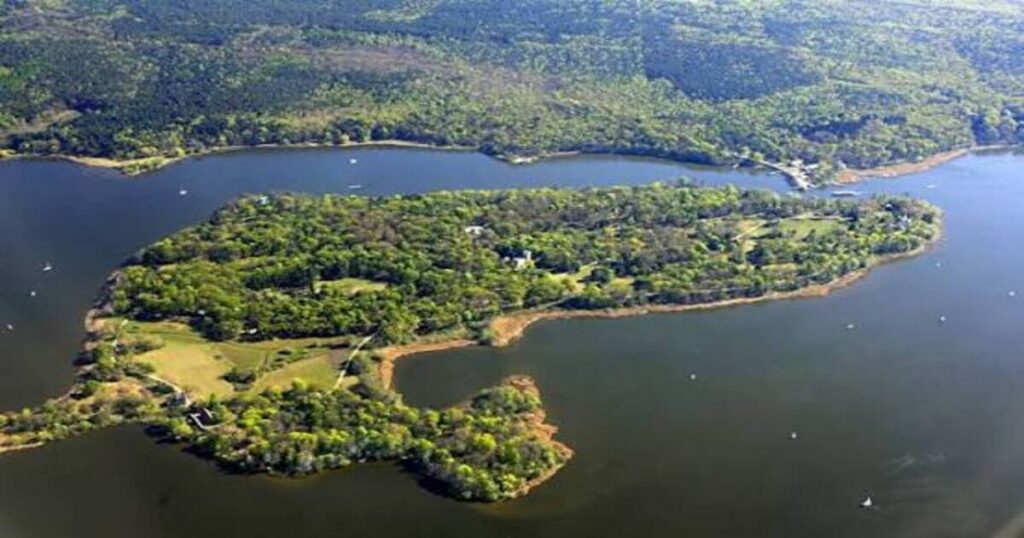
Berlin has over 2,500 lakes, rivers, and waterways within the city limits. In summer, the city migrates to the water. Wannsee — a large lake in the southwest of the city — has the Strandbad Wannsee, one of Europe’s largest inland beach complexes. The area is also historically significant: the Wannsee Conference House (Villa Wannsee), where Nazi officials coordinated the logistics of the Holocaust in January 1942, is now a memorial and museum open to visitors, 10 minutes’ walk from the beach.
Berlin City Attractions for Food, Markets & Nightlife
15. Markthalle Neun, Kreuzberg
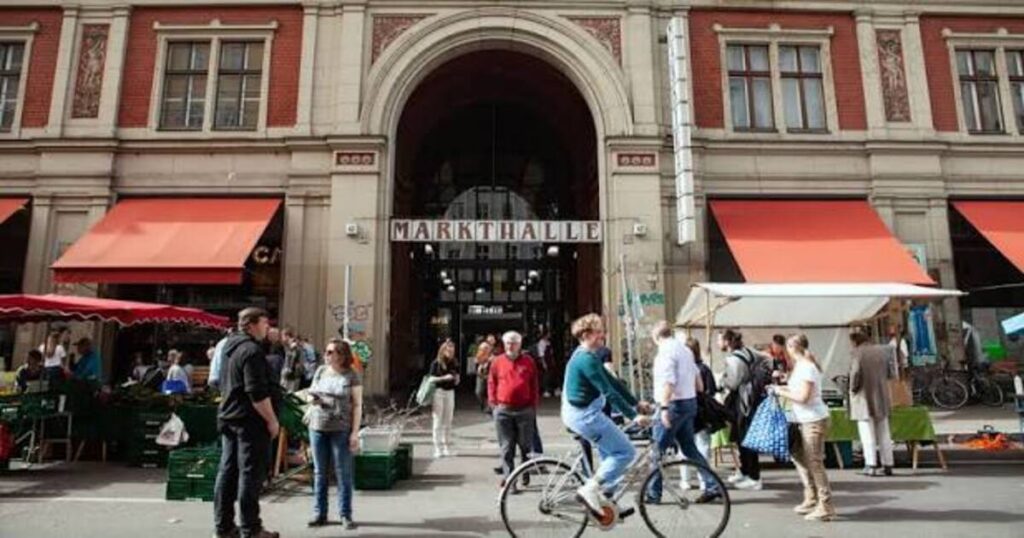
A covered 19th-century market hall in Kreuzberg running a popular Street Food Thursday market every Thursday evening — one of the most atmospheric food market events in the city, with a range of vendors from international cuisines to regional German produce. The regular Tuesday and Friday market focuses on organic and regional produce.
16. Currywurst — Berlin’s Street Food Institution

Currywurst — a steamed and fried pork sausage sliced and covered in a curry-powder-dusted ketchup-based sauce — is Berlin’s most famous street food. It was invented by Herta Heuwer in 1949 in West Berlin’s Charlottenburg district, who created the sauce from ketchup (or Worcestershire sauce) and curry powder she obtained from British soldiers. She patented the sauce under the name Chillup. The dish is best eaten at a street-level Imbiss (snack stand). A commemorative plaque marks the original location of Heuwer’s stand on Kantstrasse in Charlottenburg.
What is the Best Time to Visit Berlin?
| Season | Months | Conditions |
| Spring | April – May | Mild (10°C–20°C); parks in bloom; fewer crowds than summer; good conditions for walking |
| Summer | June – August | Warm (20°C–30°C); long days; outdoor concerts, festivals, and lake culture at full activity; peak tourist season |
| Autumn | September – October | Crisp and clear; moderate crowds; good museum conditions; Berlin Festival of Lights in October |
| Winter | November – February | Cold (0°C–5°C); Christmas markets from late November; fewer tourists; low hotel rates; most outdoor attractions less pleasant |
Best months overall: May–June and September–October — warm enough for outdoor exploration, before or after peak summer crowds, and with cultural events active. July and August are the busiest months; book accommodation well in advance.
How to Reach Berlin?
By Air
Berlin Brandenburg Airport (BER) — opened October 2020 — is the city’s main international airport, approximately 18 km southeast of the city centre. It is served by most major European carriers and international long-haul routes. The Airport Express (FEX) train connects BER to Berlin Hauptbahnhof (central station) in approximately 30 minutes.
By Train
Berlin is extremely well-connected by rail within Germany and Europe. Berlin Hauptbahnhof is Europe’s largest railway station by platforms and serves direct Intercity-Express (ICE) trains to Munich (approximately 4 hours), Frankfurt (approximately 4 hours), Hamburg (approximately 2 hours), and Cologne (approximately 4.5 hours). Direct international rail services connect to Warsaw, Vienna, Prague, and Amsterdam.
By Road
Berlin is served by several major Autobahn routes. Long-distance bus services (FlixBus and others) connect Berlin to most major German and European cities at significantly lower prices than rail — services from Munich take approximately 6–7 hours; from Hamburg approximately 3 hours.
Getting Around Berlin
- U-Bahn and S-Bahn: The underground and overground rail network covers the entire city comprehensively. A 24-hour or 7-day travel pass is the most practical option for visitors
- Trams: Cover eastern neighbourhoods (former East Berlin) not served by the U-Bahn
- Cycling: Berlin is flat and has over 1,600 km of designated cycling infrastructure — bike rental is widely available and one of the best ways to cover medium distances across the city
- Walking: Central Mitte is highly walkable; Brandenburg Gate to Museum Island is approximately 15 minutes on foot
Also Read: 10 Highest Ropeways Across the World — From Glaciers to Himalayan Peaks
Conclusion About things to do in Berlin
Berlin is the most historically instructive city in Europe for international travellers — not because it curates its history into pleasant packages, but because it hasn’t fully tidied it up. The things to do in Berlin range from a Prussian triumphal gate that survived Napoleon, two world wars, and the Cold War, to a UNESCO-listed island of museums built for the public good, to a kilometre of Wall painted over by 118 artists the year the division ended. The city rewards time and curiosity over efficiency.
Download the Explurger app to log your Berlin attractions, track your route across the city’s historic sites, and discover what other international travellers are exploring across Germany.
Start at the Brandenburg Gate at sunrise — before the tour groups arrive — and let the rest of the city open from there.
FAQs About things to do in Berlin
2. How many days do you need in Berlin?
Three days covers the major Cold War and historical sites (Brandenburg Gate, Checkpoint Charlie, Wall Memorial, East Side Gallery), one major museum cluster (Museum Island or Gemäldegalerie), and a neighbourhood walk (Prenzlauer Berg or Kreuzberg). Five days allows you to go deeper — Jewish Museum, Topography of Terror, Charlottenburg Palace, and the lakes in summer. A week gives you the full city.
3. Is Berlin expensive for international travellers?
Relative to Western European capitals, Berlin is significantly more affordable. Many of its major attractions are free — the Brandenburg Gate, East Side Gallery, Berlin Wall Memorial, Topography of Terror, and the Holocaust Memorial field of stelae are all free to enter. Museum Island has an entry fee (approximately €24 for a day pass). Accommodation ranges widely; the city has a large hostel and mid-range hotel inventory.
4. What is the best area to stay in Berlin?
Mitte (central district) puts you closest to the Brandenburg Gate, Museum Island, and the main historical sites. Prenzlauer Berg offers a more residential atmosphere with easy U-Bahn access to central sights. Kreuzberg is best for those interested in the city's arts and food scene. Charlottenburg suits those who prefer a quieter, more traditional European hotel neighbourhood on the western side of the city.
5. Is the Pergamon Museum open in 2026?
The Pergamon Museum is undergoing extensive renovation. Major parts — including the Pergamon Hall with the Pergamon Altar — have been closed. Large parts of the museum are expected to partially reopen in June 2027. Visitors should check the current access situation directly at smb.museum or visitberlin.de before including the Pergamon in their plans.
6. What language do people speak in Berlin and is English widely spoken?
German is the official language. In central Berlin — particularly in tourist areas, hotels, restaurants, and most shops — English is widely spoken and understood. Berlin has a large international population; in Mitte, Prenzlauer Berg, and Kreuzberg, it's common to conduct most interactions in English without difficulty. Learning a few basic German phrases (Bitte, Danke, Entschuldigung) is appreciated but not strictly necessary for navigating the city.