
1,142 Total Views
Before booking anything, it’s worth knowing what the Mullayanagiri trek actually is: a short, largely road-accessible walk to Karnataka’s highest point, not the multi-day climb the word “trek” might suggest. That’s not a knock on it—the views, the cave temple at the top, and the nearby Bababudangiri shrine with its centuries-old coffee legend make it well worth the trip. It’s just a different kind of trip than the name implies.
About Mullayanagiri Trek: Complete Travel Guide
Mullayanagiri Trek: Route and Altitude
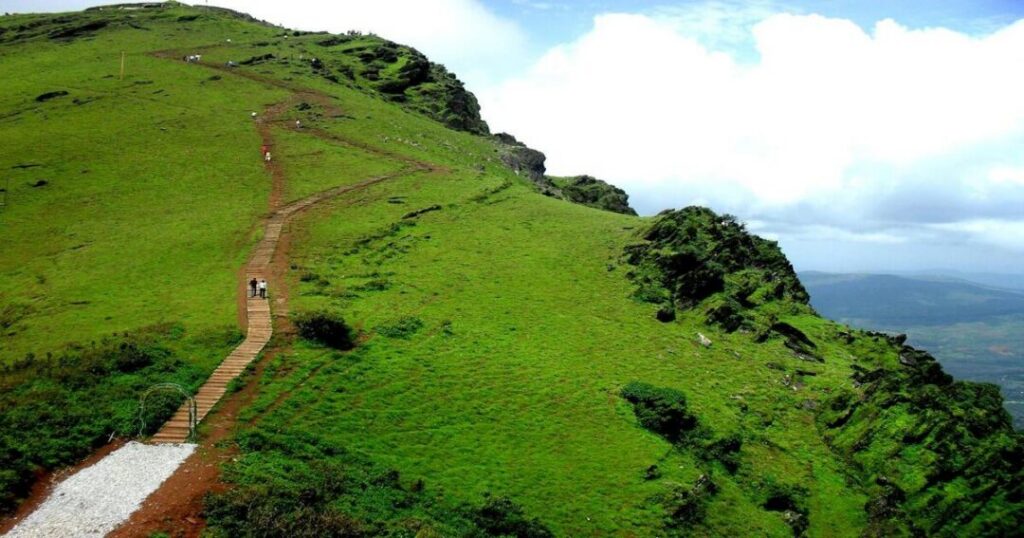
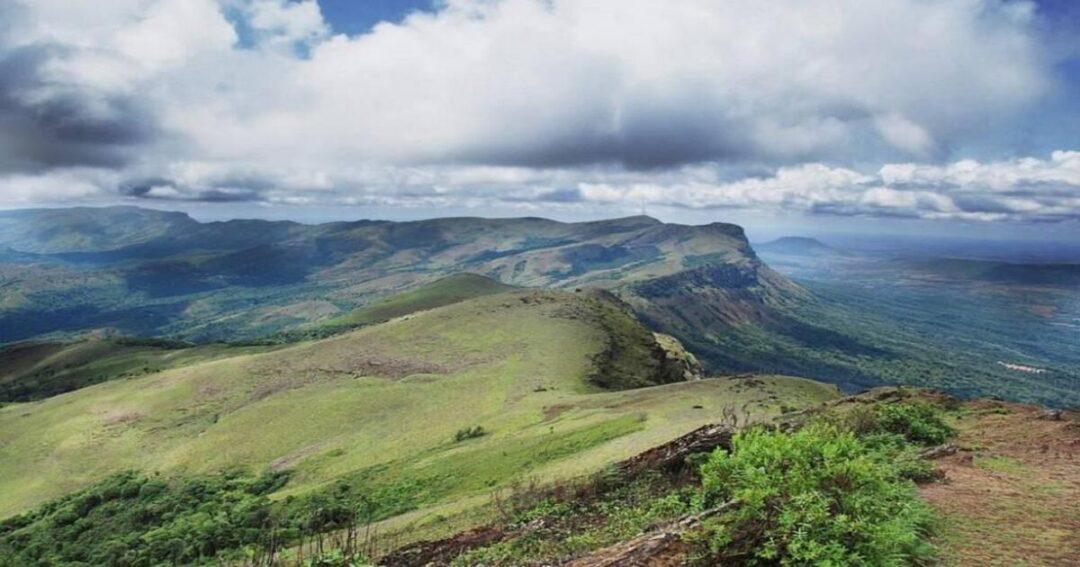
Mullayanagiri sits at roughly 1,930-1,950m (sources vary slightly on the exact figure), making it the highest peak in Karnataka, located in the Baba Budangiri range about 20km from Chikmagalur town. [STAT: At roughly 1,930-1,950m, Mullayanagiri is the highest peak in Karnataka.] The classic trek route starts at Sarpadaari, about 15km from Chikmagalur, and covers roughly 4km of fairly steep but moderate trail, taking about 1.5 hours to reach the summit.
How Difficult Is the Mullayanagiri Trek?
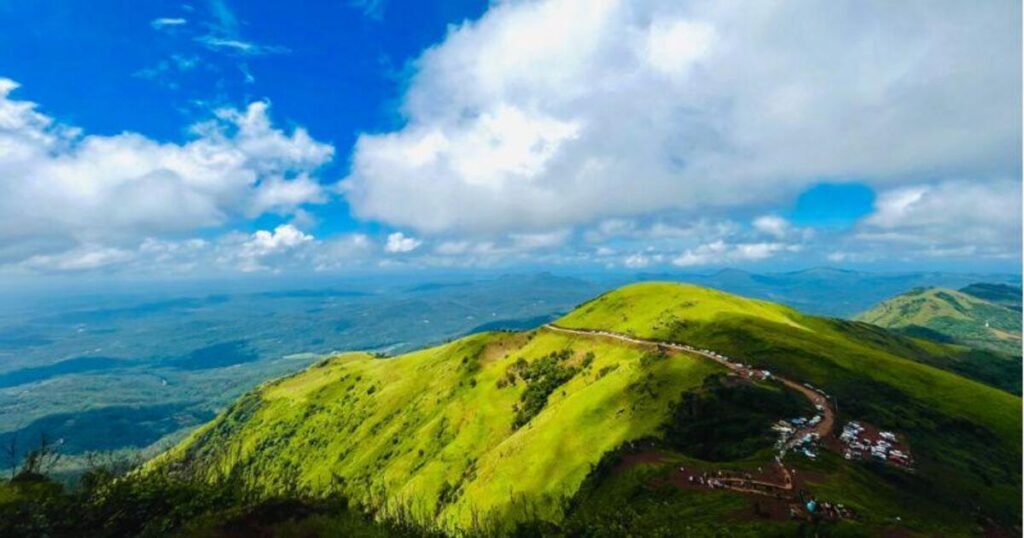
Here’s the part worth being direct about: Mullayanagiri trekking doesn’t require the fitness or planning a “trek” usually implies, because a paved road runs most of the way up the mountain. If you drive to the road’s end point, what’s left is under 1km of walking — roughly 20-30 minutes — to reach the summit, including a stretch of about 450 steps leading past a small cave along the way. The longer Sarpadaari route exists if you want more of an actual walking experience, but plenty of visitors simply drive up and treat the final stretch as a short, scenic climb rather than a trek in the conventional sense. Either way, no technical skill or serious fitness is required—this is accessible to most visitors, including families with older kids.
The peak itself takes its name from a small temple at the summit dedicated to Mullappa Swamy, a tapasvi believed to have meditated in a cave near the top—the actual destination point most visitors are climbing toward.
Also read: Meesapulimala Trek: Complete Guide to Booking, Route, and the Sunrise Camp
Bababudangiri and Mullayanagiri Trek: Combining Both Peaks
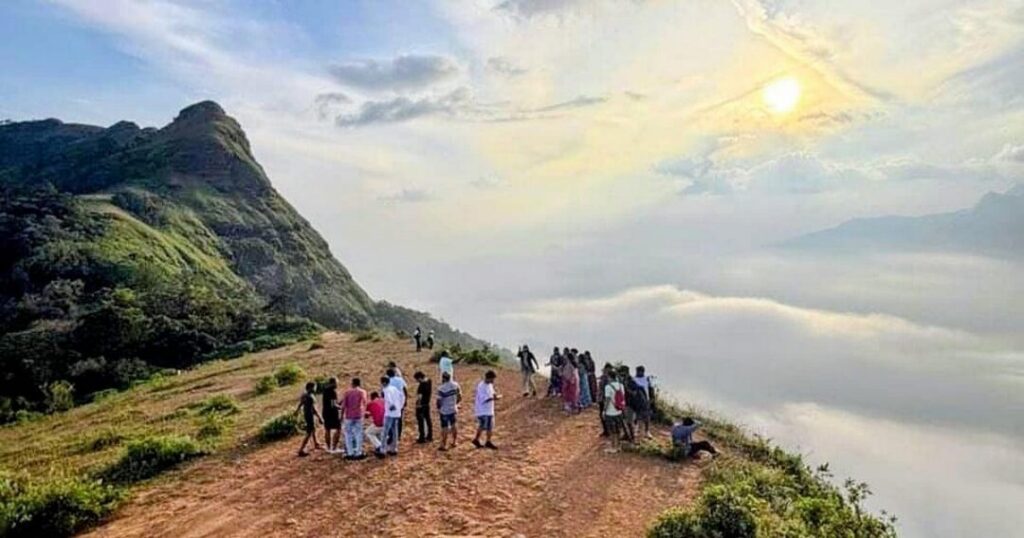
Most visitors don’t do Mullayanagiri alone—the Mullayanagiri and Bababudangiri trek combination is the standard day trip, since the two sites sit about 23 km apart by road within the same hill range. Bababudangiri, at a slightly lower 1,895m, is significant for reasons that have nothing to do with trekking difficulty: it’s home to the Dattatreya Peetha, a genuinely rare site where a Hindu temple and a Muslim dargah share the same cave, with devotees from both faiths offering prayers in the same space. The shrine is associated with Guru Dattatreya (regarded in Hindu tradition as a combined form of Shiva, Vishnu, and Brahma), the 11th-century Sufi saint Dada Hayat, who is said to have made the cave his home, and the 17th-century Sufi saint Baba Budan, after whom the hills are named.
It’s worth noting honestly that this site of shared devotion hasn’t been free of tension in recent decades—since the 1980s, some Hindu right-wing organizations have pushed disputed claims over the shrine, sometimes described in media coverage as an attempt to cast it as a southern parallel to Ayodhya. That’s a genuinely contested and evolving situation rather than settled history, so it’s worth approaching the site respectfully and being aware that its status has been a subject of real dispute, without treating either side’s claims as this piece’s business to adjudicate.
The Coffee Legend Behind Bababudangiri
Separate from the shrine’s religious significance, Bababudangiri holds a claim that shapes an entire Indian industry: it’s widely credited as the birthplace of coffee cultivation in India. According to the story, Baba Budan smuggled seven raw coffee beans out of the port of Mocha in Yemen while returning from Hajj around 1670—coffee exports at the time were only permitted in roasted form specifically to prevent anyone outside Yemen from growing their own, so smuggling raw, viable beans was a genuine act of quiet defiance. [STAT: Baba Budan is credited with introducing coffee to India by smuggling seven raw beans from Yemen around 1670, beans that were only legally exported roasted at the time specifically to prevent cultivation elsewhere.] He planted them in these hills, and the plants took root in the region’s fertile soil and reliable rainfall—the beginning of what’s now Chikmagalur’s identity as the cradle of Indian coffee, and by extension a meaningful contributor to India’s current standing as the world’s seventh-largest coffee producer.
If you’re combining both peaks in one trip, this is worth factoring into your day—Chikmagalur’s surrounding plantations offer estate tours and tastings that pair naturally with a Mullayanagiri-Bababudangiri day out, turning it into as much a coffee pilgrimage as a trekking one.
Also read: Madhugiri Trek: Distance, Difficulty, Cost & Booking Guide
Mullayanagiri Trek Package: What to Expect?
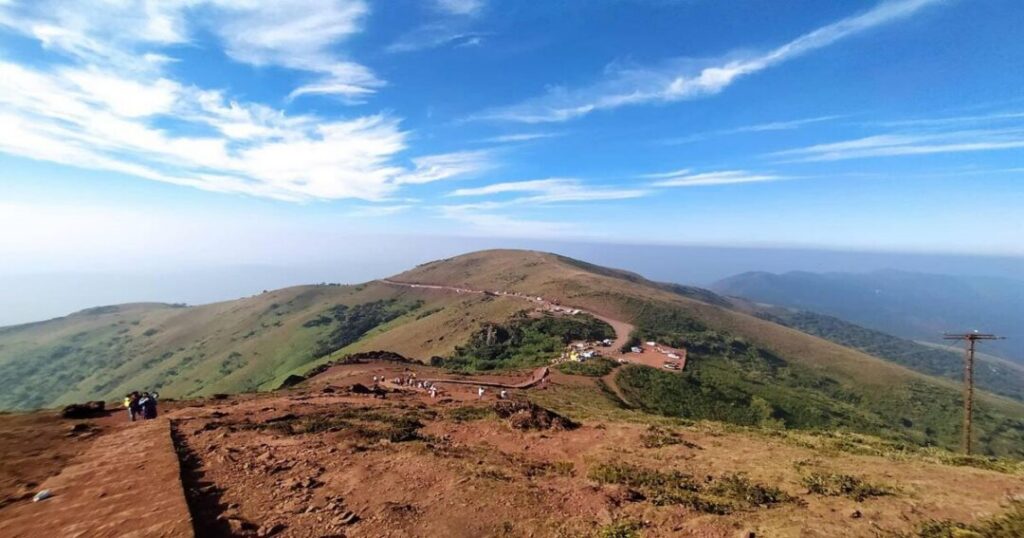
A typical Mullayanagiri trek package, whether booked through a local operator in Chikmagalur or as part of a broader tour, generally bundles transport from Chikmagalur town, an entry/guide fee, and sometimes a meal, with prices commonly starting around ₹2,000 per person for a single day and running higher for overnight or multi-day versions that add camping and additional stops like Bababudangiri or Kemmangundi. Given how short and road-accessible the core trek actually is, most of what you’re paying for in a package is convenience—transport, a guide who knows the area, and often a combined itinerary hitting multiple nearby spots—rather than technical trekking support you’d need on a more demanding route.
Also read: Kumara Parvatha: Trek Distance, Height, Booking & Best Time Guide
Best Time to Visit and Reach the Mullayanagiri Trek
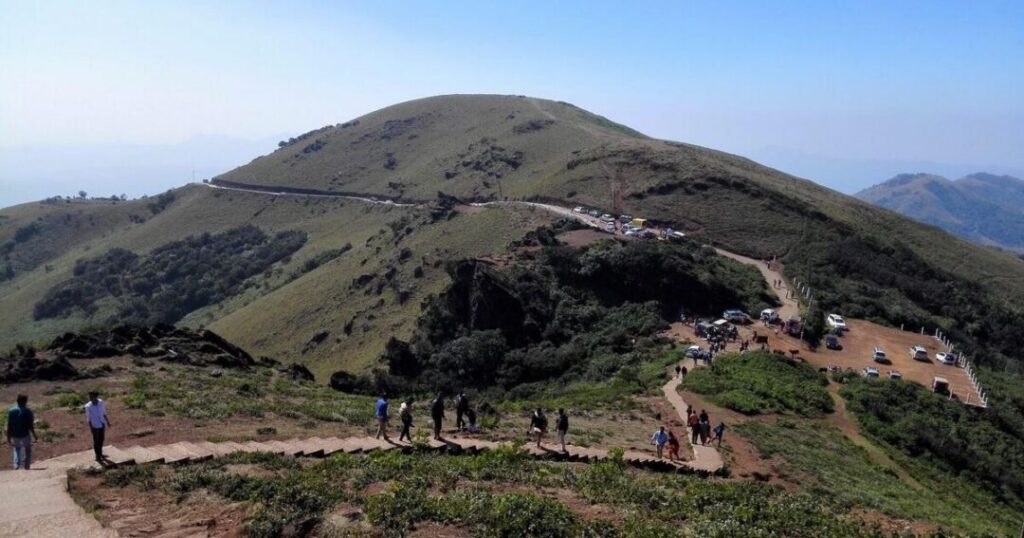
The best window for this trip runs September through February, when skies are clearest and the weather is genuinely pleasant; some guides extend that through April before the pre-monsoon heat sets in. Monsoon months (June-August) bring heavy rain and are best avoided, both for visibility and because the roads and steps get slippery.
To get there, Chikmagalur is roughly 240-265km from Bangalore, a drive of about 5-6 hours, and Mullayanagiri itself is a further 20km, about 30-40 minutes, from Chikmagalur town. Most visitors base themselves in Chikmagalur and drive up for the day rather than staying anywhere closer to the peak itself.
Conclusion: Mullayanagiri Trek
The Mullayanagiri trek works best when you go in knowing what it actually is—a short, scenic climb to Karnataka’s highest point, paired with one of South India’s more remarkable shared shrines and a coffee origin story that shaped an entire industry. Save the route and package details to your Explurger Bucket List, and let your Automatic Travelogue keep this one mapped alongside every other Western Ghats trip you take. Let Explurger App help you plan a Mullayanagiri day that matches what it actually delivers.
FAQs About the Mullayanagiri Trek
2. How high is Mullayanagiri?
Roughly 1,930-1,950 m, making it the highest peak in Karnataka, located in the Baba Budangiri range near Chikmagalur.
3. Can I combine Mullayanagiri and Bababudangiri in one trip?
Yes, this is the standard day trip — the two peaks sit about 23km apart by road within the same hill range, and most trek packages and itineraries cover both.
4. What is significant about Bababudangiri?
It's home to the Dattatreya Peetha, where a Hindu temple and Muslim dargah share the same cave, and it's widely credited as the birthplace of coffee cultivation in India, linked to the 17th-century Sufi saint Baba Budan.
5. What is the coffee legend associated with Bababudangiri?
Baba Budan is said to have smuggled seven raw coffee beans from Yemen around 1670 and planted them in these hills, giving rise to Chikmagalur's coffee-growing heritage and, eventually, India's standing as a major global coffee producer.
6. What does a Mullayanagiri trek package typically include?
Packages commonly include transport from Chikmagalur, an entry or guide fee, and sometimes a meal, starting around ₹2,000 per person for a day trip, with pricier multi-day versions adding camping and stops at nearby sites like Bababudangiri or Kemmangundi.
7. What is the best time to visit Mullayanagiri?
September through February offers the clearest skies and most pleasant weather, extending through April before pre-monsoon heat sets in. Monsoon months (June-August) are best avoided.
8. How far is Mullayanagiri from Bangalore?
Chikmagalur is roughly 240-265km from Bangalore (about 5-6 hours by road), with Mullayanagiri a further 20km, about 30-40 minutes, from Chikmagalur town.