
223 Total Views
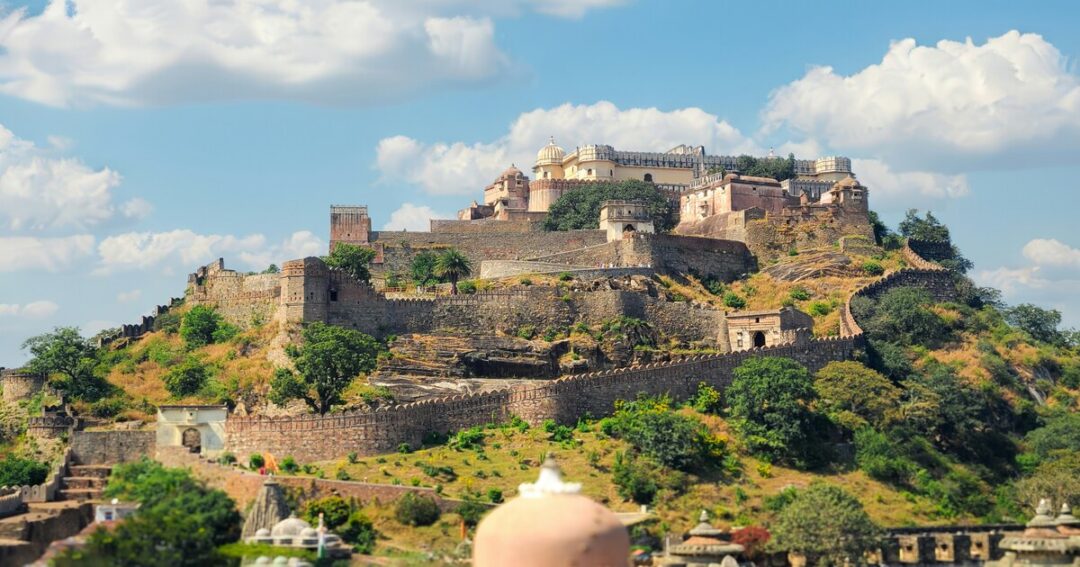
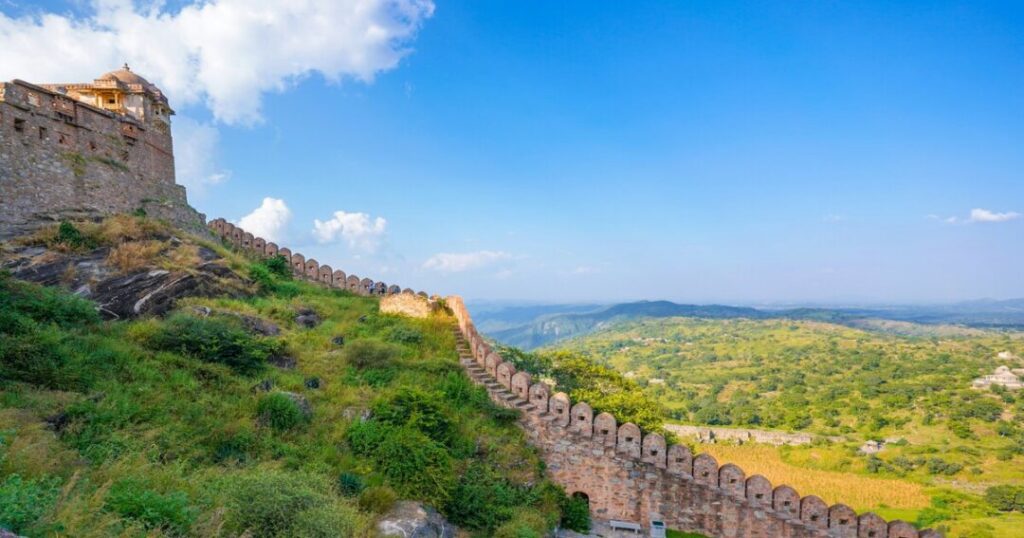
Places to visit in Kumbhalgarh are dominated by one structure: a fort wall that runs for 36 km along the ridgeline of the Aravallis, wide enough in places to let eight horses ride abreast, and long enough to rank as the second-longest continuous wall in the world after the Great Wall of China. Built by Rana Kumbha of Mewar and later the birthplace of Maharana Pratap, Kumbhalgarh remained unconquered until the British era — and everything worth seeing in the area, from its palace to its wildlife sanctuary to a marble temple complex a short drive away, sits inside or just beyond that same fortified boundary.
Best Places to Visit in Kumbhalgarh in 2026
These four stops make up the core of any Kumbhalgarh visit, and together they can be covered in a single well-planned day.
Kumbhalgarh Fort: The Great Wall of India
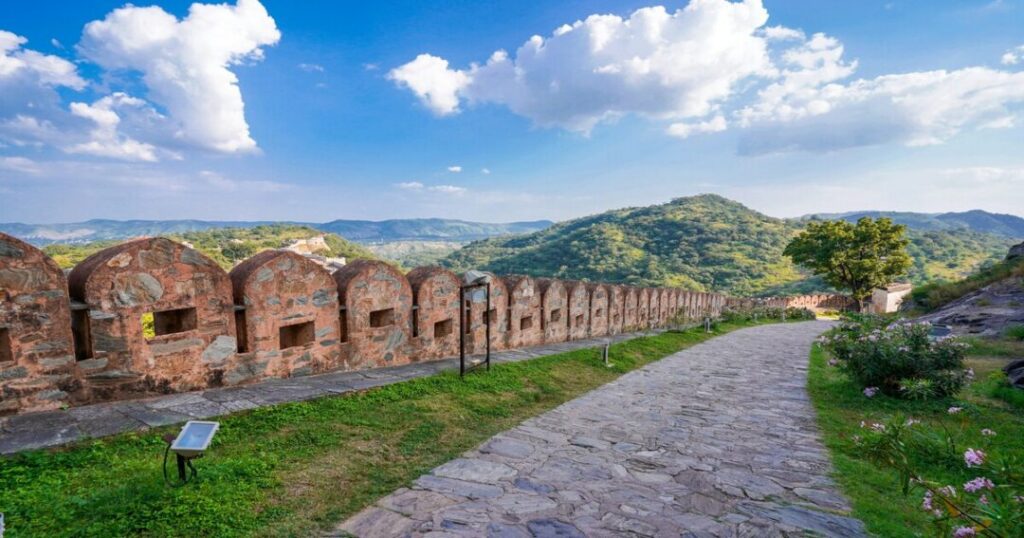
[STAT: Kumbhalgarh Fort was built by Rana Kumbha of Mewar, with the entire structure completed in about 15 years; its outer rampart runs 36 km and reaches an elevation of 1,100 metres (3,600 feet), making it the second-longest continuous wall in the world after the Great Wall of China, and the fort itself is a UNESCO World Heritage Site — The Better India]
- The fort has seven fortified gateways (pols), walls up to 15 feet thick, and roughly 360 temples scattered across its grounds — and it remained unconquered until the British Raj arrived in the 19th century.
- It’s also the birthplace of Maharana Pratap, one of Rajasthani history’s most celebrated figures, which makes the fort as significant historically as it is architecturally.
Also Read: 10 Places to Visit in Bundi—Rajasthan’s Underrated Gem
Badal Mahal: The Palace of Clouds
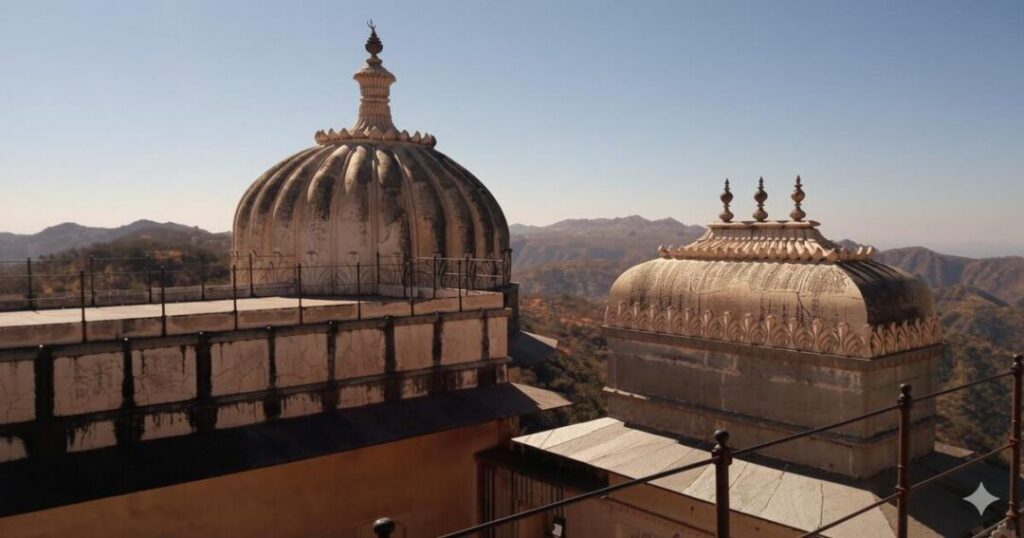
[STAT: Badal Mahal sits at the fort’s highest point, a two-storey palace divided into separate sections for women and men, decorated with colourful frescoes and stone jali (lattice) windows — Holidify]
- The name translates to “Palace of Clouds,” a fitting description given the panoramic views of the Aravalli hills and surrounding valleys from its upper level.
- Reaching Badal Mahal involves a climb through the fort’s inner gates, so it’s worth timing the ascent for cooler morning hours.
Neelkanth Mahadev Temple: A 15th-Century Shrine Still in Use
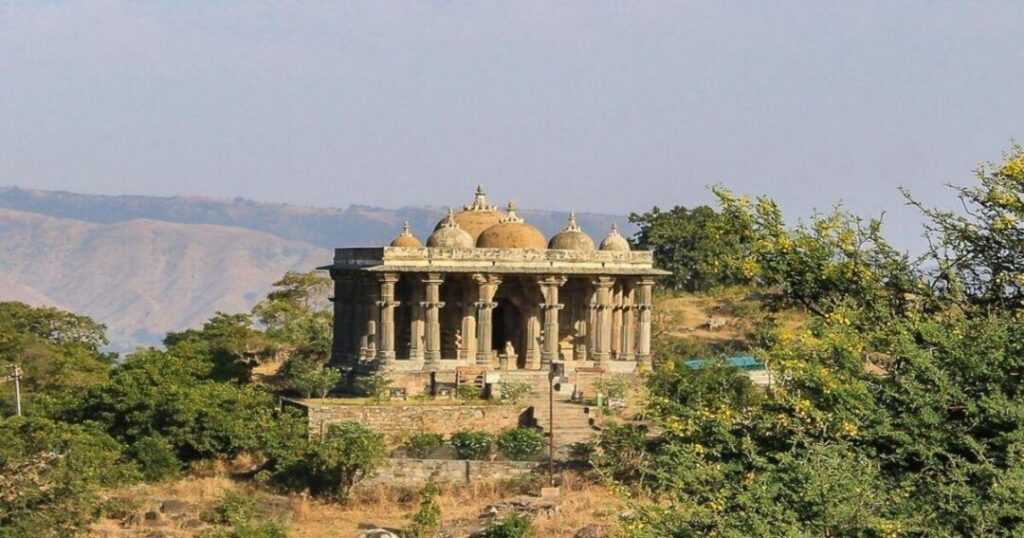
[STAT: Neelkanth Mahadeo Temple, built in the 15th century within the fort complex, houses a 6-foot-tall black stone Shivalinga and continues to host daily rituals as a living place of worship rather than a purely historical monument — Holidify]
- Its continued use sets it apart from many of the fort’s other temples, which function more as historical markers than active shrines.
Kumbhalgarh Wildlife Sanctuary: Wolves, Leopards and Sloth Bears
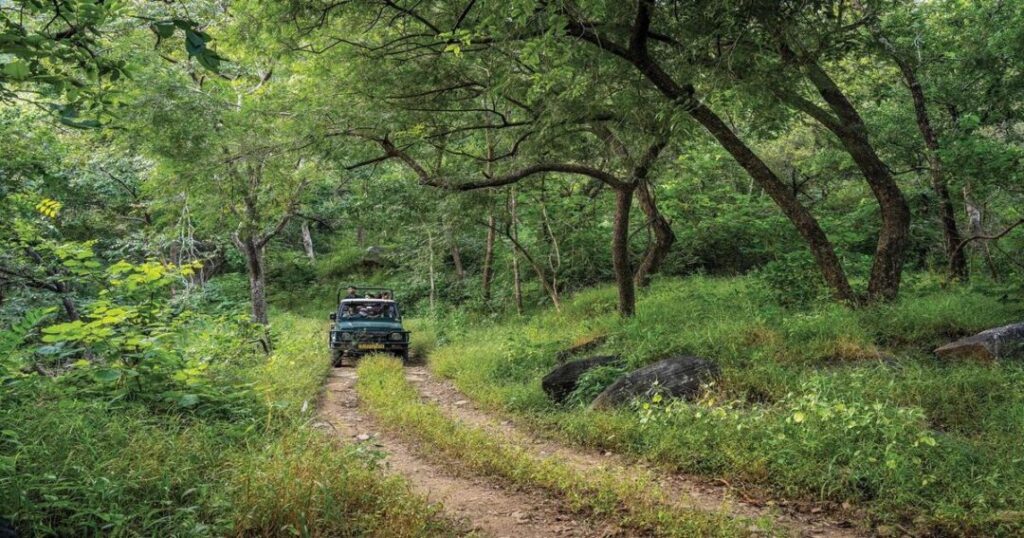
[STAT: Kumbhalgarh Wildlife Sanctuary spans over 600 square kilometres across multiple districts and is home to Indian wolves, leopards, sloth bears, and more than 200 bird species, with jeep safaris, treks, and horseback rides available to explore its rugged terrain — Holidify]
- The sanctuary wraps around much of the fort itself, so wildlife sightings are possible even on a standard fort visit, though a dedicated safari improves the odds considerably.
More Places to See in Kumbhalgarh
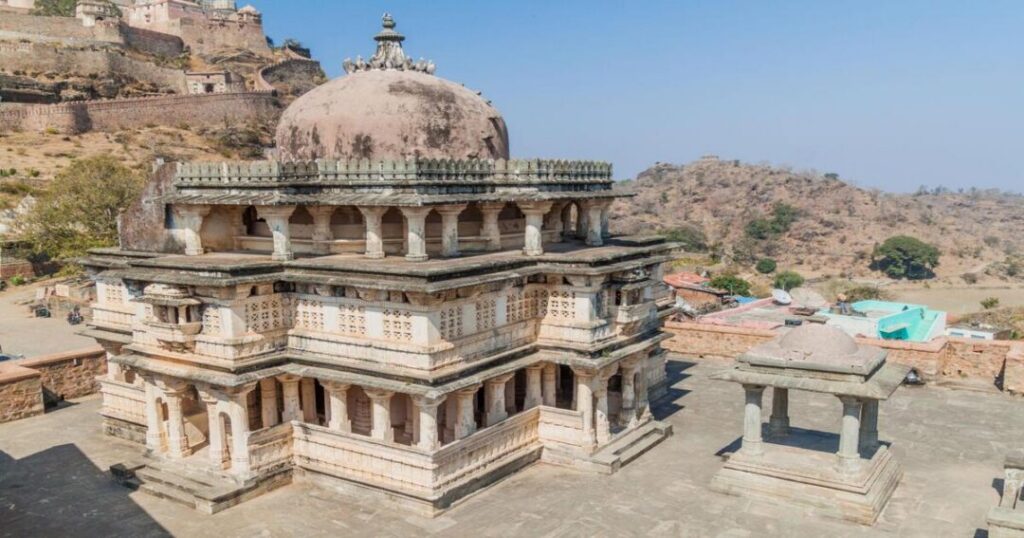
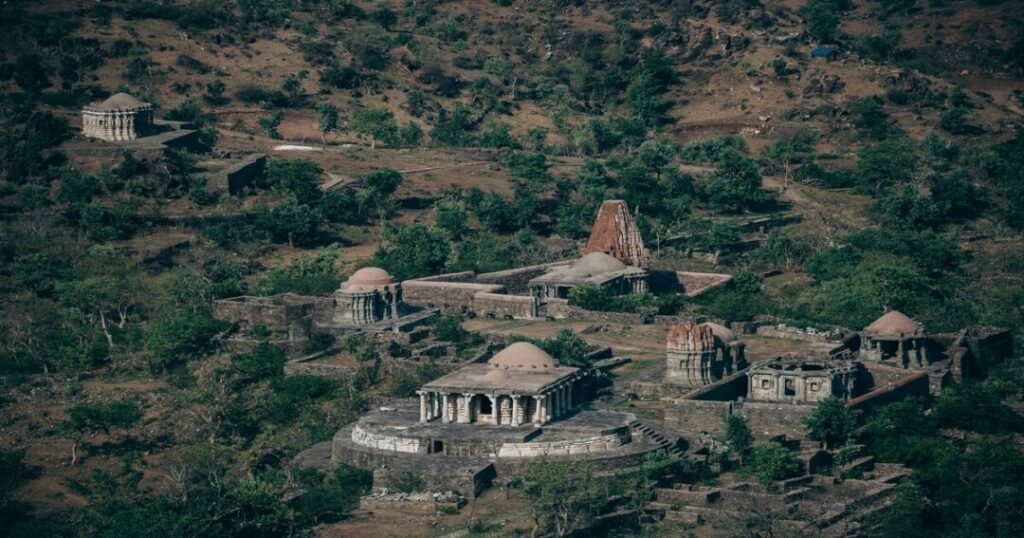
Beyond the fort’s headline sights, a handful of smaller but genuinely interesting places to see in Kumbhalgarh reward visitors willing to explore a little further within the complex.
- Vedi Temple: An octagonal structure supported by 36 carved pillars, originally built for ritual sacrifices rather than everyday worship.
- Mammadev Temple: Houses four stone cenotaphs (chhatris) built to honour ancestors of the Mewar rulers.
- Shree Parshuram Mahadev Cave: A natural cave shrine reached by descending roughly 500 steps, making it one of the more physically demanding but memorable stops inside the fort grounds.
Kumbhalgarh Tourist Attractions: Timings, Entry Fees and the Light Show
[STAT: Kumbhalgarh Fort is open daily from 9:00 AM to 5:00 PM, with entry fees of Rs. 40 for Indian citizens and Rs. 600 for foreign tourists (still cameras free, video cameras Rs. 200 extra); a light and sound show runs in the evening, typically between 6:45 PM and 7:30 PM depending on the season — Rajasthan Places]
- Plan around 2-3 hours to properly cover the fort’s gates, temples, and the climb to Badal Mahal, and arrive early for the light show since seating fills up.
- Among Kumbhalgarh tourist attractions, the annual Kumbhalgarh Festival is worth timing a visit around if your dates align — entry is typically free during the festival, alongside folk performances and other cultural programming.
Places Around Kumbhalgarh Worth a Day Trip
[STAT: Ranakpur Jain Temple, about 33 km from Kumbhalgarh, was commissioned by Rana Kumbha and built between 1446 and 1496 under his minister Dharana Shah; the main Chaumukha Temple complex covers 40,000 sq. ft, contains 1,444 intricately carved pillars with no two alike, and includes 29 pillared halls and 80 domes — Trawell]
- Among the more striking places around Kumbhalgarh, Ranakpur’s marble pillars are said to shift in tone from golden to pale blue over the course of the day, depending on the light.
- The temple complex is open from 6 AM to 6 PM, and the roughly 2-hour round trip from Kumbhalgarh makes it an easy add-on to a fort visit rather than a separate excursion.
Also Read: Things to Do in Chittorgarh: The Complete Guide to Rajasthan’s Fort of Sacrifice
What is the Best Time to Visit Kumbhalgarh?
[STAT: October to March is the recommended window to visit Kumbhalgarh, when daytime temperatures are mild enough for the fort’s climbs and the evening light and sound show — Holidify] Summers (April-June) get hot enough to make the uphill sections genuinely uncomfortable, and while the monsoon (July-September) greens up the surrounding Aravalli hills, some approach roads can get slippery.
How to Reach Kumbhalgarh?
- By Air: Udaipur Airport is the nearest, about 64 km from Kumbhalgarh, roughly a 1.5-2 hour drive.
- By Rail: Falna Railway Station is the closest railhead, about 36 km away, since there’s no railway station directly in Kumbhalgarh itself.
- By Road: Kumbhalgarh is about 82 km from Udaipur city, with frequent bus services connecting it to major towns and cities across Rajasthan, plus taxis and self-drive options from Udaipur.
Also Read: Things to Do in Udaipur: Beyond the Palaces & Lakes — The Complete Guide
Conclusion: Places to Visit in Kumbhalgarh
Between a wall long enough to rank second in the world, a palace named for the clouds it looks out over, a shrine that’s been in continuous use since the 15th century, and a marble temple complex with 1,444 unrepeated pillars a short drive away, places to visit in Kumbhalgarh cover a genuinely unusual range of history, architecture, and wilderness for one relatively compact corner of Rajasthan. Whether you’re planning a single day around the fort or building in a Ranakpur side trip, Kumbhalgarh rewards travellers willing to look past Rajasthan’s more famous forts.
Ready to explore Mewar’s fort country? Download the Explurger app and start planning your Kumbhalgarh trip today.
FAQs About Places to Visit in Kumbhalgarh
2. What makes Kumbhalgarh Fort famous?
Kumbhalgarh Fort is famous for its 36 km outer wall, the second-longest continuous wall in the world after the Great Wall of China, built by Rana Kumbha of Mewar. It's also the birthplace of Maharana Pratap and remained unconquered until the British Raj, earning it recognition as a UNESCO World Heritage Site.
3. What are the best Kumbhalgarh sightseeing places for a one-day visit?
For a single day, prioritise Kumbhalgarh Fort's main gates and ramparts, the climb to Badal Mahal for the panoramic views, Neelkanth Mahadev Temple, and the evening light and sound show. Kumbhalgarh Wildlife Sanctuary's jeep safari can be added if time allows, though it's often better suited to a half-day on its own.
4. What are some Kumbhalgarh tourist attractions beyond the main fort?
Beyond the fort's headline sights, Vedi Temple's 36 carved pillars, Mammadev Temple's ancestor cenotaphs, and the roughly 500-step descent to Shree Parshuram Mahadev Cave are worth exploring for visitors with extra time. Kumbhalgarh Wildlife Sanctuary, which surrounds much of the fort, adds a wilderness dimension most other Rajasthan forts don't offer.
5. What places around Kumbhalgarh are worth visiting?
Ranakpur Jain Temple, about 33 km from Kumbhalgarh, is the standout day-trip destination, known for its 1,444 uniquely carved marble pillars and 29 pillared halls. The roughly 2-hour round trip makes it easy to combine with a Kumbhalgarh visit rather than needing a separate day.
6. When is the best time for a Kumbhalgarh visit?
October to March is the best window for a Kumbhalgarh visit, with mild daytime temperatures suited to the fort's climbs and comfortable evenings for the light and sound show. Summer months get too hot for comfortable walking, while the monsoon can make some approach roads slippery.