
6,808 Total Views
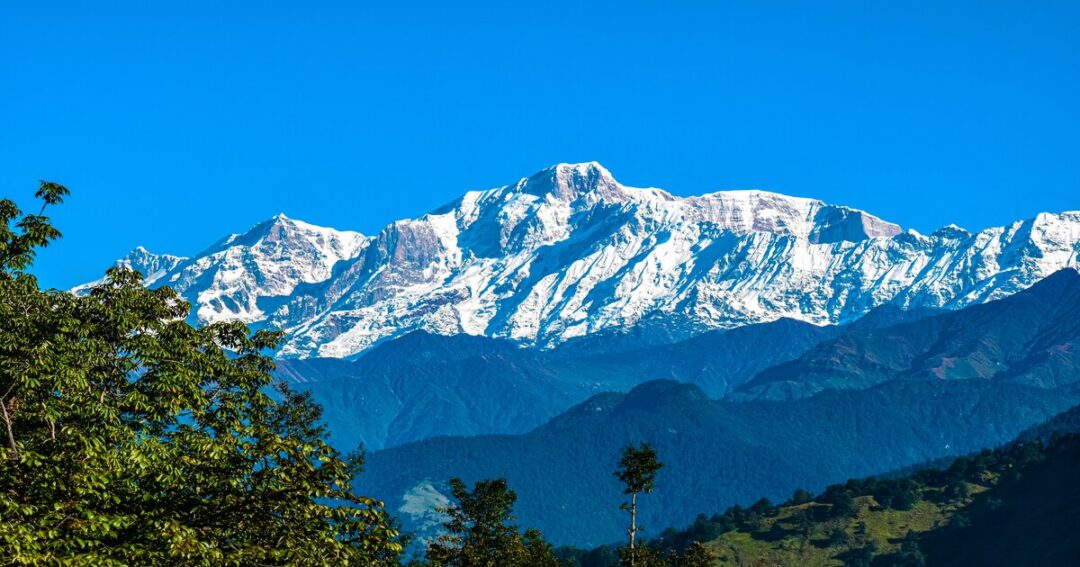
Hidden deep in the eastern Kumaon Himalayas of Uttarakhand lies Darma Valley, one of the least explored high-altitude regions in northern India. This Valley sits close to the India–Nepal border and leads toward the mighty Panchachuli peaks, a cluster of five dramatic Himalayan summits that dominate the skyline. For many years, Darma Valley remained known mainly to mountaineers, border communities, and a small circle of trekkers. Recently, it has begun appearing on travel maps because of its remote villages, untouched landscapes, and relatively accessible trekking routes.
With most travel packages, they take you through different villages around the Valley for the best experience and therefore people mistakenly presume that this trek takes 8-10 days. That is untrue. This guide explains the route, travel logistics, trekking details, and cultural context of Darma Valley so travelers can plan their journey correctly.
Where Is Darma Valley Located?

Darma Valley lies in the Pithoragarh district of the Himalayan state of Uttarakhand. The Valley stretches northward from the border town of Dharchula and follows the upper basin of the Darma River. Geographically, the Valley is part of the Kumaon Himalayas and sits close to the international borders with Nepal and Tibet Autonomous Region. The Kali River flows through the region and forms the natural boundary between India and Nepal.
What makes Darma Valley particularly interesting is its strategic and geographic setting. It sits between several important Himalayan corridors. The road that leads toward the Valley is also used by travelers heading to sacred destinations like Adi Kailash and trekking routes toward Panchachuli Peaks. Despite this proximity to important routes, Darma Valley has managed to remain quiet and culturally intact.
Top 10 Best Offbeat Places in Uttarakhand for a Seasoned Traveler
How to Reach Darma Valley?
The Darma Valley is roughly 650 kilometres from Delhi, depending on the route taken. The journey is long but straightforward if broken into stages. Travelling to Darma Valley from Delhi usually involves an overnight bus journey followed by road travel through the Kumaon mountains.
Darma Valley Itinerary: How a practical route from Delhi looks like this?
Delhi → Haldwani → Pithoragarh → Dharchula → Dantu | Dugtu → Panchachuli Base
The Darma Valley distance from Delhi may sound large, but the route passes through some of the most scenic landscapes in Uttarakhand, including dense forests, river Valleys, and high Himalayan roads. For most travellers heading to Darma Valley from Delhi, the journey itself becomes part of the experience.
1. Delhi to Haldwani (280 kms, 5-7hrs)
Travelers typically begin by taking an overnight bus from Delhi to Haldwani. The journey takes around 6 to 7 hours. Haldwani serves as the entry point to the Kumaon Himalayas and has good connectivity with the plains.
2. Haldwani to Pithoragarh (244 kms, 7-8 hrs)
From Haldwani, shared taxis or cabs travel toward Pithoragarh. This leg of the journey takes 7 to 8 hours through winding mountain roads, forests, and river Valleys. The route gradually climbs deeper into the Himalayan region.
3. Pithoragarh to Darma Valley via Dharchula (161 kms, 8-9 hrs)
The final stretch begins from Pithoragarh and heads toward the border town of Dharchula. This journey takes about 8 to 9 hours and continues along the Kali River Valley. The road eventually branches toward the interior Himalayan Valleys. From Dharchula, the route continues toward villages such as Dantu and Dugtu, which are among the last inhabited settlements in Darma Valley. The drive beyond Dharchula becomes rough and mostly off-road, but the scenery grows increasingly dramatic.
Also Read: Delhi to Adi Kailash & Om Parvat Bike Ride: Ultimate Guide
Itinerary- Places to visit in Darma Valley for a 7-day Trip!
The Darma Valley trip duration is usually 5–6 days, including travel from Delhi and the trek. Having said that, when you give so much of your time to commuting through rough locations, you must visit the neighbouring villages and spend quiet times at your homestays, enjoying the nature around you. We would suggest that you devote at least ONE WEEK to this magnificent trip!
Some places you can visit:
- Adi Kailash
- Om Parvat
- Independent Dharchula exploration
- Temples around Pithorgarh
- Api Nampa Conservation Area, Nepal
- Village exploration by foot/jeep: Sobla, Sela, Baling etc.
- Old Trade Routes
- Munsiyari
Bhagwan Rawat’s expedition to the World’s Most Dangerous Road- The Sach Pass!
THE DARMA VALLEY TREK TO ZERO POINT A.K.A. PANCHACHULI BASE CAMP

Unlike many Himalayan expeditions that require several days of trekking, the Darma Valley trek is a single-day hike that can be completed comfortably from the villages of Dugtu or Dantu. Most visitors begin the Darma Valley trek from Dugtu village, which is considered the last major settlement in the Valley. Dugtu sits at the foot of the Panchachuli range and offers one of the best vantage points in Darma Valley, even before the trek begins.
The trail toward Zero Point starts from the outskirts of the village and gradually follows the Valley floor. The route is clear and relatively easy to navigate, especially if you are walking with a local guide or someone from your Darma Valley homestay.
Trek Distance and Duration
The Darma Valley trek covers approximately 12 kilometers round-trip. Most travelers complete it in 5 to 7 hours, depending on their pace and how much time they spend enjoying the views. Because the hike is not technically demanding, many travelers visiting Darma Valley treat it as a long exploratory walk rather than a traditional trek. Here you’ll see vast alpine meadows, frozen waterfalls, creeks, and occasional moraine sections formed by ancient glaciers. The absence of dense forest means the views remain open throughout the trek.
The endpoint of the Darma Valley trek is commonly referred to as Zero Point. This is essentially the closest accessible viewpoint toward the Panchachuli base region without entering technical mountaineering terrain.
It is best to begin the Darma Valley trek early in the morning. Weather in the Himalayas can change quickly during the afternoon, and starting early ensures clear mountain views. Carrying basic essentials such as water, snacks, sunscreen, and warm layers is recommended. Even during summer, temperatures in Darma Valley can drop quickly once the sun moves behind the mountains.
The Valley is still relatively untouched by mass tourism. On many days, you may encounter only a handful of other travelers on the trail. For explorers, photographers, and mountain lovers, walking through Darma Valley toward the Panchachuli peaks feels less like a tourist activity and more like entering a remote Himalayan landscape that has remained unchanged for generations.
That sense of discovery is what makes the Darma Valley trek truly memorable.
Budget and Miscellaneous Things:
- One of the advantages of Darma Valley is that it remains an affordable Himalayan destination. A typical trip can be completed around ₹10,000, depending on travel style.
- The last petrol pump before entering the Valley is located in Dharchula. Fuel stations do not exist beyond this point.
- There are also no reliable ATMs in the interior region, so travelers should carry sufficient cash.
- Mobile network coverage is extremely limited once you leave Dharchula. Expect long stretches without connectivity.
- Temperatures can drop quickly in the mountains, so warm clothing is essential. Even during summer, nights in Darma Valley can be cold.
- At Dharchula, you must refuel, get your cash ready, take ILP, make important calls and whatnot. Things get super remote after that.
Darma Valley Weather and Seasons
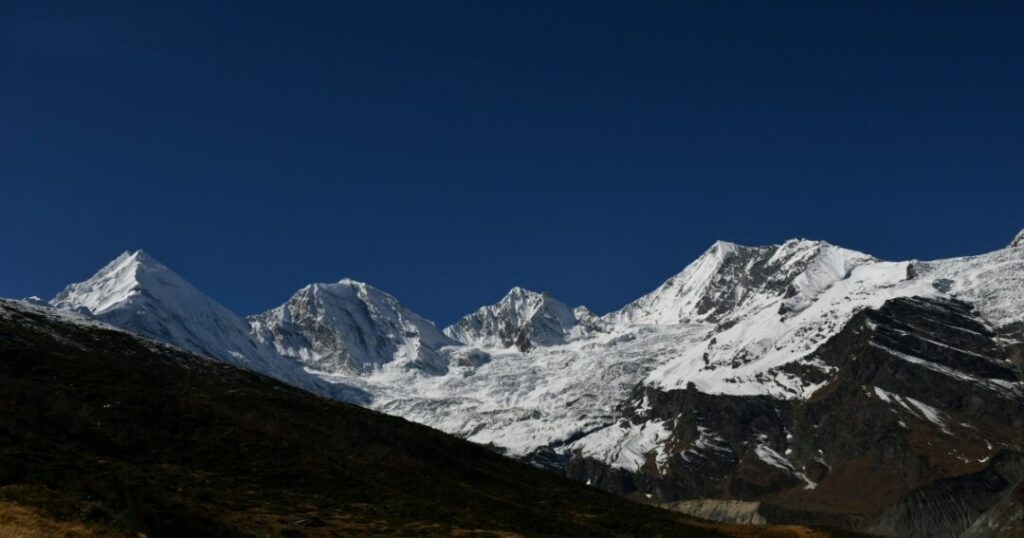
Understanding the Darma Valley weather is important before planning a trip.
- Spring (March – May beginning): Spring brings melting snow and clear skies. Meadows start turning green, and the Valley becomes accessible again. Expect something in the range of 3°C to 22°C.
- Summer (May end – early July): Summer is one of the best times to visit. Darma Valley weather remains cool even during the peak summer months. The Darma Valley temperature during the day usually ranges between 10°C and 20°C, while nights remain colder.
- Monsoon (July – August): Heavy rain can affect road conditions and cause landslides in parts of the Pithoragarh region. Travel during this period requires caution; sometimes it is even impossible.
- Autumn (September – October): Autumn offers clear skies, excellent mountain visibility, and stable weather.
- Winter (October late – February): Winter brings heavy snowfall, and many villages in the Darma Valley become difficult to access. Most homestays close as people migrate to lower regions. Temperatures range from -5°C to 8°C.
Dharchula and the India–Nepal Border
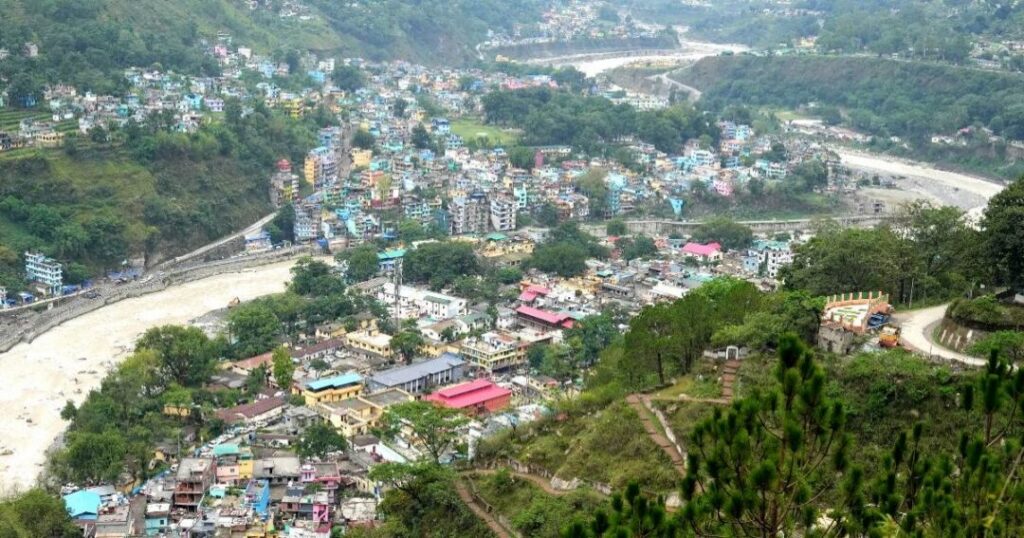
Dharchula is one of the most fascinating border towns in the Himalayas. It sits directly on the banks of the Kali River, which separates India and Nepal. A suspension bridge connects the Indian town of Dharchula with the Nepali settlement of Darchula on the opposite side.
Locals frequently cross the bridge for trade, work, and daily activities. Travelers are also allowed to cross briefly into Nepal, but they must carry a valid identification such as an Aadhaar card. The atmosphere of Dharchula reflects decades of cross-border interaction. Markets sell goods from both countries, languages blend naturally, and the cultural boundaries feel fluid. For travelers heading toward Darma Valley, this border crossing offers a moment to pause and understand the deeper story of the region. The Himalayas have always been corridors of movement. Traders, pilgrims, shepherds, and explorers have crossed these mountains for centuries, connecting cultures long before modern borders were drawn.
Visitors can briefly cross the bridge into Nepal, but carrying identification such as an Aadhaar card is essential. Even if you simply stand midway and watch the river below, the experience is memorable. Few places illustrate the everyday coexistence of two nations as naturally as Dharchula.
From a practical perspective, Dharchula is also the final major settlement before entering the Darma Valley. Travellers should ideally stay here for a day to rest and acclimatize before moving forward toward the Panchachuli Base Camp trek. This is where travelers must obtain an Inner Line Permit, as the Valley lies close to an international border region. It is also the last place to refuel vehicles, withdraw cash, and stock up on supplies before heading deeper into the mountains.
In many ways, Dharchula acts as a gateway. Beyond this town, the road begins to leave the busy world behind and enters the remote landscapes that define Darma Valley.
Reaching the Villages: Dantu and Dugtu

Beyond Dharchula, the road climbs deeper into the Himalayas toward the remote settlements of Dantu and Dugtu. These villages sit high in Darma Valley, surrounded by alpine meadows, glacial rivers, and massive snow peaks. The drive to reach them can be rough and off-road, but it offers incredible views of the Valley landscape.
Most travelers spend the night in a Darma Valley homestay, usually in Dugtu or Dantu. These homestays are simple but deeply welcoming. They are run by local families who open their homes to visitors, offering warm meals, stories about the Valley, and insights into a way of life shaped by the mountains. Staying in a Darma Valley homestay is one of the most meaningful parts of visiting the region. It allows travelers to experience the rhythm of the Valley beyond the trek itself. Evenings are often spent around warm kitchens where conversations unfold slowly over tea and home-cooked food.
For those seeking authentic Himalayan travel, a Darma Valley homestay offers something rare: the chance to live, even briefly, within a community that has adapted to these mountains for generations.
People, Migration, and Life in Darma Valley
To truly understand Darma Valley, one must understand the people who have lived here for centuries.
The Valley is home to the Rung or Shauka community, an indigenous Himalayan group whose history is deeply tied to trade, migration, and movement across mountain borders. For generations, the Rung people were known as high-altitude traders who connected India with Tibet through ancient Himalayan routes.
Long before modern highways or political boundaries existed, caravans of traders from Darma Valley crossed high passes carrying wool, salt, herbs, and grains across the Himalayas. These journeys were demanding and dangerous, but they formed the backbone of the local economy and connected distant regions through commerce and cultural exchange. This way of life changed dramatically after the closure of the Indo-Tibetan border following the 1962 Sino-Indian war. The historic trade routes that once defined the economy of Darma Valley were suddenly shut. Communities that had depended on cross-border trade for generations had to adapt.
Migration became part of that adaptation.
Today, many families from Darma Valley practice seasonal migration, a pattern common in mountain societies across the Himalayas. During winter, when heavy snowfall makes high-altitude villages difficult to inhabit, residents move to lower towns such as Dharchula. When spring arrives and the snow begins to melt, families return to their ancestral homes in the Valley. This cycle of movement reflects a broader story about India as a nation shaped by migration. Across the country, communities have always moved in response to climate, trade, and opportunity. The people of Darma Valley are part of that long tradition of mobility that defines much of the subcontinent’s history.
For travelers, witnessing this way of life offers a deeper perspective on the Himalayas. Darma Valley is not just a scenic destination or a trekking location. It is a living cultural landscape where history, geography, and community continue to shape everyday life. Walking through the villages today, visitors will notice traditional stone houses standing against the backdrop of towering peaks. Terraced fields follow the contours of the mountains. Small temples and prayer flags appear along pathways that have existed for generations.
For many travelers, that is precisely what makes Darma Valley a once-in-a-lifetime experience.
Conclusion about Darma Valley
To sum things up, the journey to Darma Valley is as meaningful as the destination itself. While many travel sources describe it as a long expedition, the reality is that the Darma Valley trek is an easy-to-moderate hike that usually takes about 5 to 7 hours in total when done from the villages of Dugtu or Dantu. The trek itself is accessible to most travelers with basic fitness, making the Valley far more approachable than many people assume.
But that effort is exactly what makes the experience so rewarding. Few places in the Indian Himalayas offer the same combination of dramatic mountain views, traditional villages, living border cultures, and quiet alpine landscapes. Whether you come for the Darma Valley trek, to stay in a local Darma Valley homestay, or simply to explore the villages beneath the Panchachuli peaks, the Valley offers something deeper than a typical mountain trip.
FAQs About Darma Valley
2. How to reach Darma Valley from Delhi?
Travel to Darma Valley from Delhi by bus to Haldwani, shared cab to Pithoragarh, then drive via Dharchula to Dugtu or Dantu villages.
3. How long is the Darma Valley trek?
The Darma Valley trek (Zero Point) is about 12 km round trip and usually takes 5–7 hours to complete.
4. How far is Dharchula from Darma Valley?
Dharchula is roughly 90–100 km from Darma Valley by mountain road.
5. Can we reach Darma Valley by car?
Yes, you can drive most of the way into Darma Valley up to Dugtu or Dantu village, after which the trek begins. Though normal cars won’t suffice, you’ll have to take a 4 X 4.
6. Where is Darma Valley located?
Darma Valley lies in the eastern Kumaon Himalayas of Uttarakhand near the India–Nepal border.