
587 Total Views
Brazil doesn’t celebrate. Brazil erupts. Every year, the country throws some of the most extravagant, immersive, and unapologetically wild parties on Earth — and we’re not just talking about Rio Carnival.
The brazil festivals scene spans samba-soaked beach parades, indigenous folklore battles, baroque religious processions, electronic festivals on tropical islands, and street parties that swallow entire cities. For luxury travellers, party seekers, adventure hunters, and culture immersionists, this is the country that delivers all five at once.
Brazil Festivals — 11 Most Extraordinary Celebrations
1. Rio Carnival — The Most Famous Brazil Festival on Earth
Location: Rio de Janeiro | February or March (40 days before Easter)
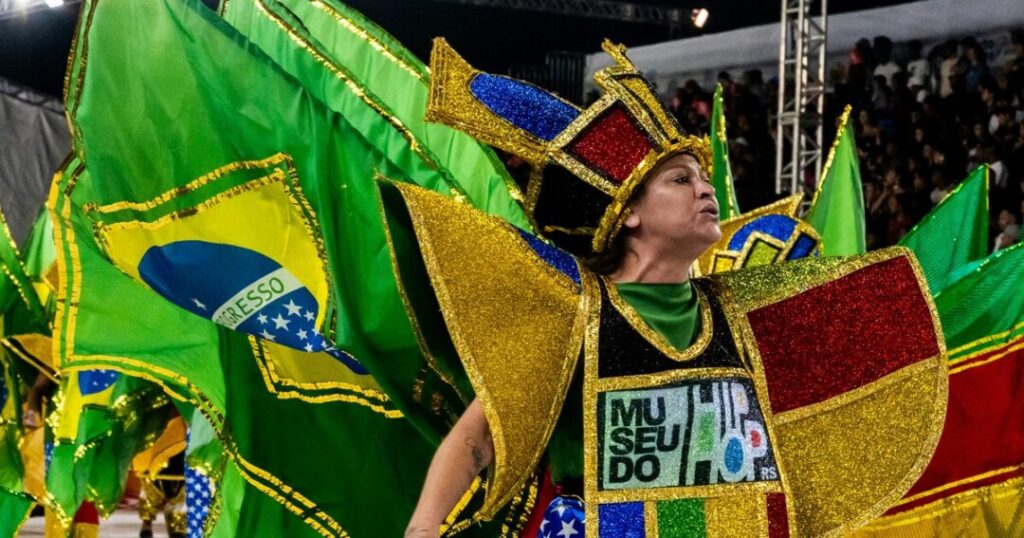
If you’re going to do one of the brazil festivals, this is the one. Rio Carnival is the largest carnival celebration in the world — 5 million people, 200+ samba schools, and a city that doesn’t sleep for 6 days. The brazil carnival celebration at the Sambadrome is part Olympic ceremony, part spiritual experience, and entirely unforgettable.
What to experience:
- Sambadrome Marquês de Sapucaí parades — the main event; book Sector 9 for the best view-to-price ratio
- Camarote tickets — premium luxury suites with open bar, gourmet food, and celebrity hosts
- Blocos — over 500 street parties across Rio with no entry fee; Cordão da Bola Preta is the largest
- Magic Ball at Copacabana Palace — the most exclusive gala of the year; black-tie, by invitation, $$$$
⚠️ Caution: Crime spikes during carnival. Carry only cash you need, leave passports in hotel safes, and stick to known neighbourhoods like Copacabana, Ipanema, and Leblon at night. Book accommodation 6–12 months ahead — prices easily quadruple.
Best for: First-time Brazil travellers, luxury party goers, culture immersionists
2. Salvador Carnival — The Most Energetic Brazil Festival
Location: Salvador, Bahia | February or March
Larger than Rio’s, wilder than Rio’s, and far less polished — Salvador Carnival holds the Guinness record for the biggest street party in the world. Over 2.5 million people pack the city’s historic centre for 6 days of Afro-Brazilian music, dancing, and pure chaos.
What to experience:
- Trio elétrico — massive sound trucks blasting axé music as crowds dance behind them
- Camarotes (VIP suites) — Camarote Salvador and Expresso 2222 deliver luxury catering, premium drinks, and celebrity DJ sets
- Bloco Afro — traditional Afro-Brazilian percussion groups like Olodum (Michael Jackson’s “They Don’t Care About Us” video)
- Pelourinho district — colonial baroque streets transformed into a non-stop dance floor
⚠️ Caution: Street pickpocketing is rampant — keep belongings minimal. Some bloco circuits are more chaotic than Rio’s; consider booking a “abadá” (entry shirt) to access controlled bloco areas.
Best for: Hardcore party goers, music lovers, Afro-Brazilian culture immersionists
Also read: Tomorrowland, the World’s Biggest EDM Festival, is All Set to Arrive in Thailand
3. Olinda Carnival — Brazil’s Most Cultural Festival
Location: Olinda, Pernambuco | February or March
Olinda’s UNESCO-listed colonial streets host one of the most charming and authentic brazil carnivals and festivals. There are no commercial barriers, no ticket gates, and no celebrities — just enormous papier-mâché puppets, frevo dancers, and 1.5 million people in pure street celebration.
What to experience:
- Giant boneco puppets — three-metre-tall figures parading through cobblestone streets
- Frevo dance — a fast, acrobatic Pernambucan dance style with parasols
- Bloco da Madrugada — a 4 AM “dawn bloco” that has become legendary
- Maracatu drumming processions through Olinda’s historic centre
⚠️ Caution: Olinda’s streets are steep, narrow, and cobbled — wear sturdy shoes, not sandals. Tap water is not potable; stick to bottled water during long bloco days.
Best for: Culture immersionists, photographers, travellers who want authenticity over spectacle
4. Festa Junina — The Most Charming Brazil Festival
Location: Nationwide (strongest in the Northeast) | June
Forget glittery feathers — Festa Junina is Brazil’s countryside festival of bonfires, country dancing, and folk costumes celebrating Saint John, Saint Peter, and Saint Anthony. The northeastern cities of Campina Grande and Caruaru host the biggest celebrations, branded as “the largest São João parties in the world.”
What to experience:
- Quadrilha dancing — traditional square dancing in checkered shirts and floral dresses
- Forró music all night — accordion, triangle, and zabumba drums
- Bonfires and hot air balloons lighting up the night sky
- Festival food binges — corn, peanuts, mulled wine, and traditional desserts
⚠️ Caution: Lighting paper balloons is illegal in many states due to fire risk — admire those put up by official organisers only. Rural June nights in the Northeast can get surprisingly cold; pack a light jacket.
Best for: Cultural travellers, families, folk music lovers
5. Parintins Festival — The Most Theatrical Brazil Festival
Location: Parintins, Amazon | Last weekend of June
Deep in the Amazon, the small river island of Parintins hosts one of the most spectacular and least-touristed brazil festivals in existence. The Boi-Bumbá is a 3-night theatrical battle between two rival groups — Caprichoso (blue) and Garantido (red) — performed in a 35,000-seat purpose-built stadium called the Bumbódromo.
What to experience:
- Boi-Bumbá performance — indigenous folklore, dance, music, and pyrotechnics on a stadium scale
- Amazon river boat charter — luxury floating accommodation; access to the festival via private boat
- Pre-festival rainforest expeditions from Manaus into the surrounding jungle
- Indigenous craft markets — traditional Amazonian art and ceremonial pieces
⚠️ Caution: Parintins is remote — accessible only by riverboat or charter flight from Manaus. Accommodation is extremely limited; most visitors stay on private boats. Book at least 6 months in advance.
Best for: Cultural adventurers, luxury expedition travellers, off-grid culture seekers
Also read: Brazil: The World’s Most Biodiverse Country and a Must-Visit for Adventurers
6. Universo Paralello — Brazil’s Most Iconic Electronic Festival
Location: Pratigi Beach, Bahia | December 27 – January 2
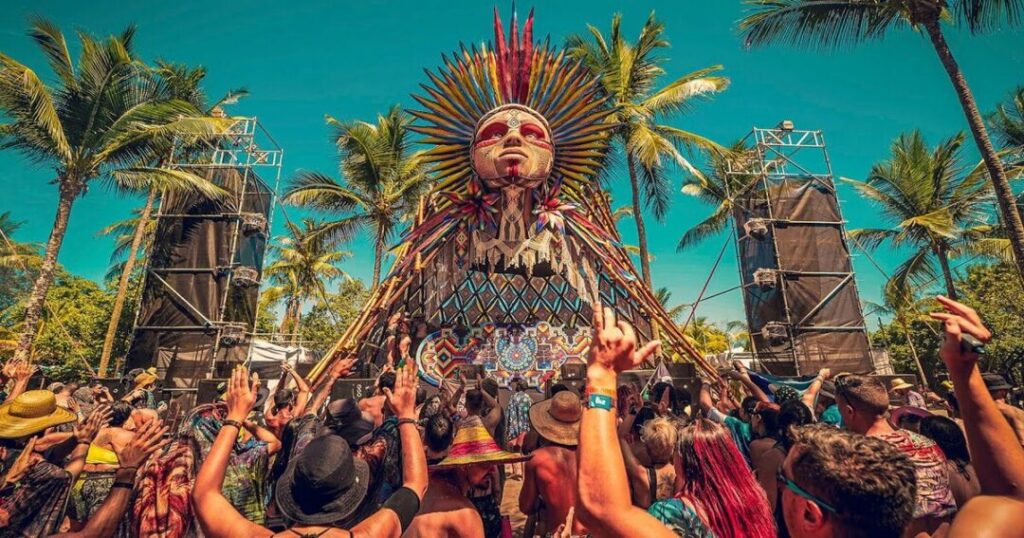
Imagine a 7-day electronic music festival on a remote Bahian beach with palm trees, ocean breeze, and an international roster of psy-trance, techno, and house DJs. That’s Universo Paralello — Brazil’s answer to Burning Man and Tomorrowland combined.
What to experience:
- Sunrise sets on the beach — legendary among electronic music fans worldwide
- Glamping zones with private chefs, cocktail bars, and yoga decks
- Multiple stages spread across the natural amphitheatre setting
- Holistic spaces — sound healing, ecstatic dance, and forest meditation
⚠️ Caution: Pratigi Beach is remote — closest international airport is Salvador (~6 hours by road and boat transfer). Hydration is critical in the tropical heat. Bring premium reef-safe sunscreen and waterproof phone protection.
Best for: Big spenders, electronic music fans, luxury glamping travellers
7. Festival de Inverno de Campos do Jordão — The Most Luxurious Brazil Festival
Location: Campos do Jordão, São Paulo state | July
Brazil’s Switzerland-meets-Aspen. The annual Winter Festival of Campos do Jordão is South America’s largest classical music festival, hosted in a Bavarian-style alpine town in the Mantiqueira mountains. Think fine dining, world-class symphonies, and luxury chalets.
What to experience:
- Auditório Cláudio Santoro classical performances — international orchestras and soloists
- Wine and gastronomy weekends — Michelin-starred Brazilian chefs in residence
- Luxury chalet stays with mountain fireplaces and spa treatments
- Aerial cable car rides over the pine-forested valley
⚠️ Caution: Winter temperatures drop to 5°C — pack warm clothes (rare for Brazil travel). Roads up the mountain can be foggy; drive carefully or hire a local transfer.
Best for: Luxury travellers, classical music aficionados, honeymooners
8. Festa do Peão de Barretos — Brazil’s Wildest Rodeo Festival
Location: Barretos, São Paulo state | August
The largest rodeo festival in Latin America — and the second-largest in the world after Houston. Festa do Peão de Barretos draws over 1 million visitors across 10 days for bull riding, country music, and serious partying. This is sertanejo culture (Brazilian country music) at its most extravagant.
What to experience:
- Professional rodeo competition — international cowboys competing for major prize money
- Sertanejo music concerts — Brazil’s biggest country stars headline nightly
- Hospitality camarote suites — air-conditioned, gourmet catering, premium open bars
- Country fashion scene — designer Western wear, luxury cowboy boots, customised hats
⚠️ Caution: Daytime heat regularly tops 35°C — hydrate constantly. Some events involve animals; respect all venue rules and barriers. Tickets for camarote suites sell out months in advance.
Best for: Big spenders, country music lovers, adventure travellers seeking something offbeat
9. Bumba Meu Boi de São Luís — The Most Mystical Brazil Festival
Location: São Luís, Maranhão | June
This UNESCO-recognised festival is one of Brazil’s most spiritually rich celebrations. Bumba Meu Boi dramatises the death and resurrection of a sacred bull through dance, music, costumes, and street processions. Each “boi group” performs a unique style — from indigenous to Afro-Brazilian fusion.
What to experience:
- Pavilhão de São Luís main stage performances — the city’s official festival hub
- Boi de Sotaque performances — different styles like Matraca, Zabumba, and Costa de Mão
- Colonial historic centre of São Luís — UNESCO World Heritage cobblestoned old town
- Maranhão cuisine — arroz de cuxá, pastel de camarão, and local cachaças
⚠️ Caution: São Luís is humid year-round; pack lightweight cotton clothing. Some performances run until 4 AM; pace yourself across the festival’s multiple days.
Best for: Culture immersionists, photographers, heritage travellers
10. Réveillon Copacabana — The Most Glamorous New Year Brazil Festival
Location: Rio de Janeiro | December 31
Over 2 million people in white clothing on Copacabana Beach. Fireworks exploding from yachts and floating barges. World-class DJs on multiple beachside stages. Réveillon Copacabana is the largest New Year’s Eve celebration in the Southern Hemisphere.
What to experience:
- Copacabana Palace Hotel gala — the most legendary New Year’s party in South America; black tie, ultra-luxury
- Hotel beachfront suites with private terraces for fireworks viewing
- Yacht charters in Guanabara Bay for the ultimate VIP experience
- Candomblé ritual — locals offering white flowers to Yemanjá, goddess of the sea, at midnight
⚠️ Caution: Crowds are immense — agree on meeting points in advance with travel companions. Wear white (tradition for good luck) and avoid jewellery or expensive watches. Cell networks often crash from the volume of users.
Best for: Big spenders, luxury New Year celebrators, party goers seeking the iconic Brazilian experience
11. Festival de Cinema de Gramado — Brazil’s Most Sophisticated Festival
Location: Gramado, Rio Grande do Sul | August
Brazil’s most prestigious film festival, held in a charming German-Bavarian-influenced mountain town. Gramado Film Festival combines red carpet glamour with luxurious mountain hospitality — think Cannes meets a Swiss village.
What to experience:
- Palácio dos Festivais — official red carpet screenings and award ceremonies
- Chocolate factory tours — Gramado is Brazil’s chocolate capital
- Wine tasting in Vale dos Vinhedos — Brazil’s premier wine region just an hour away
- Luxury spa resorts with hot stone massages and mountain forest views
⚠️ Caution: August is winter — temperatures can drop to 0°C; pack proper warm clothing. Festival accommodation books out 4–6 months in advance. A rental car is highly recommended for surrounding wine and chocolate routes.
Best for: Cultural luxury travellers, cinephiles, honeymooners
Also read: 25 Best Countries to Visit in March 2026 from India
What to Be Cautious About at Brazil Festivals?
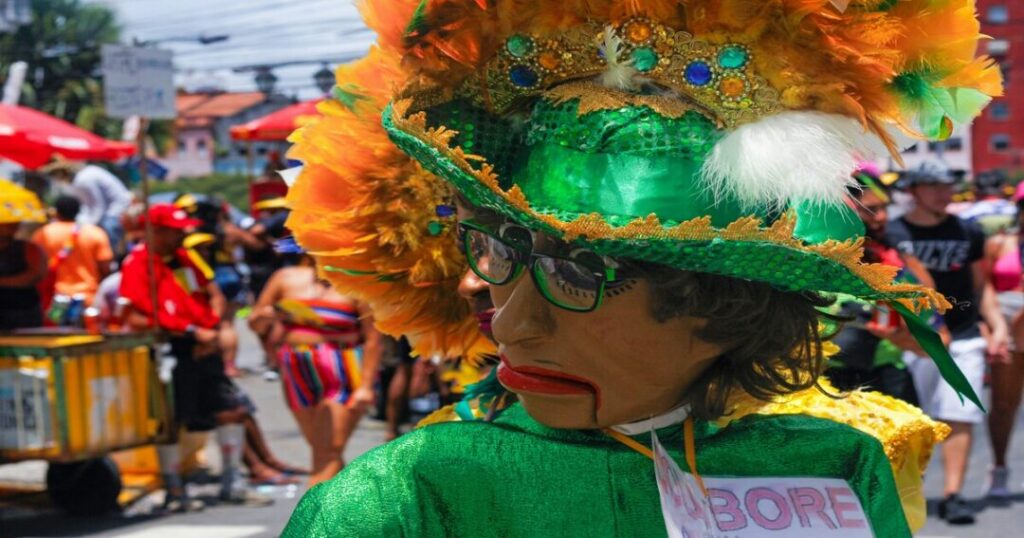
Brazil festivals are exhilarating — but every smart traveller plans around real risks.
- Petty crime — Pickpocketing peaks during carnival; carry only essentials, use front-pocket wallets or money belts, leave passports and excess cash in hotel safes
- Accommodation pricing — Prices triple to quintuple during major festivals; book 6–12 months in advance for the best rates and locations
- Heat and dehydration — Most festivals are summer events (December–March); drink water constantly, especially when consuming alcohol
- Crowd density — Major bloco parties can reach 1 million+; agree on meeting points, share live locations, never split up at night
- Drink spiking — Always watch your drinks; buy bottled or canned beverages directly from bartenders; never accept open drinks from strangers
- Transport surge pricing — Uber and 99 Pop multiply prices during festivals; consider booking private transfers for late-night returns
- Cultural respect — Religious processions (Bumba Meu Boi, Festa Junina) involve sacred elements; ask before photographing performers in costume
- Sun exposure — Tropical festivals demand SPF 50+, wide-brim hats, and reapplication every 2 hours
- Language barriers — English is limited outside major tourist zones; download offline Portuguese on Google Translate before arrival
Best Brazilian Festival Foods & Drinks
Brazil festivals are as much a food event as a music event. Here’s what every food traveller should hunt down:
- Acarajé — Bahian black-eyed pea fritters stuffed with vatapá, shrimp, and palm oil; sold by traditional baianas on the streets of Salvador during carnival
- Coxinha — Brazil’s most addictive party snack; teardrop-shaped fried dough filled with shredded chicken; ubiquitous at every bloco
- Pastel de feira — crispy thin-pastry pockets filled with cheese, beef, or palm heart; fair-style fried perfection
- Tapioca — gluten-free pancake-style staple from the Northeast; sweet (banana and condensed milk) or savoury (cheese and oregano)
- Caipirinha — Brazil’s national cocktail; cachaça, lime, sugar, ice; available everywhere at festivals
- Caipiroska & Caipifrutas — vodka-based variations and tropical fruit versions; passion fruit caipirinhas are non-negotiable
- Brigadeiro — chocolate truffles rolled in chocolate sprinkles; the must-eat dessert at every Brazilian celebration
- Espetinhos — grilled meat skewers — beef, chicken, sausage, even halloumi — sold by every street vendor at festivals
- Pão de queijo — chewy cheese bread balls; perfect with morning coffee after a long carnival night
- Cachaça de alambique — premium artisanal cachaça to sip neat; the luxurious alternative to typical caipirinha rum
- Açaí na tigela — frozen açaí bowls with banana, granola, and condensed milk; the unofficial recovery food of every Brazilian party goer
What is the Best Time to Experience Brazil Festivals?
Brazil’s festival calendar runs year-round — here’s when to catch the major celebrations:
- February or March — Rio Carnival, Salvador Carnival, Olinda Carnival (always 40 days before Easter)
- June — Festa Junina nationwide; Bumba Meu Boi in São Luís; Parintins Festival in the Amazon
- July — Campos do Jordão Winter Festival — South America’s top classical music event
- August — Festa do Peão de Barretos rodeo; Gramado Film Festival
- December 27 – January 2 — Universo Paralello electronic festival
- December 31 — Réveillon Copacabana New Year’s Eve
For the ultimate luxury party experience, target the December–March window — peak summer, peak energy, peak celebrations. For cultural depth without carnival crowds, June and August are unmatched.
How to Reach Brazil for Its Top Festivals?
By Air (International Gateways):
- Rio de Janeiro (GIG) — Galeão International Airport — direct entry point for Rio Carnival and Réveillon Copacabana
- São Paulo (GRU) — Guarulhos International Airport — South America’s largest hub; ideal for Campos do Jordão and Barretos
- Salvador (SSA) — Deputado Luís Eduardo Magalhães International Airport — for Salvador Carnival and Pratigi Beach (Universo Paralello)
- Recife (REC) — Guararapes-Gilberto Freyre International Airport — closest entry for Olinda Carnival (~20 minutes from Olinda)
- Manaus (MAO) — Eduardo Gomes International Airport — Amazon gateway; connecting flights to Parintins
- Porto Alegre (POA) — Salgado Filho International Airport — closest to Gramado (~2 hours by road)
By Domestic Flight:
- LATAM, GOL, and Azul operate extensive domestic networks linking all major festival cities
- Book domestic flights 3–4 months ahead for festival weekends — prices double during peak periods
By Road:
- Self-drive is viable for São Paulo to Campos do Jordão or Porto Alegre to Gramado, but not recommended for festival-heavy cities (parking, security, traffic)
- Use Uber, 99 Pop, and licensed taxis for in-city travel
- For luxury travellers, private chauffeur services are widely available through hotels
Visa Requirements:
- Check current Brazil visa requirements for your nationality before booking — eVisa requirements have changed for several countries in recent years
Conclusion About Brazil festivals
There’s a reason brazil festivals consistently rank among the world’s top bucket-list celebrations. The energy, the music, the scale, the colour, the food, the people — Brazil throws parties that genuinely change you.
Here’s your quick recap of the 11 most unforgettable Brazil festivals to chase:
- Rio Carnival — the most famous brazil carnival celebration on Earth
- Salvador Carnival — Guinness-record street party with raw Afro-Brazilian energy
- Olinda Carnival — UNESCO-listed authentic frevo and giant puppet streets
- Festa Junina — countryside bonfires, square dancing, and Northeast charm
- Parintins Festival — Amazon riverboat festival with epic Boi-Bumbá theatre
- Universo Paralello — 7-day electronic festival on a tropical Bahia beach
- Campos do Jordão Winter Festival — South America’s top classical music festival
- Festa do Peão de Barretos — Latin America’s biggest rodeo and country music event
- Bumba Meu Boi de São Luís — UNESCO-recognised mystical folk theatre
- Réveillon Copacabana — 2 million people in white for the world’s most iconic NYE
- Gramado Film Festival — red carpet glamour in a Bavarian mountain town
Whether you want to lose yourself in a street bloco of a million people or sip vintage cachaça in a private camarote suite, the brazil festivals scene delivers it all — on a scale you won’t find anywhere else.
Capture every parade, party, and pulsating beat — download the Explurger app and log your Brazil festival journey.
The samba is starting. Don’t miss it.
FAQs About Brazil Festivals
2: What is the difference between Rio Carnival and Salvador Carnival?
Rio Carnival is a structured spectacle centred around the Sambadrome's professional samba school competition, with paid grandstand seating and luxury camarote suites. Salvador Carnival is street-based — over 2.5 million people follow trio elétrico sound trucks through 25 kilometres of city streets. Rio is more international and tourist-friendly; Salvador is rawer, more energetic, and more Afro-Brazilian in its musical and cultural roots. Both run on the same dates and many travellers do both as a back-to-back experience.
3: Is the Brazil Carnival festival safe for tourists?
Major Brazil carnival festivals are generally safe when standard urban travel precautions are followed. Stay in well-known tourist neighbourhoods like Copacabana, Ipanema, or Leblon in Rio. Use Uber or 99 Pop after dark instead of street taxis. Avoid wearing expensive jewellery or carrying valuables. Keep cash and phones in front pockets or money belts. Travel in groups at night and never carry your passport — keep it locked in your hotel safe. Tourist police presence is heavy during carnival in all major cities.
4: What are the most luxurious ways to experience Brazil festivals?
The most luxurious ways to experience brazil festivals include booking camarote VIP suites at Rio's Sambadrome (Camarote N1, Camarote Allegria), staying at the iconic Copacabana Palace Hotel during Réveillon, attending the Magic Ball at Copacabana Palace, chartering a yacht in Guanabara Bay for New Year's fireworks, booking glamping suites at Universo Paralello, and reserving luxury chalets during the Campos do Jordão Winter Festival. Private guides and chauffeur services elevate every experience considerably.
5: Which Brazil festival is best for cultural immersion?
For pure cultural immersion, Bumba Meu Boi de São Luís, Olinda Carnival, and Parintins Festival are the top three brazil festivals to consider. Bumba Meu Boi blends indigenous, African, and Portuguese traditions with sacred storytelling. Olinda offers authentic frevo dance and giant boneco puppets in a UNESCO colonial setting. Parintins delivers an Amazonian folklore spectacle unlike anything else in the country. These festivals attract far fewer international tourists than Rio and offer deeper exposure to regional Brazilian culture.
6: How much does a Brazil carnival celebration trip cost?
A Brazil carnival celebration trip varies widely by budget. A backpacker setup costs around $1,500–$2,500 USD for the carnival week including flights, hostel accommodation, and basic bloco entry. A mid-range trip with hotel stays, Sambadrome grandstand tickets, and meals runs $3,500–$6,000 USD. Luxury experiences with Copacabana Palace stays, premium camarote suites, private guides, and fine dining easily exceed $15,000–$25,000 USD per person for the festival week. Prices peak in the weeks immediately surrounding carnival dates.
7: What should I wear to brazil festivals?
Brazil festivals demand light, breathable, and colourful clothing — cotton, linen, and quick-dry fabrics work best in tropical heat and crowded conditions. For street blocos, comfortable closed-toe shoes are essential — never wear flip-flops in carnival crowds. For Sambadrome and luxury camarote suites, smart casual to cocktail attire is expected. Réveillon Copacabana traditionally requires all-white clothing for good luck on New Year's Eve. Festa Junina calls for checkered shirts, denim, and floral dresses in folk style. Always pack a light jacket for cooler evening hours in southern festivals.