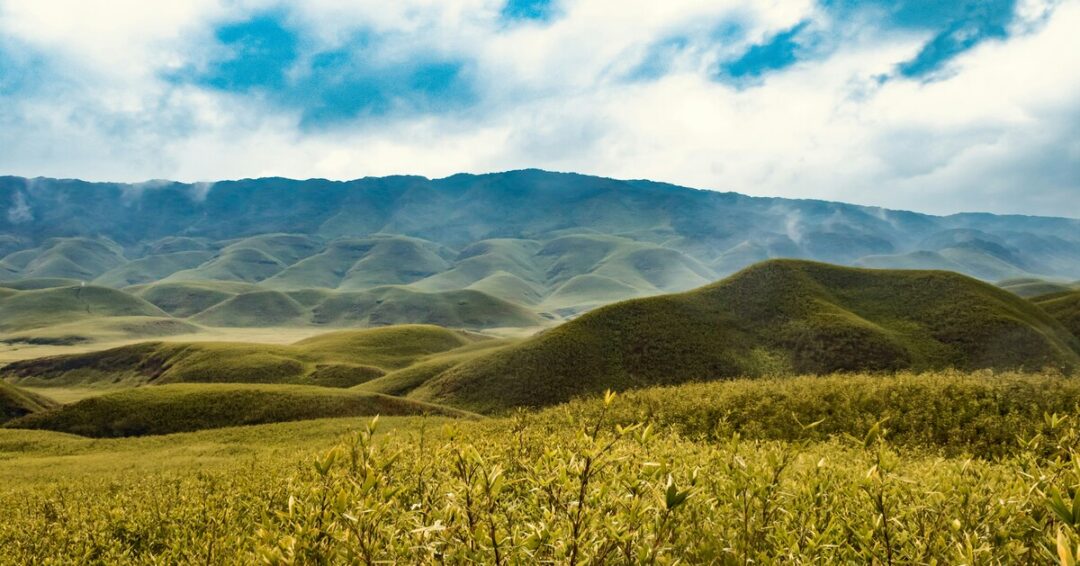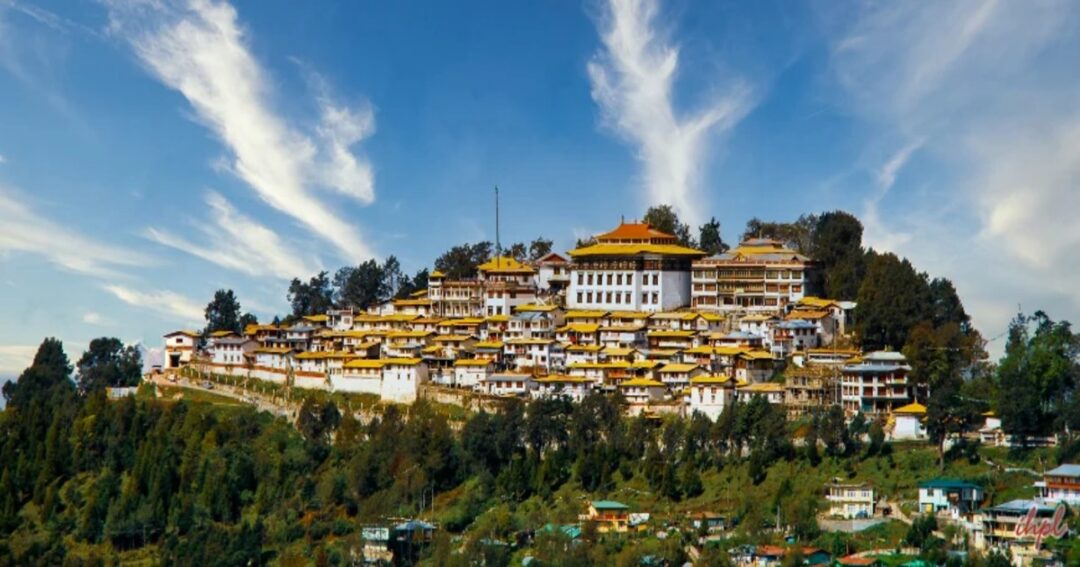

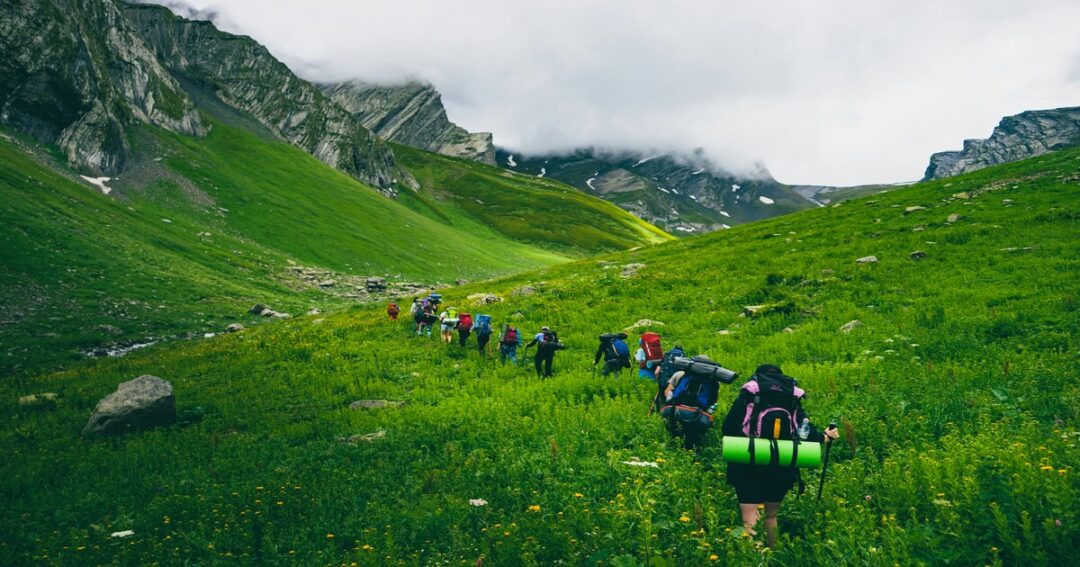

Some treks are scenic. Some are physically demanding. The Rupin Pass trek is both — and then some. This is one of the most thrilling and visually staggering high-altitude crossings in the entire Indian Himalayan range, taking you from the forested valleys of Uttarakhand, up through cascading three-stage waterfalls, across snow walls and glacier traverses, and finally over a 15,250-foot pass into the Sangla Valley of Himachal Pradesh.
This is the kind of trek experienced adventurers chase for years. Here’s everything you need to know before you take it on.
Rupin Pass Trek- Best Time To Explore
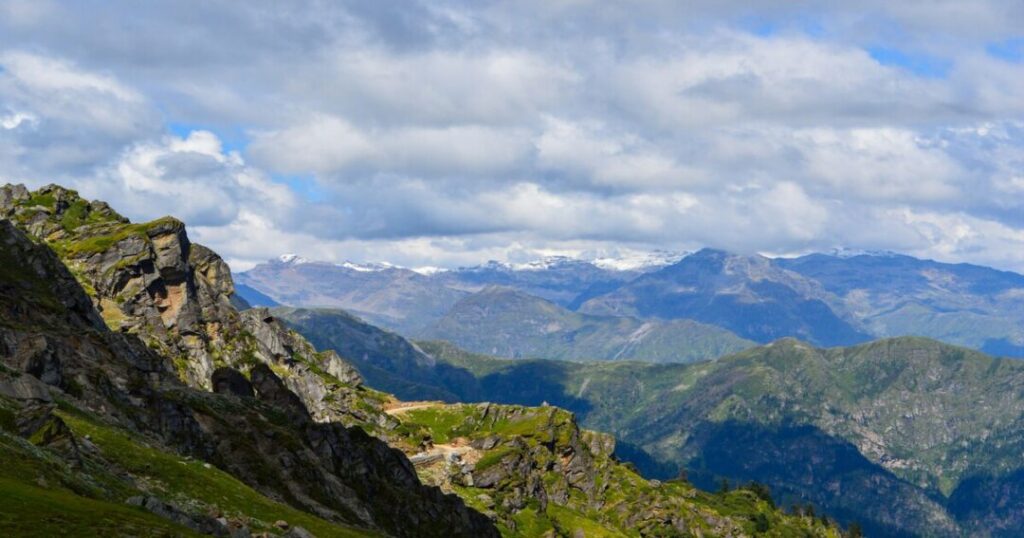
The Rupin Pass trek best time windows are tight but rewarding. The trek runs during two distinct seasons, each offering completely different experiences.
May to June (Pre-monsoon / Summer):
- Snow still covers the upper sections; expect snow bridges and glacier traverses
- Three-stage waterfall is at peak flow from snowmelt
- Daytime temperatures: 13–18°C; nights can drop to 0–7°C at high camps
- Best for adventurers seeking the snow-summit experience
September to mid-October (Post-monsoon / Autumn):
- Clearer skies, drier trails, and spectacular autumn meadows
- Less snow at the pass; cleaner summit conditions
- Daytime temperatures: 3–15°C; nights drop below 0°C at high camps
- Best for photographers and visibility-focused trekkers
Avoid:
- July to August — Monsoon brings dangerous landslides and washed-out trails
- November to April — Heavy snowfall closes the route entirely
Also Read: Top Winter Treks in India–Best Trails From North to South
Why the Rupin Pass Trek Earns Its Reputation
The Rupin Pass trek isn’t a one-note trail. Most high-altitude routes in India deliver either dramatic landscapes or a thrilling summit — Rupin gives you both, almost daily.
What makes this trek legendary:
- A moving landscape — you literally walk through three completely different terrains: lush green pine valleys, alpine meadows, and snow-covered glacial slopes
- The signature three-stage Rupin Waterfall at Dhanderas Thatch — cascading nearly 1,500 feet
- A technical snow gully climb at the final summit push — requiring focus, fitness, and proper microspikes
- A true cross-state Himalayan crossover — starting in Uttarakhand at Dhaula and ending in Himachal Pradesh at Sangla
- The trail concludes through the surreal Rupin Valley, dotted with traditional Garhwali and Kinnauri villages most travellers will never see
For experienced trekkers, this trek hits every note: adrenaline, scale, scenery, and serious physical challenge.
Can You Do the Rupin Pass Trek On Your Own?
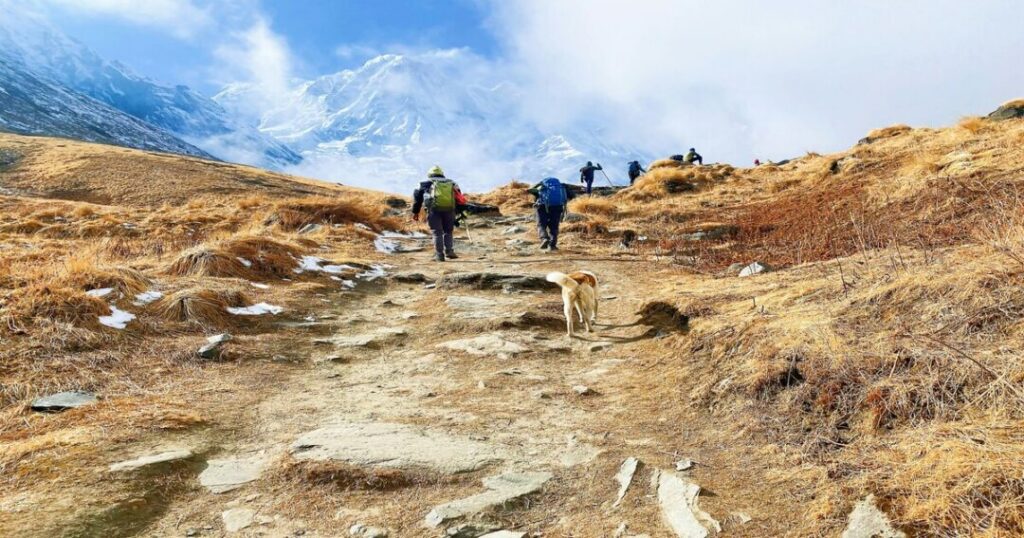
Short answer: No. This is not a solo-DIY trek.
The Rupin Pass trek is classified as moderate-to-difficult and crosses into restricted forest zones across two states. A certified, experienced trek leader is essential for the following reasons:
- The route requires forest department permits that are issued through registered trek operators only
- The final summit climb involves a steep snow gully traverse where guided ropework and route reading are mandatory for safety
- Mobile connectivity disappears beyond Sewa village — emergency support is reachable only through team radios and operator networks
- The trail is unmarked in several sections; navigation through high-altitude meadows and snowfields requires local terrain knowledge
- Acclimatisation pacing, weather decision-making, and emergency evacuation logistics need an experienced trek leader with mountain medical training
What this means in practice:
- Trekkers join organised groups led by a qualified trek leader, support guides, and mule support staff
- Group sizes are typically capped (often 10–15 trekkers) for safety
- Solo trekkers can absolutely join these groups — many do — but the trek itself cannot be done independently without a guided team
Even highly experienced trekkers who have crossed the pass before are advised to join a guided team for every Rupin attempt. The terrain is too variable and the risks too high for a self-supported expedition.
Rupin Pass Altitude, Height & Trek Distance
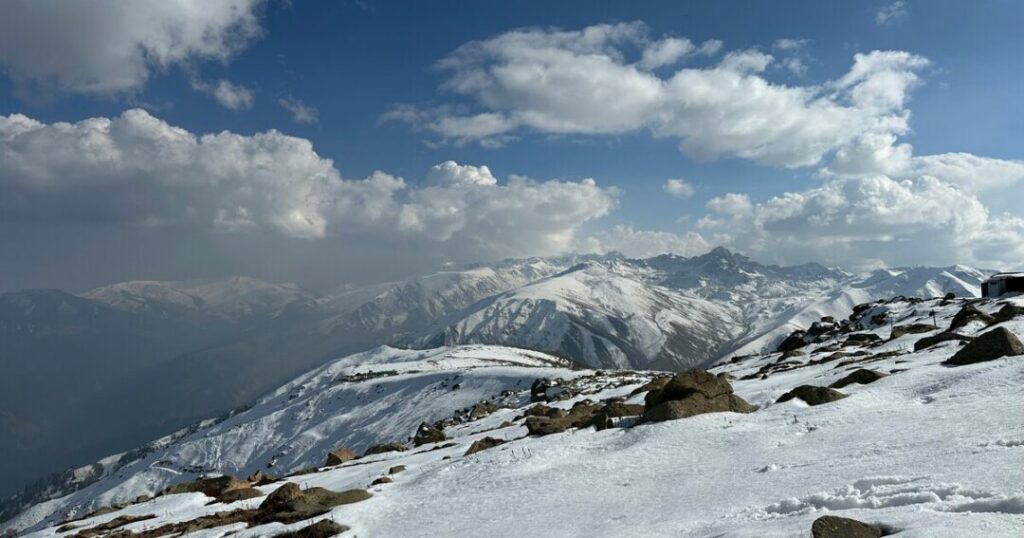
The Rupin Pass altitude is one of the key reasons this trek is reserved for fit, experienced adventurers.
Quick facts:
- Rupin Pass height: 15,250 feet (4,650 metres)
- Total Rupin Pass trek distance: Approximately 40–52 km
- Duration: 7–8 days on the trail (plus travel days on either side)
- Trek difficulty: Moderate to difficult
- Start point: Dhaula village, Uttarakhand (~1,580 m)
- End point: Sangla Valley, Himachal Pradesh (~2,680 m)
The trek spans an elevation gain of approximately 3,000 metres from base to summit — making proper acclimatisation absolutely critical.
Also read: Dzukou Valley Trek: The Complete Guide to Nagaland’s Most Beautiful Trail
Rupin Pass Trek Map & Day-by-Day Itinerary
A standard Rupin Pass trek map follows this route, with travel days connecting from Dehradun on the start side and Shimla on the exit side.
| Day | Route | Distance | Duration | Altitude | Highlights |
| Day 0 | Dehradun → Dhaula (drive) | ~200 km | ~10 hrs | 1,580 m | Scenic drive via Mussoorie, Purola, Mori |
| Day 1 | Dhaula → Sewa | ~11 km | ~6 hrs | 1,920 m | Pine forests, Garhwali villages |
| Day 2 | Sewa → Jiskun | ~10 km | ~7 hrs | 2,700 m | Cross from Uttarakhand into Himachal Pradesh |
| Day 3 | Jiskun → Jakha | ~5 km | ~3 hrs | 2,800 m | The famous “hanging village” |
| Day 4 | Jakha → Saruwas Thatch | ~8 km | ~6 hrs | 3,300 m | Entering alpine meadow country |
| Day 5 | Saruwas Thatch → Dhanderas Thatch | ~3 km | ~3 hrs | 3,560 m | The three-stage waterfall reveals itself |
| Day 6 | Dhanderas Thatch → Upper Waterfall Camp | ~4 km | ~5 hrs | 4,050 m | Steep climb beside the cascading waterfall |
| Day 7 | Upper Waterfall Camp → Rupin Pass → Ronti Gad | ~10 km | ~10–12 hrs | 4,650 m | The summit day — snow gully ascent and pass crossing |
| Day 8 | Ronti Gad → Sangla → drive to Shimla | ~8 km + drive | Full day | 2,680 m | Descent into Sangla Valley |
Daily distances and altitudes vary slightly between operators. Always confirm your specific itinerary before departure.
Rupin Pass Trek Cost & Package Details
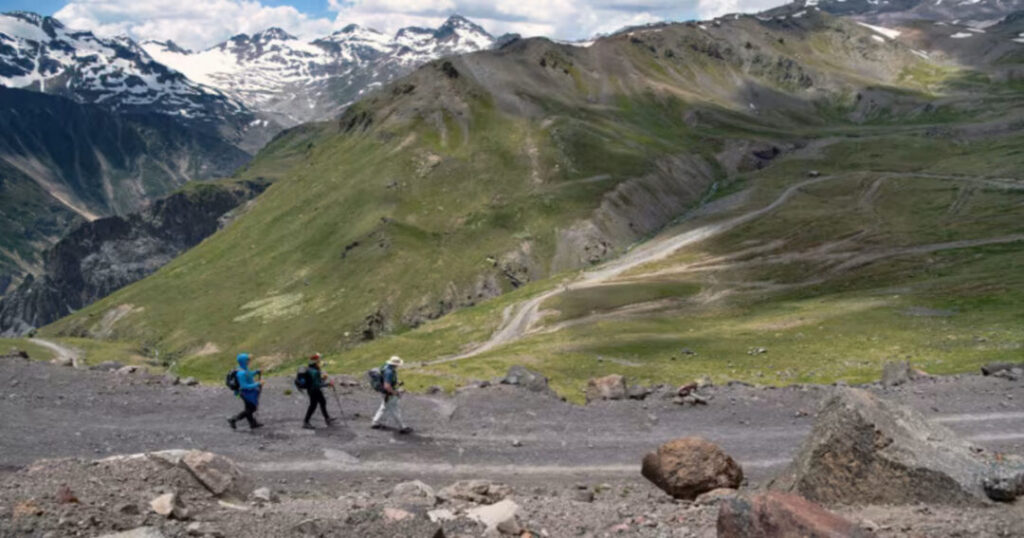
The Rupin Pass trek cost varies based on operator, group size, and inclusions. Here’s a general guide:
Standard package range: ₹14,000 – ₹19,000 per person
What’s typically included in a Rupin Pass trek package:
- All trek meals (vegetarian)
- Tents, sleeping bags, mats, and high-altitude camping gear
- Certified trek leaders and mountaineering-trained guides
- Permits and forest entry fees
- Mule support for common gear
- Emergency oxygen cylinder, first aid kit, and medical support
What’s typically NOT included:
- Travel to/from base point (Dehradun) and exit point (Shimla)
- Personal gear (trekking shoes, layers, microspikes)
- Travel insurance and rescue evacuation cover
- Porter service for personal backpacks (₹2,500–4,000 extra)
- Tips for guides and support staff
Premium expedition packages with private tents, smaller group sizes, and enhanced medical support can cost ₹25,000–30,000 per person.
Essential Gear for the Rupin Trek
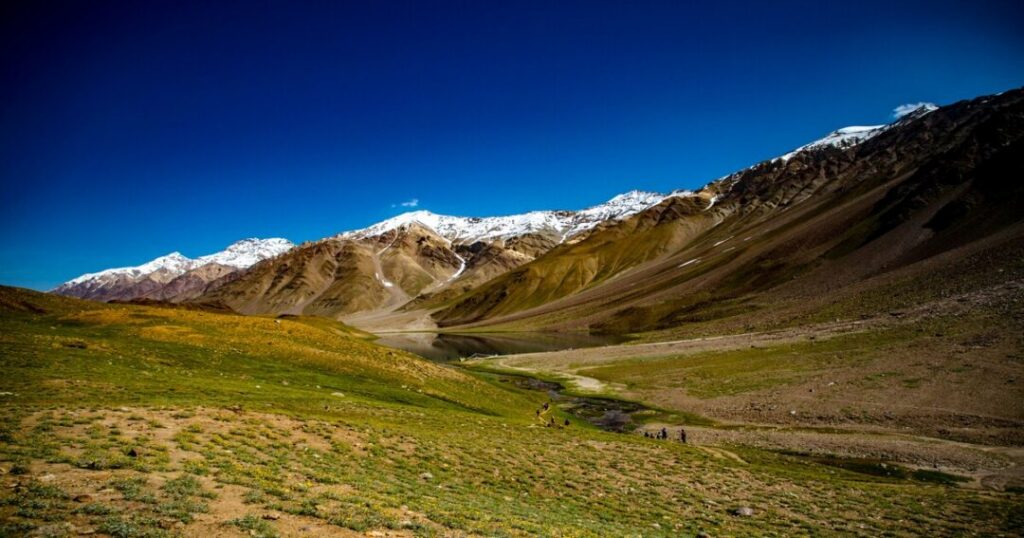
The Rupin trek is a serious high-altitude expedition. Your gear can make or break this experience.
Footwear:
- Waterproof, high-ankle trekking boots with strong grip — broken in well before the trek
- Microspikes — non-negotiable for the snow sections; many operators rent these
- Two pairs of woollen trekking socks per day
Clothing layers:
- 3 quick-dry trekking t-shirts
- 2 fleece layers + 1 down jacket
- Waterproof rain jacket and pants
- Thermal innerwear (top and bottom) for high camps
- Trekking trousers (2 pairs) — quick-dry, NOT denim
- Woollen cap, sun cap, gloves (warm + waterproof outer)
Essentials:
- 50–60L rucksack with rain cover
- Sleeping bag (typically provided rated to -10°C)
- Headlamp with spare batteries
- Trekking poles (highly recommended for the snow descent)
- Sunglasses with UV protection (Category 4 for snow)
- Reusable water bottles (2L capacity total)
- Personal first aid kit, oral rehydration salts, blister care
What to Be Cautious About on the Rupin Pass Trek?
This is a high-altitude expedition through remote terrain — preparation matters.
- Altitude sickness — Above 3,500 metres, AMS becomes a real risk. Acclimatise properly; never push through severe headaches, nausea, or dizziness. Diamox (acetazolamide) can be taken on medical advice
- Summit day intensity — The Rupin Pass summit day involves 10–12 hours of physical effort, snow gully climbing, and significant altitude gain — adequate fitness is mandatory
- Weather changes — Mountain weather shifts rapidly; visibility can drop within minutes. Always carry waterproof layers
- Snow gully traversing — The final climb involves crossing steep snow sections with potential rockfall — follow your guide’s instructions strictly
- River crossings — Multiple stream crossings in the early days; never attempt without trek leader oversight
- Limited connectivity — No mobile networks beyond Sewa village; inform family of your offline window
- Medical preparedness — Carry personal medication, blister care, and altitude meds; rescue from the high camps takes 8–12 hours
- Pace yourself — Many trekkers DNF (do not finish) due to ego rather than fitness; trust your guide’s pacing
How to Reach the Rupin Pass Trek Base?
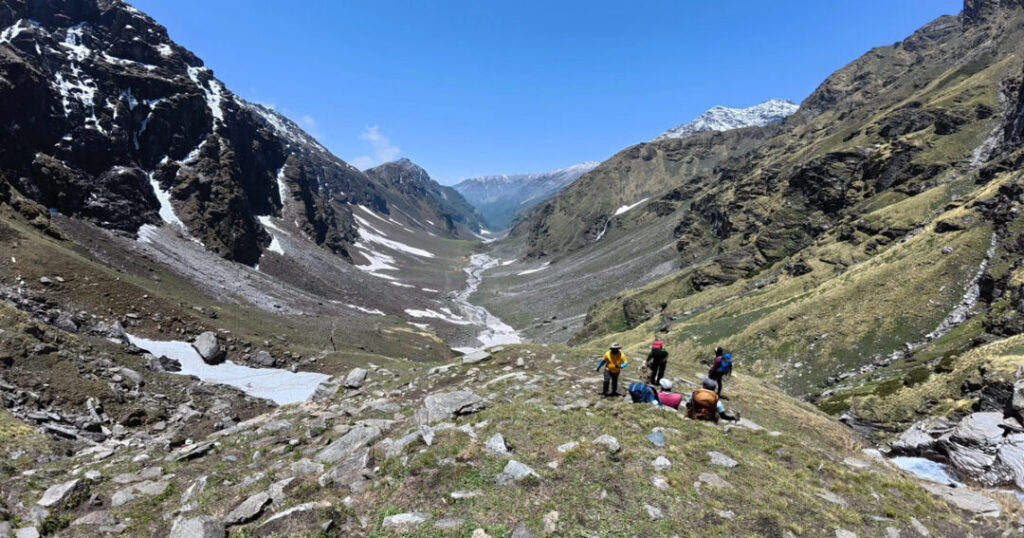
The Rupin Pass trek begins at Dhaula village in Uttarakhand and ends at Sangla in Himachal Pradesh, after which most trekkers head back to Shimla.
By Air:
- Jolly Grant Airport (DED), Dehradun — closest major airport; ~200 km from Dhaula
- Chandigarh Airport (IXC) — alternative entry; well-connected to Shimla for the return journey
By Rail:
- Dehradun Railway Station — best railhead for trekkers arriving from Delhi, Mumbai, and other cities
- Kalka Railway Station — alternative for those connecting via Shimla for the return route
By Road:
- Dehradun to Dhaula — ~200 km; 9–10 hours via Mussoorie, Purola, Mori, and Netwar
- Most trek operators include this transfer in their packages
- Self-drive is possible but the final stretch to Dhaula involves narrow mountain roads
The exit from Sangla typically involves a drive to Shimla (~210 km, 8–10 hours). Plan a recovery day at the end before any onward travel.
Conclusion about Rupin Pass Trek
The Rupin Pass trek isn’t for everyone — and that’s exactly why those who make it across remember it forever. From the cascading three-stage waterfall at Dhanderas Thatch to the snow gully ascent at the summit, from the wildflower-strewn meadows to the Garhwali and Kinnauri villages of the Rupin Valley below, this trek delivers an experience that’s almost impossible to find elsewhere in India.
If you’re an experienced trekker chasing your next great Himalayan adventure — and you’re ready to commit to the training, the altitude, and the unpredictability — the Rupin Pass will reward you in ways you can’t fully prepare for.
Pack right. Train hard. Respect the mountain. And go.
The pass is calling.
FAQs about Rupin Pass Trek
2: What is the best time for the Rupin Pass trek?
The Rupin Pass trek best time is during two windows — May to June for the classic snow-summit experience with the three-stage waterfall at peak flow, and September to mid-October for clearer skies and stable post-monsoon conditions. Avoid July to August due to dangerous monsoon landslides, and November to April when heavy snow closes the route entirely.
3: How difficult is the Rupin Pass trekking experience?
The Rupin Pass trekking experience is rated as moderate to difficult and is recommended for experienced trekkers who have completed at least one high-altitude trek above 4,000 metres. The summit day involves 10–12 hours of intense climbing, snow gully traverses, and significant altitude gain. Strong cardiovascular fitness, mental preparation, and proper acclimatisation are essential for completing this trek successfully.
4: Can the Rupin Pass trek be done solo without a guide?
No, the Rupin Pass trek cannot be done solo or without a certified trek leader. The trail requires forest department permits issued only to registered trek operators, the summit involves a technical snow gully climb requiring guided support, and mobile connectivity disappears beyond Sewa village. Solo trekkers can absolutely join organised groups, but a guided team with an experienced trek leader, support guides, and mule support is essential for safe completion of this trek.
5: What is the typical Rupin Pass trek cost?
The typical Rupin Pass trek cost ranges between ₹14,000 and ₹19,000 per person for a standard 7–8 day package. This usually covers meals, camping gear, trek leaders, permits, and mule support. Premium expedition packages with private tents, smaller group sizes, and enhanced medical support can cost ₹25,000–30,000 per person. Personal gear, travel to base, insurance, and porter services for personal bags are typically additional costs.
6: Do I need previous trekking experience for the Rupin Pass trek?
Yes, previous high-altitude trekking experience is strongly recommended for the Rupin Pass trek. Trekkers should have completed at least one trek above 4,000 metres prior to attempting Rupin Pass. The route demands physical fitness, mental resilience, and familiarity with high-altitude conditions including snow walking, river crossings, and managing altitude sickness symptoms. First-time Himalayan trekkers are generally advised to build up to this trek over 1–2 years of progressively challenging expeditions.
7: What permits do I need for the Rupin trek?
The Rupin Pass trek requires forest entry permits and trek permits issued by the Uttarakhand and Himachal Pradesh forest departments. These permits are processed through certified trek operators and cannot be obtained individually. Foreign nationals may require additional permits — confirm requirements with your trek operator at least 30 days before departure. Always carry valid government-issued photo identification during the trek for verification at forest checkpoints.