
368 Total Views
Every travel blog about Rishikesh tells you the same things to do in Rishikesh. Raft the Ganges. Do yoga. Jump off something high. Walk across Laxman Jhula. Visit the Beatles Ashram.
None of that is wrong. But it’s also what every one of the fifteen people in your hostel dormitory did yesterday.
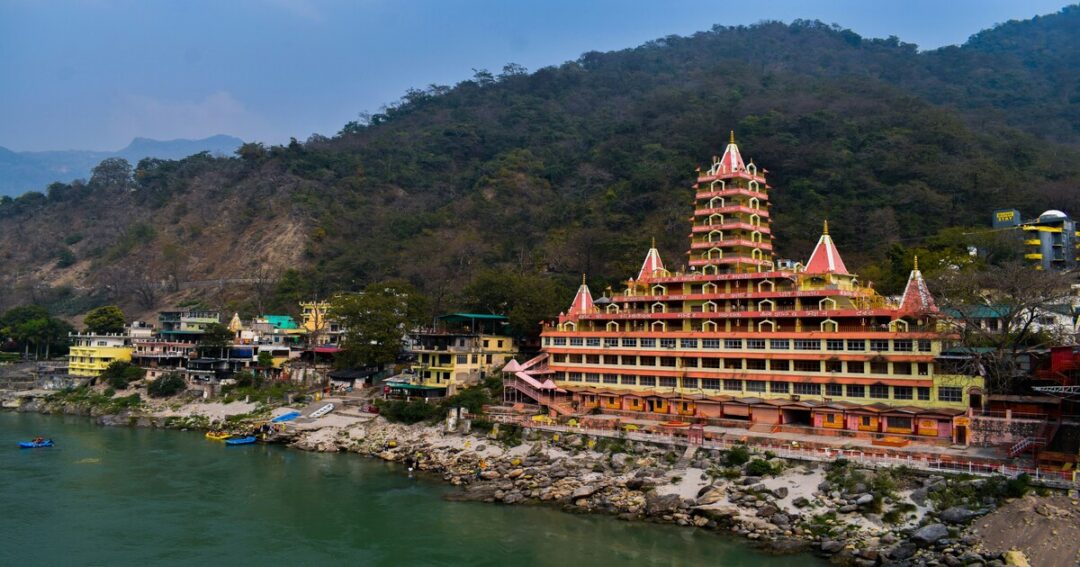
Rishikesh sits at the point where the Ganga bursts out of the Himalayas onto the plains—a geographic hinge between mountain wilderness and the subcontinent below. The river, the forest, the altitude, and the confluence of pilgrimage routes have created a genuinely extraordinary place. Most visitors see the top layer. This guide is for the one underneath.
Things to Do in Rishikesh That Most People Never Get To
1. Kayak the Ganga — The Serious Version
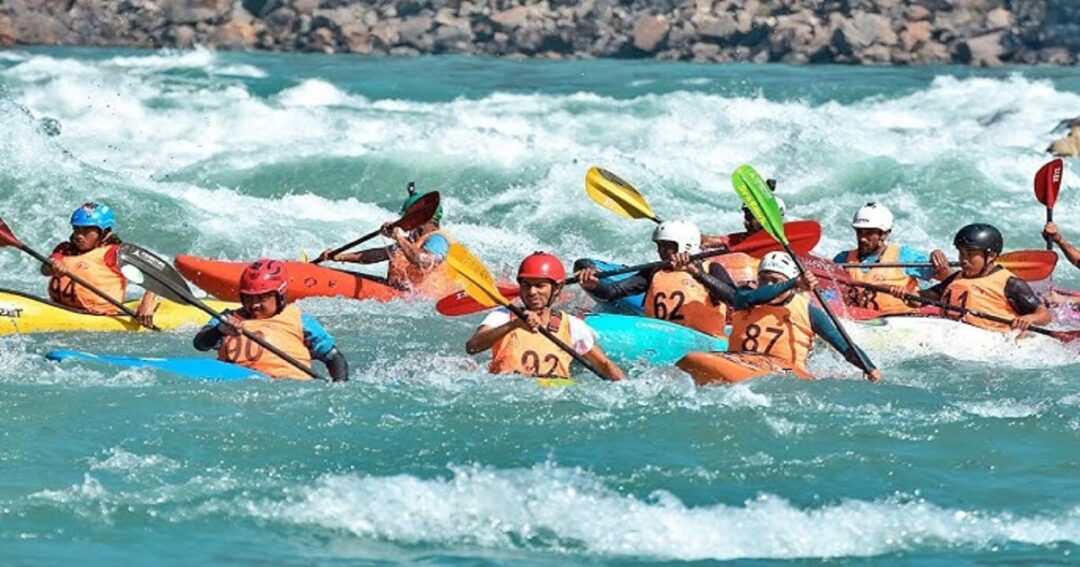
Most visitors to Rishikesh experience the Ganga from a raft, in a group, on a fixed 16 km stretch. Kayaking is a different proposition entirely — you are in the river, not on top of it, reading it stroke by stroke.
Several operators in Rishikesh run beginner kayaking lessons on calmer stretches near Shivpuri, followed by guided runs through Grade II–III rapids for those who progress quickly. For experienced paddlers, the stretch from Devprayag to Rishikesh — 70 km across two days — is one of the finest multi-day river runs in India, combining Grade III–IV rapids with camping on the Ganga’s banks and the extraordinary experience of starting at the sacred confluence where the Alaknanda and Bhagirathi rivers merge to form the Ganga itself.
This is one of the places to explore in Rishikesh that requires planning—book with a reputable operator, confirm your guide’s certification, and do not attempt the multi-day route without prior river experience.
Best time: October–November and February–April. Avoid monsoon entirely.
Also read: Places to Visit in June in India: 22 Best Destinations for Every Traveller
2. Kunjapuri — 4 AM and Worth Every Minute
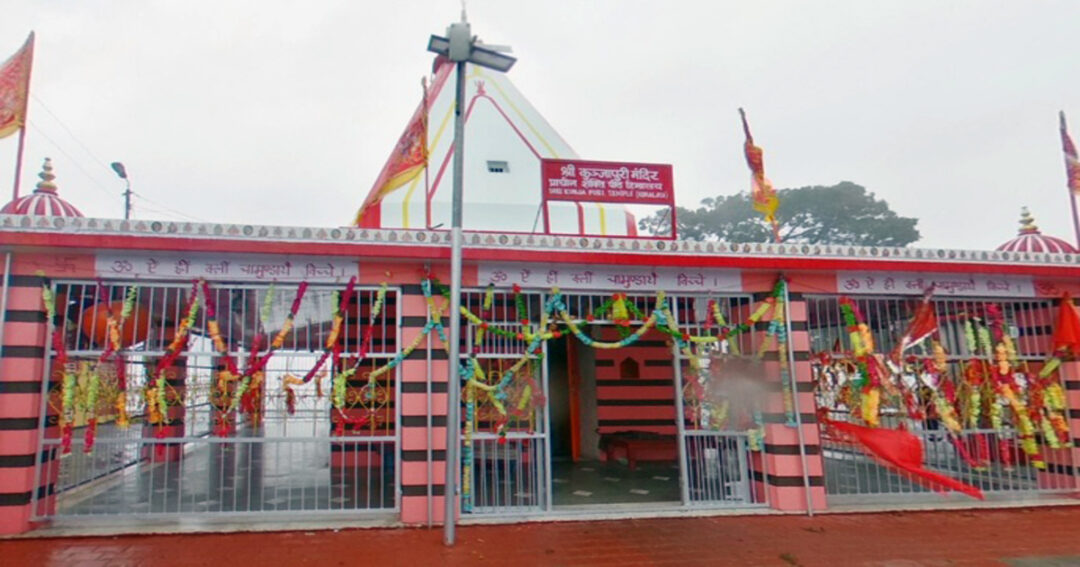
At 1,676 meters above Rishikesh, the Kunjapuri Devi Temple sits on a ridge in Tehri Garhwal that offers one of the most complete panoramas in the lower Himalayas—the Doon Valley to the south; Haridwar and the plains beyond it; and the northern wall of the Garhwal Himalayas from Gangotri to Nanda Devi running across the entire northern horizon at sunrise.
Getting there for sunrise means leaving Rishikesh at 4 AM. The 11 km descent trail through forest and small Garhwali villages — taken after watching the light come up on the snow peaks — is what most visitors remember longest. There are no crowds at this hour. The temple is one of the Siddha Peethas of the Shivalik range—one of three sacred Shakti sites in Tehri Garhwal forming a triangle with Surkanda Devi and Chandrabadni—and is genuinely active: priests, offerings, and bells at dawn. This is among the most underrated Rishikesh tourist places for anyone willing to set an early alarm.
Practical: Hire a local guide for the descent trail—signage is minimal and paths split. Return to Rishikesh via the Neer Garh waterfall for a natural stopping point on the way down.
3. Neer Garh and Garud Chatti — Two Waterfall Treks Worth Doing
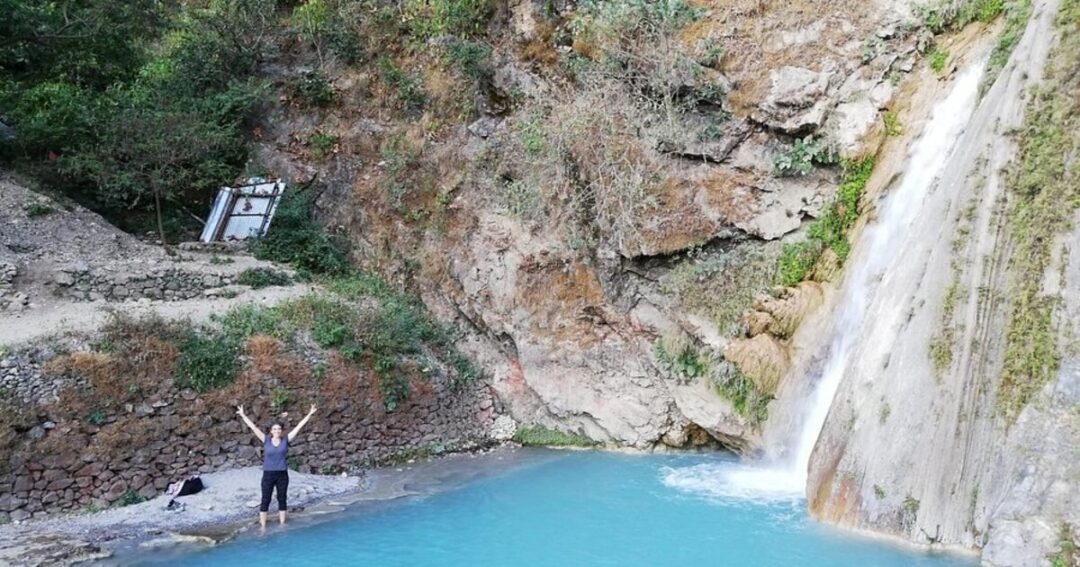
Most people in Rishikesh don’t know these exist. Both sit inside the forest zone adjacent to Rajaji National Park, both involve genuine trail walking rather than a roadside stop, and both reward early starts with solitude.
Neer Garh Waterfall is a multi-tiered limestone cascade approximately 6 km from town, reached via a 2 km forest trail that climbs steadily past small streams and dense tree cover. Two pools — Neer Garh I and Neer Garh II — sit at different heights, with the upper pool significantly quieter and colder. Go before 9 AM on a weekday and you may have it to yourself.
Garud Chatti Waterfall, deeper in the Rajaji forest on the south bank of the Ganga, is less visited and more rewarding for it. The 1.5 km trail from the road drops into a gorge with multiple tiers—each with its own shallow pool—surrounded by forest so thick the light arrives as shafts rather than even illumination. The sense of having gone somewhere genuinely wild, this close to a crowded tourist town, is the point.
These are the places to see in Rishikesh that reward any traveler who can resist the pull of the main drag for a morning.
Practical: Neer Garh is straightforward to find; Garud Chatti requires asking locally for the trailhead. Neither is signposted well. Go in shoes with grip—the trails are wet in the shade year-round.
4. Vashishta Guha — Meditation Where It Has Actually Happened
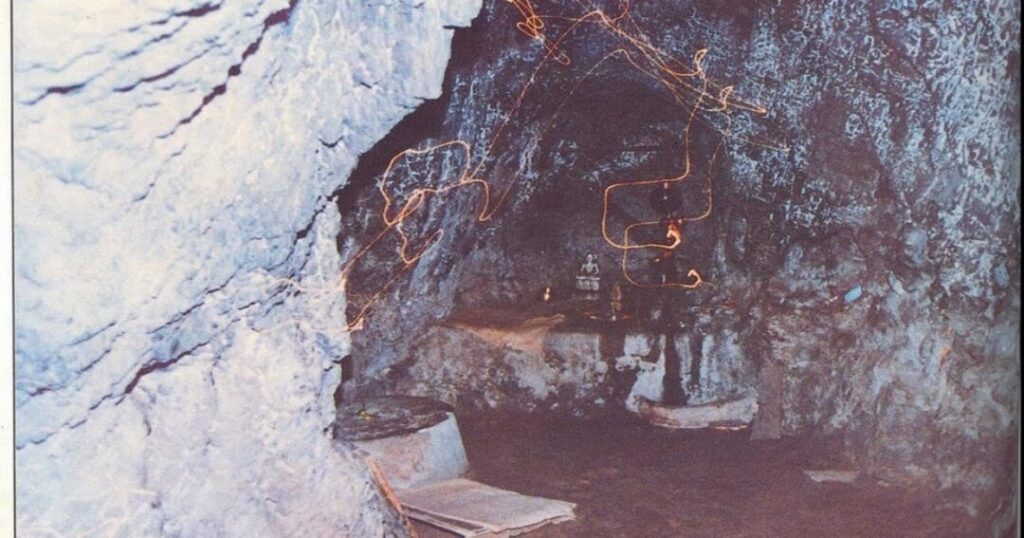
Twenty-five kilometers up the Badrinath road from Rishikesh, the Vashishta Guha (Vashishta Cave) sits on the east bank of the Ganga in a forest that has barely changed. This ancient cave — associated with the sage Vashishta, guru of Lord Ram and one of the Saptarishis — was rediscovered in 1930 by Swami Purushottamananda, who established the ashram that still maintains it.
The cave extends approximately 20 meters into the hillside, opening into a small chamber where a Shiva linga sits lit by an oil lamp. The acoustics and the filtered light create an atmosphere that is genuinely different from any temple or ashram in town—the silence here has a different quality. Photography and loud talking are prohibited inside. Visitors come to sit, not to document.
This is one of the most genuinely powerful places of interest in Rishikesh for the yoga-curious traveler who wants to understand what this landscape has actually been used for—not as a destination, but as a site of sustained practice across centuries.
Practical: 25 km from Rishikesh on the Badrinath road. Open 7 AM–6 PM. No entry fee. Carry a torch for the cave interior. Autos run from Laxman Jhula to the trailhead; a shared taxi or rented scooter is more comfortable.
Read also: Places to Visit in Uttarakhand: 12 Stunning Destinations for Every Traveller
5. Rajaji Tiger Reserve — The Wildlife Rishikesh Never Talks About
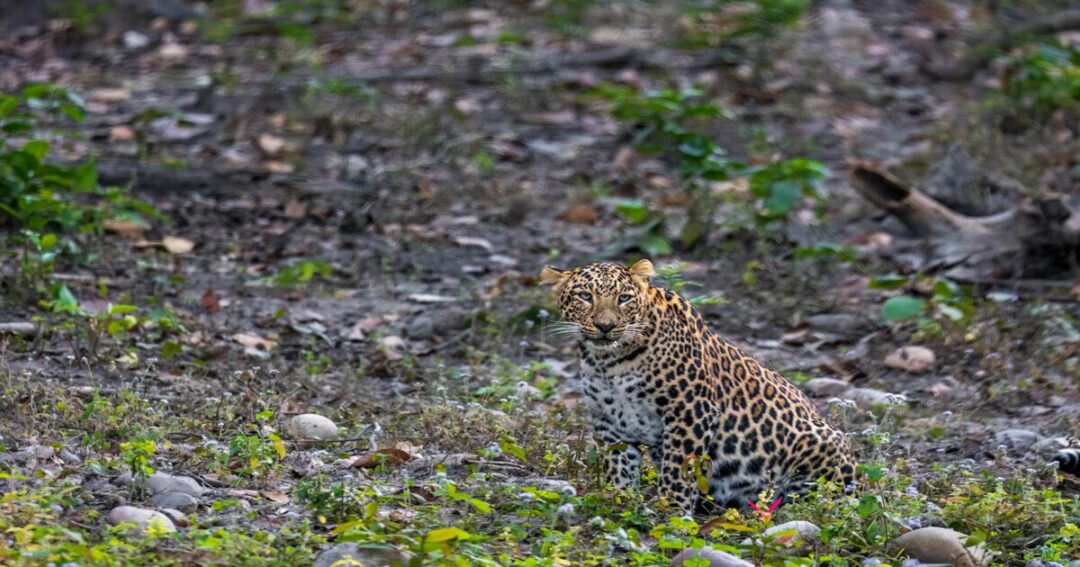
Rishikesh sits on the boundary of the Rajaji Tiger Reserve, a protected area covering 820 sq km of core national park, expanded to 1,075 sq km when designated a tiger reserve in 2015, spanning the Shivalik range across Dehradun, Haridwar, and Pauri Garhwal districts. Yet almost no visitor to Rishikesh combines the two.
The Chilla zone of Rajaji, accessible from the Haridwar side (~35–40 km from Rishikesh), offers jeep safaris through riverine forest home to Asian elephants—one of the highest elephant-density habitats in the western Himalayas—as well as leopards, jungle cats, gharial crocodiles in the river corridors, and over 300 bird species. The birding here is exceptional: grey-headed fishing eagle, crested serpent eagle, pied hornbill, and several kingfisher species are regularly seen.
This is a place to visit from Rishikesh that requires advance booking of safari permits. The contrast between the crowded ghats of Rishikesh and the early morning silence of a Rajaji jeep track — with the Ganga visible through the trees and elephant grass moving in the distance — is one of the sharpest experiences available in this region.
Practical: Book safari permits through the Uttarakhand Forest Department online portal in advance. Safaris depart in the early morning and late afternoon. Chilla is ~35–40 km from Rishikesh town.
What is the Best Time to Visit Rishikesh?
October–November: Post-monsoon clarity. River levels are high enough for serious water activities but not dangerous. Forest trails are green and cool. Best overall window.
February–April: Pleasant temperatures (12–28°C), clear skies, low crowds compared to summer. Ideal for trekking and waterfall walks.
May–June: Hot in town (up to 38°C) but manageable with early morning starts. Peak domestic tourist season—accommodation gets crowded, especially on weekends.
July–September (Monsoon): Outdoor activities largely suspended. The river is too dangerous for rafting or kayaking. Some trails close. Not recommended.
December–January: Cold (2–8°C at night), sparse crowds, serene atmosphere. Good for meditation retreats and cave visits. Some cafés and guesthouses close.
How to Reach Rishikesh?
- By Air: Jolly Grant Airport, Dehradun (~35 km). Connected to Delhi, Mumbai, and Bengaluru. Taxis to Rishikesh take approximately 45 minutes.
- By Train: Haridwar Junction is the nearest major railhead (~25 km), with frequent shared taxis and buses onward. Rishikesh has its own station but it is on a branch line with limited connections.
- By Road: ~250 km from Delhi via NH58 — approximately 5–6 hours by road. Direct bus services from Delhi’s Kashmere Gate ISBT and Anand Vihar terminate at the Rishikesh bus stand.
Places to Visit from Rishikesh: Two Offbeat Day Trips
Devprayag — Where the Ganga Begins
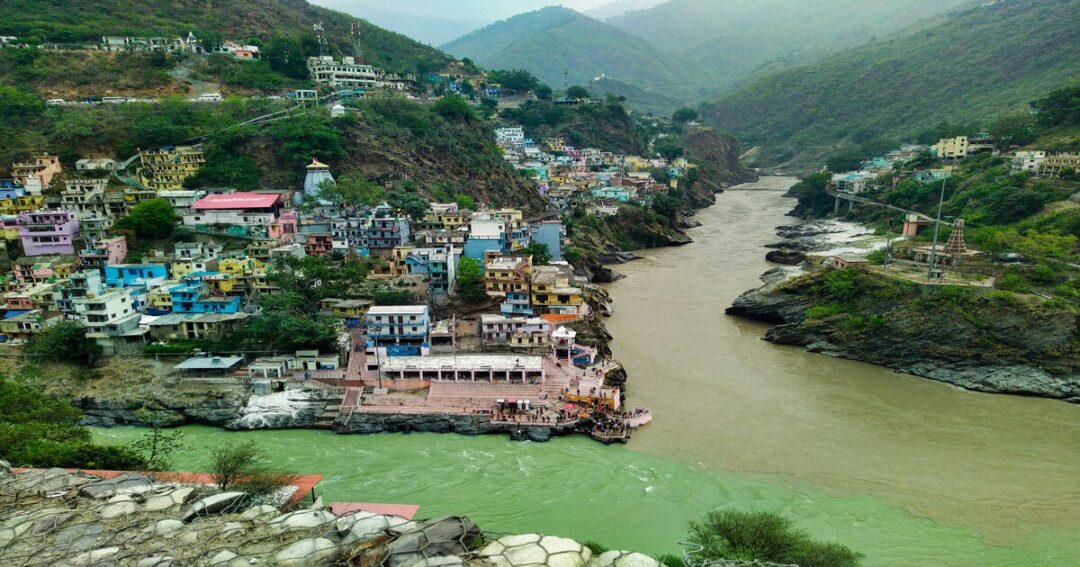
Seventy-four kilometers up the Badrinath Highway from Rishikesh, Devprayag is where the Alaknanda and the Bhagirathi merge to form the Ganga, the exact point where the river begins. The confluence is visible from the rocky promontory at the tip of the town, the two rivers arriving from different directions with different colors: the Bhagirathi is clear and fast from Gangotri, and the Alaknanda is greener and older-feeling from Badrinath.
The ancient Raghunathji Temple—dedicated to Ram and built in the Nagara style—sits directly above the confluence. Devprayag is a working pilgrimage town, not a tourist destination, which means the atmosphere is entirely different from Rishikesh’s cafés-and-yoga-studios energy. A morning here, watching the priests at the ghat and the two rivers merging below, is one of the most atmospherically distinctive places to go in the Rishikesh vicinity without leaving the valley.
How to reach it: ~74 km from Rishikesh, approximately 2–2.5 hours by road. Shared taxis run from the main bus stand. Most visitors do this as a half-day or 5-hour round trip.
Read also: 10 Rain-Kissed Escapes: The Best Places to Visit in India in Monsoon (2026 Edition)
Kaudiyala — Where the River Gets Serious
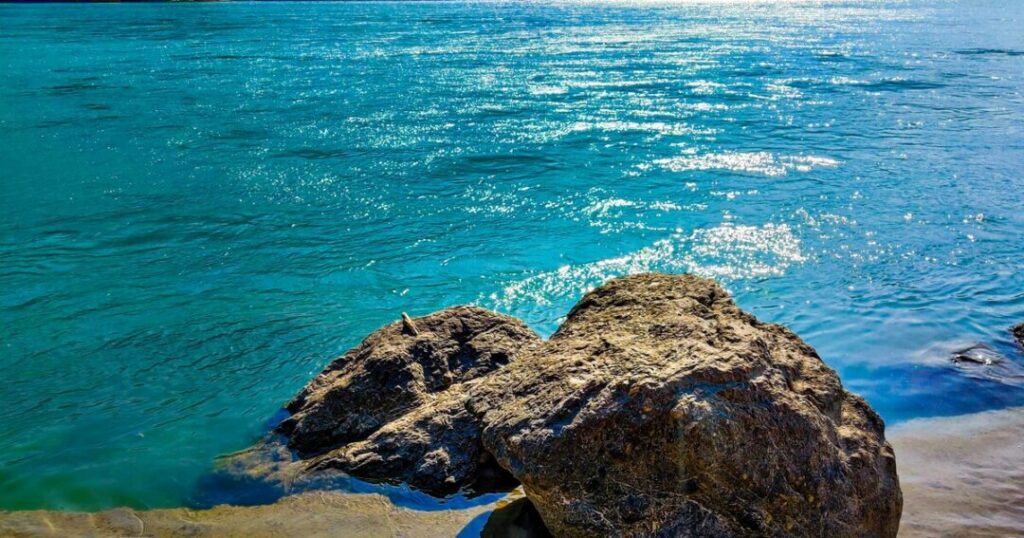
Forty kilometers upstream from Rishikesh, Kaudiyala sits at the point where the Ganga enters a narrow gorge and the rapids escalate to grades III–IV. This is the starting point for the most serious rafting and kayaking runs in the region—water that experienced paddlers come specifically for.
But Kaudiyala is worth visiting even if you’re not on the water. The gorge here is spectacular—sheer walls dropping directly into white water, the scale entirely different from the broader river around Rishikesh town. Camping on the banks at Kaudiyala, with no road noise and the river audible all night, is a significantly different experience from the riverside camps near town. The surrounding forest also offers some of the better birdwatching in the Garhwal foothills—the river corridor is a flyway for raptors.
How to reach it: ~40 km from Rishikesh. Shared taxis toward Devprayag stop at Kaudiyala on request.
FAQs About Things to Do in Rishikesh
2. What are the best places to visit in Rishikesh that aren't crowded?
The least crowded places to visit in Rishikesh include Vashishta Guha (25 km up the Badrinath road), Garud Chatti waterfall (inside the Rajaji forest, south bank), the upper pool of Neer Garh (go before 9 AM on a weekday), Kaudiyala (40 km upstream), and Devprayag (74 km up the valley). The Kunjapuri summit at 4 AM has almost no one on the trail — the crowds don't start until mid-morning, by which time you've seen the sunrise and are halfway down.
3. What are the best attractions in Rishikesh for adventure beyond rafting?
The most rewarding attractions in Rishikesh for serious adventure include: kayaking (beginner lessons at Shivpuri, advanced runs from Kaudiyala, multi-day from Devprayag); the Kunjapuri trek — 11 km descent through Garhwali forest after a 4 AM summit start; Garud Chatti waterfall trekking inside Rajaji forest; and jeep safaris in the Chilla zone of Rajaji Tiger Reserve for elephant, leopard, and exceptional birding. Each requires planning, but none involves the group-activity machinery of the mainstream circuit.
4. What are the best places of interest in Rishikesh for spiritually curious travellers?
For the spiritually curious but non-devout traveller, the best places of interest in Rishikesh lie away from the ashram's main street. Vashishta Guha — an ancient meditation cave 25 km up the Badrinath road — is where serious practitioners come specifically for the silence. The Ganga Aarti at Parmarth Niketan at dusk is a different experience from the Triveni Ghat version — arrive 20 minutes early and stand back from the press of crowds. And Devprayag itself — the confluence where the Ganga begins, with its working pilgrimage town and ancient Raghunathji Temple — is sacred geography with almost no tourist infrastructure.
5. What are the best places to visit from Rishikesh as day trips?
The most rewarding places to visit from Rishikesh are both upstream: Devprayag (~74 km, ~2–2.5 hours), where the Ganga is born at the confluence of the Alaknanda and Bhagirathi, and Kaudiyala (40 km, ~1 hour), where the river enters a serious gorge. Rajaji Tiger Reserve's Chilla zone (~35–40 km toward Haridwar) is the third option — morning jeep safaris in elephant forest, completely overlooked by the yoga-retreat crowd.
6. What is the best time to visit Rishikesh for offbeat experiences?
October–November is the strongest window — the monsoon has ended, river levels are ideal for kayaking, forest trails are clear, and the light on the Himalayan range at sunrise from Kunjapuri is exceptional. February–April is the second choice: pleasant temperatures, light crowds, good trail conditions, and reliable weather for the Devprayag day trip. Avoid May–June if possible — the town is at peak domestic tourist density and every trail, ghat, and café operates at full capacity.