
1,190 Total Views
A note before you eat: Korean cuisine is built on meat, seafood, and fermented fish sauces. Most kimchi contains jeotgal (salted seafood), most soups are anchovy- or bone-broth-based, and grilled meat culture is central to the dining experience. Vegetarian-friendly options exist—they are noted with 🌿—but Korean food is not inherently a vegetarian cuisine.
Korean food is one of the world’s great culinary traditions, and it is having a moment. The Korean Wave — Hallyu (한류) — has carried dishes like tteokbokki (떡볶이), ramyeon (라면), and chimaek (치맥, fried chicken and beer) into global consciousness through K-dramas and K-pop. But the food Koreans actually eat every day is older, more complex, and more culturally rooted than any drama scene suggests.
This guide is for travellers planning to eat in Korea—authentically, with context, and with an understanding of what each dish means and where to eat it best.
Understanding Korean Cuisine: The Cultural Foundation
Korean food is built on two deeply intertwined philosophies.
The first is the five-flavour system (o-mi, 오미): dan (단, sweet), sin (신, sour), ham (함, salty), sseum (쓴, bitter), and mae (매, spicy). A properly composed Korean meal balances all five simultaneously—not as a rule, but as a philosophy of completeness.
The second is obangsaek (오방색)—the five-colour system rooted in the theory of yin-yang and the five elements (wood, fire, earth, metal, water). The five colours—white (baek, 백), black (heuk, 흑), blue-green (cheong, 청), red (jeok, 적), and yellow (hwang, 황)—each correspond to a cardinal direction, a season, and an element. In Korean cuisine, these colours guide ingredient selection and presentation. Bibimbap is the most famous expression of this: five differently colored toppings arranged in deliberate balance, not for aesthetics alone, but as a statement about harmony and health.
The other foundational concept is fermentation. Korea’s harsh winters and agricultural history made preservation essential. Fermented foods—kimchi (김치), doenjang (된장, soybean paste), ganjang (간장, soy sauce), and gochujang (고추장, red chilli paste)—are not condiments. They are the base of the flavor architecture of almost everything you will eat.
Also read: Spanish Street Food: The Ultimate Guide
Banchan (반찬) — The Culture of Side Dishes
Before a single main dish arrives at a Korean table, the table is already full.
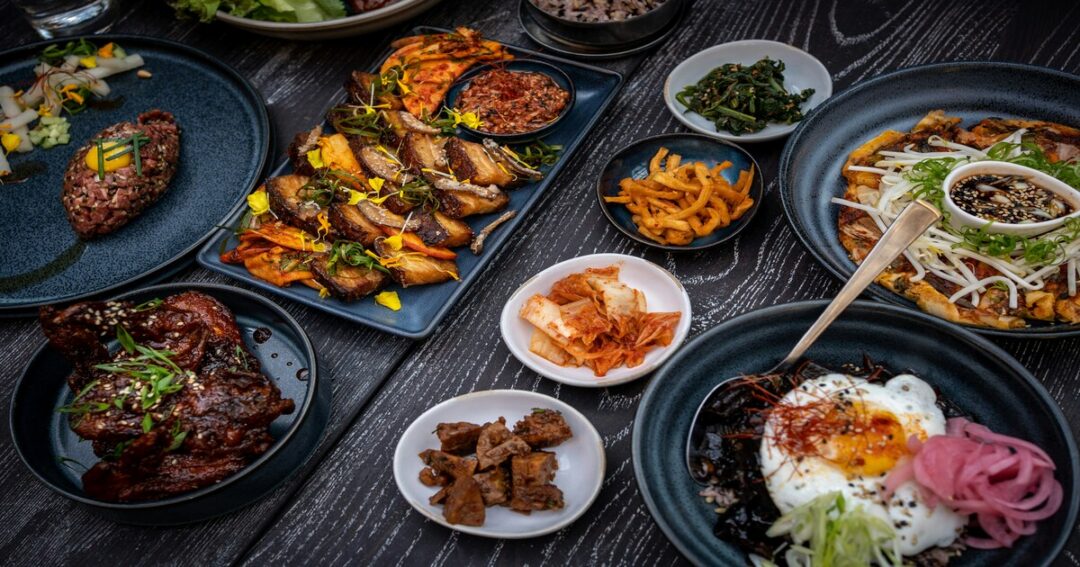
Banchan (반찬)—small shared side dishes served simultaneously with the meal—are the most distinctive feature of Korean dining culture and the one most misunderstood by visitors. They are free, communal, and refillable. You do not order them. They arrive automatically and range from three dishes at a simple restaurant to fifteen or more at a full Korean table.
The tradition traces back to Buddhist influence during the Three Kingdoms period (57 BCE–668 CE), when meat consumption was restricted, and vegetable-based accompaniments became central to every meal.
What to know: Banchan are shared from communal dishes — do not transfer the entire contents to your personal bowl. Refills are always free. The quantity and variety of banchan are often the clearest signal of a restaurant’s quality.
Where to experience banchan at its best: Gwangju (광주), capital of South Jeolla Province, is the banchan capital of Korea. Restaurants here routinely serve 15–20 side dishes as standard.
Famous Korean Dishes — Grouped by Meal
Breakfast
1. Juk 🌿 (죽 — Rice Porridge)
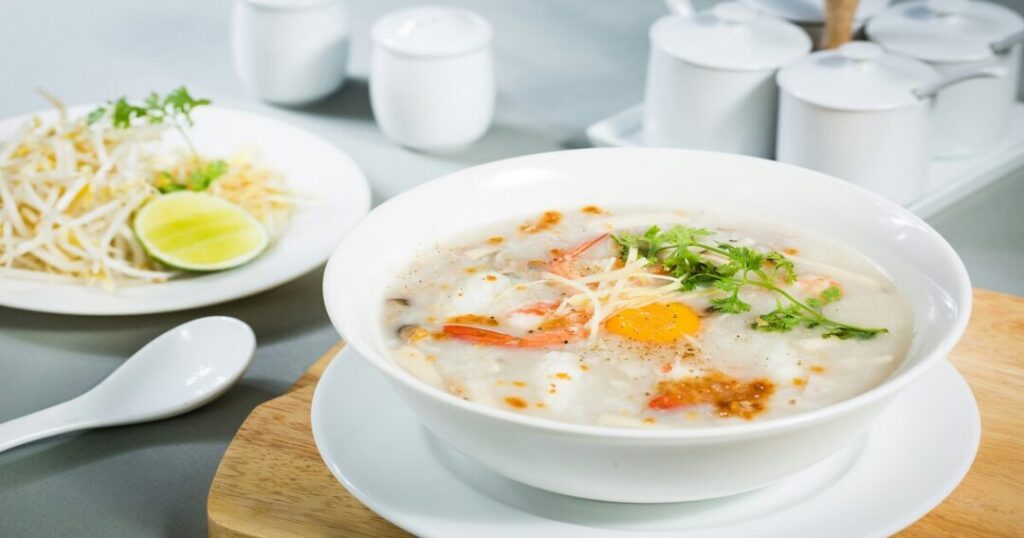
Origin: Joseon Dynasty royal court; prescribed as medicinal food. What it is: Slow-cooked rice porridge. Plain juk (huinjuk, 흰죽) is topped with sesame oil and served with banchan. Abalone juk (jeonbok-juk, 전복죽) is the most prized version. Cultural significance: Juk was the first food served each morning in the Joseon royal court and remains the primary Korean comfort food for illness and recovery. Where to eat: Insa-dong (인사동), Seoul. Jeju Island for abalone juk — considered the finest in Korea. K-drama connection: Juk appears constantly in Korean dramas as the dish brought by a caring character to someone unwell—it signals devotion, not just nourishment.
Also Read: 20 Street Foods in India You Must Try
2. Haejang-guk (해장국 — Hangover Soup)
Origin: The name literally means “soup to dispel the hangover spirits.” Regional recipes vary significantly. What it is: A deeply flavoured broth-based soup—pork spine (gamjatang, 감자탕), dried cabbage, ox blood, or bean sprouts, depending on the region. Eaten late at night after drinking or early the following morning. Cultural significance: Twenty-four-hour soup restaurants (haejang-guk jip, 해장국집) operate in entertainment districts specifically to serve post-drinking crowds from 2–7 AM. Where to eat: Cheonggyecheon area and Jongno-3-ga (종로3가), Seoul.
Also Read: Sikkim Food: 12 Must-Try Dishes
Lunch and Dinner
3. Kimchi 🌿 (김치—with caution: most kimchi contains seafood)
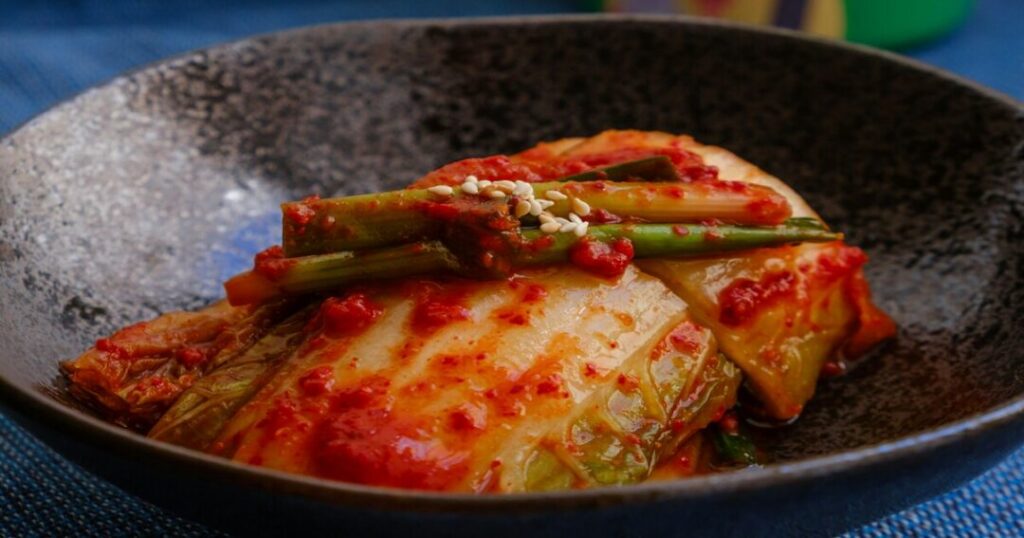
Origin: Evidence of fermented vegetables in Korea traces to the Three Kingdoms period (1st century BCE–7th century CE). The modern red-pepper version developed after chilli peppers arrived in the late 16th century. Whole-cabbage kimchi (tongbaechu kimchi, 통배추김치) appeared after 1800 CE. What it is: Salted and fermented napa cabbage with Korean chilli flakes (gochugaru, 고추가루), garlic, ginger, and jeotgal (젓갈, fermented seafood). Over 200 varieties exist—from radish kimchi (kkakdugi, 깍두기) to water kimchi (dongchimi, 동치미). Cultural significance: Kimchi is a living fermentation—changing in flavour over days, weeks, and months. The annual kimjang (김장) tradition—the collective making of kimchi for winter—was inscribed on UNESCO’s Intangible Cultural Heritage list in 2013. Koreans consume approximately 2 million tonnes annually. Where to eat: Everywhere — but Gwangju (광주) and Jeonju (전주) are the regional heartlands.
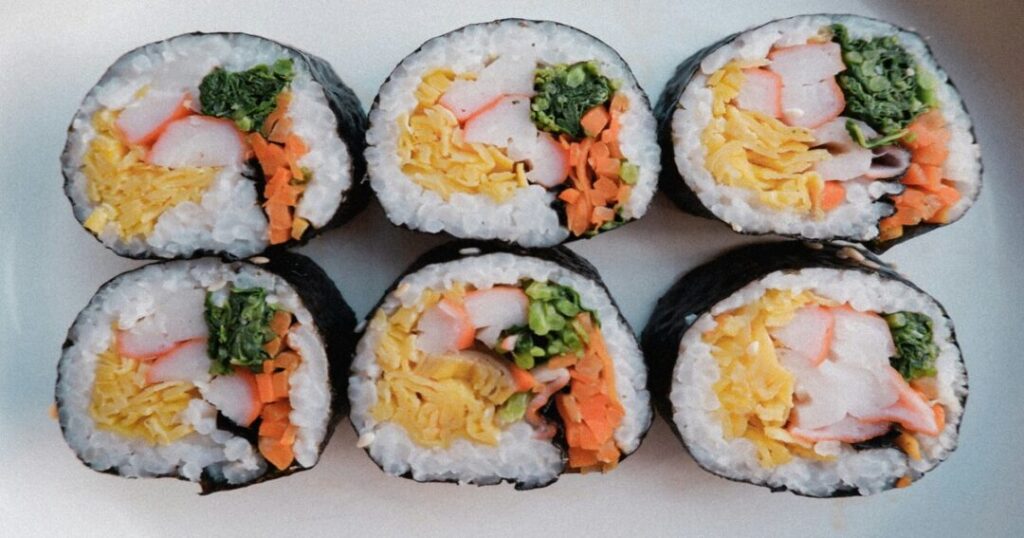
4. Bibimbap 🌿 (비빔밥 — Mixed Rice, can be ordered without meat)
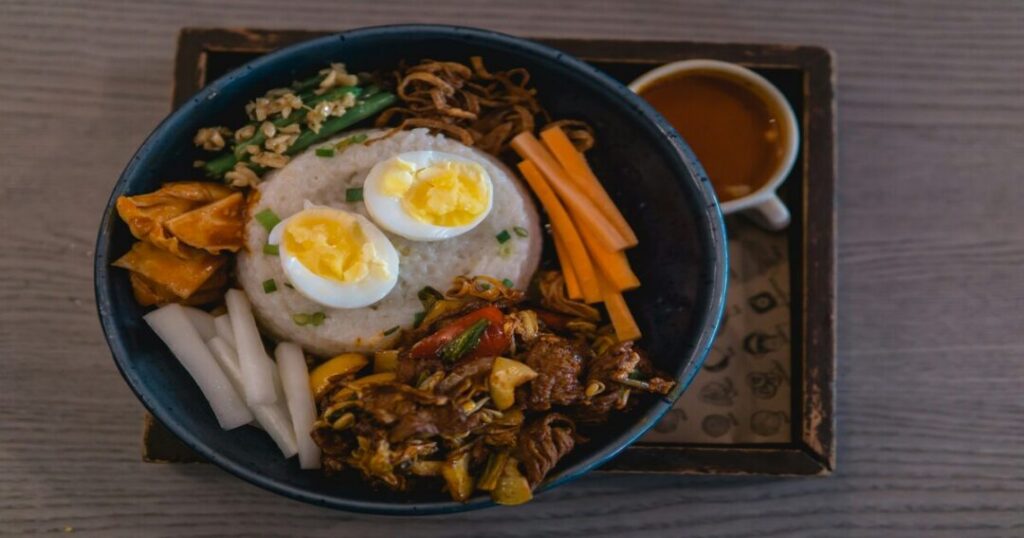
Origin: Joseon Dynasty (1392–1897). The first written record appears in late 16th-century texts. What it is: Bibim (비빔, mixed) + bap (밥, rice). Steamed rice topped with seasoned vegetables, gochujang (고추장), sesame oil, and typically a fried or raw egg. The five-colour arrangement (obangsaek) of toppings is deliberate—each colour representing one of the five elements. Cultural significance: The act of mixing (bibim) represents unity and harmony — the whole being greater than its parts. Where to eat: Jeonju (전주) — a UNESCO Creative City of Gastronomy — is the undisputed home of bibimbap. Jeonju bibimbap uses rice cooked in beef bone broth, contains over 30 ingredients, and is served in a heated stone bowl (dolsot, 돌솥). The dish alone justifies the 2.5-hour KTX journey from Seoul. K-drama connection: Bibimbap scenes almost always signal domestic warmth and care — the Korean love language expressed through food.
Also read: 12 Amazing Places to Visit in October: India & Abroad
5. Korean BBQ — Samgyeopsal (삼겹살) and Galbi (갈비)
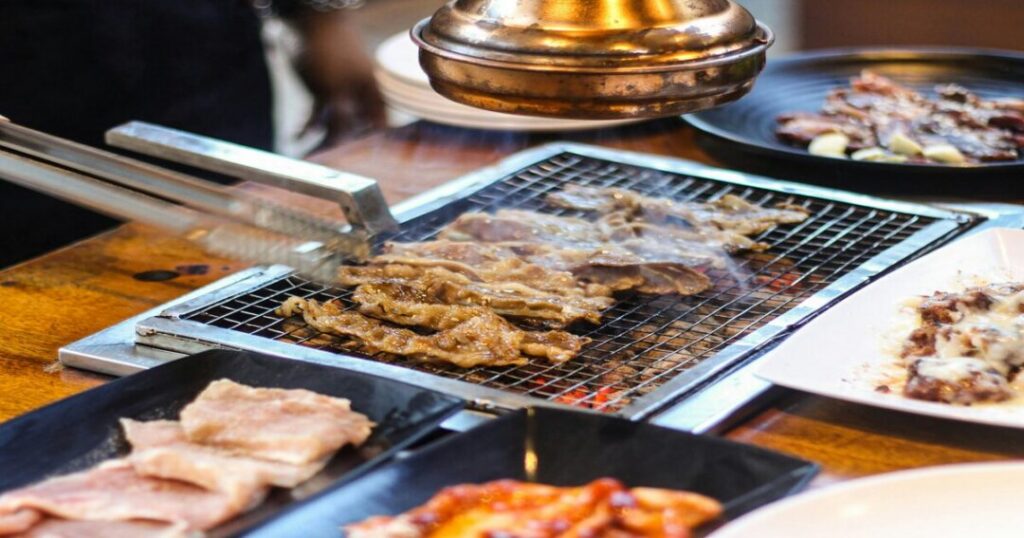
Origin: Grilling meat over fire traces to the Goguryeo era (37 BCE–668 CE), depicted in ancient mural paintings. What it is: Samgyeopsal (삼겹살) — thick, unmarinated pork belly grilled at the table, eaten wrapped in lettuce (ssam, 쌈) with garlic, ssamjang (쌈장), and kimchi. Galbi (갈비) — marinated beef short ribs, slow-marinated in soy sauce, pear juice, garlic, and sesame oil. Cultural significance: Korean BBQ is a social ritual. The grill at the center demands participation—you cook for others, serve others, and eat simultaneously. Where to eat: Mapo-gu (마포구) in Seoul for samgyeopsal. Jeju Island (제주도) for heukdwaeji (흑돼지, black pork) near Dongmun Market. Etiquette: Scissors at the table are standard for cutting meat. Serve others before yourself. Never pour your own drink.
6. Doenjang Jjigae 🌿 (된장찌개 — Fermented Soybean Paste Stew)
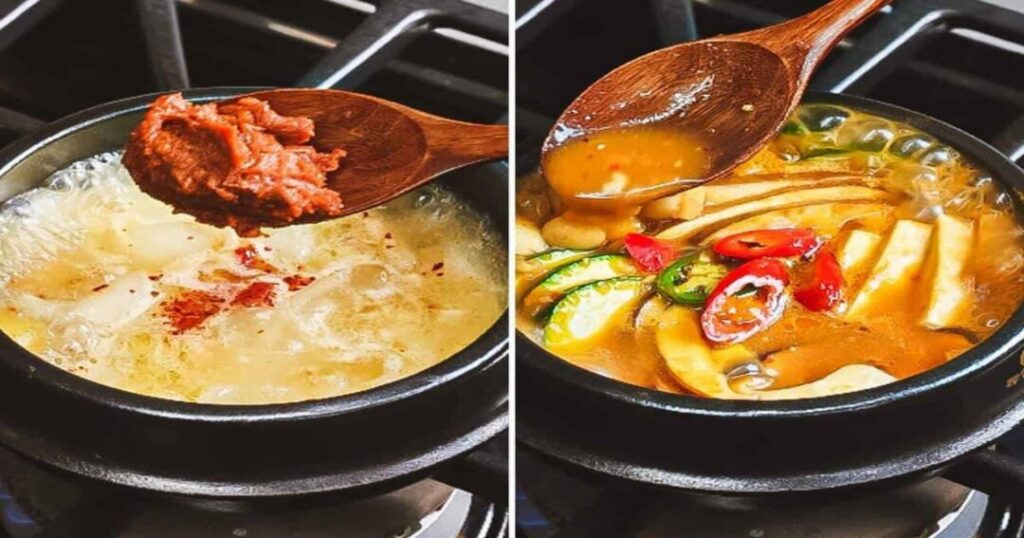
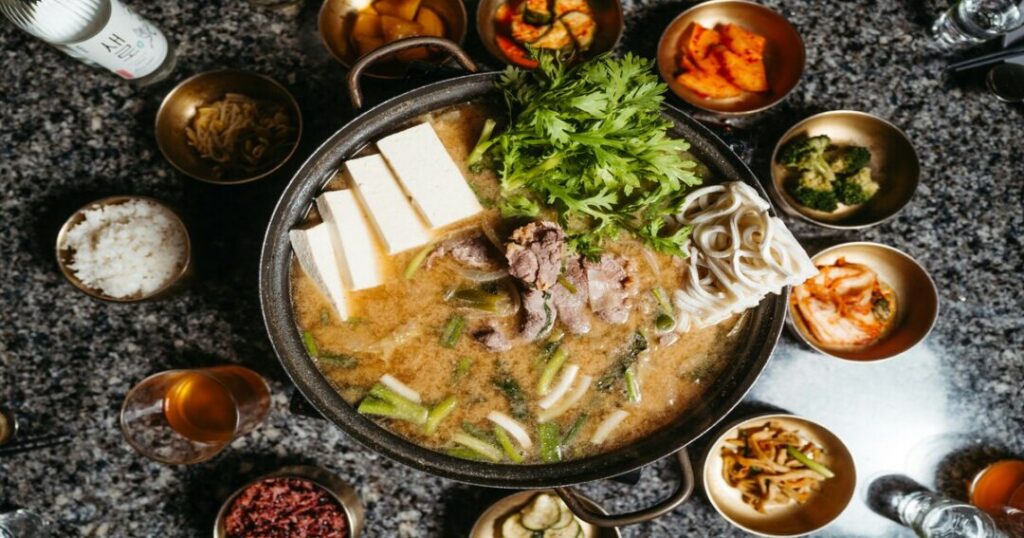
Origin: Doenjang (된장) has been produced in Korea for over 2,000 years. What it is: A robust, deeply savoury stew of fermented soybean paste, tofu (dubu, 두부), zucchini, mushrooms, and vegetables in anchovy broth. Cultural significance: “Doenjang jjigae-gateun saram” (된장찌개 같은 사람—”a person like doenjang jjigae”) is a compliment meaning someone unpretentious, reliable, and deeply comforting. Where to eat: Any Korean home-style restaurant (hansik jip, 한식집). Quality is usually inversely proportional to price and decor.
7. Sundubu Jjigae (순두부찌개 — Soft Tofu Stew) 🌿 (with modification)
What it is: Silken sundubu (순두부, uncurdled soft tofu) in a gochugaru-spiced broth, finished with a raw egg cracked at the table. Arrives in a stone pot (ttukbaegi, 뚝배기) still at a full boil. Where to eat: Bukchon (북촌) and Insadong (인사동), Seoul.
8. Tteokbokki (떡볶이—Stir-Fried Rice Cakes)
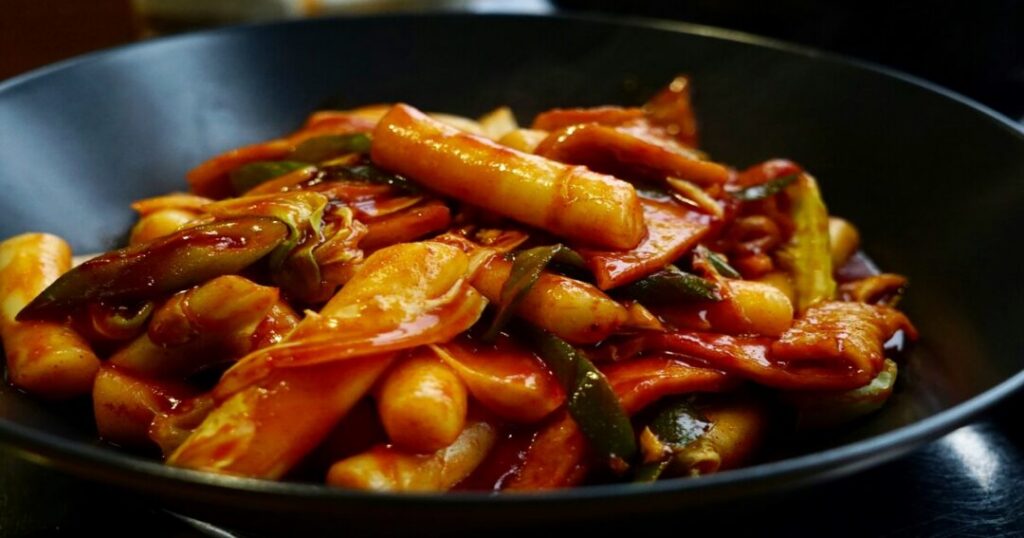
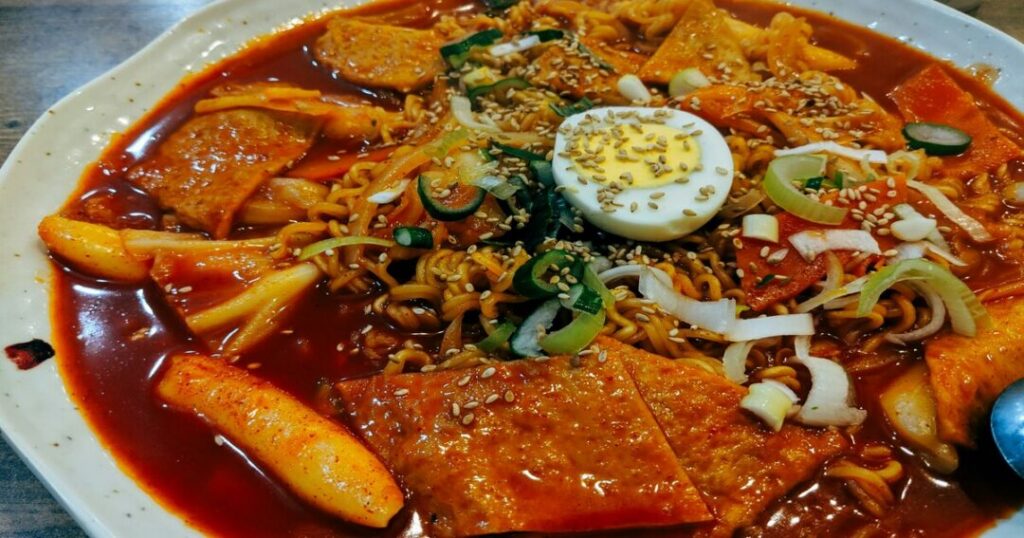
Origin: Originally gungjung tteokbokki (궁중떡볶이) — a Joseon Dynasty royal court dish made with soy sauce and beef. The modern spicy version was created in 1953, when Ma Bok-rim (마복림) accidentally dropped rice cakes into a bowl of jajangmyeon (자장면, black bean noodle sauce) at a Korean-Chinese restaurant opening in Seoul’s Sindang-dong (신당동), then developed the idea of using gochujang as the seasoning. What it is: Chewy cylindrical rice cakes simmered in a sauce of gochujang, gochugaru, soy sauce, sugar, and anchovy stock. Often served with fish cakes (eomuk, 어묵) and boiled eggs. Cultural significance: Tteokbokki is the Korean comfort food of adolescence — the first food most Koreans eat unsupervised, from a school gate vendor or pojangmacha (포장마차). It appears constantly in K-dramas as the food of ordinary life and emotional catharsis. Where to eat: Gwanjang Market (광장시장), Jongno, Seoul — one of Korea’s oldest traditional markets. Street stalls (pojangmacha) in any Korean city after dark.
Street Food and Snacks
9. Hotteok 🌿 (호떡—Sweet Filled Pancake)
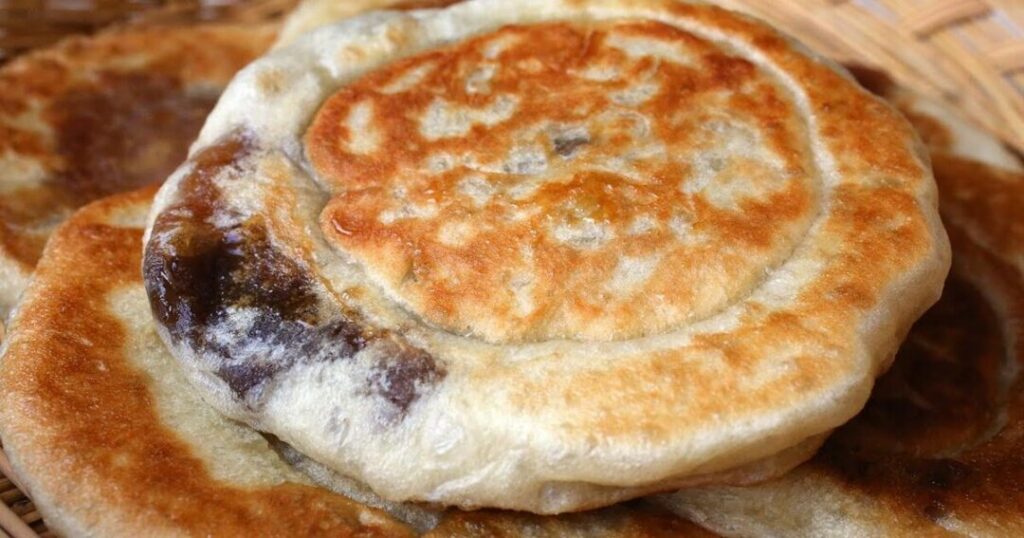
Origin: Introduced to Korea by Chinese merchants in the late 19th century. What it is: A thick, chewy wheat-flour pancake filled with brown sugar, cinnamon, and crushed peanuts (ssiat hotteok, 씨앗호떡), pan-fried until crisp outside and liquid sugar inside. Where to eat: Namdaemun Market (남대문시장), Seoul. Best October–March.
10. Eomuk / Odeng (어묵 / 오뎅 — Fish Cake Skewers)
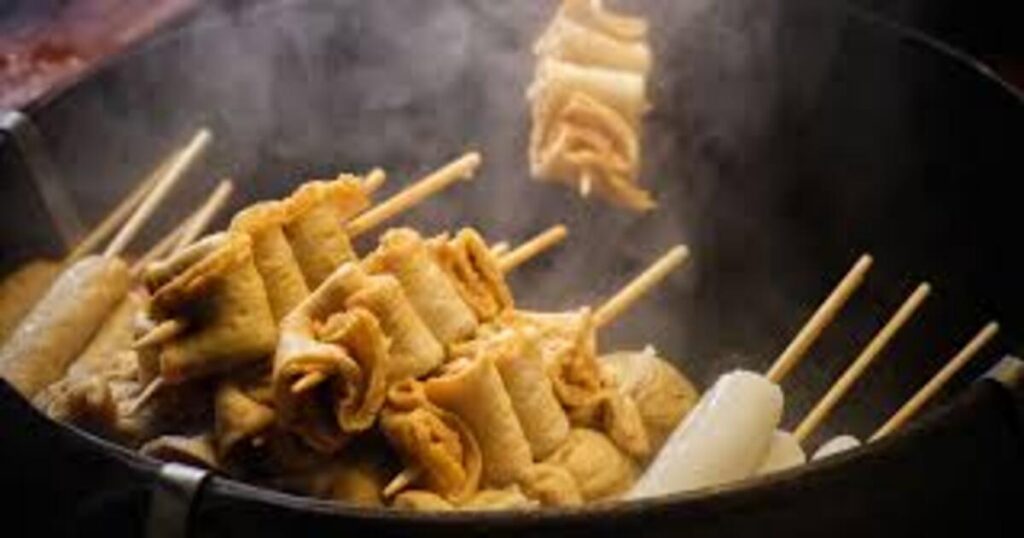
What it is: Fish paste on a skewer simmered in anchovy broth, eaten standing at a pojangmacha with the broth served in a cup alongside. Where to eat: Jagalchi Fish Market (자갈치시장), Busan — Korea’s largest fish market, with the finest eomuk in the country.
11. Patbingsu 🌿 (팥빙수 — Shaved Ice Dessert)
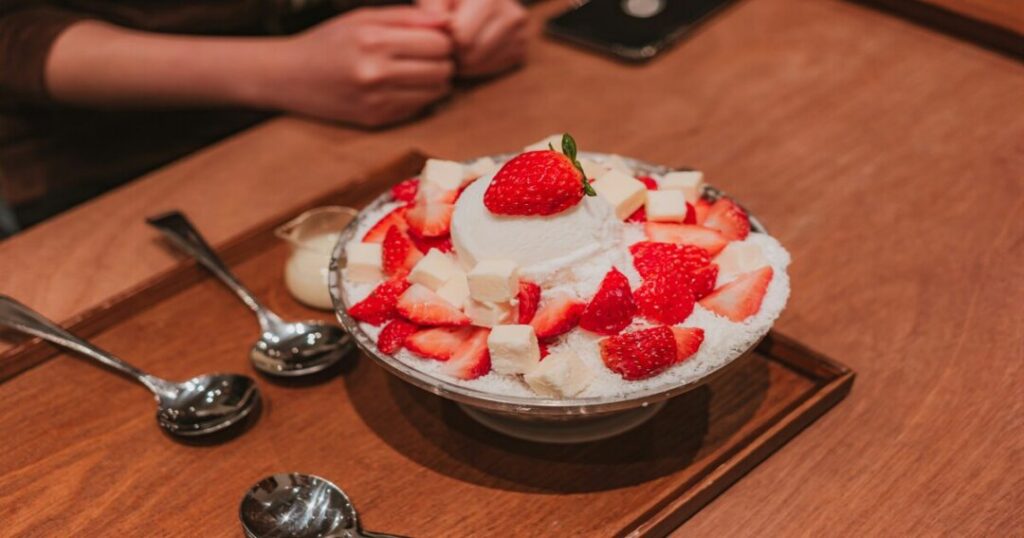
Origin: References to shaved ice appear in Joseon Dynasty records. The modern form with sweet red beans (pat, 팥) evolved in the 20th century. What it is: Finely shaved milk ice topped with sweet red bean paste, rice cake pieces, condensed milk, and seasonal fruit. Available April–September. Where to eat: Insadong (인사동), Seoul.
Also read: Bali vs Thailand: Which Is Better for Friend Groups & Adventure Travelers in 2026?
Seasonal Dishes — Eating the Korean Year
Spring (March–May): Fresh dolsot bibimbap with wild spring greens (dorae-namul, 도래나물).
Summer (June–August): Naengmyeon (냉면, cold buckwheat noodles). Patbingsu (팥빙수). Samgyetang (삼계탕, ginseng chicken soup) is eaten on the hottest days—fighting heat with heat (yi-yeol-chi-yeol, 이열치열).
Autumn (September–November): Jeon (전, a savory pancake) season. Japchae (잡채) at Chuseok (추석, Korean harvest festival). Kimjang (김장) begins.
Winter (December–February): Korean BBQ at the communal grill. Hotteok (호떡) and eomuk (어묵) at street stalls. Haejang-guk (해장국) after year-end parties.
Korean Drinking Culture — Soju, Makgeolli, and Anju
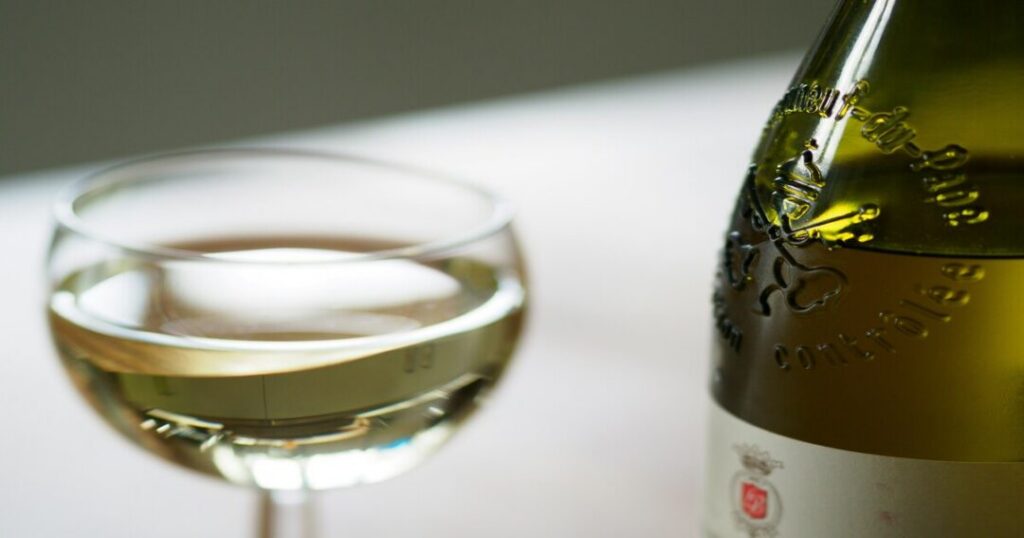
Soju (소주) originated in the late Goryeo Dynasty (918–1392), when Mongol forces introduced distillation techniques from the Arabian world. Jinro soju (진로) is the world’s best-selling spirits brand by volume, holding that title for over 24 consecutive years (Drinks International, 2024), selling 96.8 million cases globally. Modern soju ranges from 12–25% ABV, with most popular brands now at 16–17% ABV. Never pour for yourself—always pour for others.
Somaek (소맥) — soju mixed with beer (maekju, 맥주) — is the most common way Koreans drink both.
Makgeolli (막걸리) is an unfiltered rice wine tracing back to the Goguryeo kingdom. Its name comes from “mak geollyeotda” (막 걸렸다, “just filtered”). The oldest Korean alcoholic beverage, traditionally the drink of farmers and laborers. Paired specifically with jeon (전)—so deeply established that Koreans associate makgeolli with rainy days, when the sound of rain echoes the sizzle of pancakes frying.
Anju (안주) — food eaten specifically while drinking. Classic Anju: samgyeopsal (삼겹살), chimaek (치맥, fried chicken and beer), and dubu kimchi (두부김치, pan-fried tofu with kimchi).
Drinking etiquette (judo, 주도):
- Always pour for others; never refill your own glass
- Receive a drink with both hands or right hand supported by left
- The eldest or most senior person opens the bottle
- Geonbae (건배) is the formal toast; younger Koreans say Zzan (짠)
- After a toast, finish the glass in one shot (one-shot, 원샷)
How to Eat in Korea — Etiquette and Meal Structure
Meal structure: Rice (bap, 밥), soup (guk, 국), and all banchan arrive simultaneously — there are no courses. Eat freely from all dishes at once.
Utensils: Koreans use both chopsticks (jeotgarak, 젓가락) and a long-handled spoon (sutgarak, 숟가락) at the same meal. Rice and soups: spoon. Everything else: chopsticks. Do not hold the rice bowl up to your mouth—this is a Japanese custom and considered incorrect in Korea.
Sharing: Central dishes are shared. Use communal serving chopsticks where provided, not your personal ones.
Tipping: Korea does not have a tipping culture. Leaving money on the table can cause genuine confusion.
Calling staff: Say “Yogiyo!” (여기요 — “over here!”) clearly and confidently.
Also read: Spanish Street Food: The Ultimate Guide to Eating Like a Local in Spain
Finding the Best Korean Food Near You
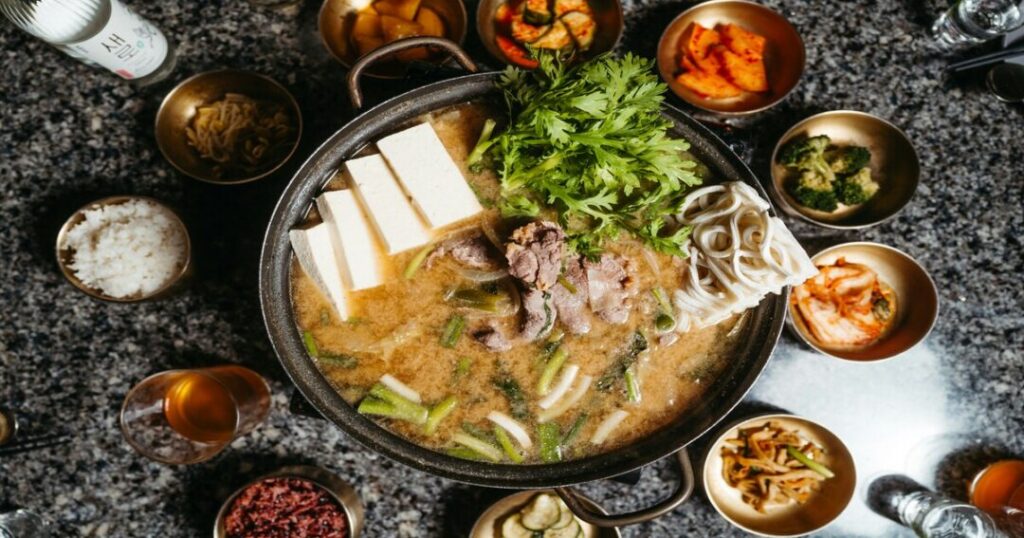
The best Korean food outside Korea is in concentrated Korean communities. In the UK, New Malden in South London has the largest Korean community in Europe. In the US, Koreatown in Los Angeles and Flushing in New York City. In Australia, Strathfield in Sydney and Box Hill in Melbourne.
Signs of an authentic restaurant: banchan arriving automatically, Korean text on the menu, a grill at the table, soju and Korean beer in a visible refrigerator, Korean-language television. The best korean food near me is almost always found in these community-anchored neighbourhoods, not isolated standalone restaurants.
Korean Food Glossary
| Korean | Romanisation | Meaning |
| 반찬 | Banchan | Small shared side dishes served with every meal |
| 찌개 | Jjigae | Stew — rich broth-based dish in stone pots |
| 구이 | Gui | Grilled dishes — the Korean BBQ category |
| 전 | Jeon | Korean savoury pancake, pan-fried in oil |
| 밥 | Bap | Cooked rice; suffix meaning a rice-based dish |
| 국 / 탕 | Guk / Tang | Soup (guk = lighter; tang = richer) |
| 된장 | Doenjang | Fermented soybean paste |
| 고추장 | Gochujang | Fermented red chilli paste |
| 고추가루 | Gochugaru | Korean red chilli flakes |
| 쌈 | Ssam | Wrapping — grilled meat in lettuce or perilla |
| 안주 | Anju | Food eaten specifically while drinking |
| 포장마차 | Pojangmacha | Covered street food stall |
| 젓갈 | Jeotgal | Salted fermented seafood is used as a seasoning |
| 김장 | Kimjang | Annual collective kimchi-making; UNESCO heritage |
| 치맥 | Chimaek | Fried chicken + beer — Korea’s most beloved pairing |
FAQs About Famous Korean Food
2. What are the most popular Korean meals for first-time visitors?
The most accessible popular Korean meals for a first visit: Korean BBQ (samgyeopsal or galbi) for the communal grill; bibimbap (비빔밥) for a complete single dish; tteokbokki (떡볶이) from a street stall; sundubu jjigae (순두부찌개) for comfort food; and patbingsu (팥빙수) in summer.
3. What are the most famous Korean dishes to eat in Seoul?
In Seoul: tteokbokki and bindaetteok (빈대떡) at Gwanjang Market (광장시장), Korean BBQ in Mapo-gu (마포구), juk in Insadong (인사동), sundubu jjigae in Bukchon (북촌), hotteok at Namdaemun Market (남대문시장) in winter. A day trip to Jeonju (전주, 2.5 hours KTX) for bibimbap is worth the journey.
4. Is Korean cuisine vegetarian-friendly?
Not inherently. Most kimchi contains jeotgal (젓갈), most broths are anchovy-based, and meat is central to grilling and stew culture. Vegetarian options: juk 🌿, bibimbap without meat 🌿, japchae (잡채) 🌿, patbingsu (팥빙수) 🌿, hotteok (호떡) 🌿. Temple food (sachal eumsik, 사찰음식) at Buddhist temples across Korea is entirely plant-based — one of Asia's most refined vegetarian traditions.
5. What is the best Korean food near me? How do I find authentic Korean food outside Korea?
Look in concentrated Korean communities. Signs of authenticity: banchan arriving automatically, Korean text on the menu, a grill at the table, soju in a visible refrigerator, and Korean television. Best diaspora communities: New Malden (London), Koreatown (Los Angeles), Flushing (New York), Strathfield (Sydney), Box Hill (Melbourne).
6. What are the most popular Korean meals by season?
Summer: naengmyeon (냉면, cold buckwheat noodles) and patbingsu (팥빙수, shaved ice). Winter: Korean BBQ, hotteok (호떡) at street stalls, and haejang-guk (해장국) after year-end parties. Autumn is the jeon (전) and kimjang (김장) season; spring brings wild greens and light bibimbap. Korean food follows the calendar more closely than most cuisines.