
439 Total Views
The Diamond Triangle of Odisha is one of India’s most fascinating yet underrated historical and spiritual travel circuits. Nestled in the eastern state of Odisha, this ancient Buddhist trail connects three iconic archaeological sites—Ratnagiri, Udayagiri, and Lalitgiri—each offering a glimpse into India’s rich Buddhist heritage dating back over a thousand years.
For history lovers, spiritual seekers, photographers, and cultural explorers, the Diamond Triangle of Odisha promises a journey through ancient monasteries, meditation halls, stone carvings, and sacred relics that once formed a thriving centre of Buddhist learning.
If you are planning a heritage trip in eastern India, this remarkable circuit deserves a spot on your travel list.
Unlike crowded tourist destinations, the Diamond Triangle offers a quieter and more meaningful travel experience. The region beautifully preserves the legacy of ancient Buddhism while offering travellers a chance to reconnect with history, spirituality, and architecture.
Whether you are passionate about archaeology, Buddhist heritage, photography, or offbeat travel, the Diamond Triangle of Odisha is a destination that leaves a lasting impression.
What Is the Diamond Triangle of Odisha?
The Diamond Triangle of Odisha refers to a famous Buddhist circuit formed by:
- Ratnagiri
- Udayagiri
- Lalitgiri
These three archaeological sites are located in the Jajpur district of Odisha and are believed to have been major centres of Mahayana and Vajrayana Buddhism between the 5th and 13th centuries.
The term “diamond triangle” symbolises the spiritual and cultural connection between these ancient monasteries and Buddhist learning centres.
Today, the region attracts historians, pilgrims, archaeologists, and travellers interested in India’s forgotten Buddhist legacy.
Also read: Best Monsoon Destinations in India: 11 Underrated Picks for Adventure Travellers
Why Is The Diamond Triangle Famous?
The Diamond Triangle is famous for its:
- Ancient Buddhist monasteries
- Stone sculptures and carvings
- Meditation chambers
- Massive stupas
- Excavated relics
- Historical significance
These sites reveal how Odisha once played a major role in spreading Buddhism across Asia.
The peaceful atmosphere, combined with centuries-old ruins, makes the Diamond Triangle of Odisha one of the most unique heritage destinations in India.
Lalitgiri: The Oldest Buddhist Site In Odisha
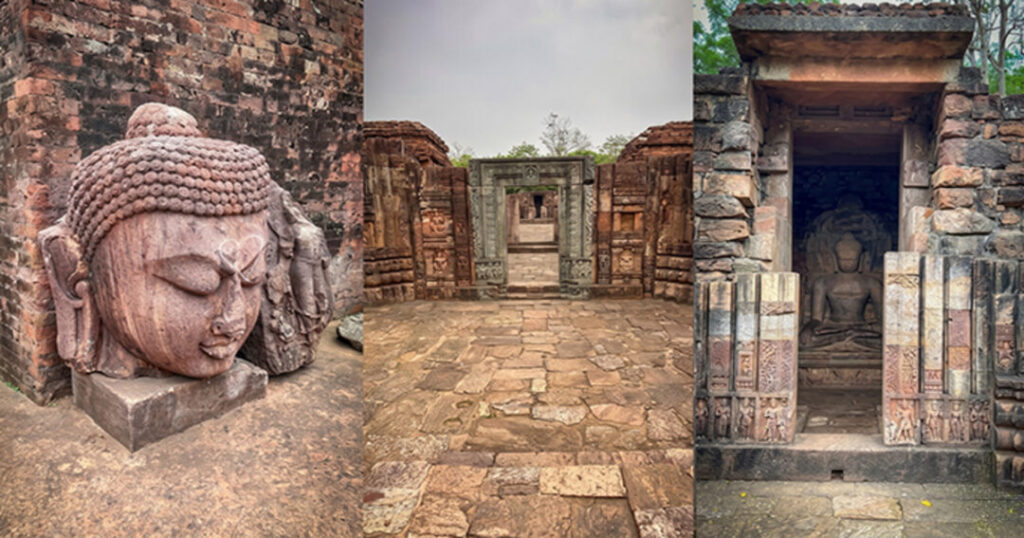
Lalitgiri is often considered the oldest among the three sites in the Diamond Triangle. Archaeologists discovered ancient relic caskets here, believed to contain sacred remains associated with Buddhism.
Major Attractions In Lalitgiri
- Ancient stupas
- Monastic complexes
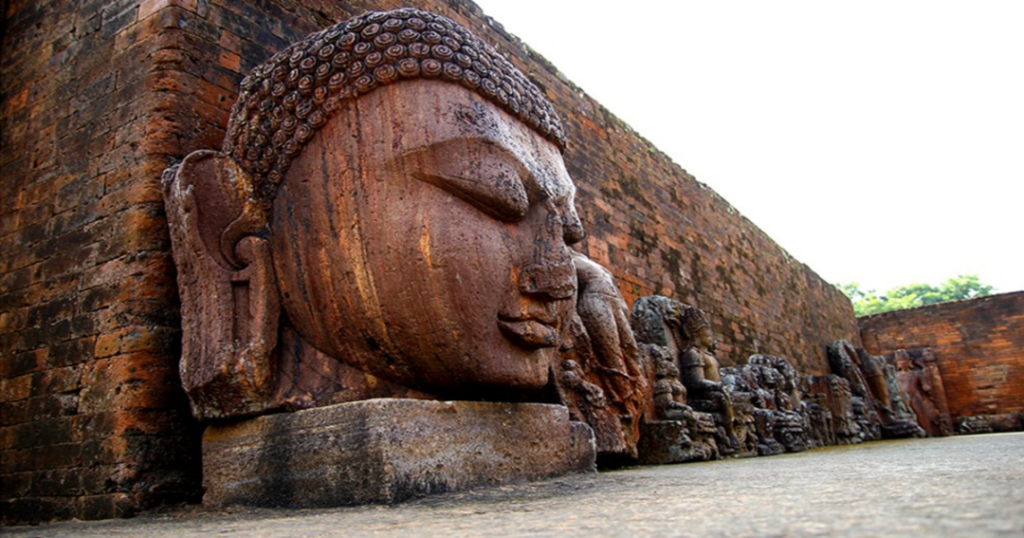
- Buddha sculptures
- Chaitya halls
- Archaeological museum
The hilltop setting adds to the spiritual charm of Lalitgiri, making it ideal for travellers seeking peaceful surroundings.
Ratnagiri: The Centre of Buddhist Learning
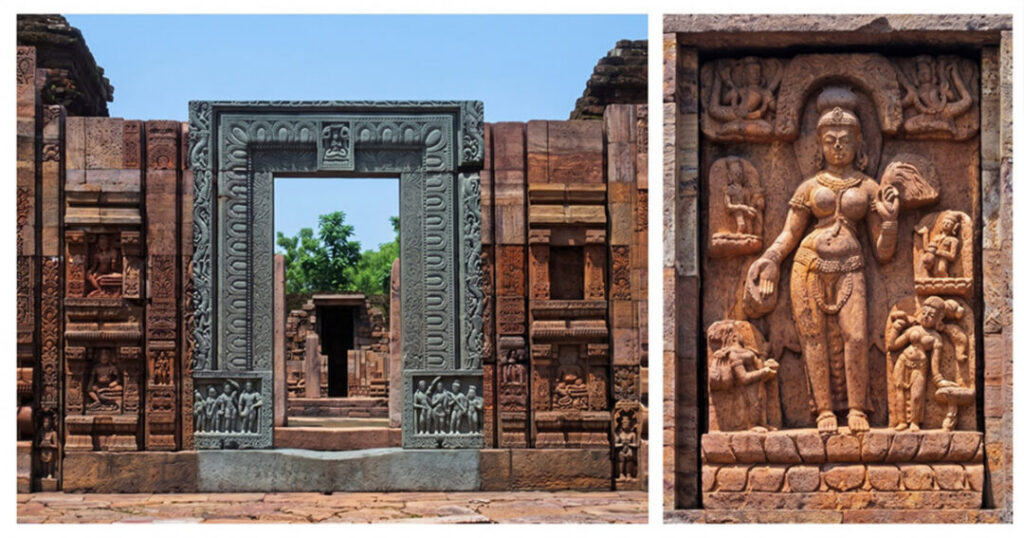
Ratnagiri is perhaps the most visually impressive site in the Diamond Triangle of Odisha. It was once a globally important Buddhist university attracting monks and scholars from different regions.
Highlights Of Ratnagiri
- Beautiful monastery ruins
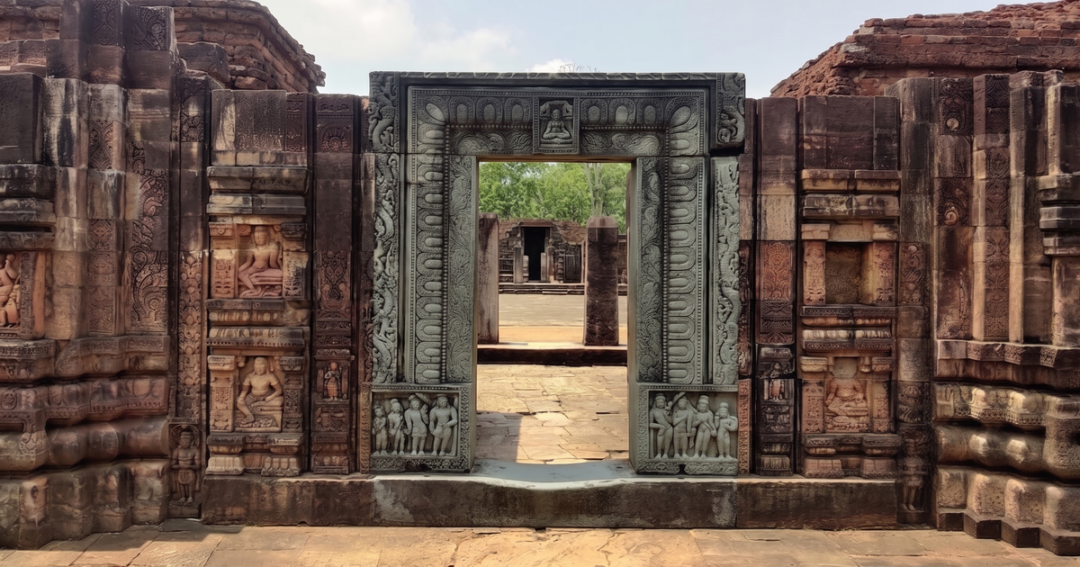
- Ornate gateways
- Intricate Buddha carvings
- Stone sculptures
- Massive prayer halls
The artistic detailing found here showcases the brilliance of ancient Odisha craftsmanship.
Ratnagiri is also known for Vajrayana Buddhist influences, visible through several tantric sculptures and symbolic carvings.
Udayagiri: The Hill Of Sunrise
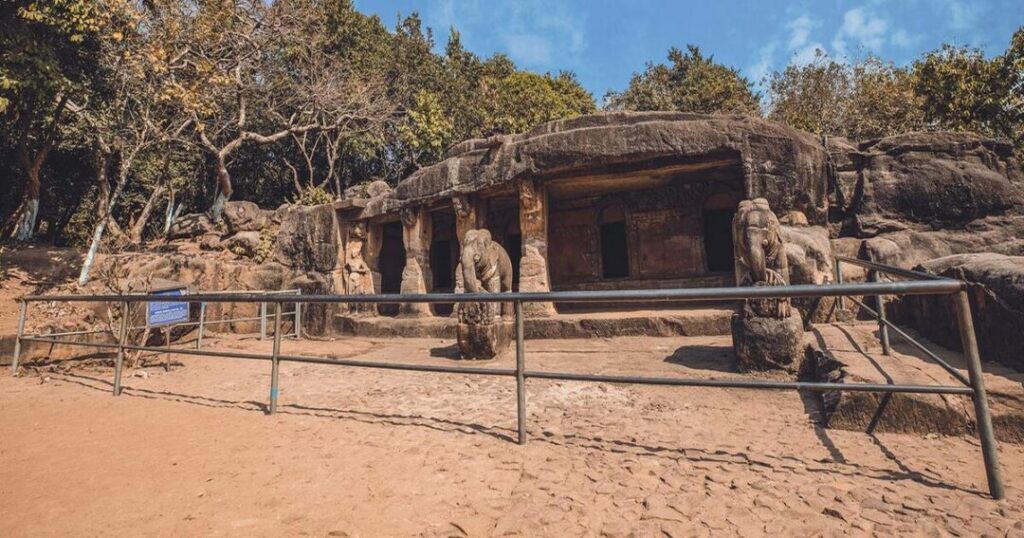
Udayagiri offers a mix of scenic beauty and historical richness. Surrounded by greenery and rolling hills, this site creates a tranquil atmosphere perfect for exploration.
Top Attractions In Udayagiri
- Brick monasteries
- Rock-cut sculptures
- Ancient stairways
- Buddhist relics
- Hilltop views
Compared to the other two sites, Udayagiri feels more open and expansive, allowing visitors to experience both history and nature together.
Also read: Underrated Wildlife Sanctuaries in India That Need to be on Your 2026 Bucket List
Historical Importance Of The Diamond Triangle
The Diamond Triangle of Odisha played a significant role in the evolution of Buddhism in eastern India. During ancient times, monks from these monasteries travelled across Asia, spreading Buddhist teachings and philosophy.
The sites also demonstrate the transition from early Buddhism to Mahayana and Vajrayana traditions.
Several excavations conducted by the Archaeological Survey of India uncovered the following:
- Seals
- Manuscripts
- Terracotta objects
- Sculptures
- Religious relics
These discoveries confirmed the region’s importance as a major Buddhist learning centre.
Best Time To Visit The Diamond Triangle Of Odisha
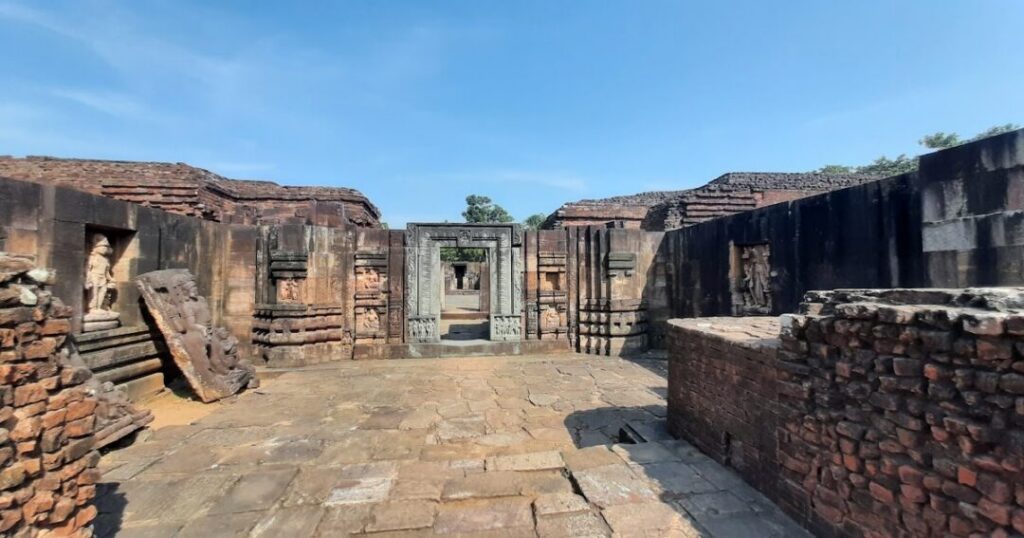
The ideal time to visit the Diamond Triangle is between October and February, when the weather remains cool and pleasant.
Winter months make it easier to explore the archaeological sites comfortably.
Monsoon season adds greenery to the surrounding hills, making the landscape even more scenic.
How To Reach The Diamond Triangle
By Air
The nearest airport is in Bhubaneswar, which is well connected to major Indian cities.
By Train
The nearest railway stations are:
- Jajpur Keonjhar Road
- Cuttack
- Bhubaneswar
By Road
The Diamond Triangle can easily be covered through a road trip from Bhubaneswar or Cuttack.
Many travellers prefer a full-day heritage circuit tour that covers all three sites.
Also read: Top 10 Places to Visit in June in India: Offbeat Escapes for Real Travellers
Things To Carry During Your Visit
- Comfortable walking shoes
- Water bottle
- Sunglasses and a cap
- Camera
- Light snacks
- Sunscreen
Since the sites involve walking through open archaeological zones, comfortable clothing is recommended.
Nearby Attractions To Explore
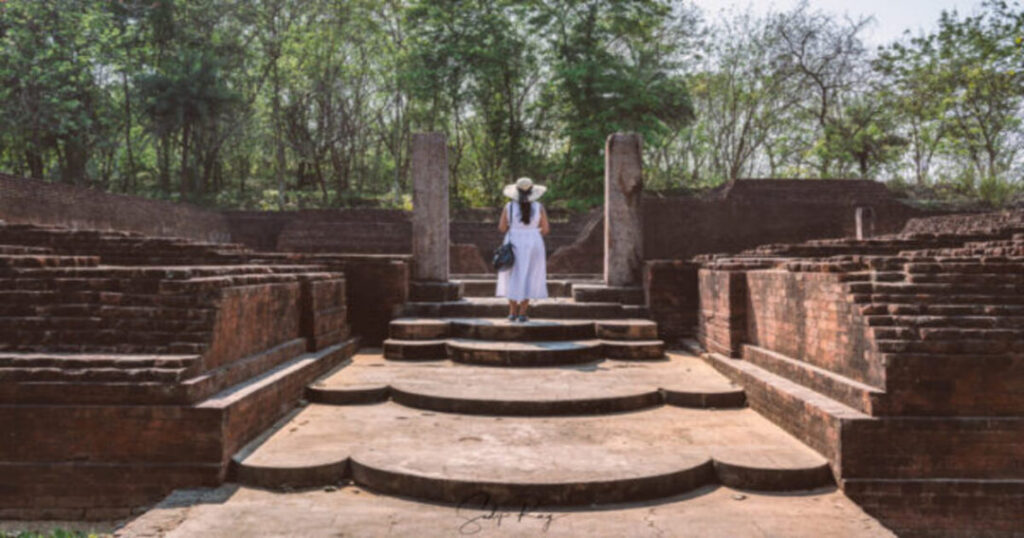
While visiting the Diamond Triangle of Odisha, travellers can also explore:
- Bhubaneswar temples
- Konark Sun Temple
- Dhauli Peace Pagoda
- Cuttack heritage sites
- Chilika Lake
Combining these destinations can create a memorable Odisha cultural tour.
Photography And Cultural Experience
The Diamond Triangle is a paradise for photographers and heritage enthusiasts. Ancient stone carvings, monastery ruins, dramatic landscapes, and peaceful surroundings provide stunning visual opportunities.
Sunrise and sunset hours are particularly beautiful for photography.
The spiritual calmness of the region also attracts meditation seekers and slow travellers.
Final Thoughts
The Diamond Triangle of Odisha offers a fascinating journey into India’s ancient Buddhist heritage, blending history, spirituality, and remarkable architecture in one unforgettable circuit. From the peaceful monasteries of Ratnagiri to the sacred relics of Lalitgiri and the artistic treasures of Udayagiri, each site reflects Odisha’s deep cultural and religious legacy.
Exploring the Ancient Buddhist Heritage Circuit is not just about visiting archaeological sites—it is about experiencing the timeless influence of Buddhism that once flourished across eastern India. For history lovers, spiritual travellers, and cultural explorers, the Diamond Triangle of Odisha remains one of the most enriching destinations to discover in India.
FAQs About the Diamond Triangle of Odisha
2. Why is it called the Diamond Triangle?
The three interconnected Buddhist sites form a triangular cultural circuit, which is why the region is known as the Diamond Triangle.
3. Which is the oldest site in the Diamond Triangle?
Lalitgiri is believed to be the oldest Buddhist site among the three locations.
4. How far is the Diamond Triangle from Bhubaneswar?
The Diamond Triangle is located around 90–100 kilometres from Bhubaneswar, depending on the route and specific site.
5. What is famous in Ratnagiri?
Ratnagiri is famous for its monastery ruins, stone carvings, Buddhist sculptures, and historical importance as a Buddhist learning centre.
6. Is the Diamond Triangle suitable for a one-day trip?
Yes, many travellers cover Ratnagiri, Udayagiri, and Lalitgiri in a full-day road trip from Bhubaneswar or Cuttack.