
738 Total Views
For centuries, the Ancient Silk Road connected some of the world’s greatest civilizations, stretching thousands of kilometres from China to Europe. It wasn’t a single road but a vast network of trade routes where merchants carried silk, spices, tea, precious stones, porcelain, and countless other goods across deserts, mountains, and kingdoms. Along with trade came new ideas, religions, cultures, languages, and technologies, making the Silk Road one of the most influential routes in human history.
At the centre of this remarkable network was Uzbekistan. Its ancient cities welcomed traders, scholars, explorers, and pilgrims for centuries, turning the region into one of the world’s most vibrant cultural crossroads. Even today, Uzbekistan offers one of the most authentic Silk Road experiences, where grand monuments, bustling bazaars, and centuries-old architecture transport visitors back in time.
What Was the Ancient Silk Road?
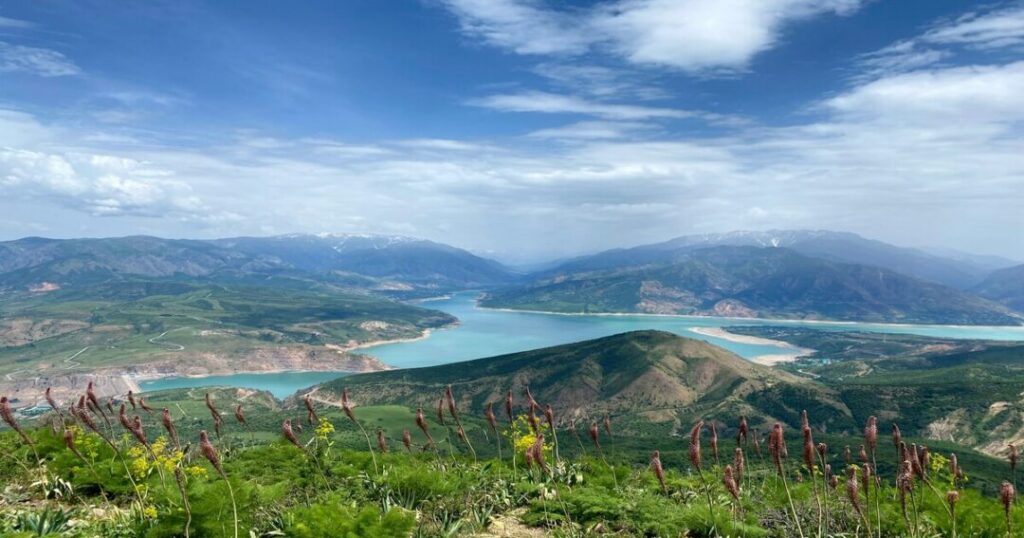
The Ancient Silk Road, also known as the Historical Silk Route or Old Silk Road, began during China’s Han Dynasty around the 2nd century BCE. Rather than a single highway, it was a network of interconnected routes linking East Asia with Central Asia, the Middle East, and Europe.
Chinese silk was among the most valuable commodities traded, giving the route its famous name. But caravans carried much more than silk. They transported spices from India, carpets from Persia, paper from China, horses from Central Asia, and precious metals from Europe. The Silk Road also became a pathway for ideas, scientific discoveries, art, architecture, and major religions such as Buddhism and Islam to spread across continents.
For nearly 1,500 years, this network shaped global trade before maritime routes gradually replaced overland commerce.
Samarkand: The Legendary Silk Road City
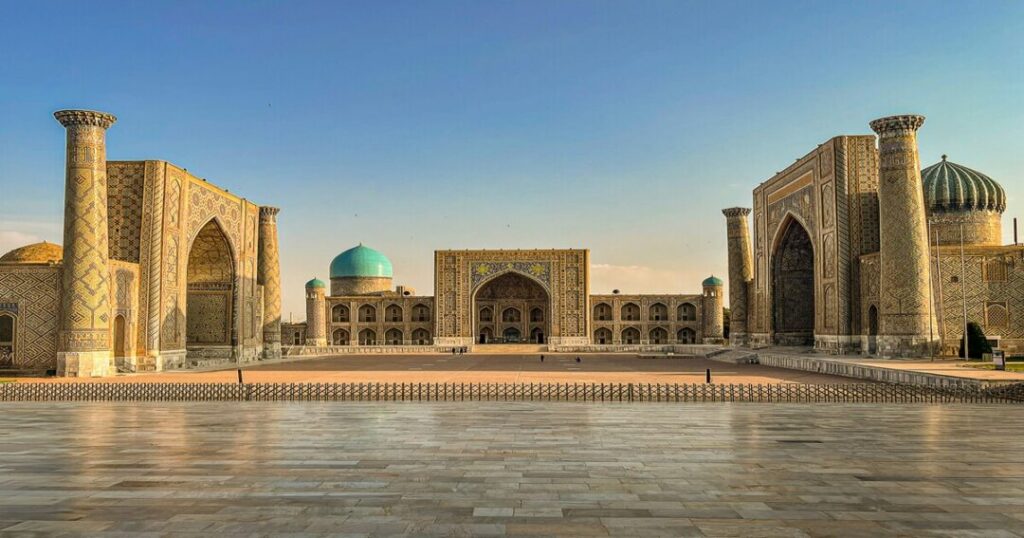
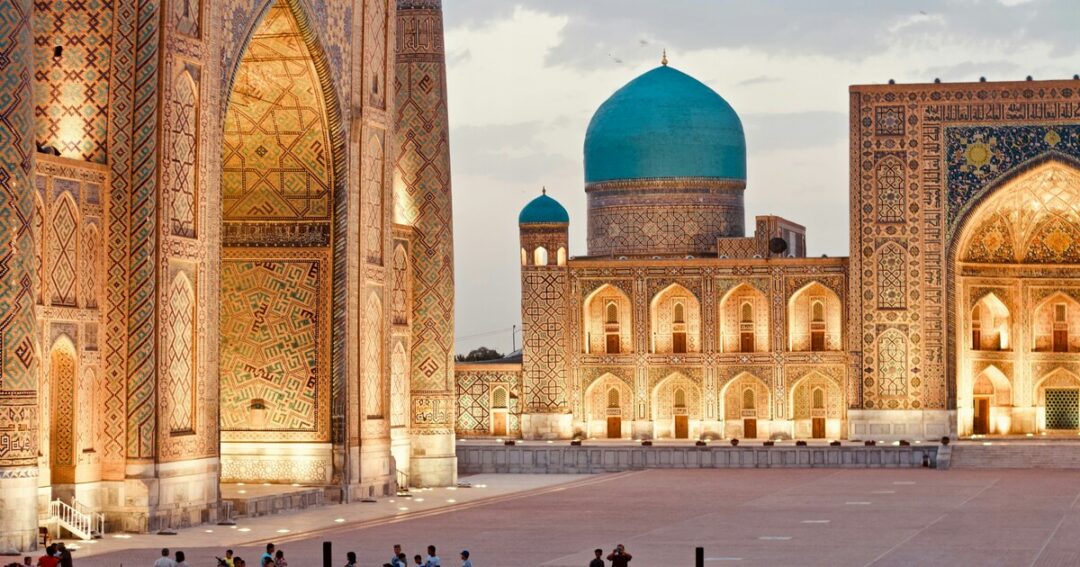
No destination represents the Silk Road quite like Samarkand. With a history spanning more than 2,700 years, it was one of the wealthiest and most influential cities along the route.
Its golden age came in the 14th century under the rule of Timur, who transformed Samarkand into the capital of his empire. Magnificent blue-tiled monuments, grand squares, and elegant Islamic architecture still dominate the city’s skyline.
The iconic Registan Square remains one of the most beautiful architectural ensembles in the world, surrounded by three stunning madrasas decorated with intricate mosaics. Visitors can also explore Shah-i-Zinda, a spectacular avenue of mausoleums known for its dazzling blue tilework, the Gur-e-Amir Mausoleum, where Timur is buried, and the impressive Bibi-Khanym Mosque.
Walking through Samarkand feels like stepping into a living history book where every monument tells the story of merchants, rulers, and travellers who once passed through its gates.
Also Read: Visa-Free Countries for Indians in 2026 | Budget International Travel Guide for Young Explorers
Bukhara: A City Built on Trade
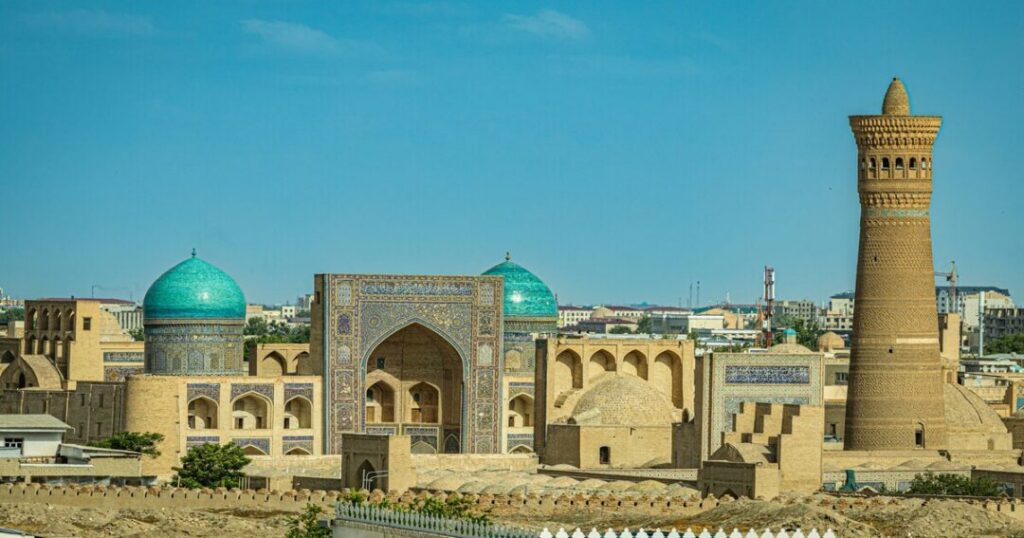
While Samarkand impressed with its grandeur, Bukhara earned its reputation as one of the Silk Road’s busiest trading centres.
For centuries, merchants gathered here to exchange silk, spices, jewellery, carpets, leather goods, and precious stones. The city also developed into one of the Islamic world’s leading centres of education, attracting scholars from across Asia.
Today, Bukhara’s UNESCO-listed Old Town remains remarkably well preserved. Its narrow streets lead to historic mosques, madrasas, caravanserais, and bustling trading domes that once echoed with negotiations between merchants from distant lands.
Popular landmarks include the Poi Kalyan Complex, Ark Fortress, Lyab-i-Hauz, and the traditional covered bazaars where local artisans continue centuries-old crafts.
Khiva: The Best-Preserved Silk Road City
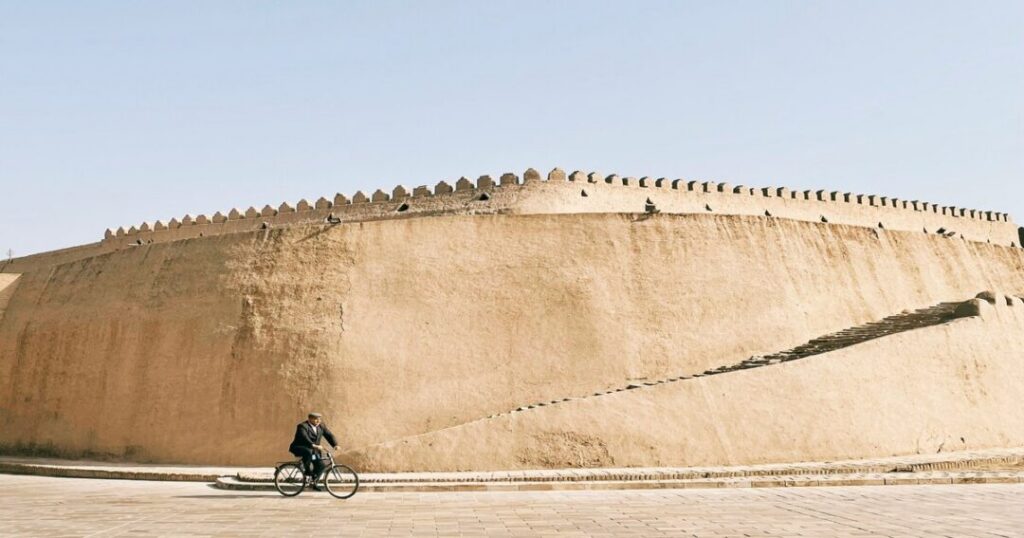
Further west lies Khiva, one of the most atmospheric destinations in Central Asia.
Surrounded by imposing mud-brick walls, the ancient city of Itchan Kala appears almost untouched by time. It served as an important stop for caravans crossing the vast deserts of Central Asia before continuing towards Persia.
Its narrow streets, towering minarets, carved wooden columns, and beautifully decorated palaces create the feeling of walking through an open-air museum. Highlights include the Kalta Minor Minaret, Islam Khoja Minaret, Kuhna Ark, and the historic Juma Mosque with its forest of carved wooden pillars.
Unlike many historic cities that have modernised over the centuries, Khiva has managed to preserve much of its original character.
Also Read: 10 Highest Ropeways Across the World — From Glaciers to Himalayan Peaks
Experience the Silk Road Beyond the Monuments
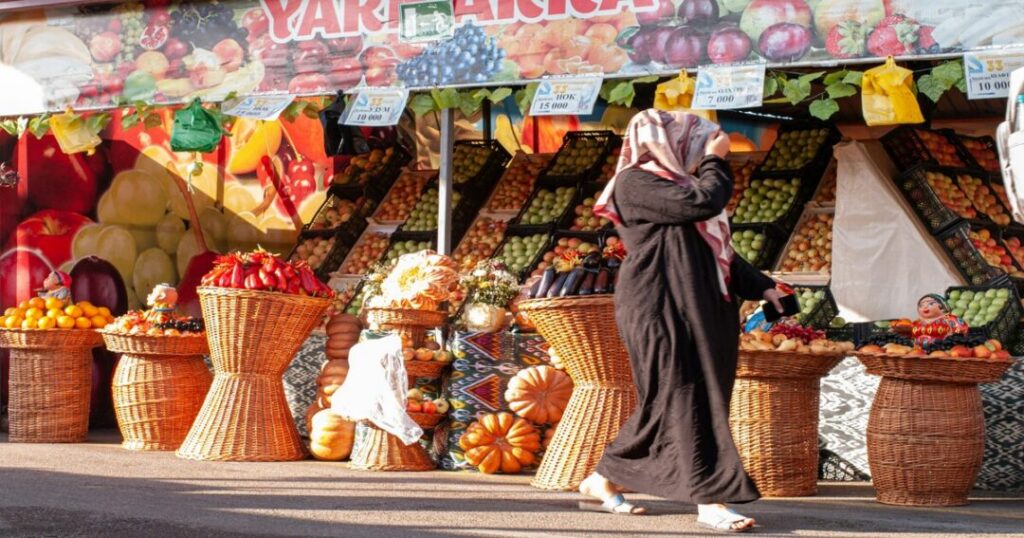
One of the best parts of travelling through Uzbekistan is that the Silk Road isn’t just visible in its architecture—it’s alive in everyday life.
Traditional bazaars remain the heart of local communities, where vendors sell colourful spices, dried fruits, handmade ceramics, embroidered textiles, and silk scarves. Local artisans continue crafts that have been passed down through generations, from pottery and wood carving to carpet weaving and miniature painting.
Food also reflects the country’s diverse cultural influences. Visitors can enjoy authentic Uzbek plov, freshly baked tandoor bread, grilled kebabs, lagman noodles, and sweet pastries while experiencing the warmth and hospitality for which the region is known.
What is the Best Time to Visit Uzbekistan?
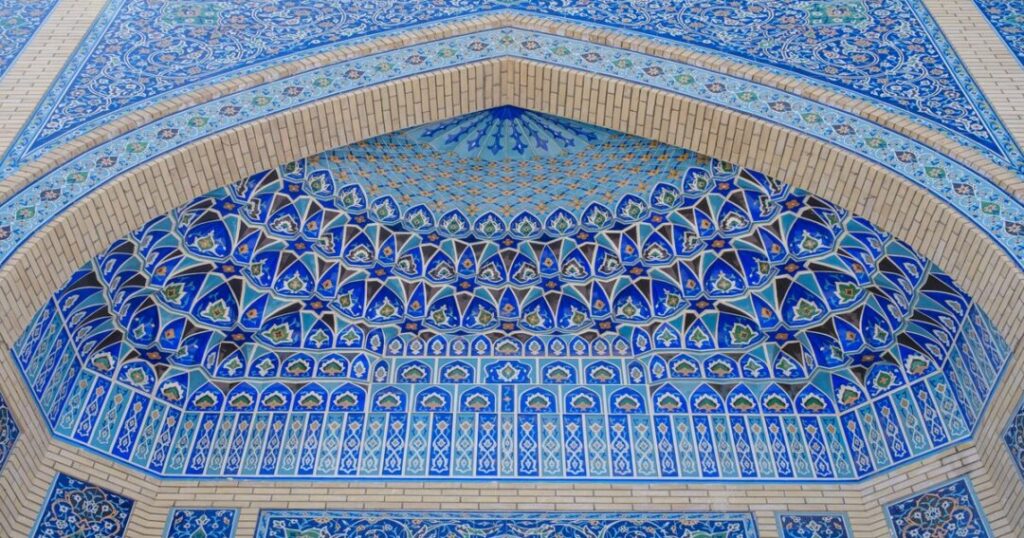
The ideal time to explore the Silk Road cities is during spring (April to May) and autumn (September to October), when temperatures are pleasant for sightseeing.
Summer can be extremely hot, particularly in desert regions, while winter offers a quieter experience with fewer tourists and a unique perspective on the country’s historic cities.
Planning Your Silk Road Journey
Most international travellers begin their trip in Tashkent before continuing to Samarkand, Bukhara, and Khiva. Modern high-speed trains connect these cities, making it easy to explore the country’s historic treasures comfortably.
A journey of seven to ten days allows enough time to experience the highlights while enjoying local markets, traditional cuisine, and the slower pace of life that defines many of Uzbekistan’s ancient cities.
Also Read: e-Visa for Indians: Your Complete Guide to Visa-Free, Visa on Arrival & e-Visa Travel
Why Was Uzbekistan the Heart of the Silk Road?
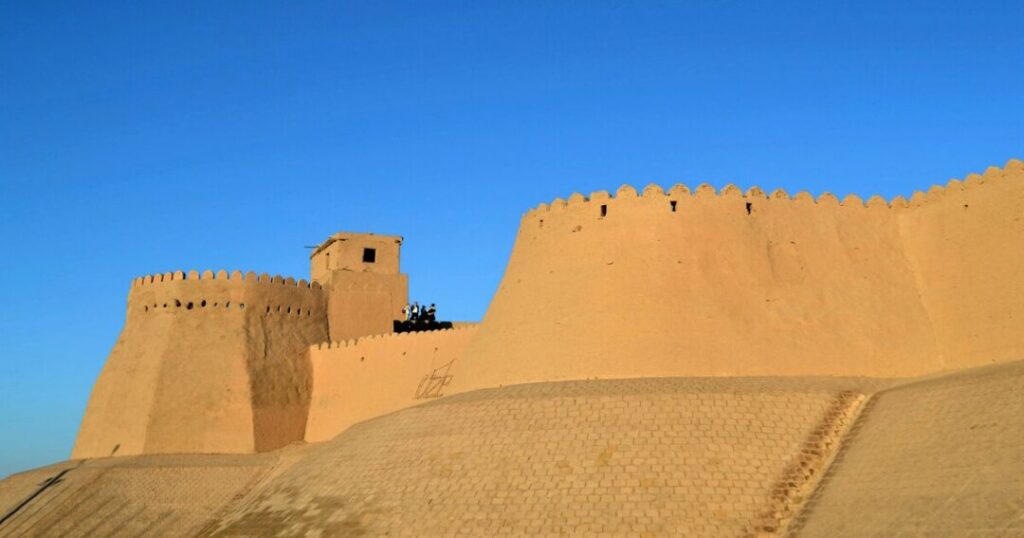
Few countries were as strategically located as Uzbekistan. Sitting in the middle of Central Asia, it became a natural meeting point for traders travelling between East and West. Caravans often spent weeks in its cities to rest, trade goods, repair equipment, and prepare for the next stage of their journey.
This constant movement brought prosperity to the region. Markets flourished, magnificent mosques and madrasas were built, and cities became centres of learning, craftsmanship, and commerce. Influences from Persian, Turkish, Mongol, Arab, Chinese, and European cultures blended, creating a rich cultural heritage that still defines Uzbekistan today.
The Silk Road Journey You’ll Never Forget
The Ancient Silk Road shaped the course of world history, connecting civilizations through trade, knowledge, and cultural exchange. Few places preserve that remarkable legacy as beautifully as Uzbekistan.
Its magnificent architecture, vibrant bazaars, welcoming people, and centuries-old traditions offer travellers a rare opportunity to experience history beyond museum walls. Whether you’re fascinated by ancient civilizations, Islamic architecture, photography, or cultural travel, Uzbekistan promises a journey that is both enriching and unforgettable.
Following the Silk Road through Uzbekistan isn’t simply about visiting historic monuments—it’s about walking the same paths once travelled by merchants, explorers, and scholars who helped shape the world we know today.
FAQs About the Silk Road
2. What are the main Silk Road cities in Uzbekistan?
The three most famous Silk Road cities in Uzbekistan are:
- Samarkand – Known for Registan Square, Shah-i-Zinda, and Gur-e-Amir Mausoleum.
- Bukhara – Famous for its UNESCO-listed Old Town, Poi Kalyan Complex, and traditional trading domes.
- Khiva – Home to the beautifully preserved Itchan Kala, ancient minarets, and historic palaces.
Many travellers also begin their journey in Tashkent, the country's modern capital.
3. What was traded on the Ancient Silk Road?
Although silk gave the route its name, merchants traded a wide variety of goods, including:
- Silk
- Spices
- Tea
- Porcelain
- Precious stones
- Carpets
- Horses
- Paper
- Metals
- Textiles
The Silk Road also helped spread religions, scientific knowledge, art, languages, and technology across continents.
5.What is the best time to visit Uzbekistan?
The best time to visit Uzbekistan is during:
- Spring (April to May) for blooming landscapes and pleasant weather.
- Autumn (September to October) for comfortable temperatures and ideal sightseeing conditions.
These seasons are perfect for exploring historic cities on foot.
6. Is Uzbekistan safe for tourists?
Yes. Uzbekistan is widely considered one of the safest destinations in Central Asia. Tourist areas are generally safe, locals are known for their hospitality, and the government has made significant efforts to improve tourism infrastructure in recent years.