
737 Total Views
There are very few places on earth where a Tamil Hindu fire-walking ceremony, a Chinese New Year dragon parade, a Creole street music festival, and a Muslim Eid celebration all fall within the same calendar year — and where all of them are treated as part of the same national identity rather than separate ethnic events. Mauritius is one of those places. This small island in the Indian Ocean — a former colonial intersection of African, Indian, Chinese, and European cultures — has turned its extraordinary diversity into one of the most remarkable festival calendars anywhere in the world.
Festivals in Mauritius are not tourist events dressed up for visitors. They are the genuine, living cultural expressions of communities that have been building this island together for over three centuries. Understanding them is understanding what Mauritius actually is.
The Foundation: Why Mauritius Has So Many Festivals
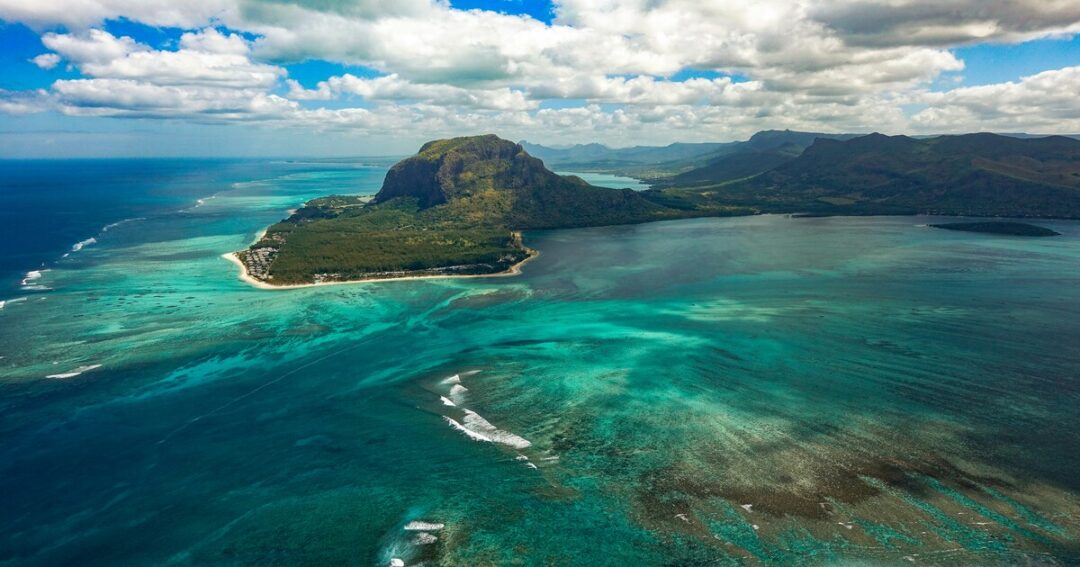
Mauritius was uninhabited until the Dutch arrived in the 17th century, followed by the French (who brought enslaved Africans), followed by the British (who brought Indian indentured labourers from 1834 onward after slavery was abolished). Each wave of migration left its cultural imprint — and because no single community became overwhelmingly dominant, every tradition was preserved rather than absorbed.
Today, Mauritius’s population is approximately 68% Indo-Mauritian (descendants of Indian indentured labourers and free migrants, both Hindu and Muslim), approximately 27% Creole (descendants of enslaved Africans and other mixed heritage), and approximately 3% Sino-Mauritian (descendants of Chinese migrants). Each community maintains its religious festivals, and Mauritius maintains them all as public holidays, giving the country one of the highest numbers of public holidays per year in the world.
Cavadee — The Festival That Defines Mauritius
What Is Cavadee?
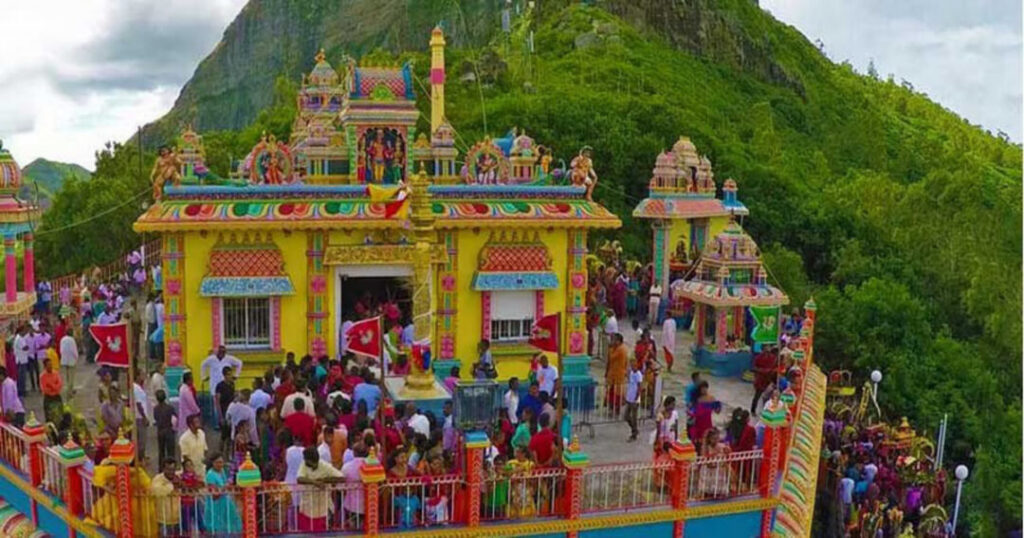
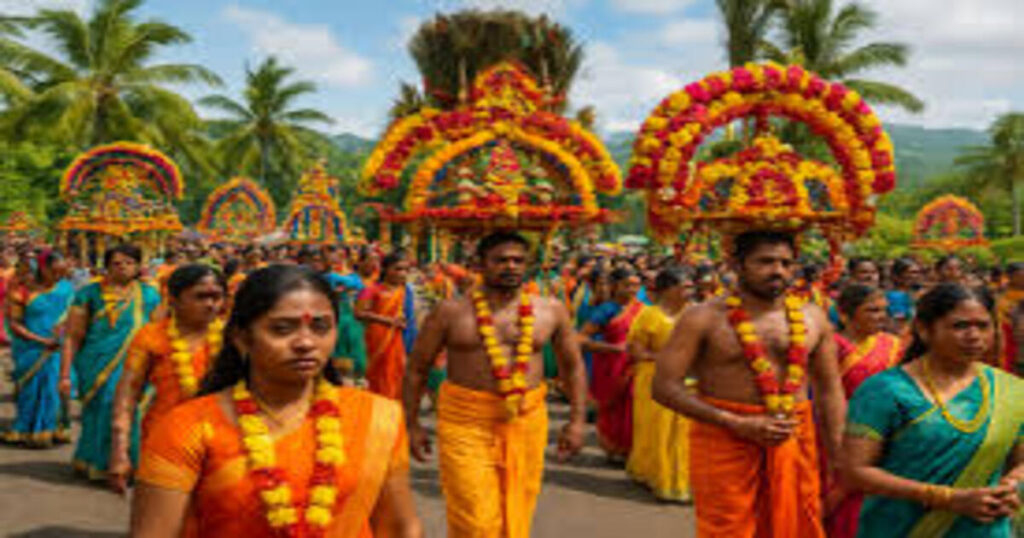
Cavadee (also written Kavadee; full name Thaipoosam Cavadee) is the most visually extraordinary of all festivals in Mauritius — a Tamil Hindu festival of devotion, penance, and faith dedicated to Lord Muruga (also known as Kartikeya or Skanda), the son of Lord Shiva and Goddess Parvati. It is celebrated on the full moon day of the Tamil month of Thai, falling between January and February of the Gregorian calendar.
Cavadee 2026 date: Sunday, February 1, 2026 — a public holiday in Mauritius.
Mauritius is the only country in Africa where Hinduism is the largest religion, practised by approximately half the population. Thaipoosam Cavadee is one of the most popular festivals on the island, observed across Tamil Hindu communities that trace their heritage to Tamil Nadu in South India — brought here by indentured labourers in the 19th century who carried their religious traditions with them across the ocean.
The Mythology Behind Cavadee
The Cavadee festival has two intertwined mythological foundations:
The victory of Muruga: Thaipusam commemorates the victory of Lord Muruga over the demon Soorapadman — symbolising the triumph of good over evil. The Devas (celestial beings) were unable to defeat Soorapadman, so they approached Lord Shiva, who created Skanda (Muruga) as a mighty warrior to defeat the demon.
The story of Idumban: The act of carrying the Cavadee itself has its own origin. A reformed bandit named Idumban was asked by his guru to prove his sincerity — he carried two mountain summits attached to a pole (the cavadee) on his shoulders as a penance. Along the way, Muruga — disguised as a small boy — sat on one of the mountain peaks to test Idumban. Despite the unbearable weight, Idumban persisted. Pleased by his devotion, Muruga blessed him. Since then, carrying the Cavadee to the temple has been considered the supreme act of devotion that invites Lord Muruga’s blessing.
The Ten Days of Preparation
The Cavadee festival in Mauritius does not begin on a single day — it begins ten days before the main festival with a flag-hoisting ceremony at temples across the island, conducted amid Hindu chanting and music. The festival flag flies over the temple for the entire ten days and is only lowered at the end.
During these ten days, devotees who have committed to carrying the Cavadee observe a strict period of fasting and abstinence — eating only vegetarian food, abstaining from pleasure, reading portions of Hindu scriptures, and preparing their bodies and minds for the main day. Their families observe similar restrictions in solidarity.
What Happens on Cavadee Day?
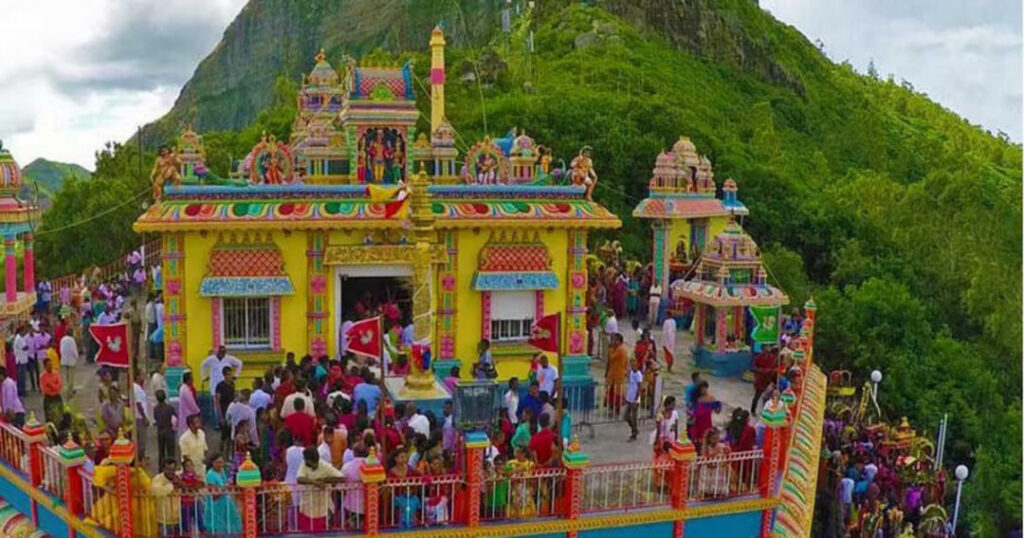
The main day of the Cavadee in Mauritius is one of the most extraordinary public spectacles anywhere in the Indian Ocean:
The Cavadee itself — the wooden or metal structure carried on the shoulders of devotees — is an arched framework adorned with colorful flowers, peacock feathers, sandalwood paste, coconut leaves, brass bells, and vessels containing milk. It represents the sacred mountains from the legend of Idumban. Some Cavadees are simple and modest; others are elaborate architectural structures rising several feet above the devotee’s head, requiring tremendous physical effort to carry.
Piercings — the most striking aspect of Cavadee for visitors — are a central act of devotion. Male devotees pierce their cheeks, tongues, chest, abdomen, back, and arms with long metal spears (vel) and hooks before setting out. Female devotees pierce their cheeks and tongues. The act is performed in a state of deep trance, induced by fasting, meditation, and prayer — most devotees report feeling no pain, their faith providing what no medicine could. A saffron or fuchsia string is tied around the wrist of Cavadee-holders as a bracelet.
The procession — carrying the pierced Cavadee, barefoot, to the temple — is the central ritual. Devotees walk through the streets, accompanied by family members, priests, and musicians, to the kovil (Tamil Hindu temple). The journey is an act of faith, endurance, and gratitude — fulfilling a vow made to Lord Muruga in exchange for a wish granted or a hardship survived.
At the temple, the Cavadee is placed at the feet of Lord Muruga’s statue. Offerings of fruit, saffron water, sandalwood, rose water, and milk are made. Camphor is burned. Prayers are recited. The piercing implements are removed, and devotees typically show no wounds.
Fire-walking and sword-climbing are also performed as part of the Cavadee ceremonies at many temples — devotees walk barefoot across burning coals or climb ladders made of sword blades, all in a state of devotional trance.
Where to witness Cavadee 2026:
- Tamil Hindu temples (kovils) across the island are the primary sites — the processions begin in the early morning and the crowds are enormous at major kovils
- The procession route from local neighbourhoods to kovils is where the most dramatic scenes — the Cavadee carriers, the piercings, the music — are visible
- Respectful observation is welcomed; always ask before photographing, especially close-up images of pierced devotees
Also Read: Visa-Free Countries for Indians in 2026 | Budget International Travel Guide for Young Explorers
Divali in Mauritius — The Festival of Lights
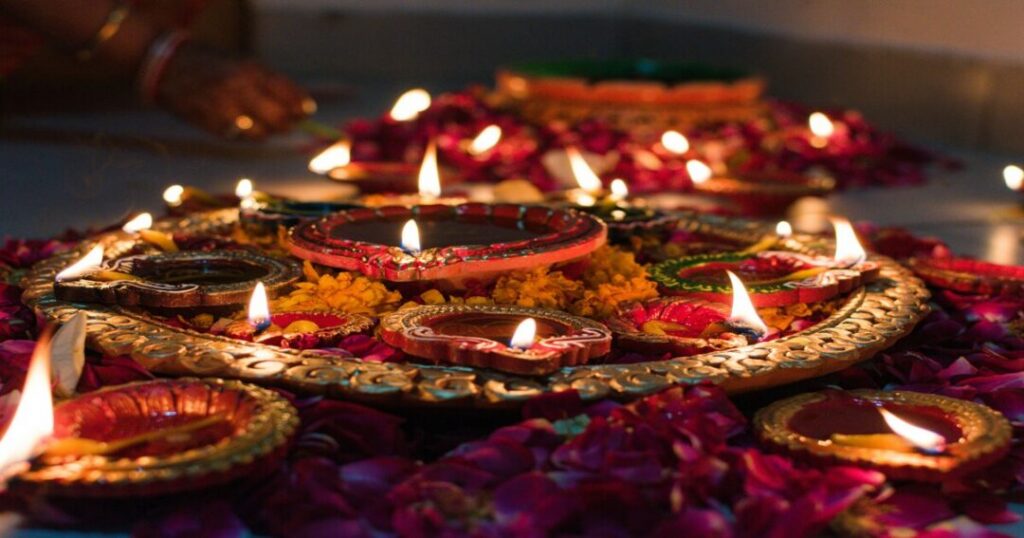
Divali in Mauritius (also written Diwali or Deepavali) is one of the most celebrated festivals in Mauritius — the Hindu festival of lights, observed in October or November (the exact date varies annually based on the Hindu lunar calendar). As in India, Mauritius celebrates Divali as the triumph of light over darkness, knowledge over ignorance, and good over evil — traditionally associated with the return of Lord Rama after his fourteen-year exile.
What makes Divali Mauritius special: The entire island participates regardless of religion. On Divali evening, homes across Mauritius are decorated with oil lamps (diyas) and candles, fireworks light up every neighbourhood, and the island takes on a warm, luminous quality that is among the most beautiful sightings in Mauritius’s festival calendar.
- Divali 2026 date: Approximately late October 2026 (exact date to be confirmed — follows the Hindu lunar calendar)
- Public holiday in Mauritius
- The most visually dramatic Divali celebrations are in the Indo-Mauritian communities of central Mauritius — Quatre Bornes, Rose Hill, and the surrounding towns
Chinese New Year in Mauritius — Dragon and Lion Dances
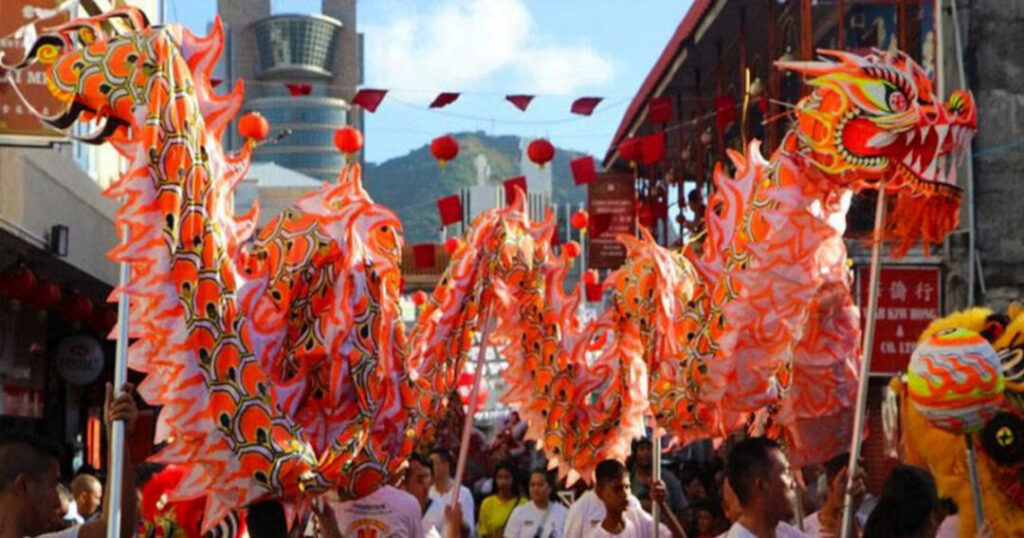
Chinese New Year Mauritius is celebrated by the Sino-Mauritian community — approximately 3% of the population but culturally influential far beyond their numbers. The celebration typically spans several days around the Lunar New Year (late January or early February, varying annually) and includes dragon and lion dances through the streets of Chinatown (Port Louis), firecrackers, family reunions, and temple ceremonies.
The Sino-Mauritian community has been on the island since the early 19th century and has maintained its cultural traditions through successive generations. The Chinese New Year celebrations in Port Louis’s Chinatown area are among the most vibrant on the island — particularly the dragon dance, which winds through the narrow streets of the capital.
- Chinese New Year 2026 date: February 17, 2026 (Year of the Horse)
- The celebrations in Port Louis Chinatown are the most concentrated and visually spectacular
- Not a public holiday in Mauritius but widely celebrated across the community
Maha Shivaratri — The Great Night of Shiva
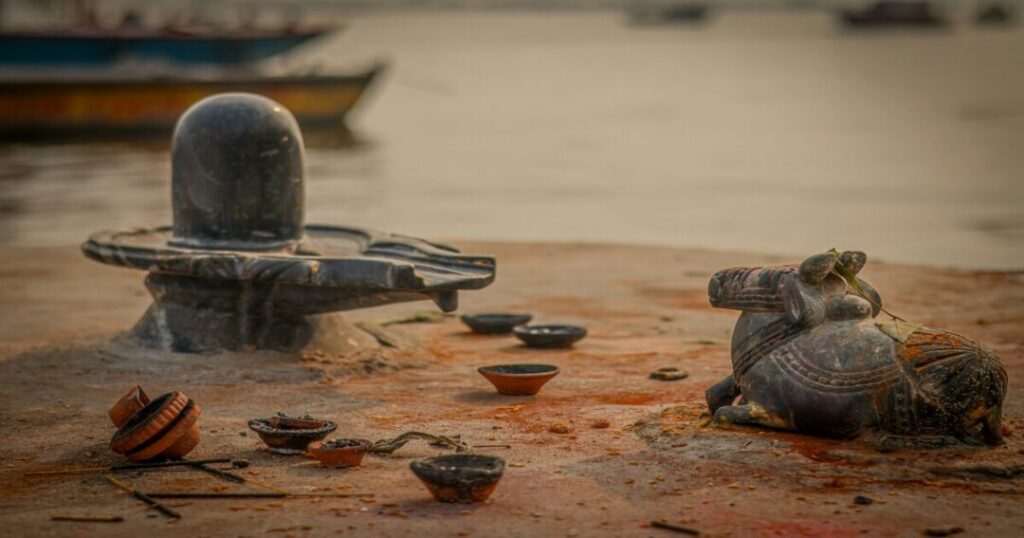
Maha Shivaratri is one of the most significant Hindu festivals in Mauritius — the “Great Night of Shiva,” observed in February or March (based on the Hindu calendar). What makes the Mauritian Maha Shivaratri extraordinary is the pilgrimage to Grand Bassin (Ganga Talao) — a sacred crater lake in the Savanne district considered the holiest Hindu site in Mauritius and believed to be spiritually connected to the Ganges River in India.
Hundreds of thousands of Hindu devotees walk barefoot to Grand Bassin — many travelling 10, 20, or even 40 km overnight — carrying kanwars (decorated bamboo arches similar in principle to the Cavadee) and clay pots of water to be offered at the Shiva temple at the lake. It is one of the largest religious gatherings in Africa and one of the most moving spectacles in the Indian Ocean.
- Maha Shivaratri 2026 date: Approximately late February 2026 (exact date based on lunar calendar — verify before travel)
- The pilgrimage routes begin 1–2 days before the main festival day; roadways in central Mauritius are lined with pilgrims
- Grand Bassin is accessible by road, but the approach may be restricted to foot traffic during the main pilgrimage — verify current arrangements
Eid ul-Fitr — The Muslim Community’s Celebration
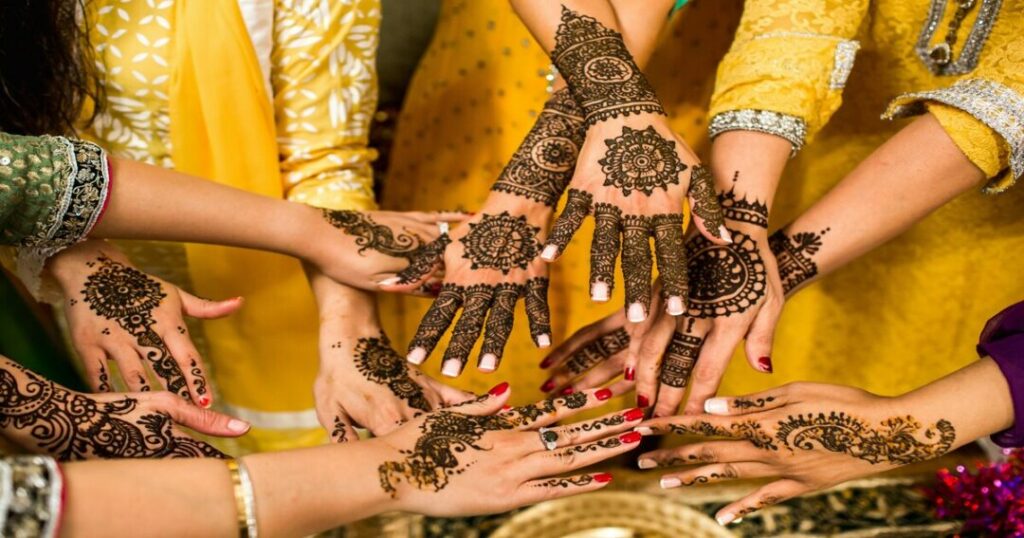
Eid ul-Fitr marks the end of Ramadan for Mauritius’s Muslim community (approximately 17% of the population, primarily of South Asian origin). The celebration involves early morning prayers at mosques across the island, family gatherings, the giving of charity (zakat ul-fitr), and communal feasting. In Mauritius, Eid is a public holiday and is marked with the same national respect as Hindu and Chinese festivals.
- Eid ul-Fitr 2026 date: Approximately late March 2026 (exact date depends on moon sighting — varies by one or two days)
- The mosque communities in Port Louis, Plaines Wilhems, and across the island hold public prayers in the early morning
- Eid ul-Adha (the Festival of Sacrifice) is also a public holiday in Mauritius, typically in June
Christmas and Creole Festivals
Christmas in Mauritius is celebrated with particular warmth by the Creole community (approximately 27% of the population) and cuts across religious and cultural lines — reflecting the French colonial heritage and the island’s Catholic tradition. Mauritius’s Christmas has a tropical character — midnight mass on Christmas Eve, family gatherings with traditional Creole food (seafood, rice and bean dishes, the napolitaine biscuit), and decorations that mix northern-hemisphere imagery with the reality of a midsummer December.
Creole festivals — including the International Creole Festival held in late October in the Seychelles, which resonates with Mauritius’s Creole community — celebrate the Kreol language, music (séga, a traditional drum-and-dance form), and culture of African-descended communities across the Indian Ocean.
Séga music, specific to the Mauritian Creole tradition, is itself a cultural expression with festival significance — originating among enslaved Africans on the island as a form of emotional and spiritual release, it is now performed at cultural events, on beaches, and at hotels throughout the island. At its most authentic, séga is performed at local gatherings on the southeast coast — far from tourist venues.
Festival Calendar Overview — When to Visit Mauritius
| Festival | Approximate Date | Public Holiday? |
| Cavadee 2026 | February 1, 2026 | ✅ Yes |
| Chinese New Year 2026 | February 17, 2026 | ❌ No |
| Maha Shivaratri 2026 | Approximately late February 2026 | ✅ Yes |
| Eid ul-Fitr 2026 | Approximately late March 2026 | ✅ Yes |
| Divali 2026 | Approximately late October 2026 | ✅ Yes |
| Christmas | December 25 | ✅ Yes |
January to February is the most festival-dense period in the Mauritius calendar — Cavadee and Chinese New Year in quick succession, with Maha Shivaratri shortly after. This is the best time to visit Mauritius for cultural immersion.
Conclusion about Festivals in Mauritius
Festivals in Mauritius are the most honest expression of what this island actually is — a place built by many peoples that decided, over centuries, to celebrate everyone’s traditions as shared national ones. Quick guide to the festival calendar:
- Cavadee 2026: February 1 — Tamil Hindu; ten days of fasting, pierced processions to kovils, public holiday
- Chinese New Year 2026: February 17 — dragon and lion dances in Port Louis Chinatown
- Maha Shivaratri 2026: Approximately late February — overnight barefoot pilgrimage to Grand Bassin, hundreds of thousands of devotees
- Eid ul-Fitr 2026: Approximately late March — morning prayers, family gatherings, public holiday
- Divali 2026: Approximately late October — island-wide festival of lights, public holiday
- Christmas: December 25 — Creole traditions, midnight mass, séga music
Download the Explurger app to discover what travellers recommend experiencing in Mauritius during festival season, find local events beyond the tourist circuit, and log every procession, light, and dragon dance on your trip.
The kavadees are already being built. The oil lamps are already being set. Mauritius’s festival year is almost always beginning.
FAQs about Festivals in Mauritius
2. When is Cavadee 2026 in Mauritius?
Cavadee 2026 Mauritius falls on Sunday, February 1, 2026. It is a public holiday. The ten-day preparation period begins approximately January 22, 2026, with the flag-hoisting ceremony at kovils across the island. The main day involves processions of devotees carrying decorated Cavadees on pierced bodies, barefoot, to Tamil Hindu temples across Mauritius.
3. What is Divali like in Mauritius?
Divali in Mauritius is celebrated as the Hindu festival of lights — oil lamps and candles light up homes across the island, fireworks fill the sky, and the entire Mauritian community participates regardless of religion. It falls approximately in late October or early November (based on the Hindu lunar calendar; Divali 2026 is approximately late October — verify exact date closer to the time). It is a public holiday in Mauritius and one of the most visually beautiful evenings in the island's festival year.
4. Is Mauritius good to visit during festivals?
Yes — festivals in Mauritius are among the best reasons to visit the island beyond its beaches and nature. January to February is the most festival-dense period: Cavadee (February 1, 2026), Chinese New Year (February 17, 2026), and Maha Shivaratri (late February) fall in quick succession, offering an extraordinary window into the island's multicultural identity. October to November brings Divali. The island's festivals are genuine community events, not tourist performances — respectful visitors are welcome.
5. What is Maha Shivaratri in Mauritius?
Maha Shivaratri in Mauritius is a Hindu festival centred on the overnight pilgrimage to Grand Bassin (Ganga Talao) — a sacred crater lake in the Savanne district considered the holiest Hindu site in Mauritius. Hundreds of thousands of devotees walk barefoot, many for 20–40 km overnight, carrying decorated kanwars and clay pots of holy water to offer at the lakeside Shiva temple. It is one of the largest religious gatherings in Africa and falls approximately in late February 2026 (exact date varies by lunar calendar).