
3,745 Total Views
For most of the last eight years, planning a Roopkund trek meant planning around a ban — the high-altitude meadows this route depends on were closed to overnight camping by a 2018 court order. That changed on July 20, 2026, when India’s Supreme Court lifted the restriction, and Roopkund is trekkable again. This guide covers the route, the height you’ll actually climb, current costs, and the skeleton-lake mystery that made this trek famous in the first place.
Roopkund Trek Route: From Lohajung to the Skeleton Lake
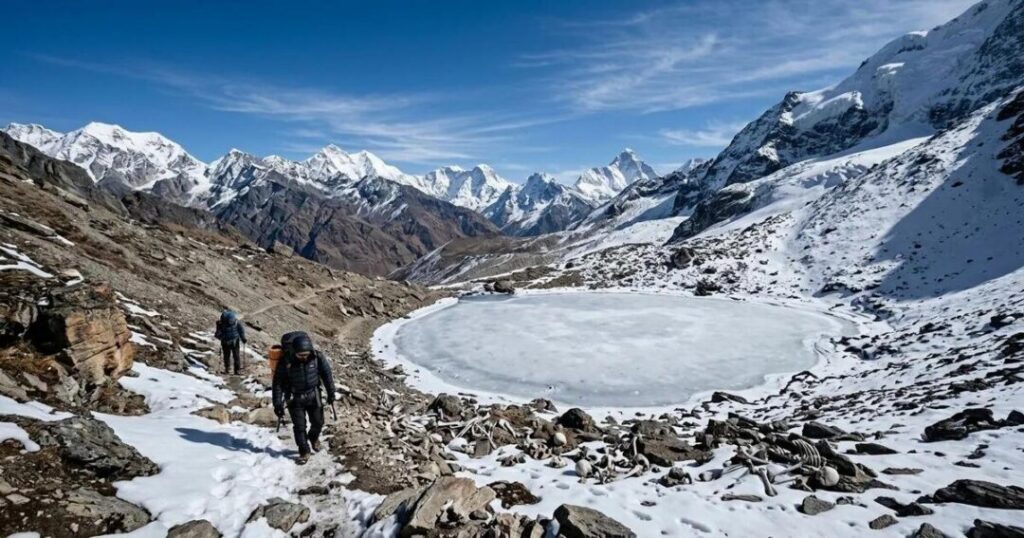
The roopkund trek route runs about 47 km round trip over 7 trekking days, gaining altitude gradually to help your body adjust.
- Lohajung (7,550 ft): The base village where the trek begins and ends, reached by road.
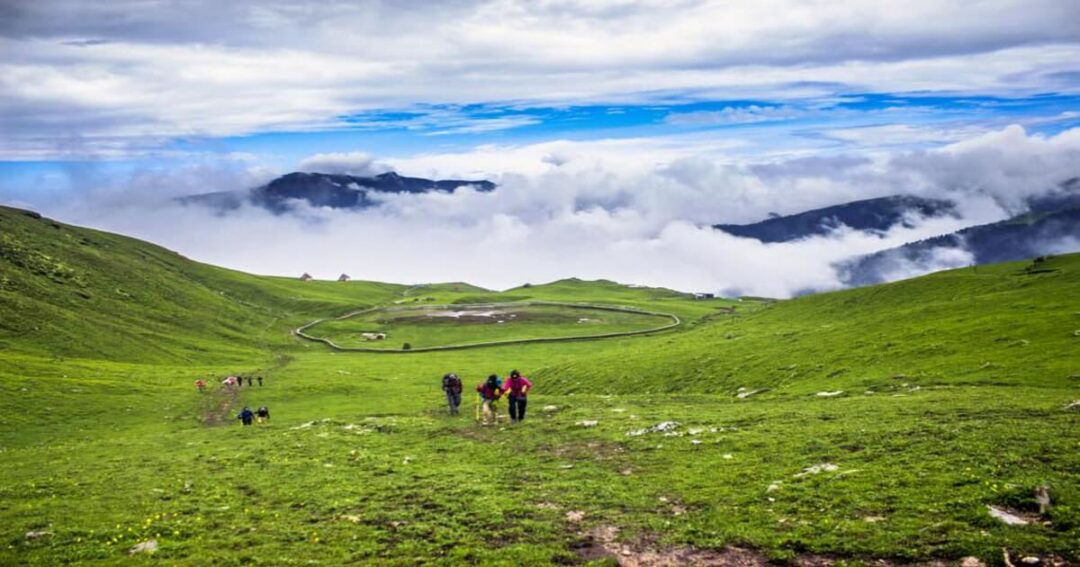
- Didina / Wan to Ali Bugyal and Bedni Bugyal: These alpine meadows are the trek’s most scenic stretch, and also the critical acclimatization camps that were affected by the 2018–2026 camping ban.
- Patar Nachauni: A high-altitude camp used to break up the steep push toward Bhagwabasa.
- Bhagwabasa (14,100 ft): The last camp before the summit push, typically approached in the early morning to avoid afternoon weather.
- Roopkund Lake via Junargali Ridge (15,750 ft): The final stretch is steep and thin on oxygen, ending at the lake itself.
Also Read: Dayara Bugyal Trek: Where the Himalayas Open Into Endless Green Meadows
Roopkund Trek Difficulty and Height You’ll Climb
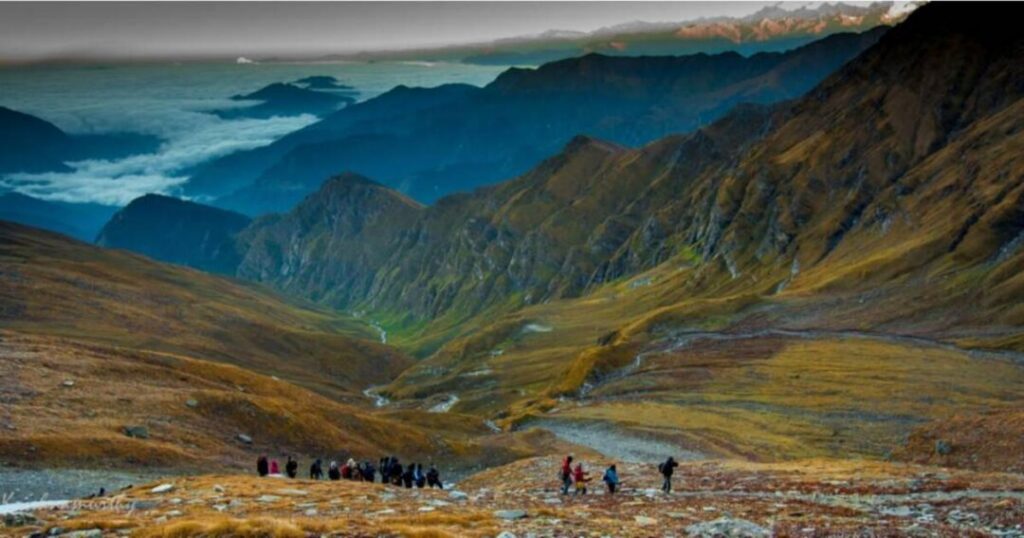
This is not a beginner trek. The roopkund trek height gain — from 7,550 ft at Lohajung to roughly 15,750 ft near the lake — puts serious demand on your body over a short span of days.
- Rated moderate to difficult, suitable for trekkers with prior high-altitude experience.
- Altitude sickness is a real risk above 12,000 ft; reputable operators run routine oxygen saturation, pulse, and blood pressure checks at every camp.
- Trek leaders trained in high-altitude medical response, and some groups carry oxygen cylinders as a precaution.
- Expect long trekking days, rocky and snow-covered terrain near the top, and cold nights even in the May–June window.
[QUOTE: “Roopkund isn’t dangerous if you respect the altitude — it’s dangerous if you rush your acclimatization days at Bedni Bugyal.” — suggested source: a Uttarakhand trek leader]
The Skeleton Lake Mystery: History Behind Roopkund
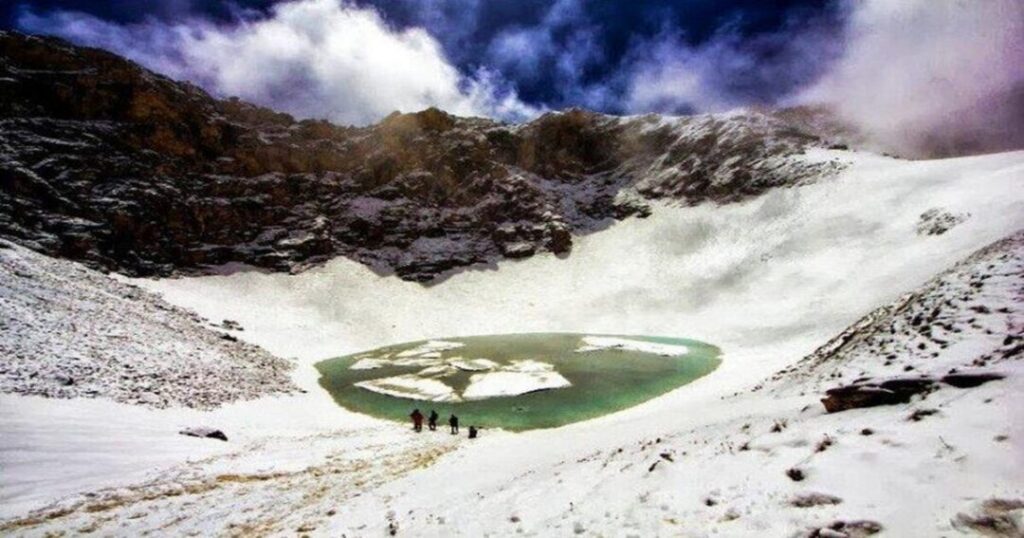
Roopkund’s nickname, “Skeleton Lake,” comes from one of the strangest archaeological finds in the Himalayas. A forest ranger named Hari Kishan Madhwal rediscovered the remains in 1942, and the count eventually grew to skeletal remains from more than 300 people scattered around the lake’s edges.
For decades, the popular theory was a single catastrophic hailstorm around the 9th century CE. Skull injuries consistent with blunt impacts from round objects falling from above supported that idea.
[STAT: A 2019 genetic study found the remains actually belong to at least three distinct groups from different centuries — 23 people of South Asian ancestry from around 800 CE, and a separate group with eastern Mediterranean ancestry from around 1800 CE — source: published genetic analysis of the Roopkund skeletons]
That finding upended the single-event theory entirely — the lake’s dead didn’t die together, they arrived across roughly a thousand years, making Roopkund’s history stranger than the original hailstorm story suggested.
Also Read: Top 10 Camping Places in India: Best Camping Destinations for Every Traveler
Roopkund Trek Cost, Packages, and What’s Included?
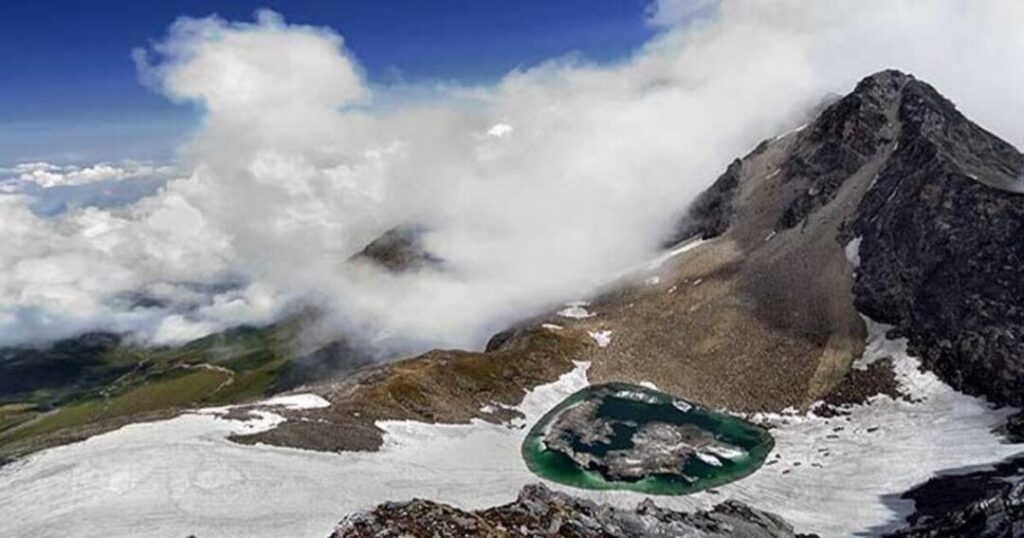
If you’re comparing roopkund trek package options, prices across major operators currently sit in a fairly tight band.
- Typical roopkund trek cost runs approximately ₹18,450–18,500 plus 5% GST, working out to roughly ₹19,400–19,425 per person for the core trek from Lohajung.
- Most roopkund trekking packages include: twin-sharing tent camping, vegetarian meals, professional trek leaders and support staff, and help with local permits.
- Commonly not included: trek insurance (often a few hundred rupees extra), transport to the base camp from Rishikesh or Kathgodam, and porter/offloading services if you don’t want to carry your own pack.
- Budget separately for transport to Lohajung, since most package prices are quoted “Lohajung to Lohajung.”
Roopkund Trek Reopening 2026: What Changed?
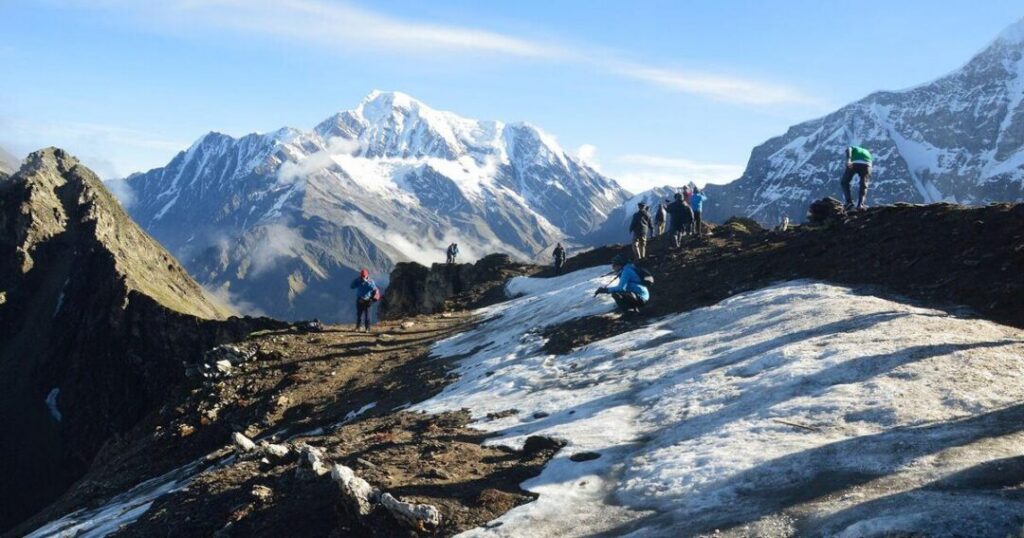
This is the update most existing guides haven’t caught up with yet. In 2018, the Uttarakhand High Court banned overnight camping in high-altitude meadows (bugyals) statewide, directly affecting Bedni Bugyal and Ali Bugyal — camps the Roopkund route can’t avoid. That kept the trek effectively closed for eight years.
- On July 20, 2026, the Supreme Court of India set aside the overnight camping ban and the visitor cap that came with it.
- Other restrictions remain in place: no permanent structures on the meadows, no commercial grazing, and waste management rules still apply.
- Operators are now resuming batches, but it’s worth confirming directly with your chosen operator that permits and camping arrangements at Bedni Bugyal are fully sorted before booking.
Essential Packing and Safety Tips for Roopkund
A high-altitude trek like this rewards preparation more than fitness alone.
- Layer aggressively — temperatures swing from pleasant daytime meadows to well below freezing at Bhagwabasa.
- Break in your trekking boots before you arrive; blisters at 14,000 ft are far worse than at sea level.
- Carry a headlamp, since the final push toward Roopkund typically starts before sunrise.
- Hydrate constantly and pace yourself on acclimatization days — rushing through Bedni Bugyal is the most common cause of altitude sickness on this route.
- Carry basic altitude sickness medication (like Diamox, if prescribed) and know the symptoms of AMS before you go.
What is the Best Time to Visit Roopkund?
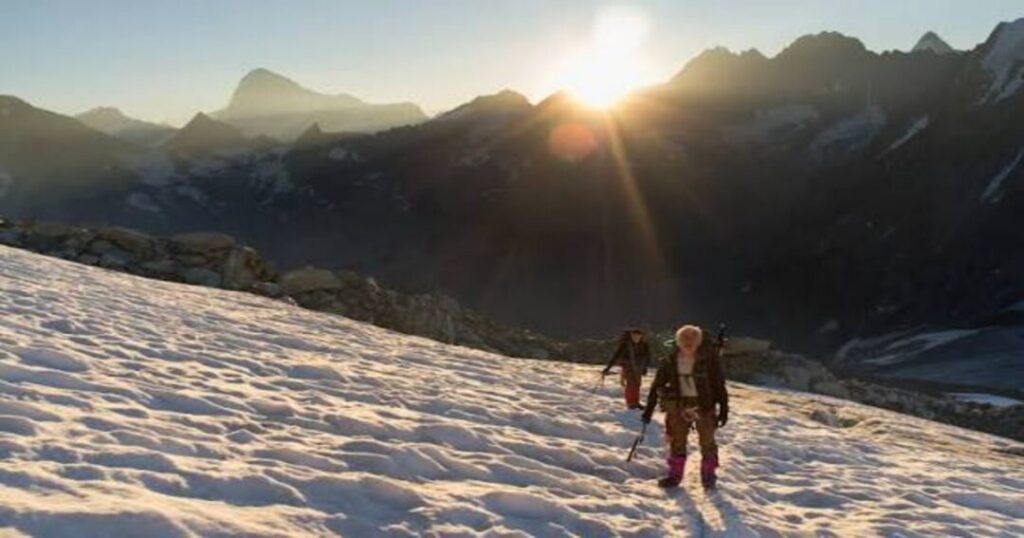
Roopkund’s trekking window is narrow because of its altitude, so timing matters more here than on lower treks:
- May to June: Meadows are green and full of wildflowers, with pleasant daytime temperatures of 10–18°C.
- September to October: The clearest skies and best mountain views, with cooler days around 8–15°C.
- July–August and winter: Avoid these — monsoon rain makes the trail dangerous, and winter snow makes the high sections impassable.
How to Reach Roopkund?
The trek begins at Lohajung village, and getting there takes some planning since it’s deep in the Chamoli hills.
- Nearest Airport: Jolly Grant Airport, Dehradun, roughly 300 km from Lohajung — there’s no direct transport from the airport, so you’ll need to continue by road or rail from Dehradun city.
- Nearest Railway Station: Kathgodam Railway Station is the more practical option at around 216 km from Lohajung, roughly an 8-hour drive by shared taxi.
- By Road: Most trekkers travel via Rishikesh, then on through Karnaprayag and Deval to Lohajung — a journey of about 258 km that takes roughly 10 hours by bus or private vehicle.
Also Read: Himalayan Treks for Beginners: Top 10 Easy Treks in India
Conclusion: Planning Your Roopkund Trek
A Roopkund trek combines a genuinely difficult high-altitude climb with one of India’s strangest unsolved mysteries, and after eight years of closure, it’s finally accessible again. Keep these points in mind:
- Trek in May–June or September–October; avoid monsoon and winter entirely.
- Budget around ₹19,400+ per person for the core package, plus transport and insurance.
- Take the acclimatization stops at Bedni Bugyal seriously — this is where most altitude problems start.
- Confirm current permit and camping arrangements with your operator given the 2026 policy change.
Make every adventure count — get the Explurger app before you go.
Once Roopkund is behind you, Uttarakhand’s other high-altitude treks are worth exploring while the season lasts.
FAQs About Roopkund Trek
2. How much does the Roopkund trek cost?
Most operators price the core Lohajung-to-Lohajung package at approximately ₹18,450 to ₹18,500 plus 5% GST, totaling roughly ₹19,400 to ₹19,425 per person. This typically covers camping, meals, and trek leaders, but excludes insurance, transport to the base camp, and optional offloading services, so budget an additional few thousand rupees for those.
3. What is the height of the Roopkund trek?
The trek climbs from Lohajung at 7,550 ft to approximately 15,750 ft near Roopkund Lake via the Junargali Ridge, with the lake itself sitting close to 16,500 ft. That elevation gain over just a few days is what makes acclimatization and pacing so important on this particular route.
4. How difficult is the Roopkund trek?
It's rated moderate to difficult and is generally not recommended for complete beginners. The combination of high altitude, cold temperatures, rocky and snow-covered terrain near the summit, and a real risk of altitude sickness means prior trekking experience and good baseline fitness make a meaningful difference.
5. What is the mystery of Roopkund skeleton lake?
Roopkund contains skeletal remains from more than 300 people, originally attributed to a single 9th-century hailstorm based on skull injuries. A 2019 genetic study overturned that theory, showing the remains actually belong to at least three distinct groups from different time periods and ancestries, meaning people died there across roughly a thousand years, not in one event.
6. When is the best time for the Roopkund trek?
May to June and September to October are the two recommended windows, offering stable weather and clear high-altitude visibility. Avoid the monsoon months of July and August, when trails become dangerously slippery, and avoid winter, when heavy snow makes the upper sections impassable for most trekking groups.