
861 Total Views
Camping in India isn’t one experience — it’s at least three. There’s high-altitude Himalayan camping where the challenge is altitude sickness and sub-zero nights, there’s South India’s plantation and beach camping where the challenge is mostly just picking a spot, and there’s desert camping in the Rann of Kutch, where you’re pitching a tent within sight of an international border. This list of top 10 camping places in India covers all three, and — because a lot of “camping guides” gloss over this — it tells you honestly which spots let you actually pitch your own tent, and which ones require booking a managed camp because of permits, safety, or conservation rules.
Bookmark the ones that catch your eye to your Explurger Bucket List as you read, so you’ve got a running list to work through rather than trying to remember ten names at once.
Top 10 Mountain Camping in India: The Himalayan Picks
1. Spiti Valley, Himachal Pradesh — Self-Camping Friendly
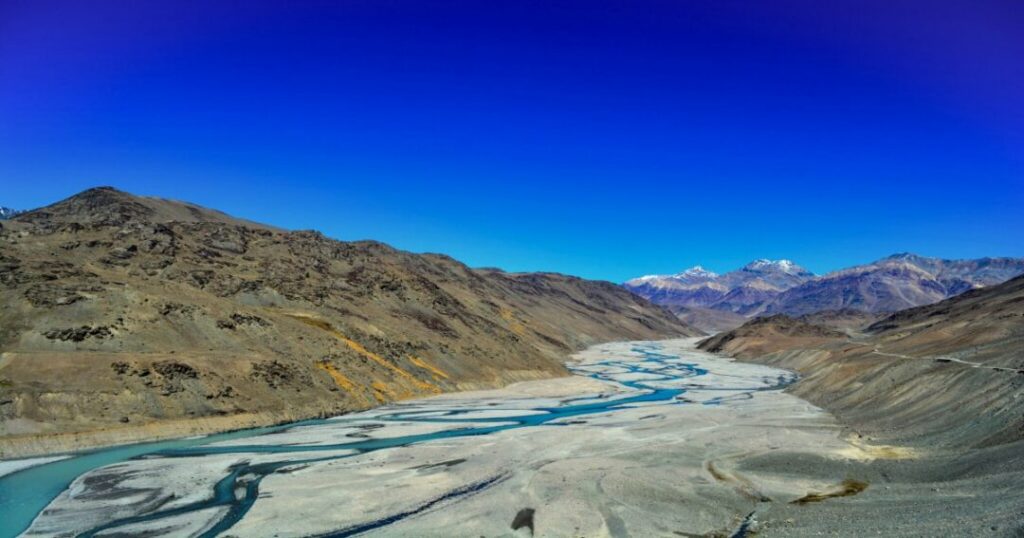
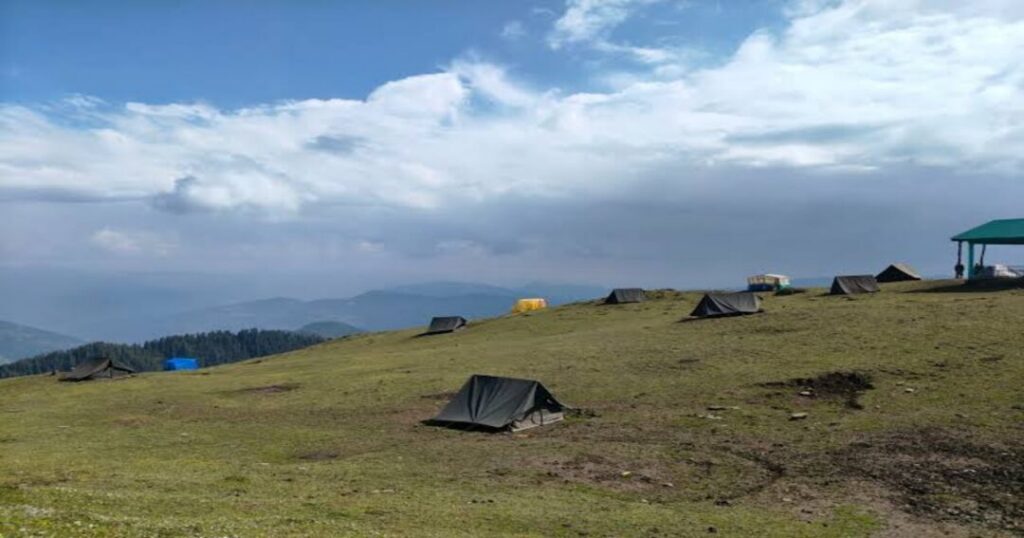
Spiti remains one of the last places in the Indian Himalayas where self-camping is still genuinely straightforward, provided you come prepared. Sitting at an average altitude of around 4,000 metres, it demands real acclimatization — spend a day or two in Kaza before pushing further, stay hydrated, and know the signs of altitude sickness (headache, nausea, breathlessness) before you go. The Kunzum Pass, Spiti’s main high-altitude gateway, typically opens between late May and mid-June and closes again by late October under heavy snowfall, so the self-camping window is genuinely seasonal. [STAT: Kunzum Pass, the main access route into upper Spiti, is typically open only from late May/early June through late October each year due to snowfall.]
Also Read: Spiti in Winters: A Complete Guide to the White Desert Experience
2. Chandratal Lake, Himachal Pradesh — Managed/Regulated
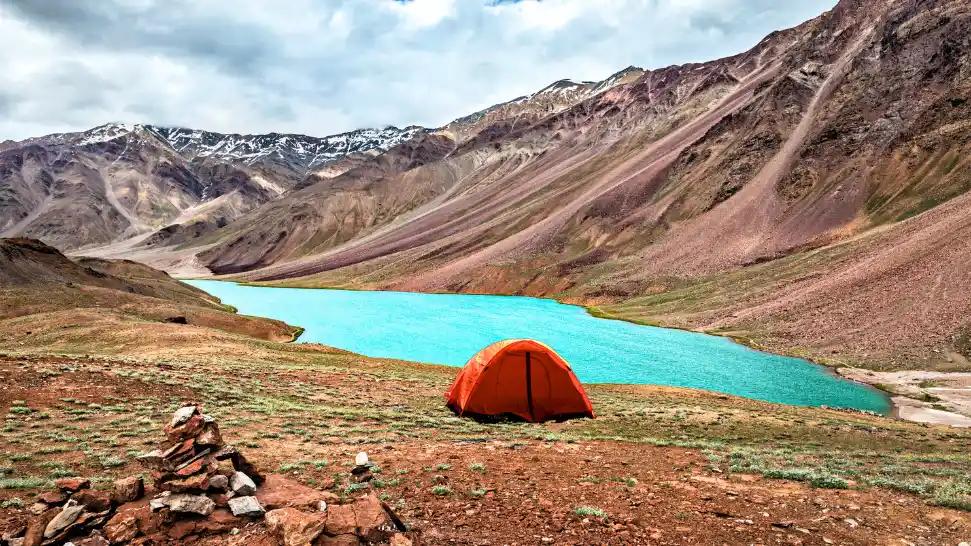
Chandratal is one of the most photographed camping spots in India, and also one of the clearest examples of a location that used to allow lakeside self-camping and no longer does. Following heavy littering and ecological damage from unregulated tourism, local authorities banned camping within roughly 3 km of the lake itself, pushing all camps to designated sites along the approach road instead. If you’re planning to camp here, book a designated site rather than assuming you can pitch up at the water’s edge.
3. Pangong Tso and Nubra Valley, Ladakh — Managed/Regulated
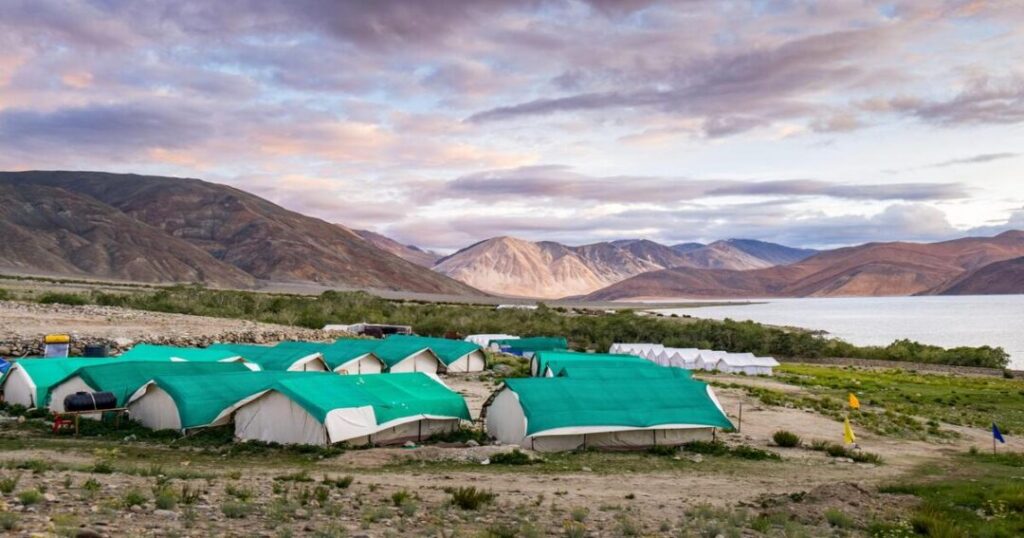
Both of Ladakh’s most iconic camping backdrops require an Inner Line Permit (ILP) for Indian citizens or a Protected Area Permit (PAP) for foreign nationals, issued through the Deputy Commissioner’s office in Leh. Camping near Pangong Tso itself is tightly regulated, and most visitors camp through registered operators rather than pitching independently. Foreign travelers should also note that solo foreign trekkers aren’t permitted in some restricted zones — a minimum group size of two is generally required. [STAT: Visiting Pangong Tso, Nubra Valley, or Hanle requires an Inner Line Permit for Indian citizens or a Protected Area Permit for foreign nationals, issued through Leh’s Deputy Commissioner’s office.]
Also Read: 10 Offbeat Places to Visit in Ladakh
4. Rishikesh, Uttarakhand — Managed/Regulated
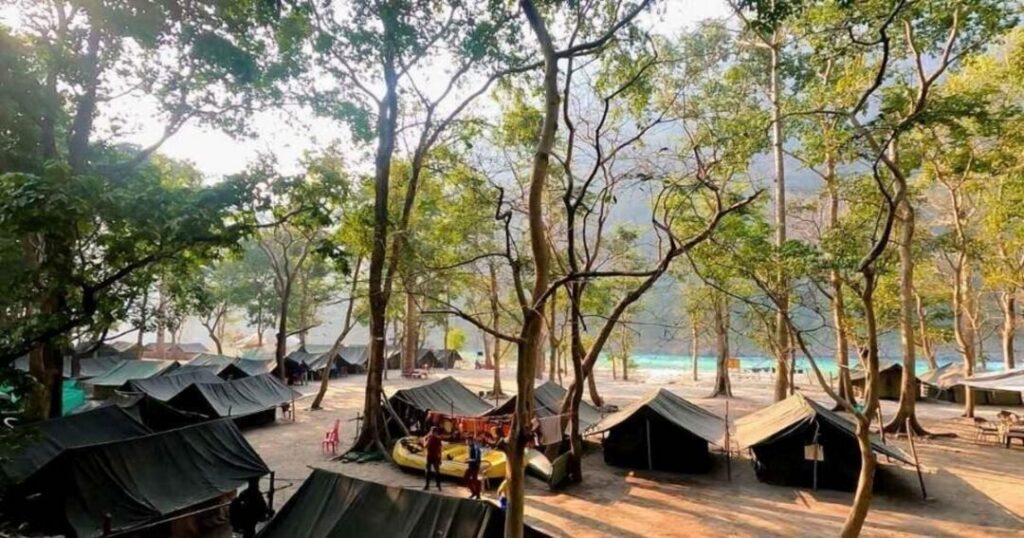
River-bank camping along the Ganga near Rishikesh went through a genuine legal back-and-forth: the National Green Tribunal banned it outright in December 2015 over pollution concerns, before eventually approving camping at 25 specific sites, provided operations stay eco-friendly and at least 100 metres from the river’s edge. If a camp offers you a spot right on the sand next to the water, that’s likely outside the legally permitted zone — stick to operators working within the NGT-approved sites.
Also Read: Things to Do in Rishikesh: Beyond the Rafting Circuit
Best Camping Places in South India
5. Coorg, Karnataka — Managed
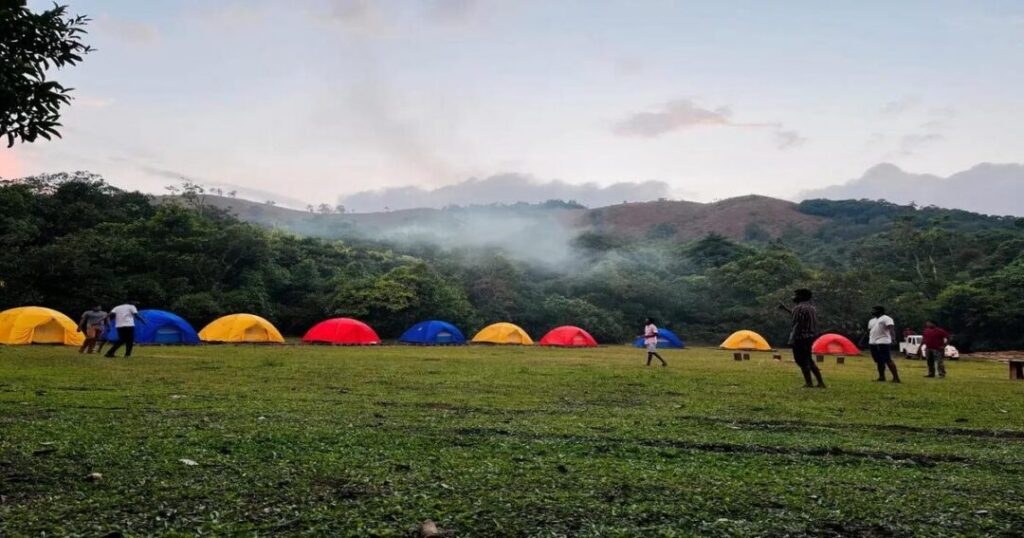
Coorg’s camping scene centers almost entirely around working coffee estates, with tented stays set up directly among the plantations, often paired with waterfall treks and estate tours. These are consistently managed setups run by homestays and estate owners rather than open self-camping spots, but the plantation setting more than makes up for the lack of independence.
Also Read: Places to Visit in Coorg: The Complete Guide to Kodagu’s Best Experiences
6. Munnar, Kerala — Managed
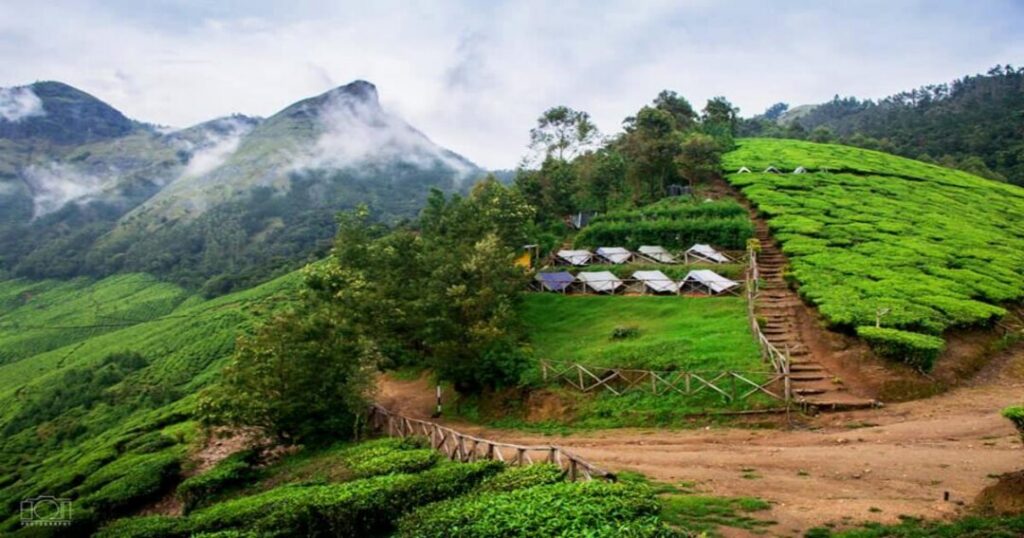
Munnar’s camps sit among its rolling tea estates, generally arranged around attractions like Echo Point, Mattupetty Dam, and Eravikulam National Park. As with Coorg, expect managed tented stays rather than open ground for a personal tent — Munnar’s estate land is privately managed, which rules out casual independent camping.
Also Read: Things to Do in Munnar: Top 10 Experiences for a Scenic Kerala Trip
7. Wayanad, Kerala — Managed
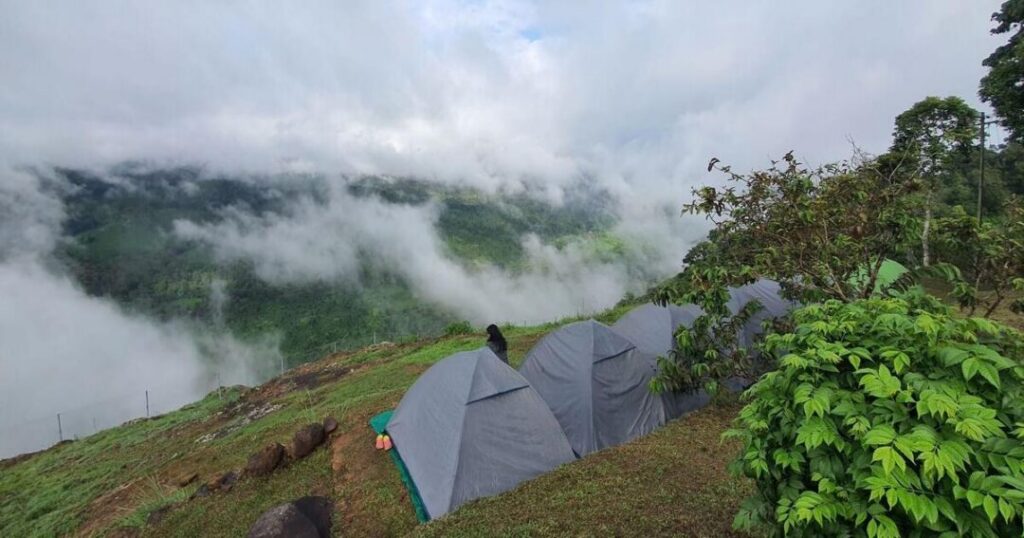
Wayanad blends forest and plantation camping, with several camps positioned near the Nagarahole Tiger Reserve border and Wayanad’s own wildlife sanctuary land. Given the proximity to protected wildlife areas, camping here runs through organized operators rather than independent setups, both for safety and because of the sanctuary’s own access restrictions.
8. Kudremukh, Karnataka — Managed Only, No Independent Camping
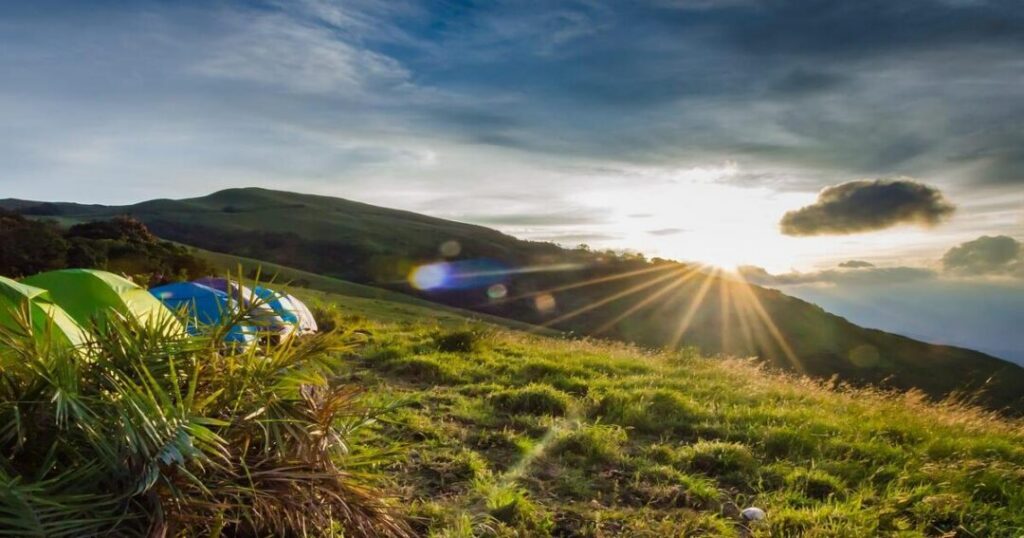
It’s worth being direct here: camping is not permitted inside Kudremukh National Park at all, since the trek route runs through a protected biodiversity zone requiring an official Karnataka Forest Department permit through the Aranya Vihaara portal. Trekkers wanting an overnight stay near Kudremukh should book a homestay tent stay at the trailhead instead — camping on the park grounds itself can result in real penalties, not just a stern warning. [STAT: Karnataka Forest Department rules prohibit camping inside Kudremukh National Park entirely; overnight stays are limited to homestay tent setups at the trailhead outside the park boundary.]
Also Read: Kudremukh Trek: Everything You Need to Know Before Conquering Karnataka’s Iconic Peak
9. Gokarna, Karnataka — Self-Camping Friendly
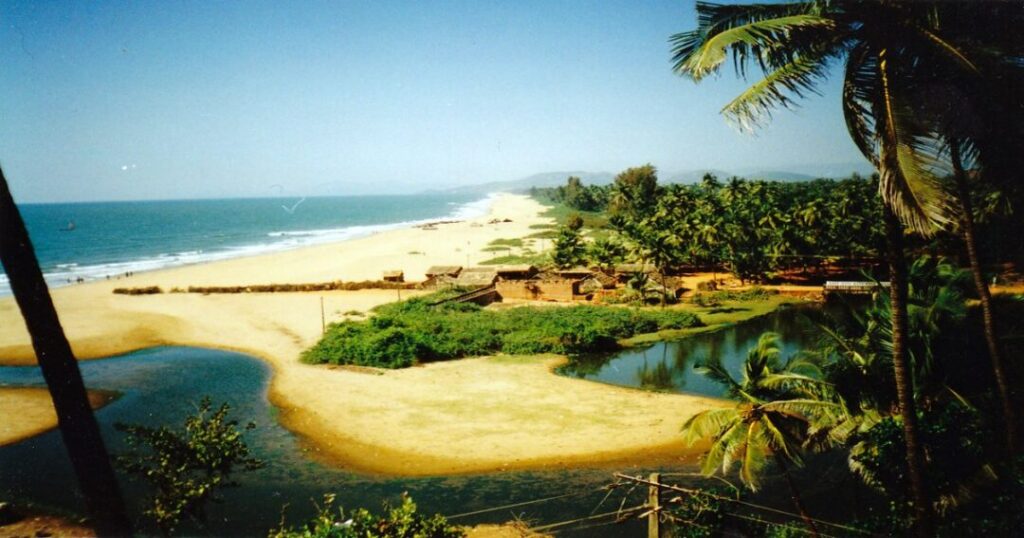
Gokarna is the rare entry on this list that’s both genuinely South Indian and genuinely beach camping, and it remains one of the more relaxed self-camping spots in the country. Om Beach, Kudle Beach, and Half Moon Beach are the usual choices for pitching a personal tent, and while camping here isn’t formally regulated with permits, it’s worth planning around tides, basic security, and cleaning up after yourself — local authorities have periodically tightened enforcement during peak season, so treat “tolerated” as exactly that rather than a permanent guarantee.
Desert Camping: Rann of Kutch, Gujarat — Managed
10. Rann of Kutch, Gujarat
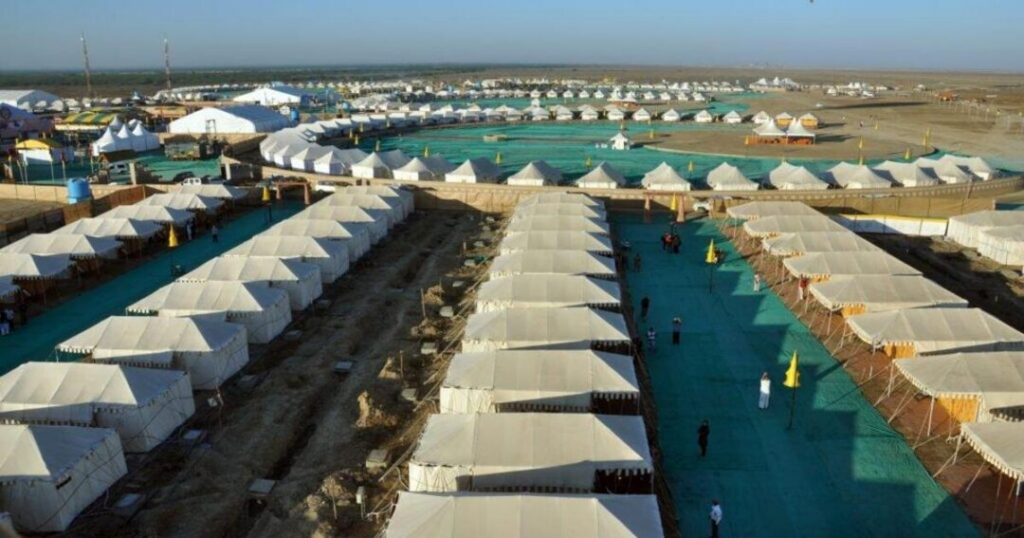
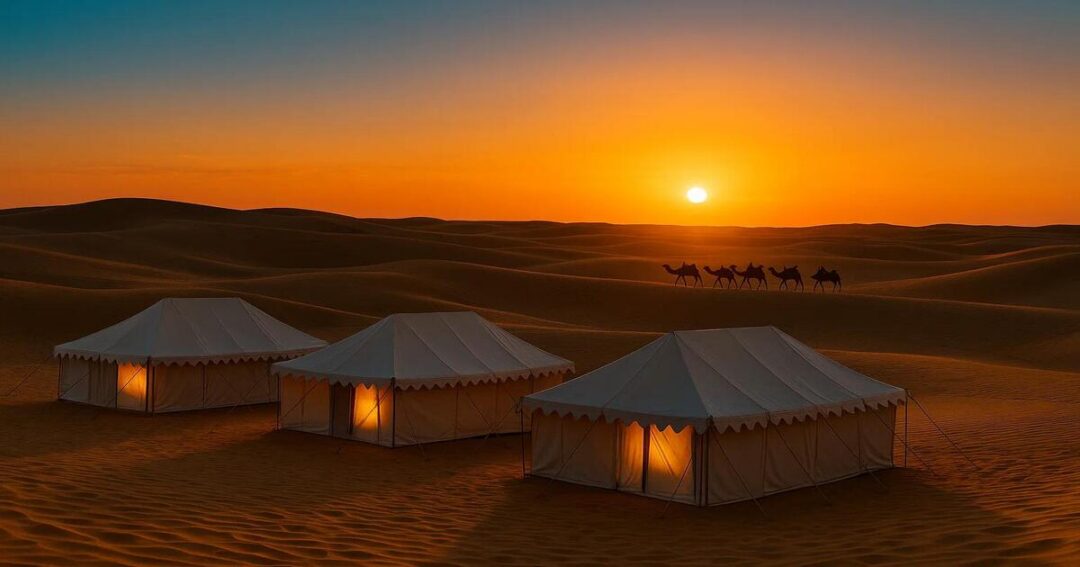
No list of India’s best camping destinations feels complete without the White Rann’s tent city. Run officially as Rann Utsav, the season typically stretches from early November through early March, with accommodations ranging from simple furnished tents to elaborate rajwadi-style suites. Because the Rann sits close to the India-Pakistan border, entry into the white desert area itself requires a permit, collected at the Bhirandiyara check post or the Bhuj DSP office — this isn’t a spot for independent, permit-free camping, but it’s arguably the single most distinctive camping experience in the country. [STAT: The Rann Utsav tent city season runs roughly from November 1 through early March each year, and entry into the White Rann requires a border-area permit due to its proximity to the India-Pakistan border.]
Also Read: Places to Visit in Gujarat: From Ancient Cities to Salt Deserts
Self Camping Places in India: What “Self Camping” Actually Means Here
Out of this list, Spiti Valley and Gokarna are the two spots where pitching your own tent without booking a managed setup is realistically straightforward. Everywhere else — Chandratal, Pangong Tso, Rishikesh, Coorg, Munnar, Wayanad, Kudremukh, and the Rann of Kutch — involves either a hard camping ban (Kudremukh), a designated-zone requirement (Chandratal, Rishikesh), a permit system (Ladakh, Rann of Kutch), or privately managed estate land (Coorg, Munnar, Wayanad).
That’s not a bad thing — managed camps often mean better safety, easier logistics, and less environmental impact in fragile ecosystems — but it does mean the fantasy of pitching a tent wherever looks good is only realistic at a couple of spots on this list.
Trying to figure out which of these fits your comfort level and travel dates? NIVU AI inside the Explurger app can weigh your experience level and preferences against this list and suggest a more personalized starting point than a generic “top 10” ranking would.
What is the Best Time to Go Camping in India?
Timing depends entirely on which region you’re headed to. Himalayan spots like Spiti and Ladakh are only accessible roughly June through October, once mountain passes clear of snow; camping outside this window generally isn’t an option regardless of permits. Rishikesh works comfortably through the cooler months, October to March, avoiding both monsoon flooding and peak summer heat. South India’s Coorg, Munnar, and Wayanad are pleasant most of the year but especially so from October to March, once the monsoon eases. Gokarna’s beaches are best avoided during monsoon (roughly June to September) for both weather and safety reasons. The Rann of Kutch is strictly a winter destination, with its tent city season running November through early March and the desert becoming punishingly hot outside that window.
How to Book and Get Permits for Camping in India?
The permit process varies enough by region that it’s worth tracking separately for each trip:
- Karnataka forest treks (Kudremukh and similar routes): Book through the Aranya Vihaara portal (aranyavihaara.karnataka.gov.in) in advance; camping inside protected park boundaries is not permitted regardless of booking.
- Ladakh (Pangong Tso, Nubra Valley, Hanle): Apply for an Inner Line Permit (Indian citizens) or Protected Area Permit (foreign nationals) through Leh’s Deputy Commissioner’s office or the online portal, typically arranged through a registered operator.
- Rishikesh river camping: Book only through operators working within the NGT-approved 25-site list, kept at least 100 metres from the riverbank.
- Chandratal Lake: Book a designated campsite along the approach road rather than assuming lakeside camping is available.
- Rann of Kutch: Secure your border-area entry permit at the Bhirandiyara check post or Bhuj DSP office, ideally arranged as part of your Rann Utsav tent booking.
Conclusion About Best Camping Destinations in India
Whether you’re after Spiti’s self-camping freedom, Gokarna’s beach nights, or the sheer spectacle of the Rann Utsav tent city, these best camping destinations in India cover the full range — you just need to know which ones hand you a blank stretch of ground and which ones hand you a permit form first. Save your shortlist to your Explurger Bucket List while you plan, and once each trip is done, log it as an Explurge-in — your Automatic Travelogue will keep every campsite mapped long after the tent’s packed away. Plan your next camping trip smarter with Explurger.
FAQs About the Best Camping Destinations in India
2. Is camping allowed at Chandratal Lake?
Ecological damage from unregulated tourism, camping within roughly 3 km of Chandratal itself is banned, and all camps now operate from designated sites along the approach road instead. It's one of the clearest examples of a once-open self-camping spot that shifted to a managed, regulated system.
3. Do I need a permit to camp near Pangong Tso or Nubra Valley?
Yes. Both areas require an Inner Line Permit for Indian citizens or a Protected Area Permit for foreign nationals, issued through Leh's Deputy Commissioner's office. Camping near Pangong Tso is tightly regulated, and most visitors go through registered operators rather than camping independently, with some restricted zones requiring a minimum group size for foreign travelers.
4. Can you camp inside Kudremukh National Park?
No. Camping is not permitted anywhere inside Kudremukh National Park, since the entire trek route runs through a protected biodiversity zone under Karnataka Forest Department rules. Trekkers wanting to stay overnight near the trek should book a homestay tent stay at the trailhead instead, outside the park boundary.
5. What are the best camping places in South India?
Coorg and Munnar offer managed camping amid coffee and tea plantations, Wayanad combines forest and plantation camping near wildlife sanctuary land, Kudremukh offers trailhead homestay tent stays (not in-park camping), and Gokarna's beaches — Om, Kudle, and Half Moon — remain the region's most genuinely self-camping-friendly option.
6. Is beach camping allowed in Gokarna?
Yes, camping is widely practiced on Om Beach, Kudle Beach, and Half Moon Beach, and it's generally tolerated rather than formally regulated with permits. That said, enforcement has periodically tightened during peak season, so it's worth planning around tides, basic security, and cleaning up rather than assuming the current relaxed approach is permanent.