
525 Total Views
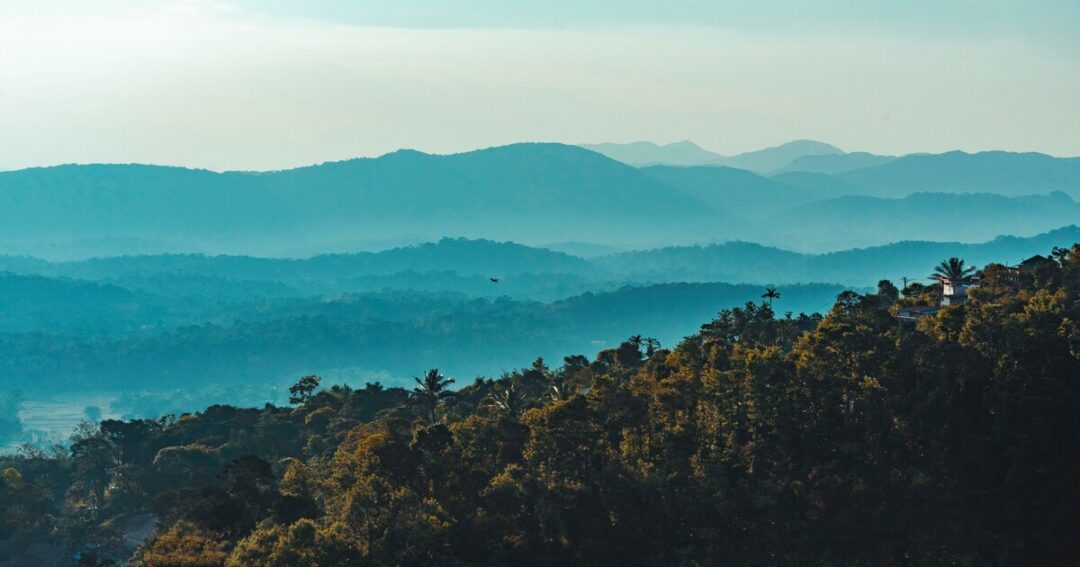
Coorg—officially Kodagu in Karnataka’s administrative records, from the Kodava word meaning “western place”—is the kind of destination that keeps pulling people back. At an average elevation of around 1,000–1,525 meters in the Western Ghats, it is cooler than the surrounding plains year-round. It is India’s most significant coffee-growing region. It is the birthplace of the Kaveri River. And it is home to the Kodava—a distinctive martial community with a warrior tradition, their own language (Kodava Takk), their own food culture, and a relationship with their land that goes back over a thousand years.
Most guides to places to visit in Coorg tell you Abbey Falls, Raja’s Seat, and the Dubare elephant camp. These are not wrong. But Coorg is deeper and quieter and more interesting than the standard circuit suggests—particularly if you know which season to come in and where to look beyond the obvious.
Best Season to Explore the Top Places to Visit in Coorg?
“The best time to visit Coorg” is one of the most searched questions about the destination—and the answer is genuinely season-dependent based on what you want.
October to February — The Best Overall Window
This is the best season to visit Coorg, Karnataka, for most travelers. The southwest monsoon has retreated, the hills are still vivid green from the rains, the coffee estates are at their most beautiful (harvest season runs from November through January—the red coffee cherries against the dark green foliage is one of the finest sights in the region), and temperatures range from a comfortable 8°C to 25°C. October and November offer the freshest post-rain landscape; December and January are the coolest and most pleasant for trekking and outdoor activities.
- Coffee harvest season: November to January — the best time to travel Coorg if you want to see and experience the harvest
- Trekking: October to February is ideal—trails are dry, skies are clear, and the forest is at its most accessible
- Crowds: December and January are peak season—book accommodation well in advance
March to May — Warm, Quieter, and Underrated
This is an underrated window for Coorg as a tourist destination. The temperature rises (20°C–35°C at lower elevations, cooler in the hills), but the crowds thin dramatically from peak season. The coffee estates are in bloom from March to April — white, jasmine-like flowers covering the estate in a fragrance that is one of Coorg’s most distinctive sensory experiences. If you want Coorg without the December crowds, March and April are excellent.
- Coffee blossom season: March to April — brief but extraordinary; the scent of coffee flowers is unmistakable
- Waterfalls like Abbey Falls are at low or nil flow in summer—plan accordingly
- Accommodation is significantly cheaper and more available
June to September—Monsoon Magic (For the Right Traveller)
The southwest monsoon arrives in Coorg in early June and brings heavy, sustained rainfall through September. Coorg receives some of the heaviest monsoon rainfall in Karnataka — annual rainfall averages over 2,500 mm in some areas, with some valleys receiving over 6,000 mm. During the monsoon, Abbey Falls is at full, thundering power. The hills are impossibly green. Mist sits in the valleys. The forest comes fully alive.
However, this is not the window for trekking (leeches, slippery trails, reduced visibility); driving on hilly roads is more demanding, and some accommodation closes. It is the window for those who want Coorg at its most raw and dramatic — and for photographers who want the landscape at its most vivid.
- The best time to go Coorg for waterfalls is July–August
- Leeches are unavoidable on forest trails during monsoon—prepare accordingly
- The coffee estates look extraordinary in the rain but plantation visits may be limited
Also Read: Discover the Best Places to Visit in India this Monsoon Season in July
Nature & Outdoors — The Heart of Coorg
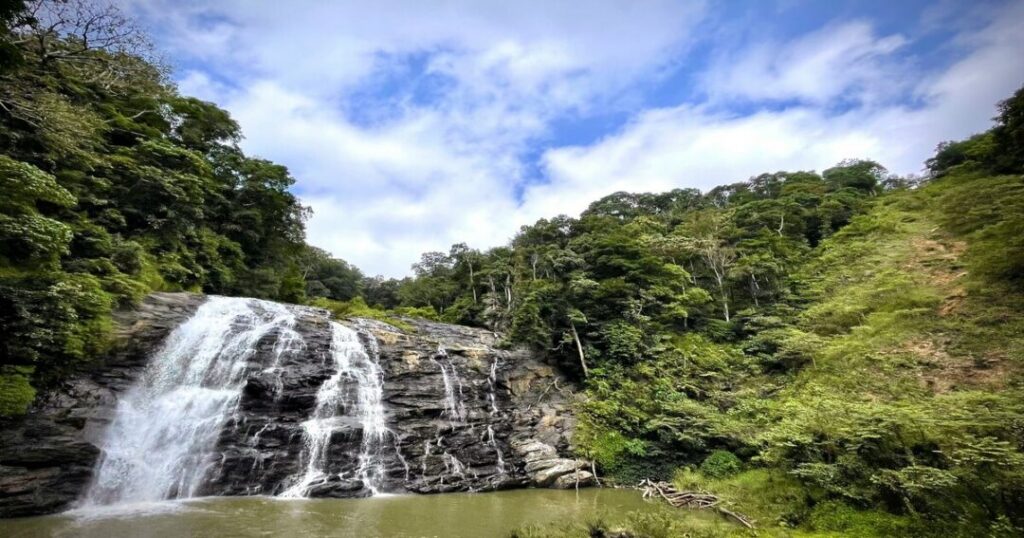
Abbey Falls — The Crowd Favourite, Worth It at the Right Time
Abbey Falls near Madikeri is the most-visited waterfall in Coorg — a 70-foot cascade of the Kaveri tributary set in dense coffee and spice plantations. The viewing platform gives a frontal view of the falls. In monsoon (July–August), it is genuinely spectacular—a full, roaring waterfall surrounded by vivid green. In summer (April–May), it is often reduced to a trickle.
- Best visited early morning to beat the crowd
- Entry fee applicable; the walk from the parking area to the falls is approximately 600 metres through coffee estate land
- Best season for Abbey Falls: July to February; avoid April–May when flow is minimal
Talacauvery — The Source of the Kaveri
Talacauvery, at approximately 1,280 meters on the Brahmagiri range in the Brahmagiri Wildlife Sanctuary near Bhagamandala, is the sacred source of the Kaveri River—one of South India’s most significant rivers. A small tank fed by a natural spring marks the point where the Kaveri traditionally emerges from the earth. Steps lead up the hill to a viewpoint with sweeping views of the Western Ghats valleys.
The cultural significance is profound—the Kaveri is a sacred river for both Karnataka and Tamil Nadu, and the Tula Sankramana festival (when the sun transitions into Libra, typically in mid-October) sees the spring at Talacauvery believed to overflow, drawing massive pilgrim crowds.
- The climb to the Brahmagiri peak viewpoint from Talacauvery (approximately 6 km, 3–4 hours round trip) is one of the finest easy treks in Coorg—cloud forest, excellent birdwatching, views of Kerala and Karnataka simultaneously
- Bhagamandala, 8 km below Talacauvery, is the triveni sangama where the Kaveri, Kannike, and Sujyoti rivers meet—a significant pilgrimage site with a well-maintained temple complex
- Best time: October to February for the trek; mid-October for the Tula Sankramana festival
Nagarhole National Park (Rajiv Gandhi National Park) — Tiger Country
Nagarhole National Park, bordering Coorg’s eastern edge, is one of the finest wildlife reserves in South India — part of the Nilgiri Biosphere Reserve and connected to Bandipur, Wayanad, and Mudumalai in a vast wildlife corridor. The park is home to tigers, leopards, elephants, gaur (Indian bison — the world’s largest bovid), dholes (wild dogs), sloth bears, and over 270 species of birds.
- Safari options include jeep safaris and boat safaris on the Kabini Reservoir (the latter is one of the finest wildlife experiences in India—the dry season congregation of wildlife at the Kabini riverbank is extraordinary)
- Best season for Nagarhole: October to May; the park closes during peak monsoon
- The Kabini area (approximately 85 km from Madikeri) is technically in Mysore district but is the primary gateway for wildlife experiences connected to the Coorg circuit
Coffee Estates & Plantation Culture
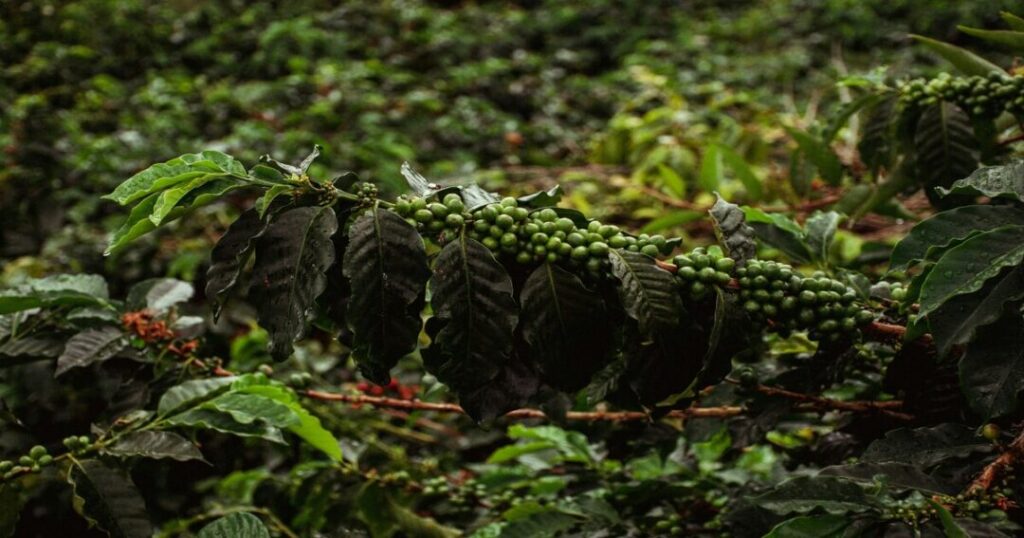
Coorg produces approximately one-third of India’s total coffee output—making it the single most important coffee-growing district in the country. Both Arabica and Robusta varieties are grown here at different elevations: Arabica at higher altitudes (above approximately 1,000 meters) for its more nuanced, acidic flavor; Robusta at lower elevations for its heavier body and higher caffeine content.
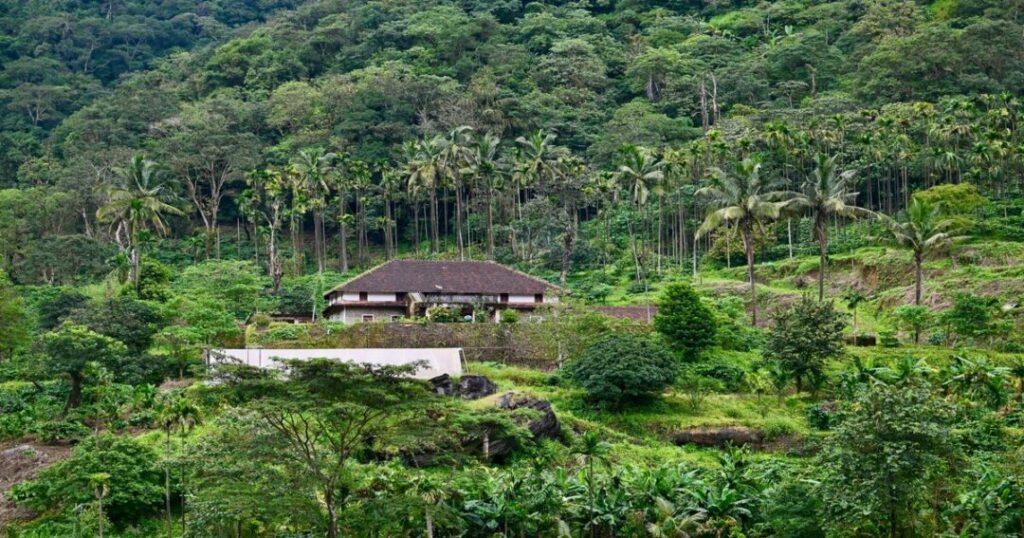
The coffee estate system here is not merely agricultural—it is cultural. The Kodava landholding system, historically organized around family estates (okka—clan homesteads), meant that coffee cultivation was integrated into a broader agricultural landscape of pepper vines, cardamom, vanilla, and areca nut. Walking through a working estate is walking through a multi-layered canopy: shade trees above, coffee plants mid-height, pepper vines climbing the shade trees, and cardamom on the forest floor.
What to do on a coffee estate visit:
- Walk the estate in the morning when the birds are active and the light is best in the canopy
- Ask about the difference between Arabica and Robusta—most estate owners can walk you through the difference in cherry size, leaf shape, and growing conditions
- Coffee harvest (November–January) is the most active period; cherry-picking and processing demonstrations are available at most estate homestays
- The coffee blossom (March–April) produces a jasmine-like scent that fills entire valleys—plan a visit for this if you want the olfactory experience
Also Read: Places to Visit in Karnataka: 20 Best Karnataka Tourist Spots for Every Kind of Traveller
Kodava Culture & Heritage — Coorg’s Living Tradition
Madikeri (Mercara) — The District Headquarters
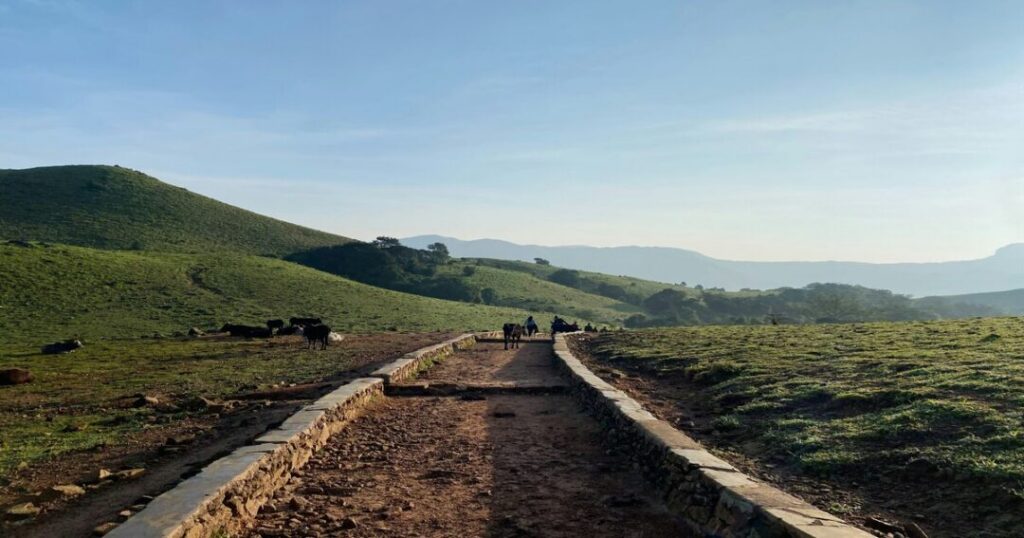
Madikeri (or Mercara, as it was known in the British period) is Coorg’s main town, set at approximately 1,525 meters in the hills. The town is compact and walkable, with a 19th-century fort (Madikeri Fort, rebuilt in its current form by Tipu Sultan and later by the Kodava king Lingarajendra), an Omkareshwara Temple (a unique hybrid of Hindu and Islamic architecture, built in 1820), and Raja’s Seat—a garden viewpoint where the Kodava kings are said to have watched the sunset over the valley, with a double-tiered valley view toward the plains.
Madikeri Fort — originally a mud fort built in the 17th century, later reconstructed in stone — now houses a museum, a church, and government offices. The fort’s history involves multiple political transitions: from the Haleri dynasty (who ruled Coorg from approximately 1600 to 1834) through Tipu Sultan’s brief occupation to British annexation in 1834 after the Coorg War.
Omkareshwara Temple is one of Coorg’s most architecturally unusual heritage sites—the temple’s structure combines a Gothic-influenced tower with Islamic-style domes, reflecting the multiple cultural and political influences on Coorg’s history. Built in 1820 by Lingarajendra II, it sits beside a large tank and is an active place of worship.
- Both Madikeri Fort and Omkareshwara Temple are in the town centre and easily walkable
- Raja’s Seat is best at sunset—the view of the mist rolling in over the valley is one of Coorg’s defining experiences
- The Madikeri market on weekday mornings is one of the best places in Coorg to find fresh spices, coffee, and local produce
Kodava Culture — What to Know Before You Go
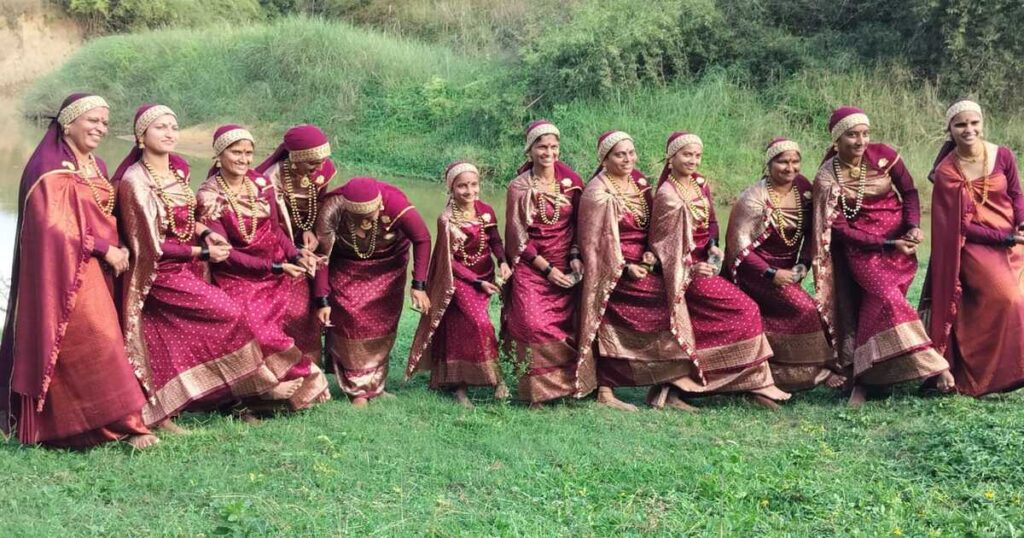
The Kodava are the dominant indigenous community of Coorg — historians agree that the Kodavas have lived in Kodagu for over a thousand years and are the earliest agriculturists and probably the oldest settled inhabitants of the area. They are a warrior community with a tradition of bearing arms (Kodavas have historically been exempt from the Arms Act—they can carry traditional weapons), their own language (Kodava Takk, a South Dravidian language), and a distinctive food culture centered on rice, pork, and the native spice pepper.
Key Kodava cultural elements a visitor will encounter:
- Kodava pandi curry (pork curry) — slow-cooked with black pepper and Kodava spice mixes; the most celebrated dish of the community
- Kodava puthari — the new rice harvest festival (approximately November–December), when the community performs traditional music and dance; one of the finest cultural events in Coorg
- The okka system—clan-based family homesteads that organise Kodava social life and land ownership; many of these have been converted into homestays
Trekking — The Trails That Most Visitors Don’t Take
Tadiandamol—The Highest Peak in Coorg
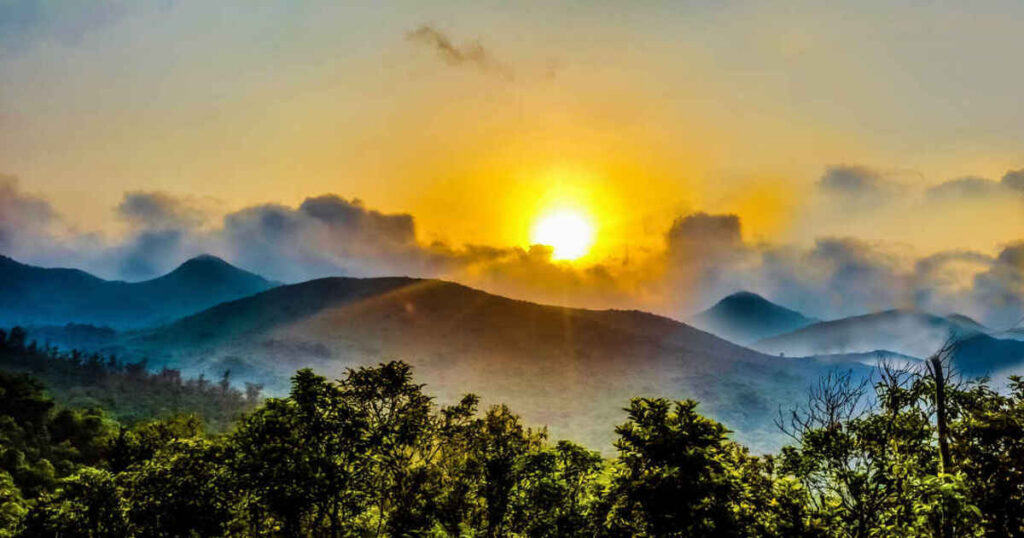
At 1,748 meters (5,735 feet), Tadiandamol is the highest peak in Coorg and one of the finest accessible trekking summits in the Western Ghats. The trail begins at Kakkabe village (approximately 35 km from Madikeri) and climbs through shola forest and grassland to an open summit ridge with sweeping views across the Coorg hills toward Kerala.
- Trek distance: Approximately 7 km one way; 3–4 hours ascent
- Difficulty: Moderate — suitable for fit beginners
- Best time: October to February; monsoon brings leeches and reduced visibility
- The shola forest on the approach is excellent for birdwatching—the Nilgiri flycatcher, Malabar whistling thrush, and various Western Ghats endemics are regularly seen
- Permits required from the forest department at Kakkabe
Brahmagiri Peak — Cloud Forest Above Talacauvery
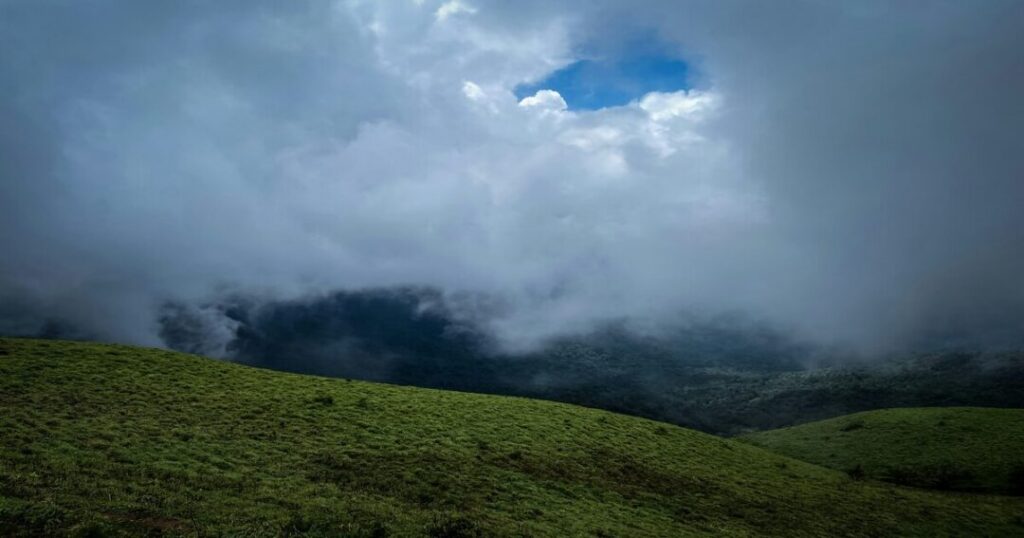
As already mentioned under Talacauvery, the Brahmagiri peak trail from the Talacauvery temple area is one of Coorg’s finest treks. The Brahmagiri Wildlife Sanctuary sits at the tri-junction of Karnataka, Kerala, and Coorg—the summit view encompasses all three. The shola grassland ecosystem here is home to Nilgiri tahrs (a mountain ungulate endemic to the Western Ghats), elephants, and an extraordinary density of birds.
- Trek distance: Approximately 6 km one way; 3–4 hours
- Altitude gain: ~800 m from Talacauvery to summit
- Best time: October to March; closed or restricted during monsoon
Iruppu Falls—The Waterfall in the Wildlife Sanctuary
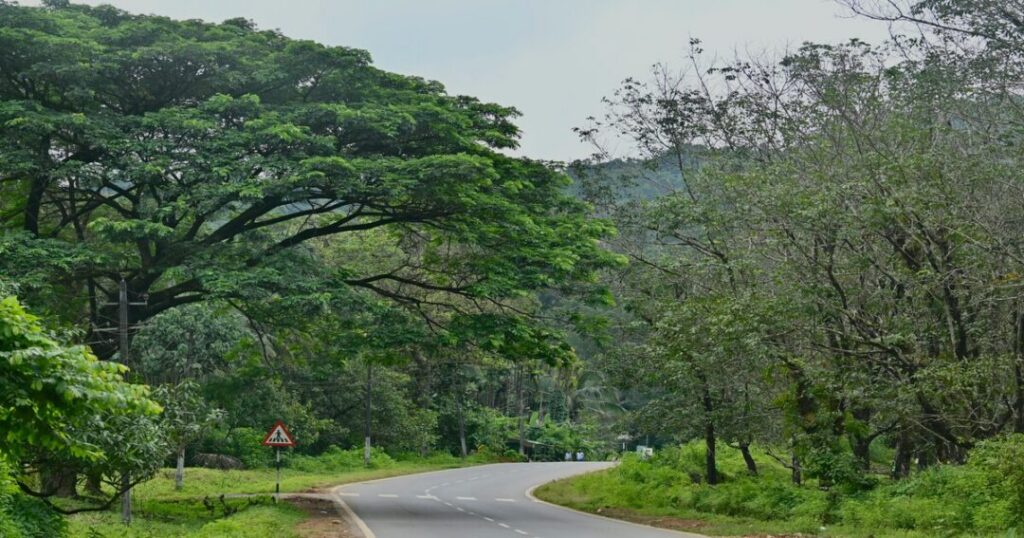
Iruppu Falls (also written Lakshmana Tirtha Falls) in the Brahmagiri Wildlife Sanctuary, approximately 83 km from Madikeri near the Kerala border, is a significantly more impressive and less visited waterfall than Abbey Falls. A short walk of approximately 1.5 km through forest from the car park leads to the falls, where the Lakshmana Tirtha River drops approximately 60 meters over a broad granite face. Elephants are regularly spotted on the forest road approaching the falls.
- Best in monsoon and immediately post-monsoon (July–November) when flow is maximum
- The approach road through the sanctuary passes through genuine wildlife habitat—drive slowly and watch the treeline
- The Rameshwara Temple at the base of the falls is a significant Shaiva pilgrimage site
Coorg’s Tibetan Settlement — Bylakuppe
Bylakuppe, approximately 70 km from Madikeri in the Coorg plains, is one of the largest Tibetan settlements outside Tibet in India — home to over 70,000 Tibetan refugees who began arriving here after the 1959 Tibetan exodus. The Namdroling Monastery (also called the Golden Temple for its gilded architecture) is the largest teaching center of the Nyingma lineage of Tibetan Buddhism in the world, featuring extraordinary gilded statues of Padmasambhava, Amitayus, and Shakyamuni Buddha reaching over 18 meters in height.
- Entry is free; the monastery is open daily; photography is permitted in the outer hall
- The Tibetan settlement around the monastery has its own bakeries, restaurants serving Tibetan food, and craft shops
- Bylakuppe is technically in Mysore district rather than Kodagu—an inner-line permit was previously required for foreign nationals; check current requirements before visiting
Conclusion about Places to Visit in Coorg
Coorg as a tourist destination rewards the traveler who understands its seasons and goes deeper than the standard circuit. Quick guide:
- Best season overall: October to February — green hills, coffee harvest, comfortable temperatures, best trekking
- For coffee blossom: March to April — jasmine-scented estates, fewer crowds
- For waterfalls: July to August (monsoon) — Abbey Falls and Iruppu at full power
- Nature: Tadiandamol trek (1,748 m), Brahmagiri trail, Nagarhole/Kabini wildlife, Iruppu Falls
- Heritage: Madikeri Fort, Omkareshwara Temple (1820, hybrid architecture), Raja’s Seat
- Culture: Kodava pandi curry, Puthari harvest festival, coffee estate walks
- Hidden gems: Bylakuppe/Namdroling Monastery (largest Nyingma centre in the world), Iruppu Falls, Bhagamandala triveni sangama
The best time to visit Coorg, Karnataka, is the one that matches what you’re looking for. The hills are good in every season — they just show you different things.
Download the Explurger app to discover what travellers actually recommend in Coorg, find hidden estate experiences and trek routes, and log every coffee cherry, waterfall, and forest trail on your trip.
The mist is already on the hills. The coffee is already brewing. Coorg is ready.
FAQs About Places to Visit in Coorg
2. What is the best time to visit Coorg?
The best season to visit Coorg is October to February — post-monsoon landscape is vivid green, coffee harvest runs November to January (red cherries, estate visits), temperatures are comfortable (8°C–25°C), and trekking conditions are ideal. March to April is excellent for coffee blossom season (jasmine-like fragrance) with fewer crowds. June to September (monsoon) is best for waterfalls (Abbey Falls and Iruppu Falls at full flow) but trails have leeches and road driving is more demanding. Avoid April–May if you want waterfalls — most are at minimal flow.
3. What is Coorg famous for?
Coorg as a tourist destination is famous for four things: coffee (approximately one-third of India's coffee comes from Kodagu), the Western Ghats landscape (mist, hills, shola forest, waterfalls), the Kodava people (a distinct warrior community with over 1,000 years of recorded history, their own language and food culture), and being the source of the Kaveri River (Talacauvery). It is also one of Karnataka's most biodiverse districts — part of the larger Nilgiri Biosphere Reserve wildlife corridor shared with Nagarhole, Bandipur, and Wayanad.
4. Is Coorg good for trekking?
Coorg has some of the finest accessible trekking in the Western Ghats. Tadiandamol (1,748 m, 7 km from Kakkabe, moderate difficulty, best October to February) is the most rewarding summit trek. The Brahmagiri peak trail from Talacauvery (6 km, shola forest, Nilgiri tahr habitat, views of three states) is equally excellent. Both require forest department permits. Monsoon treks (June–September) are not recommended due to leeches, slippery trails, and reduced visibility.
5. What is the Omkareshwara Temple in Coorg?
The Omkareshwara Temple in Madikeri is one of Coorg's most architecturally unusual heritage sites — built in 1820 by Kodava king Lingarajendra II, it combines Gothic-influenced tower architecture with Islamic-style domes, reflecting the multiple political influences on Coorg's history (including Tipu Sultan's brief occupation of Madikeri). The temple sits beside a large tank and is dedicated to Lord Shiva. It is one of the most distinctive examples of hybrid religious architecture in Karnataka.
6. How far is Coorg from Bengaluru?
Coorg (Madikeri, the district headquarters) is approximately 265–275 km from Bengaluru by road — approximately 5–6 hours depending on traffic and the route taken. The most common route is via Mysuru (NH275) and then into the hills. Direct buses run from Bengaluru's KSRTC terminal and private bus services also connect the two cities. It is one of the most popular weekend trips from Bengaluru, making Friday evening departures particularly busy — plan accordingly.