
36 Total Views
Planning a Europe trip and unsure where to start? Germany packs medieval castles, world-class museums, buzzing festivals, and stunning countryside into one country — and narrowing it down can feel overwhelming. The good news: you don’t need weeks to fall for it. This guide breaks down the best things to do in Germany, from Berlin’s landmarks to Bavaria’s fairy-tale castles, so you can build a trip that actually fits your time and interests. Whether you’re chasing history, beer gardens, or Alpine views, here’s where to begin.
Things to Do in Germany’s Best Cities in 2026
Germany’s cities are where most trips begin, and each one has its own personality. If you’re short on time, these three give you the widest mix of history, culture, and everyday German life.
Berlin: History You Can Walk Through
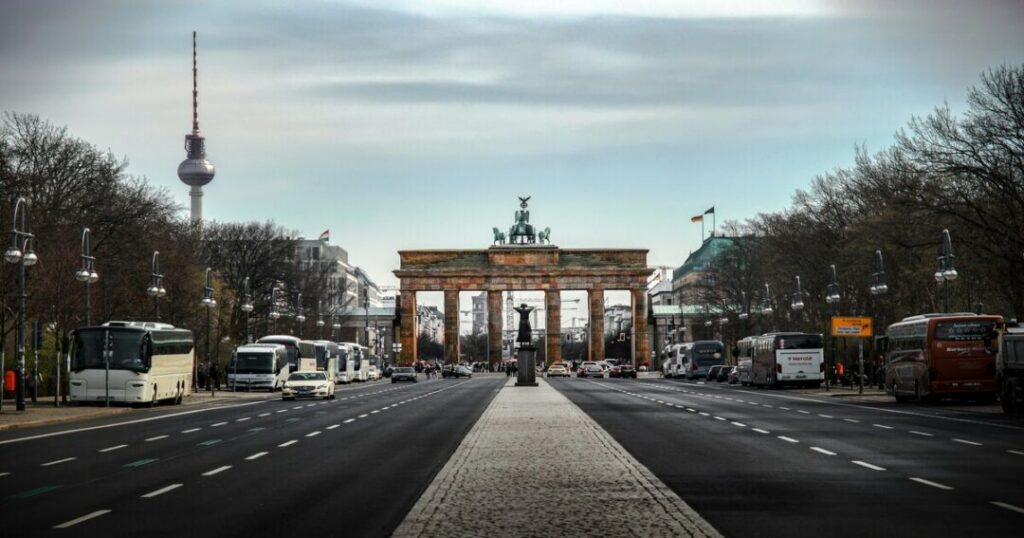
- Stand at the Brandenburg Gate, built between 1788 and 1791 by architect Carl Gotthard Langhans. For nearly three decades it sat behind the Berlin Wall, cut off from free movement, until it reopened on 22 December 1989 as the symbol of German reunification.
- Walk or cycle the East Side Gallery, a preserved stretch of the Berlin Wall now covered in murals.
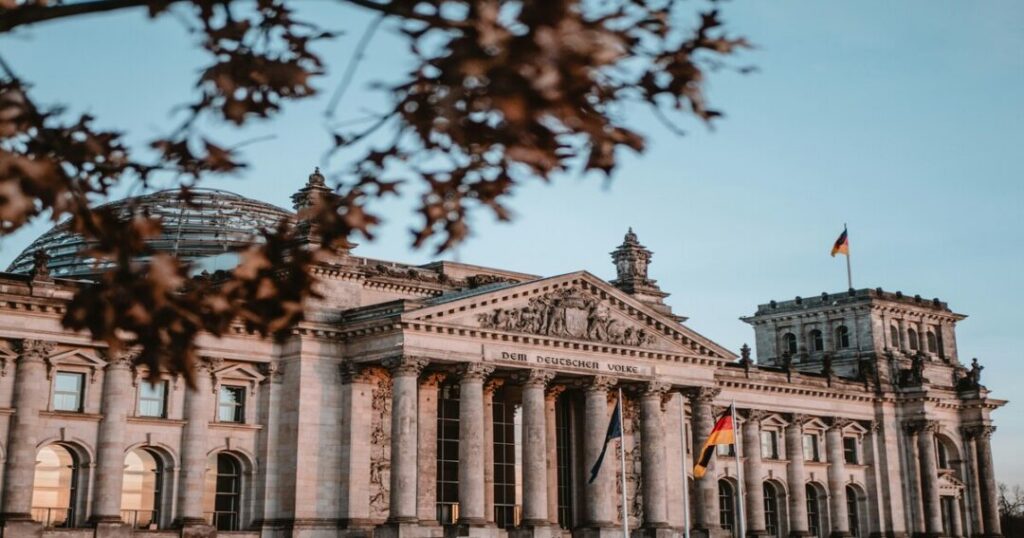
- Visit the Reichstag building and its glass dome for free (booking required in advance).
Also Read: Things to Do in Berlin: 16 Attractions, Historic Sites & Experiences for International Travellers
Munich: Bavarian Culture and Festivals
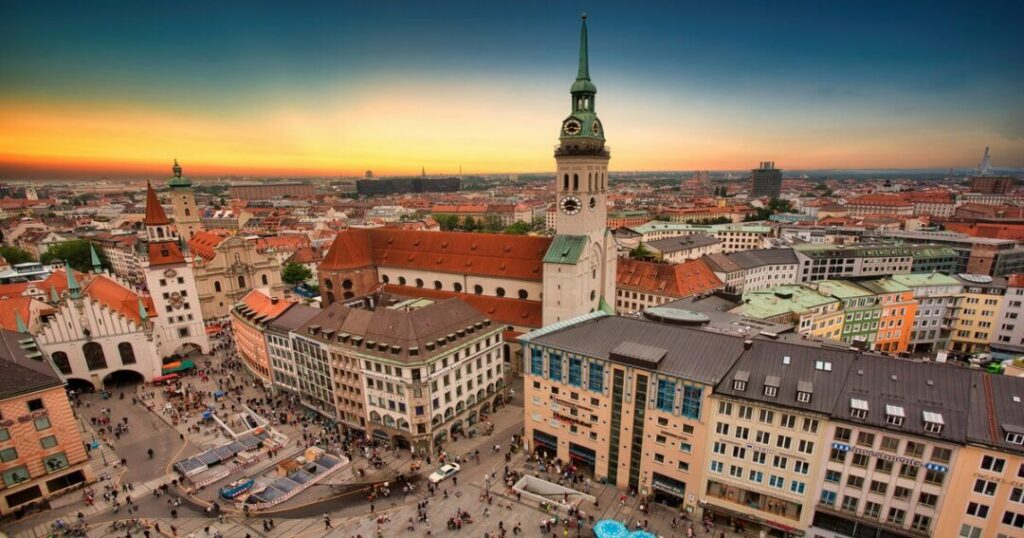
- Time your trip for Oktoberfest, which began in 1810 as a royal wedding celebration and now draws roughly 6–7 million visitors over its 16-day run each year, from mid-September to the first Sunday in October.
- Explore Marienplatz, the Glockenspiel, and the English Garden.
- Use Munich as your base for Bavaria’s castles and mountains — most are a day trip away.
Also Read: Food in Munich: Bavarian Classics, Top Restaurants & Where to Find Indian Food
Cologne: Gothic Grandeur
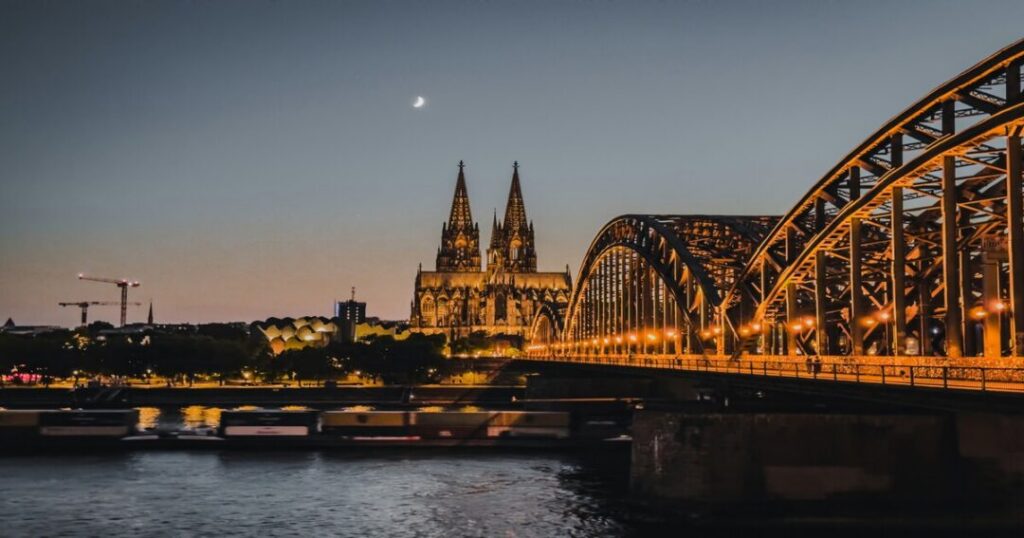
- The twin spires of Cologne Cathedral rise 157 metres — among the tallest cathedral facades in the world. Construction began in 1248, paused for centuries, and finally finished in 1880. It’s been a UNESCO World Heritage Site since 1996 and draws around 6 million visitors a year.
- Wander the Old Town along the Rhine riverfront just below the cathedral.
Marvel at Germany’s Fairy-Tale Castles
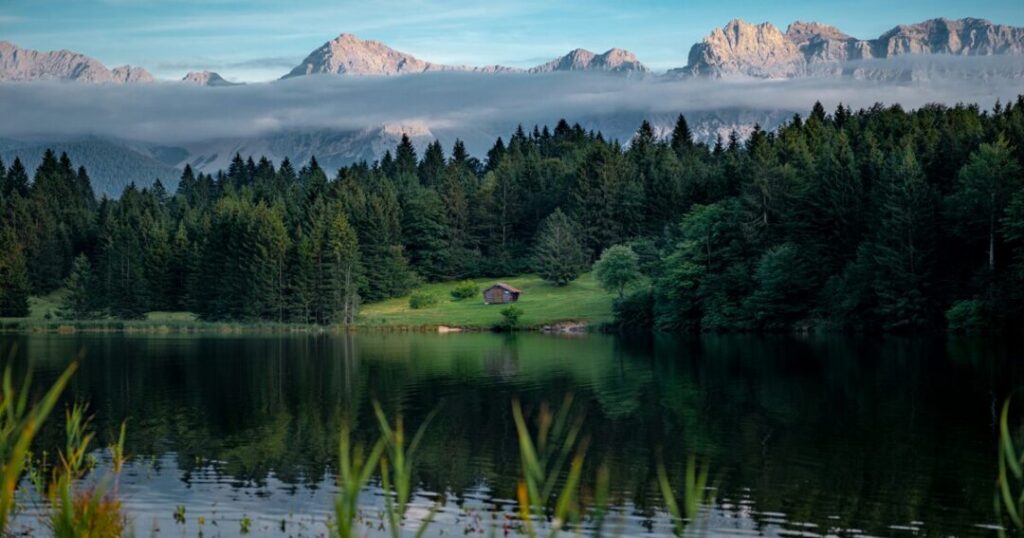
If one image made you want to visit Germany, it was probably a castle. Bavaria and the Rhine Valley have dozens worth the detour.
- Neuschwanstein Castle — commissioned by King Ludwig II, with construction starting in 1868–69. It’s the castle Disney’s Sleeping Beauty design is often said to have drawn from, and it pulls in over 1.4 million visitors a year, roughly 4,000 people a day. It sits about a 90-minute drive from Munich, making it the region’s most popular day trip.
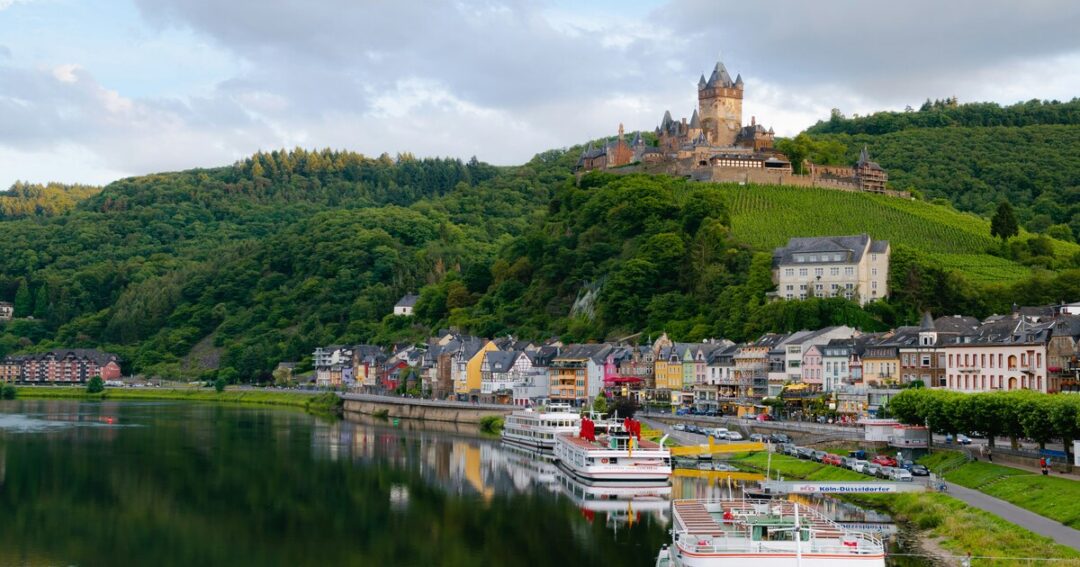
- Rhine Valley castles — the Upper Middle Rhine Valley is a UNESCO World Heritage Site lined with dozens of hilltop castles and vineyard-covered slopes along a roughly 65-kilometre stretch between Koblenz and Bingen.
- Hohenzollern Castle near Stuttgart and Wartburg Castle in Thuringia are also worth building a day around if you’re travelling beyond the classic Bavaria–Rhine route.
“Cruising past castle after castle on the Rhine is the closest Germany gets to a real-life storybook.” — European travel blogger, on the Upper Middle Rhine Valley
Cruise the Rhine and Explore the Black Forest
- A Rhine river cruise through the Middle Rhine Valley is one of the easiest ways to see multiple castles, vineyards, and riverside towns without renting a car.
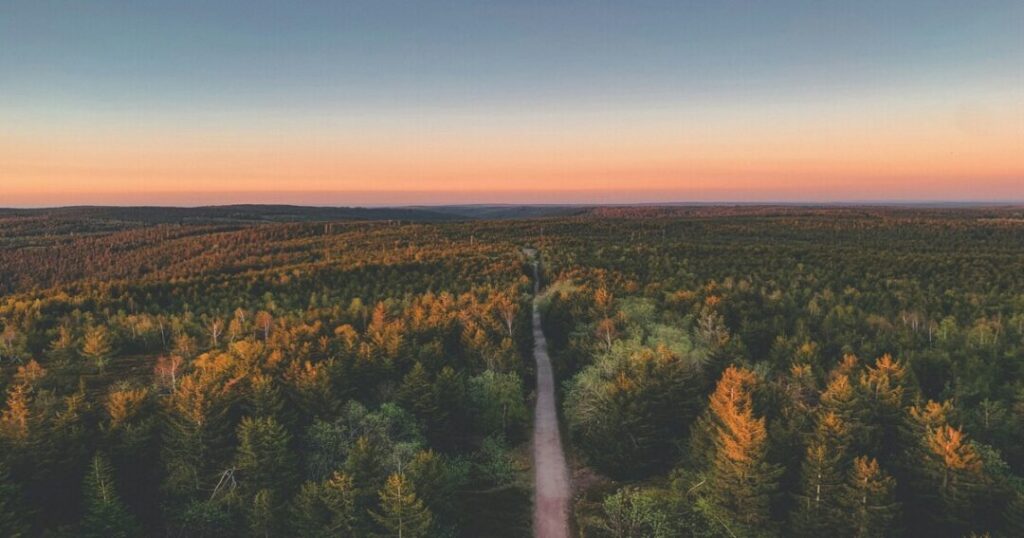
- The Black Forest (Schwarzwald) in southwestern Germany is where cuckoo clocks, cherry cake, and dense pine-covered hills all come from. Base yourself in Freiburg or Triberg for hiking trails, thermal spas, and half-timbered villages.
Also Read: Mayong Assam Black Magic: India’s Most Mysterious Village Explained
Celebrate Germany’s Festivals and Christmas Markets
Germany’s calendar of festivals is one of the biggest reasons travellers plan trips around specific dates.
- Oktoberfest (Munich, September–October) — the world’s largest folk festival, with beer tents, parades, and traditional Bavarian dress.
- Christmas markets — from late November through December, towns like Nuremberg, Dresden, and Cologne fill their squares with wooden stalls selling mulled wine, roasted chestnuts, and handmade ornaments.
- Carnival season (Fasching/Karneval) in February brings parades and costumes to cities like Cologne and Mainz.
Top Germany Tourist Attractions for Nature and Adventure Lovers
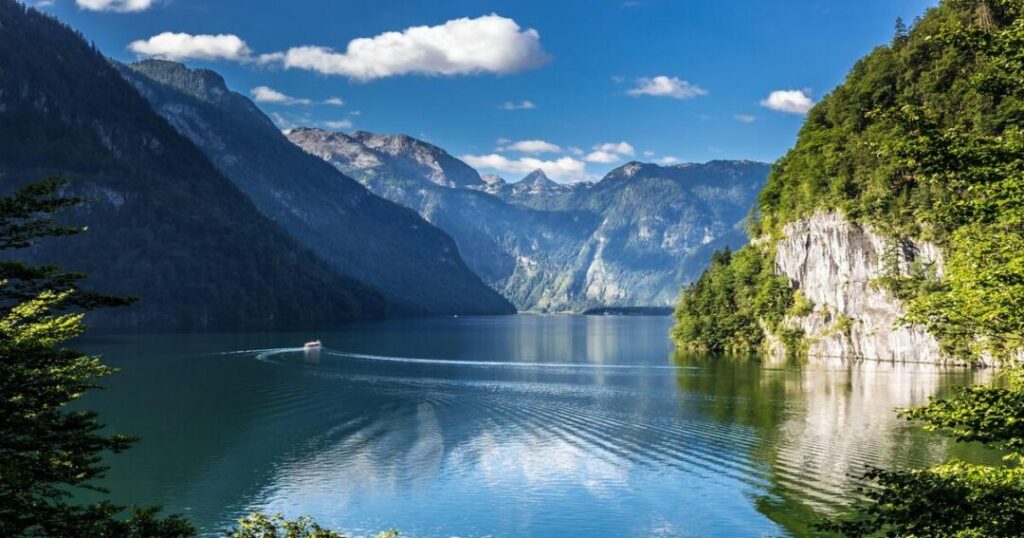
- Zugspitze, Germany’s highest peak, sits on the Austrian border and is reachable by cable car for panoramic Alpine views without a serious climb.
- Bavarian Alps — hiking trails around Garmisch-Partenkirchen and Berchtesgaden National Park suit everyone from casual walkers to serious trekkers.
- Saxon Switzerland National Park, near Dresden, is known for its sandstone cliffs and the Bastei Bridge viewpoint.
- Cyclists can follow sections of the Rhine or Danube cycling routes, which are well-marked and beginner-friendly.
Planning Your Trip to Germany: Best Time, Getting Around and Practical Tips
Because this guide spans the whole country, here’s what you need to know before you map out your own route.
Best time to visit:
- Late spring (May–June) and early autumn (September–early October) bring mild weather and fewer crowds outside festival season.
- Visit in September–October if Oktoberfest is on your list; book Munich accommodation months ahead.
- December is ideal for Christmas markets but expect cold temperatures and higher city prices.
Getting there and around:
- Frankfurt Airport is Germany’s busiest and the 6th-busiest in Europe, sitting about 12 kilometres from Frankfurt’s city centre with direct train links to most major cities.
- Munich and Berlin also have major international airports well-connected to the rest of the country.
- Germany’s rail network (Deutsche Bahn) makes city-hopping easy without a car; a rail pass is worth it if you’re covering three or more cities.
- Renting a car makes sense for the Romantic Road, Black Forest, and Rhine Valley castle routes, where trains run less frequently.
Practical tips:
- Germany uses the Euro; most cities are card-friendly, though smaller towns and markets often prefer cash.
- A Schengen visa covers most short-stay international visitors — check your specific eligibility before booking.
- English is widely spoken in cities and tourist areas, less so in smaller villages.
Also Read: Best Kept Secret Destinations in Europe: For Travelers Who’ve Already Done the Obvious Stuff
Conclusion About Things to Do in Germany
Germany rewards travellers who mix it up — a couple of days in a big city, a castle day trip, and at least one evening at a Christmas market or beer hall. Between Berlin’s history, Bavaria’s castles, and the Rhine’s river towns, there truly are things to do in Germany for every kind of traveller, whether you have four days or four weeks.
Quick takeaways:
- Base your trip around 2–3 cities and add day trips rather than moving every night.
- Time your visit to Oktoberfest or the Christmas markets if festivals matter to you.
- Use trains for cities, a car for castle and countryside routes.
Ready to explore? Download the Explurger app and start your journey today.
Save this guide, start sketching your route, and get ready to see why Germany keeps travellers coming back.
FAQs About things to do in Germany
2. How many days do you need to see Germany?
Most travellers plan 7–10 days to comfortably cover 2–3 major cities plus a couple of day trips, such as Neuschwanstein Castle from Munich or a Rhine Valley cruise from Cologne. A shorter 4–5 day trip works well if you focus on one region, like Bavaria or Berlin and the surrounding area, rather than trying to cross the whole country.
3. Is Germany expensive to visit?
Germany is moderately priced compared to Western Europe overall — cheaper than Switzerland or the UK, but pricier than parts of Eastern Europe. Rail travel, museum entry, and city-centre hotels are the biggest costs, while food, beer, and public transport within cities remain relatively affordable. Booking accommodation early for Oktoberfest or Christmas markets helps avoid inflated peak-season rates.
4. What is Germany famous for?
Germany is famous for its castles (especially Neuschwanstein), beer culture and Oktoberfest, Christmas markets, precision engineering, and deep history, from medieval old towns to Cold War-era landmarks like the Brandenburg Gate and Berlin Wall. It's also known for the Black Forest, Gothic cathedrals like Cologne's, and an extensive, reliable rail network that makes multi-city trips easy.
5. When is the best time to visit Germany?
Late spring (May–June) and early autumn (September to early October) offer mild weather and manageable crowds, making them the best all-around windows. Visit in late September through early October specifically for Oktoberfest, or in December for Christmas markets, though both come with higher prices and bigger crowds in the cities hosting them.
6. Do I need a visa to visit Germany?
Germany is part of the Schengen Area, so many international visitors can enter visa-free for short stays of up to 90 days, though this depends entirely on your passport's nationality. Always check current visa requirements for your specific country well before booking flights, since rules and stay limits can change.