

51 Total Views
Hanoi rewards travelers who slow down — a thousand-year-old temple sits a few minutes’ walk from a French colonial prison, and a bowl of noodles eaten on a plastic stool can end up being the most memorable meal of the trip. Figuring out the things to do in Hanoi that are actually worth your time means mixing the big-name sights with the city’s slower pleasures — its lakes, its food stalls, its narrow trading streets. This guide covers the essentials, lays out a practical 2-day itinerary, and finishes with a quick-reference list of everything else worth knowing about.
Best Things to Do in Hanoi
These are the sights and experiences that anchor almost every Hanoi trip, each rooted in a different layer of the city’s history.
Hanoi Old Quarter
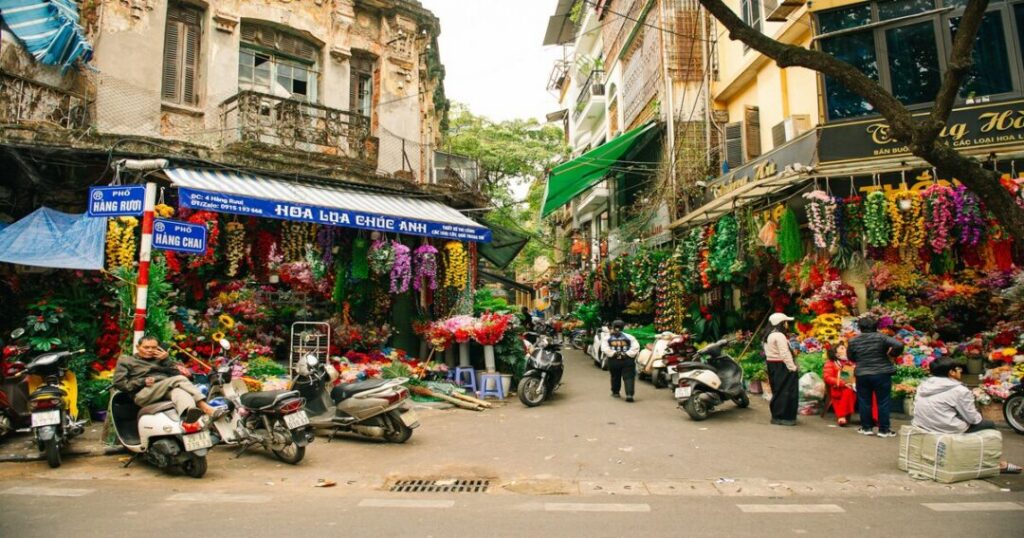
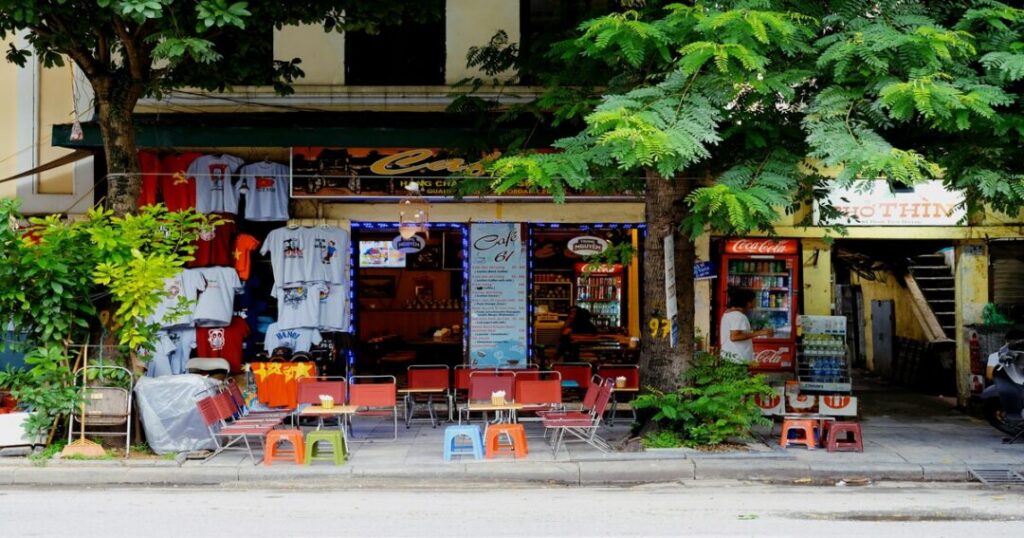
Hanoi’s Old Quarter grew up around 36 streets, each historically dedicated to a single trade or guild — Hang Bac for silver, Hang Gai for silk, Hang Ma for paper offerings — a structure that still shapes the neighborhood today even as many streets have diversified. Wandering it on foot is less about ticking off a specific sight and more about absorbing the layered noise of motorbikes, street vendors, and centuries-old shophouses packed onto narrow lanes that predate any modern city grid.
Hoan Kiem Lake and Ngoc Son Temple
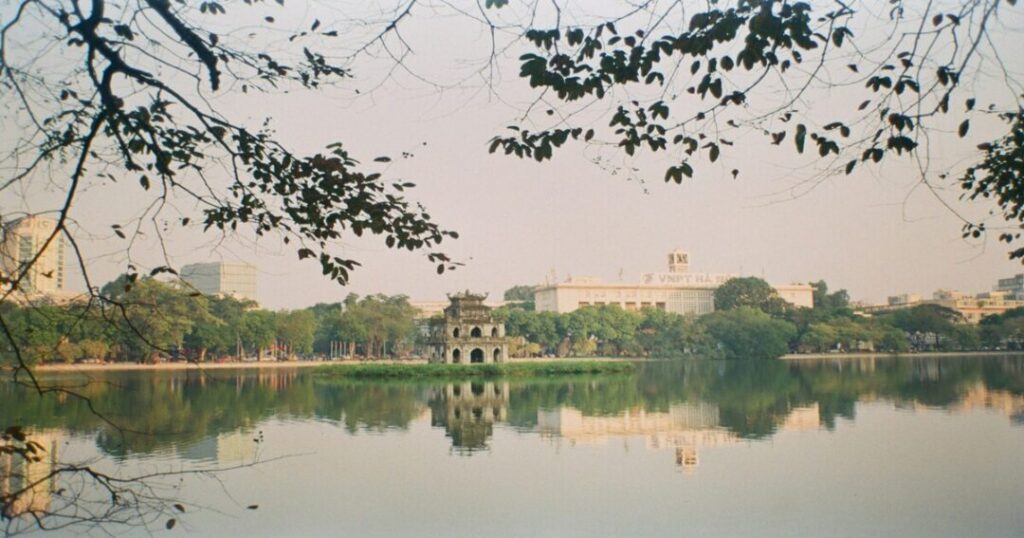
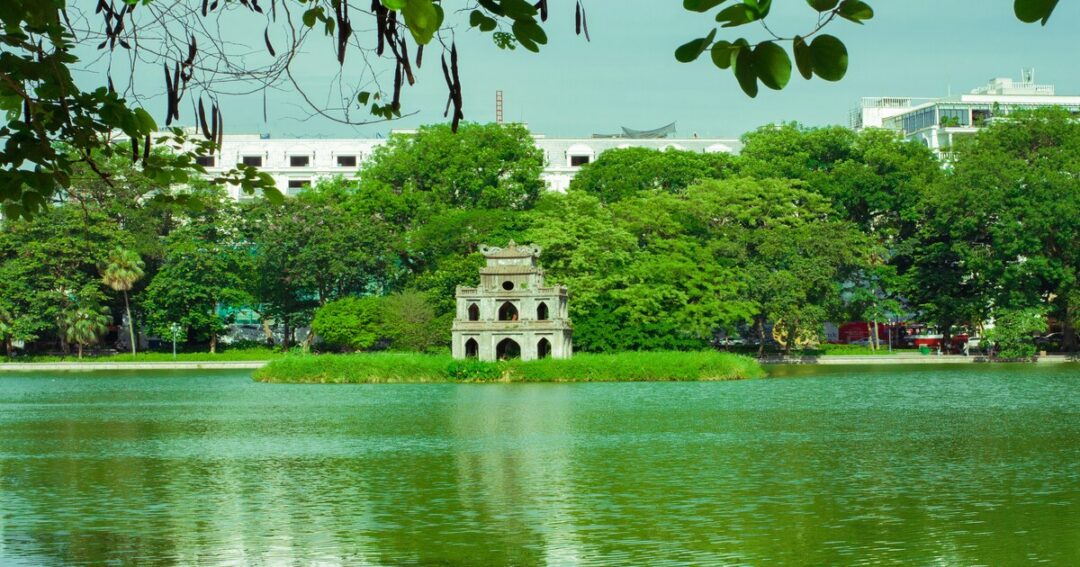
Hoan Kiem Lake takes its name, meaning “Lake of the Returned Sword,” from a 15th-century legend: Emperor Le Loi supposedly received a magic blade that helped him defeat Ming occupiers, and afterward, while boating on the lake, a giant golden turtle god rose from the water to reclaim it on behalf of the Dragon King, since the sword’s purpose had been fulfilled. The 19th-century Turtle Tower standing in the middle of the lake commemorates the legend, and the red Huc Bridge leads from the shore to Ngoc Son Temple, a small island shrine that’s one of the most photographed spots in the city.
Ho Chi Minh Mausoleum Complex
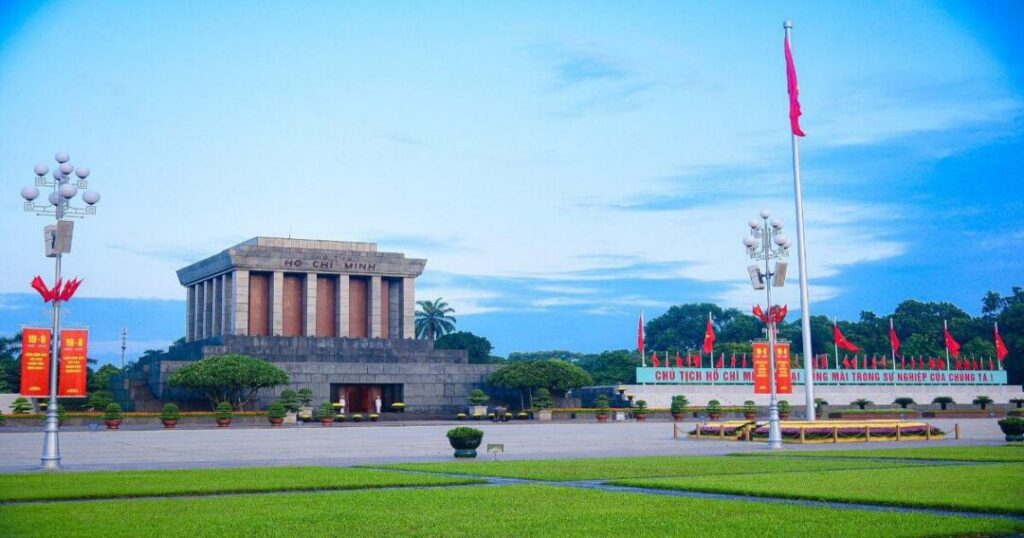
Ho Chi Minh’s embalmed body lies on display in a glass case inside a granite mausoleum on Ba Dinh Square, the same square where Vietnam’s independence was declared in September 1945; Soviet specialists handled the original embalming and preservation work. The mausoleum keeps strict hours — roughly 7:30 to 10:30 AM from April through October and 8:00 to 11:00 AM from November through March, closed Mondays and Fridays — and enforces a formal dress code that bars shorts, sleeveless tops, and mini-skirts, with phones and bags confiscated at the entrance. The wider complex includes the One Pillar Pagoda, rebuilt in 1955 after French forces destroyed the original, along with Ho Chi Minh’s stilt house and the colonial-era Presidential Palace, which is viewable from outside only.
Temple of Literature
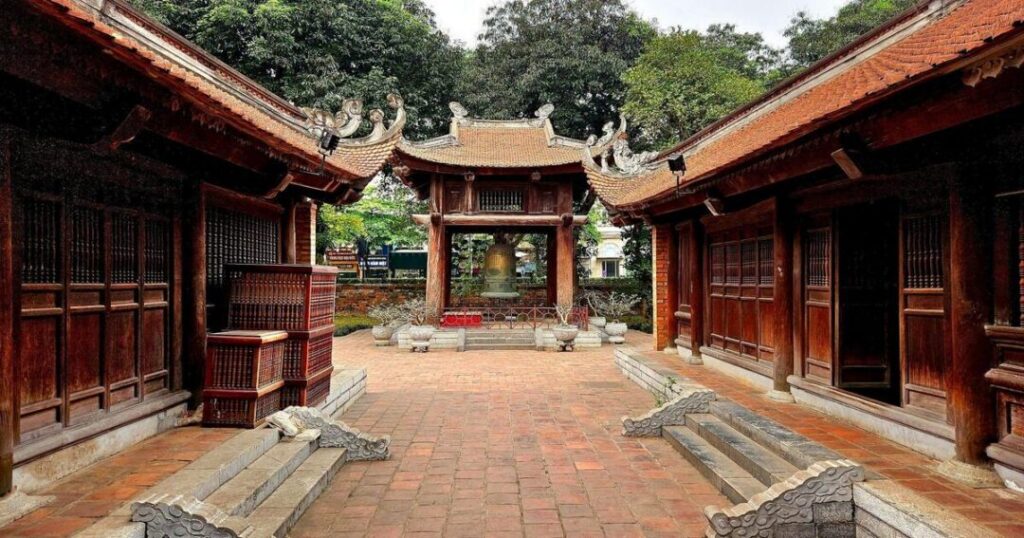
Built in 1070 under Emperor Ly Thanh Tong, the Temple of Literature became the site of Vietnam’s first university, the Quoc Tu Giam, established in 1076 and operating continuously until 1779. Its grounds hold 82 surviving stone stelae mounted on turtle bases, inscribed starting in 1484 with the names of more than 1,300 doctoral graduates from the imperial exams, a collection significant enough to be added to UNESCO’s Memory of the World Register in 2011. The complex is laid out across five courtyards, and the temple’s image now appears on Vietnam’s 100,000-dong banknote.
Hanoi Train Street
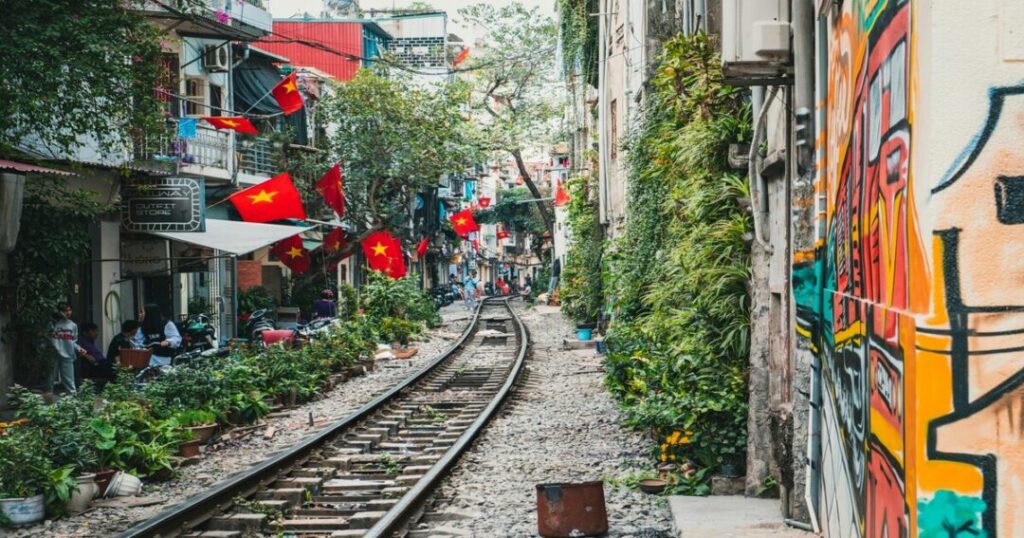
Train Street is a roughly 850-metre stretch of active railway, built by French colonizers in 1902, running so close to the surrounding houses that cafes along the track let visitors sit within arm’s reach as trains pass. Overcrowding and near-misses led authorities to shut it to visitors in October 2019, and it stayed closed on and off over safety concerns before reopening to tourists in early 2023; today, around seven trains still pass through daily between 7 AM and 11 PM, with cafes posting the schedule on chalkboards so visitors know when to clear the tracks.
Thang Long Water Puppet Theatre
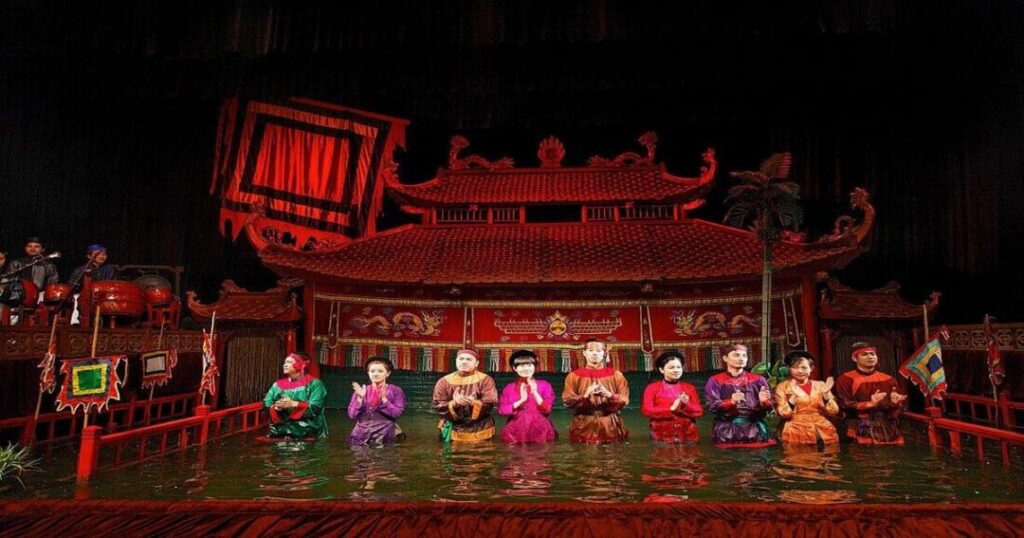
Water puppetry dates back to the 11th-century Ly Dynasty, when farmers in the Red River Delta performed it in flooded rice paddies during festivals before it eventually reached the royal court. The Thang Long Water Puppet Theatre, founded in 1969 specifically to preserve and showcase the art form, now draws more than 150,000 visitors a year and earned UNESCO Intangible Cultural Heritage recognition in 2010; performances run about 50 minutes, with puppeteers standing waist-deep in water behind a bamboo screen while live musicians play traditional instruments alongside the storytelling.
Vietnamese Street Food
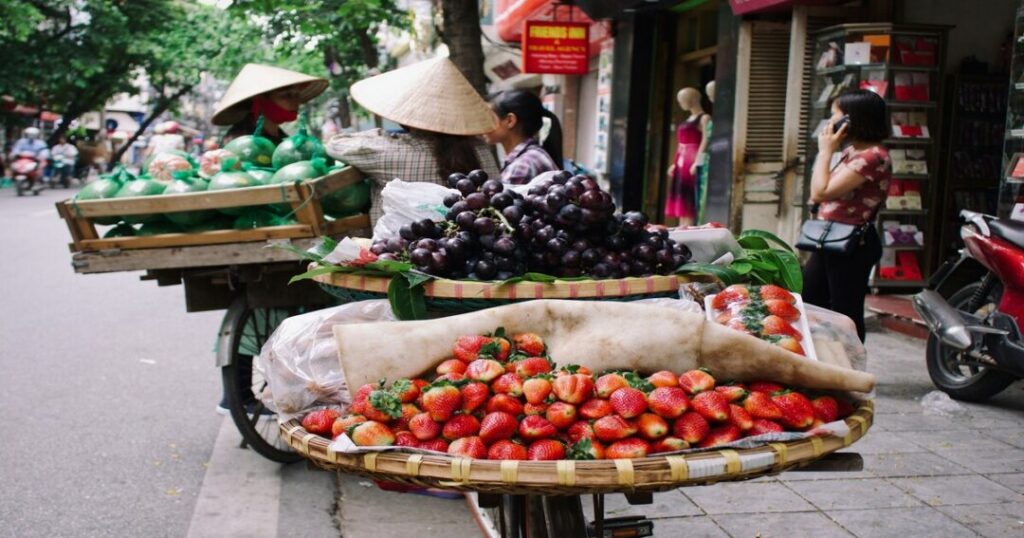
Hanoi’s food scene runs on a handful of dishes done extremely well: pho, bun cha (grilled pork with noodles and dipping broth), and, more recently, egg coffee, a wartime-era invention using whipped egg yolk in place of scarce milk. Bun Cha Huong Lien became an unlikely landmark in 2016 after Barack Obama and Anthony Bourdain ate there together for an episode of Bourdain’s CNN series Parts Unknown — the restaurant preserved their exact table under a plexiglass case, plates, chopsticks, and plastic stools included, and it’s since become a stop in its own right for visitors following in their footsteps.
A First-Timer’s 2-Day Itinerary for Things to See and Do in Hanoi
Rather than repeating the same list, here’s how to actually sequence things to see and do in hanoi across a first two-day visit, timed around opening hours that can otherwise wreck a loosely planned day.
Day 1: Old Quarter and the Lake
Start in the Old Quarter in the morning while it’s cooler, working through a few of the 36 streets on foot before the midday heat sets in. By early afternoon, head to Hoan Kiem Lake and Ngoc Son Temple, both an easy walk from the Old Quarter, then catch an afternoon or evening show at the Thang Long Water Puppet Theatre, which sits right beside the lake. Close the day with a bun cha dinner — Bun Cha Huong Lien if the Obama connection appeals, or any of the dozens of equally good neighborhood spots if it doesn’t.
Day 2: Ho Chi Minh Complex and Beyond
Because the Ho Chi Minh Mausoleum closes by 10:30 or 11 AM depending on the season, this has to be the first stop of the day — arrive early, dress formally, and expect a queue. Afterward, the Temple of Literature is a short taxi ride away and pairs naturally with the mausoleum visit as a second morning stop. Spend the afternoon at Hanoi Train Street for a coffee timed around the train schedule, then use whatever time is left for Hoa Lo Prison or a walk around West Lake, depending on whether history or scenery is the priority.
Also Read: Destinations for Coffee Lovers: 12 Places and the Trade History Behind Them
More Hanoi Points of Interest: A Quick Reference
For anyone looking for a broader hanoi attraction place rundown beyond the essentials above, here are five more worth knowing about — a solid answer to “what else is there” whether you’re searching hanoi main attractions, hanoi places to go, hanoi points of interest, or hanoi tourist sites:
- Hoa Lo Prison: Built by French colonists between 1886 and 1901 to hold Vietnamese political prisoners under brutal conditions, the prison later held nearly 600 American POWs during the Vietnam War, including John McCain, who nicknamed it the “Hanoi Hilton.” Most of the original site was demolished in the 1990s, but a preserved southern section now operates as a museum.
- Vietnam Museum of Ethnology: A well-regarded museum documenting Vietnam’s 54 officially recognized ethnic groups through exhibits and an outdoor park of full-scale traditional houses, useful for context on the country’s diversity beyond Hanoi itself.
- St. Joseph’s Cathedral: Built between 1884 and 1886 on the site of the former Bao Thien Pagoda, this Gothic Revival cathedral with twin bell towers and stained glass remains an active place of worship, especially lively around Christmas.
- Tran Quoc Pagoda: Originally built in the sixth century and relocated to its current islet on West Lake in 1615, this is Hanoi’s oldest Buddhist temple at more than 1,500 years old, and includes a Bodhi tree cutting gifted by India’s president in 1959.
- West Lake: Hanoi’s largest lake, ringed by cafes and the city’s more residential, less frenetic pace — a natural pairing with a Tran Quoc Pagoda visit and a good antidote to a full day in the Old Quarter’s crowds.
Also Read: 10 Budget International Trips from India Under ₹50,000
What is the Best Time to Visit Hanoi?
October and November are generally considered Hanoi’s best months, with dry, mild weather ideal for walking between sights. March and April bring a similar sweet spot in spring, with temperatures around 17-23°C and blooming flowers around the city’s lakes. The summer monsoon, running May through September with July and August at their wettest, brings heavy rain and heat up to the mid-30s Celsius, though it’s also when flights and hotel rates drop. Winter, December through February, turns cool and often overcast, with temperatures between 14-20°C — less ideal for photography but well suited to the city’s cafe culture and food scene, since the cooler air makes walking between meals more comfortable.
How to Reach Hanoi?
Most visitors arrive through Noi Bai International Airport, about 30 kilometres from the city centre. A metered taxi typically takes around 45 minutes and costs roughly 320,000 to 450,000 VND, while airport taxi counters often charge a flat rate closer to 500,000 VND to reach the Old Quarter. The Express Bus 86 connects the airport to Hanoi’s main railway station for about 45,000 VND per person in around an hour, running from early morning to late evening, and cheaper public bus routes (numbers 7, 17, 90, and 109) cost roughly 10,000 VND but take longer and involve more stops. Pre-booked private transfers and shared shuttles are also widely available and tend to cost somewhere between the metered taxi and the express bus.
Also Read: Places to Visit in Phu Quoc, Vietnam: Top Things to Do, Beaches & Islands
Conclusion: Pacing a Hanoi Trip
Between a legend-soaked lake, a centuries-old university, an active railway running past kitchen windows, and some of Southeast Asia’s best street food, the things to do in hanoi add up to more than a checklist can capture — the city rewards travelers who build in slack time to sit somewhere and watch it move. Plan around the Ho Chi Minh Mausoleum’s early closing time, and the rest of the trip tends to fall into place around it.
Building a Hanoi itinerary? Let the Explurger app help you sequence your days and time everything right.
FAQs About things to do in hanoi
2. What are the visiting hours for the Ho Chi Minh Mausoleum?
Roughly 7:30 to 10:30 AM from April through October and 8:00 to 11:00 AM from November through March, closed Mondays and Fridays, with a formal dress code enforced at the entrance.
3. Is Hanoi Train Street still open to tourists?
Yes, after safety-related closures starting in October 2019, Train Street reopened to visitors in early 2023, with around seven trains still passing daily between 7 AM and 11 PM.
4. What is the legend behind Hoan Kiem Lake?
According to 15th-century legend, Emperor Le Loi received a magic sword that helped him defeat Ming occupiers, and afterward a golden turtle god rose from the lake to reclaim the sword on behalf of the Dragon King — giving the lake its name, "Lake of the Returned Sword.
5. How do I get from Hanoi airport to the Old Quarter?
A metered taxi from Noi Bai International Airport takes about 45 minutes and costs roughly 320,000-450,000 VND, while the Express Bus 86 covers the same distance for about 45,000 VND in around an hour.
6. When is the best time to visit Hanoi?
October and November offer the most reliably dry, mild weather, with March and April a close second; the May-to-September monsoon brings heavy rain and heat, while December-to-February winter is cool and often overcast.