
513 Total Views
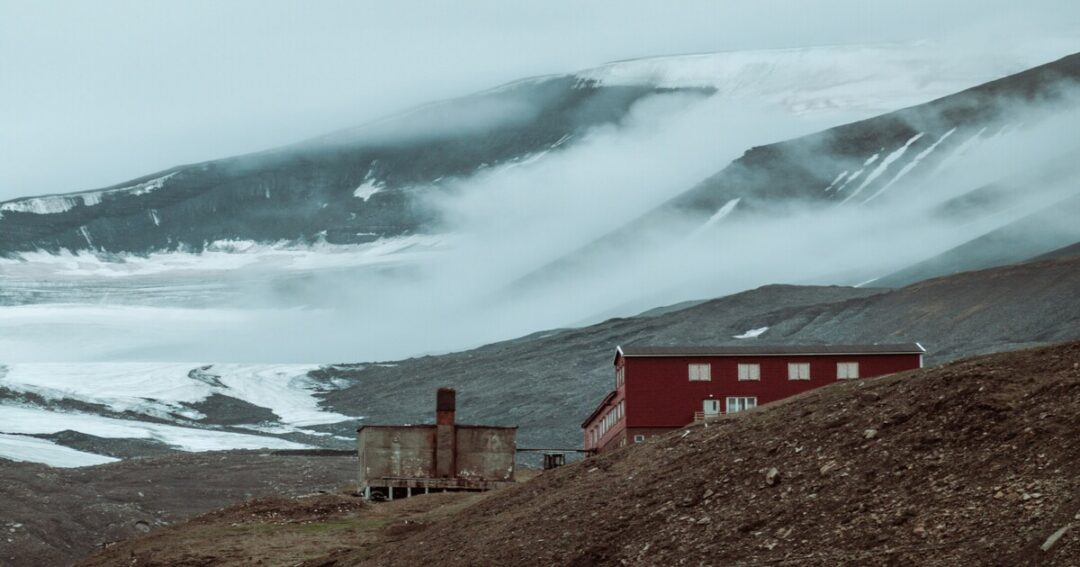
At first glance, Longyearbyen looks like a place straight out of a polar adventure story. Nestled between snow-covered mountains and icy fjords, this remote Arctic settlement is home to colorful houses, breathtaking landscapes, and a population that lives closer to the North Pole than almost anywhere else on Earth.
But what truly puts Longyearbyen on the global map is a strange claim that has fascinated travelers for years: it’s often called the town where it’s illegal to die.
While the statement may sound bizarre, the reality behind it reveals just how unique life can be in one of the world’s most extreme environments.
Why Is Longyearbyen Known as the Town Where It’s Illegal to Die?
The story dates back several decades and is closely tied to the town’s extreme climate.
Longyearbyen sits on permafrost, ground that remains frozen throughout the year. Scientists discovered that bodies buried in the local cemetery were not decomposing as they normally would because of the permanently frozen soil.
In some cases, remains buried many years earlier were found to be remarkably well preserved. This raised concerns that old viruses and bacteria could potentially survive in the frozen ground for decades.
As a result, traditional burials were largely discontinued in the town. Today, residents who require long-term medical care or are nearing the end of their lives are generally transferred to mainland Norway.
This practical solution eventually evolved into one of the world’s most unusual travel facts and gave Longyearbyen its famous reputation.
Also Read: Top 10 Best Countries to Visit in September
Where Is Longyearbyen?
Located in the Svalbard archipelago, far north of mainland Norway, Longyearbyen is one of the northernmost permanent settlements in the world. Surrounded by glaciers, rugged mountains, and Arctic wilderness, the town sits more than 1,300 kilometers from the North Pole.
Despite its isolated location, Longyearbyen is a thriving community with schools, restaurants, hotels, research centers, and cultural attractions. People from dozens of nationalities live here, creating a surprisingly international atmosphere in the middle of the Arctic.
For many travelers, simply reaching Longyearbyen feels like an adventure. The journey takes visitors far beyond the usual tourist routes into a landscape unlike anywhere else on the planet.
Life in One of the World’s Most Extreme Towns
Living in Longyearbyen requires adapting to conditions that many people would find difficult to imagine.
Four Months Without Sunlight
Every winter, the town enters a period known as the Polar Night. From late October until mid-February, the sun never rises above the horizon.
The landscape remains wrapped in darkness, illuminated only by moonlight, streetlights, and the dazzling glow of the Northern Lights.
Endless Summer Days
The opposite happens during summer. For several months, the sun never sets, creating continuous daylight around the clock.
Residents often find themselves hiking, cycling, or simply enjoying outdoor activities at midnight under a bright Arctic sky.
Living Among Polar Bears
One of the most unusual aspects of life in Longyearbyen is the presence of polar bears.
Outside the town limits, visitors enter polar bear territory. Travelers exploring the wilderness are advised to go with experienced guides and follow strict safety measures. It is one of the few places in the world where encountering a polar bear is a genuine possibility.
Top Attractions in Longyearbyen
Svalbard Museum
The Svalbard Museum offers a fascinating introduction to the region’s history, wildlife, and exploration heritage. Visitors can learn about Arctic expeditions, mining history, and the challenges of living in such a remote environment.
Northern Lights Experiences
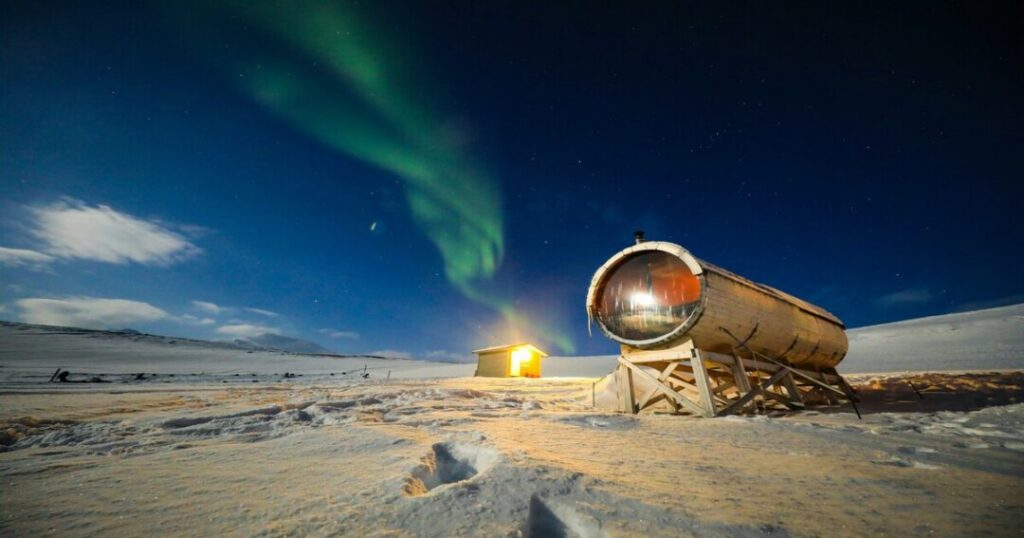
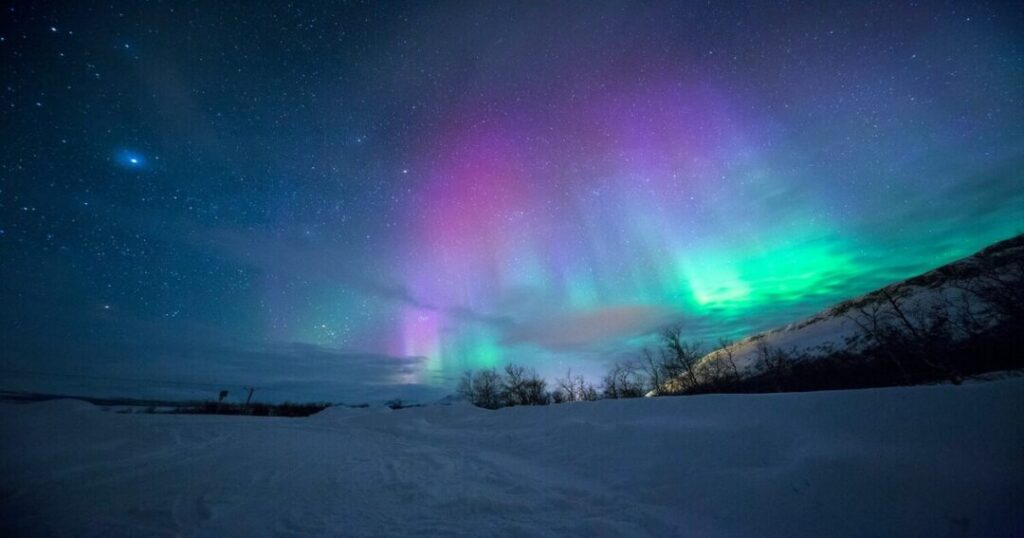
Longyearbyen is one of the best places on Earth to witness the Aurora Borealis. During the dark winter months, vibrant green and purple lights often dance across the Arctic sky, creating an unforgettable spectacle.
Glacier Adventures
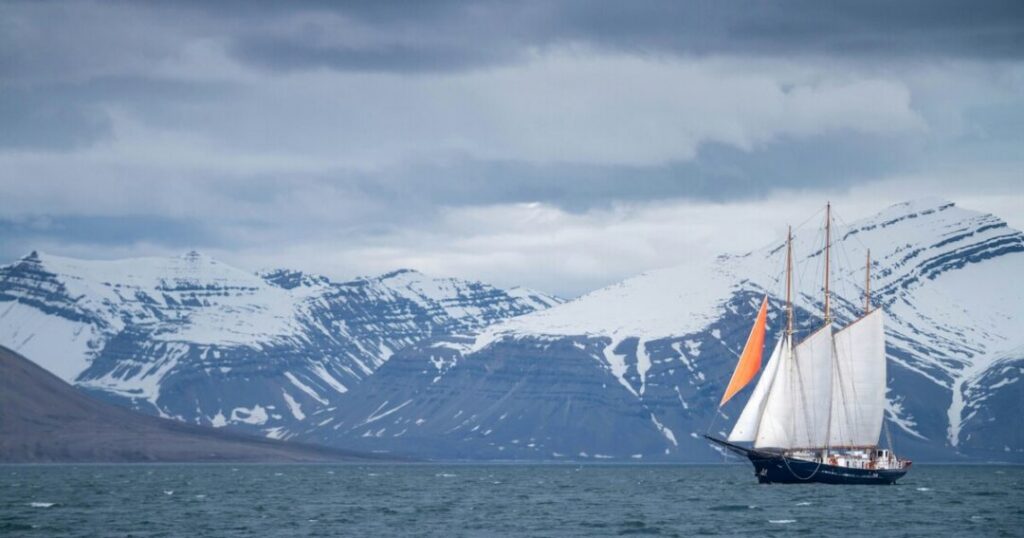
Glaciers dominate the surrounding landscape, and guided tours allow visitors to experience these frozen giants up close. Whether on foot, by snowmobile, or aboard a boat, glacier excursions are among the most popular activities in the region.
Dog Sledding
Dog sledding remains a classic Arctic experience. Visitors can glide across snowy landscapes behind teams of energetic huskies while taking in some of the most spectacular scenery in the Arctic.
Wildlife Encounters
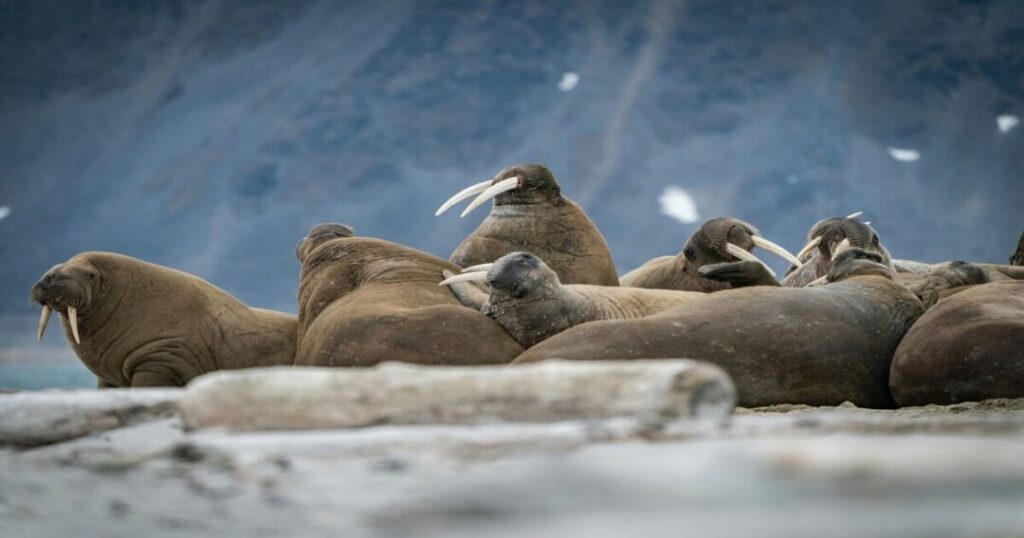
The waters and wilderness around Longyearbyen support an incredible range of wildlife, including Arctic foxes, reindeer, walruses, seals, whales, and numerous seabird species.
For nature lovers, a Longyearbyen trip offers opportunities to see animals rarely encountered elsewhere.
The World’s Most Important Seed Collection
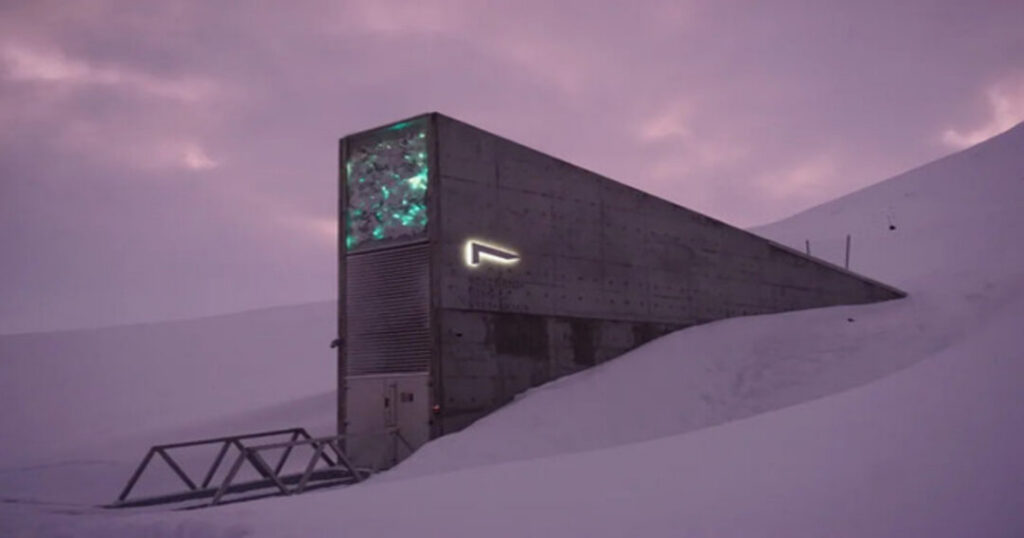
Longyearbyen is also home to one of the planet’s most important scientific facilities: the Svalbard Global Seed Vault.
Built deep inside a mountain, this secure storage facility preserves millions of seed samples from around the world. Often referred to as the “Doomsday Vault,” it acts as a backup for global agriculture, helping protect crop diversity for future generations.
Its location in the Arctic was chosen because the naturally cold environment provides ideal long-term storage conditions.
Best Time to Visit Longyearbyen?
Winter (October to February)
Winter is ideal for travelers hoping to see the Northern Lights, experience Polar Night, and enjoy snow-based adventures.
Spring (March to May)
Spring brings longer days and excellent conditions for snowmobiling, dog sledding, and glacier exploration.
Summer (June to August)
Summer is famous for the Midnight Sun. Visitors can enjoy hiking, wildlife cruises, and other outdoor activities at any time of day.
Why Travelers Are Drawn to Longyearbyen?
Longyearbyen isn’t a destination people visit by accident. It attracts travelers looking for something extraordinary.
The combination of dramatic Arctic scenery, fascinating history, unique wildlife, and unusual local traditions creates an experience unlike any other. Few places can offer the chance to witness the Northern Lights, explore glaciers, encounter Arctic wildlife, and learn about a town that became famous for not burying its dead.
In a world where many destinations feel increasingly familiar, Longyearbyen remains genuinely different—a place where nature still sets the rules and every season brings a completely new perspective on life in the far north.
FAQs about Longyearbyen
2. Where is Longyearbyen located?
Longyearbyen is located on the island of Spitsbergen in the Svalbard archipelago, north of mainland Norway.
3. Can tourists visit Longyearbyen?
Yes, Longyearbyen is open to visitors year-round and is a popular destination for Arctic tourism.
4. What is the best time to visit Longyearbyen?
Winter is ideal for Northern Lights viewing, while summer offers the Midnight Sun and excellent wildlife experiences.
5. Are polar bears found in Longyearbyen?
Polar bears live throughout Svalbard, particularly outside populated areas. Visitors exploring beyond the town should follow local safety guidelines.
6. What are the best Longyearbyen excursions?
Popular excursions include dog sledding, glacier hikes, wildlife safaris, snowmobile tours, Northern Lights experiences, and boat trips through Arctic fjords.