
331 Total Views
Jammu is the winter capital of Jammu & Kashmir—a city on the banks of the Tawi River at the foothills of the Himalayas that has been called the City of Temples for as long as anyone can remember. The skyline of Jammu is genuinely shaped by its shikhars: the seven spires of the Raghunath Temple complex rise from the heart of the old city; the Ranbireshwar Temple announces itself from Shalimar Road; and the Bahu Fort with its Mahakali Temple crowns the ridge above the river. These iconic landmarks are among the places to visit in Jammu that showcase the city’s rich spiritual and architectural heritage. Jammu is also the gateway to Vaishno Devi — the shrine in the Trikuta Mountains that draws over eight million pilgrims a year, making it one of the most visited religious sites in the world.
The Jammu tourist places span a remarkable range—grand Dogra-era palaces, twin sacred lakes, one of the finest hill stations in the Jammu region, cave temples, and the full heritage of the Dogra dynasty that ruled this region for over a century. This guide covers the top places to see, numbered, fact-checked, and useful for both the pilgrimage visitor and the heritage traveler.
Top 10 Places to Visit in Jammu in 2026
1. Vaishno Devi Shrine — The Pilgrimage That Defines the Region
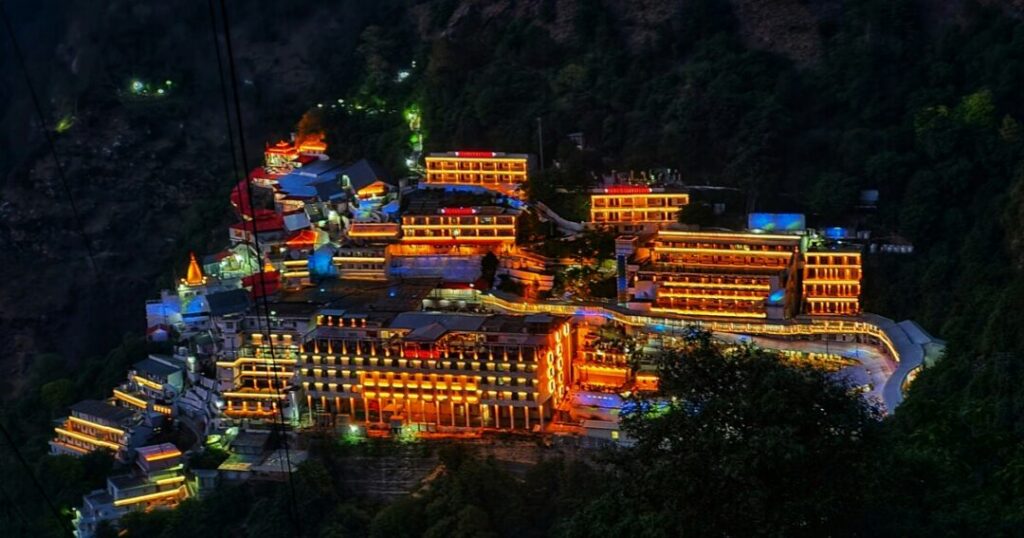
When to visit: Year-round; peak seasons are Navratras (March/April and October) and summer holidays. Base town: Katra (~42–50 km from Jammu)
The Vaishno Devi Shrine in the Trikuta Mountains is the reason millions of people pass through Jammu every year — one of the most significant Hindu pilgrimage sites in India, drawing over eight million visitors annually. The shrine is dedicated to Mata Vaishno Devi—a manifestation of the Divine Mother combining the three aspects of Maha Kali, Maha Lakshmi, and Maha Saraswati—whose three naturally formed rock pindis (sacred formations) in the cave at approximately 5,200 feet are the object of pilgrimage.
The trek: The pilgrimage begins at Katra, approximately 42–50 km from Jammu, and involves a 14 km trek from Katra to the cave shrine (or a shorter route via helicopter for the elderly or physically restricted). The route passes through Ardhkuwari — a halfway cave shrine where it is believed Mata Vaishno Devi meditated for nine months — and through the forests of the Trikuta range.
Jammu is the primary staging point for all Vaishno Devi pilgrims arriving by train or air—the city’s hotels, transport, and food infrastructure are substantially shaped by this pilgrimage economy.
2. Raghunath Temple — The Largest Temple Complex in North India
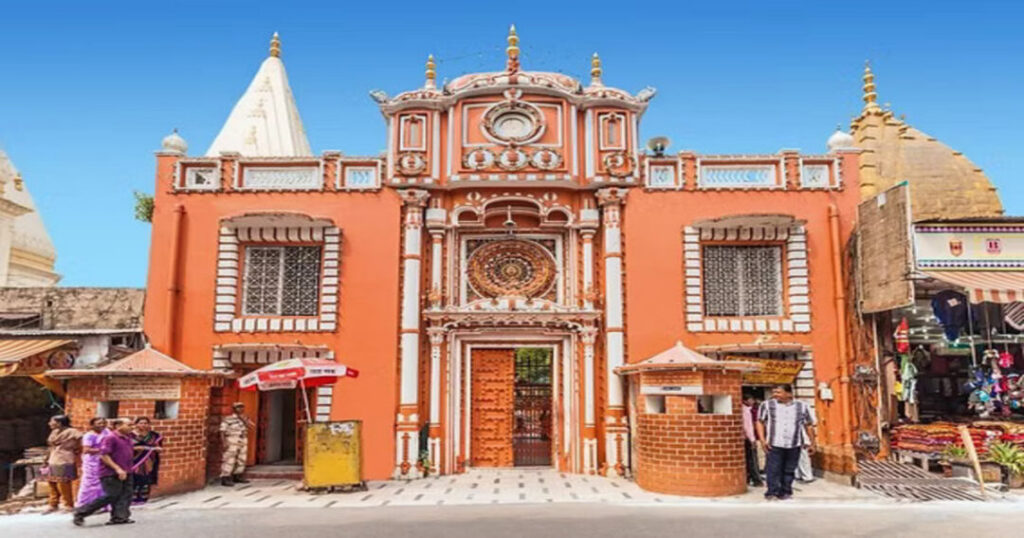
The Raghunath Temple is the most famous Jammu tourist attraction and the defining landmark of the city’s temple skyline. Dedicated to Lord Rama, the temple complex consists of seven shrines, each topped with its own shikara (spire)—the seven shikhars visible from across the city are the most recognizable sight in Jammu.
Construction was begun in 1835 by Maharaja Gulab Singh—the founder of the Kingdom of Jammu and Kashmir—and completed in 1860 by his son Maharaja Ranbir Singh. The temple’s interior walls are covered with gold sheets on three sides—a level of gilding that gives the sanctum an extraordinary warmth and visual intensity. The complex also houses a gallery of Shiva Lingams and Shaligrams (sacred stones) and a library of rare Sanskrit manuscripts.
The temple serves as a center of Sanskrit learning—a pathshala (Sanskrit school) has been associated with the temple since the Ranbir Singh era. The temple was attacked in 2002, closed for restoration, and reopened for devotees in 2013.
Also read: Places to Visit in Pahalgam: The Complete Guide to Kashmir’s Valley of Shepherds
3. Bahu Fort & Bagh-e-Bahu — The Fort Above the Tawi
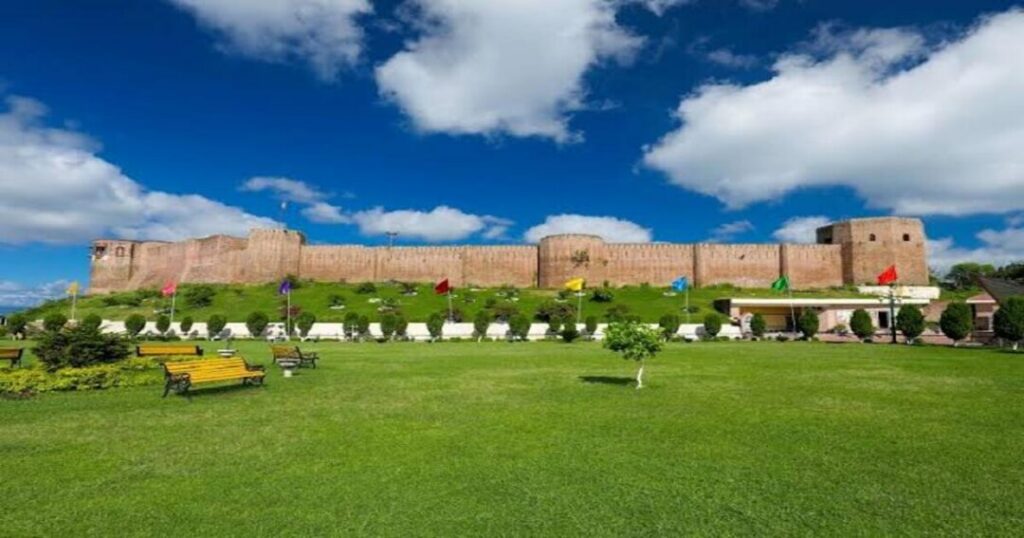
Bahu Fort—situated on a ridge above the Tawi River approximately 4 km from Jammu Railway Station—is one of the oldest forts in Jammu, originally built by the Suryavanshi king Raja Bahulochan and later renovated by the Dogra rulers. The fort houses the Bawe Wali Mata Temple (dedicated to Goddess Mahakali)—one of the most significant Shakti shrines in the Jammu region and considered the guardian deity of the city. The temple is especially crowded on Tuesdays and Sundays when large numbers of devotees come for darshan.
Directly below the fort, Bagh-e-Bahu—a terraced garden developed by the Jammu and Kashmir government—offers excellent views of the Tawi River and the Jammu city spread. An aquarium at Bahu Fort is considered one of the largest underwater aquariums in northern India, adding a non-religious dimension to the site.
4. Mubarak Mandi Palace — The Dogra Royal Court
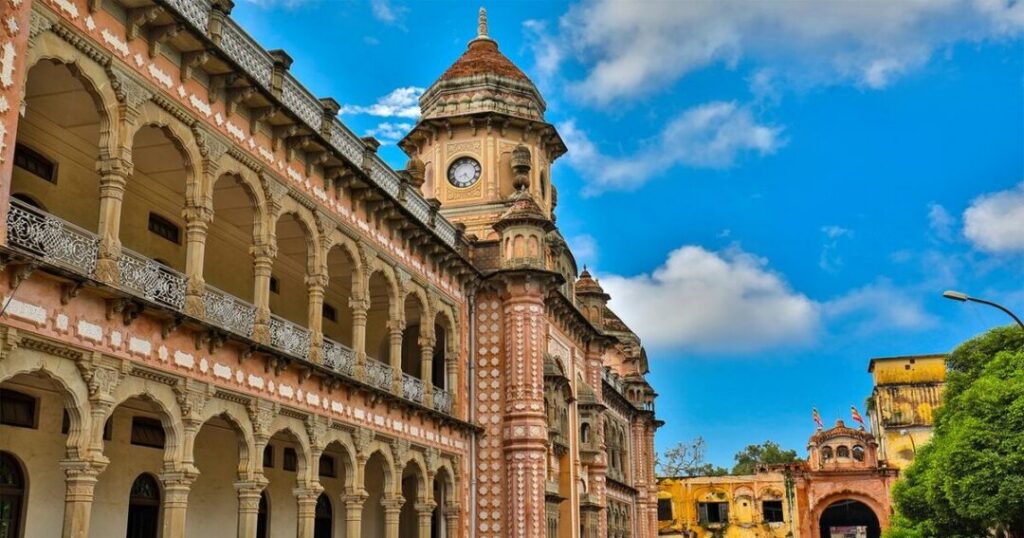
Mubarak Mandi Palace is the most historically layered of all Jammu sightseeing places—a palace complex in the heart of the old walled city that served as the official residence of the Dogra rulers for nearly two centuries. The complex was begun by Raja Dhruv Dev (1707–1733) and expanded by successive rulers—Maharaja Gulab Singh added three mansions on the northeastern side; Maharaja Ranbir Singh built his palace, a queen’s palace, the Gol Ghar, and the Sheesh Mahal; and Maharaja Partap Singh added further structures, including the Pink Hall.
The Dogra Art Museum—housed in the Pink Hall of the Mubarak Mandi complex—contains a collection of over 7,200 artifacts, including over 800 rare paintings (Pahari miniatures from the Basohli school), the gold-plated bow and arrow of Mughal Emperor Shah Jahan, Dogra costumes, jewelry, armor, sculptures, and Persian manuscripts. The palace complex is one of the most significant places of interest in Jammu for anyone interested in Dogra history—restoration efforts are ongoing, and there are active proposals for UNESCO World Heritage inscription, though the site is not yet officially listed.
5. Amar Mahal Palace Museum — The French Castle Above the Tawi
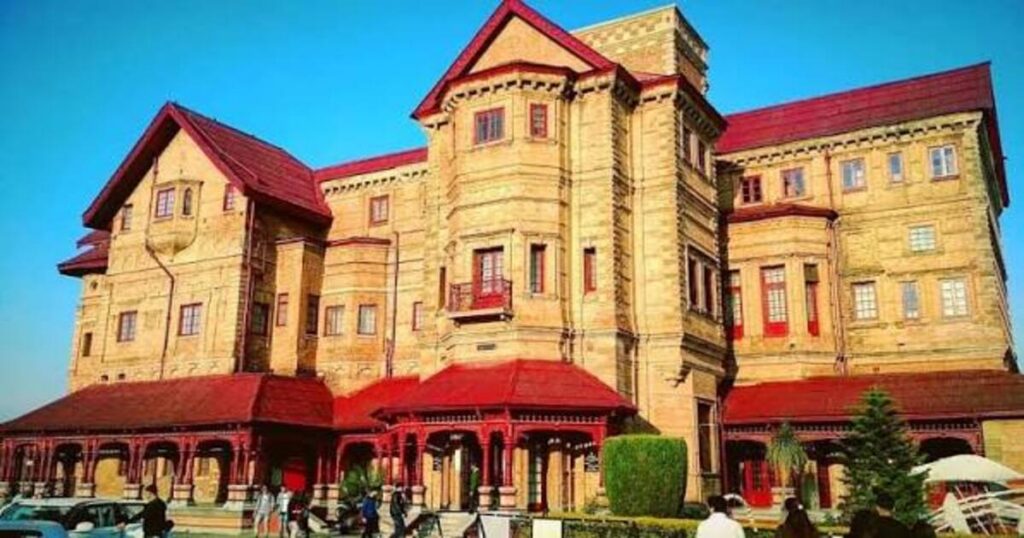
Amar Mahal Palace, built in the 19th century by Raja Amar Singh, is a striking palace designed by a French architect in the European castle style, sitting atop a hillock overlooking the Tawi River valley. The palace was the last official residence of the Dogra dynasty and was converted into a museum by Karan Singh (son of Maharaja Hari Singh) and his wife, who transferred the property to the Hari-Tara Charitable Trust.
The museum’s headline exhibit is the 120-kilogram pure gold throne of the Dogra rulers—one of the most extraordinary objects in any museum in Jammu & Kashmir. The museum also holds antique books; rare paintings, including works by M.F. Hussain; and artifacts from the Dogra royal household.
Also read: Places to Visit in Srinagar: The Complete Guide Beyond Dal Lake
6. Ranbireshwar Temple — Lord Shiva in the City of Rama
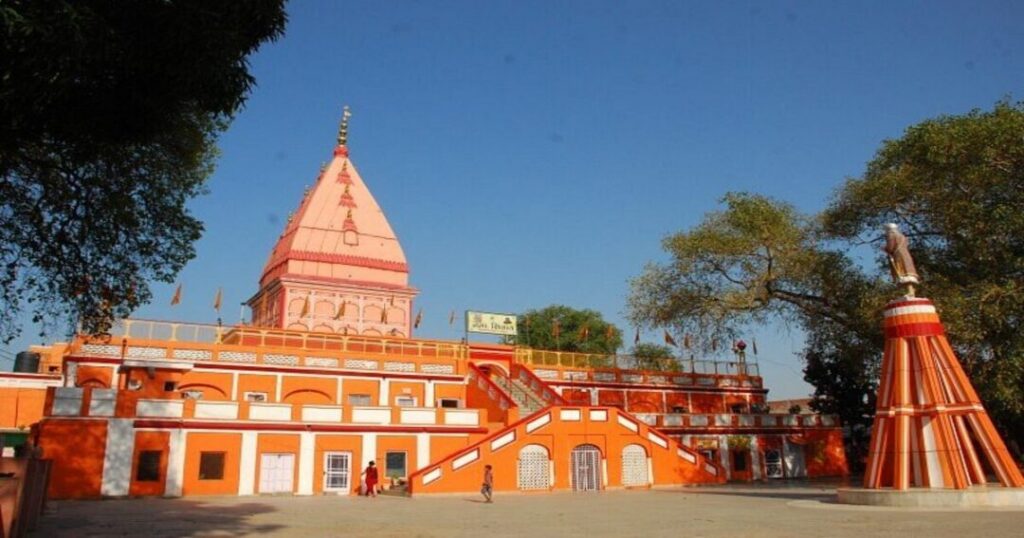
The Ranbireshwar Temple — built by Maharaja Ranbir Singh in 1883 on the Shalimar Road near the Civil Secretariat — is dedicated to Lord Shiva and is one of the most architecturally distinguished of the Jammu tourist spots. The temple is known for:
- An 8-foot-tall Shivalinga—one of the largest in the Jammu region
- 12 crystal Shivalingas of varying sizes (ranging from 15 to 38 cm)
- Rows of marble stones containing crystal Shivalingas
- A statue of Maharaja Ranbir Singh at the entrance, depicted in a posture of devotion toward the temple
The temple’s interior painting and carving are detailed, and the scale of the main Shivalinga—visible through the main sanctum—is genuinely impressive.
7. Peer Kho Cave Temple — Jammu’s Most Ancient Shrine
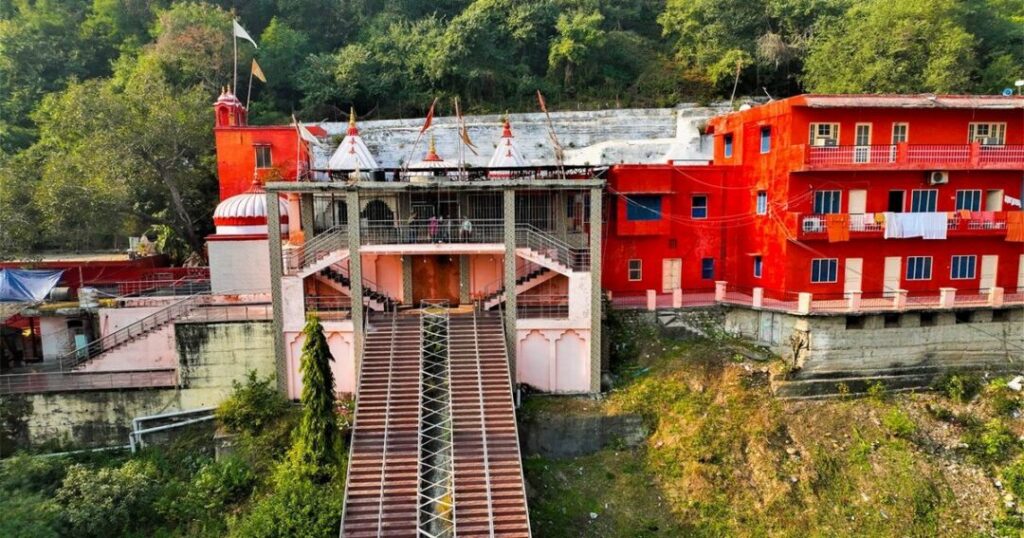
Peer Kho Cave Temple — also known as Jamvant Cave — is an ancient Hindu temple dedicated to Lord Shiva, located in a natural cave on Circular Road, approximately 1.5 km from Mubarak Mandi Palace. The cave is 20–30 feet deep and houses a naturally formed Shivalinga at its center. According to tradition, this is the cave where Jamvant (the bear king from the Ramayana who assisted Lord Rama in finding Sita) meditated.
The cave’s deep, dark interior—lit by lamps around the Shivalinga and the sound of water dripping—creates one of the most atmospheric temple experiences in Jammu. The entrance of the cave also has a small chamber with a continuous smoke-emitting shrine. It is one of the least-touristed but most spiritually atmospheric of all Jammu places to see.
8. Surinsar-Mansar Lakes — Twin Sacred Waters
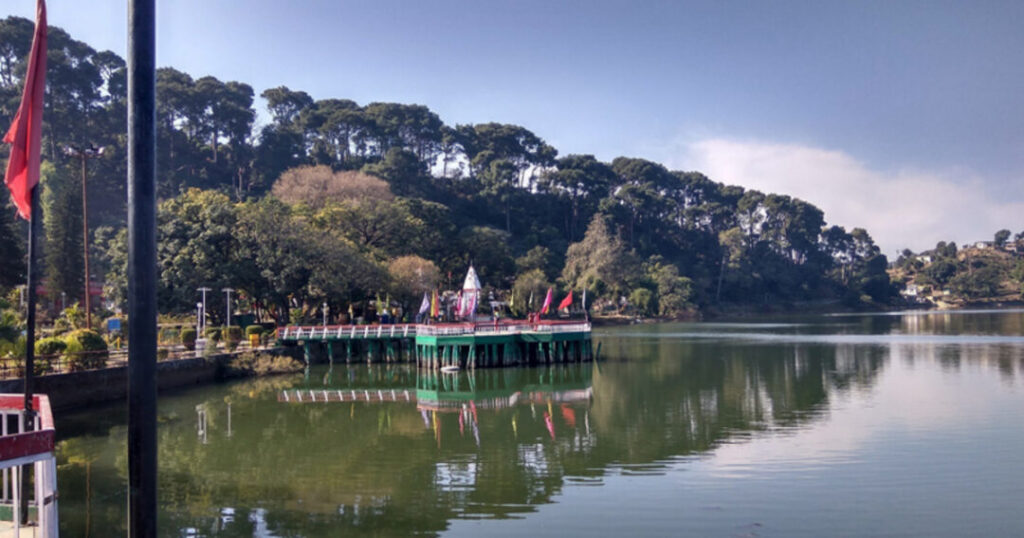
The Surinsar-Mansar Lakes—a pair of freshwater lakes in the Surinsar Mansar Wildlife Sanctuary—are approximately 62 km from Jammu and together constitute one of the finest nature and pilgrimage destinations in the Jammu region. The two lakes are connected by legend:
Mansar Lake: The larger of the two — sacred to Lord Shiva — with the Sheshnag Temple and several smaller shrines on its banks. The lake is believed to have healing properties. The waters are also home to large turtles considered sacred. The Dogra rulers used the Mansar area as a retreat, and the shore has a number of old dharamshalas and ghats.
Surinsar Lake: Smaller and quieter — surrounded by dense forest; excellent birdwatching and picnic destination. The sanctuary is home to sambhar, barking deer, and a variety of bird species.
9. Patnitop — The Hill Station Above Jammu
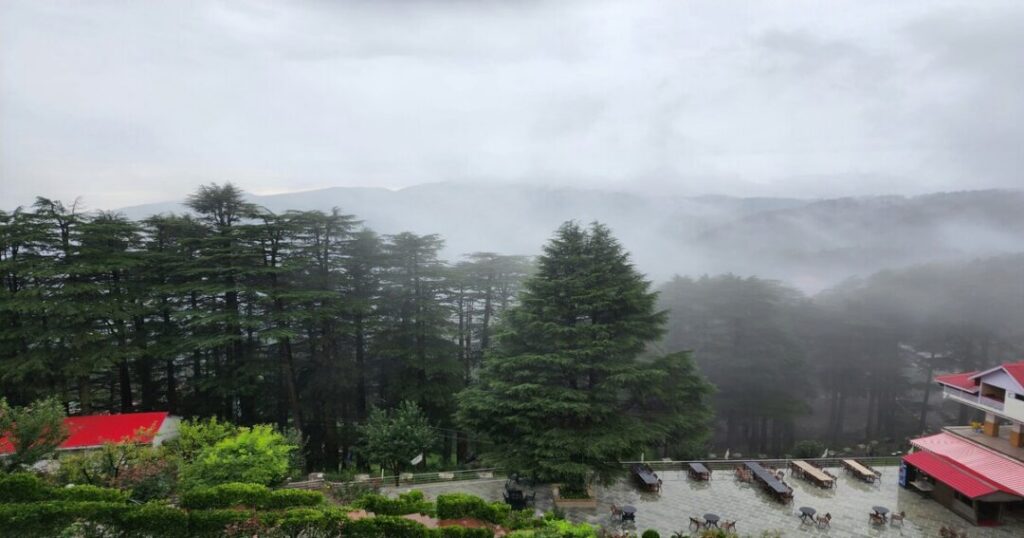
Patnitop—approximately 112 km from Jammu at an altitude of approximately 2,024 meters (6,640 feet)—is the finest hill station accessible from Jammu, set in a natural bowl of meadow surrounded by pine and fir forest in the Udhampur district. The meadow at Patnitop is one of the finest examples of the specific Himalayan landscape that transitions between the Jammu foothills and the Kashmir Valley.
In winter, Patnitop offers skiing and snow activities; in summer, trekking, nature walks, and the complete relief of a Himalayan meadow at altitude. The Sanasar meadow — approximately 19 km from Patnitop at ~2,050 m — is a more remote and less visited alternative with paragliding and camping available.
Also read: Kashmir Great Lakes Trek: The Most Beautiful Trek in India
10. Dogra Art Museum — Pahari Miniatures & Royal Artefacts
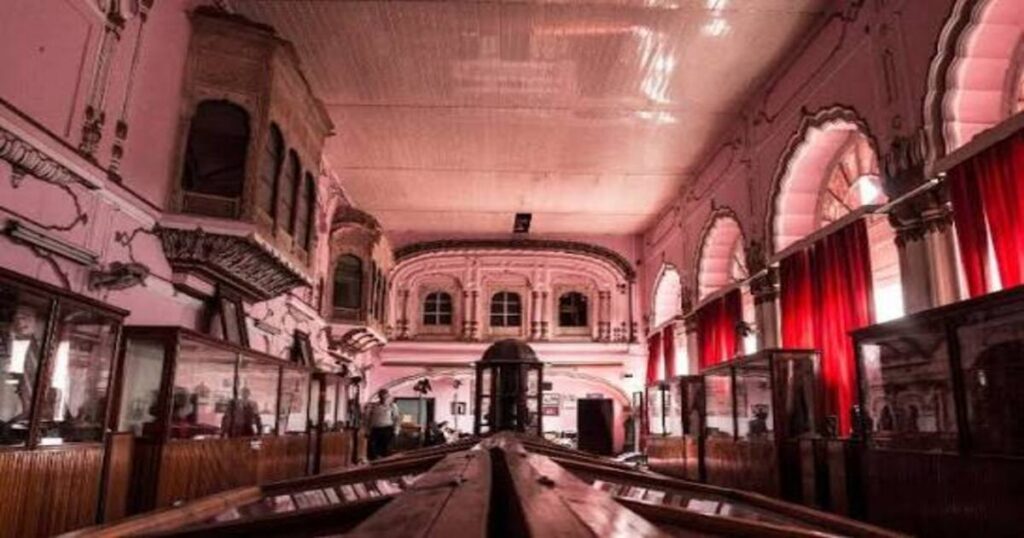
The Dogra Art Museum in the Pink Hall of the Mubarak Mandi complex is the finest museum in Jammu for those interested in regional art history. The total collection comprises over 7,200 artifacts—including over 800 rare paintings from the Basohli school of Pahari miniature painting (one of the earliest distinct schools of Indian miniature art, originating in the Basohli area of the Jammu hills in the 17th century); the gold-plated bow and arrow of Mughal Emperor Shah Jahan; and Dogra costumes, jewelry, armor, sculptures, and Persian manuscripts.
Bonus Places to Visit in Jammu
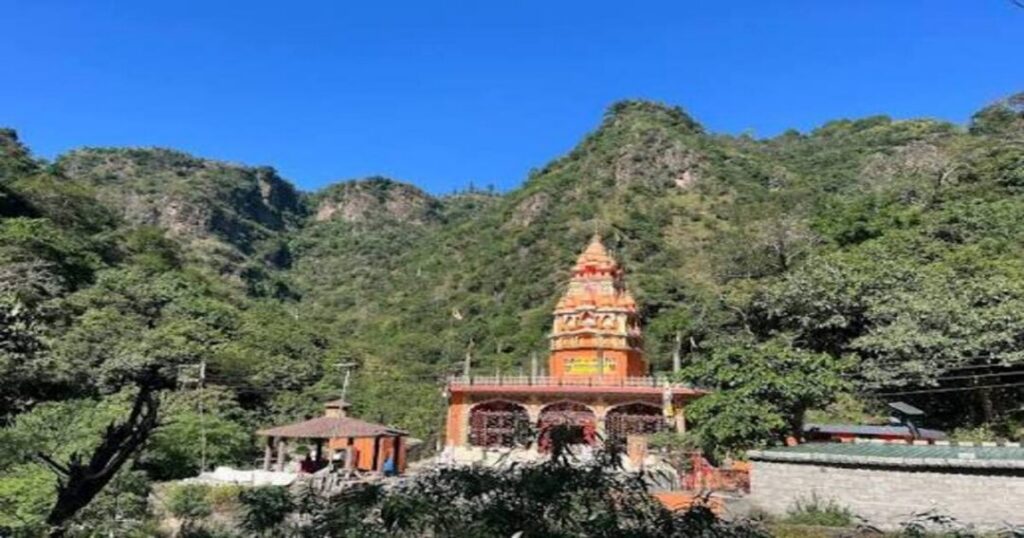
Bonus 1 — Shiv Khori (~80 km): A cave temple dedicated to Lord Shiva with a naturally formed Shivalinga—the cave extends approximately 1.5 km inside the mountain. One of the finest cave temples in the Jammu region; the cave walk is an experience unlike any standard temple visit.
Bonus 2—Akhnoor Fort (~28 km): A Mughal-era fort on the banks of the Chenab River, approximately 28 km from Jammu—with archaeological remains from the Harappan civilization found in the surrounding area. The fort offers excellent views of the Chenab.
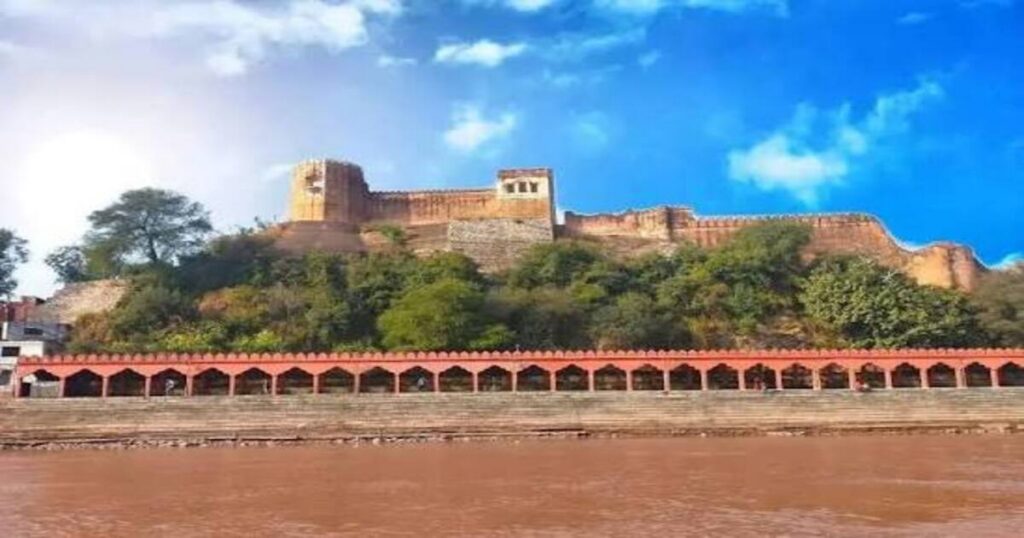
Bonus 3—Purmandal (~39 km): A cluster of ancient temples on the banks of the Devika River—called the “Chota Kashi” of Jammu—dedicated primarily to Lord Shiva. The main temple complex is particularly vibrant during Shivratri when thousands of pilgrims visit.
Bonus 4 — Jammu Ropeway: A ropeway connecting the city to Bahu Fort — one of the few urban ropeways in the Jammu & Kashmir region and an easy way to access Bahu Fort and the Bawe Wali Mata Temple.
Best Day Trips from Jammu: Places to Visit in Jammu & Nearby
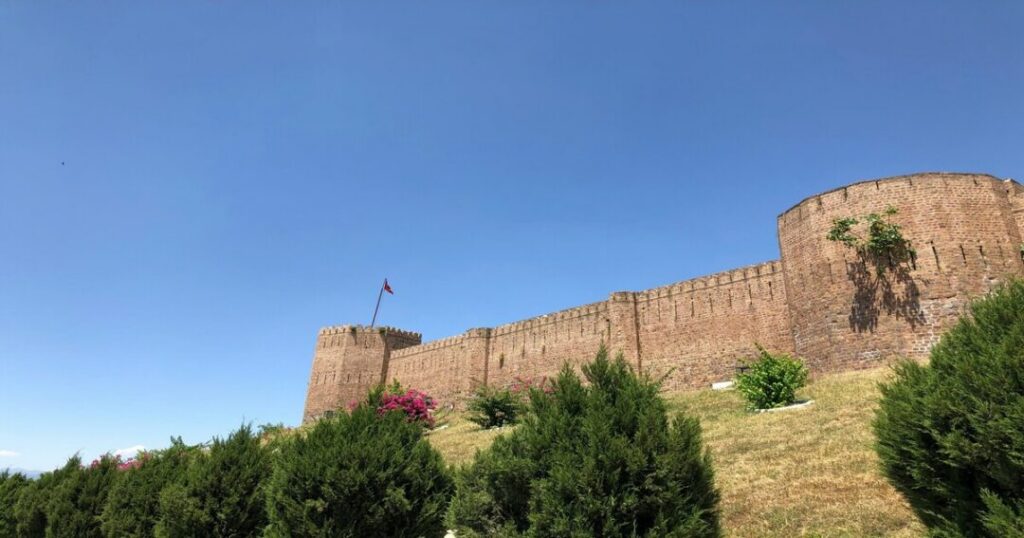
Katra — Vaishno Devi Base (~50 km | 1.5 hours)
The base town for the Vaishno Devi pilgrimage is a full day/overnight from Jammu for the complete shrine visit.
Patnitop (~112 km | 2.5–3 hours)
The finest hill station day trip from Jammu—pine forest, meadows, and winter snow.
Shiv Khori Cave Temple (~80 km | 2 hours)
The extraordinary 1.5 km cave temple is best combined with a Sanasar or Patnitop visit.
Akhnoor Fort (~28 km | 45 minutes)
Mughal fort on the Chenab — the closest heritage day trip from Jammu.
Surinsar-Mansar Lakes (~62 km | 1.5 hours)
Twin sacred lakes—combine both in one day; excellent for picnics and birdwatching.
Also read: Kashmir Food: 12 Must-Try Dishes Every Traveller Needs to Eat
Places to Visit in Jammu & Food: What to Eat
Rajma Chawal: The unofficial dish of Jammu — red kidney beans slow-cooked with aromatic spices, served with steamed rice. The Jammu version is specifically known for its depth of spice and the local red kidney bean variety from the Jammu hills.
Khatta Meat: A sour mutton preparation unique to Jammu—slow-cooked with kokum (dried garcinia fruit) for tartness; deeply flavored and intensely regional.
Dogri Kadhi: The Jammu version of the North Indian yogurt-based curry—thicker and more intensely spiced than the standard version; served with rice or rotis.
Ambal: A sweet-sour pumpkin preparation—a specifically Dogra vegetarian dish cooked with tamarind and jaggery, one of the most distinctive flavors of the Jammu kitchen.
Mitha: A sweet flour halwa made specifically as a prasad offering at temples—distributed freely at major Jammu temples on festival days and religious occasions.
When to Explore the Best Places to Visit in Jammu?
| Season | Conditions | Best For |
| October to March | Cool to cold (8–22°C); Navratras in October; clear skies; all sites accessible | ✅ Best overall — October and March for Navratras |
| April to June | Warm to hot in the city (25–40°C); excellent for Patnitop and Katra | ✅ Good — hill stations and Vaishno Devi ideal |
| July to September | Monsoon: city manageable; Patnitop and Katra may have landslide disruptions | ⚠️ Check road conditions before hill station trips |
How to Reach Jammu
- By air: Jammu Airport (IXJ) — connected to Delhi, Mumbai, Srinagar, and other major cities; well-connected domestic hub
- By train: Jammu Tawi Railway Station — one of the most important rail junctions in northern India; direct trains from Delhi (~10–11 hours), Mumbai, Amritsar, and major cities
- By road from Delhi (~590 km | 10–11 hours): NH44 (the old GT Road northward); well-maintained; overnight bus services widely available
- Within Jammu: Auto-rickshaws, taxis, and city buses for city sightseeing; private vehicle hire recommended for Katra, Patnitop, and day trips
Conclusion About Places to Visit in Jammu
Jammu earns its title—the City of Temples—and then goes beyond it. The shikhars of the Raghunath Temple, the golden sanctum, the Bahu Fort ridge above the Tawi, the Dogra paintings in the Pink Hall, and the 30-foot-deep Peer Kho cave are among the places to visit in Jammu that make the city worth more than a transit stop on the way to Kashmir or Vaishno Devi.
Download the Explurger app to discover what Jammu travelers and pilgrims actually recommend, find the best temple routes and hill station spots, and log every shikara, golden wall, and Tawi River view on your Jammu journey.
The temples are already lit. The Tawi is already catching the morning light. Jammu is already beginning its day of devotion.
FAQs About Places to Visit in Jammu
2. What is the Raghunath Temple in Jammu?
The Raghunath Temple is the largest temple complex in North India—a seven-shrine complex in the heart of Jammu city dedicated to Lord Rama. Construction was started in 1835 by Maharaja Gulab Singh (founder of the Kingdom of Jammu and Kashmir) and completed in 1860 by his son Maharaja Ranbir Singh. The interior walls are covered with gold sheets on three sides. The complex also houses a gallery of Shiva Lingams and Shaligrams and a library of rare Sanskrit manuscripts. The temple was attacked in 2002 and reopened in 2013 after restoration.
3. How far is Vaishno Devi from Jammu?
Vaishno Devi is approximately 50 km from Jammu — the base town is Katra, from where the 14 km pilgrimage trek to the cave shrine begins. The journey from Jammu to Katra takes approximately 1.5–2 hours by road. From Katra, the standard trek (on foot) takes approximately 6–8 hours one way; helicopter services from Katra are also available for those unable to undertake the full trek.
4. What is Mubarak Mandi Palace?
Mubarak Mandi Palace is the former royal residence of the Dogra rulers of Jammu—a palace complex in the old walled city begun by Raja Dhruv Dev (1707–1733) and expanded by successive Dogra maharajas. It is one of the most significant heritage sites in Jammu with active proposals for UNESCO World Heritage inscription (not yet officially listed). The Dogra Art Museum, housed in the Pink Hall of the complex, contains over 7,200 artifacts, including 800+ rare paintings—Basohli school Pahari miniatures and the gold-plated bow and arrow of Mughal Emperor Shah Jahan.
5. What is the best time to visit Jammu?
October to March is the finest time to visit Jammu — the city is cool and pleasant, the Navratras (October and March/April) bring the temples to their most festive, and all sites are fully accessible. April to June is good for Patnitop and the Vaishno Devi trek (Katra is accessible year-round, but summer and Navratras are the busiest). The monsoon (July–September) is manageable in the city but can disrupt hill station and Katra road access.