
980 Total Views
Budapest is one of those cities that stops you cold. You arrive, cross one of the Danube bridges, look left at the illuminated Parliament and right at the castle-crowned hill, and the city immediately tells you what kind of place it is: grand, layered, slightly melancholy in the way that all great Central European capitals are, and entirely beautiful. The things to do in Budapest range from one of the finest Gothic parliamentary buildings on earth to thermal baths fed by ancient hot springs, from a ruin bar scene that invented a new category of nightlife to a market hall that is one of the finest food experiences in Hungary.
This is a city that was three cities—Buda, Óbuda, and Pest—united into one in 1873, and the tension between its two banks of the Danube is still the best way to understand it: hilly, historic, castle-topped Buda on the west; flat, commercial, Jewish Quarter-dense Pest on the east; the river and its bridges between them.
Top 10 Things to Do in Budapest
1. Hungarian Parliament Building — The City’s Most Iconic Sight
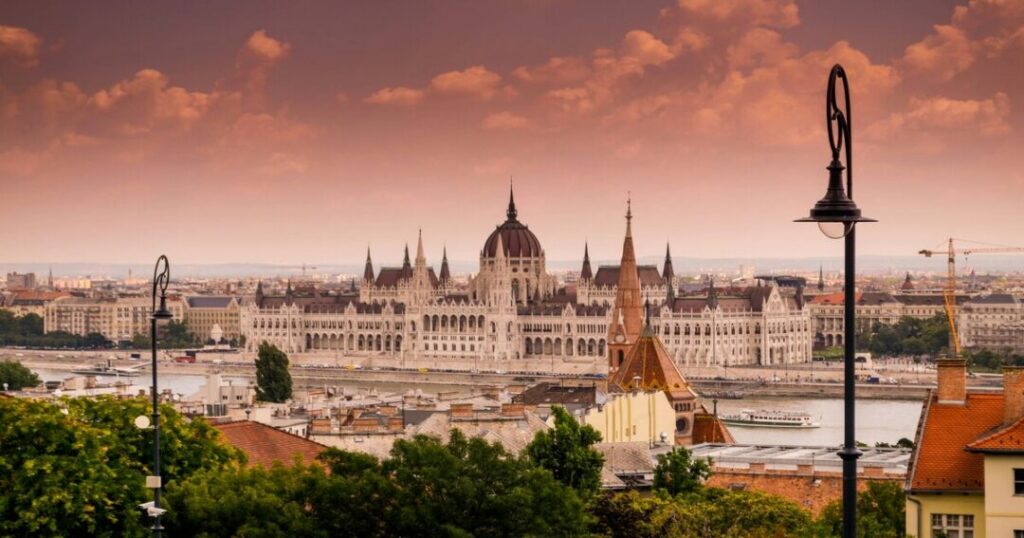
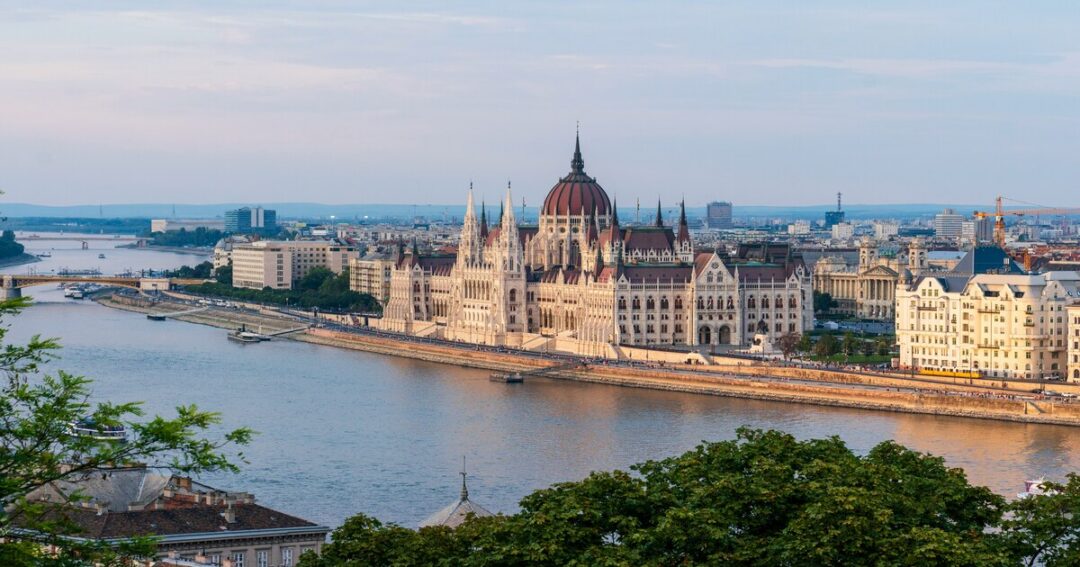
The Hungarian Parliament Building is the undisputed centerpiece of Budapest’s skyline—a neo-Gothic masterpiece on the east bank of the Danube that was designed by Hungarian architect Imre Steindl and constructed between 1885 and 1904. The almost-finished building was inaugurated in 1896 to celebrate Hungary’s millennium—one thousand years of the Hungarian state. At 96 meters in height (a number chosen specifically to reference the 1896 millennium), it remains the largest building in Hungary, with 691 rooms, 29 staircases, and 27 gates. It is a UNESCO World Heritage Site.
From across the Danube — particularly from the Fisherman’s Bastion on the Buda side — the Parliament’s reflection in the river at night is one of the finest urban views in Europe. From inside, the guided tours take you through the Grand Staircase, the Dome Hall (beneath the central dome, where the Hungarian Crown Jewels are displayed), and the two identical debating chambers.
Key facts: Neo-Gothic style, 96 m height, 691 rooms, construction 1885–1904, opened 1896, UNESCO, architect Imre Steindl. Guided tours available in multiple languages — book in advance as tours sell out.
2. Buda Castle & Castle District — A Thousand Years on a Hill
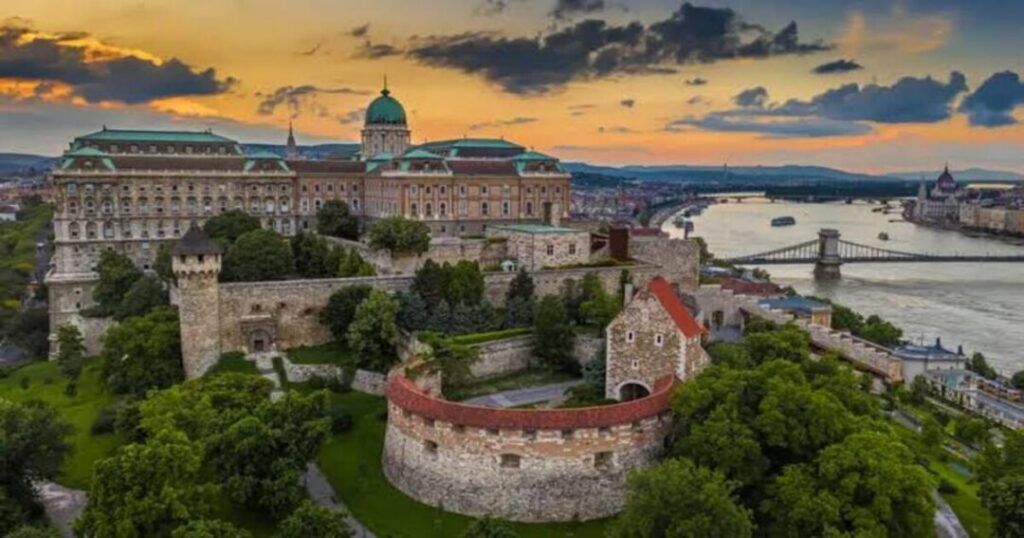
Buda Castle (Budavári Palota), first completed in 1265, sits on the southern tip of Castle Hill on the Buda side and anchors one of the most historically layered districts in Europe. The current Baroque palace complex was largely built between 1749 and 1769, severely damaged in World War II, and rebuilt during the Communist era. It now houses the Hungarian National Gallery, the Budapest Historical Museum, and the National Széchényi Library—all worth visiting independently of the castle exterior and views.
The Castle District (Várnegyed), extending north from the castle, contains medieval streets, Baroque churches, the Matthias Church—a 700-year-old church rebuilt in neo-Gothic style with colorful Zsolnay ceramic roof tiles—and the Fisherman’s Bastion immediately adjacent. The entire Castle District is a UNESCO World Heritage Site (inscribed 1987).
Getting there: The Castle Hill Funicular (Budavári Sikló) from Clark Ádám Square and the Chain Bridge is the most scenic ascent; stairs and buses also connect them.
Also read: Budapest Festivals: The Complete Guide to the Best Events in Hungary’s Capital
3. Fisherman’s Bastion — The Finest Viewpoint in the City
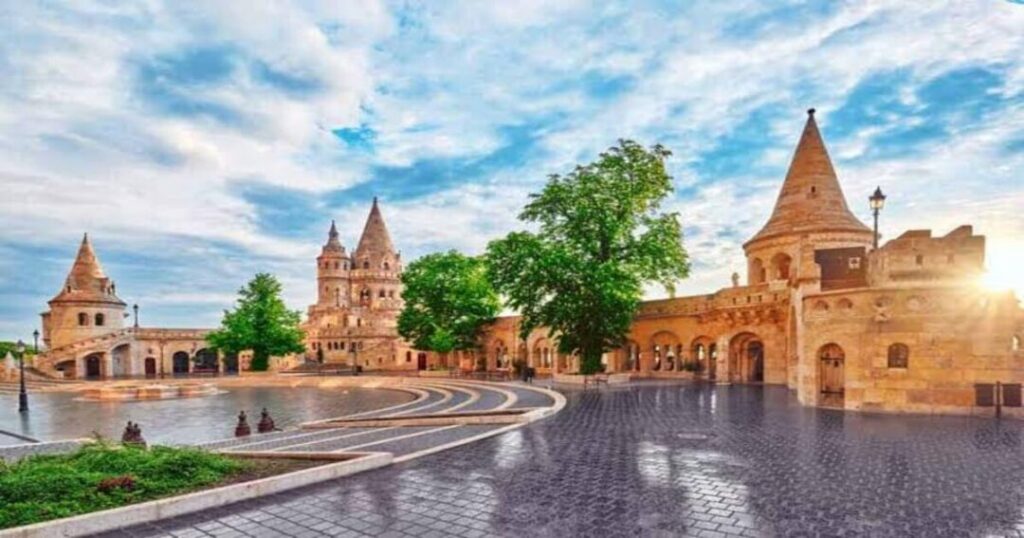
Fisherman’s Bastion (Halászbástya), the neo-Romanesque terrace and towers immediately beside Matthias Church on Castle Hill, offers the finest panoramic view in Budapest: the Parliament directly across the river, the Chain Bridge, the full sweep of the Danube, and the Pest skyline beyond. Built between 1895 and 1902 to mark Hungary’s millennium, it was designed by Frigyes Schulek and named after the fishermen’s guild that defended this section of the castle walls in medieval times.
The view from the upper terrace at sunrise — before the crowds arrive — is one of the most photogenic moments available anywhere in Budapest. At night, the illuminated Parliament reflected in the Danube, seen from here, is extraordinary.
4. Széchenyi Thermal Bath — Soaking in Grand Style
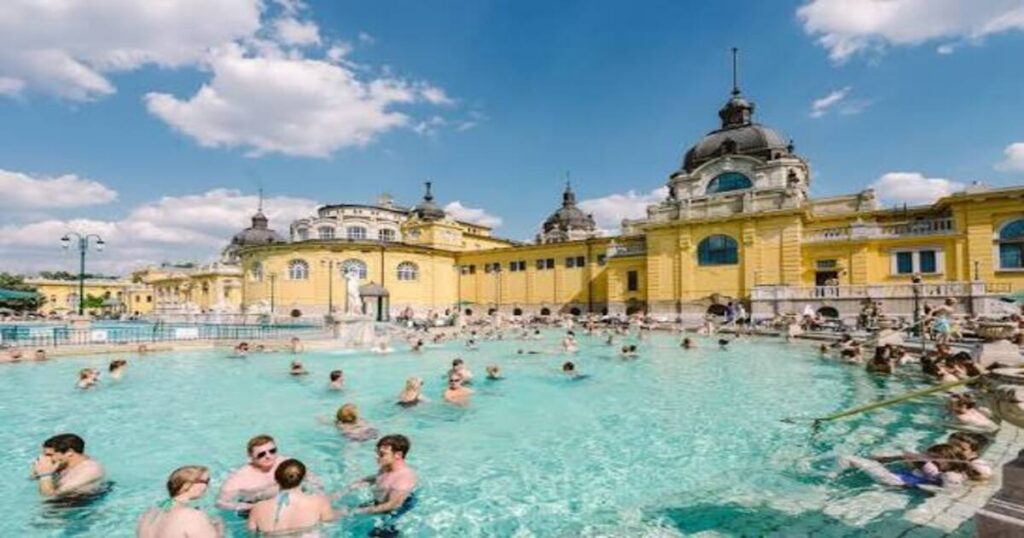
Széchenyi Thermal Bath (Széchenyi Gyógyfürdő) is the largest medicinal bath complex in Europe — a grand neo-Baroque building in City Park with indoor medicinal pools dating from 1913 and three outdoor pools added in 1927. Budapest sits on approximately 125 thermal springs, a legacy of both Roman and Ottoman occupation; the Széchenyi taps directly into this underground resource at approximately 77°C water temperature.
The three outdoor pools — one of which is a leisure pool — operate year-round, including winter. The sight of chess players floating on boards in the outdoor pool in winter steam is one of Budapest’s most characteristic images. Indoors, there are over ten separate pools, a range of medical treatments, and the full suite of Hungarian bathing culture: steam rooms, saunas, and massage.
Alternatives: The Gellért Baths (in the Art Nouveau Gellért Hotel, opened 1918) and the Rudas Baths (partially surviving from the Ottoman period, 16th century) offer different atmospheres—Gellért for grandeur and Rudas for historic authenticity and a rooftop hot tub with views of the Danube.
5. Chain Bridge & the Danube Embankment — Walk Across History
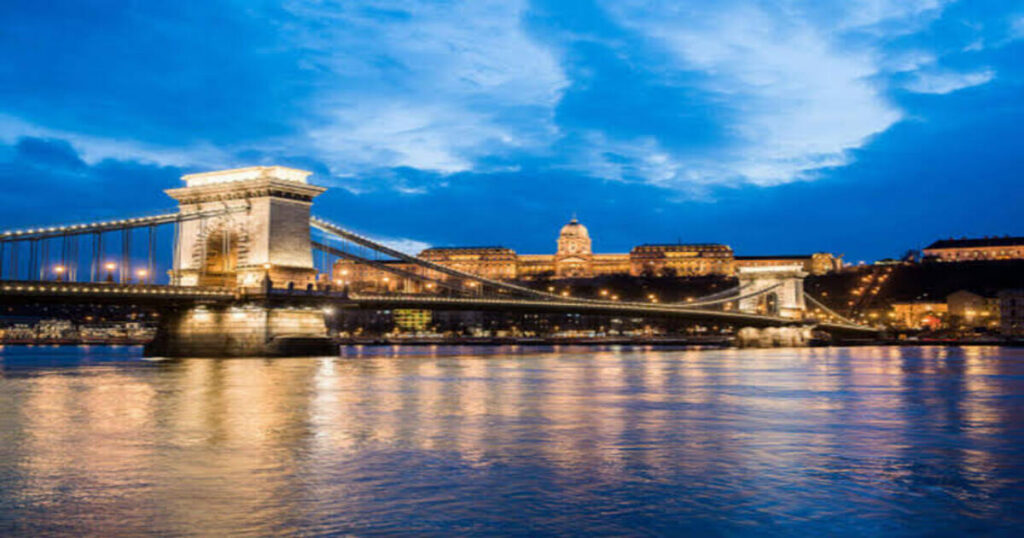
The Széchenyi Chain Bridge (Lánchíd), completed in 1849, was the first permanent bridge connecting Buda and Pest across the Danube and is the oldest and most iconic of Budapest’s bridges. Designed by English engineer William Tierney Clark and built by Scottish engineer Adam Clark, the 375-meter suspension bridge is flanked by four stone lion statues and leads directly to the foot of Castle Hill via Clark Ádám Square. Walking across the Chain Bridge gives the finest ground-level Danube views in the city.
The Danube Promenade (Duna korzó) on the Pest side extends north and south from the bridge — the best riverside walk in Budapest with views of Buda Castle, Gellért Hill, and the Parliament.
Shoes on the Danube Bank: A short walk north along the Pest embankment, the Shoes on the Danube memorial—60 pairs of cast-iron shoes fixed to the bank—commemorates the Jewish victims shot into the Danube by Arrow Cross militiamen in 1944–45. One of the most affecting memorials in the city.
6. Dohány Street Synagogue — Europe’s Largest
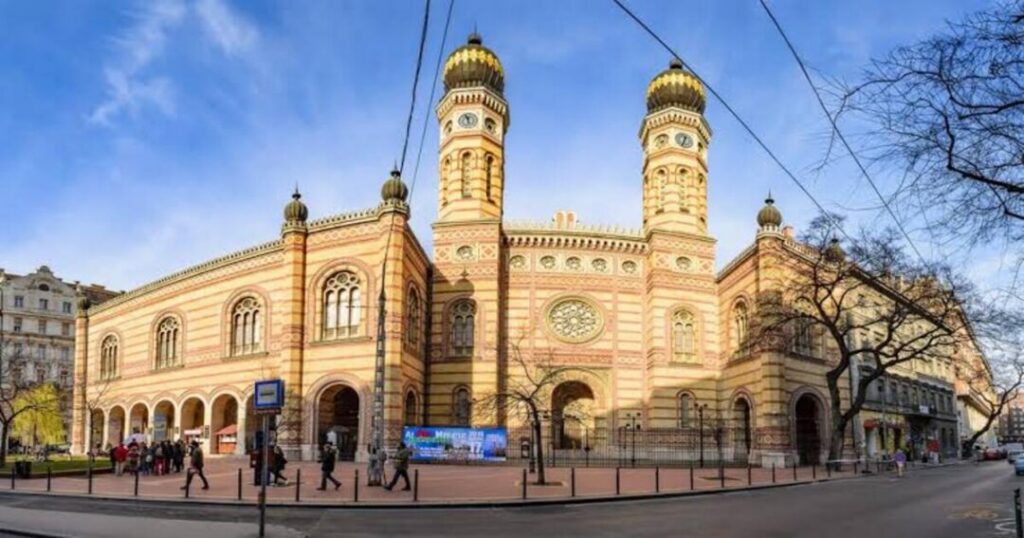
The Dohány Street Synagogue (Dohány utcai zsinagóga)—completed in 1859 in Moorish Revival style—is the largest synagogue in Europe and the second largest in the world, with a seating capacity of 3,000. Located at the edge of Budapest’s historic Jewish Quarter, the synagogue was built to a design by Ludwig Förster and is decorated with gilded domes, ornate brickwork, and a remarkable interior that mixes Byzantine and Moorish elements with Romantic-era European architecture.
Adjacent to the synagogue in the garden is the Tree of Life memorial—a weeping willow sculpture by Imre Varga whose leaves bear the names of Hungarian Jewish Holocaust victims. The synagogue complex also includes the Hungarian Jewish Museum and a cemetery where those who died during the Budapest Ghetto (1944–45) are buried.
Also read: Things to Do in Bangkok Thailand: 20 Must-See Spots, Hidden Gems & Local Experiences
7. The Ruin Bars — Budapest’s Most Unique Contribution to Nightlife
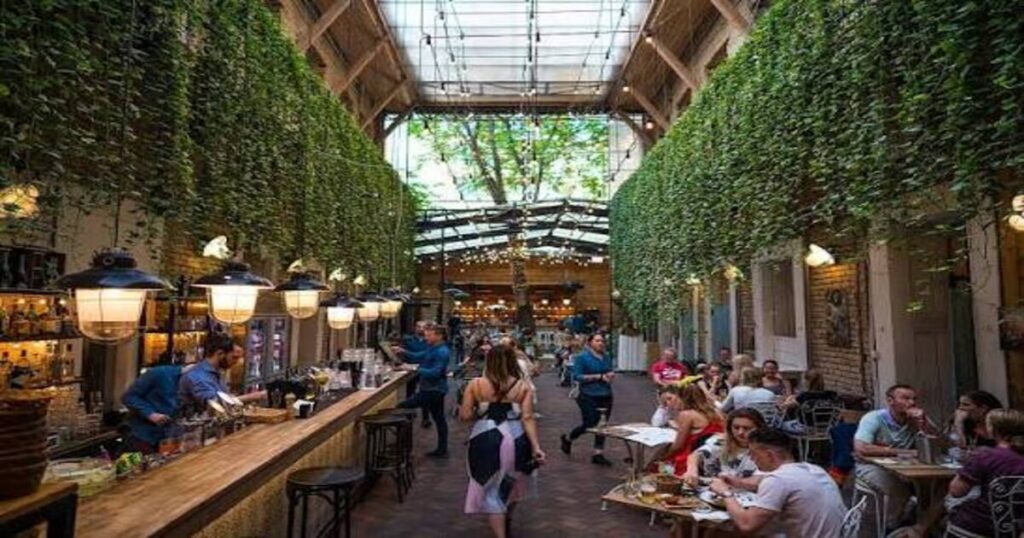
Budapest’s ruin bars (romkocsmák) are one of the city’s most distinctive contributions to global culture—bars, clubs, and cultural spaces created in the 1990s and 2000s in the abandoned buildings and courtyards of the Budapest Jewish Quarter, decorated with salvaged furniture, vintage oddities, and an eclectic visual imagination that no designed bar can replicate.
Szimpla Kert — opened in 2002 in a derelict apartment building on Kazinczy Street — is the original ruin bar and remains the most famous. The multiple-room, multi-courtyard space has mismatched furniture, vintage bathtubs used as seating, art installations, a Sunday farmers’ market, film screenings, and a bar that fills to capacity every weekend. Szimpla Kert is a Budapest attraction that functions equally as a daytime café, evening bar, and late-night club.
The surrounding Jewish Quarter streets—Kazinczy, Dob, and Király—contain more ruin bars and a neighborhood that is worth exploring in daylight as well as after dark.
8. Great Market Hall — Budapest’s Finest Food Experience
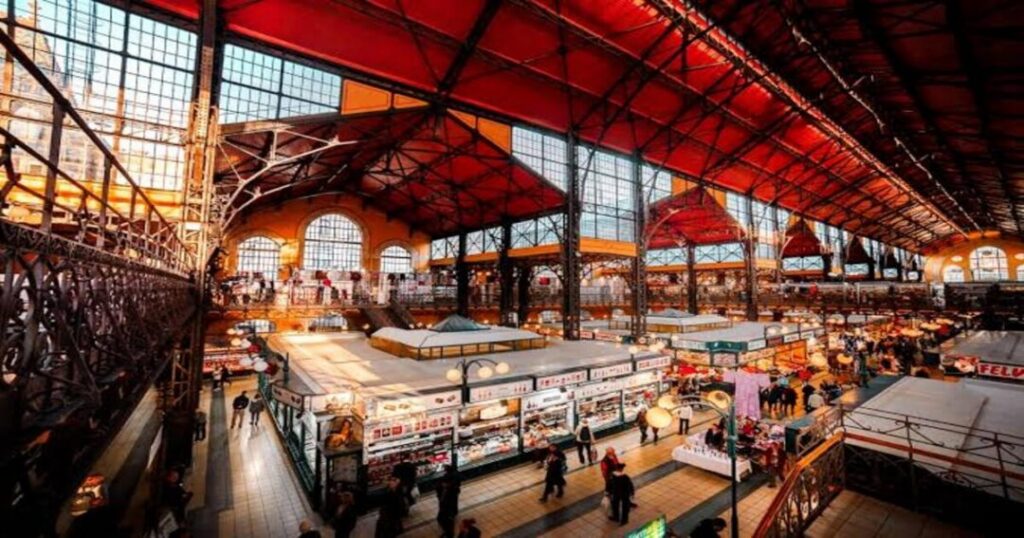
The Great Market Hall (Nagyvásárcsarnok)—opened in 1897—is a vast, cathedral-like iron and brick market hall near the Liberty Bridge on the Pest side. The ground floor has fresh produce, meat, fish, pickles, paprika in every variety, and all the ingredients of Hungarian cooking. The upper gallery has tourist-oriented stalls selling embroidered textiles, folk art, and paprika—and a food court serving langos (deep-fried dough with sour cream and cheese), stuffed peppers, goulash, and Hungarian sausages.
The building itself is the attraction as much as the food—the vaulted iron roof, the colorful Zsolnay ceramic tiles, and the sheer scale of a working 19th-century European market hall make it one of the finest Budapest attractions even for those who buy nothing.
9. Andrássy Avenue & Heroes’ Square — Budapest’s Grand Boulevard
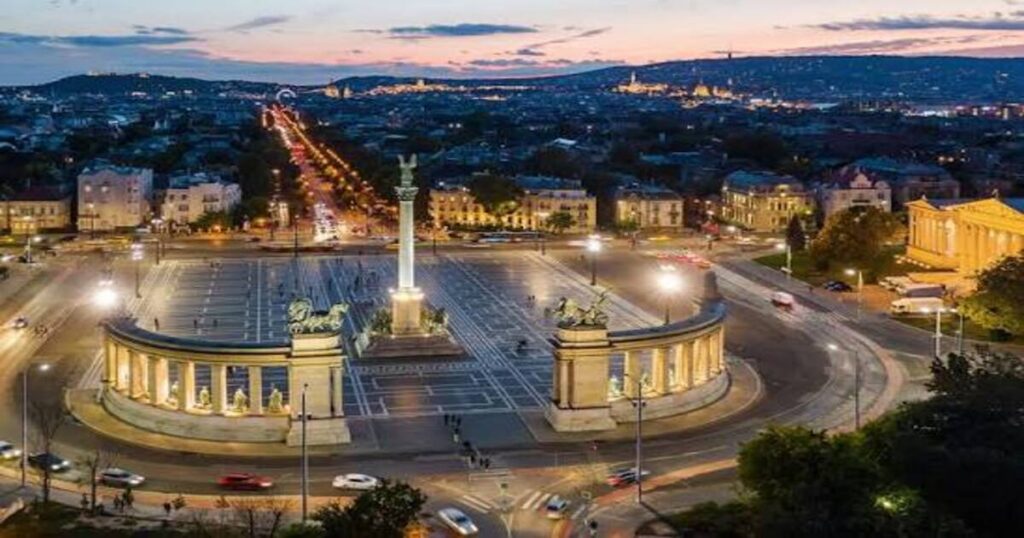
Andrássy Avenue (Andrássy út) — constructed between 1872 and 1885 — is Budapest’s finest boulevard: a 2.3 km tree-lined avenue of neo-Renaissance palaces, embassies, and the Hungarian State Opera House (Magyar Állami Operaház, opened 1884), running from the inner city to Heroes’ Square (Hősök tere) at the entrance to City Park. The avenue and its underground railway are a UNESCO World Heritage Site (Andrássy Avenue added to the UNESCO listing in 2002).
Heroes’ Square at the far end is dominated by the Millennium Monument—a 36-meter column topped by the Archangel Gabriel, flanked by the seven chieftains who led the Magyar tribes into the Carpathian Basin in 896. The square was built in 1896 to celebrate Hungary’s millennium.
The Millennium Underground (M1): Running beneath Andrássy Avenue, the M1 metro line—opened in 1896—is the oldest electrified underground railway in continental Europe. The original wooden carriages and Art Nouveau stations are still operational.
10. City Park & Vajdahunyad Castle — Green Space with a Fairy-Tale Castle
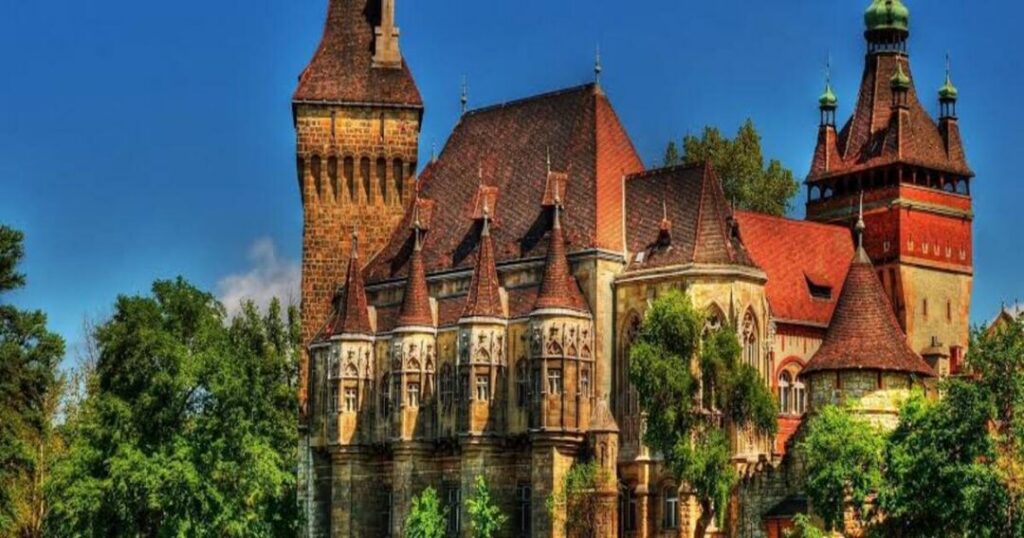
City Park (Városliget) — Budapest’s main public park, immediately beyond Heroes’ Square — contains the Széchenyi Baths (listed above), the extraordinary Vajdahunyad Castle (Vajdahunyad vára), the city zoo, and the Műcsarnok art gallery. Vajdahunyad Castle was built in 1896 for the millennium celebrations as a temporary exhibition building and then rebuilt permanently in stone and brick between 1904 and 1908—it is a single building combining Romanesque, Gothic, Renaissance, and Baroque architectural styles, designed to represent the history of Hungarian architecture in one structure.
The castle’s moat is used as an ice rink in winter—one of Budapest’s most charming seasonal experiences.
Also read: Things to Do in Bali: 12 Best Activities You Can’t Miss
Bonus Things to Do in Budapest
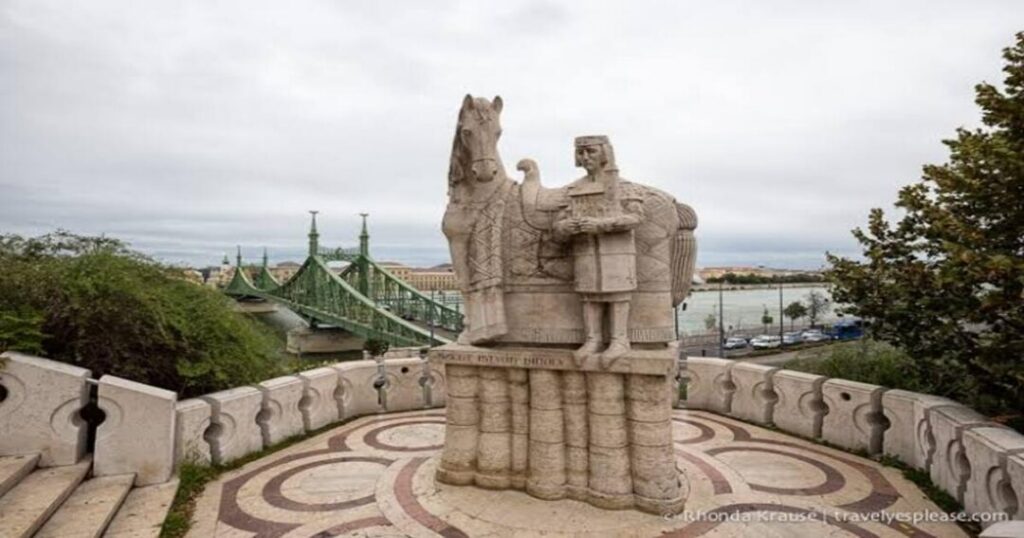
Bonus 1 — Gellért Hill & the Citadel: The 235-meter hill rising from the Buda bank offers the finest panoramic view of the entire city—Parliament, Castle, all seven Danube bridges, and the Pest plain beyond. The Liberty Statue (a woman holding a palm leaf) stands at the summit. Sunset from Gellért Hill is Budapest at its most cinematically beautiful.
Bonus 2 — House of Terror: The former headquarters of both Hungary’s Nazi and Communist secret police—at Andrássy Avenue 60—is now a museum documenting the two totalitarian regimes that occupied Hungary in the 20th century. One of the most powerful and disturbing museums in Central Europe.
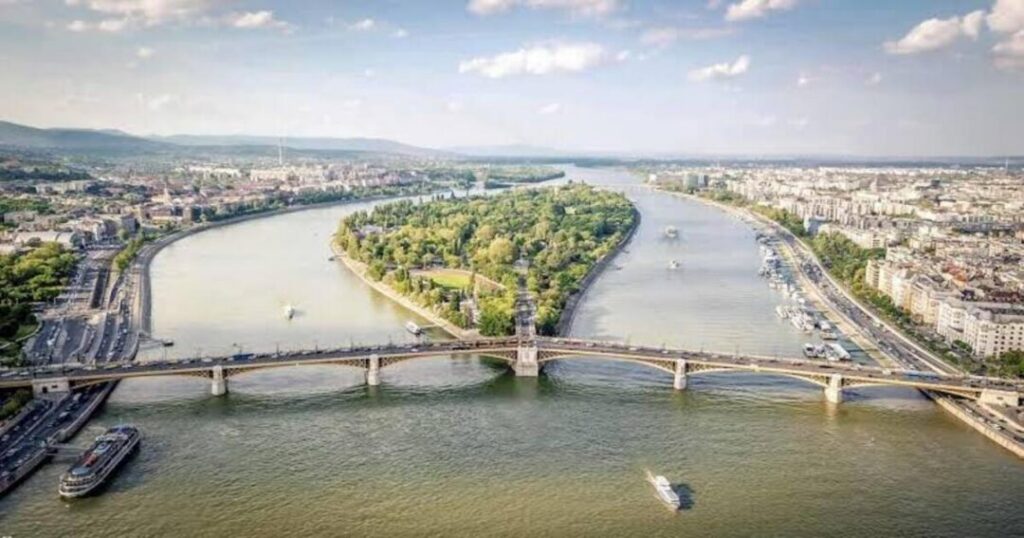
Bonus 3 — Margaret Island: A 2.5 km island in the middle of the Danube, car-free, with thermal spas, running paths, a rose garden, medieval ruins, a Japanese garden, and the best weekend morning walk in the city.
Bonus 4 — Memento Park: A park on the outskirts of Budapest where the Communist-era statues removed from the city after 1989 have been collected—Lenin, Marx, and Soviet soldiers. One of the finest examples of how to handle the material legacy of authoritarianism.
Best Day Trips to Enjoy Along with Things to Do in Budapest
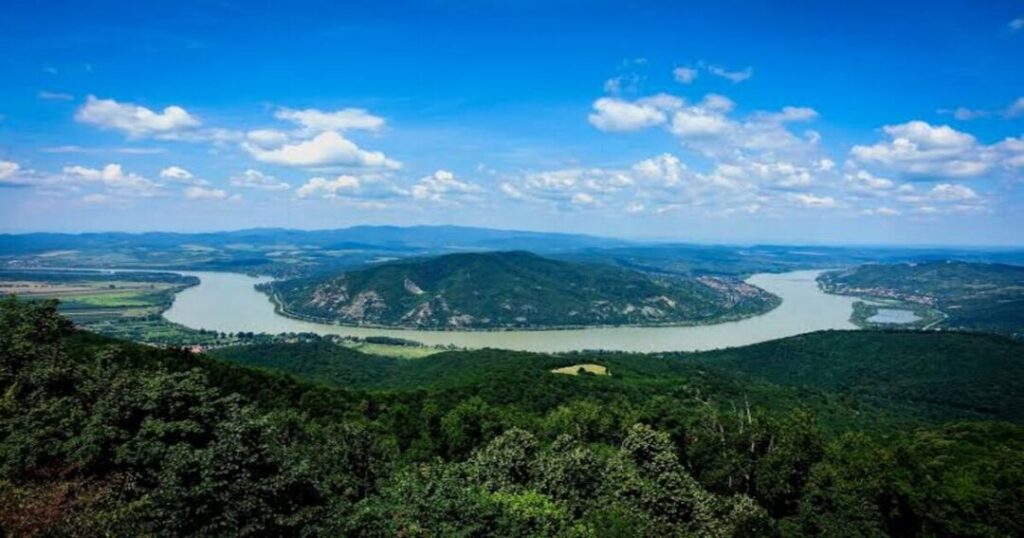
Danube Bend (~40–60 km north | 1 hour): The dramatic curve in the Danube where the river turns south—with the historic towns of Szentendre (Serbian Orthodox churches, artists’ colony), Visegrád (medieval citadel and royal palace), and Esztergom (Hungary’s largest cathedral, the Esztergom Basilica)—is the finest day trip from Budapest.
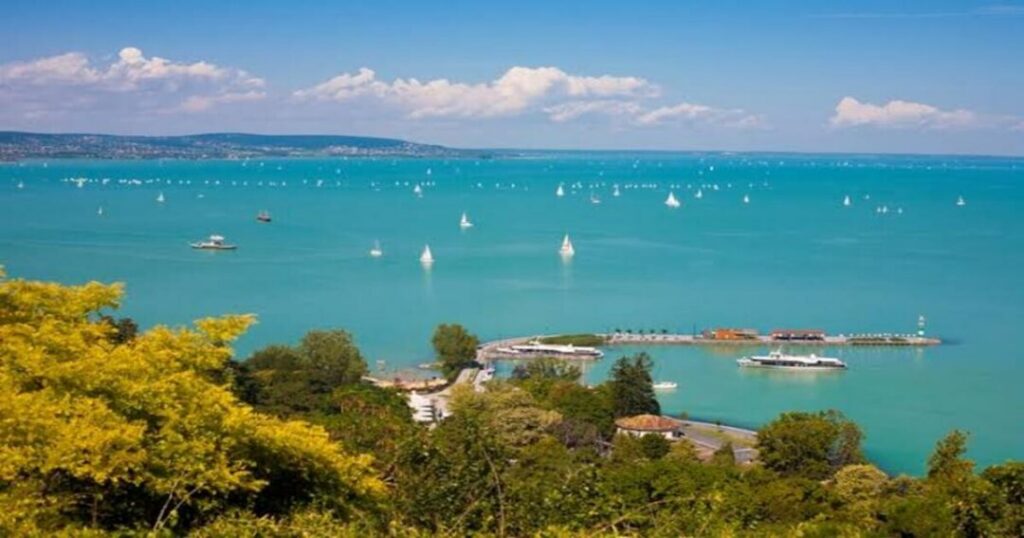
Lake Balaton (~130 km | 1.5–2 hours): Central Europe’s largest lake; resort towns, vineyards, and the specific character of Hungarian lakeside leisure.
Hungarian Food — What to Eat in Budapest
Goulash (gulyás): The definitive Hungarian dish—a beef and vegetable stew (originally a herdsmen’s dish, “gulyás“ means “herdsman”) seasoned generously with Hungarian sweet paprika. In Budapest’s restaurants, it is served in a bread bowl or a deep pot.
Langos: Deep-fried dough topped with sour cream (tejföl) and grated cheese — the definitive Hungarian street food, available at the Great Market Hall and from street vendors across the city.
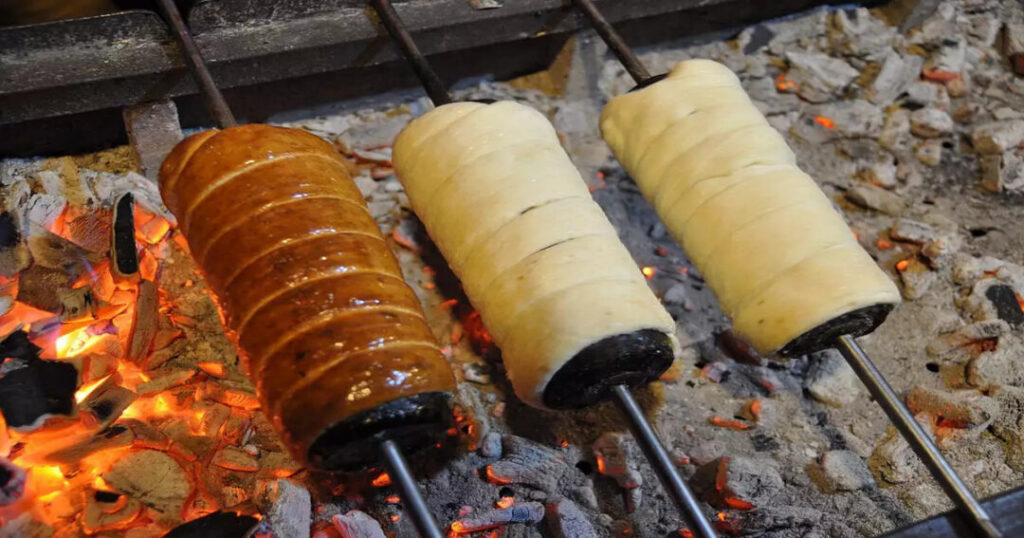
Chimney Cake (kürtőskalács): A spiral of sweet dough roasted over charcoal and rolled in sugar — one of the oldest Hungarian pastry traditions, originally from Transylvania.
Pálinka: Hungary’s fruit brandy—plum (szilva), apricot (barack), and pear (körte)—is typically drunk as a digestif and offered as a welcome drink in many Budapest restaurants.
Hungarian wine: The country’s finest wine region — Tokaj, producing the extraordinary dessert wine Tokaji Aszú — and the Eger region’s red Egri Bikavér (Bull’s Blood) are both widely available in Budapest’s wine bars.
Also read: Things to Do in Azerbaijan: 10 Incredible Experiences That Should Be on Every Traveler’s Bucket List
Things to Do in Budapest: Best Day Trips
| Season | Conditions | Best For |
| April to June | Spring; warm; Budapest Spring Festival (March/April); long days; outdoor markets | ✅ Best overall — comfortable, all sites accessible |
| July to August | Hot (30°C+); Sziget Festival (August); busiest tourist season | ⚠️ Peak crowds and prices; book everything in advance |
| September to October | Warm; fewer crowds, and autumn light extraordinary for photography | ✅ Excellent — the finest photography conditions of the year |
| November to February | Cold; Christmas markets (December); thermal baths at their best | ✅ Christmas market season is magical; winter thermal bathing |
How to Reach Budapest
- By air: Budapest Ferenc Liszt International Airport — connected to most major European cities; well-connected to London, Paris, Amsterdam, Rome, and beyond
- By train: Budapest Keleti railway station is a major Central European hub—direct trains from Vienna (~2.5 hours), Prague (~7 hours), Warsaw, Bucharest, and beyond
- By road from Vienna (~250 km | 2.5–3 hours): The most common road approach for Western European visitors; excellent motorway connections
Conclusion: Things to Do in Budapest
Budapest rewards visitors who give it more than a weekend — but even a weekend is enough to understand why this city has been called one of the great capitals of Europe. The Parliament is across the Danube at night. The thermal bath’s outdoor pools steam in winter. Szimpla Kert at midnight. The Great Market Hall at 9 AM with fresh paprika and langos. These are Budapest’s top attractions that justify the journey from anywhere.
Quick guide to the best things to do in Budapest:
- Parliament Building — 1885–1904; 96 m; 691 rooms; UNESCO; neo-Gothic; guided tours
- Buda Castle & Castle District — 1265 first built; UNESCO 1987; National Gallery inside
- Fisherman’s Bastion — 1895–1902; finest panoramic view in the city
- Széchenyi Thermal Bath—largest medicinal bath in Europe; indoor 1913, outdoor 1927
- Chain Bridge & Danube — 1849; first permanent bridge; Shoes on the Danube memorial
- Dohány Street Synagogue — 1859; largest in Europe; 3,000 seats; Tree of Life memorial
- Ruin bars / Jewish Quarter — Szimpla Kert (2002) and the surrounding VII district
- Great Market Hall — 1897; ground floor fresh produce; upper gallery langos and folk art
- Andrássy Avenue & Heroes’ Square—UNESCO 2002; Opera House; M1 metro (1896)
- City Park & Vajdahunyad Castle — built 1896 (wood/cardboard), rebuilt 1904–1908 (stone/brick); Széchenyi Baths inside the park
Bonus: Gellért Hill viewpoint, House of Terror, Margaret Island, Memento Park
Download the Explurger app to discover what Budapest travelers actually recommend, find the best local restaurants and hidden thermal baths beyond the tourist circuit, and log every Parliament view, thermal soak, and langos on your Budapest journey.
Two banks. One extraordinary city. Budapest has been waiting.
FAQs Things to Do in Budapest
2. What is the best Budapest attraction for first-time visitors?
For first-time visitors, the essential Budapest attractions in order are: start with the Parliament building (exterior from across the river at night; guided tour inside during the day), walk the Chain Bridge, take the Castle Hill Funicular to Buda Castle and the Fisherman's Bastion for the panoramic view, visit Matthias Church in the Castle District, then cross back to Pest for the Dohány Street Synagogue and the Jewish Quarter ruin bars (including Szimpla Kert). Finish with a long afternoon at Széchenyi Baths. This covers the best of both Buda and Pest in two days.
3. What are Budapest's thermal baths and which should I visit?
Budapest has over 100 thermal springs and multiple famous bathhouses. The three most visited Budapest attractions for thermal bathing are Széchenyi (City Park—largest medicinal bath in Europe, neo-Baroque, outdoor pools year-round including winter, indoor pools from 1913), Gellért (Art Nouveau, opened 1918, inside the famous Gellért Hotel, more formal atmosphere), and Rudas (partially from the Ottoman period, 16th century, historic domed Turkish bath interior, rooftop hot tub with Danube views). Széchenyi is the most lively and social; Rudas is the most historically authentic.
4. What are Budapest ruin bars?
Budapest's ruin bars are bars and cultural spaces created from the 1990s onward in abandoned buildings in the Jewish Quarter of the VII District—filled with salvaged furniture, vintage decor, art installations, and a deliberately eclectic aesthetic that no designed bar can replicate. Szimpla Kert (opened 2002 on Kazinczy Street) is the original and most famous, operating as a daytime café, Sunday farmers' market, film screening venue, and evening bar/club in a multi-room derelict apartment building. The surrounding streets of the Jewish Quarter are worth exploring as a neighborhood in their own right, independent of the nightlife.
5. Is Budapest worth visiting?
Budapest is one of the finest city destinations in Europe—combining UNESCO World Heritage architecture (Parliament, Buda Castle, Andrássy Avenue); a unique thermal bath culture fed by 125 natural hot springs; a ruin bar scene that invented a new genre of nightlife; exceptional Hungarian food and wine; and a price point significantly lower than Vienna, Prague, or Berlin. The city's position on the Danube and its two completely different banks (hilly Buda vs. flat Pest) give it a visual character matched by few European capitals. It is consistently rated among the top five city breaks in Europe.