

1,149 Total Views
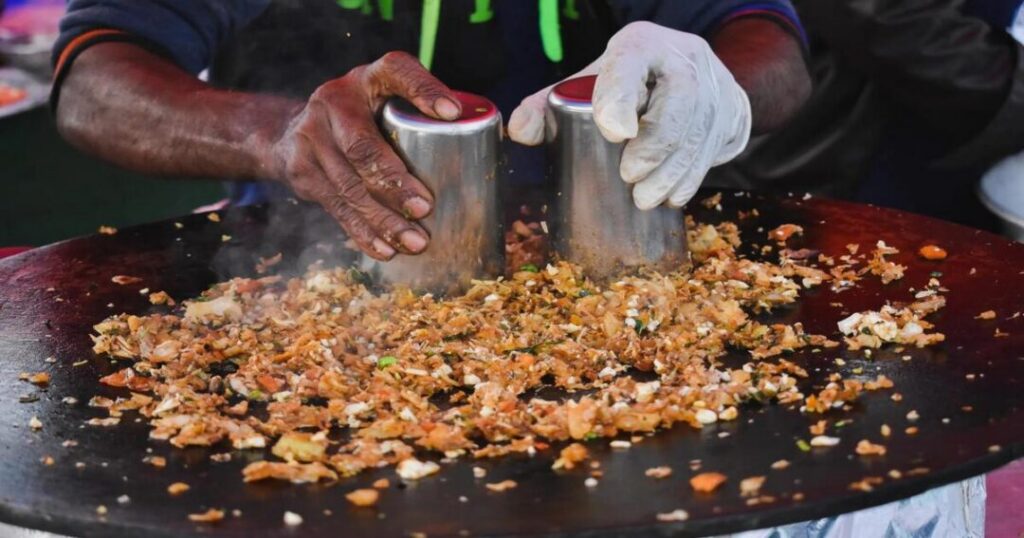
Sri Lankan street food announces itself before you see it. Walk past any night kade in Colombo after dark and you’ll hear two metal blades hitting a hot griddle in a rhythm that’s closer to a drum solo than cooking—that’s kottu roti being made, and it’s the dish every other item on this list gets compared to. Here’s the full menu, from the kottu variants worth knowing to the snacks that show up on nearly every corner.
The Best Sri Lankan Street Food to Try in 2026
Sri Lankan Street Food: Why Kottu Roti Sounds Before It Arrives
Sri Lankan street food didn’t grow up around one dominant culture’s cooking—it absorbed Sinhalese, Tamil, Malay, Chinese, and colonial Portuguese, Dutch, and British influences into a single, chaotic, genuinely great food scene. That mix is exactly why a plate of Sri Lankan street food can put a Chinese-style stir-fried roti next to a Tamil-style prawn vadai next to a British-style pastry roll without anything feeling out of place.
Kothu Street Culture: Where Sri Lanka’s Kottu Roti Tradition Started
Long before it was a tourist bucket-list item, kottu roti was a working-class night food.
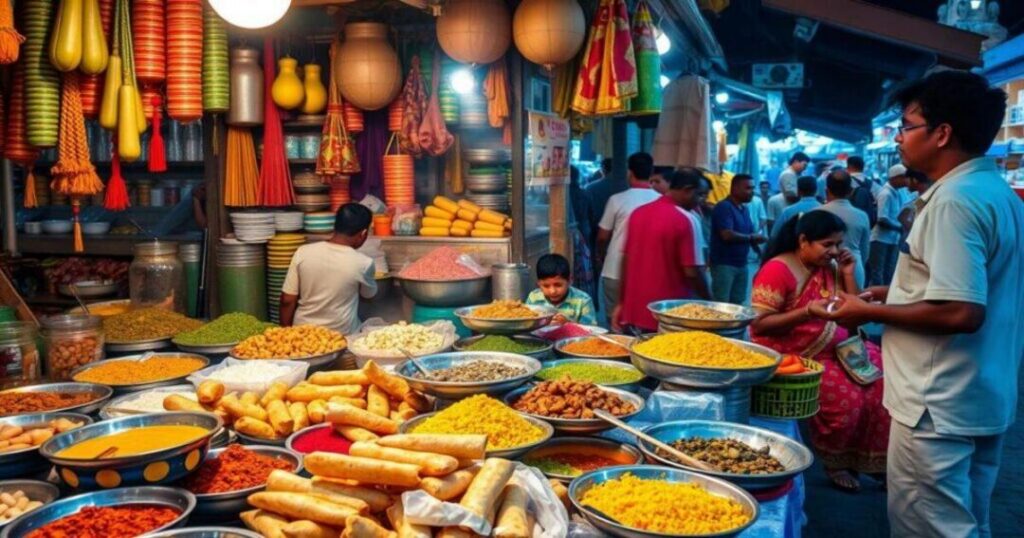
Oral histories trace it to before the 1950s, but it became a fixture of what’s now called kothu street culture by the 1950s and ’60s, spreading through “night kades”—roadside eateries that opened after dark in Colombo neighborhoods like Maradana, Pettah, and Galle Road, as well as Trincomalee, Batticaloa, and Jaffna. These stalls served night-shift workers and transport-hub laborers who needed something fast, filling, and cheap, and the chopping technique—literally hacking godamba roti into pieces on a flat griddle—turned into a performance art, with cooks syncing their blade work to popular songs by the 1990s.
Also read: Places to Visit in Sri Lanka: 7 Day Itinerary, Hidden Gems, Things to Do, Cuisine and Much More!
Sri Lankan Kottu Roti — The Base Recipe Everyone Builds On
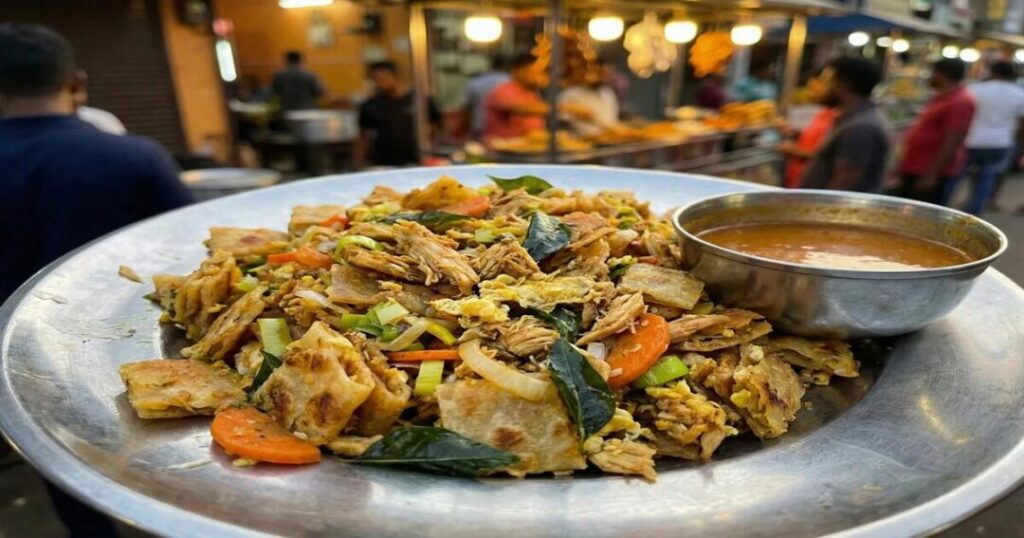
At its core, Sri Lankan kottu roti—also spelled Sri Lankan kothu roti—is chopped godamba roti (a soft, flaky flatbread) mixed on the griddle with vegetables, egg, spices, and a curry gravy, all diced together with those two metal blades until everything’s shredded and combined. It’s the base every other kottu variation on this list starts from, and it’s the single dish that most defines Sri Lankan street food for first-time visitors.
Butter Chicken Kothu Roti — The Rich, Indulgent Variant
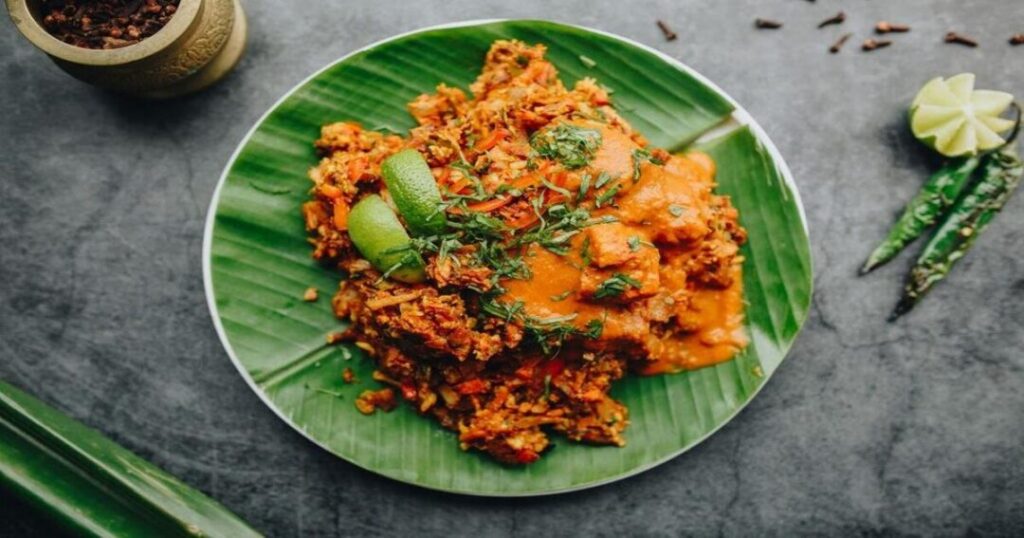
Butter chicken kothu roti takes that same chopped-roti base and folds in a rich, buttery chicken curry rather than a drier curry gravy, giving the dish a heavier, more indulgent finish that’s become one of the most-ordered upgrades on any modern kottu menu.
Lamb Kottu Roti and Hoppers — A Classic Late-Night Pairing
Order lamb kottu roti, and you’ll usually find it alongside hoppers on the same night-kade menu—lamb kothu roti hoppers is less a single dish than a pairing locals default to when one plate of kottu doesn’t feel like enough. The lamb version leans gamier and spicier than chicken or beef kottu, and it’s a menu staple anywhere Sri Lankan street food is taken seriously.
Also read: Singapore Street Food: 15 Iconic Dishes You Need to Try
Sri Lanka Street Food Beyond Kottu: Hoppers and Short Eats
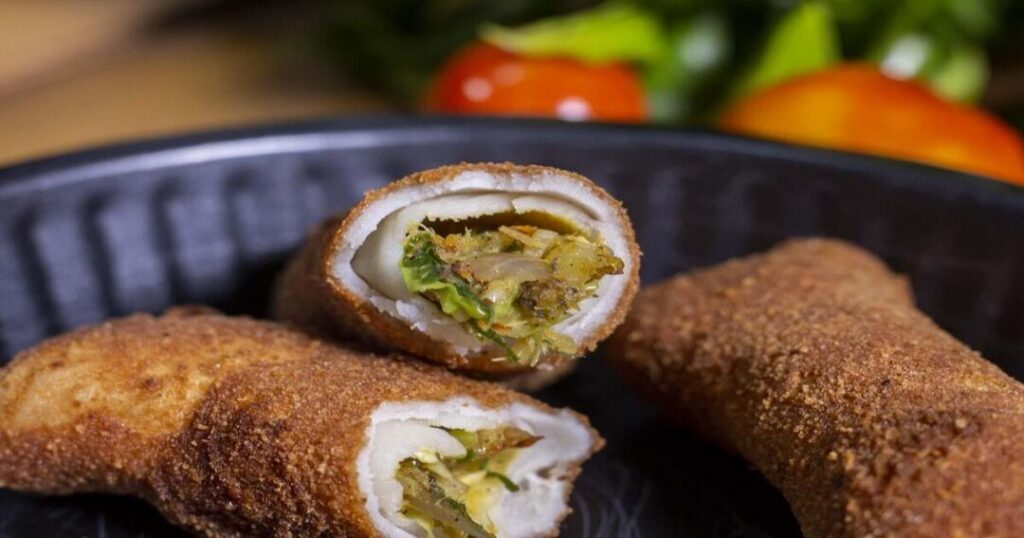
Kottu gets the spotlight, but most of Sri Lanka’s actual daily street eating happens around hoppers and short eats instead—this is the side of Sri Lankan street food locals eat far more often than kottu.
Hoppers (Appa) and Egg Hoppers
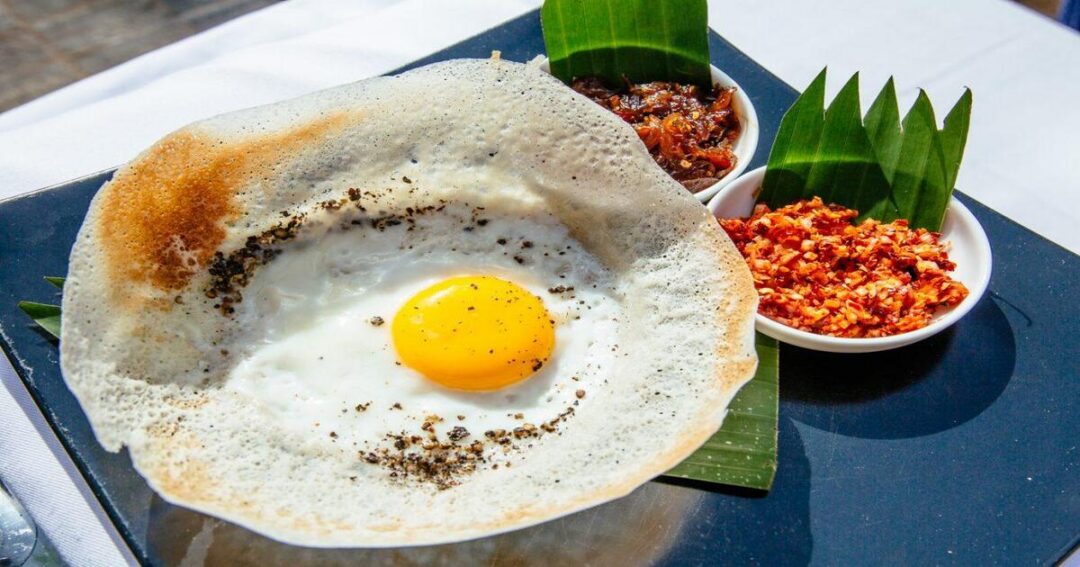
Made from a fermented batter of rice flour, coconut milk, and a touch of palm toddy, hoppers (appa) are cooked in a small rounded pan that’s swirled to coat the sides, giving the finished bowl-shaped pancake a crisp edge and a soft, spongy center. The egg hopper variant cracks a whole egg into the center just before covering the pan, so the yolk stays runny inside the crisp shell. Both are breakfast-and-dinner foods—most stalls close mid-morning and reopen in the evening.
Also read: Pattaya Street Food: The Real Pattaya Thai Street Food Guide
String Hoppers (Idiyappam)
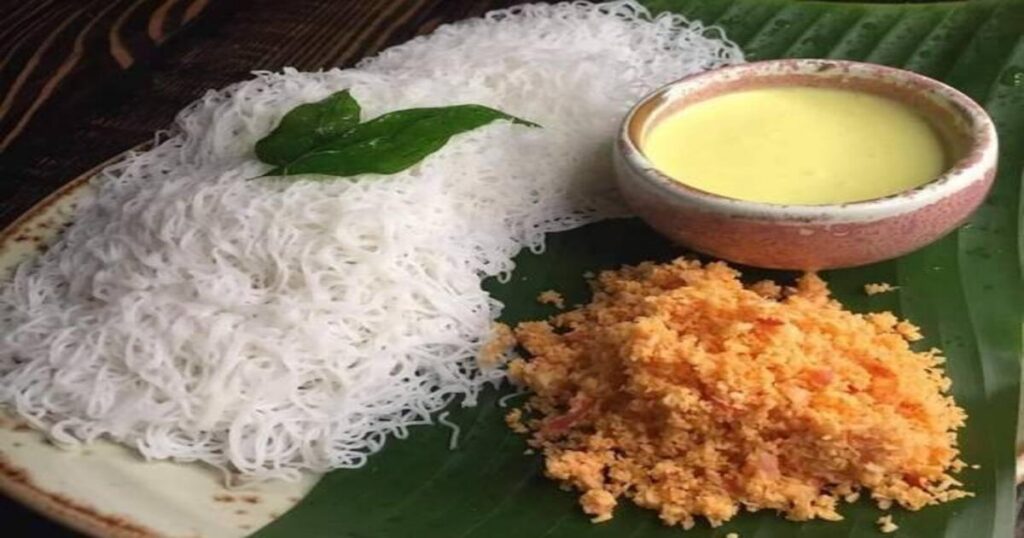
Don’t confuse these with hoppers—string hoppers are pressed rice-flour dough forced through a mold into thin noodle strands, then steamed into flat, delicate nests. They’re chewier and more neutral in flavor than hoppers, meant to be eaten with a curry or sambol rather than alone.
Short Eats — Rolls, Patties, and Cutlets
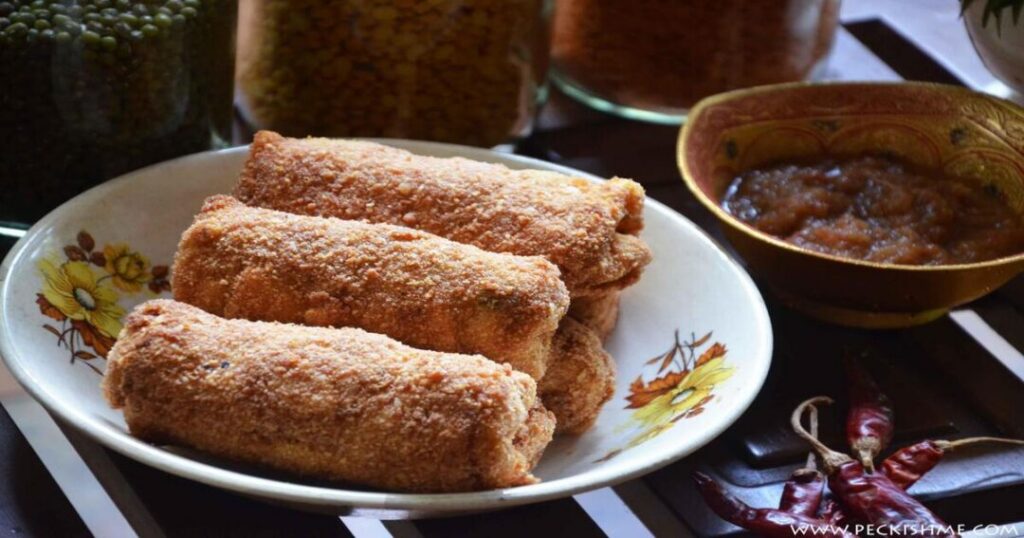
“Short eats” is the catch-all term for Sri Lanka’s deep-fried snack case, and its variety mirrors the island’s immigration history: rolls came from Chinese cooking traditions, cutlets and patties from the British, and vadais from Tamil communities. You’ll find them at bakeries, tea shops, and train stations across the country, sold for a quick bite or a takeaway box for later—arguably the most everyday form of Sri Lankan street food there is.
Sri Lankan Street Food Snacks: Isso Vade and Achcharu
Beyond the hot dishes, two cold-weather-proof snacks round out any real Sri Lankan street food crawl.
Isso Vade—The Prawn Fritter That Unites the Island
A deep-fried lentil vadai topped with a single whole prawn, isso vade is the snack most associated with Colombo’s Galle Face Green, where vendors line the seafront every evening. It’s spicy, crunchy, and cheap enough to eat three in a row without thinking twice—a strong contender for the single best-value item in Sri Lankan street food.
Also read: Laos Food: A Complete Guide to Lao Cuisine’s Must-Try Dishes
Achcharu—Sri Lanka’s Spicy-Sweet Pickled Fruit
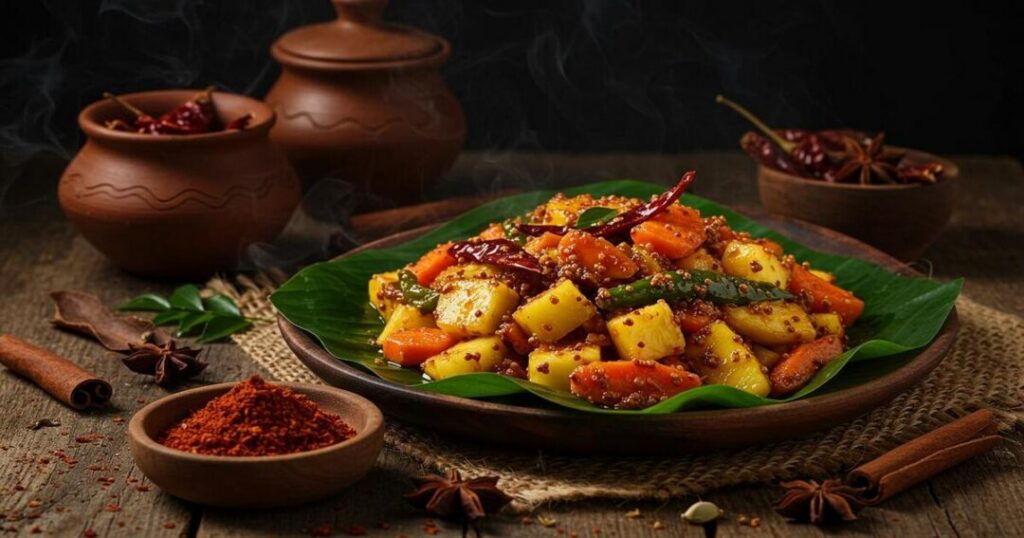
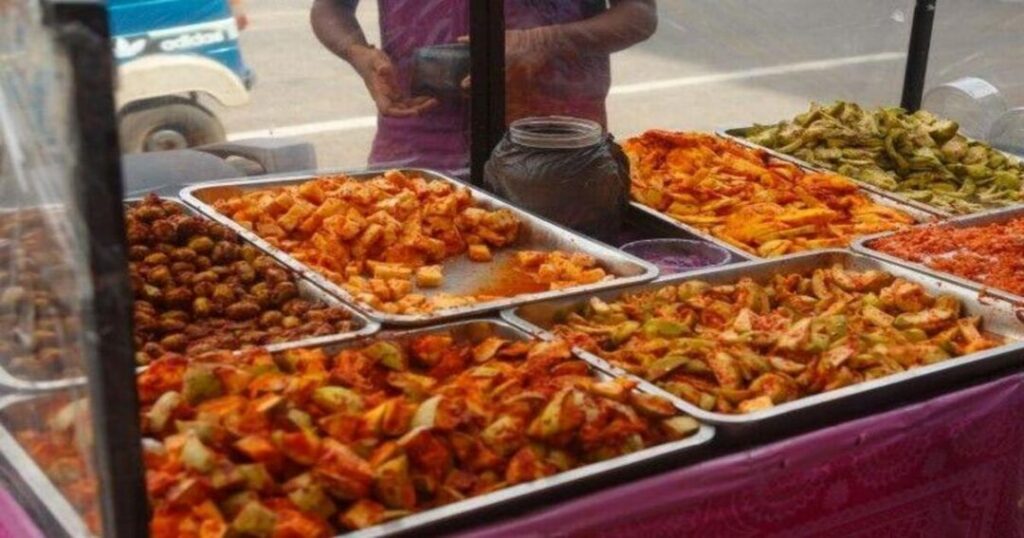
Sold from carts in paper cones, achcharu mixes pickled and fresh fruit—green mango, pineapple, and more—with chili powder, salt, and vinegar for a sweet-sour-spicy combination that’s especially popular with schoolkids and evening walkers alike.
If you only remember three names, remember these for your Lankan street food menu:
- Galle Face Green, Colombo: the seafront stretch for isso vade, hoppers, and evening snacking with an ocean view
- Pettah Market, Colombo: dense, chaotic, and full of short eats, juice stalls, and quick kottu counters between the market stalls
- Night kades citywide: the actual home of kottu roti—look for the loudest chopping sound and the longest local queue in Colombo, Kandy, or Galle alike
Keep this trio in mind, and you effectively have a working Sri Lankan street food menu wherever you land on the island.
Best Time for Sri Lankan Street Food and Basic Etiquette
Most Sri Lankan street food worth eating is an evening-to-late-night affair — hoppers and kottu stalls typically get going after dark and run well past midnight, while short eats and achcharu carts work all day. Sri Lanka runs two monsoon seasons (roughly May–September in the southwest, October–January in the northeast), so open-air stalls like Galle Face’s row of carts can shut early if it rains — build in a backup indoor option. As for etiquette: eating with your right hand is standard at hopper and rice-and-curry stalls, cash is still king at most night kades, and pointing at what the person next to you ordered is a perfectly normal way to order — locals do it too when a stall’s sri lankan street food menu isn’t posted anywhere obvious.
Conclusion—Sri Lankan Street Food Worth Building a Trip Around
A few things worth carrying into your own food crawl:
- Start with kottu roti in one of its forms—plain, butter chicken, or lamb—since everything else on this list is judged against it
- Save room for hoppers and an isso vade or two; they’re the dishes locals actually eat daily, not just the ones built for visitors
- Head to Galle Face Green or a Pettah night kade rather than a sit-down restaurant if you want the real version of this cuisine
However you build the evening, Sri Lankan street food rewards showing up hungry and ordering in rounds rather than committing to one plate.
Craving more? Download the Explurger app and start mapping your own Sri Lanka food trail today.
Pair a Colombo food crawl with a few days in Galle or Kandy, and you’ve got a full Sri Lanka trip built around eating well, not just sightseeing.
FAQs About Sri Lankan Street Food
2. What is kottu roti made of?
Sri Lankan kottu roti starts with godamba roti, a soft, flaky flatbread, chopped on a hot griddle with vegetables, egg, spices, and curry gravy using two metal blades. Popular variations swap in different proteins—butter chicken kothu roti uses a rich buttery chicken curry, while lamb kottu roti leans spicier and gamier than the chicken or beef versions.
3. Where can I find the best Sri Lankan street food menu?
Night kades—roadside eateries that open after dark—are the most reliable source, especially in Colombo neighborhoods like Maradana, Pettah, and Galle Road. Galle Face Green is the best single spot for isso vade and hoppers with an ocean view, while Pettah Market covers short eats and quick bites during the day.
4. Is Sri Lankan street food spicy?
Much of it is, particularly achcharu, isso vade, and curry-based kottu, though spice levels vary by stall and can usually be adjusted on request. Hoppers and string hoppers themselves are mild, with the heat coming from the sambol or curry served alongside them rather than the base dish.
5. What's the difference between hoppers and string hoppers?
Hoppers (appa) are a fermented rice flour and coconut milk batter cooked in a small rounded pan into a bowl shape with crisp edges and a soft center, sometimes with an egg cracked into the middle. String hoppers (idiyappam) are a completely different preparation—rice flour dough pressed into noodle strands and steamed into flat nests, with a chewier, more neutral texture.
6. What are Sri Lankan short eats?
"Short eats" is the umbrella term for Sri Lanka's deep-fried snack case—rolls, cutlets, patties, and vadais—sold at bakeries, tea shops, and train stations countrywide. The variety reflects the island's history: rolls trace to Chinese cooking traditions, cutlets and patties to British influence, and vadais to Tamil communities.
7. What is isso vade and where do I try it?
Isso vade is a deep-fried lentil vadai topped with a whole prawn, best known as the signature evening snack along Colombo's Galle Face Green, where vendors set up every evening along the seafront. It's spicy, inexpensive, and one of the easiest introductions to Sri Lankan street food for a first-time visitor.