
320 Total Views
Goa is India’s most over-described and still most under-explored destination. Everyone has an opinion about it — the beaches, the parties, the shacks, the sunsets — and most of those opinions are about 30% of the actual story. The other 70% is a UNESCO-listed church built in 1594, a four-tiered waterfall in the middle of a wildlife sanctuary, spice estates that smell like the entire history of the Indian Ocean trade, and fishing villages that time genuinely forgot. Whether you’re here for three days or three weeks, this guide covers the best things to do in Goa — from the iconic to the genuinely unexpected.
Things to Do in Goa — Beaches & Water Sports
1. Palolem Beach — South Goa’s Most Beautiful Crescent
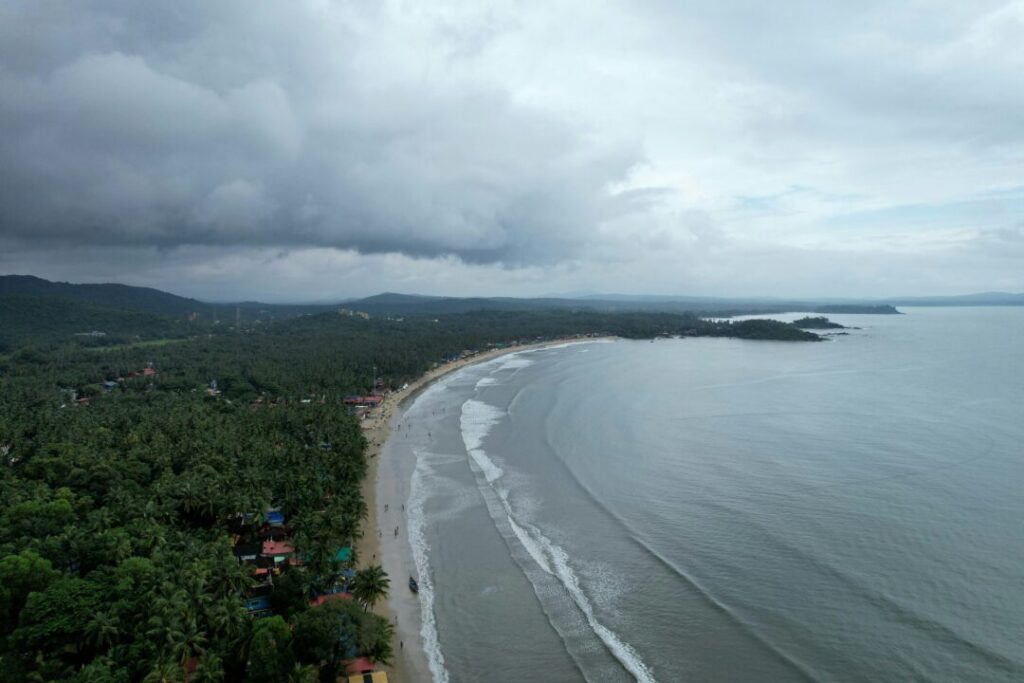
Palolem is the one Goa tourist place that actually looks like the postcards. A crescent-shaped bay with calm waters, lined with wooden shacks and backed by coconut palms — it is the most visually stunning beach in the state, and one of the safest for swimming due to its sheltered geography.
- Palolem is in Canacona taluka, South Goa — about 2 hours from Panaji
- Silent Noise parties on the beach (headphone parties) are a Palolem signature experience
- Best visited November–February; get there early to secure a good shack spot before the crowds arrive
2. Arambol Beach — The Hippie North’s Last Stronghold
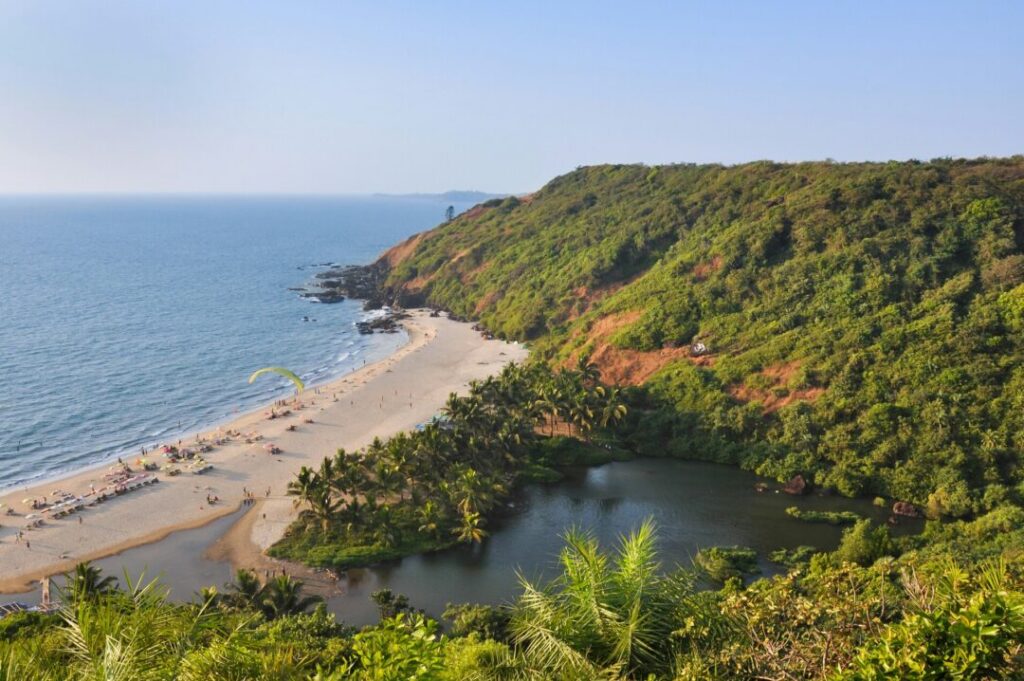
Arambol is where the original Goa counterculture still lives — a northern beach with a bohemian reputation that has outlasted most of its contemporaries. The beach itself curves into a freshwater lake surrounded by jungle; the sunsets here are particularly spectacular.
- Known for its drum circles, fire performers, and yoga shacks that operate on Goa Standard Time (i.e., whenever)
- The freshwater lake behind the beach is a distinctive feature — a natural curiosity worth the short walk
- Base yourself here if you want the laid-back hippie Goa experience without the luxury resort crowd
3. Baga & Calangute — Where the Action Is
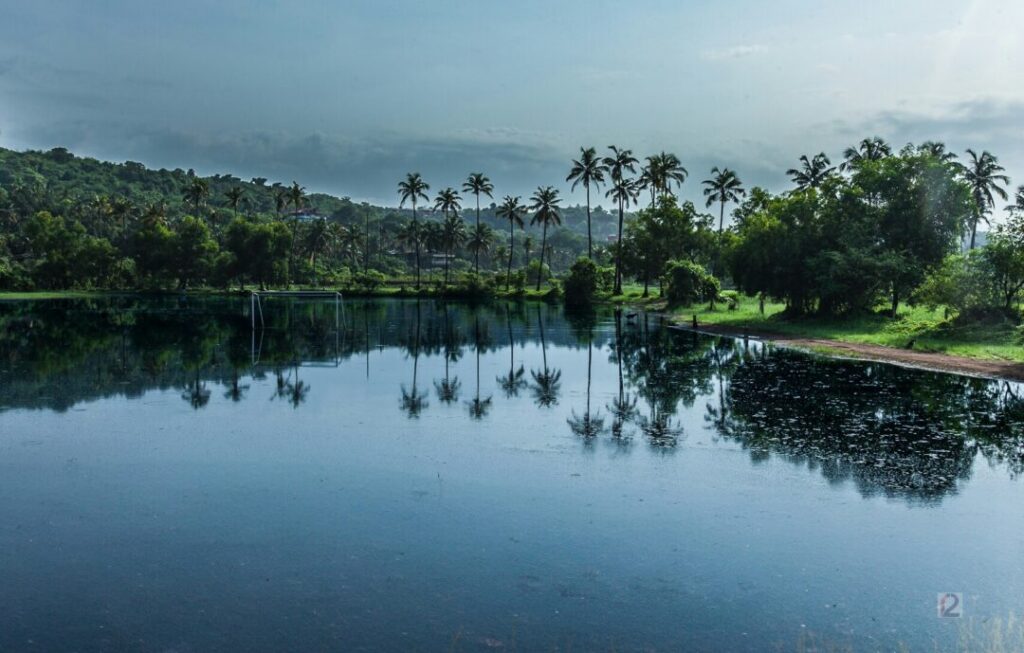
Love them or find them too busy — Baga and Calangute are the heartbeat of North Goa’s tourist circuit and the place where activities in Goa like parasailing, jet skiing, banana boat rides, and bumper rides are most easily booked.
- Baga’s beach road at night is Goa’s most concentrated stretch of restaurants, bars, and live music venues
- Water sports operators are clustered on the beach; prices are negotiable and safety standards have improved significantly
- Avoid peak hours (11am–3pm) for a more manageable beach experience
4. Butterfly Beach & Honeymoon Beach — For the Boat Riders
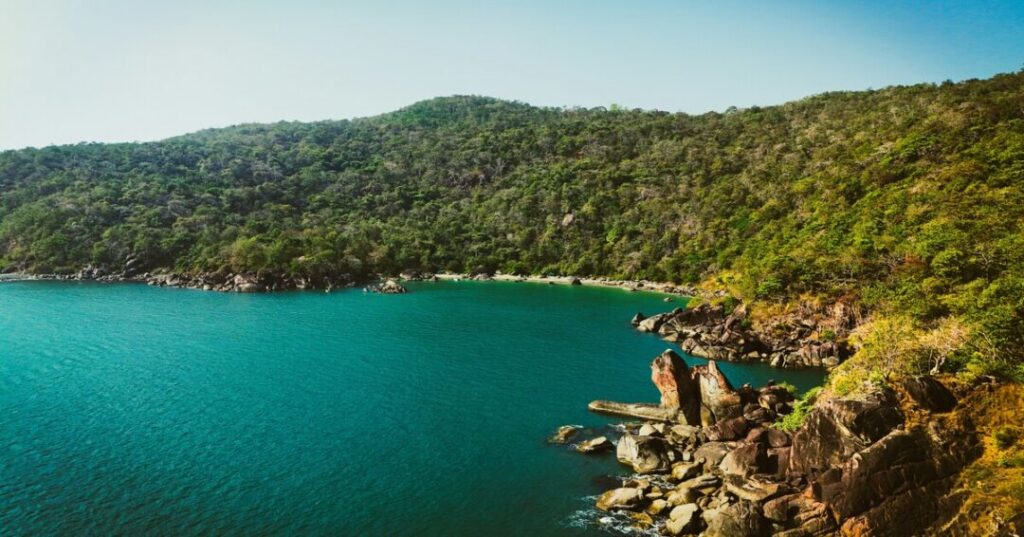
These two hidden beaches south of Palolem are accessible only by boat — a 20-minute ride from Palolem jetty. Butterfly Beach (named for its butterfly shape) has no permanent shacks, no vendors, and no road access. It is simply a beach, untouched, surrounded by jungle.
- Best visited early morning before the day-trippers arrive
- Dolphins are commonly spotted on the boat ride out — the dolphin-spotting boat trips from Palolem cover both beaches
- No facilities; bring water, snacks, and everything you need for the day
Also Read: Places To Visit In South Goa: Beaches, Hidden Gems & Best Attractions For A Relaxing Vacation
Places to Visit in Goa — Heritage & History
5. Basilica of Bom Jesus — Goa’s Most Sacred Building
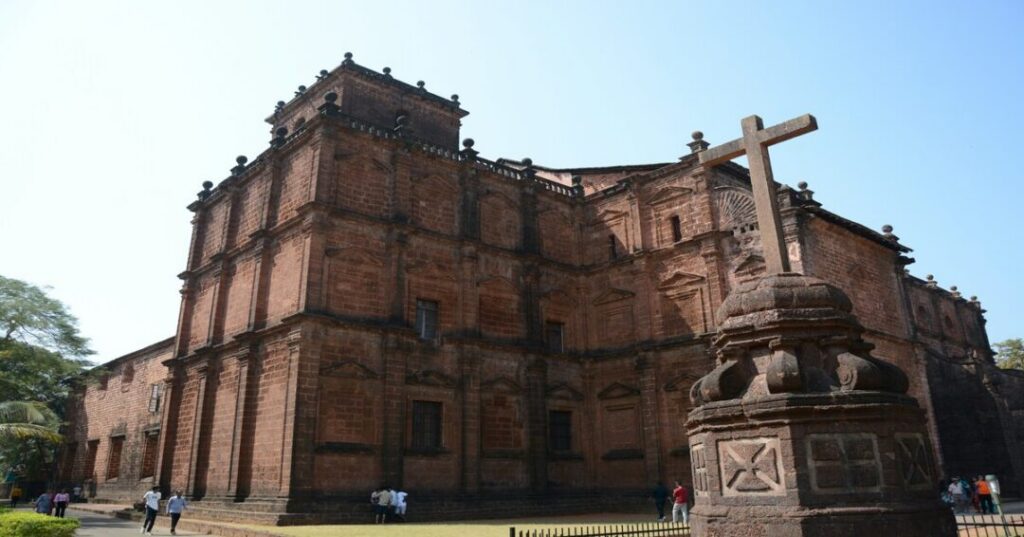
Built between 1594 and 1605, the Basilica of Bom Jesus in Old Goa is a UNESCO World Heritage Site (designated 1986 as part of the Churches and Convents of Goa). It is one of the finest examples of Baroque architecture in Asia, and it houses the mortal remains of St. Francis Xavier — the patron saint of Goa — in a silver casket enclosed in a glass case.
- Construction began on November 24, 1594; consecrated on May 15, 1605; elevated to Minor Basilica status by Pope Pius XII in 1946
- The facade is built in black granite and laterite — it is the only church in Goa that has never been plastered on the outside
- Located in Old Goa, approximately 10 km from Panaji; free entry; no photography inside the basilica
6. Se Cathedral — Asia’s Largest Church
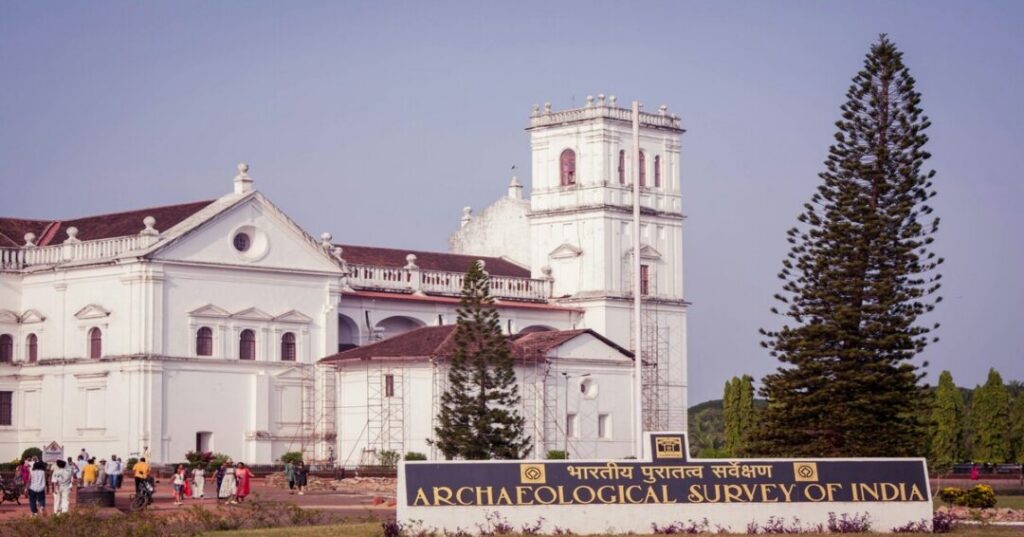
Standing opposite the Basilica of Bom Jesus, Se Cathedral (Cathedral of Santa Catarina) is the largest church in Asia and another part of the UNESCO World Heritage Site complex. Construction began in 1562, and the structure was completed in 1619, with the main altars finished only in 1652 — a total construction period of nearly 90 years.
- Dedicated to St. Catherine of Alexandria, patron saint of the Portuguese, to commemorate the Portuguese victory over the Muslim rulers of Goa on her feast day in 1510
- The Golden Bell in its surviving tower is the largest bell in Goa and one of the largest in Asia; the second tower collapsed in 1776 and was never rebuilt
- The whitewashed exterior and vast interior — designed for a congregation of thousands — give a sense of the scale of Old Goa at its 16th-century peak
7. Fort Aguada — Goa’s Most Impressive Portuguese Fortification
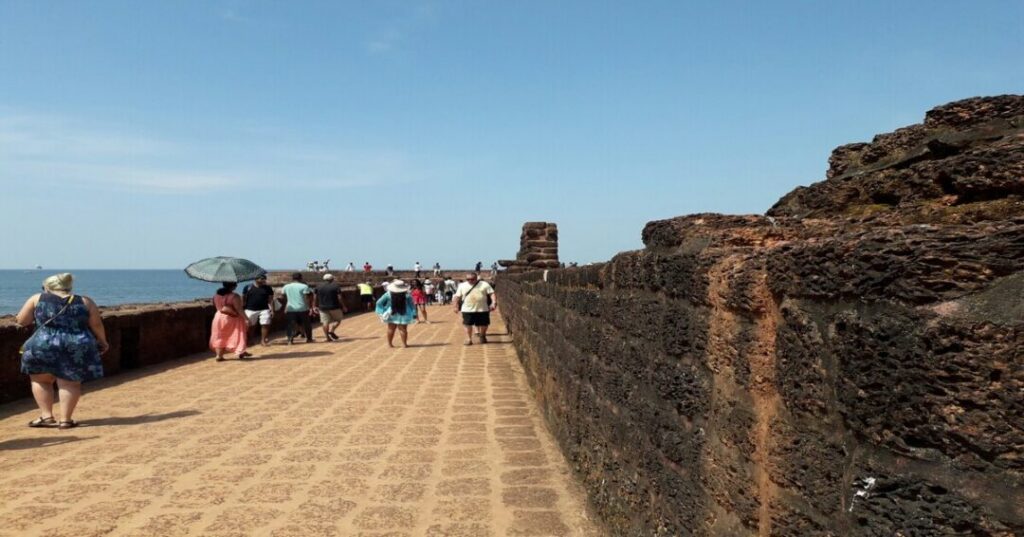
Built in 1612 by the Portuguese to protect against Dutch and Maratha invasions, Fort Aguada sits at the confluence of the Mandovi River and the Arabian Sea in North Goa. The fort’s name comes from the freshwater spring (Agua) that supplied ships docking here — it was one of the most important waypoints on the Portuguese trade route.
- The lighthouse within the fort, built in 1864, is the oldest in Asia
- The fort offers sweeping views across the Mandovi estuary and the Arabian Sea
- Located in Sinquerim, North Goa; free entry to the main ramparts; approximately 18 km from Panaji
Also Read: Best Cafes to visit in Goa That’ll Let You Taste the Food of Heaven In 2026!
Best Places in Goa — Food & Cuisine
8. A Goan Fish Curry Thali — The Real State Dish
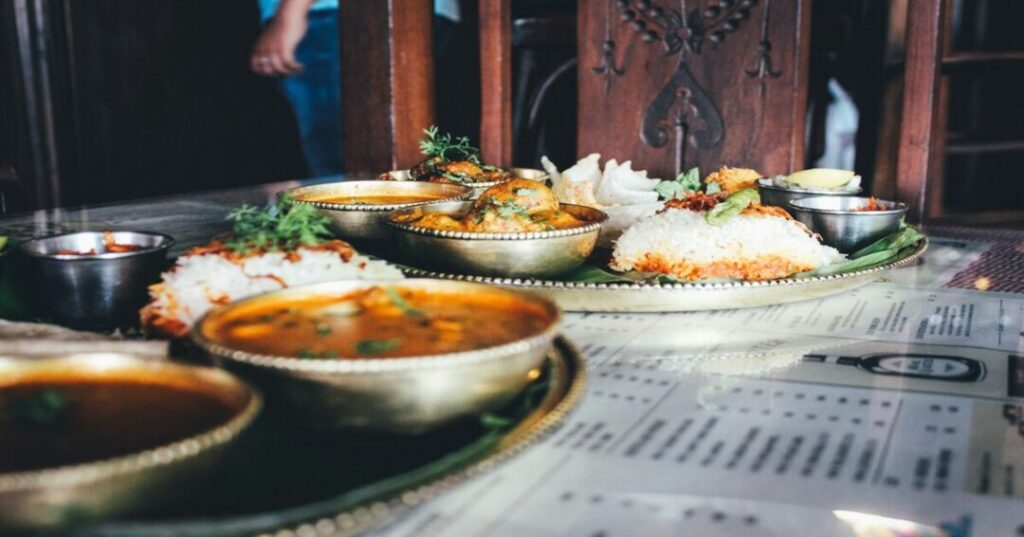
No list of places to visit in Goa is complete without this: the traditional Goan fish curry thali. Rice, fish curry made with kokum (a souring agent distinct from tamarind), sol kadi (a digestive drink made from kokum and coconut milk), vegetable side dishes, and papad — this is what Goans actually eat every day. Find it at local Goan restaurants (udpis and local canteens) rather than beach shacks.
- The best fish curry uses fresh catch — pomfret, kingfish, or tisreo (clams) are the Goan staples
- Kokum-based curry is distinctly different from Kerala’s Kodampuli or Tamil Nadu’s tamarind — the sourness is lighter and more floral
- Martin’s Corner in Betalbatim (South Goa) and Vinayak Family Restaurant in Panaji are two of the most consistently recommended local restaurants
9. Margao Market — Goa’s Food Capital
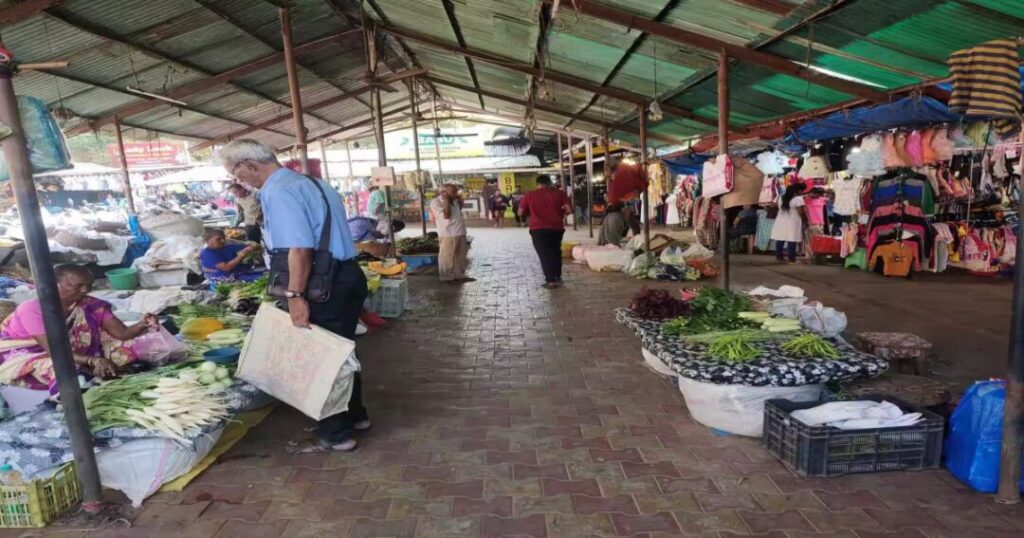
Margao (Madgaon), the commercial capital of South Goa, has the best covered municipal market in the state — a chaotic, aromatic, colour-saturated experience where local Goan food culture is most concentrated.
- The fish market opens before dawn; the vegetable and spice section runs through mid-morning
- Look for fresh-made bebinca (a traditional Goan dessert made from coconut milk, eggs, sugar, and ghee — layered up to 16 times), dodol, and other Goan sweets
- Best visited on a weekday morning; Saturdays are the busiest
10. Spice Plantation Tour — Dudhsagar Spices or Sahakari Spice Farm
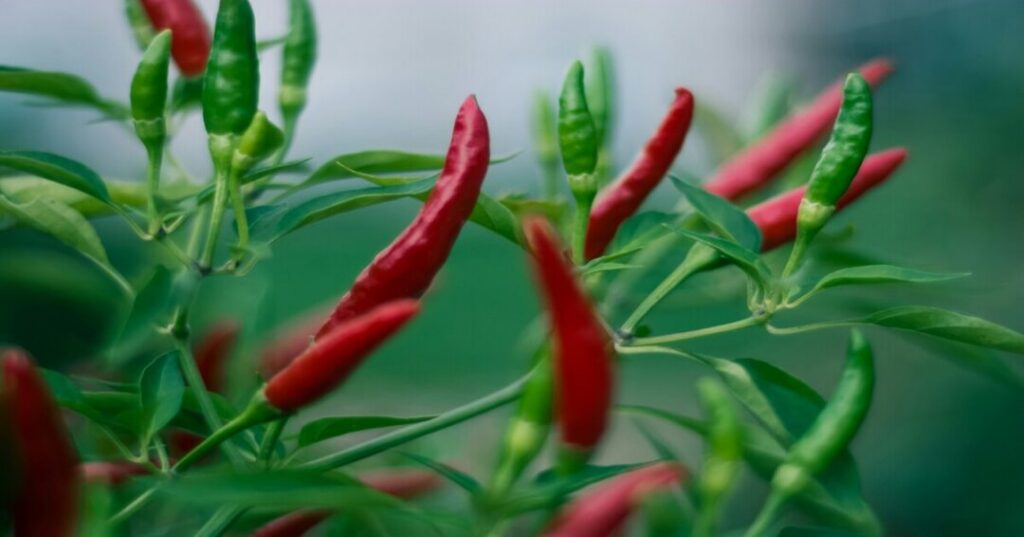
Goa’s interior is home to working spice plantations — estates that grow pepper, cardamom, vanilla, nutmeg, and cinnamon in the laterite soil of the Western Ghats foothills. Several offer guided tours followed by a traditional Goan lunch.
- Sahakari Spice Farm in Ponda (approximately 30 km from Panaji) is one of the most visited; guided tours take about 90 minutes
- Dudhsagar Spices offers a tour combined with an elephant interaction
- The lunch served at most spice farms is a legitimate highlight — a full Goan thali using produce from the estate itself
Goa Attractions — Nature & Wildlife
11. Dudhsagar Falls — One of India’s Tallest Waterfalls
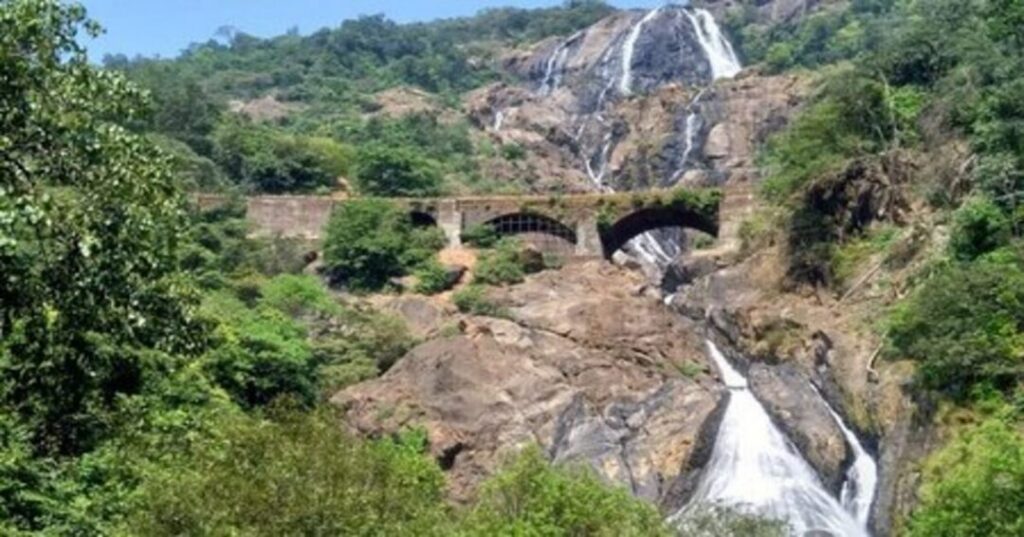
Dudhsagar — meaning “Sea of Milk” — is a four-tiered waterfall on the Mandovi River, standing at approximately 310 metres (1,017 feet) tall, making it one of the tallest waterfalls in India. It is located within the Bhagwan Mahaveer Sanctuary and Mollem National Park in the Western Ghats, about 60 km from Panaji.
- The falls are most spectacular during and immediately after monsoon (July–October) when the full volume of water is flowing; November–May are also accessible but the flow reduces
- Access is via a forest department jeep from Mollem; independent driving to the falls is restricted within the sanctuary
- A railway bridge crosses directly in front of the falls — the sight of a train crossing while the water cascades behind it is one of Goa’s most photographed images
12. Bhagwan Mahaveer Sanctuary & Mollem National Park
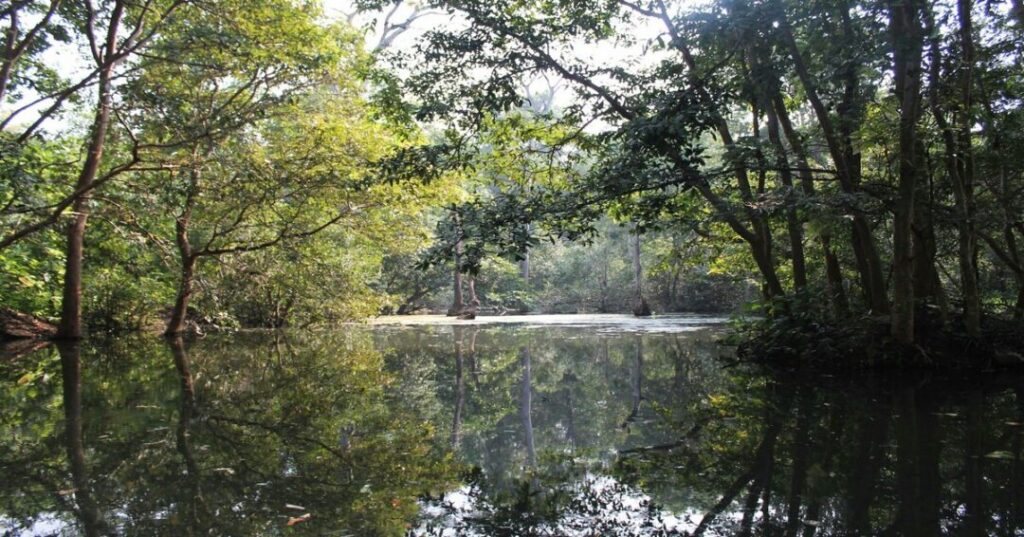
The same protected area that contains Dudhsagar Falls is also one of the finest wildlife sanctuaries on the Konkan coast, covering approximately 240 sq km of moist deciduous and semi-evergreen forest.
- Home to gaurs (Indian bison), leopards, sambar deer, Malabar pied hornbills, and the rare Indian giant squirrel
- The Devil’s Canyon viewpoint within the sanctuary offers dramatic views of the Western Ghats escarpment
- Best visited November–April; the forest department runs guided nature trails
13. Mandovi River Evening Cruise
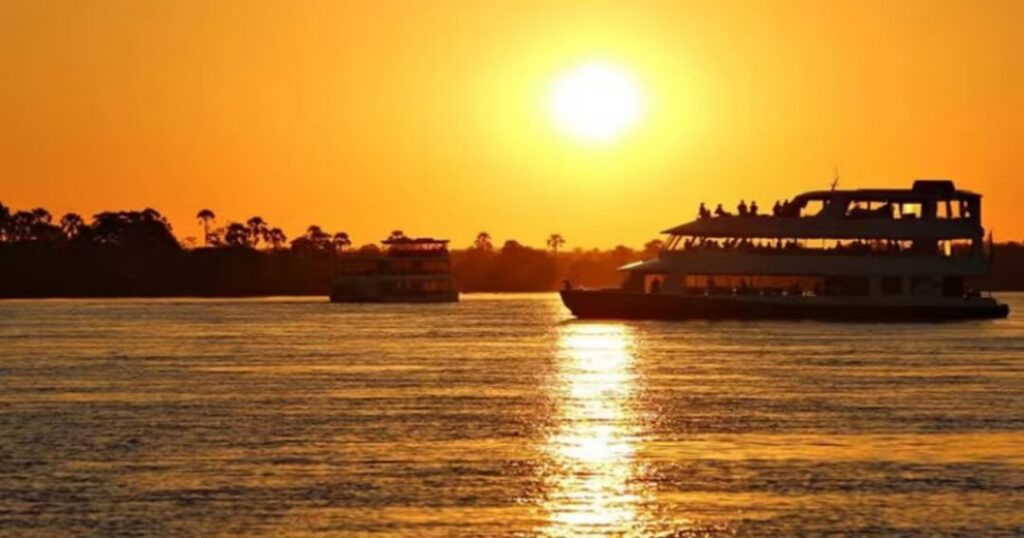
The Mandovi River flows through the heart of Goa from the Western Ghats to the Arabian Sea. The evening cruise from Panaji is a tourist staple for good reason — Goan folk music, Konkani dance performances, the lights of Panaji at dusk, and the Old Goa skyline on the far bank.
- Cruises depart from the Santa Monica Pier, Panaji; multiple operators; approximately ₹200–400 per person
- The Sundown Cruise (typically 6 PM–7 PM) is the most popular; full moon cruises are particularly well-attended
- A genuinely relaxing way to see Panaji from the water without exerting any effort
Also Read: Beach Festivals Around the World: 10 That Deserve a Spot on Your Bucket List
14. Fontainhas — Goa’s Latin Quarter
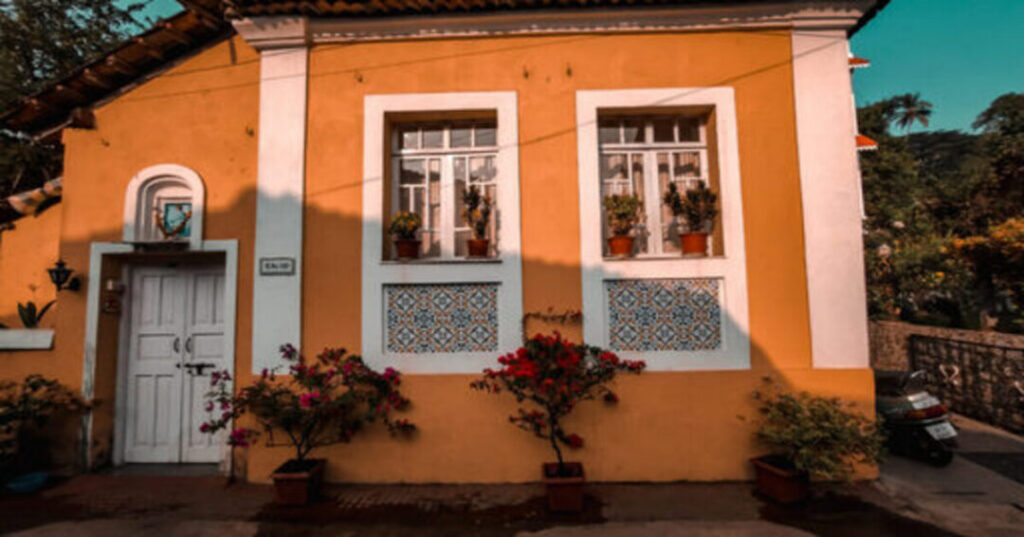
Tucked behind Panaji’s main streets, Fontainhas is Goa’s oldest surviving residential neighbourhood — a Portuguese-era Latin quarter of narrow lanes, brightly coloured houses (lime-washed in ochre, indigo, and terracotta), iron-barred windows, and tiled roofs with Mangalore tiles. It has been declared a cultural heritage zone.
- The neighbourhood dates to the 18th century and is Goa’s most intact example of Portuguese domestic architecture
- The Chapel of St. Sebastian at the end of the main lane (built 1818) contains an unusual crucifix — the eyes of Christ are open, which is rare in traditional Catholic iconography
- Best explored on foot in the early morning; several heritage homestays are available within the quarter
15. Divar Island — No Crowds, All Atmosphere
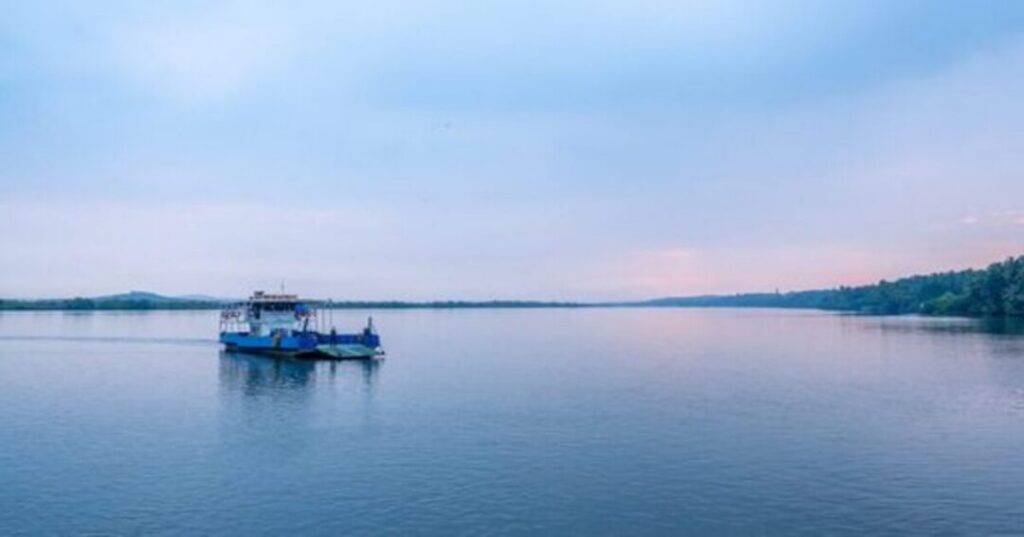
Divar is a small island in the Mandovi River, accessible only by ferry from Old Goa. It has no beach, no beach shacks, and no nightlife — what it has is quiet roads through paddy fields, Portuguese-era mansions in various states of beautiful decay, and the Church of Our Lady of Compassion atop a hill with views across the river.
- The Bonderam Festival on Divar Island (held annually on the fourth Saturday of August) is one of Goa’s most charming local festivals — a parade of flags and floats through the village lanes
- Ferry from Naroa jetty (near Old Goa) takes under 5 minutes; free for pedestrians
- Rent a bicycle on the island for the most atmospheric exploration
16. Tambdi Surla Mahadeva Temple — Goa’s Oldest Temple
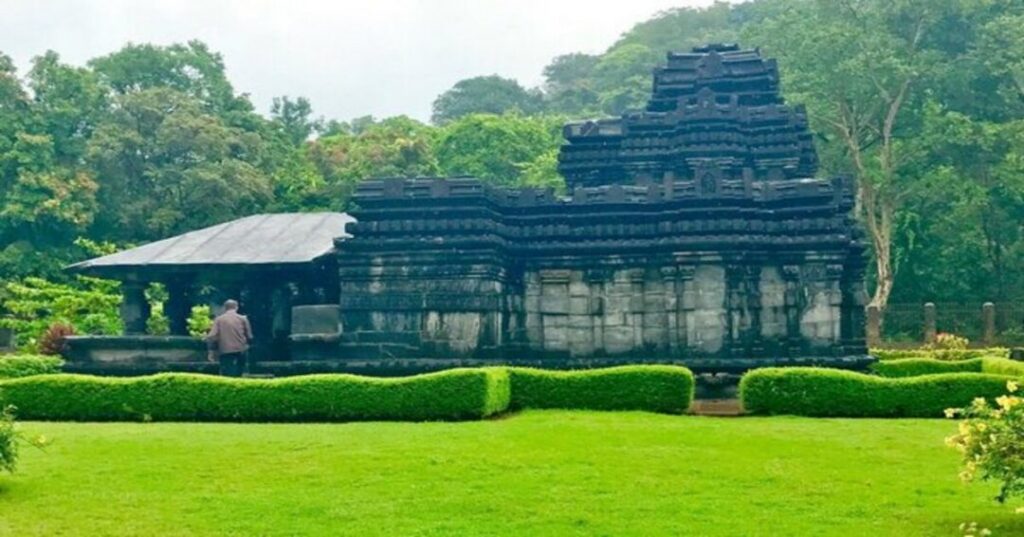
Deep in the forest of the Western Ghats, the 12th–13th century Tambdi Surla Mahadeva Temple is the oldest surviving temple in Goa — a remarkably well-preserved structure from the Kadamba-Yadava period, built from black basalt carried across the mountains from the Deccan Plateau. It survived Portuguese-era temple destruction precisely because of its remote location deep in the forest.
- Located approximately 65 km from Panaji, near Bhagwan Mahaveer Sanctuary
- The temple is dedicated to Lord Shiva and features intricate carvings; the Kadamba kingdom’s symbol — an elephant trampling a horse — is carved on the base of one of the pillars
- Almost entirely free of tourist crowds, one of the most atmospheric heritage sites in the state
17. Saturday Night Market, Arpora — The Best Market in Goa

The Saturday Night Market at Arpora in North Goa is the most atmospheric shopping and eating experience in the state — a sprawling outdoor market with stalls selling Kashmiri carpets, Rajasthani jewellery, Tibetan handicrafts, Goan cashews, handmade clothing, and food from across the subcontinent.
- Runs every Saturday from approximately 6 PM onwards; best from 7–10 PM
- Live music and fire performances throughout the evening
- Located in Arpora, between Baga and Anjuna; easily reached by auto or taxi from most North Goa beaches
Best Time to Visit Goa
November to March is the sweet spot — temperatures stay between 20–30°C, the seas are calm, and the state is in full swing. December and January are peak season (packed and pricier). November and March are the smart picks — better value, fewer crowds, same weather. April to May gets hot and humid. June to September is monsoon — the state turns dramatically green, Dudhsagar is at its most spectacular, but beaches close and many shacks shut down.
How to Reach Goa
- By air: Goa International Airport (GOI), Dabolim — well-connected to Mumbai, Delhi, Bengaluru, and major international hubs. Mopa Airport (Manohar International Airport) in North Goa handles additional flights
- By train: Madgaon (Margao) and Thivim are the main railway stations; well-connected on the Konkan Railway from Mumbai (~8–9 hrs), Mangaluru, and other cities
- By road: Mumbai to Goa via NH66 — approximately 590 km, 9–10 hours. KSRTC and private Volvo buses run overnight from Mumbai, Pune, and Bengaluru
Conclusion About Things to Do in Goa
Here’s the quick version of the best things to do in Goa:
- Beaches: Palolem (most beautiful), Arambol (most character), Baga/Calangute (most action)
- Heritage: Basilica of Bom Jesus & Se Cathedral (UNESCO, Old Goa), Fort Aguada (1612, oldest lighthouse in Asia)
- Nature: Dudhsagar Falls (310 m, one of India’s tallest), Bhagwan Mahaveer Sanctuary, Mandovi cruise
- Food: Fish curry thali, Margao market, spice plantation lunch
- Hidden gems: Fontainhas, Divar Island, Tambdi Surla Temple, Saturday Night Market
The places to visit in Goa that stay with you longest are rarely the ones on the tourist bus route. They’re the ones that require a ferry, a forest jeep, or an early alarm. Pack accordingly.
Download the Explurger app to log your Goa experiences, discover what locals actually recommend, and find the best places to visit in Goa that most travel guides skip entirely.
The fish curry is already waiting. The falls are already falling. Goa is not going to come to you.
FAQs About Things to Do in Goa
2. What are the top Goa attractions that most tourists miss?
Three that consistently surprise first-timers: Fontainhas in Panaji (Goa's 18th-century Latin Quarter with Portuguese-era coloured houses), Divar Island in the Mandovi River (ferry-accessed, crowd-free, paddy fields and decaying mansions), and Tambdi Surla Mahadeva Temple in the Western Ghats (the 12th–13th century Kadamba-Yadava period temple that survived Portuguese-era destruction because nobody could find it). All three are within a day trip of Panaji.
3. What are the best places to visit in Goa for nature lovers?
Dudhsagar Falls (310 metres, four-tiered, inside Bhagwan Mahaveer Sanctuary) is the headline. The sanctuary itself — 240 sq km of Western Ghats forest with gaur, leopards, and giant squirrels — is worth half a day with a guide. The Mandovi River and its backwaters, the spice plantations of Ponda, and the beach forests of South Goa (Agonda, Palolem) round out the nature offering. Goa's biodiversity is seriously underrated as a Goa attraction.
4. What is the best time to visit Goa?
November to March is peak season and the most comfortable window — temperatures between 20–30°C, calm seas, and all attractions accessible. December and January are the busiest and most expensive. November and March offer the same weather with fewer crowds and better prices. Monsoon (June–September) closes most beach shacks but makes Dudhsagar Falls spectacular and turns the interior forest a vivid green — genuinely beautiful if you don't need beach swimming.
5. What activities in Goa are worth doing beyond the beaches?
Beyond the beaches, the activities in Goa worth prioritising: a spice plantation tour with lunch in Ponda, the Saturday Night Market at Arpora, an Old Goa heritage walk covering the UNESCO churches, a sunrise trip to Dudhsagar Falls with a jeep safari through Mollem National Park, and a kayaking session through the mangroves of Chorao Island. Goa's Portuguese colonial history and Western Ghats biodiversity are genuinely as compelling as its coastline — they just require slightly more effort to find.
6. Is South Goa or North Goa better for first-time visitors?
Depends entirely on what you want. North Goa (Baga, Calangute, Anjuna, Arambol) has the most energy — beach bars, water sports, markets, and nightlife. South Goa (Palolem, Agonda, Benaulim) is quieter, more beautiful, and closer to Dudhsagar Falls and the spice plantations. Most first-timers split the trip: two nights in the north for the scene, two nights in the south for the beaches. Both have access to Old Goa.