

1,928 Total Views
Dragging a suitcase full of gear through airport security, only to miss the shot because your camera couldn’t autofocus fast enough, is every travel creator’s nightmare. Too much gear weighs you down; too little leaves you unable to compete with creators posting cinematic 4K from a hillside in Bali. The fix is the best camera gear for travel creators — a lean kit built around cameras, audio, and support tools that actually survive a backpack.
This guide breaks down what to pack by category, not just by brand hype, so you can build a kit that matches your content style and your carry-on limit.
Best Camera Gear for Travel Creators: Where to Start?
Before buying anything, decide what you’re actually filming:
- Solo talking-head vlogs — prioritize a flip screen and strong autofocus
- Cinematic B-roll — prioritize sensor size and lens flexibility
- Fast-turnaround social clips — prioritize compact, gimbal-stabilized bodies
- Adventure/outdoor content — prioritize ruggedness and waterproofing
Once you know your content style, the picks below slot into a starter kit, a hybrid kit, or a pro kit — you don’t need all fifteen items on day one.
Top Travel Vlogging Cameras Worth Packing
A good travel vlogging camera balances image quality against weight, since every gram matters when you’re walking 20,000 steps a day with it around your neck.
1. Sony A7C II — Best Mirrorless Camera for Travel
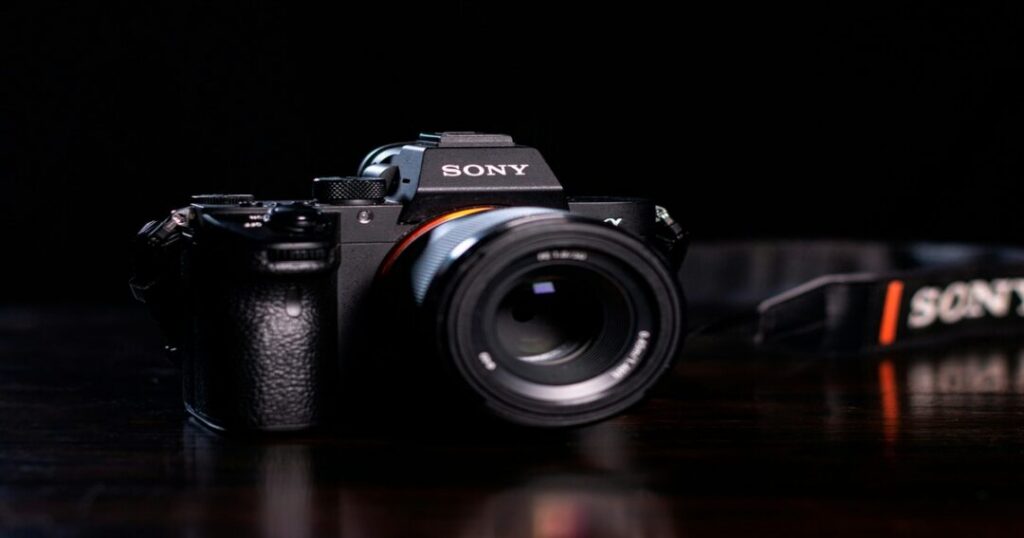
The Sony A7C II is a full-frame 33MP mirrorless camera weighing roughly 514–525g body-only, with 4K60p 10-bit video (Super35 crop) and 759-point autofocus. It’s the top pick for creators who want cinema-grade footage without carrying a bulky DSLR body.
- Best for: hybrid photo/video creators, pro-level B-roll
- Tradeoff: pricier, and lenses add weight fast
Also Read: How to Become a Travel Content Creator: A Step-by-Step Guide for Beginners
2. Fujifilm X-S20 — Best Mid-Range Hybrid
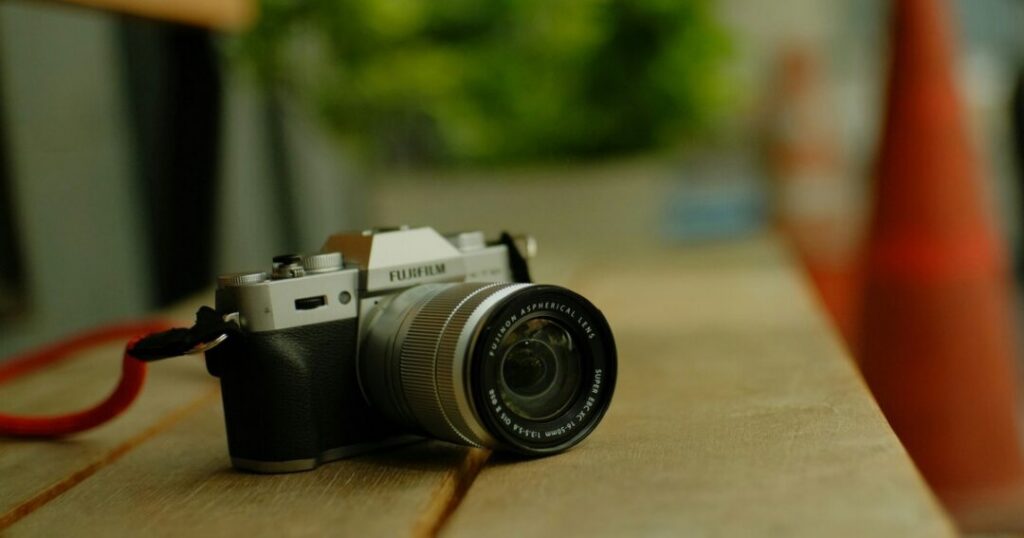
The Fujifilm X-S20 delivers strong APS-C image quality, 6K recording, and film simulation modes that cut down editing time — a big win for creators posting daily.
- Best for: colorists who want in-camera looks
- Tradeoff: smaller sensor than full-frame rivals
3. DJI Osmo Pocket 3 — Best Ultra-Compact Vlogging Camera
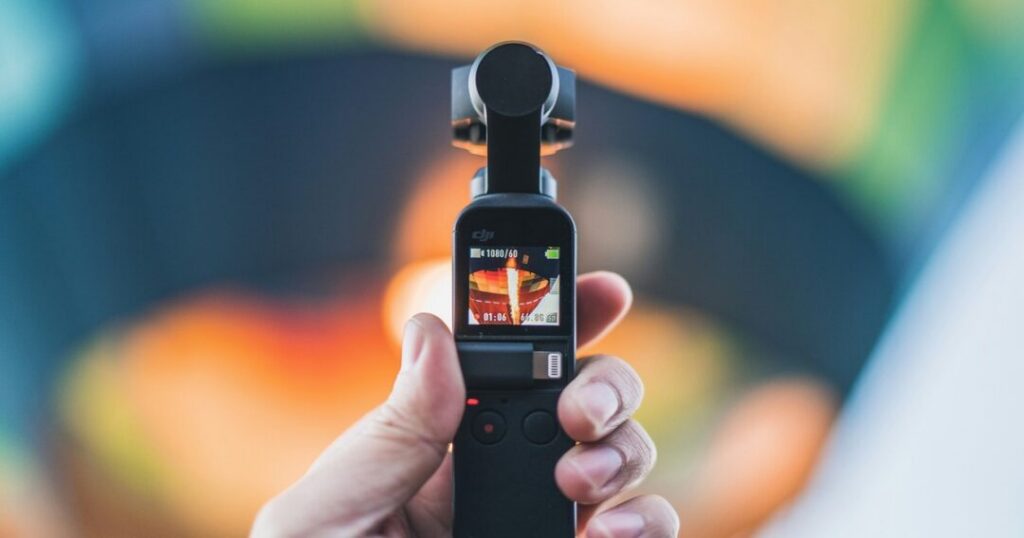
This 1-inch sensor gimbal camera fits in a pocket yet produces stabilized, dolly-like walking footage with zero warping and almost no post-production stabilization work.
- Best for: solo vloggers who hate carrying a bag of gear
- Tradeoff: no interchangeable lenses
Also Read: How to Grow as a Travel Creator: 7 Strategies That Actually Work
4. DJI Osmo Action 6 Pro — Best Action Camera
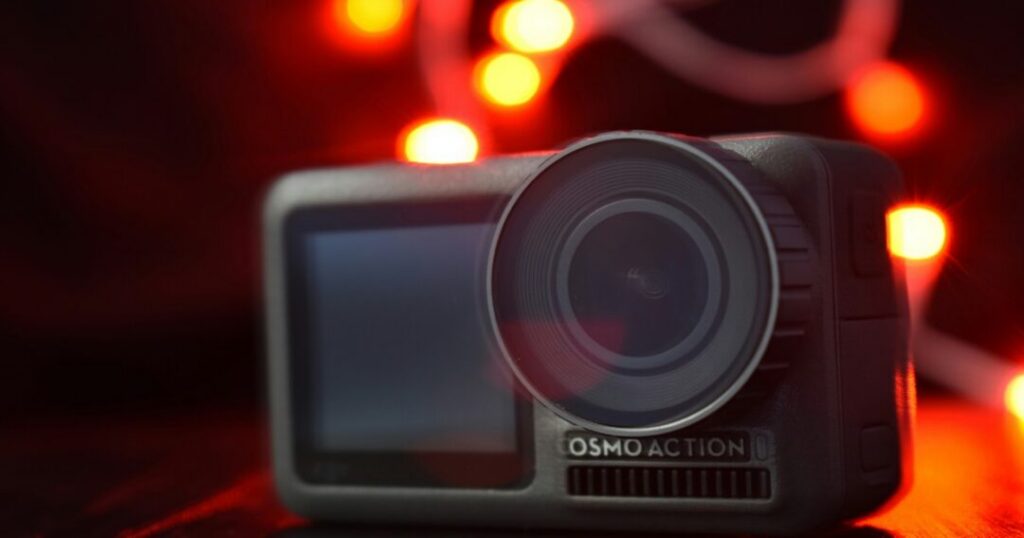
The DJI Osmo Action 6 Pro focuses on stronger low-light performance, smooth stabilization, and creator-friendly shooting with a larger sensor, variable aperture, 4K high-frame-rate video, and support for wide/macro lens options. It is a strong choice for riders, vloggers, and outdoor creators who shoot fast-moving travel, motorbike, and adventure content.
Best for: travel, moto-vlogging, adventure, and low-light creators
Tradeoff: fewer modular lens options compared to GoPro’s ecosystem, and DJI’s accessory support may feel more limited for some creators.
Lenses That Punch Above Their Weight
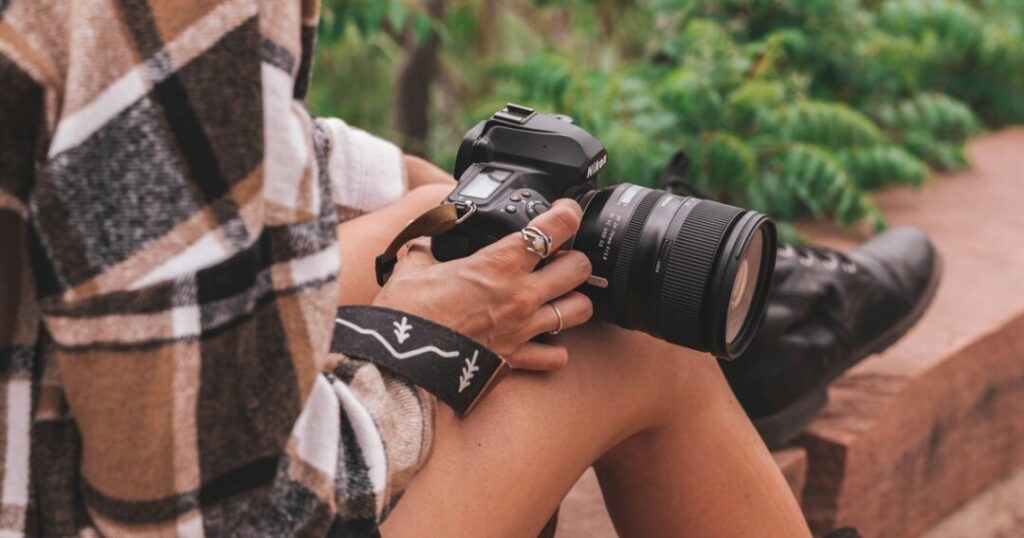
You don’t need five lenses in your bag. Most travel creators do fine with:
- A 24–70mm equivalent zoom for everyday B-roll and street scenes
- A fast prime (35mm or 50mm) for portraits and low-light interiors
- A compact wide-angle for landscapes and tight interior spaces (temples, markets, transit)
Buying one versatile zoom first, then adding a prime later, keeps your travel photography gear lighter than chasing a full lens kit from day one.
Also Read: How to Document Your Travel Journey: 5 Ways to Capture Every Moment
Wireless Microphones and Audio Gear for Vlogging
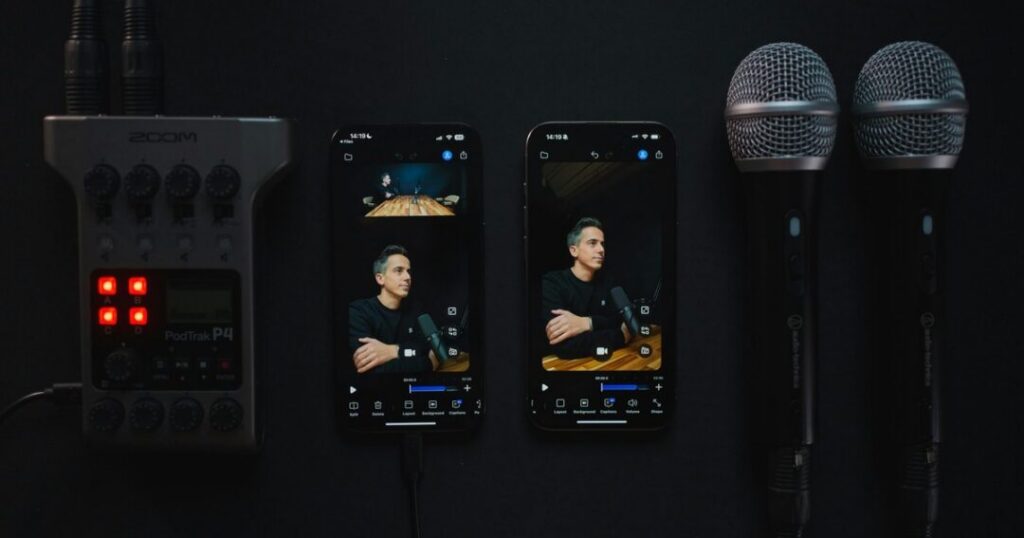
Viewers forgive average video far more than they forgive bad audio. A reliable wireless microphone for vlogging is non-negotiable.
1. DJI Mic 2
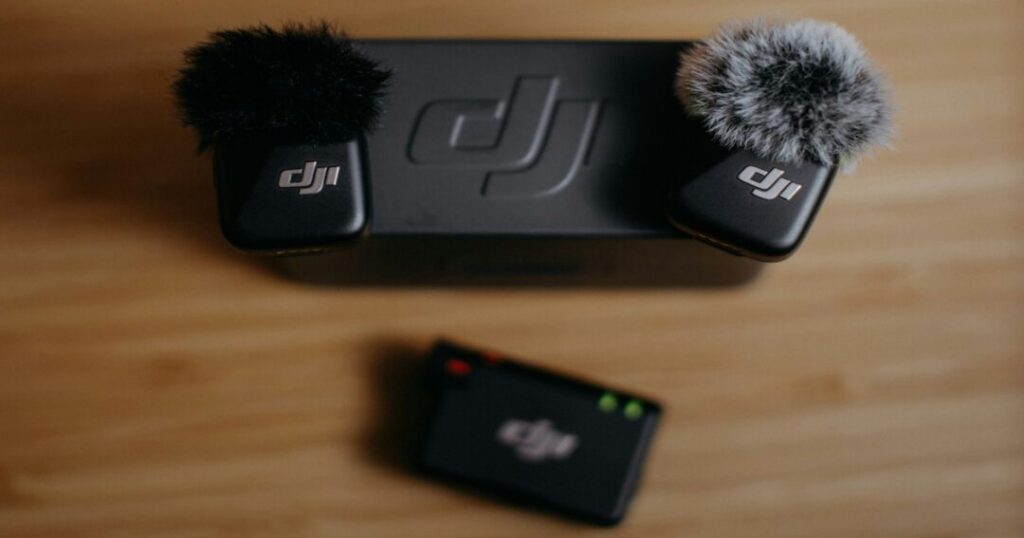
Priced around $349 for the 2-transmitter bundle, the DJI Mic 2 offers AI noise cancellation, 32-bit float internal recording, 8GB onboard storage per transmitter, and a 250m wireless range — strong enough for run-and-gun interviews in noisy markets.
2. Rode VideoMic GO II
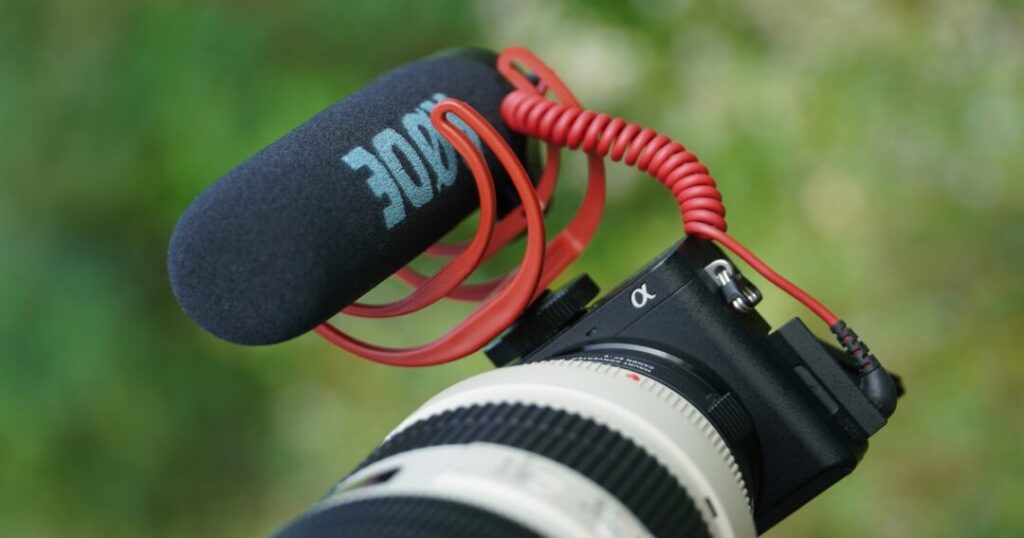
A lightweight, battery-free shotgun mic that mounts directly to your camera’s hot shoe. No wireless setup needed, which makes it a dependable backup when battery-powered mics die mid-shoot.
Also Read: Top 5 Gamified Apps That Are Changing the Way We Live in 2026
3. Hollyland Lark M2
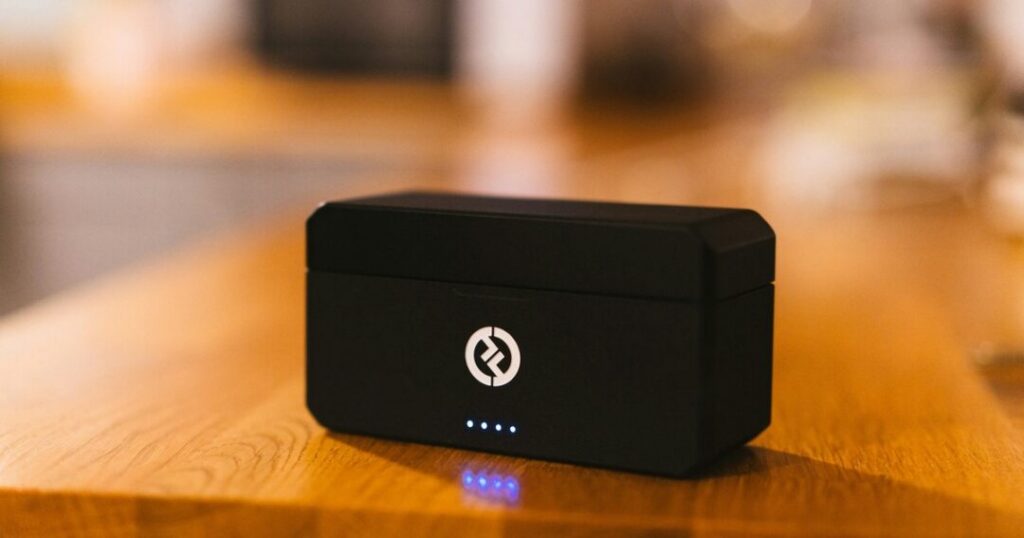
A dual-channel wireless system offering up to 8 hours of transmitter battery life at a lower price point than DJI or Rode — a solid choice for creators building a kit on a tighter budget.
Stabilization, Tripods, and Grip Accessories
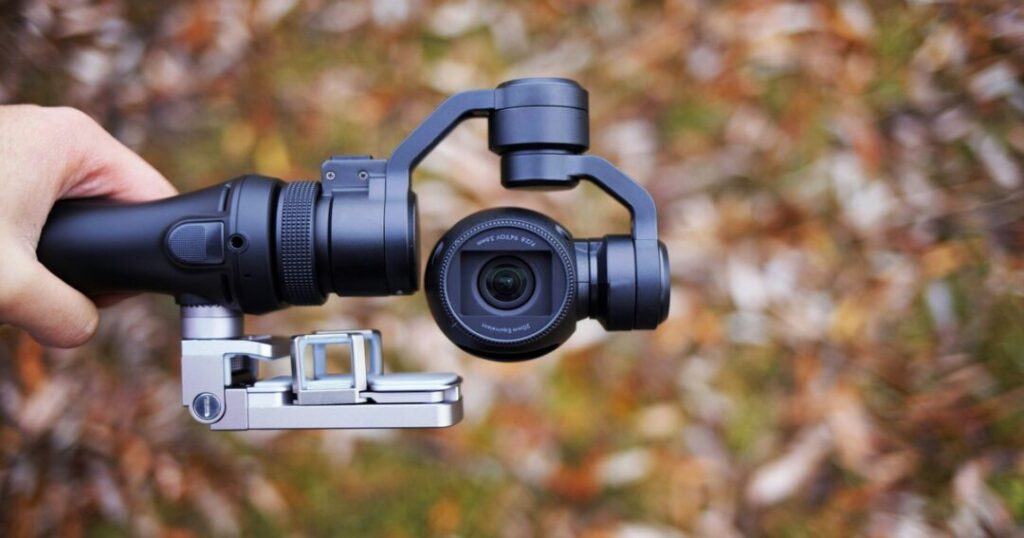
Shaky handheld footage is one of the fastest ways to lose viewer trust. Add:
- Joby GorillaPod — flexible legs that wrap around railings, poles, or furniture when there’s no flat surface
- Ulanzi MT-16 — doubles as a mini tripod and selfie stick for run-and-gun shooting
- A basic three-axis gimbal if your camera body doesn’t have built-in mechanical stabilization
Also Read: Best Apps for Travel Creators: 5 Tools You’ll Actually Use
Drones for Aerial B-Roll
Aerial shots instantly elevate a travel edit, but airline weight limits and drone regulations matter more than spec sheets.
1. DJI Mini 5 Pro
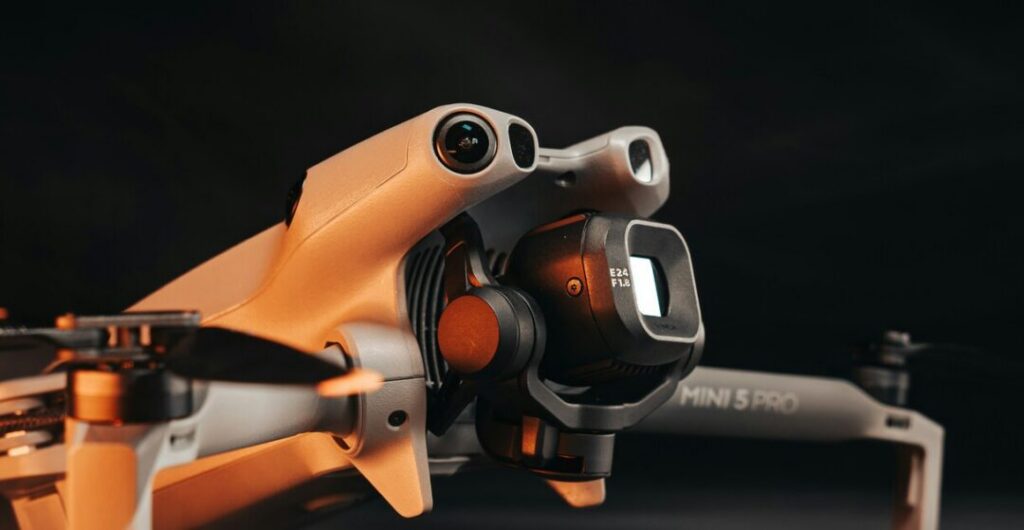
At roughly 249.9g (±4g manufacturing tolerance), the Mini 5 Pro sits right at the sub-250g regulatory line in many countries, which means lighter registration requirements. It shoots 4K at up to 120fps off a 1-inch, 50MP sensor — rare specs at this weight class.
- Note: because of the ±4g tolerance, some individual units may register slightly over 250g depending on local rules — check your country’s drone weight regulations before flying.
2. DJI Neo
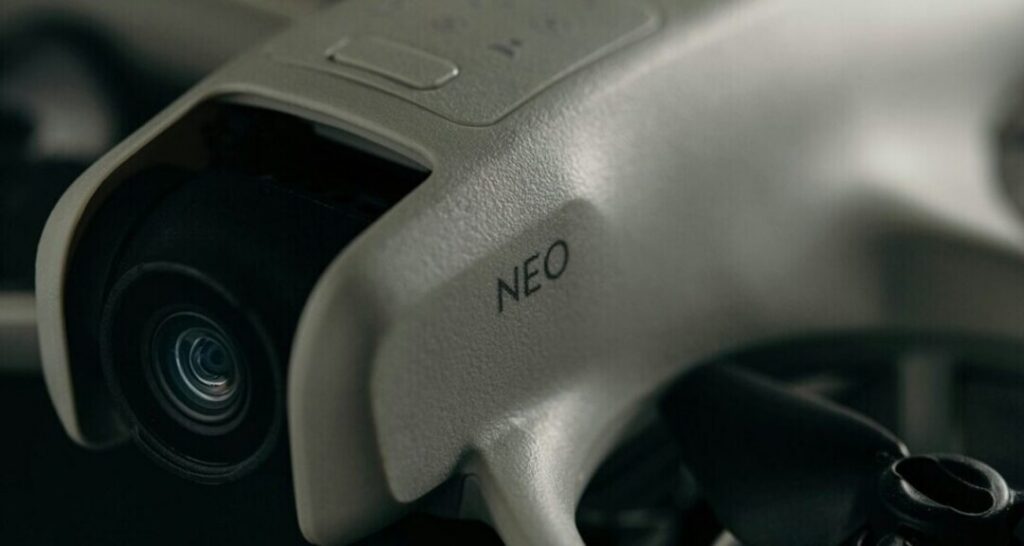
At about 135g, the Neo is light enough to launch from your palm and fits in a jacket pocket — ideal for creators (Riders/Bikers/Cyclist) who want occasional aerial B-roll without carrying a dedicated drone bag.
Power, Storage, and Bag Essentials
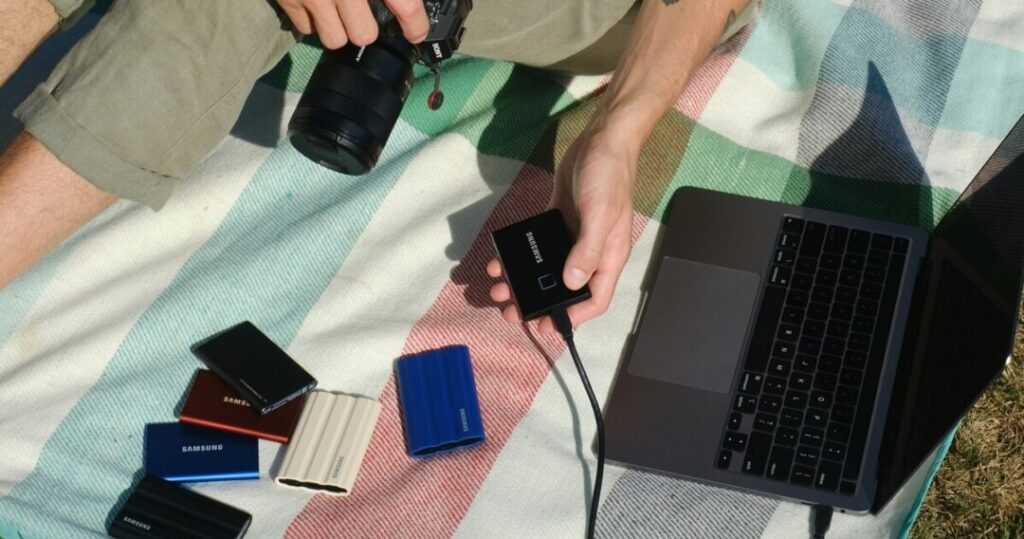
The gear that keeps everything else running rarely gets airtime, but it matters just as much:
- High-endurance memory cards (V60/V90 rated) to keep up with 4K60p and 6K bitrates without dropped frames
- A compact power bank (20,000mAh+) with USB-C PD fast charging for cameras, mics, and phones alike
- A padded, weather-resistant camera bag with airline carry-on dimensions, since checked luggage and camera gear rarely mix well
- A dedicated SD card wallet, since losing a card with a week of footage is far more painful than losing the camera
Must Read: Social Media Tips for Travel Bloggers: 12 Strategies That Actually Work
Traveller Experience: What Actually Survives a Backpack
Creators who’ve filmed across multiple countries consistently report that the gear failure points aren’t the cameras themselves — it’s cheap tripod mounts snapping, SD cards corrupting from heat, and wireless mics losing sync in dense urban environments. Testing your full kit on a local weekend trip before an international one surfaces these problems while they’re still fixable.
Key Takeaways– Best Camera Gear for Travel Creators
- Match your kit to your content style before buying anything
- A mirrorless body, one versatile lens, a wireless mic, and a lightweight drone cover most travel content needs
- Don’t overlook power banks, memory cards, and a proper bag — gear failures usually come from the unglamorous accessories, not the camera
Building the best camera gear for travel creators is less about buying every gadget on this list and more about assembling a kit that survives your specific travel style.
Ready to plan your next shoot-worthy destination? Download the Explurger app and start mapping your trip today.
Test your full kit before you fly — a weekend trial run saves you from discovering a dead mic battery halfway across the world.
FAQ’s About Best Camera Gear For Travel Creators
Do I need a full-frame camera for travel vlogging?
No, a full-frame camera is not required for travel vlogging. APS-C cameras like the Fujifilm X-S20 and 1-inch sensor cameras like the DJI Osmo Pocket 3 produce excellent results for YouTube and social content, and they weigh significantly less than full-frame bodies. Full-frame gear mainly benefits creators prioritizing low-light performance or cinematic depth of field for professional clients.
What is the best budget camera for travel vlogging?
The Sony ZV-E10 II, priced around $750, is widely recommended as a budget-friendly travel vlogging camera with strong autofocus and 4K video. The DJI Osmo Pocket 3 and Canon PowerShot V10 are also popular in the $700 to $900 range for creators who want professional-looking output without a mirrorless system's cost or bulk.
What microphone should travel creators use?
Most travel creators benefit from a wireless microphone system like the DJI Mic 2 or Hollyland Lark M2, since these allow movement away from the camera during interviews or walking shots. Creators who prefer a simpler, battery-free setup often choose an on-camera shotgun mic like the Rode VideoMic GO II as a reliable backup option.
Is a drone worth carrying while traveling?
A drone is worth carrying if aerial B-roll is a regular part of your content, since it adds production value that handheld footage can't replicate. Sub-250g models like the DJI Mini 5 Pro or DJI Neo minimize the registration and airline paperwork hassle, making them practical even for creators who only fly occasionally.
How much memory card storage do travel creators need?
Travel creators shooting 4K or 6K footage should carry at least 512GB to 1TB of total storage split across multiple cards, since high-bitrate video fills cards quickly and having backups protects against corruption or loss. V60 or V90-rated cards are recommended to keep up with high frame-rate 4K and 6K recording without dropped frames.
What's the best camera bag for travel creators?
The best camera bag for travel creators is a padded, weather-resistant backpack sized to fit airline carry-on dimensions, with dedicated compartments for lenses, batteries, and cables. Bags with quick-access side openings are especially useful for creators who need to grab a camera fast without removing the whole bag.
Can a smartphone replace dedicated camera gear for travel content?
A smartphone can handle basic social clips, but it generally can't match dedicated cameras for low-light performance, stabilization, or lens flexibility once content quality expectations rise. Many creators start with a smartphone and add a dedicated camera and microphone as their audience and production standards grow.