

518 Total Views
Canada is a country so large that its four time zones barely contain its culinary diversity. From the Atlantic shores where lobster fishermen haul in catches that supply the world’s finest restaurants to the French-Catholic kitchens of Quebec where tourtière has been baked in the same way since the 17th century, to the Ukrainian-influenced prairies where pierogies are as Canadian as anything, to the Pacific coast where Indigenous food traditions go back ten thousand years—Canadian food is not a single cuisine. It is a federation of them.
The defining characteristic of Canadian cuisine is exactly what critics have always used as a complaint: it is made of other things. French technique, British tradition, Indigenous knowledge, Ukrainian heartiness, Chinese culinary influence from the railroad workers who built the country, and a dozen other threads woven together. The result is not a lesser cuisine for its patchwork origins—it is a more interesting one. And underneath all of it, holding it together, is the land itself: the maple syrup, the wild salmon, the wild rice, the back bacon, and that singular, impossible-to-export ingredient—fresh cheese curds—without which the greatest Canadian dish of all time cannot be made correctly.
The Foundation: What Makes Canadian Food Canadian
Three things organize traditional Canadian food more than any other:
The land’s abundance: Canada is one of the world’s largest producers of canola, flaxseed, and pulses. It produces some of the world’s finest salmon, lobster, and cod. Its maple syrup industry is the largest in the world—Canada accounts for approximately 73–75% of global maple syrup production, with Quebec alone producing around 72% of the world’s supply, representing approximately 90% of all Canadian output. Its wild rice (manoomin in Anishinaabe) is a sacred food of the Ojibwe and other First Nations that has been harvested from the lakes of Ontario and Manitoba for millennia. The landscape imposes itself on every plate.
The French-English cultural divide: The food of Quebec is categorically different from the food of English Canada—and that distinction is not superficial. Quebec’s cuisine has its own centuries-long traditions, its own ingredient relationships, and its own comfort food canon. Understanding Canadian cuisine requires understanding that it has at least two founding culinary traditions, not one.
Indigenous food knowledge: Long before European contact, the First Nations, Métis, and Inuit peoples of Canada had developed sophisticated food cultures adapted to every region of the country—from the Three Sisters agriculture (corn, beans, squash) of the Great Lakes to the bannock bread and pemmican of the Plains peoples to the salmon smoking traditions of the Pacific Coast. This knowledge is the oldest layer of Canadian cuisine, and increasingly, it is the one contemporary Canadian chefs are turning back to.
Quebec—The Heart of French-Canadian Food Culture
Poutine—Canada’s National Dish (With Caveats)
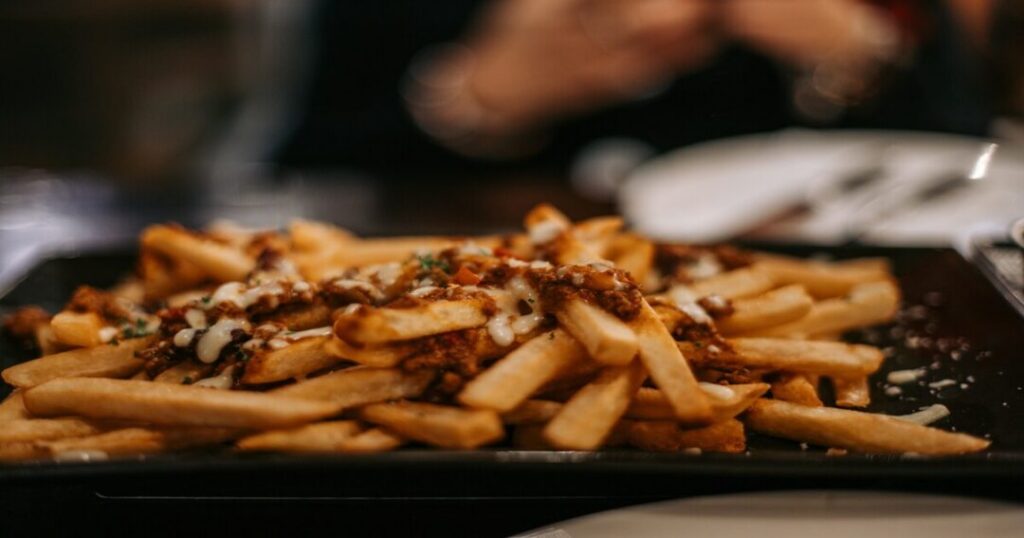
Poutine is the most famous Canadian national food—and the most contested. French fries, fresh cheese curds, and hot beef-chicken gravy: three ingredients, combined in the Centre-du-Québec region in the late 1950s, that have become arguably the most recognized Canadian popular food on earth. The Canadian Encyclopedia describes it as a Québécois dish that first appeared in 1950s rural Quebec snack bars and was widely popularized across Canada in the 1990s.
The origin stories are multiple. Fernand Lachance, owner of Le Lutin Qui Rit restaurant in Warwick, Quebec, is widely credited with first combining fries and cheese curds—reportedly declaring the result a “poutine,” a slang word for “mess” in Quebecois French. A competing claim comes from Drummondville, where Jean-Paul Roy of Le Roy Jucep had been serving fries with sauce since 1958 and added cheese curds to the menu after noticing customers combining the two themselves.
It has been called Canada’s national dish, though some critics believe this labeling represents cultural appropriation of Québécois or Quebec’s provincial identity. Many in French-speaking Quebec insist poutine belongs to the province, not the country. The dish is both a source of national pride and a fault line in the ongoing negotiation between Quebec and the rest of Canada about identity and belonging.
- The gravy must be hot enough to soften (not melt) the cheese curds, which should remain slightly rubbery at the center.
- Fresh cheese curds—the ingredient most impossible to replicate outside Quebec—squeak against the teeth when eaten fresh
- The further from Quebec you go, the harder it is to find authentic poutine; the curds make all the difference
Also read: Bhutanese Food: The Complete Guide to Authentic Bhutan Cuisine, Dishes & Traditions
Tourtière—The Winter Pie
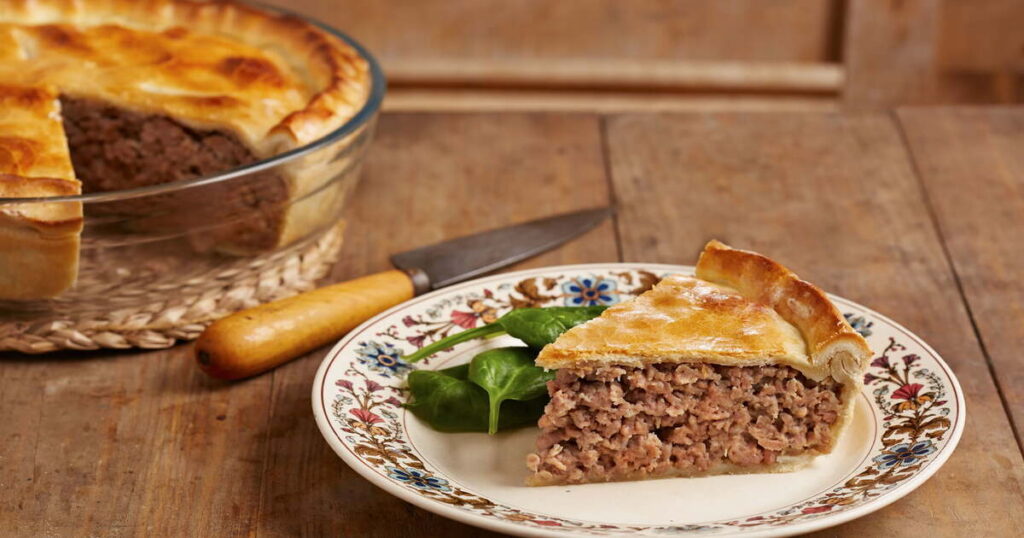
Tourtière is the classic Canadian food of Quebec winter—a meat pie with a history that stretches back to the earliest French settlements in the 17th century. The traditional version is made with ground pork, sometimes mixed with veal or beef, seasoned with cloves, cinnamon, allspice, and black pepper, in a double-crust pastry. Regional variations are significant: in the Lac-Saint-Jean region of Quebec, the tourtière du Lac-Saint-Jean is a deep-dish version made with large cubes of game meat (often venison, rabbit, and pork combined) that has been slow-cooked until tender.
Tourtière is the Christmas and New Year’s Eve dish of French Canada—the réveillon feast that follows Midnight Mass on Christmas Eve has centered on tourtière for centuries. It is traditional Canadian food in the most literal sense: a recipe carried across the Atlantic by settlers, adapted to local meats and conditions, and passed down through generations with almost no modification.
- The spice combination—cloves, cinnamon, allspice—distinguishes tourtière from British-tradition meat pies and is its most distinctly French-Canadian characteristic
- Served with pickled beets and ketchup aux fruits (a Quebec-style spiced tomato chutney)
- Available year-round at Quebec bakeries and butchers, but best in winter
Maple Syrup—The Defining Canadian Ingredient
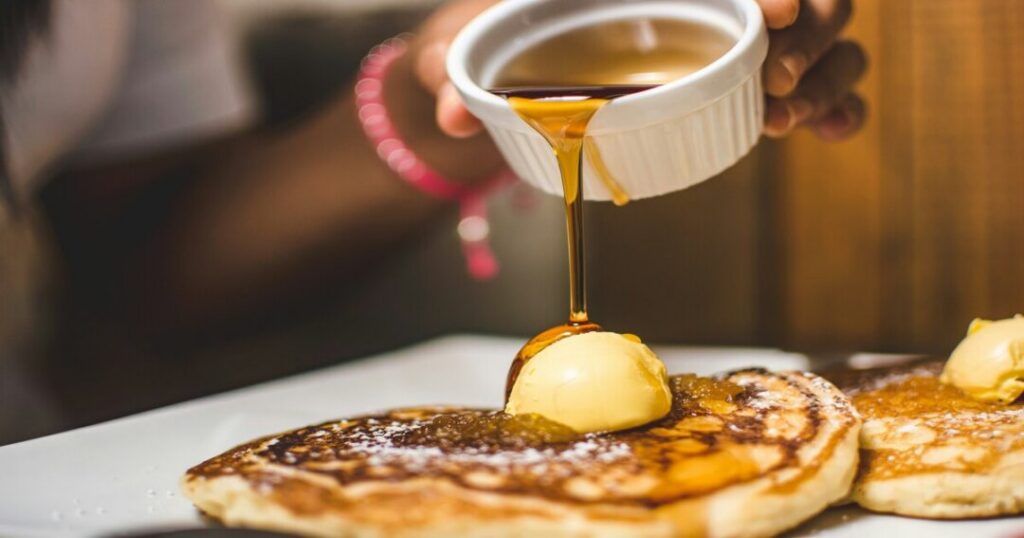
No single ingredient is more Canadian or famous food than maple syrup—and no single ingredient is more misunderstood outside Canada. Canada produces approximately 73–75% of the world’s maple syrup, with Quebec alone accounting for around 72% of global production—roughly 90% of all Canadian output. The syrup is graded by color and flavor—from the delicate, pale Golden Extra Light to the intensely flavored, dark Very Dark Strong Taste—and each grade has its own applications and devotees.
Maple syrup season (le temps des sucres—the sugar season) arrives in late winter/early spring when daytime temperatures rise above freezing while nights remain cold, causing sap to flow in the sugar maple trees. Sugar shacks (cabanes à sucre) open across Quebec for the season, serving traditional meals drenched in syrup and the iconic tire sur la neige—hot maple syrup poured onto fresh snow, where it cools into a taffy that is rolled onto wooden sticks and eaten immediately.
- Real maple syrup has a complexity of flavor—caramel, vanilla, wood, mineral—that no synthetic substitute replicates
- The darker the syrup, the more intense the flavor, and the later in the season it was produced
- Quebec’s maple syrup industry is so significant that the province maintains a strategic global reserve (the Global Strategic Maple Syrup Reserve)
Atlantic Canada—Seafood and Celtic Tradition
Lobster—The East Coast’s Greatest Export
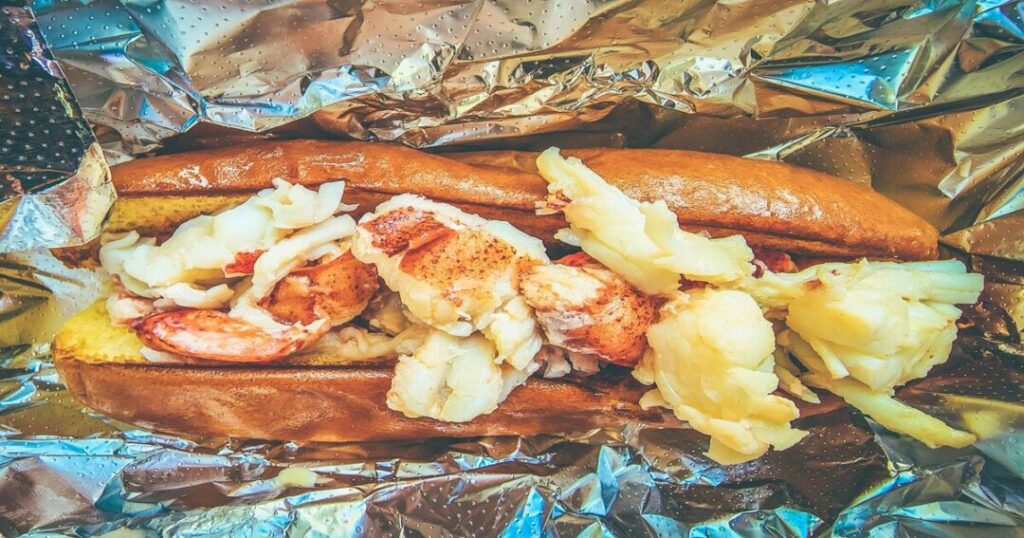
Atlantic Canada produces some of the world’s finest lobster—particularly from Nova Scotia, Prince Edward Island, New Brunswick, and Newfoundland, where cold, nutrient-rich waters produce meat of exceptional sweetness and density. The lobster roll (cold lobster meat with mayonnaise in a toasted roll), the lobster boil (whole lobsters steamed over seawater), and the lobster bisque are the primary Canadian food items built around this ingredient.
- The freshest lobster is the cheapest lobster in Halifax or Lunenburg in season—waterfront vendors and fish markets sell directly from the boats
- PEI is famous for its lobster suppers—community hall dinners where lobster, chowder, rolls, and dessert are served in a single meal that has been a local tradition since the mid-20th century
Jiggs’ Dinner—Newfoundland’s Sunday Meal
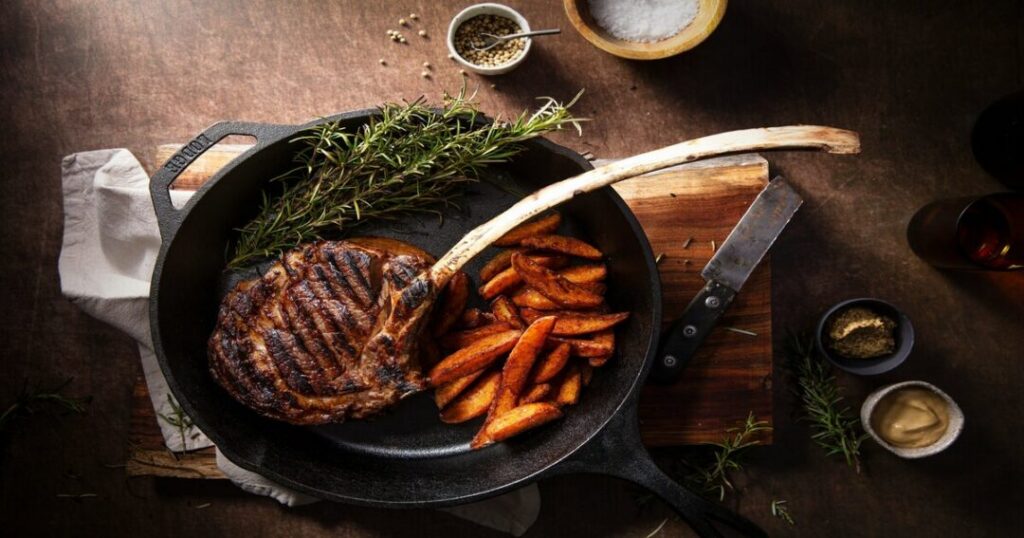
Jiggs’ Dinner is the most distinctly Newfoundland of all Canadian meals—a boiled salt beef dinner made by soaking salt-cured beef brisket overnight and then boiling it with vegetables (cabbage, potatoes, carrots, turnip, and parsnip), pea pudding (yellow split peas boiled in a cloth bag), and dumplings. The name comes from the comic strip character Jiggs, who was known for his love of corned beef and cabbage.
Jiggs’ Dinner is Sunday dinner, holiday dinner, and family gathering food across Newfoundland—a dish that connects the province to its Irish and British working-class roots and to the salt fish and cured meat preservation traditions of a culture shaped by isolation and the sea.
The Prairies—Heartland and Immigrant Kitchen
Perogies (Pierogies) — The Ukrainian Prairie Inheritance
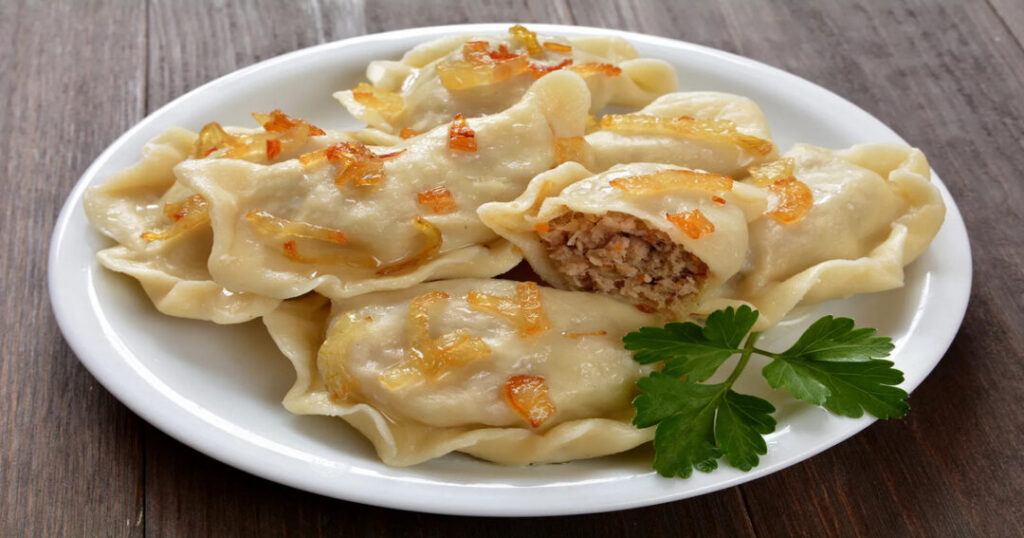
Perogies (the Canadian spelling, from the Ukrainian varenyky) are the most popular food in the Canadian prairie provinces—Alberta, Saskatchewan, and Manitoba—where Ukrainian immigration in the late 19th and early 20th centuries created one of the largest Ukrainian diaspora communities in the world. Potato-and-cheese-filled dough pockets, boiled and then pan-fried in butter, served with sour cream and caramelized onions: this is comfort food of the most fundamental kind, and it is as Canadian as hockey on the prairies.
Edmonton has the largest Ukrainian-Canadian population in Canada and is the perogy capital of the country—the town of Glendon, Alberta, even has a giant perogy statue on the highway.
Wild Rice—The Prairie and Shield Grain
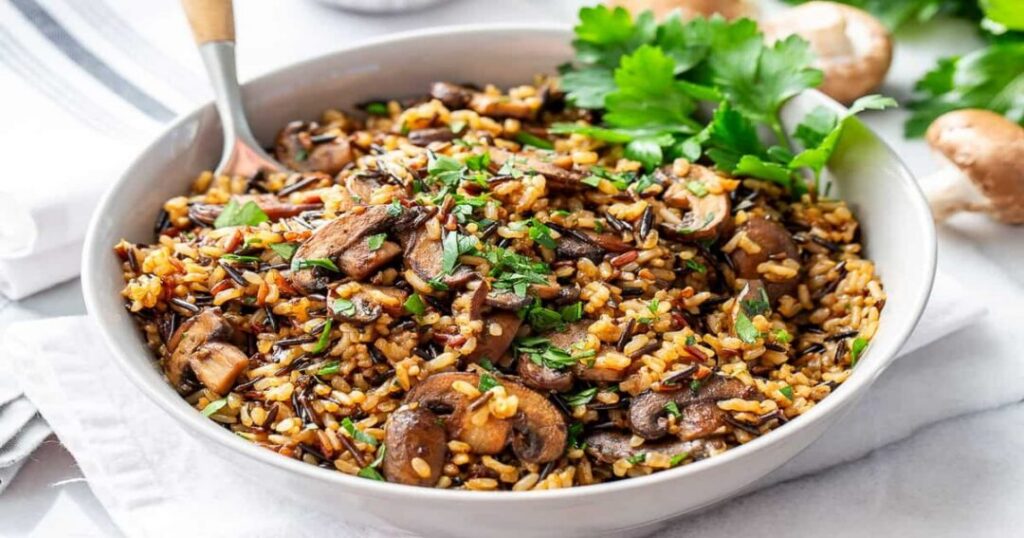
Wild rice (Zizania palustris) is not actually rice—it is the seed of an aquatic grass native to the Great Lakes and prairie lake regions of Canada. It has been a sacred food and economic resource of the Anishinaabe, Ojibwe, and Cree peoples for thousands of years, harvested by canoe from the lakes of Ontario and Manitoba. The grain has a nutty, earthy flavor and a firm texture that makes it one of the most distinctive Canadian food items—a genuinely indigenous North American ingredient.
Also read: Best Food in Gangtok: A Complete Guide to Sikkimese, Tibetan & Nepali Cuisine
British Columbia—Pacific Coast and Asian Influence
Pacific Salmon—The West Coast Cornerstone
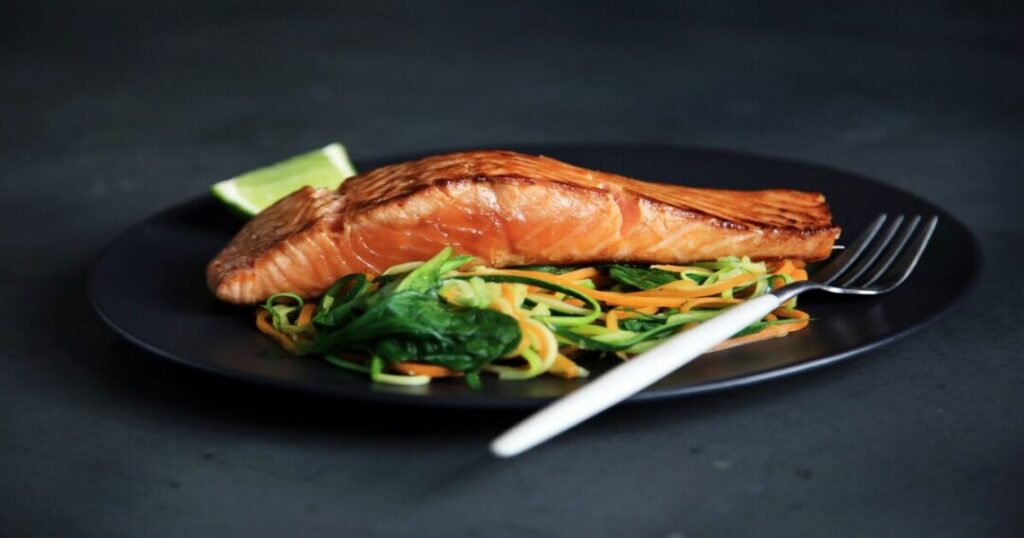
Five species of Pacific salmon return to BC’s rivers each year—Chinook (King), Coho, Sockeye, Pink, and Chum—and each has its own culinary character. The Chinook is the fattest and most prized; the Sockeye has the most vivid red color and is the most popular for smoking; the Coho is the most versatile for cooking. Indigenous nations of the Pacific Coast have been harvesting and preserving salmon—smoking, drying, and canning—for thousands of years, and their techniques remain the most flavorful methods of preparation.
Smoked salmon—hot-smoked over alder wood, cedar plank salmon roasted over an open fire, and the raw salmon preparations—is the famous food of BC.
Nanaimo Bar — The No-Bake Icon
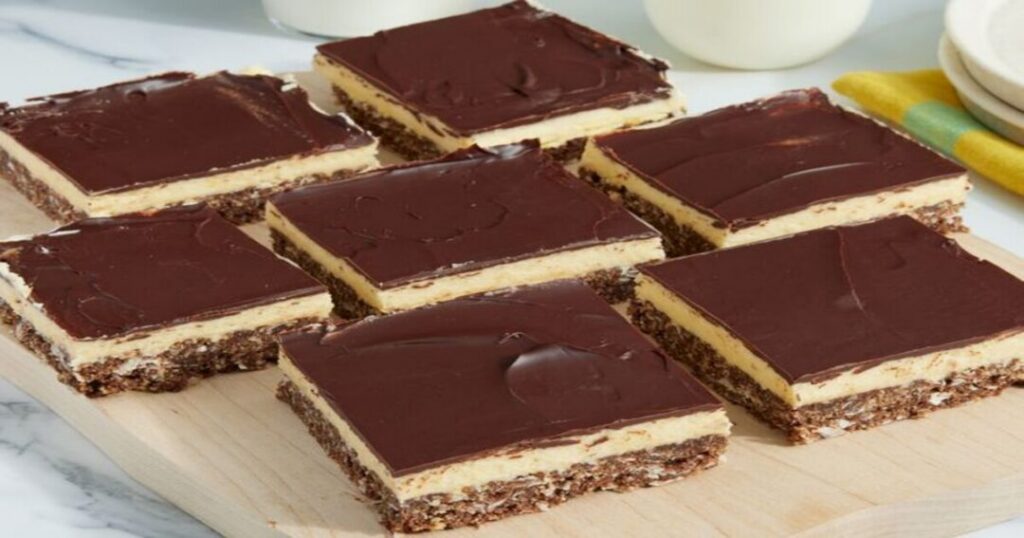
Nanaimo bar is a classic Canadian food that requires no baking and three distinct layers: a base of wafer crumbs, cocoa, and shredded coconut pressed into a pan; a middle layer of custard buttercream; and a top layer of chocolate ganache. Named for the city of Nanaimo on Vancouver Island, the first known published recipe dates to a 1952 cookbook produced by the Nanaimo Hospital Auxiliary. It is now so culturally significant that Nanaimo City has held a Nanaimo Bar Trail—a self-guided tour of local establishments serving their own versions.
- The custard layer is the defining characteristic—the yellow, vanilla-and-custard-powder buttercream is what separates a Nanaimo bar from a generic chocolate slice
- Available at virtually every bakery, café, and grocery store in Canada
- One of the few Canadian food items with a completely documented, verifiable origin story
Canadian Breakfast Foods — The Morning Table
Canadian breakfast foods are an identity statement as much as a meal. The Canadian morning table brings together several ingredients that are either uniquely Canadian or Canadianized versions of imports:
Back Bacon (Peameal Bacon)—The True Canadian Bacon
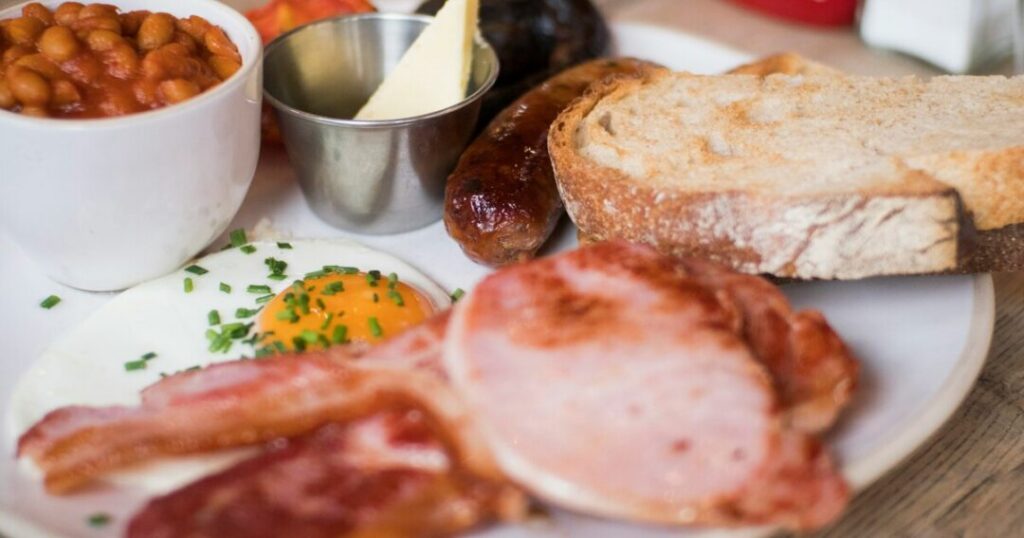
Back bacon—also called peameal bacon in Ontario—is the famous Canadian dish that most non-Canadians know as “Canadian bacon.” It is cured pork loin (not belly, as in regular bacon) rolled in ground yellow peameal (historically peameal, now usually cornmeal), sliced thick, and cooked on a griddle. The flavor is lean, slightly sweet, and far less fatty than American-style streaky bacon. The pimento crust caramelizes on the griddle into one of the finest textures in breakfast cooking.
- Back bacon on a bun—served at Toronto’s St. Lawrence Market in particular—is considered the definitive Canadian breakfast sandwich
- The peameal/cornmeal crust is not optional; it is the defining characteristic that makes it back bacon rather than ham
Bannock—Indigenous Bread
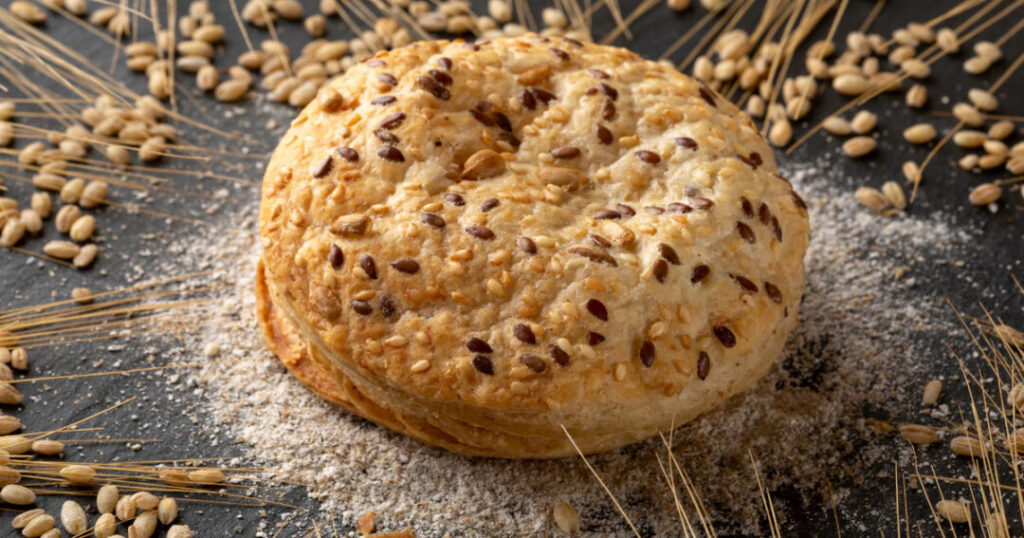
Bannock is a flat, griddle-cooked, or oven-baked bread with roots in both Scottish and Indigenous North American traditions—the exact origin is debated, but its adaptation into Indigenous kitchens across Canada is centuries old. Made from flour, baking powder, salt, and fat (lard traditionally, butter or oil in modern versions), bannock is the bread of the road and the camp, historically cooked on a stick over a fire (frybread in many traditions) or in a cast-iron pan. It is one of the most widely shared traditional Canadian food items across cultures.
- Frybread—fried bannock served with honey, jam, or as a base for savory toppings—is the most festive form
- The Bannock Awareness Campaign has worked to recognise bannock’s Indigenous roots rather than attributing it solely to Scottish settlers
Maple Syrup on Everything—The Breakfast Philosophy
The Canadian breakfast table is organized around maple syrup—on pancakes (thicker and fluffier than American diner pancakes), on French toast, on oatmeal, and alongside back bacon, where the sweet-savoury contrast is one of the most reliable pleasures in Canadian meals. The relationship between the Canadian morning and maple syrup is not merely habitual; it is cultural, seasonal, and deeply territorial.
Also read: Turkish Foods: A Region-by-Region Journey Through One of the World’s Greatest Cuisines
The Iconic Sweets—Butter Tarts and Beyond
Butter Tart—Ontario’s Most Contested Dessert
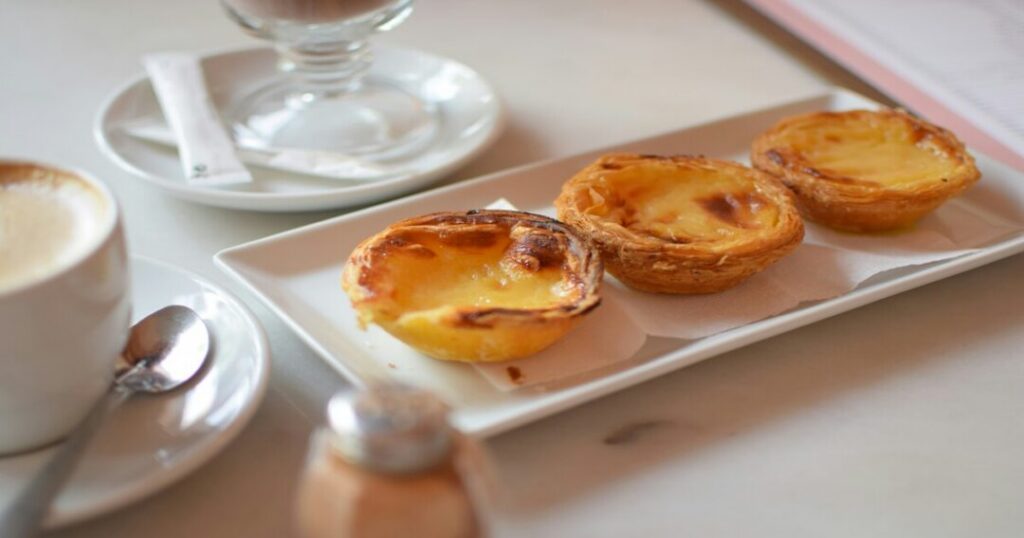
Butter tart is a small pastry shell filled with a mixture of butter, sugar, syrup, and egg—baked until the filling is just set with a slightly runny center. It is one of the most definitively Canadian famous food items, with origins traced to pioneer kitchens of Ontario in the early 19th century. The butter tart debate—runny or firm filling? Raisins or no raisins? Pecans?—is one of the most passionate ongoing arguments in Canadian food culture.
- The Ontario Butter Tart Trail—a self-guided food tourism route through small-town Ontario bakeries—is one of the most visited food tourism routes in the country
- The ideal butter tart has a short, buttery pastry shell and a filling that is just set at the edges and still slightly liquid at the center.
- Raisins are traditional; the anti-raisin faction is vocal but historically revisionist
Conclusion about Canadian food
Canadian food is the food of a country that built itself from many peoples, many landscapes, and many winters. Quick guide to the essentials:
- Quebec: Poutine (the great contested national dish), tourtière (the winter pie), maple syrup (Canada produces 73–75% of world supply; Quebec alone ~72% globally)
- Atlantic Canada: Lobster (cold-water, world-class), Jiggs’ Dinner (Newfoundland salt beef boil), seafood chowder
- Prairies: Perogies (Ukrainian-Canadian inheritance), wild rice (Indigenous sacred grain, Zizania palustris)
- BC: Pacific salmon (five species, Indigenous smoking traditions), Nanaimo bar (1952, three-layer no-bake icon)
- Breakfast: Back bacon (peameal-crusted pork loin), bannock (Indigenous-Scottish flat bread), pancakes + maple syrup
- Sweets: Butter tart (Ontario, runny centre), Nanaimo bar (BC, no-bake)
Canadian cuisine is not boring. It is modest—which is different. And the best of it—a properly made poutine in Montreal, a PEI lobster fresh from the boat, a butter tart still warm from a small-town Ontario bakery, maple taffy cooling on February snow—is as good as anything on earth.
Download the Explurger app to discover authentic Canadian food experiences, find the best regional dishes wherever you are in Canada, and log every poutine, butter tart, and plate of back bacon on your Canadian food journey.
The maple is already running. The curds are already fresh. Canada’s table is set.
Also read: Famous Korean Food: A Cultural Guide to Eating Authentically in Korea
FAQs about Canadian food
2. What are the most famous Canadian dishes?
The most famous Canadian dish selections by region: poutine (Quebec—cheese curds, fries, gravy), tourtière (Quebec—spiced meat pie), butter tart (Ontario—runny-centered pastry), Nanaimo bar (BC—three-layer no-bake chocolate slice), peameal/back bacon (Ontario), Jiggs' Dinner (Newfoundland—salt beef boil), perogies/pierogies (Prairies—Ukrainian-Canadian potato dumplings), Pacific salmon dishes (BC). Maple syrup is the single most famous Canadian food ingredient, present in some form across all regions—Canada produces 73–75% of the world's supply, with Quebec alone accounting for approximately 72% globally.
3. What are traditional Canadian breakfast foods?
The defining Canadian breakfast foods are back bacon (peameal bacon)—cured pork loin in cornmeal, leaner than American streaky bacon; bannock—flat bread with Indigenous and Scottish roots, cooked on a griddle or fried; pancakes with maple syrup—thicker than American diner pancakes, always with real maple syrup; and French toast with maple syrup. The Canadian breakfast is defined by its relationship with maple syrup—Canada produces approximately 73–75% of the world's supply, with Quebec alone contributing around 72% of global production.
4. What makes Canadian cuisine different from American?
Canadian cuisine differs from American food in several key ways: the French-Canadian culinary tradition (poutine, tourtière, crêpes, maple products) has no American equivalent; Indigenous food traditions (wild rice, bannock, Pacific salmon preparations, Three Sisters agriculture) are more prominently preserved and celebrated; back bacon (peameal bacon) is distinct from American bacon; and Canada's multicultural immigration history—particularly Ukrainian, Chinese, and South Asian—has created regional food cultures that differ significantly from American equivalents.
5. What is poutine and where does it come from?
Poutine is a dish of french fries topped with fresh cheese curds and hot brown gravy. It originated in the Centre-du-Québec region of Quebec in the late 1950s, appearing first in rural snack bars (casse-croûtes). Multiple origin claims exist—the most well-known involves Fernand Lachance of Warwick, Quebec; a competing claim involves Jean-Paul Roy of Le Roy Jucep in Drummondville, who began combining fries, gravy, and cheese curds around 1964. The dish spread across Canada in the 1990s and is now considered the Canadian national food internationally, though many Quebecers consider it a provincial rather than national dish.
6. What is a Nanaimo bar?
A Nanaimo bar is a classic no-bake Canadian food item consisting of three layers: a base of wafer crumbs, cocoa powder, and shredded coconut; a middle layer of vanilla custard buttercream; and a top layer of chocolate ganache. Named for Nanaimo, British Columbia, the first known published recipe dates to a 1952 Nanaimo Hospital Auxiliary community cookbook. It is one of the most distinctly Canadian sweets—available at virtually every bakery, café, and grocery store in the country—and one of the few classic Canadian food items with a completely documented, verifiable origin.