
667 Total Views
Some of India’s most demanding Himalayan treks exist for one reason: to reach a Shiva shrine that couldn’t be built anywhere convenient. These aren’t roadside temples—they’re ice caves at 12,000 feet, rock formations perched above the tree line, and shrines that shut down for half the year because the mountain itself makes them inaccessible. This guide covers seven of them: the full Panch Kedar group, the Amarnath Yatra, and Shrikhand Mahadev — with honest information on distance, difficulty, permits, and, where it genuinely matters, the real safety risk involved.
Save the ones you’re seriously considering to your Explurger Bucket List, and treat the permit and health requirements below as non-negotiable homework, not optional reading.
Himalayan Treks: The Panch Kedar and Five Forms of Shiva
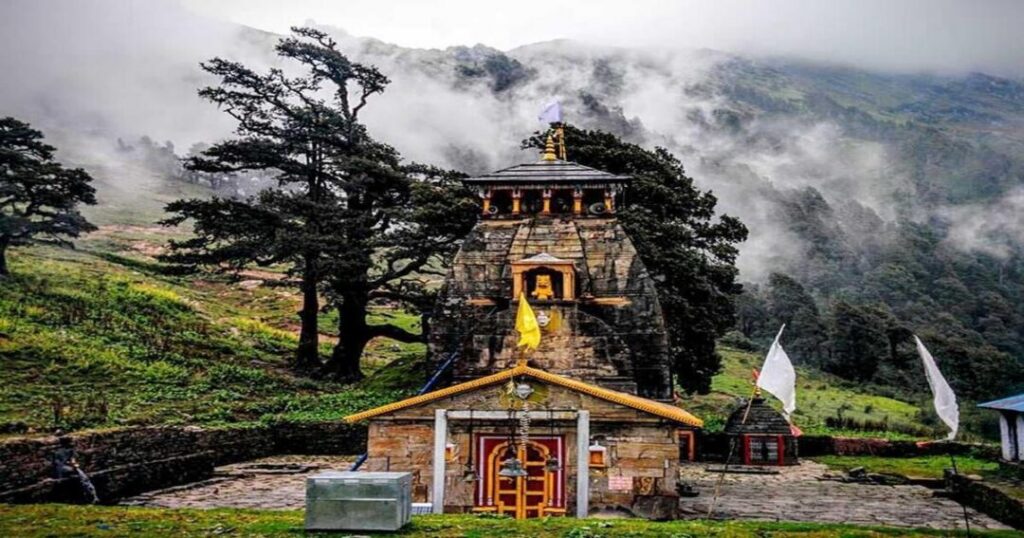
The Panch Kedar are five Shiva temples spread across Uttarakhand’s high Himalayas, traditionally visited together as a single extended pilgrimage circuit — the full set runs roughly 170 km and takes around 15 days if attempted end to end. Most travelers, though, pick off individual temples across separate trips rather than attempting all five at once, and that’s a perfectly reasonable way to approach this list too.
1. Kedarnath—The Jyotirlinga and the Toughest Registration Process
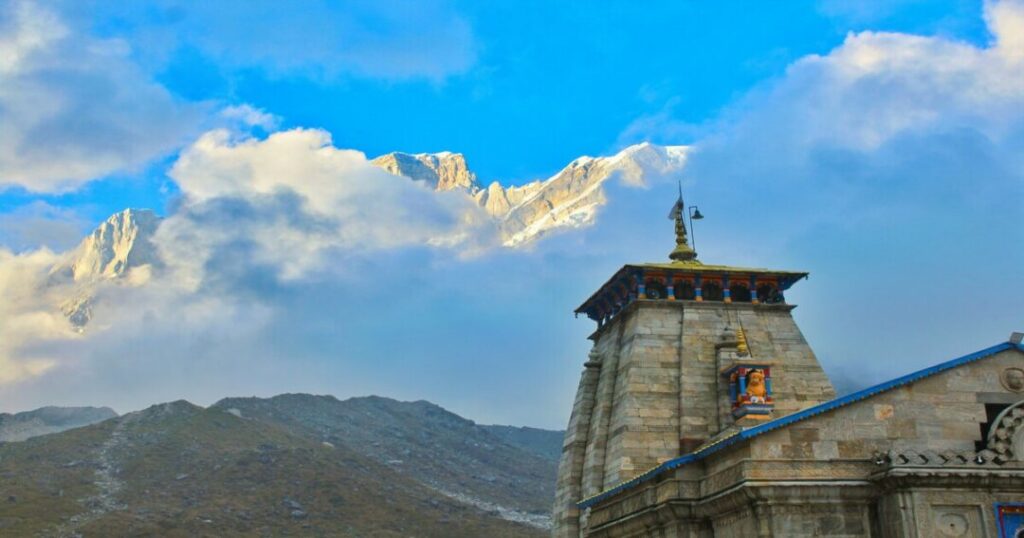
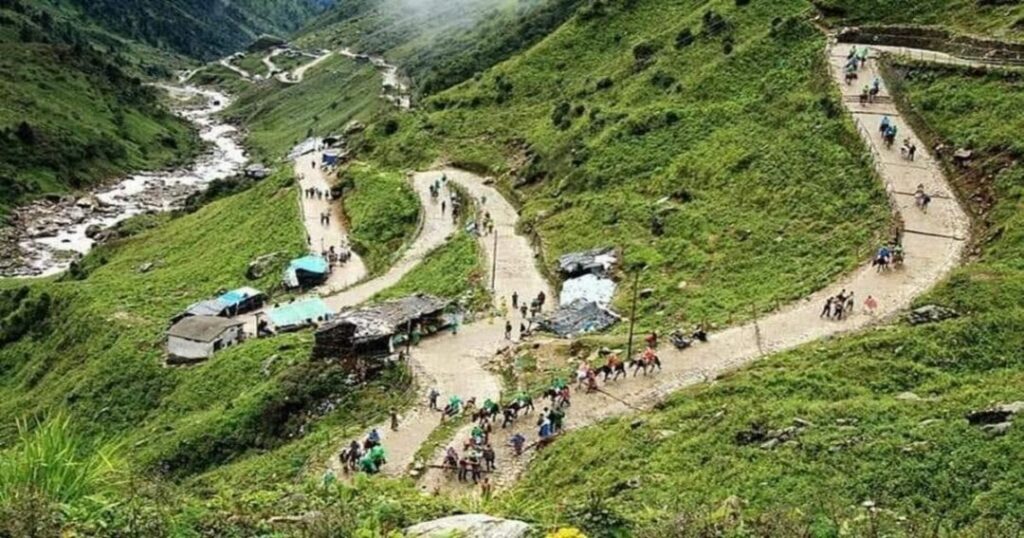
Kedarnath is the most visited of the five by a wide margin, sitting at 3,583 meters and reached via an 16–18 km trek from Gaurikund, the roadhead near Sonprayag. It’s one of the twelve Jyotirlingas, which alone makes it the most spiritually significant stop on this list for many pilgrims.
Since the devastating 2013 floods that struck the Kedarnath valley, registration has become considerably stricter: a biometric Char Dham Registration Card is now mandatory, obtainable online through Uttarakhand’s tourism portal or at kiosks in Rishikesh and Guptkashi, with your QR code scanned at the Sonprayag checkpoint before you’re allowed onward to Gaurikund. [STAT: Biometric registration for the Kedarnath trek became mandatory following the 2013 floods, as a direct response to the difficulty authorities faced tracking stranded pilgrims during the disaster.] The temple closes for winter from around November through April/May, with the deity relocated to Omkareshwar Temple in Ukhimath during that period — September through November tends to offer the clearest skies and steadiest trail conditions.
2. Tungnath—The Highest Shiva Temple in the World
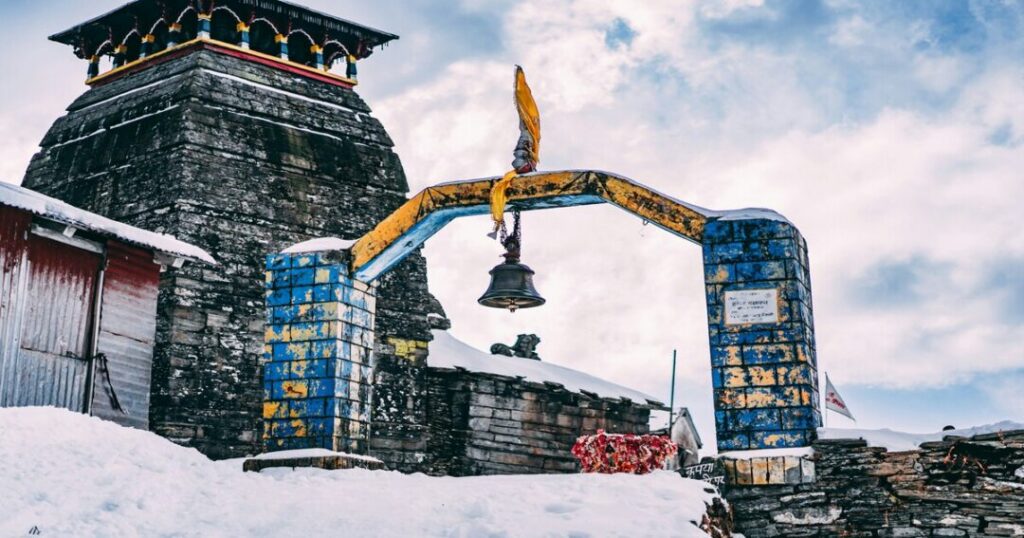
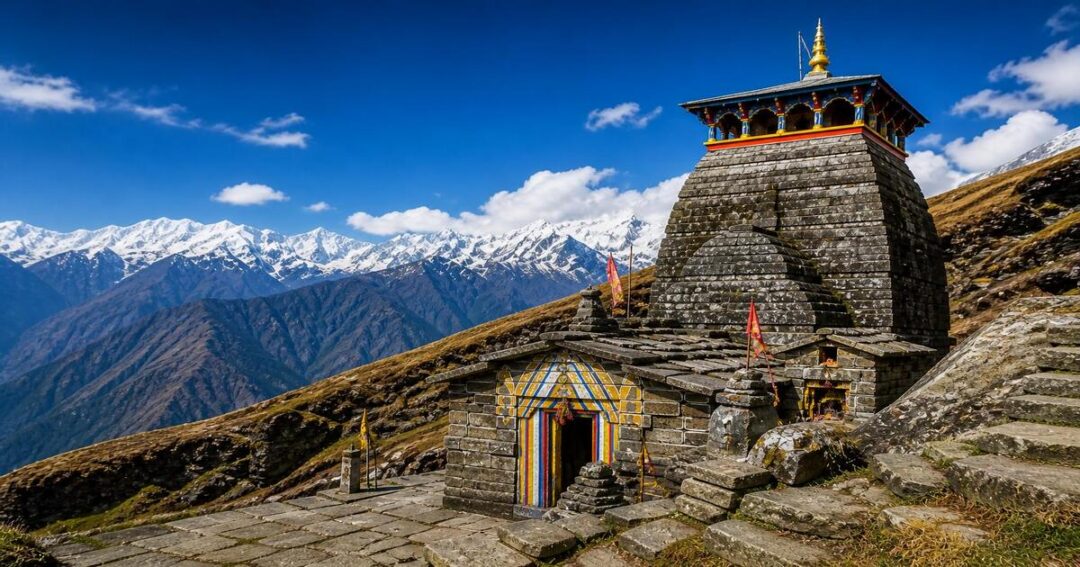
Tungnath is, by a comfortable margin, the easiest Panch Kedar trek to attempt, and also the highest: at 3,680 metres, it holds the distinction of being the highest Shiva temple in the world, despite requiring only a roughly 4 km trek from the roadside village of Chopta. It’s often paired with a further push to the Chandrashila summit just above it, making it a popular choice for trekkers who want a genuine Himalayan Shiva pilgrimage without committing to a multi-day expedition.
Also read: Chandrashila Trek: The Complete Guide to Chopta, Tungnath & the Moon Stone Summit
3. Rudranath—Short Altitude, Long Trek
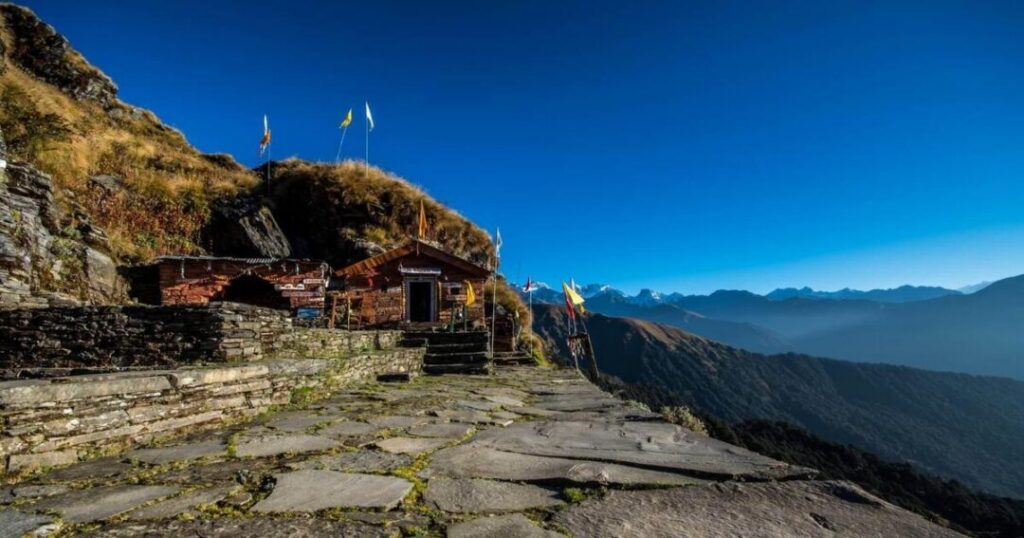
Rudranath is the trickiest of the five to size up correctly: the temple itself sits at a relatively modest 2,286 metres, but reaching it involves a genuinely strenuous roughly 20 km trek from Sagar village, winding through dense forest and repeated altitude gain and loss rather than a single steady climb. Don’t let the lower final altitude fool you into underestimating this one—the terrain and distance make it comparable in effort to routes that end considerably higher.
Also read: Rudranath Trek: The Complete Guide to the Most Remote Panch Kedar
4. Madhyamaheshwar—The Quiet Middle Temple
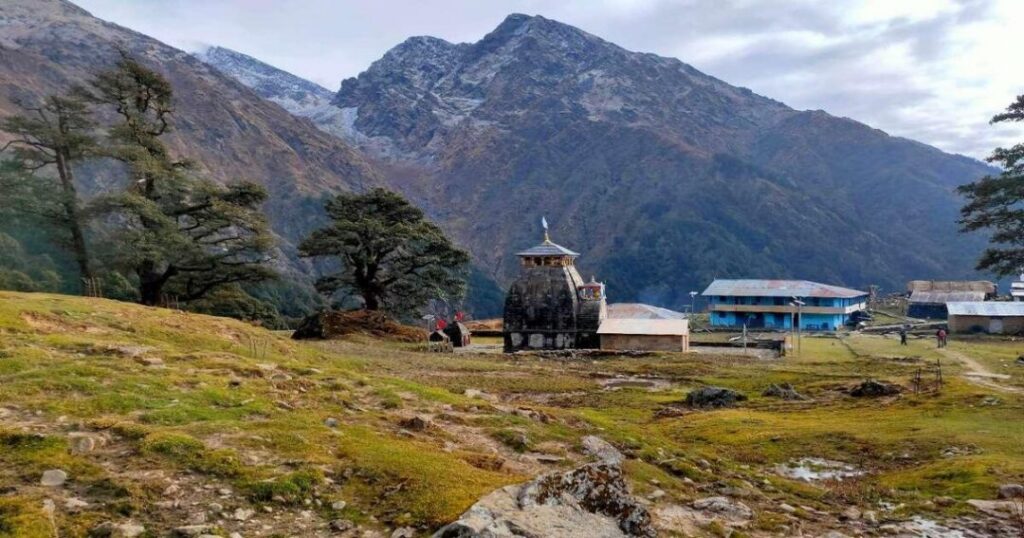
Sitting at 3,490 meters, Madhyamaheshwar is reached via a roughly 24 km trek typically starting from Ransi village through Gaundar. It sees noticeably fewer visitors than Kedarnath or Tungnath, which makes it a genuinely peaceful alternative for trekkers who want the Panch Kedar experience without the crowds.
5. Kalpeshwar — The One You Can Visit Any Time of Year
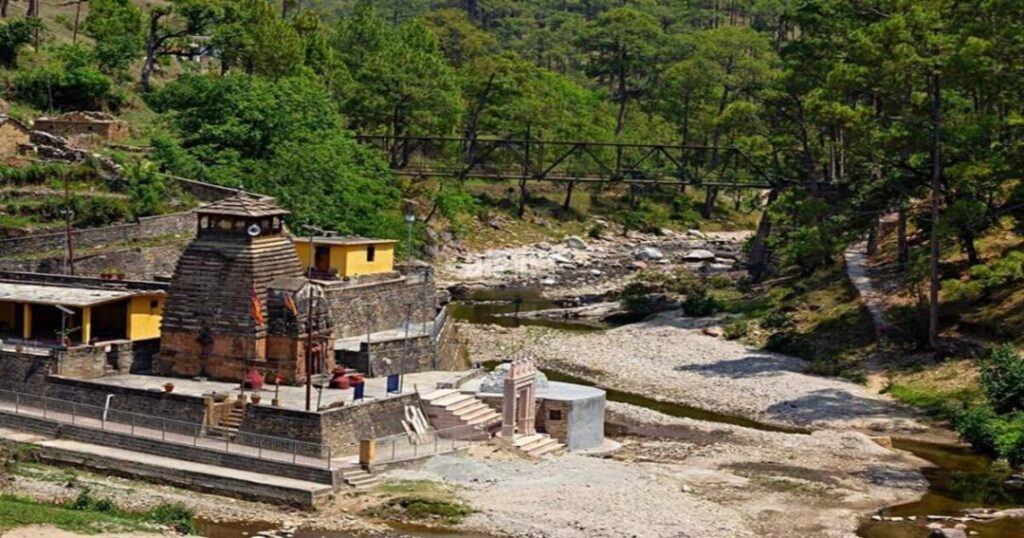
Kalpeshwar is the outlier of the group in the best possible way: unlike the other four, it stays accessible year-round, since it sits at a comparatively low 2,200 metres and involves only a short walk rather than a demanding multi-kilometre trek. If you’re building a Panch Kedar itinerary around limited time or off-season travel, this is the one temple you can genuinely slot in without waiting for a specific weather window.
6. Amarnath Yatra: Kashmir’s Ice Lingam Shrine
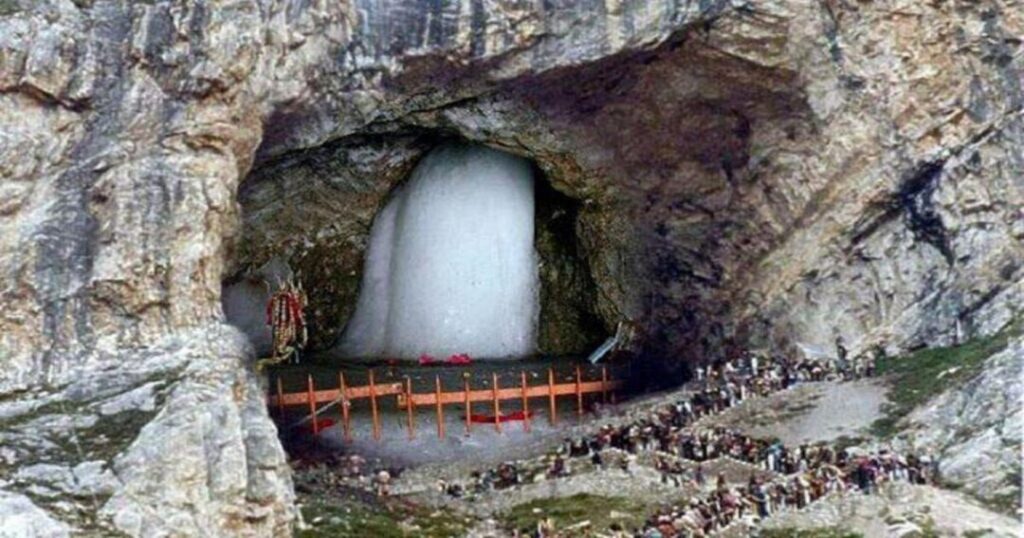
The Amarnath cave shrine, at roughly 3,888 metres (12,756 ft) in Kashmir, holds a naturally forming ice stalagmite that devotees regard as a manifestation of Shiva — making it structurally unlike anything else on this list, since there’s no built temple at all, just the cave and the ice formation itself.
Two routes lead there. The Baltal route is shorter and steeper, around 14–16 km, reachable in a single hard day for a fit trekker. The Pahalgam route is longer and gentler, stretching 36–48 km over 3–5 days starting from Chandanwari.
This is also the trek on this list with the most serious pre-trip paperwork, and none of it is optional. Registration is mandatory for every pilgrim through the Shri Amarnathji Shrine Board (jksasb.nic.in) or the SASB app, and you cannot access either route without a valid permit and RFID card. You’ll also need a Compulsory Health Certificate from a government-approved source, generally involving a basic cardiovascular check and questions about any prior altitude sickness — this isn’t a formality, it exists because the altitude and exertion involved have real health consequences for unprepared pilgrims. [STAT: Amarnath Yatra registration requires a mandatory Compulsory Health Certificate and a valid RFID permit—no pilgrim is permitted onto either route without both.] The yatra runs on a fixed seasonal window, typically opening in late June or early July and closing by late August, so this isn’t a trek you can simply decide to do on short notice.
Given the region’s security considerations, pilgrims travel under organized security arrangements during the yatra season, and it’s worth checking current advisories specific to your travel dates before finalizing plans, separate from the physical registration process itself.
Also read: Amarnath Yatra 2026 Registration Routes Dates Complete Travel Guide
7. Shrikhand Mahadev: The Most Dangerous Shiva Trek in India
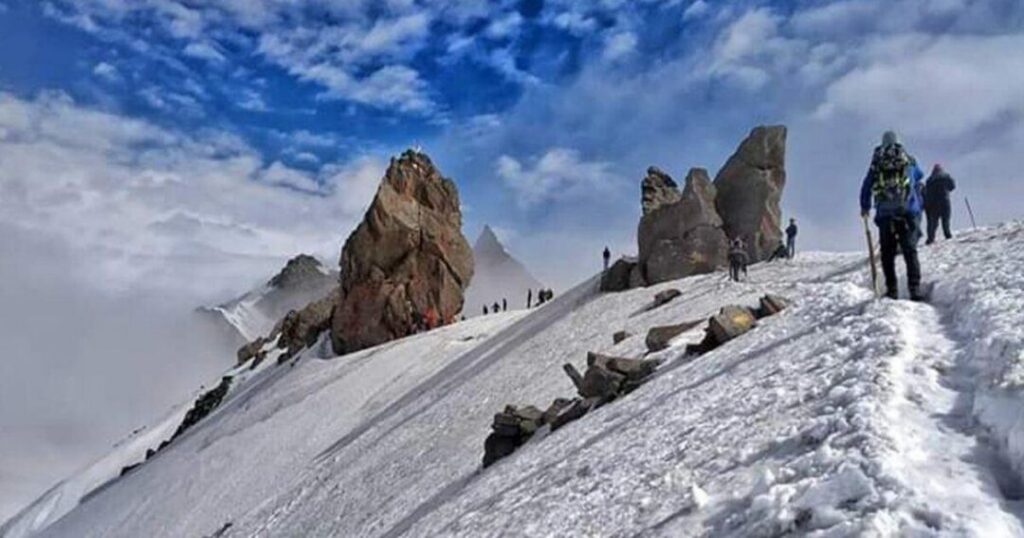
This one needs to be said plainly before anything else: Shrikhand Mahadev has one of the highest fatality rates of any trek in India, and it should not be attempted without serious prior high-altitude trekking experience, proper acclimatization, and full respect for how quickly conditions can turn dangerous near the top.
The trek leads to a naturally formed rock pillar, roughly 72 feet tall, that resembles a Shiva lingam, sitting at a genuinely extreme altitude of about 5,227 metres (17,150 ft) — higher than
8. Bijli Mahadev: The Lightning Temple of Himachal Pradesh
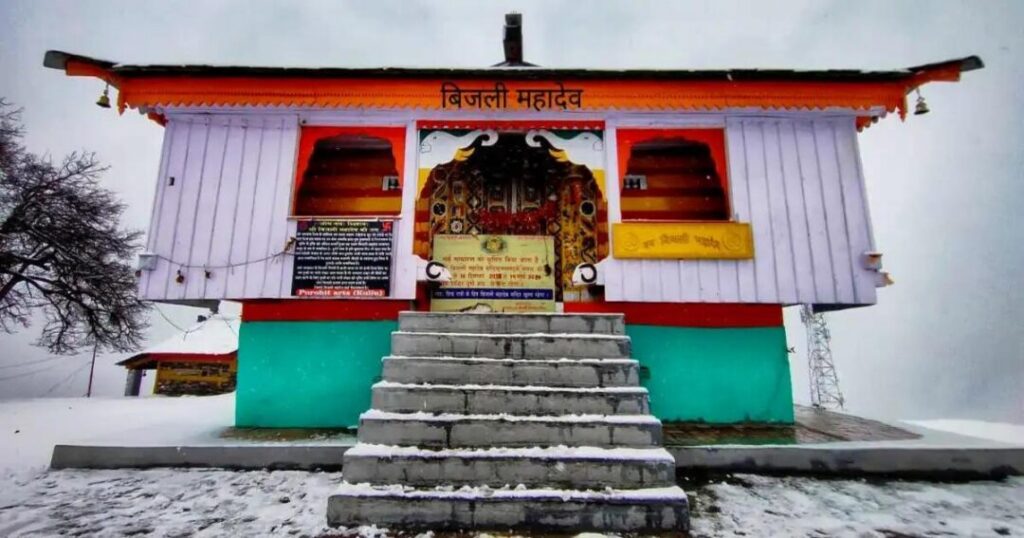
Perched at an altitude of around 2,460 metres in the Kullu Valley of Himachal Pradesh, Bijli Mahadev Temple is one of the most unique Shiva temples in the Himalayas. Known as the “Lightning Temple,” this ancient shrine offers breathtaking views of the Kullu and Parvati valleys along with a fascinating legend connected to Lord Shiva.
Unlike many high-altitude Himalayan pilgrimages, the Bijli Mahadev trek is relatively short, making it an ideal spiritual hike for travelers seeking a mix of adventure, mythology, and panoramic mountain views.
The Legend of Bijli Mahadev
According to local beliefs, Lord Shiva saved the Kullu Valley from a devastating force by absorbing a powerful lightning strike.
It is believed that lightning frequently strikes the Shiva Lingam inside the temple, breaking it into pieces. The temple priest then restores the Lingam using butter and sattoo (a traditional flour mixture), symbolizing the continuous renewal of divine energy.
This unique phenomenon is believed to be the reason behind the temple’s name—BijliMahadev, meaning “Lord of Lightning.”
Trek Details:
- Starting point: Chansari Village, Kullu
- Distance: Around 2–3 km one way
- Duration: 1–2 hours depending on pace
- Difficulty: Easy to moderate
- Best time: March to June and September to November
The final climb opens into a vast meadow where the temple stands surrounded by stunning views of:
- Kullu Valley
- Parvati Valley
- Beas River
- Himalayan peaks
What is the Best Time for Himalayan Treks to Shiva Temples?
Timing varies meaningfully across this list. The Panch Kedar temples (aside from year-round Kalpeshwar) are generally accessible from May through October, with clear autumn conditions (September–November) offering the steadiest visibility and trail conditions, and all four close for winter under heavy snowfall. Amarnath runs on a fixed seasonal yatra, typically late June/early July through late August. Shrikhand Mahadev has arguably the narrowest window of all—mid-July through mid-August—reflecting just how briefly conditions near its extreme altitude stay survivable for pilgrims.
Trying to figure out which of these actually fits your fitness level, experience, and available dates? NIVU AI inside the Explurger app can weigh your own trekking background against this list and suggest a more realistic starting point than simply picking the most famous name.
Also read: Himalayan Treks for Beginners: Top 10 Easy Treks in India
Permits and Registration You’ll Need
Every trek on this list requires some form of registration, but the process differs meaningfully by destination:
- Kedarnath: Mandatory biometric Char Dham Registration Card, arranged online or at kiosks in Rishikesh/Guptkashi, scanned at the Sonprayag checkpoint.
- Tungnath, Rudranath, Madhyamaheshwar, Kalpeshwar: Generally don’t require the same biometric registration as Kedarnath, though local forest permits may apply depending on the route.
- Amarnath: Mandatory Shrine Board registration (jksasb.nic.in or SASB app) plus a Compulsory Health Certificate; no permit, no access to either route.
- Shrikhand Mahadev: Mandatory online registration through the Himachal Pradesh government’s dedicated portal, plus a government-hospital medical fitness certificate, with a capped daily pilgrim count during the official yatra window.
- Bijli Mahadev Trek: No special permit is generally required for the Bijli Mahadev Temple trek. Unlike high-altitude treks such as some restricted Himalayan routes, Bijli Mahadev is an accessible pilgrimage trail open to visitors.
Conclusion About Himalayan Treks
These seven Himalayan treks cover the full range of what a Shiva pilgrimage in the mountains can actually demand — a gentle four-kilometre walk to the world’s highest Shiva temple on one end, and a genuinely life-threatening climb to a 17,000-foot rock formation on the other. Whichever ones make your list, save them to your Explurger Bucket List while you plan the permits and paperwork, and once you’ve completed one, log it as an Explurge-in — your Automatic Travelogue will keep every shrine mapped alongside the rest of your trips. Plan your next Himalayan trek smarter with the Explurger app.
FAQs About Himalayan Treks
2. Is the Amarnath Yatra dangerous?
It carries real risk from altitude and exertion, which is why registration requires a Compulsory Health Certificate and why pilgrims travel under organized security arrangements during the yatra season. The Baltal route (14-16km) is shorter but steeper, while the Pahalgam route (36-48km over 3-5 days) is longer but gentler. Both require mandatory Shrine Board registration and a valid RFID permit before you can access either route.
3. How dangerous is the Shrikhand Mahadev trek?
Genuinely dangerous — it has one of the highest fatality rates of any trek in India, primarily due to altitude sickness and the extreme exposure of its final stretch, known as Bheem Ki Sidhis, which involves scrambling near-vertical rock faces and crossing snow-covered glaciers at close to 5,227 metres altitude. It should only be attempted by trekkers with serious prior high-altitude experience, proper acclimatization, and full registration through the official Himachal Pradesh portal, including a mandatory medical certificate.
4. Which Panch Kedar temple is easiest to trek?
Tungnath is by far the easiest, requiring only a roughly 4 km trek from Chopta despite sitting at 3,680 metres, the highest of all five. Kalpeshwar is even less demanding physically since it's accessible year-round via a short walk, but Tungnath offers a fuller Himalayan trekking experience for a comparably modest effort.
5. When is the best time to trek to Kedarnath?
September through November tends to offer the clearest skies and most stable trail conditions, following the monsoon. The temple and trek route are generally open from around May through November, closing for winter under heavy snowfall, with the deity relocated to Omkareshwar Temple in Ukhimath during the closed months.
6. Do I need a permit for the Panch Kedar treks?
Kedarnath requires a mandatory biometric Char Dham Registration Card, introduced after the 2013 floods to help track pilgrims. The other four Panch Kedar temples generally don't require the same biometric process, though local forest permits may apply depending on the specific route and season.
7. What is the registration process for Shrikhand Mahadev?
Registration is handled exclusively online through the Himachal Pradesh government's dedicated portal, with a daily cap of around 800 pilgrims during the official yatra window, typically mid-July through mid-August. A mandatory medical fitness certificate from a government hospital is required before registration is accepted.