
1,081 Total Views
Most guides to Mumbai tell you to visit the Gateway of India, walk along Marine Drive, and take a ferry to Elephanta. That is fine advice. These are genuinely worth your time. But they are also the things every visitor does. Mumbai is a city that rewards the person who ventures slightly further — into a fishing village that predates the city itself, a sacred tank hidden in one of the most expensive neighbourhoods in the country. This Portuguese-era hamlet looks nothing like the megacity surrounding it, a mangrove creek where thousands of flamingos arrive each winter. The best places to go in Mumbai are not always on the poster. This guide covers both the essentials briefly and the places most visitors miss entirely.
Best Time to Visit Mumbai
November to February is the most comfortable window — temperatures between 18°C and 32°C, low humidity, and clear skies. This is when the flamingos arrive at Sewri and the city is at its most walkable. March to May gets warm and increasingly humid. Monsoon (June to September) transforms the city — the sea gets dramatic, the hills go green, and the city’s rhythm slows slightly. The rains are not a reason to avoid Mumbai; they are a reason to experience it differently.
How to Reach Mumbai
- By air: Chhatrapati Shivaji Maharaj International Airport (BOM) — one of India’s busiest, well-connected to all major Indian and international cities; two terminals (T1 for domestic, T2 for international and select domestic)
- By train: Mumbai has two major railway terminals — Chhatrapati Shivaji Maharaj Terminus (CSMT) for Central and South routes, and Bandra Terminus for Western routes; Mumbai is connected to virtually every major Indian city by rail
- By road: Well-connected via national highways from Pune (~150 km, 3 hours), Nashik (~165 km, 3 hours), Goa (~590 km, 10 hours)
The Essentials — Brief and Done
Gateway of India: The foundation stone was laid in 1911 to commemorate the visit of King George V and Queen Mary; construction was completed and the arch was inaugurated on December 4, 1924. This basalt arch on the waterfront is the symbolic entry point to Mumbai — worth seeing at dawn before the crowds arrive. Ferry to Elephanta Caves (UNESCO World Heritage Site, 6th-century rock-cut temples) departs from here.
Chhatrapati Shivaji Maharaj Terminus (CSMT): A UNESCO World Heritage Site since 2004 — the Victorian Gothic railway station built between 1878 and 1887 that still handles over three million passengers daily. Walk through it at rush hour to understand Mumbai’s scale.
Marine Drive: The 3.6 km Queen’s Necklace arc along the Arabian Sea — best at dawn, best at dusk, best in monsoon when the waves crash over the promenade. A walk that never gets old.
Colaba: Mumbai’s southernmost neighbourhood — heritage buildings, the iconic Taj Mahal Palace hotel, Colaba Causeway market, and the most concentrated mix of colonial-era architecture in the city.
Now — the places most guides don’t take you to.
Neighbourhoods & Culture — Mumbai Spots to Visit That Most Visitors Miss
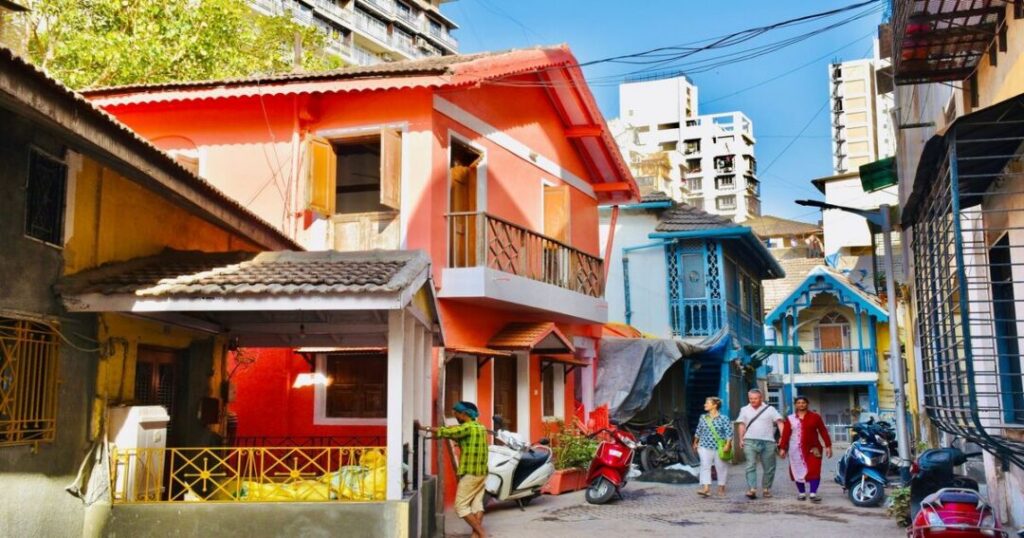
Tucked inside the dense residential lanes of Girgaum in South Mumbai, Khotachiwadi is a Grade-II heritage precinct of 28 surviving Portuguese-era cottages — wooden-framed houses with tiled roofs, ornate balconies, small gardens, and brightly painted facades — surrounded on all sides by modern apartment blocks. It looks nothing like the city around it. The settlement dates to the 18th century when East Indian Catholic families built homes here, and it has somehow survived every wave of redevelopment pressure.
- Best explored on foot; the lanes are narrow and the houses are private homes — respectful visiting only
- The contrast between Khotachiwadi’s scale and the towers surrounding it makes it one of the most visually striking places to see in Mumbai
- Accessible from Charni Road station (Western Line)
Worli Koliwada — The Original Mumbai
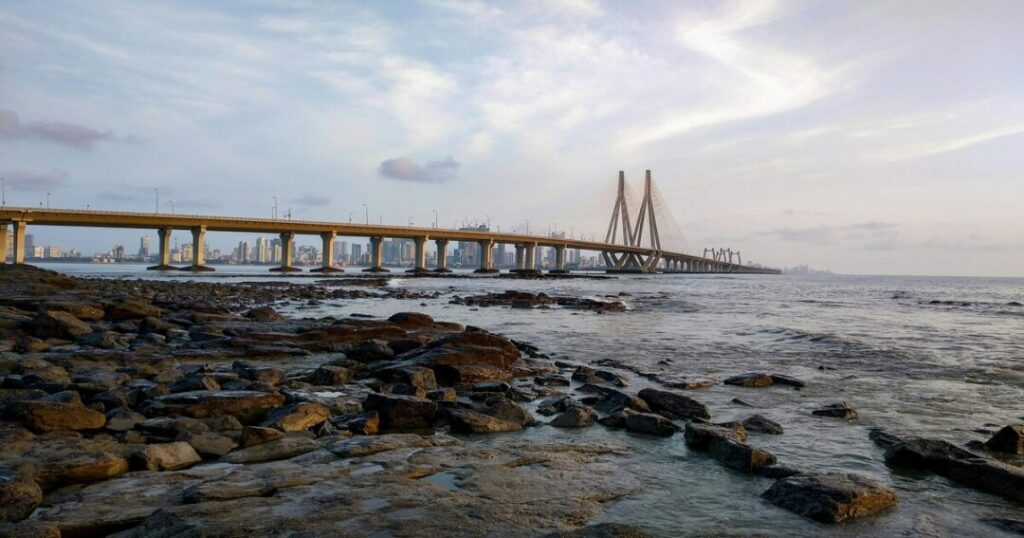
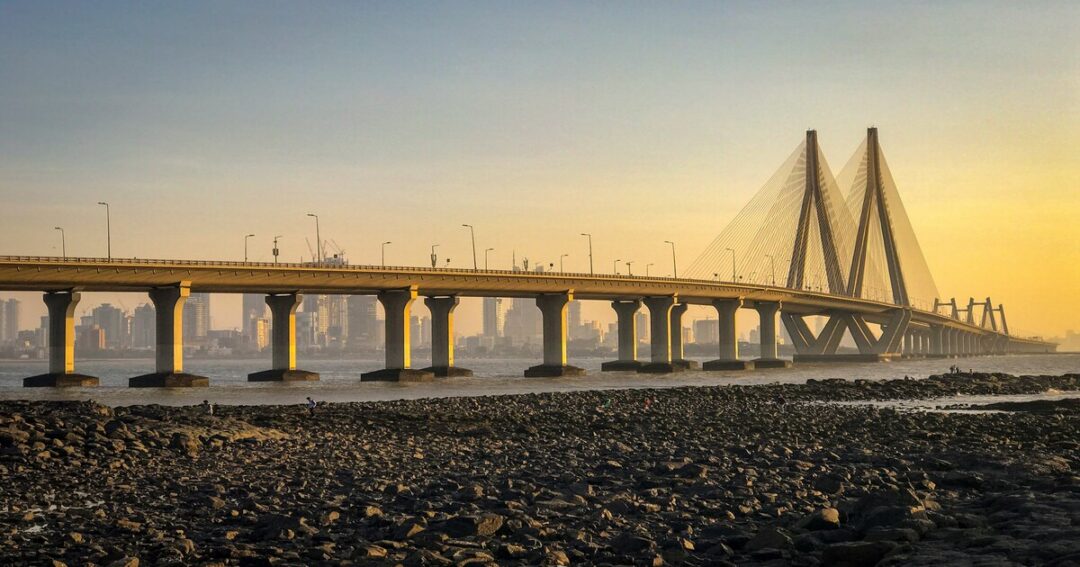
Before Bombay was Bombay, it was a collection of fishing villages belonging to the Koli community — the original inhabitants of the islands that became Mumbai. Worli Koliwada is one of the most intact surviving examples: a working fishing village with colourful boats, drying fish, temple courtyards, and views of the Bandra-Worli Sea Link from ground level that no tourist viewpoint provides.
- A working village — visit in the morning when the catch comes in for the most authentic experience
- The Worli Fort (a 17th-century British watchtower) sits at the edge of the Koliwada — largely ignored by visitors despite its dramatic sea-facing position
- Accessible from Worli by auto from Lower Parel or Bandra
Bandra’s Street Art — An Outdoor Gallery
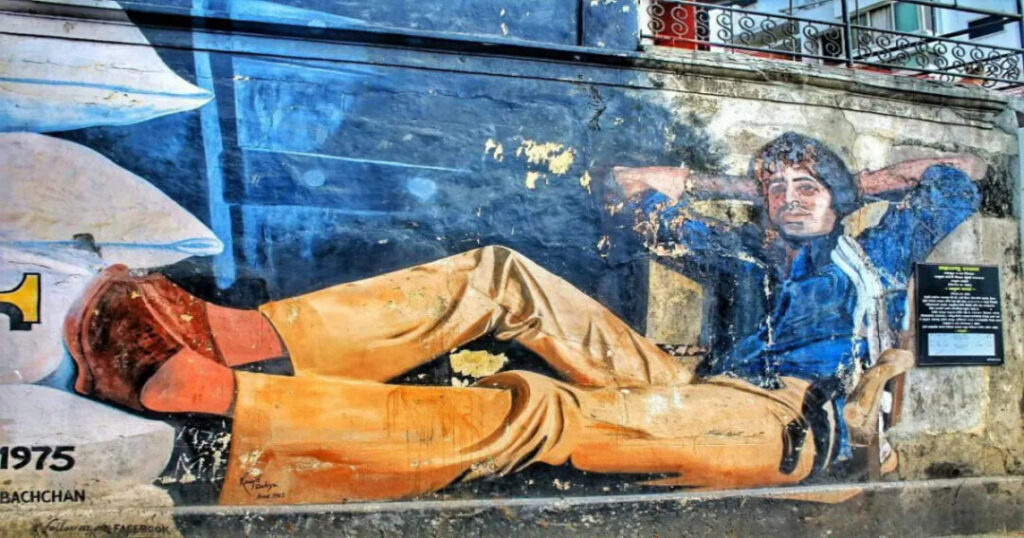
Bandra West is known for its cafés and churches, but its streets are covered in murals — political commentary, portraits, abstract work, and large-scale pieces commissioned by local organisations and independent artists. The lanes around Chapel Road, Hill Road, and the older Bandra West bylanes form one of the largest outdoor street art collections in any Indian city.
- No entry fee, no set hours — the city is the gallery
- Best explored by walking from St. Andrew’s Church toward the Bandra Bandstand area
- The murals change periodically; what was there six months ago may have been painted over or added to
Chor Bazaar — Mumbai’s Antique Market
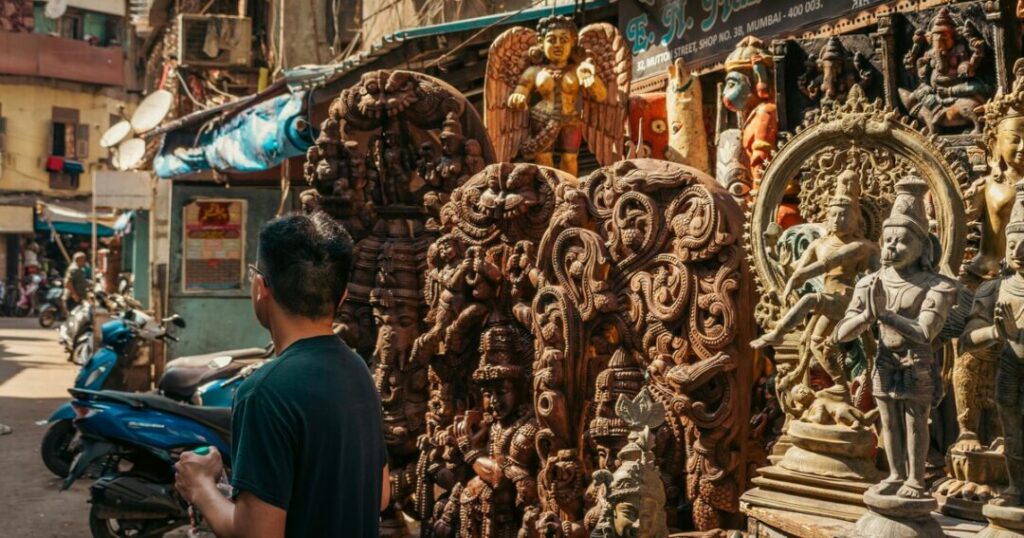
Chor Bazaar — literally “Thieves’ Market” — is one of Asia’s oldest and largest antique and second-hand markets, occupying several lanes in Mutton Street and the surrounding area of the Bhendi Bazaar neighbourhood. Clockwork toys, colonial-era furniture, Bollywood memorabilia, vintage radios, ship parts, typewriters, gramophones, nautical instruments — the inventory changes week by week and the prices require negotiation.
- Friday is the most active day; arrive in the morning
- The market is busiest and most interesting in the Mutton Street section
- Accessible from Null Bazaar area; best reached by taxi or auto from CSMT
Heritage & History — Mumbai Travel Places Beyond the Obvious
Banganga Tank — Ancient Sacred Water in Malabar Hill
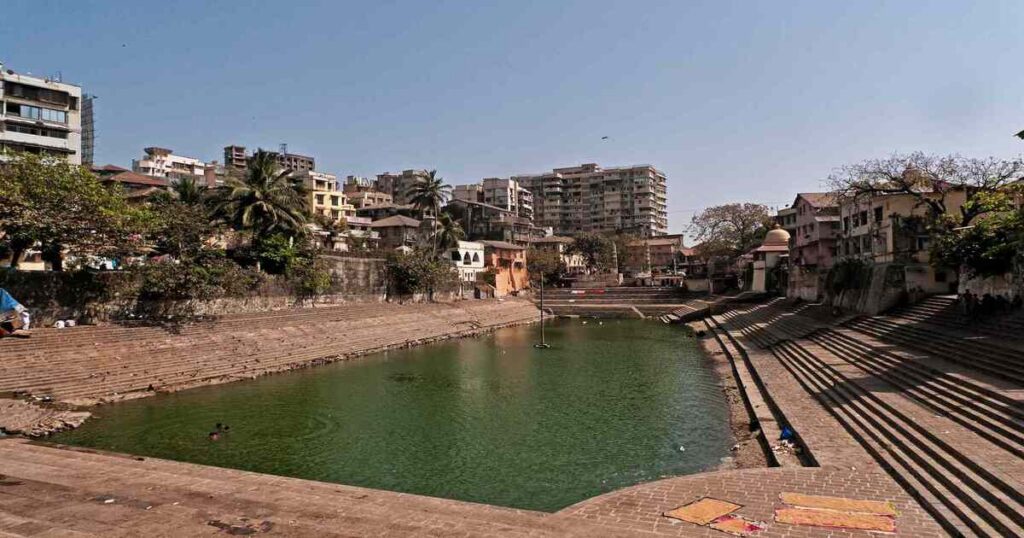
Hidden in the middle of Malabar Hill — one of Mumbai’s most expensive residential areas — Banganga Tank is one of the city’s oldest sacred sites. According to Hindu mythology, the tank was created when Lord Rama pierced the earth with his arrow (baan) and water (ganga) sprang up. The tank is surrounded by 17th-century temples, ghats (stepped riverbanks), and crumbling stone architecture that creates an atmosphere of extraordinary antiquity completely at odds with the luxury apartments nearby.
- Free entry; open throughout the day; best visited in the early morning during puja time
- An annual music festival is held here against the backdrop of the tank — one of the finest classical music events in Mumbai’s calendar
- Located in Walkeshwar; accessible from Chowpatty by auto
Sewri Fort and the Flamingo Mudflats — Mumbai’s Winter Secret
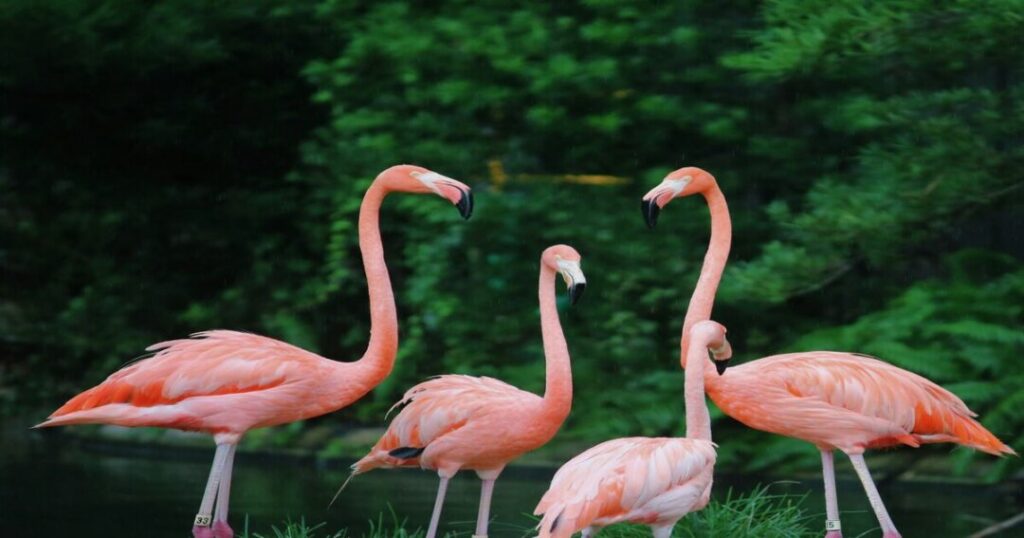
Sewri Fort is a Grade-I heritage structure built by the British in the 17th century to guard against pirates — a set of red laterite ruins overlooking the creek that most Mumbaikars have never visited. But the reason to come to Sewri between approximately November and May is not the fort — it is the flamingo mudflats below it. Tens of thousands of lesser flamingos gather in the Thane Creek mudflats near Sewri each winter, making this one of the most spectacular wildlife experiences within any major Indian city.
- The flamingos are best seen at low tide, early morning; carry binoculars
- The fort ruins are atmospheric and almost entirely deserted — combine both in a single morning
- Accessible from Sewri station (Harbour Line); the mudflats viewing point is a short walk from the station
Kanheri Caves — Buddhist Rock-Cut Temples Inside the City
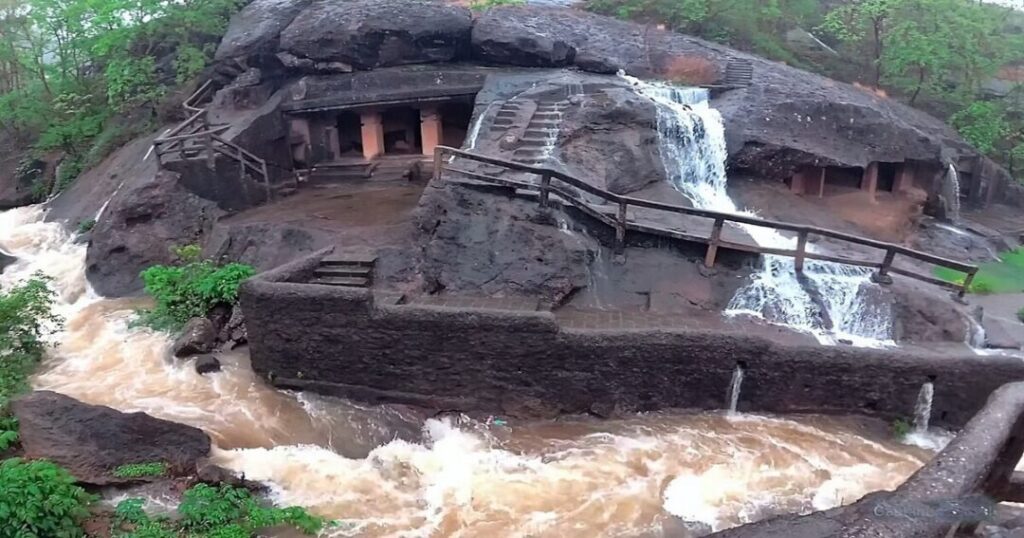
Inside Sanjay Gandhi National Park — a 104 sq km forest in the northern suburbs of Mumbai — are the Kanheri Caves: a complex of over 100 Buddhist rock-cut caves dating from the 1st century BCE to the 10th century CE. This is one of the largest collections of rock-cut architecture in South Asia, and it sits inside a national forest that is home to leopards, deer, and some of the finest birdwatching in Maharashtra.
- Entry requires a national park permit (separate from cave entry); both available at the gate
- The forest trail to the caves passes through genuinely wild habitat — leopard sightings have been recorded
- Best visited on weekdays; weekend crowds from Mumbai are significant
Also Read: Hidden Weekend Getaways from Mumbai for Explorers Who Hate the Obvious
Art & Museums — Attraction Places in Mumbai Worth Slowing Down For
Dr Bhau Daji Lad Museum — Mumbai’s Finest and Most Overlooked Museum
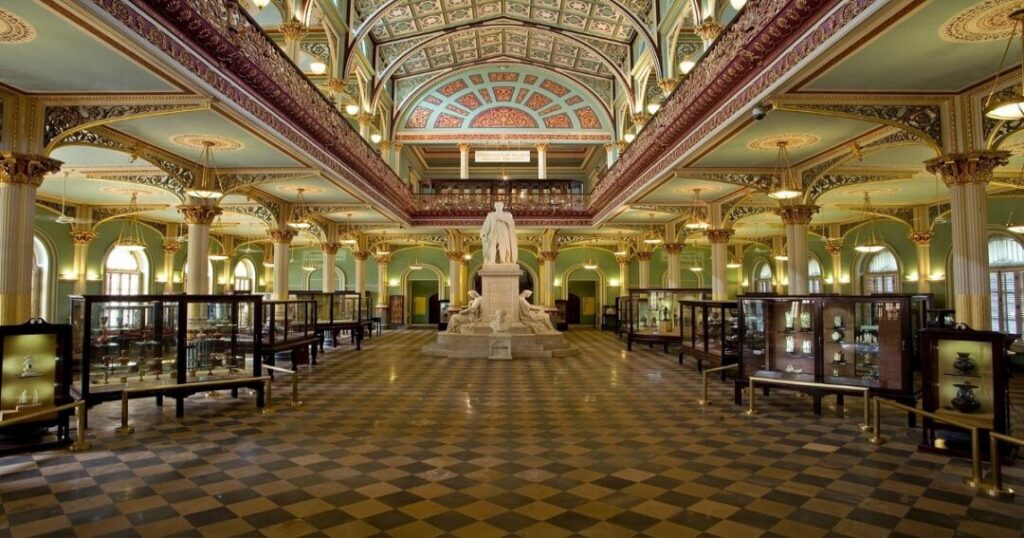
The Dr Bhau Daji Lad Museum in Byculla — Mumbai’s oldest museum, established in 1857 as the Victoria and Albert Museum — is one of the finest and most undervisited cultural institutions in India. The building itself (a restored Victorian-Italianate structure with cast-iron columns, decorative tiles, and a central skylit gallery) is extraordinary. The collection covers the history, craft, and culture of Mumbai — maps, photographs, decorative arts, and historical objects that trace the city from a cluster of fishing villages to the world’s fourth-largest megacity.
- One of the best Mumbai spots to visit for anyone who wants to understand the city’s actual history
- Entry fee is nominal; the building restoration is itself worth the visit
- Located in Byculla; accessible by local train (Byculla station, Central Line)
Prithvi Theatre — Juhu’s Cultural Institution
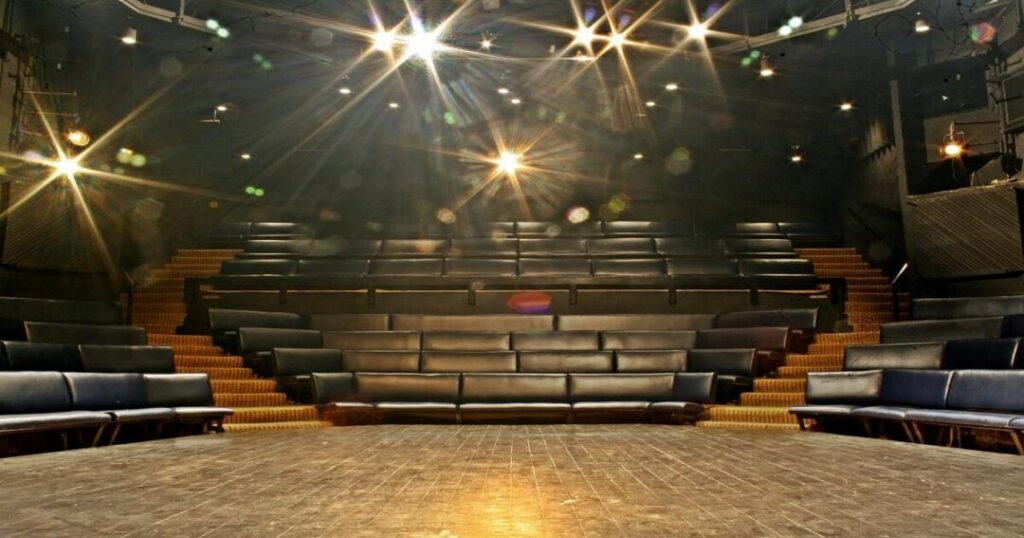
Prithvi Theatre in Juhu is one of India’s most important theatre venues — founded in memory of Prithviraj Kapoor (patriarch of the Kapoor family) and run by the family ever since. It stages Hindi and English plays, experimental work, and children’s theatre in an intimate auditorium. The café outside is a Mumbai institution — a garden space where theatre people, writers, and film industry regulars have been meeting for decades.
- Check the programme before visiting; performances run several times weekly
- The café is open throughout the day regardless of performances — worth visiting independently
- Located in Juhu; accessible by auto from Vile Parle or Andheri stations
Also Read: Spice Trail Through Maharashtra That Every Food Lover Must Experience
Nature & Outdoors — Mumbai Places to See Beyond Marine Drive
Versova Beach — The Fishermen’s Shore
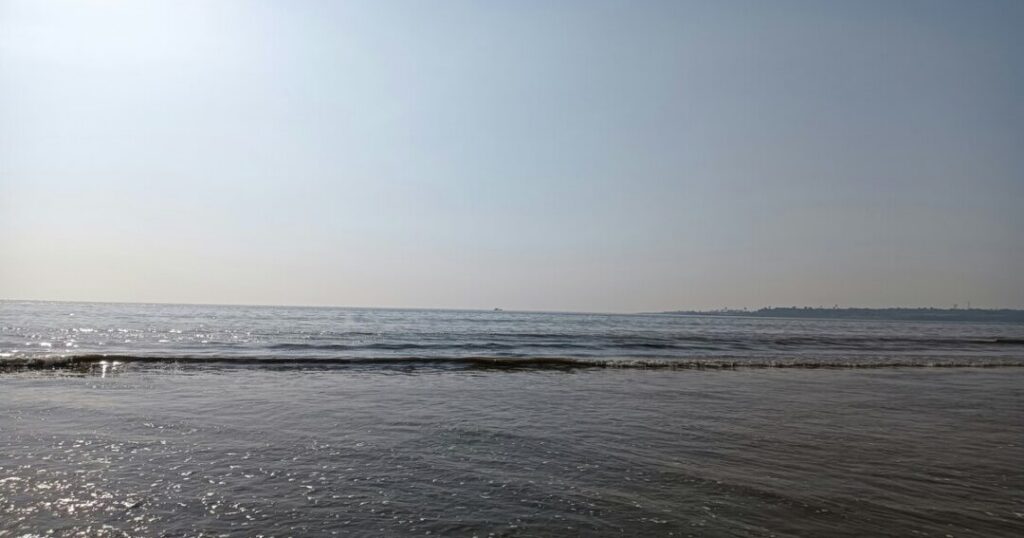
While most visitors go to Juhu, Versova Beach in the northwestern suburbs is where Mumbai’s fishing community lives and works. Colourful wooden boats, nets spread to dry, the rhythms of a working waterfront that has been here far longer than the film industry that made the suburb famous. A genuine community beach rather than a tourist beach.
- Morning visits (before 8 AM) for the most active fishing community scenes
- The beach became famous for a citizen cleanup drive that removed thousands of tonnes of plastic — the effort is ongoing and the beach is significantly cleaner than it was
- Accessible from Versova metro station (Line 1)
Sanjay Gandhi National Park — Leopards in the Suburbs
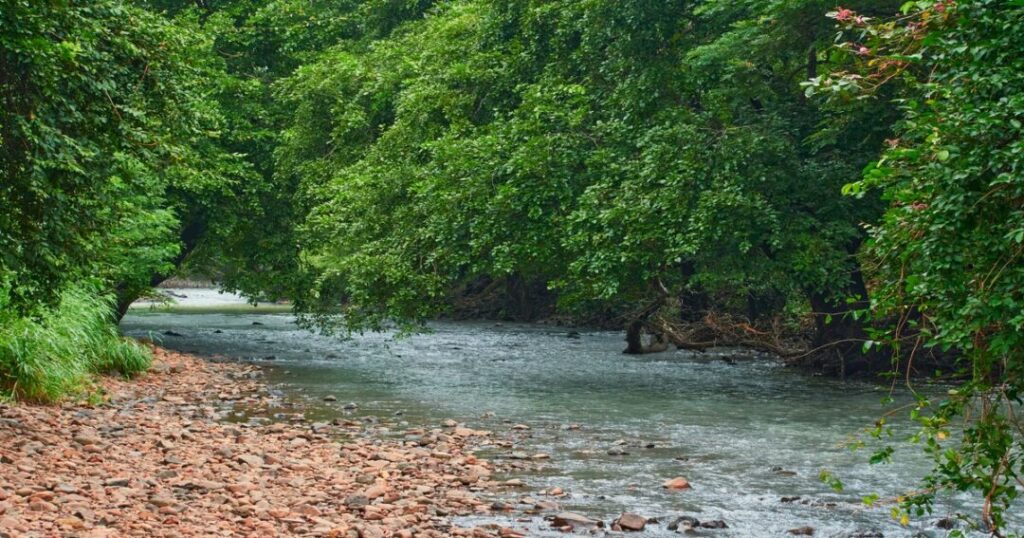
Sanjay Gandhi National Park is a 104 sq km protected forest in Borivali — one of the few national parks in the world that sits entirely within a major metropolitan area. The park is home to leopards (with documented sightings), spotted deer, Malabar giant squirrels, and over 250 bird species. Safaris, nature trails, and the Kanheri Caves are all within.
- The park closes during monsoon; best visited October to May
- Lion and tiger safari (enclosed vehicles) available within the park — a genuinely educational experience
- Borivali station (Western Line) is the closest access point
Street Food & Markets — Places to Go in Bombay for the Real Eat
Mohammed Ali Road — Mumbai’s Iftari Lane
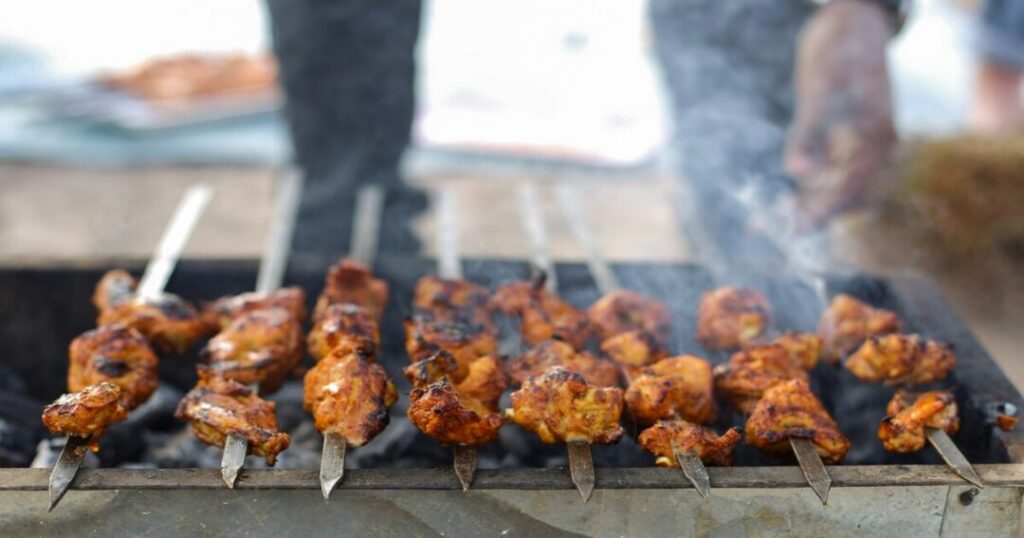
The area around Mohammed Ali Road in the Bhendi Bazaar neighbourhood is Mumbai’s most concentrated food street — famous year-round for its meat dishes, but transcendent during the Ramadan season when the street transforms into one of the most extraordinary outdoor dining experiences in India. Nalli nihari, beef seekh kebabs, mutton biryani, and an array of Mughlai preparations served from street stalls and small restaurants that have been operating for generations.
- Open year-round but the Ramadan experience (approximately March–April in most years) is in a different category entirely
- Best visited after sunset; the evening crowd makes this one of Mumbai’s most atmospheric places to go in Mumbai
- Accessible from Null Bazaar or CSMT by auto
Dharavi — Beyond the Slum Tourism Narrative
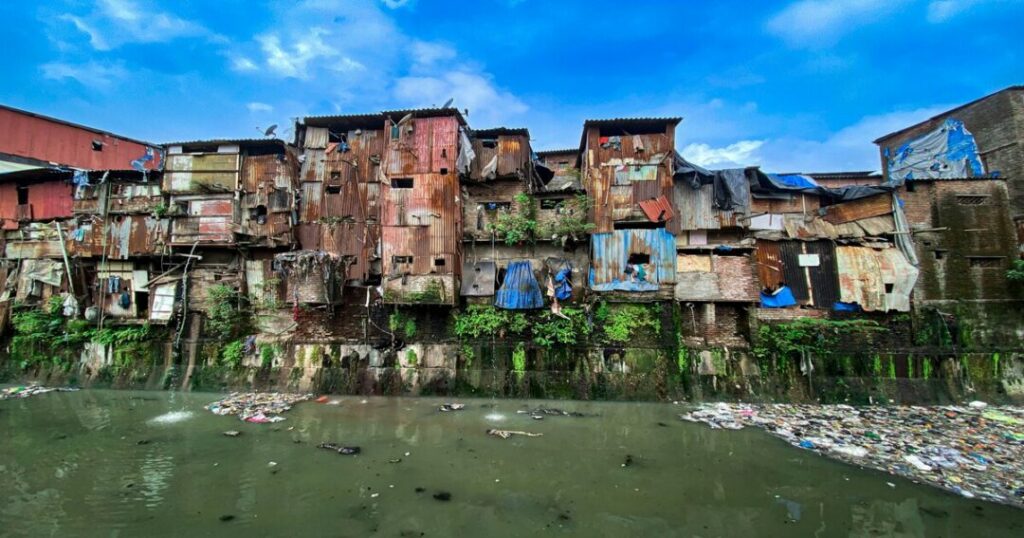
Dharavi is one of Asia’s largest urban settlements — a community of approximately one million people that functions as an industrial and residential hub producing leather goods, pottery, recycled materials, and food products that supply the rest of Mumbai. The real reason to visit is to see one of the world’s most remarkable examples of informal urbanism — a community that has built its own economy, infrastructure, and cultural life largely without government support.
- Visit with a community-led tour operator rather than an external company — the proceeds stay in the community
- The pottery colony (Kumbharwada) and the leather quarter are the most visually interesting sections
- Accessible from Mahim or Sion stations
Also Read: 2026 BUCKET LIST MUST HAVES: TOP PLACES TO VISIT IN MUMBAI
Day Trips — Mumbai Places to Go Beyond the City
Alibaug (~90 km | 2 hours by road / 1 hour by ferry)
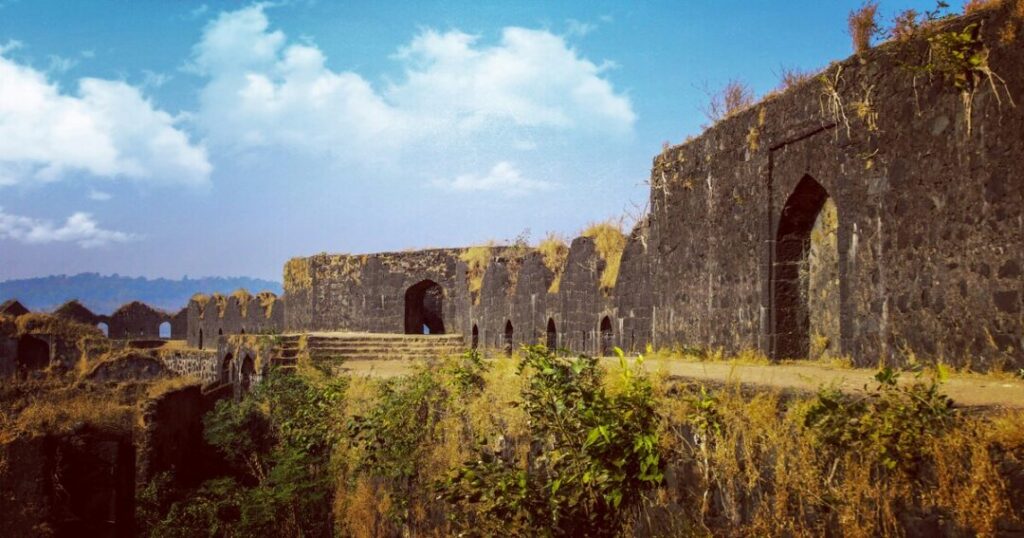
The closest beach destination to Mumbai — a small coastal town on the Konkan coast with Kolaba Fort (accessible by walking across the beach at low tide), quieter beaches than Goa, and a genuine small-town atmosphere. The ferry from the Gateway of India to Mandwa jetty, followed by an auto to Alibaug town, is the best approach.
Matheran (~80 km | 2.5 hours)
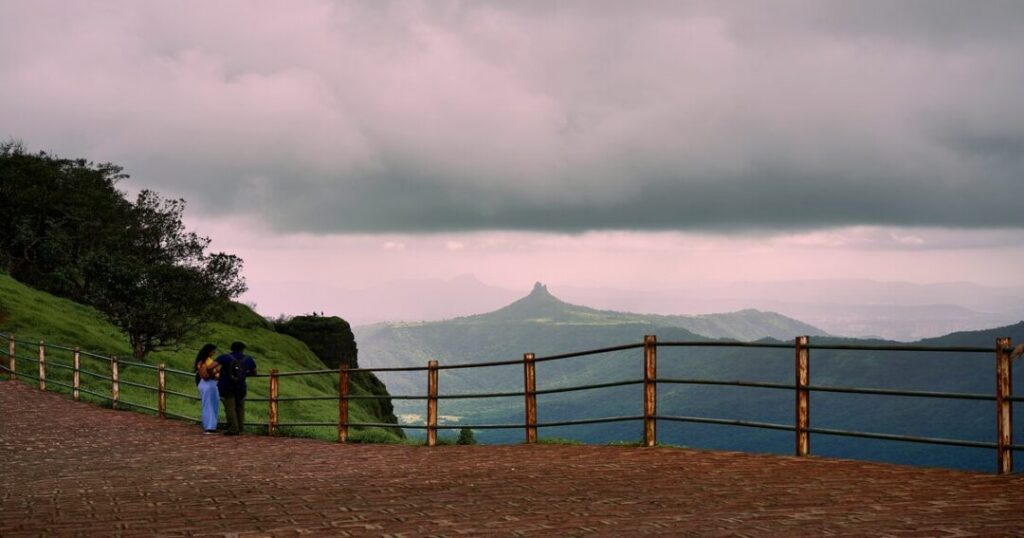
A hill station in the Western Ghats declared a no-vehicle zone — the only way to reach it is by a narrow-gauge toy train from Neral or by walking or on horseback. The forest paths, viewpoints, and the quiet of a hill town without cars make it one of the most distinctive day trips from Mumbai.
Karla and Bhaja Caves (~110 km)
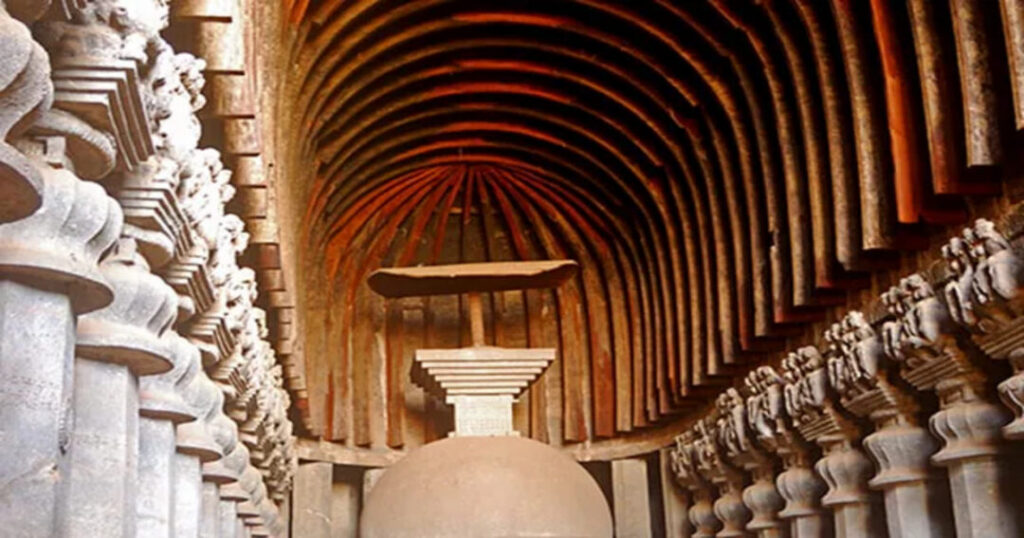
Ancient Buddhist rock-cut caves near Lonavala, dating to approximately the 2nd century BCE. The Karla Caves contain what is considered the largest surviving rock-cut chaitya (prayer hall) in India. Combine with Bhaja Caves for a half-day heritage circuit.
Conclusion About Places to visit in Mumbai
The best places to visit in Mumbai are the ones that show you the city that was here before the skyscrapers — and the one that exists alongside them right now. The flamingos at Sewri are ten kilometres from the financial district. The Portuguese cottages of Khotachiwadi are surrounded by apartment towers. The Koli fishing boats at Worli Koliwada are a 10-minute walk from some of the most expensive real estate in India. That’s what makes Mumbai unlike anywhere else — the layers are not separated by geography. They exist on top of each other, all at once.
Quick guide to Mumbai places to go by category:
- Heritage: Gateway of India (foundation 1911, inaugurated 1924), CSMT (UNESCO, 1878–1887), Banganga Tank, Sewri Fort, Khotachiwadi
- Neighbourhoods: Colaba, Worli Koliwada, Bandra street art, Chor Bazaar
- Nature: Sanjay Gandhi National Park, Kanheri Caves (1st century BCE–10th century CE), Sewri flamingos, Versova Beach
- Museums: Dr Bhau Daji Lad Museum (est. 1857), Prithvi Theatre
- Food: Mohammed Ali Road, Dharavi (community tour)
- Day trips: Alibaug (ferry), Matheran (toy train, no cars), Karla Caves
Download the Explurger app to discover what Mumbai locals actually recommend, find the best places to see in Mumbai that most travel guides skip, and log every flamingo, fishing boat, and bowl of nihari on your trip.
Mumbai never gives you everything in one visit. That is the point. Come back.
FAQs About Places to Visit in Mumbai
2. What are the Mumbai spots to visit that most tourists miss?
The most consistently overlooked Mumbai spots to visit: Khotachiwadi (18th-century Portuguese-era village in Girgaum), Sewri Fort and flamingo mudflats (tens of thousands of flamingos in winter, a 17th-century British fort), Banganga Tank (ancient sacred tank hidden in Malabar Hill), Worli Koliwada (original fishing village of the Koli people), and the Dr Bhau Daji Lad Museum (Mumbai's finest and most undervisited museum, established 1857).
3. What are the best Mumbai places to see for nature lovers?
Mumbai is better for nature than most people expect. Sanjay Gandhi National Park (104 sq km of forest with leopards and 250+ bird species, inside the city limits), Kanheri Caves (within the park — over 100 Buddhist rock-cut caves from the 1st century BCE to the 10th century CE), Sewri flamingo mudflats (tens of thousands of lesser flamingos November to May), and Versova Beach (working fishing village, genuinely local) are the best options.
4. What is the best time to visit Mumbai?
November to February is the most comfortable — cool temperatures (18–32°C), low humidity, clear skies, and flamingo season at Sewri. December and January are peak season. Monsoon (June–September) is humid but dramatically beautiful — Marine Drive during the rains, the city's greenery, and the quieter tourist vibe make it a genuinely worthwhile time to visit if you don't need beach weather.
5. What are the best places to go in Bombay for heritage?
Places to go in Bombay for heritage: CSMT (UNESCO, Victorian Gothic, built 1878–1887), Gateway of India (foundation 1911, inaugurated 1924), Elephanta Caves (UNESCO, 6th-century rock-cut Shiva temples, ferry from Gateway), Banganga Tank (mythology traces to Ramayana, surrounded by 17th-century temples), Khotachiwadi (18th-century Portuguese-era hamlet, Grade-II heritage), and Sewri Fort (17th-century British watchtower, Grade-I heritage).