

354 Total Views
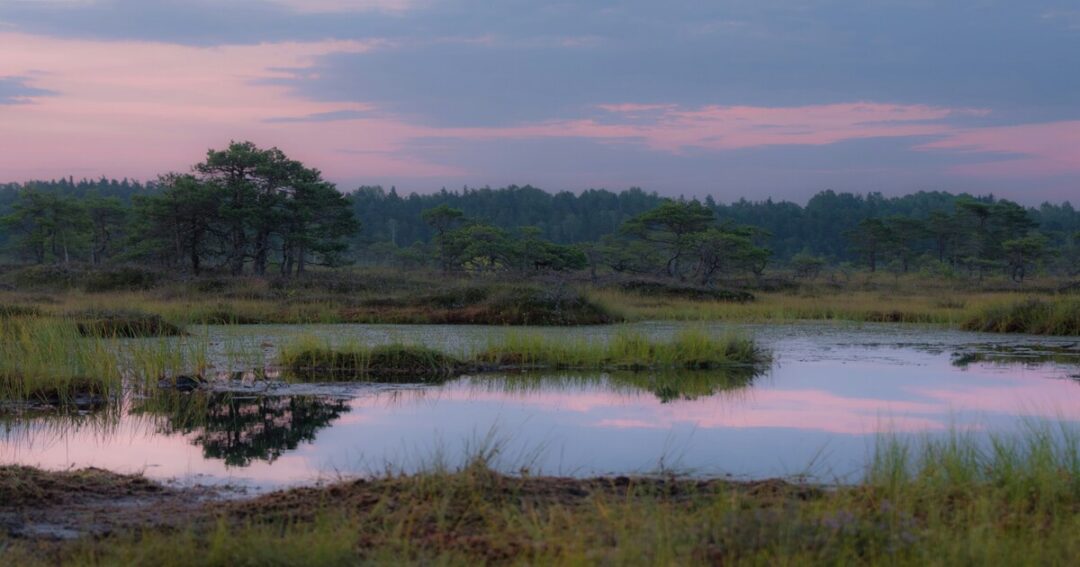
India is home to some of the most diverse ecosystems in the world, and its wetlands are among the richest natural habitats for wildlife. These landscapes support thousands of species of birds, fish, reptiles, and plants while playing a crucial role in maintaining ecological balance.
For birdwatchers, photographers, and nature enthusiasts, exploring wetlands places across India offers an unforgettable opportunity to witness migratory birds, rare species, and breathtaking natural scenery. From freshwater lakes and marshes to coastal lagoons and mangrove ecosystems, India’s wetlands attract visitors from around the globe.
Whether you are an experienced birder or simply someone who enjoys spending time in nature, these remarkable destinations deserve a place on your travel bucket list.
Wetlands Places and Their Role in Protecting Ecosystems
Before exploring the best birdwatching destinations, it is important to understand wetland ecosystems and their significance.
Wetlands are areas where water covers the soil either permanently or seasonally. They act as natural water filters, help control floods, recharge groundwater, and provide essential habitats for countless species.
Types of Wetlands
Some of the major types of wetlands found in India include:
- Marshes
- Swamps
- Mangroves
- Floodplains
- Coastal lagoons
- Lakes
- Estuaries
- Peatlands
These ecosystems support a remarkable variety of resident and migratory birds, making them ideal destinations for birdwatching tourism.
Also read: Assam Food: The Complete Guide to Assamese Cuisine, Traditional Dishes & Famous Sweets
Why Birdwatchers Love Wetland Areas
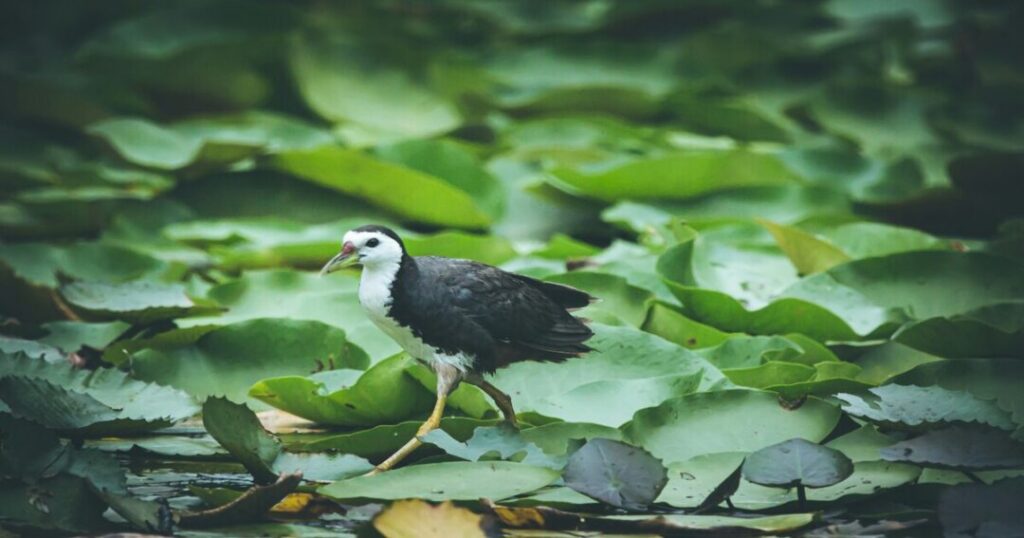
A healthy wetland area serves as a feeding ground, breeding site, and resting place for birds.
Every winter, millions of migratory birds travel thousands of kilometers from regions such as Siberia, Central Asia, Europe, and Mongolia to India’s wetlands.
Visitors can often spot:
- Flamingos
- Pelicans
- Cranes
- Storks
- Ducks
- Geese
- Herons
- Egrets
- Kingfishers
- Raptors
The combination of biodiversity and scenic beauty makes wetlands some of the most rewarding destinations for wildlife tourism.
1. Keoladeo National Park, Rajasthan
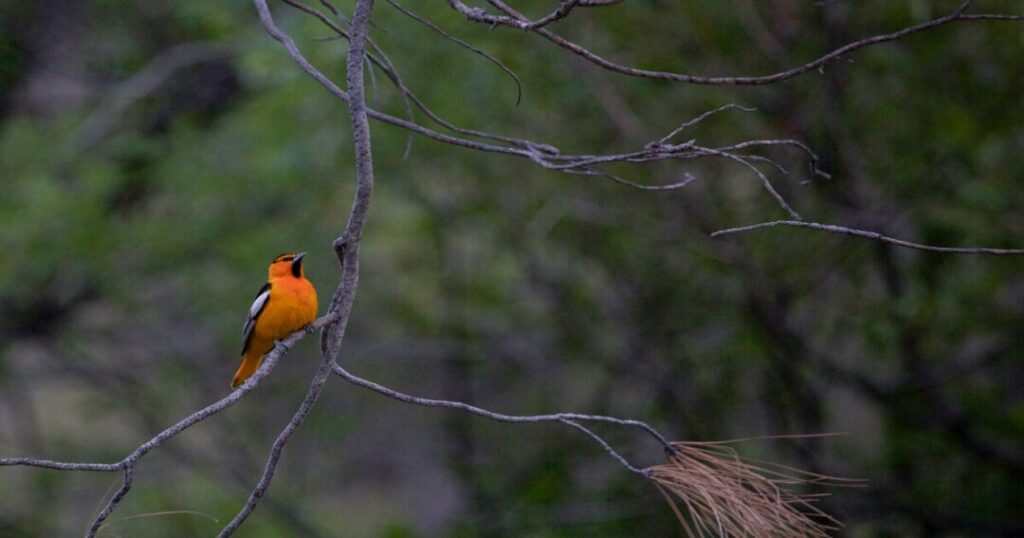
Few wetland places in India are as famous as Keoladeo National Park in Bharatpur.
A UNESCO World Heritage Site, this wetland attracts hundreds of bird species every year. It was once a royal duck hunting reserve but is now one of India’s most celebrated bird sanctuaries.
Highlights
- Over 370 bird species
- Excellent bird photography opportunities
- Winter migratory birds
- Cycling and walking trails
Best Time to Visit: October to March
2. Chilika Lake, Odisha
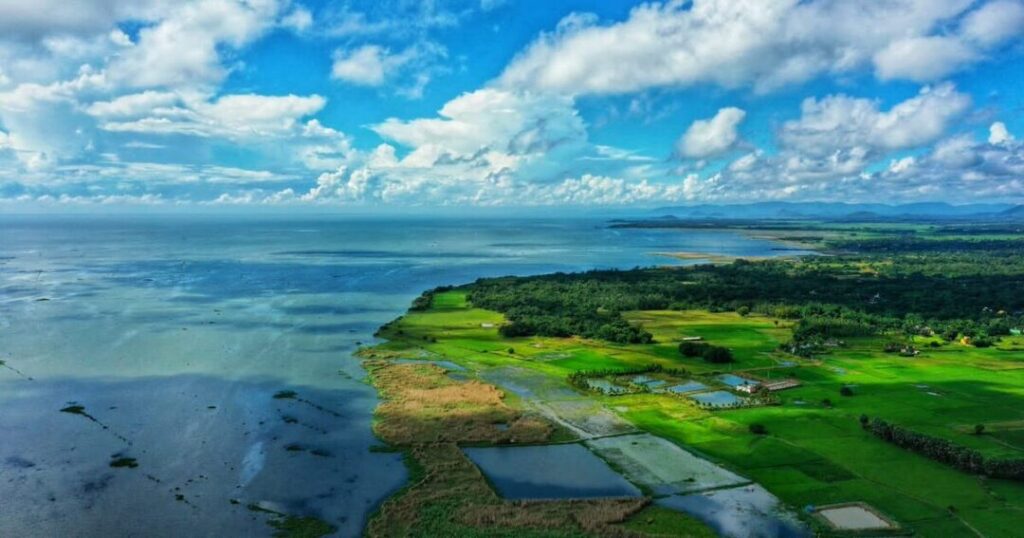
Spread across a vast coastal region, Chilika Lake is Asia’s largest brackish water lagoon.
This massive wetland area becomes a paradise for migratory birds during winter.
Bird Species
- Flamingos
- Grey-headed Lapwings
- Northern Pintails
- Pelicans
- Avocets
Unique Attraction
The lake is also famous for its population of Irrawaddy dolphins.
Best Time to Visit: November to February
3. Sultanpur National Park, Haryana
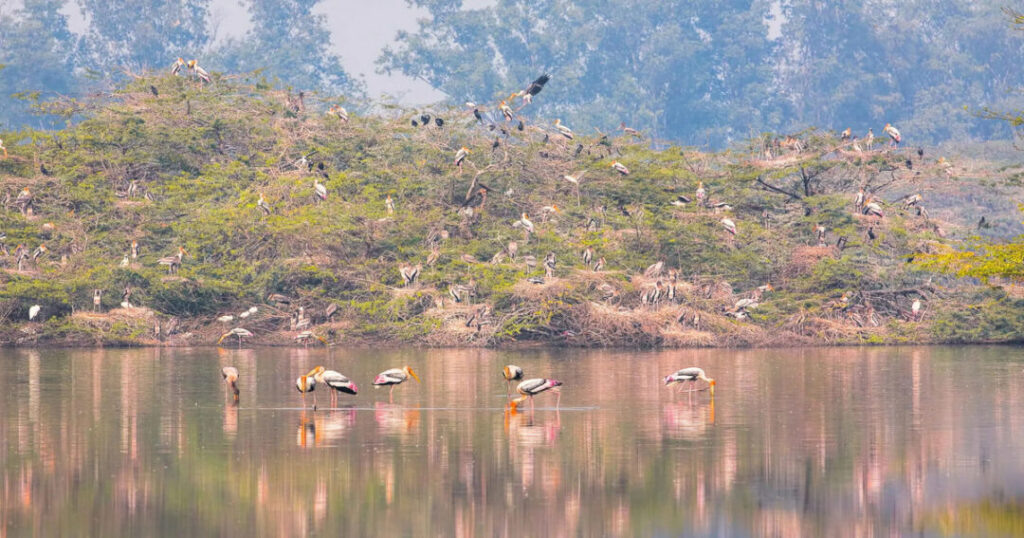
Located near Delhi, Sultanpur is one of the easiest birdwatching destinations to access.
Despite its relatively small size, this wetland nature reserve hosts impressive avian diversity.
Birds You May Spot
- Painted Storks
- Black-necked Storks
- Eurasian Wigeons
- Common Teals
- Marsh Harriers
Best Time to Visit: October to March
4. Nal Sarovar Bird Sanctuary, Gujarat
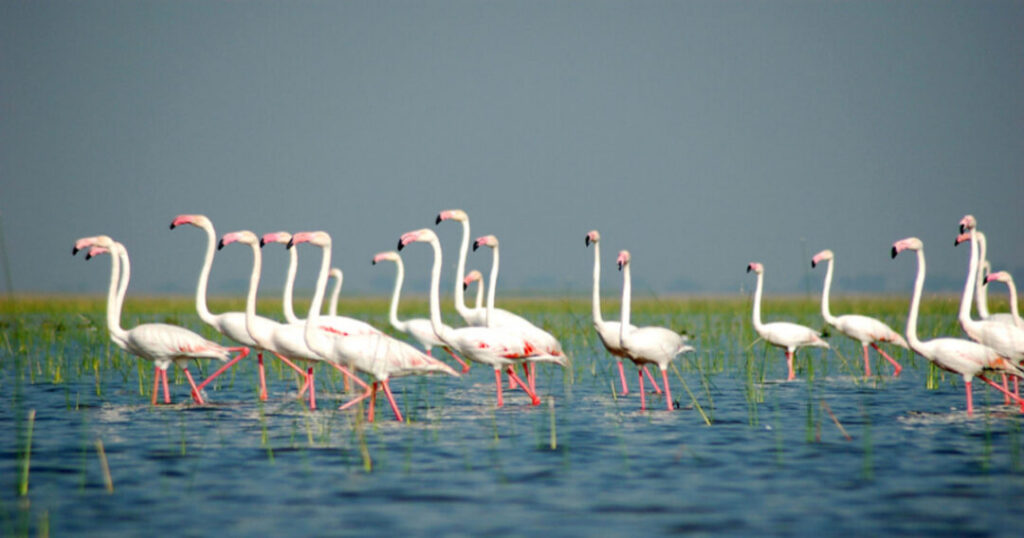
Nal Sarovar transforms into a birdwatcher’s dream during the winter migration season.
The shallow lake ecosystem creates ideal conditions for thousands of waterbirds.
Highlights
- Boat safaris
- Flamingo sightings
- Migratory ducks
- Open wetland landscapes
Best Time to Visit: November to February
Also read: Complete Traveller’s Guide to the Seven Sisters of India | Hidden Gems | Itinerary
5. Harike Wetland, Punjab
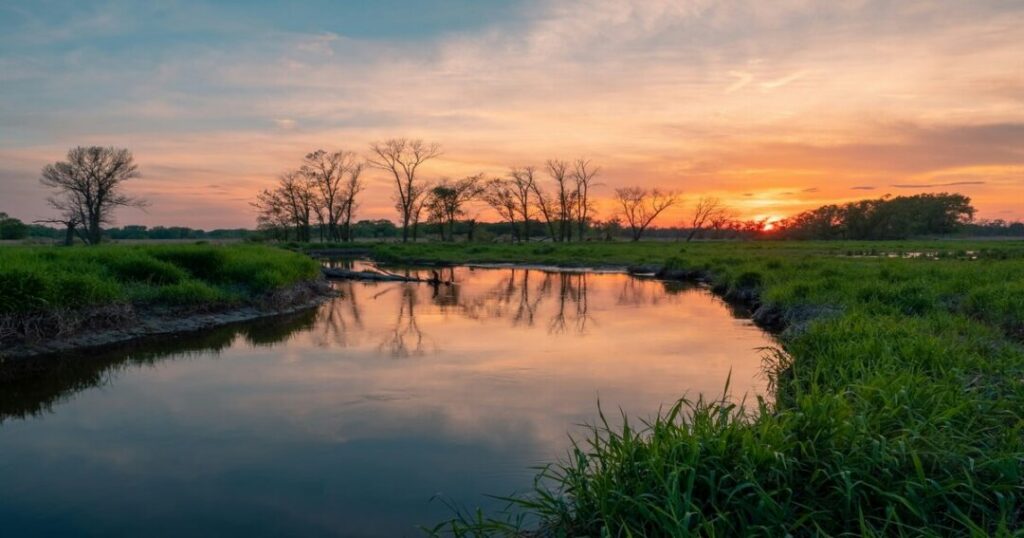
Formed at the confluence of the Beas and Sutlej rivers, Harike is one of northern India’s most important bird habitats.
This large wetland area supports both resident and migratory species.
Notable Species
- Bar-headed Geese
- Northern Shovellers
- Great Crested Grebes
- Purple Herons
Best Time to Visit: November to February
6. Deepor Beel, Assam
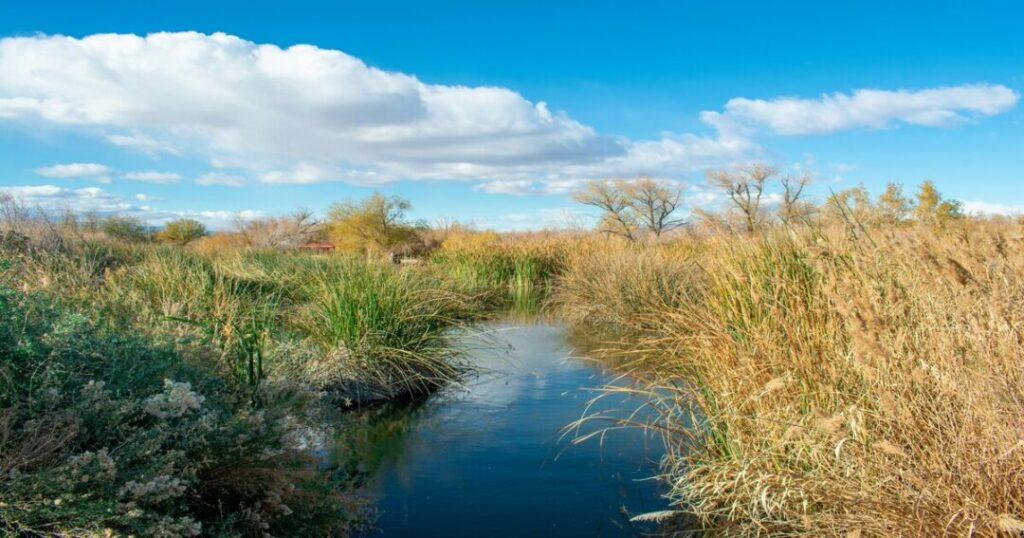
Located near Guwahati, Deepor Beel is one of the most significant freshwater wetlands in northeastern India.
Recognized internationally for its ecological importance, it serves as a crucial habitat for migratory birds.
Highlights
- Freshwater ecosystem
- Rare bird species
- Rich biodiversity
- Scenic landscapes
Best Time to Visit: November to March
7. Kolleru Lake, Andhra Pradesh
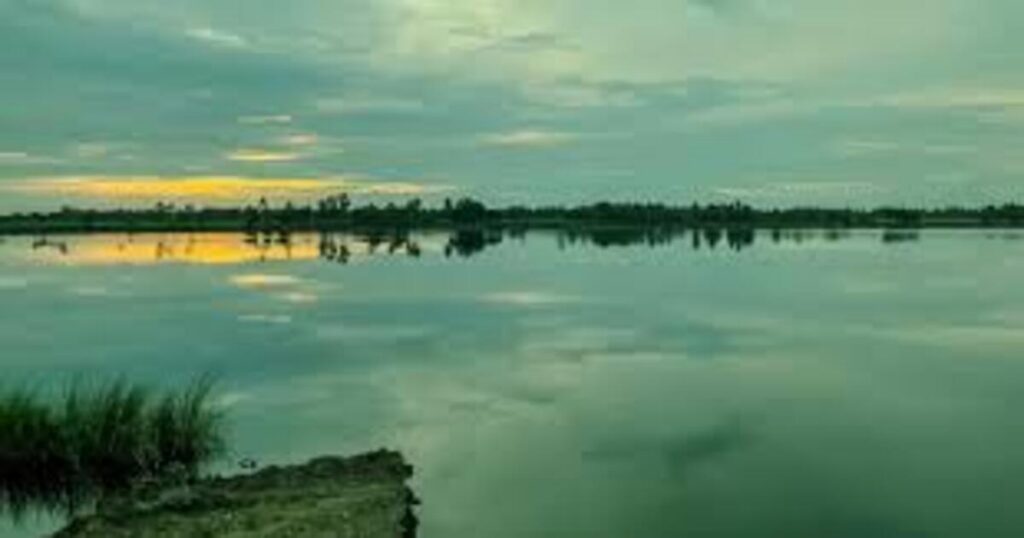
Situated between the Krishna and Godavari river deltas, Kolleru Lake is among India’s largest freshwater lakes.
The lake attracts enormous flocks of migratory birds every year.
Common Sightings
- Spot-billed Pelicans
- Painted Storks
- Openbill Storks
- Grey Herons
Best Time to Visit: October to February
8. Bhoj Wetland, Madhya Pradesh
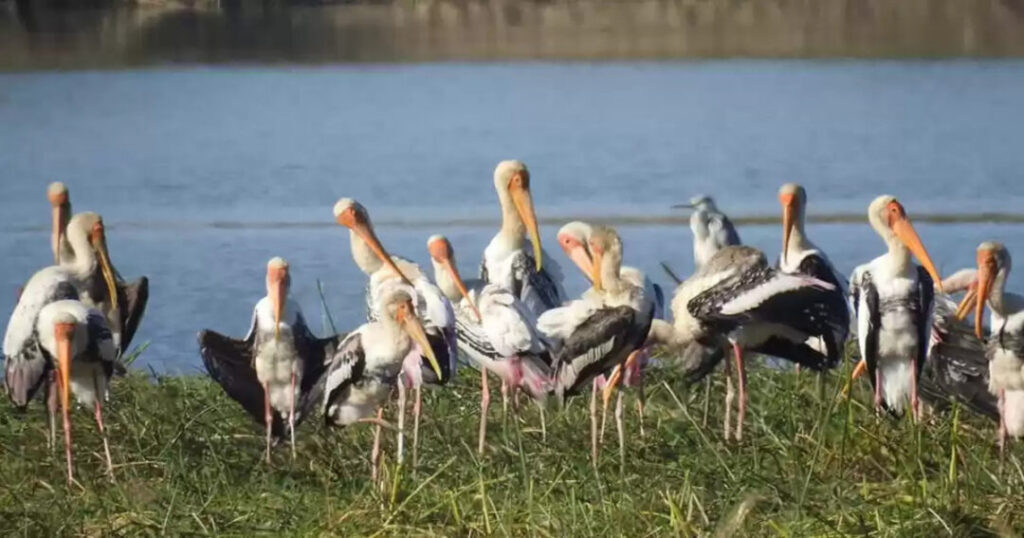
Bhoj Wetland comprises the Upper and Lower Lakes in Bhopal and is recognized as a Ramsar site.
Apart from its ecological value, it is also one of the most accessible wetland places for urban travelers.
Highlights
- Diverse bird population
- Beautiful lake views
- Photography opportunities
- Eco-tourism activities
Best Time to Visit: November to February
9. East Kolkata Wetlands, West Bengal
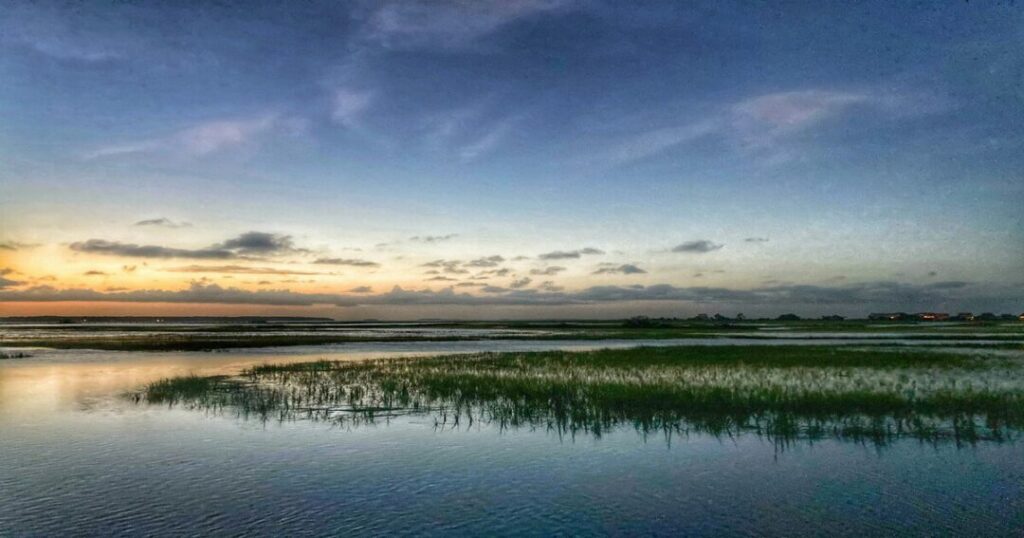
A remarkable example of sustainable ecology, the East Kolkata Wetlands combine urban life with thriving biodiversity.
The wetland supports numerous bird species while naturally treating much of Kolkata’s wastewater.
Birdwatching Opportunities
- Egrets
- Herons
- Kingfishers
- Sandpipers
- Cormorants
Best Time to Visit: November to March
10. Point Calimere Wildlife and Bird Sanctuary, Tamil Nadu
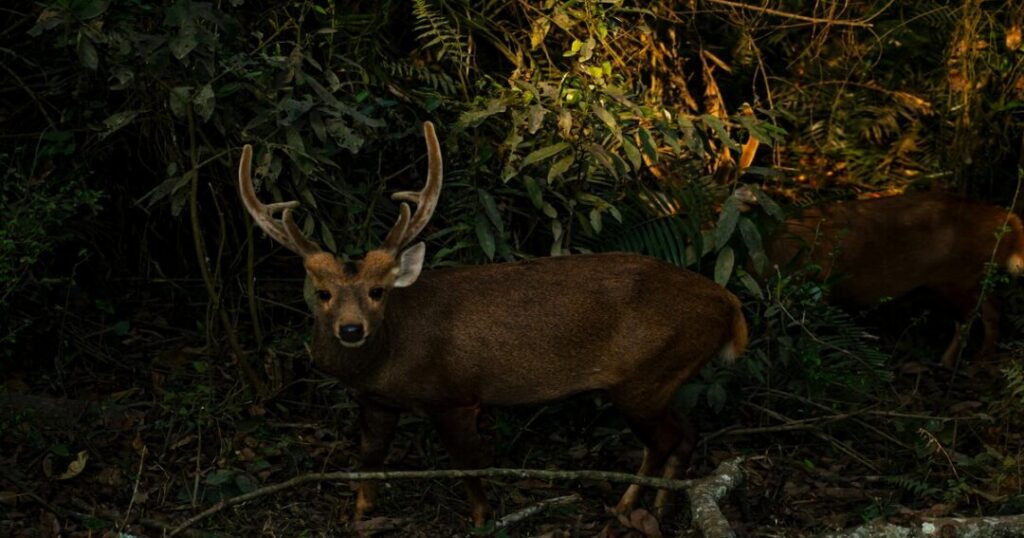
Located along the southeastern coast, Point Calimere is a spectacular destination for bird lovers.
The sanctuary combines marshes, mangroves, mudflats, and coastal ecosystems.
Special Attraction
The region is famous for large gatherings of flamingos during migration season.
Best Time to Visit: October to March
Also read: List of Adventure Activities in India: 20 Bucket List Ideas
Understanding Wetland Bay Ecosystems
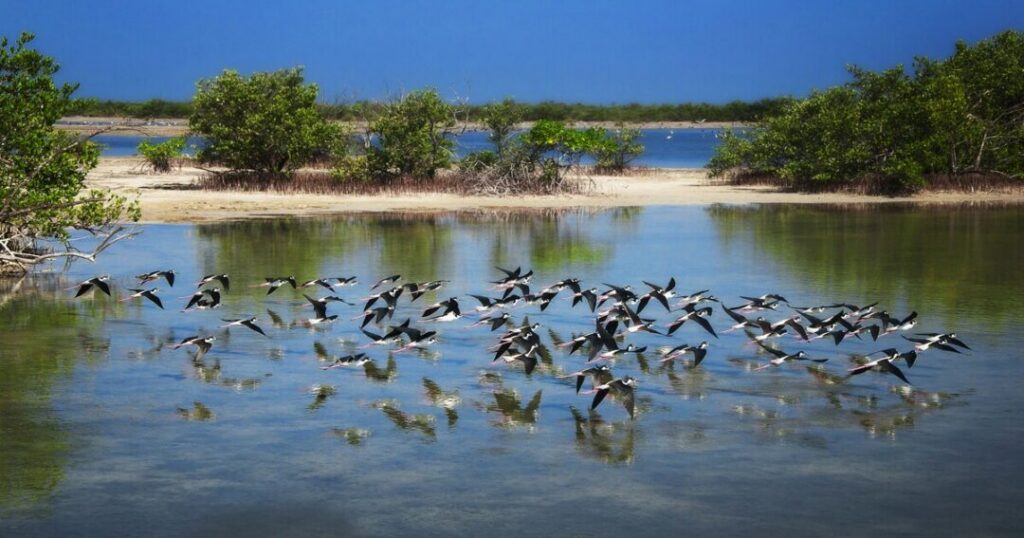
A wetland bay refers to coastal or inland wetland zones located near bays, estuaries, or shallow water bodies. These ecosystems often become important feeding grounds for migratory birds due to their nutrient-rich environments.
Examples can be found in coastal regions such as
- Chilika Lake
- Point Calimere
- Gulf of Kutch wetlands
- Sundarbans delta region
Such habitats play a vital role in supporting marine and avian biodiversity.
Conservation Importance of India’s Wetlands
Wetlands are among the most threatened ecosystems globally. Urban expansion, pollution, encroachment, and climate change continue to impact many important bird habitats.
Protecting these ecosystems helps:
- Preserve biodiversity
- Support migratory bird routes
- Reduce flooding
- Improve water quality
- Sustain local livelihoods
Responsible tourism can contribute significantly to wetland conservation by increasing awareness and supporting local communities.
Tips for Birdwatching in Wetlands
To enjoy the best birdwatching experience:
- Visit during early morning hours.
- Carry binoculars.
- Wear neutral-colored clothing.
- Maintain silence near bird habitats.
- Use a camera with a zoom lens.
- Avoid disturbing nesting sites.
- Follow sanctuary guidelines.
Patience is often rewarded with incredible wildlife sightings.
Also read: 10 Lost Cities Around the World Every Traveler Should Visit
Final Thoughts
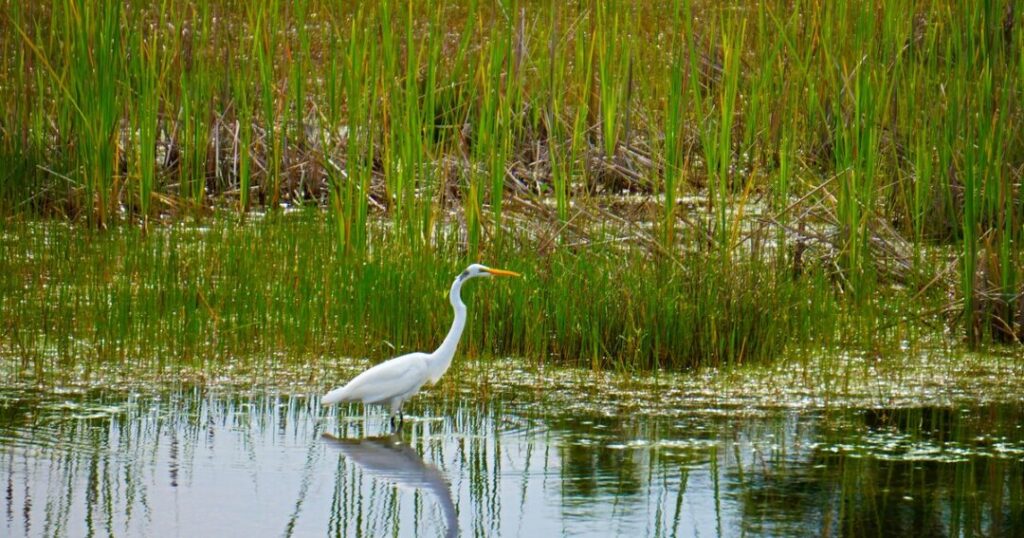
India’s wetlands are far more than scenic landscapes. They are living ecosystems that support extraordinary biodiversity and provide some of the finest birdwatching experiences in Asia.
From the famous marshes of Keoladeo and the vast waters of Chilika to the hidden gems of Assam and Punjab, these wetland places offer unique opportunities to connect with nature.
Whether you are fascinated by migratory birds, interested in conservation, or simply seeking peaceful outdoor experiences, exploring a wetlands nature reserve is one of the most rewarding ways to discover India’s natural heritage.
The next time you plan a nature-focused getaway, consider visiting one of these remarkable wetland destinations and witness firsthand why these ecosystems are so important to our planet.
FAQs About Watlands Places
2. What are the main types of wetlands?
The major types of wetlands include marshes, swamps, mangroves, floodplains, estuaries, lakes, lagoons, and peatlands.
3. Which is the most famous wetland for birdwatching in India?
Keoladeo National Park in Rajasthan is widely regarded as India's most famous birdwatching wetland.
4. Which wetland attracts the highest number of migratory birds?
Chilika Lake in Odisha attracts hundreds of thousands of migratory birds every winter from various parts of the world.
5. What is a wetland area?
A wetland area is a region where water is present either permanently or seasonally, creating unique ecological conditions that support wildlife.
6. What is special about wetlands nature reserves?
Wetlands nature reserves protect important ecosystems that serve as breeding, feeding, and resting habitats for birds and other wildlife.