

950 Total Views
Bhutan measures its success not by GDP but by Gross National Happiness—a philosophy that holds that well-being, culture, environment, and governance matter as much as economic output. It should come as no surprise, then, that Bhutanese food is not designed to impress. It is designed to nourish. What arrives on the table in a Bhutanese home—a bowl of red rice, a chili-and-cheese stew that will make your eyes water, a cup of butter tea strong enough to fuel a mountain crossing—is food that takes its cues from the land, the altitude, and a Buddhist relationship with sustenance that asks only: does this feed and does this satisfy?
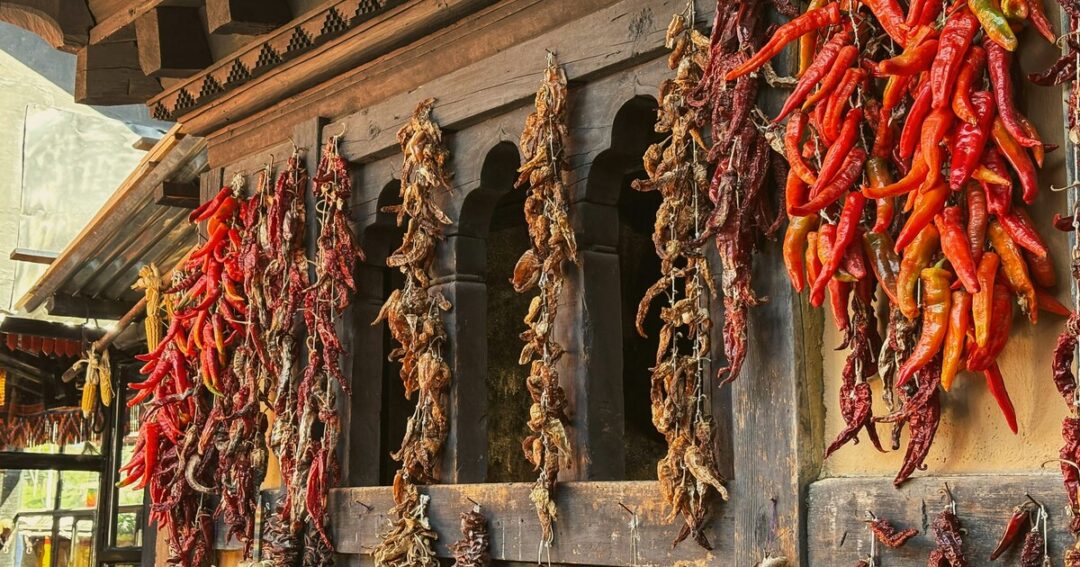
Bhutanese cuisine sits at a remarkable geographic and cultural crossroads—landlocked between India and China at the eastern end of the Himalayas, but culinarily closer to Tibet than to either neighbor. The foundations are Tibetan: yak dairy products, buckwheat, and fermented and dried foods developed for long, cold winters. On top of this, a single ingredient arrived from Latin America via India in the early 17th century and transformed everything: the chili pepper. In Bhutan, the chili is not a spice. It is a vegetable. And the story of authentic Bhutanese cuisine is, in many ways, the story of a country falling completely and irreversibly in love with it.
The Philosophy Behind Bhutanese Food: Chilli, Cheese & Rice
Before the dishes, three things explain everything about Bhutanese cuisine:
Chili is a vegetable, not a spice. In most cuisines, chili is used in small quantities to add heat to a dish. In Bhutan, whole chilies—green, red, or white (sun-dried green)—are the main ingredient. They are cooked as you would cook a potato or a zucchini, in large quantities, as the body of the dish. A meal without chili, most Bhutanese will tell you, is not really a meal.
Datshi (cheese) is the binding agent of the cuisine. Datshi means cheese in Dzongkha (Bhutan’s national language), and it appears in almost every savory dish. Traditionally made from yak milk, most datshi today is made from cow milk—fresh, soft, slightly salty, and with a gentle tang. It melts into sauces and stews, creating the creamy base that holds the heat of the chili in check.
Red rice is the foundation. Bhutanese red rice—a medium-grain, semi-milled rice with a distinctive nutty flavor and reddish-brown color—is the staple grain of the valleys. It is served at every meal, in generous quantities, and everything else on the table exists in relationship to it.
Also read: Turkish Foods: A Region-by-Region Journey Through One of the World’s Greatest Cuisines
Bhutan Dishes — The Essential Guide
Ema Datshi—The National Dish
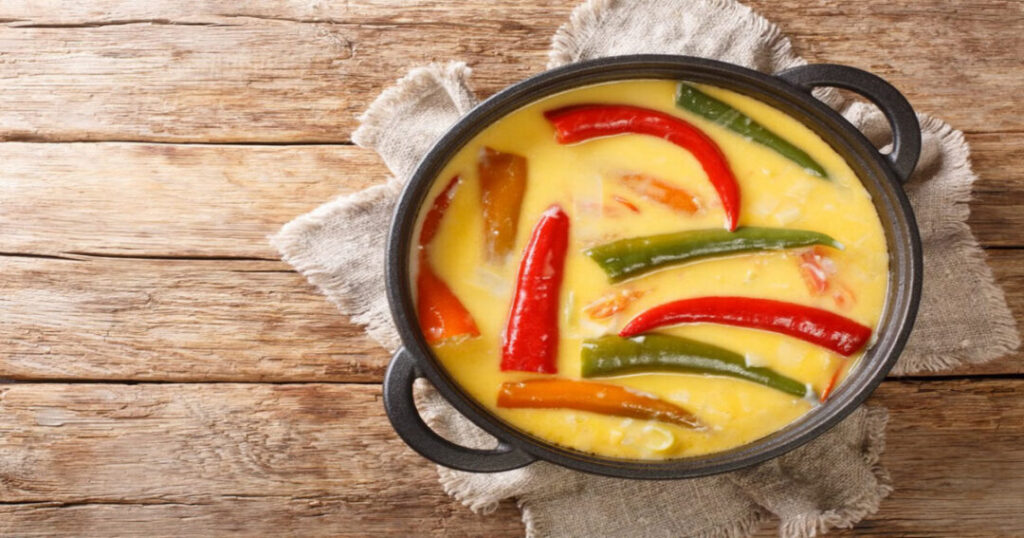
Ema means “chilli” in Dzongkha. Datshi means cheese. Together, they form Ema Datshi—the national dish of Bhutan and the single most important preparation in all of Bhutanese cuisine. It is a stew of green chilies (or red or dried white) cooked in water with soft yak or cow cheese until the cheese melts and the chilies are tender. The result is a rich, creamy, intensely spiced stew that is eaten over red rice at virtually every meal, in every household, in every corner of the country.
Wikipedia confirms Ema Datshi’s roots in Tibetan culinary tradition—yak cheese was always part of the Himalayan kitchen. But the chili arrived from Latin America via India in the early 17th century, and the two ingredients combined into something entirely Bhutanese. As Bhutanese chef Bleu Tshering Dorji put it, “If there’s no cheese, it’s not Bhutanese food. If there’s no chilies, it’s not Bhutanese food either.”
The chili in Ema Datshi is not a background note. The green chili is cooked whole or sliced, not as a flavoring but as the vegetable centerpiece of the dish. The heat is direct, clean, and sustained—there is no sweetness to soften it, no coconut milk to cool it. It is one of the spiciest national dishes in the world. Many Bhutanese restaurants tone down the heat for tourists; requesting the authentic version is worth the preparation.
Vegetarian note: The classic Ema Datshi with yak or cow cheese is naturally vegetarian. The cheese provides all the protein and richness.
Kewa Datshi and Shamu Datshi — The Datshi Family

The datshi format—a vegetable stewed with cheese—extends across the entire Bhutan cuisine menu:
Kewa Datshi (kewa = potato) is Ema Datshi’s gentler cousin—potatoes cooked with chili and cheese in the same format. The potato absorbs the spice and the cheese, creating a dish that is still deeply warming but significantly less incendiary than the straight chili version. Excellent as an introduction to the datshi format for those working up to Ema Datshi.
Shamu Datshi (shamu = mushroom) uses wild mushrooms—many of them gathered from the forests of the Himalayan foothills—cooked with cheese and a relatively restrained amount of chili. The earthiness of the mushroom and the richness of the datshi create something deeply satisfying without the full fire of the chili-only version. Shamu Datshi is one of the finest Bhutanese vegetable preparations in the cuisine—genuinely extraordinary when made with fresh forest mushrooms.
Both Kewa Datshi and Shamu Datshi are vegetarian and widely available across Bhutanese restaurants.
Also read: Famous Korean Food: A Cultural Guide to Eating Authentically in Korea
Phaksha Paa—Pork with Dry Red Chillies
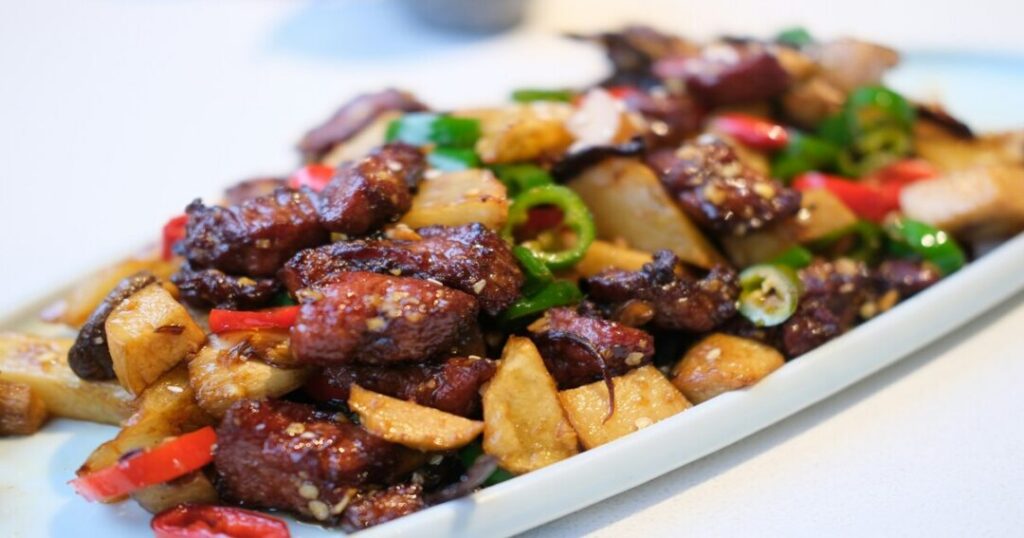
Phaksha Paa is the most celebrated pork preparation in Bhutanese traditional food—slices of fatty pork slow-cooked with dried red chilies, radish, and spinach. The fat of the pork renders slowly into the cooking liquid, creating a rich, smoky broth that carries the dried chili’s heat differently from the fresh chili’s burn in Ema Datshi—deeper, earthier, and more complex.
Pork is the most culturally significant meat in Bhutan’s valleys. Traditionally, pigs were kept by most farming households, and pork — particularly the fat — was valued as a high-calorie food for sustaining work in cold, high-altitude conditions. Phaksha Paa reflects this heritage: it is food designed for hard winters and physical labor, and it delivers accordingly.
The addition of dried radish (lom) gives the dish a fermented depth that is characteristic of authentic Bhutanese cuisine—the radish is sun-dried and has a slightly acidic, concentrated flavor that balances the richness of the pork.
Jasha Maroo—Spiced Minced Chicken
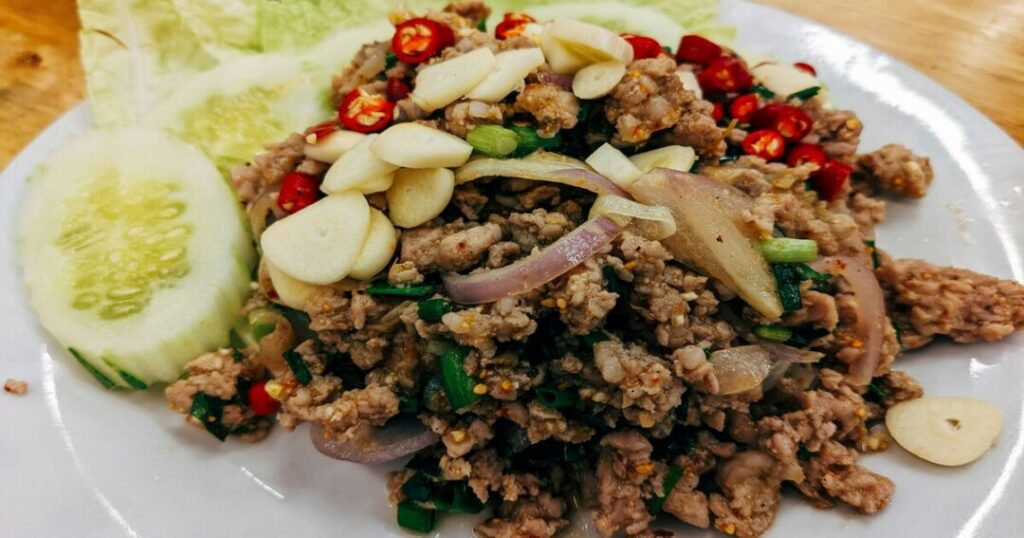
Jasha Maroo (also written Jasha Maru) is a spiced, minced, or finely chopped chicken preparation—the most widely available poultry dish in Bhutanese cuisine and the most accessible for visitors who want something less confrontational than the full chili heat of Ema Datshi. The chicken is stir-fried with onions, garlic, ginger, tomato, and chili—the technique is closer to Indian cooking than most other Bhutanese dishes, reflecting a subtle culinary crossover from the southern border.
Jasha Maroo is typically served at Bhutanese restaurants that cater to a mixed local and tourist clientele. It is a reliable introduction to Bhutanese meat cooking without the full intensity of Phaksha Paa.
Red Rice—The Grain That Holds It All Together
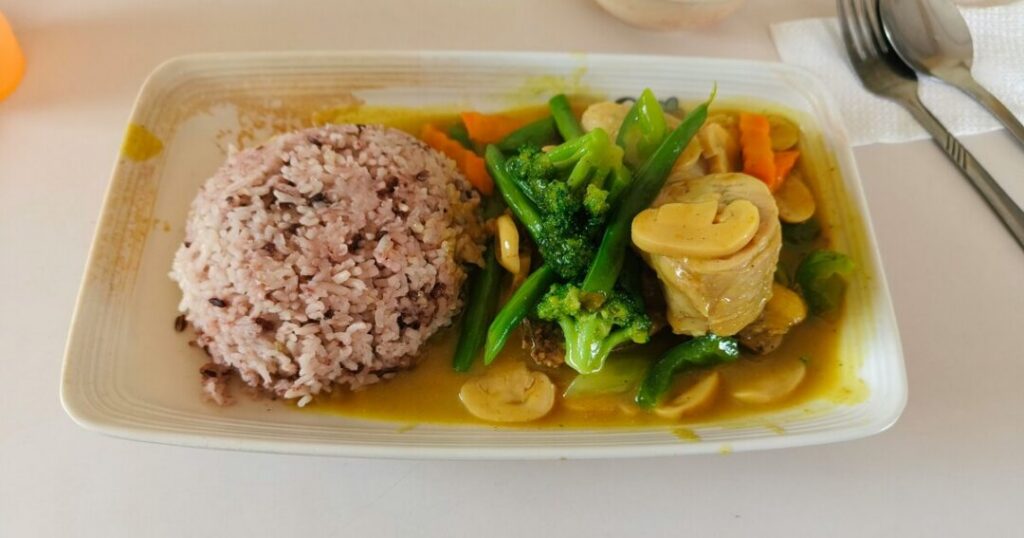
Bhutanese red rice is not an ingredient—it is the architecture of every meal. This semi-milled, medium-grain rice gets its reddish-brown color from the bran layer left intact during milling, which also gives it a nutty, slightly earthy flavor that white rice cannot replicate. It is grown primarily in the Paro, Punakha, and Wangdue Phodrang valleys—irrigated by mineral-rich glacial water at nearly 9,000 feet above sea level—and the conditions of high-altitude Himalayan farming give it a character found nowhere else in Asia. The Slow Food Foundation lists it as a protected heirloom grain.
Unlike most Asian rice varieties, Bhutanese red rice cooks to a slightly sticky, slightly chewy consistency. This texture makes it ideal for eating with stews and sauces: it holds together on the spoon, absorbs the datshi without disintegrating, and provides the neutral base against which the heat of the chili can be measured.
Bhutanese red rice has gained international attention as a health food—the intact bran layer retains fiber, minerals, and antioxidants. But in Bhutan, it is simply what rice is. It has been the staple for centuries, and the idea of substituting white rice for it would strike most Bhutanese as unnecessary.
Buckwheat—The Grain of the High Mountains
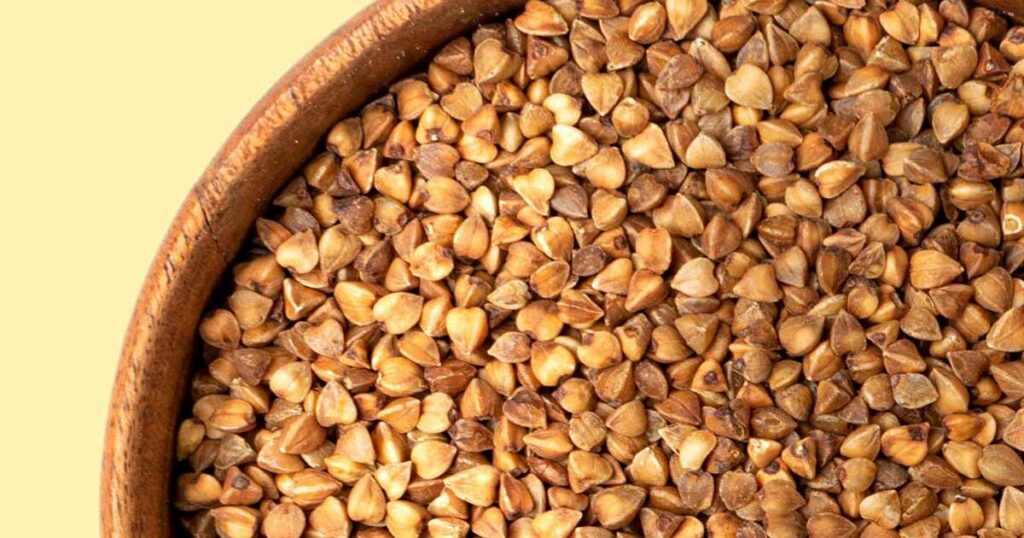
In the highest valleys—particularly Haa, Bumthang, and Lhuentse—where rice does not grow well, buckwheat takes over as the primary grain. Buckwheat pancakes (puta), buckwheat noodles (puta thukpa), and buckwheat bread are the staple preparations of these high-altitude communities.
Buckwheat in Bhutan is darker and more intensely flavored than the buckwheat used in most Western cuisines—the cold, high-altitude growing conditions concentrate the grain’s earthy, slightly bitter character. Buckwheat pancakes cooked on a flat stone griddle and eaten with butter and honey are one of the most genuinely traditional preparations in all of Bhutanese traditional food.
Also read: Spanish Street Food: The Ultimate Guide to Eating Like a Local in Spain
Fermented & Preserved Foods — Bhutan’s Winter Tradition
Datshi—The Aged Cheese
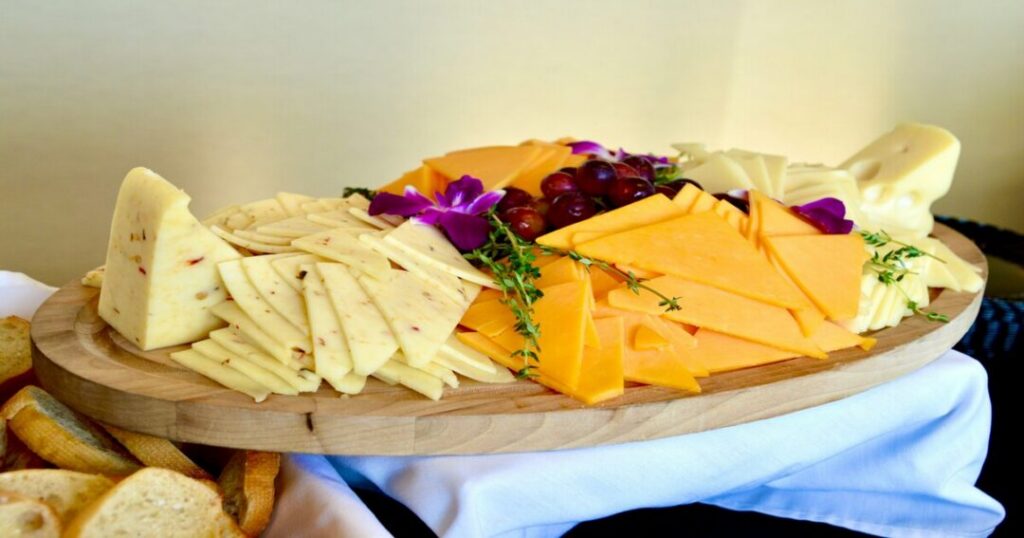
Beyond the fresh soft datshi used in everyday cooking, Bhutan also produces a hard, aged version that is sun-dried into firm, almost crystalline blocks. This aged datshi has a concentrated, intensely salty, and slightly pungent flavor—eaten as a snack or used as a flavoring agent. The tradition of making and aging cheese connects directly to the yak herding culture of Bhutan’s high-altitude communities—in a landscape without refrigeration, drying and fermenting were the only means of preservation.
Lom—Dried Radish
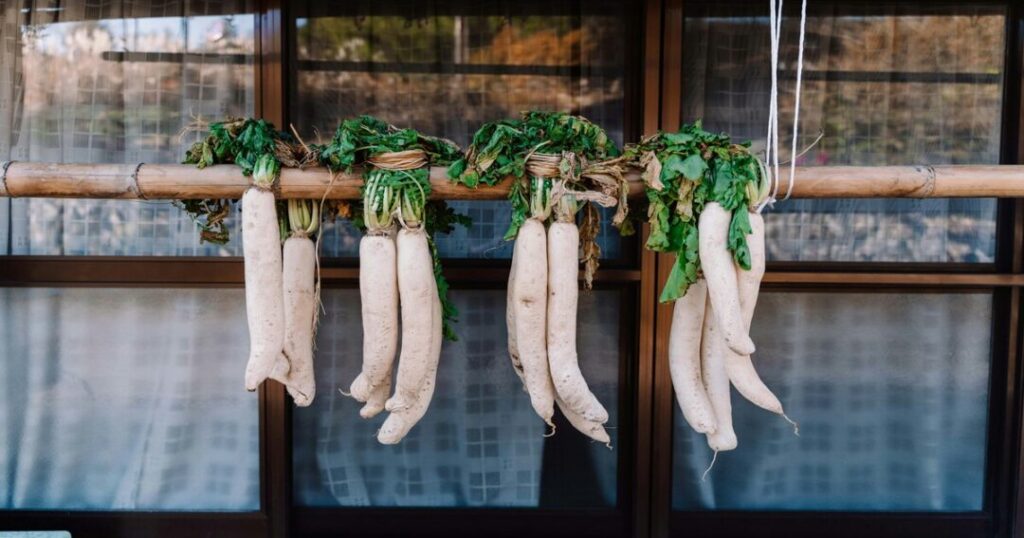
Lom is sun-dried radish—one of the most important preserved ingredients in authentic Bhutanese cuisine. The drying process concentrates the radish’s natural sugars and creates a slightly fermented, tangy depth that fresh radish cannot provide. It is used in Phaksha Paa and other meat preparations to add a complex, almost umami-like sourness.
Dried and Smoked Meats
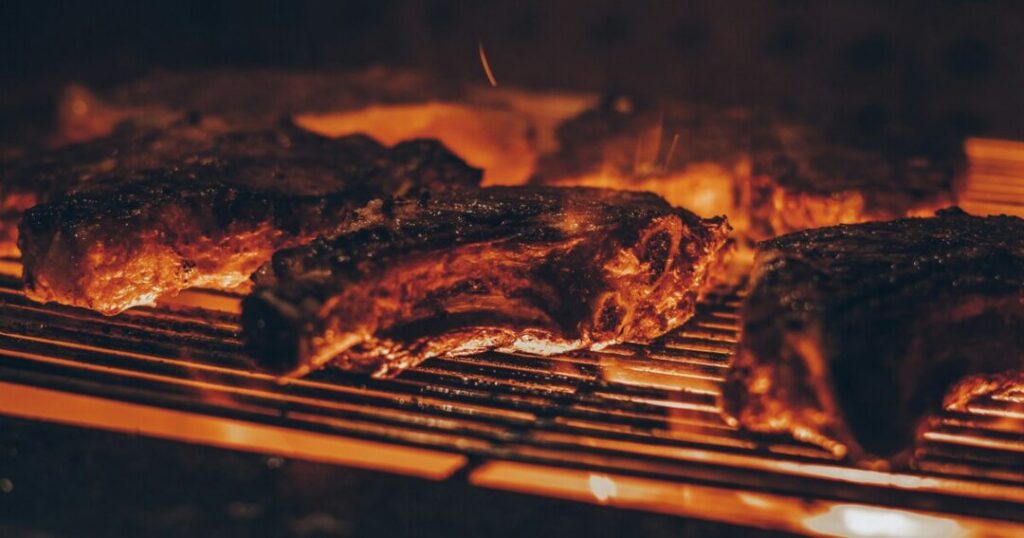
In the colder regions and the winter months, meat is traditionally dried and smoked—pork, beef, and yak meat are all preserved this way. Dried yak meat (shakam) is one of the most distinctly Bhutanese preserved foods—intensely flavored, chewy, and with a smoky depth that reflects the fireside cooking of the high valleys.
Soups & Stews
Thukpa—Noodle Soup from the Himalayan Tradition
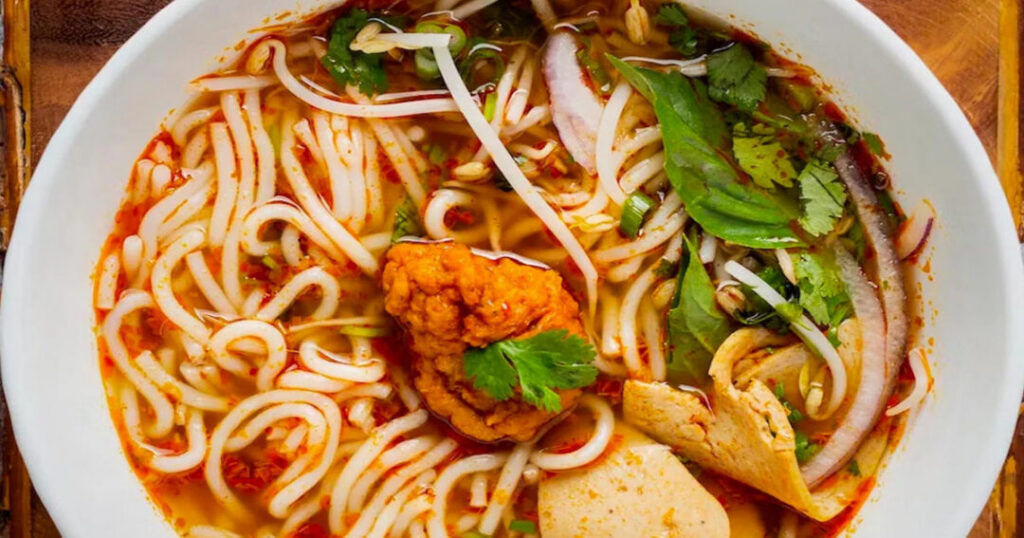
Like its Tibetan cousin, Bhutanese thukpa is a hearty noodle soup—hand-rolled wheat noodles in a meat or vegetable broth, loaded with vegetables and chili. It is the warming meal of cold evenings and long days in the mountains, and it appears on virtually every Bhutanese cuisine menu alongside the datshi preparations. The Bhutanese version uses more chili than the Tibetan original and typically includes local greens and whatever vegetables are in season.
Snacks & Desserts
Zaw — Roasted Red Rice Snack
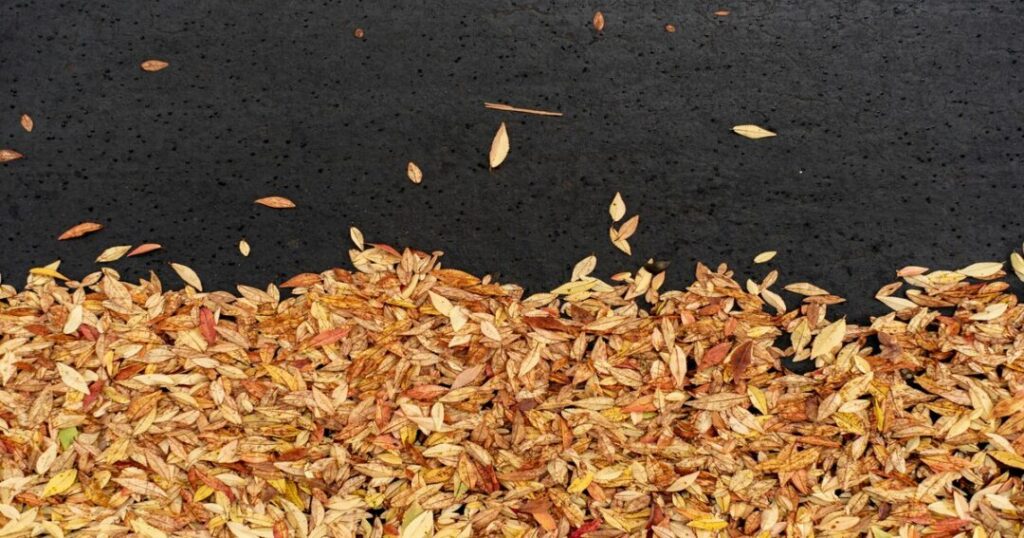
Zaw (also written Zow) is a roasted red rice snack— buttery, crunchy, and slightly sweet—traditionally offered by Bhutanese hosts to guests as a gesture of hospitality. Atlas Obscura describes it specifically as a roasted red rice preparation with a pleasingly crunchy texture. It is the portable food of the Bhutanese home—simple, satisfying, and deeply tied to the culture of welcome that runs through Bhutanese food tradition.
Dresi—Buttered Sweet Rice
Dresi is a sweet preparation of rice cooked with butter, sugar, raisins, and sometimes saffron—a festive dish served at celebrations, religious occasions, and auspicious events. It is closer to a dessert than an everyday dish, and its sweetness and richness set it apart from the savory character of most of the Bhutanese cuisine menu. Dresi is always served at the start of a celebration meal—as sweetness, as a mark of joy.
Drinks—From Butter Tea to Ara
Suja—Butter Tea
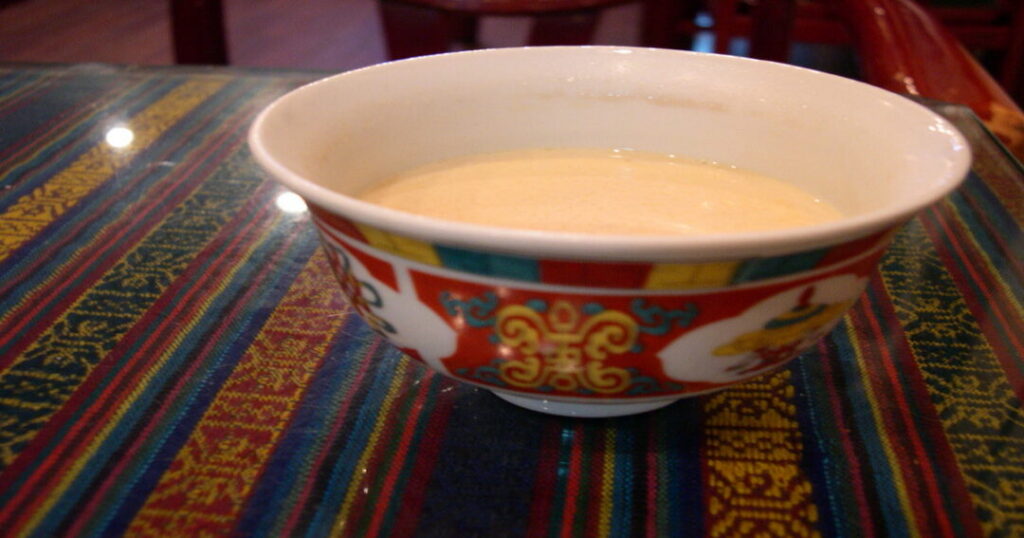
Suja is Bhutanese butter tea—made by churning brewed black tea with yak butter and salt in a cylindrical churn called a “dongmo.” The result is a warm, savory, richly fatty beverage that tastes nothing like tea in the conventional sense. It is the daily drink of most Bhutanese households—consumed throughout the day in large quantities, particularly in cold weather, as a calorie and fat source as much as a beverage.
For visitors, Suja is one of the most challenging introductions to Bhutanese food culture—the saltiness and the fat content are surprising to palates accustomed to sweet tea. The advice is to approach it as a soup rather than a tea: warm, nourishing, and designed for a cold climate. Accepting a cup when offered is an important gesture of respect in Bhutanese hospitality culture.
Ara—The Traditional Spirit
Ara is a traditional Bhutanese distilled or fermented spirit made from rice, maize, wheat, or millet, depending on the region. It ranges from a lightly fermented beer-like version to a more powerfully distilled spirit, and it is the drink of celebrations, festivals, and social gatherings. Three chillies are traditionally thrown into the brewing vessel as a good luck offering—a small detail that tells you everything about the centrality of the chilli in Bhutanese life and ritual.
Red Rice Beer

A fermented red rice beer—mild, slightly sour, and lightly alcoholic—is brewed in many households as a daily drink. The Bhutanese red rice gives it a characteristic nutty, earthy flavor distinct from barley or wheat beers.
Also read: Spanish Street Food: The Ultimate Guide to Eating Like a Local in Spain
Conclusion
Bhutanese food is what happens when a culture decides that happiness is a legitimate national priority and builds everything—including its food—around that principle. Quick guide to the essentials of authentic Bhutanese cuisine:
- The holy trinity: Chilli (vegetable, not spice), Datshi (cheese), Red Rice (medium-grain, Paro/Punakha/Wangdue Phodrang)
- Must eat: Ema Datshi (national dish), Kewa Datshi (potato + cheese), Shamu Datshi (mushroom + cheese)
- Meat dishes: Phaksha Paa (pork + dried chilli + radish), Jasha Maroo (spiced minced chicken)
- Grains: Bhutanese red rice (medium-grain, nutty, every meal), buckwheat (high-altitude regions)
- Preserved foods: Lom (dried radish), dried yak meat (shakam), aged datshi
- Snacks: Zaw—roasted red rice, buttery and crunchy, offered to guests as hospitality
- Drinks: Suja (butter tea—salty, fatty, warming), Ara (traditional spirit), red rice beer
Bhutanese cuisine is still largely unknown outside its own borders—a consequence of Bhutan’s deliberate approach to tourism and its commitment to preserving what is its own. That makes every bowl of Ema Datshi, every cup of Suja, and every plate of red rice a genuinely rare thing: a food culture that has not been flattened by globalization, that still tastes exactly like the place it comes from.
Download the Explurger app to discover authentic Bhutanese food experiences, log your Ema Datshi moments, and find Bhutanese restaurants wherever you are.
The red rice is already cooking. The dashi is already melting. Bhutan’s table is set.
FAQs About Bhutanese Food
2. What is Bhutanese red rice?
Bhutanese red rice is a semi-milled medium-grain rice grown primarily in the Paro, Punakha, and Wangdue Phodrang valleys at nearly 9,000 feet above sea level, irrigated by mineral-rich glacial water. Its reddish-brown color comes from the bran layer left intact during milling, giving it a nutty, slightly earthy flavor and a chewy, slightly sticky texture when cooked. Listed by the Slow Food Foundation as a protected heirloom grain, it is the staple grain of Bhutanese cooking and the foundation of every meal.
3. What are Bhutanese vegetables?
Bhutanese vegetables are almost always cooked in the datshi format—stewed with soft yak or cow cheese and chili. The most important preparations are Kewa Datshi (potato with cheese), Shamu Datshi (mushroom with cheese), and Ema Datshi (chili as the vegetable, with cheese). Other common vegetables include radish (often dried as lom), spinach, turnip, and fiddlehead ferns. Wild mushrooms gathered from the Himalayan forests are particularly prized. Bhutanese vegetable preparations are almost entirely vegetarian by nature.
4. Is Bhutanese food vegetarian-friendly?
Bhutanese cuisine is more vegetarian-friendly than its reputation for meat dishes might suggest. The entire datshi format—Ema Datshi, Kewa Datshi, and Shamu Datshi—is naturally vegetarian (dairy-based but meat-free). Bhutanese red rice, buckwheat preparations, Dresi (sweet rice), Zaw (roasted red rice snack), and most soups can be made without meat. The Buddhist religious tradition in Bhutan has always included vegetarian practice, and many households and monasteries maintain entirely plant-based kitchens.
5. What is Suja (butter tea) and should I try it?
Suja is Bhutanese butter tea — black tea churned with yak butter and salt in a cylindrical churn called a dongmo, producing a warm, savoury, fatty beverage that is a daily staple of Bhutanese life. It is a calorie and fat source as much as a drink, essential for warmth in a cold, high-altitude environment. For most visitors, the flavour — salty, buttery, and rich — is unfamiliar. Approach it as a soup rather than a tea. Accepting a cup when offered is an important gesture of respect in Bhutanese hospitality culture.
6. What makes Bhutan cuisine unique?
Bhutanese cuisine is unique for three reasons. First, chili is not a spice but a vegetable—whole chilies are the main ingredient of the national dish and appear in virtually every preparation. Second, the datshi (cheese) format—a vegetable or meat cooked in a cheese-based sauce—is entirely distinctive and not found in this form in any neighboring cuisine. Third, Bhutanese red rice (medium-grain, grown in Paro, Punakha, and Wangdue Phodrang), buckwheat, and an extensive tradition of fermented and dried foods reflect a high-altitude food culture developed in isolation, with roots in Tibetan tradition but a character entirely its own.