
903 Total Views
If you’re looking for the best things to do in Alibaug, you’ll quickly discover that this coastal town is two places at once: a quiet Konkan fishing settlement that has existed for centuries and Mumbai’s weekend escape—the first real coast the city can reach when the pressure builds. The ferry from the Gateway of India takes barely an hour. The road through the Pen–Panvel route is three hours on a good day. Either way, you arrive on a coast that is genuinely different from the city you left—slower, saltier, greener, with a sea that stretches toward the Arabian horizon without obstruction.
But Alibaug is not only a beach escape. Two kilometers offshore from the main beach, a 17th-century sea fort built by Chhatrapati Shivaji Maharaj rises from the water at low tide and becomes an island at high tide—one of Maharashtra’s most extraordinary Maratha monuments. An hour down the coast, the Murud-Janjira fort sits unconquered on a rocky island — the only fort on the western coast that was never taken by the Mughals, the Portuguese, or the Marathas. The Konkan coast around Alibaug has beaches that the tourist circuit hasn’t fully discovered, mangrove backwaters, a wildlife sanctuary, and a food culture built on freshwater fish, coconut, and the specific Konkan flavor combination that cannot be replicated anywhere else. This guide covers all of it.
What Forts Showcase Alibaug’s Maratha Legacy?
Kolaba Fort — Shivaji’s Sea Fortress
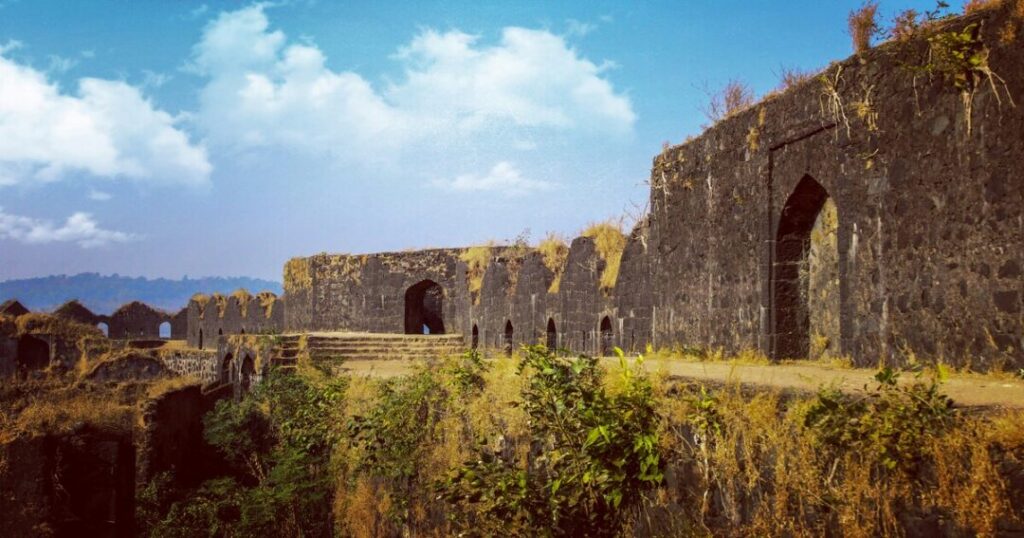
Kolaba Fort (also written Kulaba Fort or Alibag Fort) is the defining Alibag tourist spot—a sea fort approximately 1.5–2 km offshore from Alibaug Beach, built in 1680 CE by Chhatrapati Shivaji Maharaj as one of his primary naval stations on the Konkan coast. It was reportedly his last construction project before his death; his son Sambhaji Maharaj completed the fortifications after him. In 1713 CE, Kolaba Fort was handed over to Kanhoji Angre, the chief of the Maratha Navy, under a treaty with Peshwa Balaji Vishwanath — and it was from here that Angre launched his celebrated naval campaigns against the British, Dutch, and Portuguese.
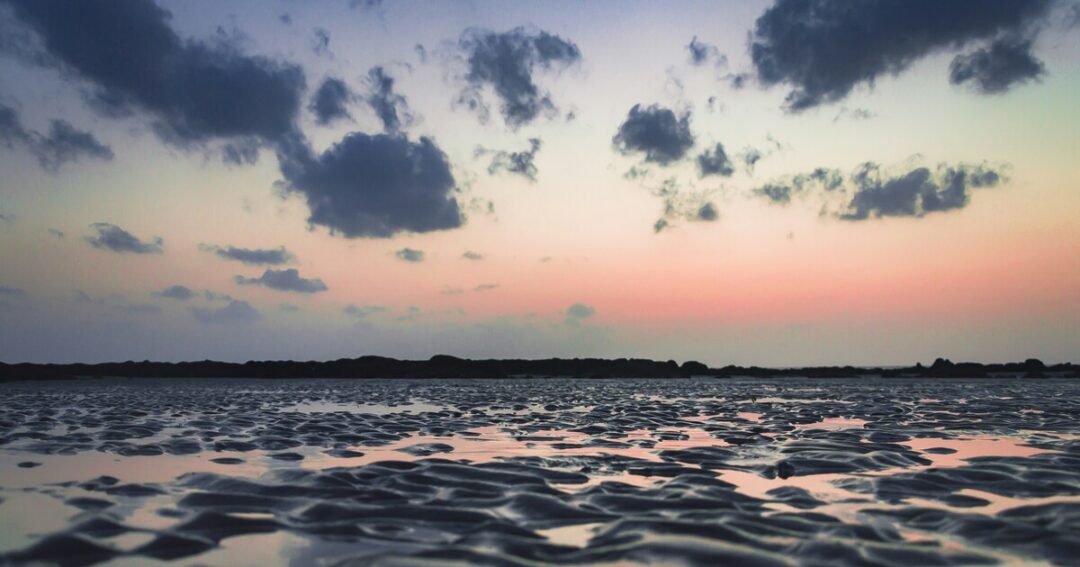
The fort is accessible by walking at low tide (wading through ankle-to-knee-deep water, depending on the tide)—one of the most distinctive and memorable entry experiences at any historical monument in Maharashtra. At high tide, boats carry visitors from the beach. Inside the fort are a Ganesha temple built by Raghoji Angre in 1759; a Dargah of Haji Kamaluddin Shah; freshwater wells that still provide fresh water despite being surrounded by the sea; 25-foot-high walls; and carved doorways decorated with elephants, peacocks, and tigers.
- Check tide times before visiting—the tidal walk window is typically 2 hours either side of low tide
- The fort is protected by the Archaeological Survey of India; a nominal entry fee applies
- The view of Alibaug town from the fort’s ramparts at sunset is one of the finest sights on the Konkan coast
Also read: Things to Do in Udaipur: Beyond the Palaces & Lakes — The Complete Guide
Murud-Janjira — The Unconquered Island Fort
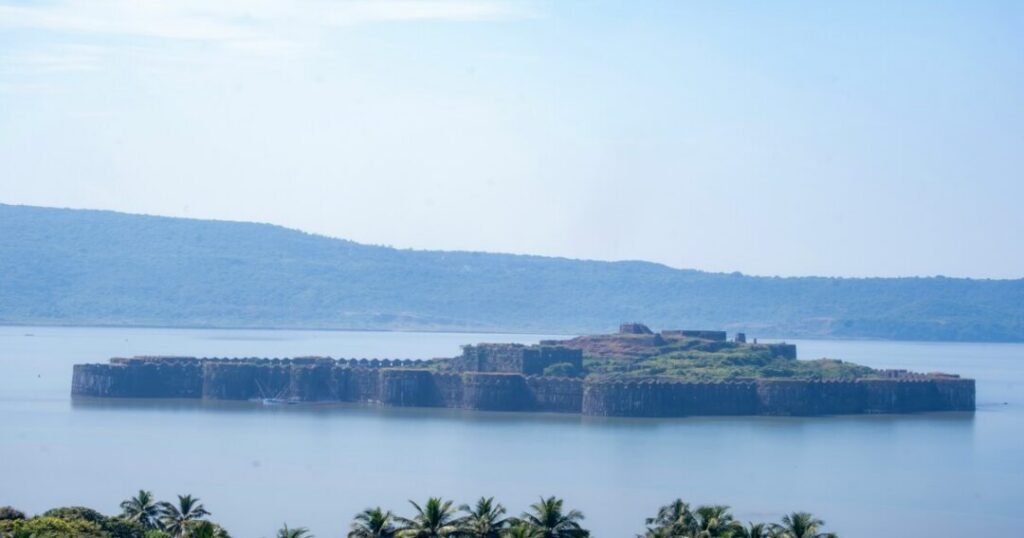
Murud-Janjira — approximately 55 km south of Alibaug — is the most historically extraordinary fort on the entire western coast of India. Built on a rocky island in the Arabian Sea, it is the only fort on the western coastline that was never conquered — not by the Mughals, not by the Portuguese, not by the Marathas (despite multiple attempts by Chhatrapati Shivaji Maharaj, Shambhaji, and later the Peshwas), not by the British. It stood unconquered for its entire history until Indian independence in 1947. The fort was controlled by the Siddis—Habshi people of African origin who had established a powerful naval kingdom on the Konkan coast—from approximately the 15th century.
The fort is reached by a short boat ride from Rajapuri village (approximately 8 km from Murud town). Inside: massive 40-foot-high walls, 26 bastions, several freshwater tanks, a mosque, and a palace—all now partially in ruins but extraordinarily atmospheric.
- The boat ride to the fort is part of the experience; the full circuit of the island by boat before landing is recommended
- The area around Murud town has its own beach (one of the finest on the Konkan coast) and a palace of the former Nawab of Janjira
- Best combined with Alibaug as a full-day excursion; approximately 1.5–2 hours from Alibaug by road
Korlai Fort — The Portuguese Remnant
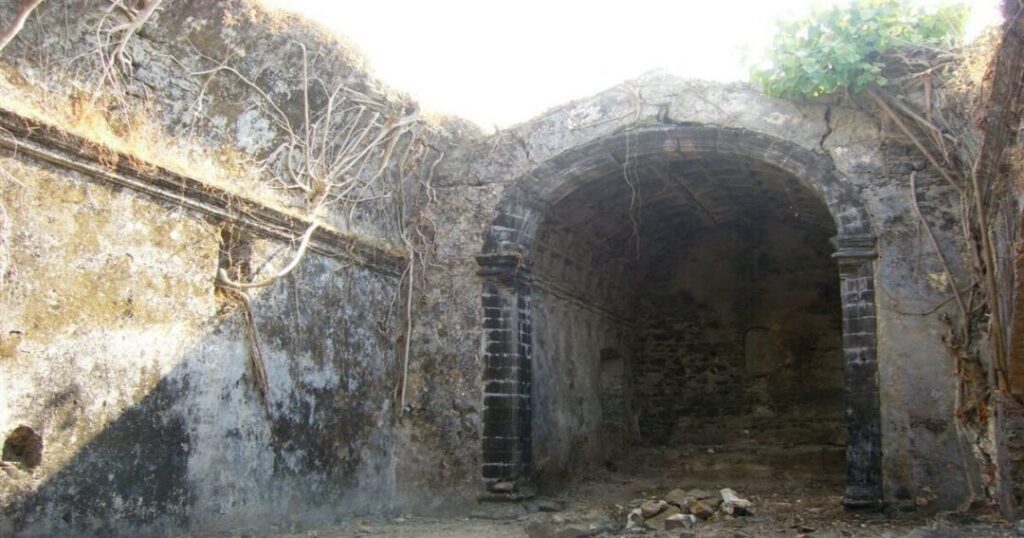
Korlai Fort (also written Corjuem), approximately 35 km south of Alibaug near the mouth of the Revdanda Creek, is a Portuguese-era fort built in 1521 CE—one of the oldest European fortifications on the Konkan coast. The approach involves a climb through a fishing village and a short ascent to the fort’s promontory—and the view from the top, with the creek mouth, the sea, and the Sahyadri hills all visible simultaneously, is extraordinary.
Korlai village below the fort is linguistically remarkable—its community still speaks Korlai Creole Portuguese, a Portuguese-based creole language that has survived for over 500 years after the Portuguese departure. It is one of the rarest surviving creole languages in Asia.
- Almost entirely unvisited by mainstream tourists — a genuine hidden gem
- Best combined with Revdanda Fort (nearby, also Portuguese-era) for a full heritage circuit
- Accessible by road from Alibaug; the creek crossing to Revdanda by ferry is a pleasant addition
What Are the Must-Visit Beaches in Alibaug?
Alibaug Beach — The Town Beach
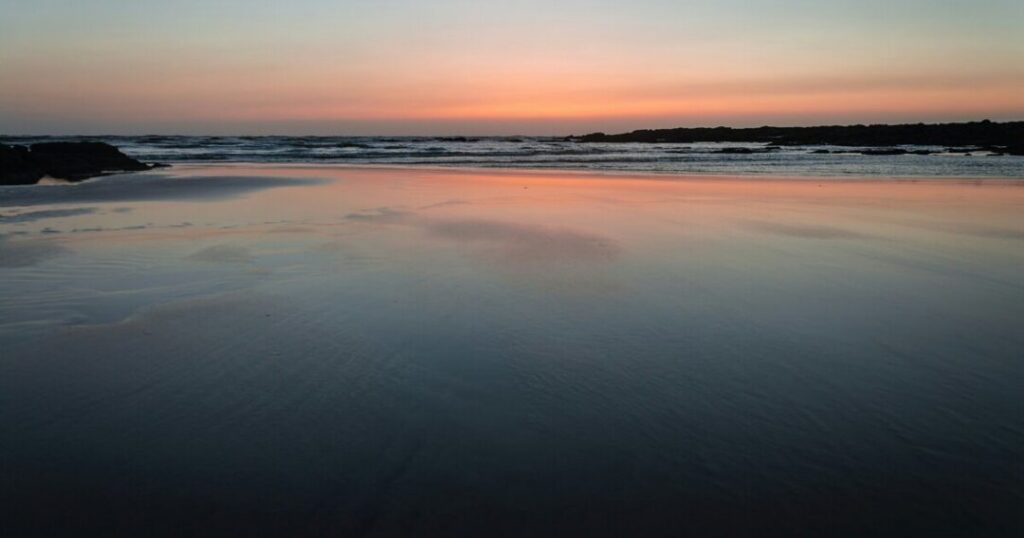
The main Alibaug Beach is a dark-sand beach (the volcanic basalt of the Deccan gives the Konkan coast its characteristic black sand) that runs along the waterfront of Alibaug town. It is the most accessible and the most crowded — excellent for the tidal walk to Kolaba Fort, for watching the sunset over the fort, and for the local seafood stalls that line the beachfront. Not the finest swimming beach; better for the fort access and the atmosphere.
Nagaon Beach — The Weekend Favourite
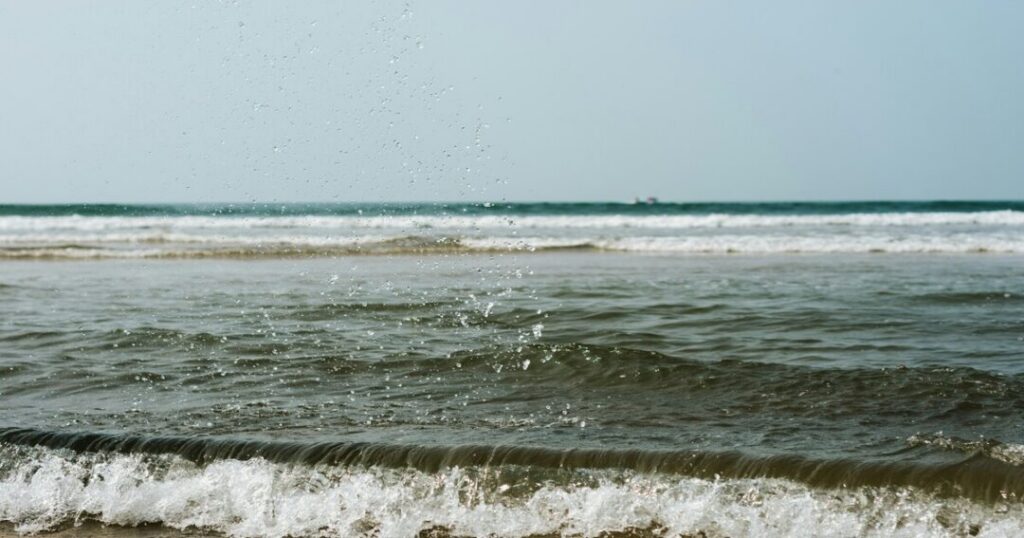
Nagaon Beach, approximately 8 km from Alibaug town, is wider, longer, and cleaner than the main beach, the primary destination for most Mumbai weekend visitors. Water sports (jet skiing, parasailing, banana boat rides) operate here. The beach is lined with small shacks serving fresh fish, kokum sherbet, and coconut water.
Kashid Beach — The Konkan’s Finest
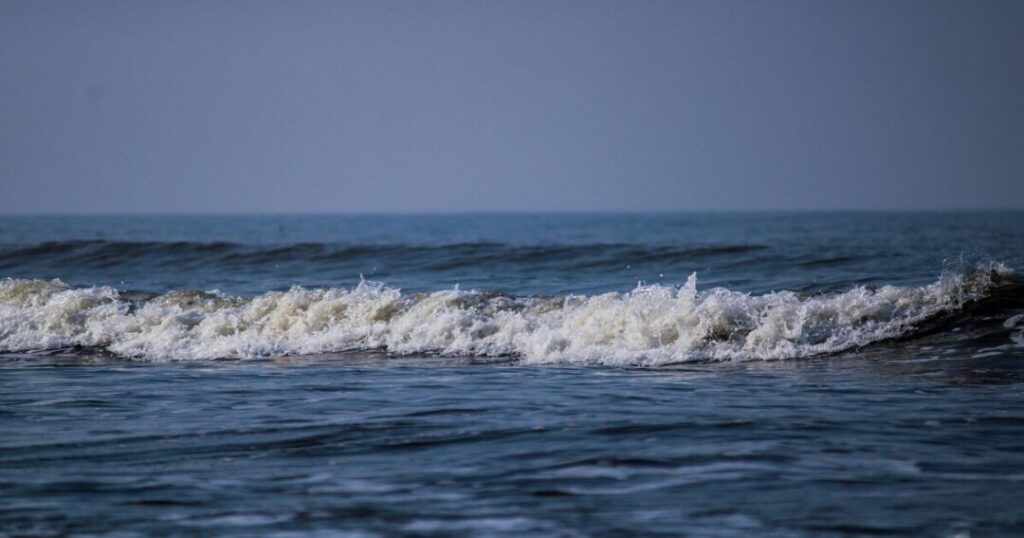
Kashid Beach, approximately 30 km south of Alibaug, is the most beautiful beach in the immediate Alibaug region—a long crescent of white sand (unusually white for the Konkan coast), clear water, and a backdrop of casuarina forest. It is cleaner and significantly less developed than Nagaon. For a full beach day away from the crowds, Kashid is the destination.
Mandwa Beach — Where the Ferry Arrives
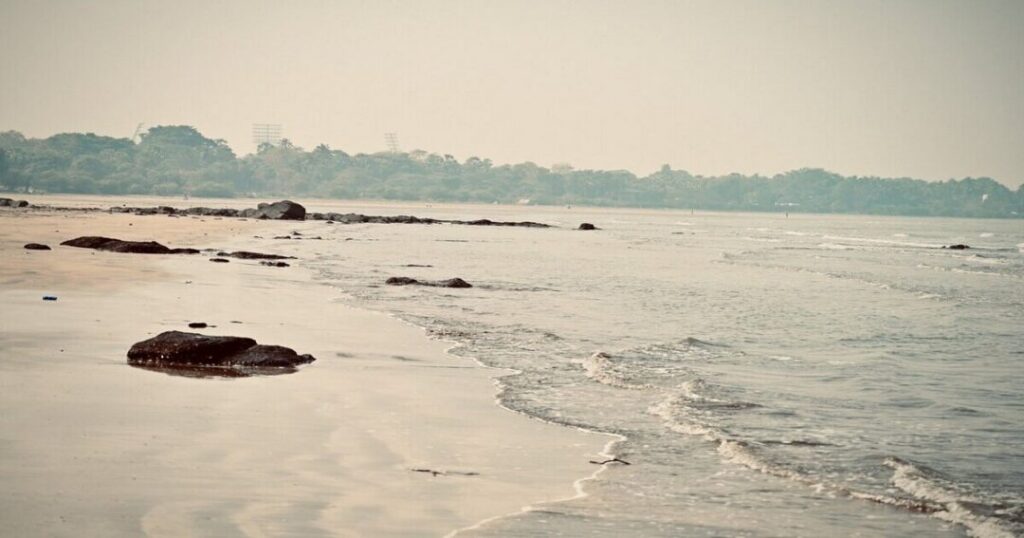
Mandwa Beach is the first Konkan beach most ferry visitors experience—the jetty sits at one end, and the beach extends in the other direction. It is quieter than Nagaon, has a fishing village character, and is excellent for those who want to walk to the waterfront immediately after arriving. The view of the Mumbai skyline from Mandwa Beach at dusk is one of the most striking coastal views on the western coast.
Also read: Things to Do in Varanasi: The Complete Guide to Kashi, Banaras & the Eternal City
What Are the Best Outdoor Activities in Alibaug?
Phansad Wildlife Sanctuary — Leopards Near the Coast
Phansad Wildlife Sanctuary, approximately 40 km southeast of Alibaug near Murud, is one of the least visited wildlife sanctuaries in Maharashtra, covering approximately 6,997 hectares of semi-evergreen forest. It is home to leopards, spotted deer, sambar, sloth bears, and over 160 species of birds. The sanctuary is open from October to May; entry requires a permit from the forest department.
- The forest here is a true Western Ghats transitional zone—the biodiversity is extraordinary relative to the sanctuary’s low profile
- Guided forest walks are available through the forest department; early morning is best for wildlife
- Combine with the Murud-Janjira excursion for a full southern Alibaug day
Backwaters & Mangroves
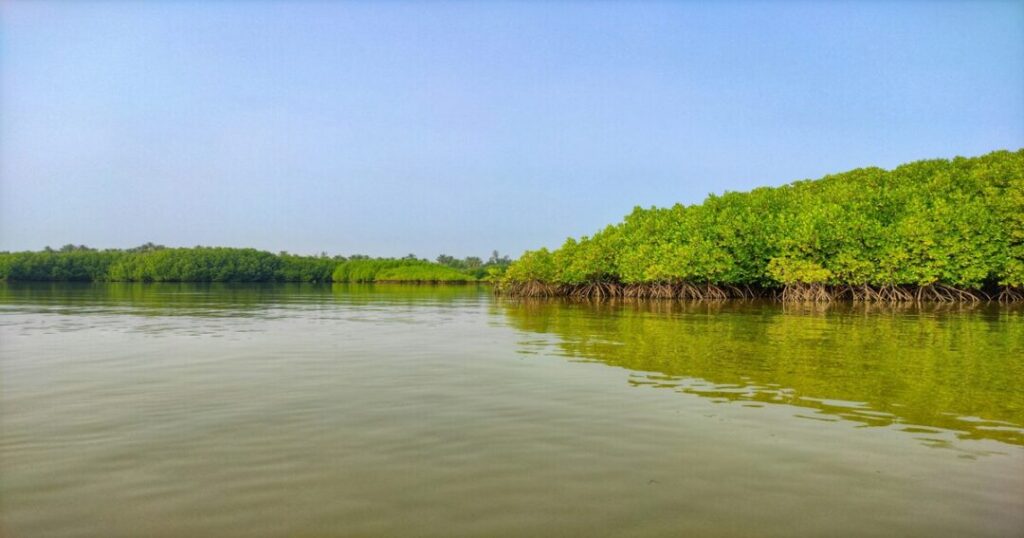
The Kundalika River backwaters near Roha and the mangrove creeks around Revdanda are excellent for kayaking, boat rides, and birdwatching. The Kundalika River also has one of the few whitewater rafting sections accessible from Mumbai—approximately 14 km of rapids in the Konkan foothills, best during and immediately after monsoon.
- Kayaking in the mangrove creeks near Revdanda is available through local operators
- The bird life in the mangroves includes kingfishers, egrets, herons, and the occasional sea eagle
- Best in the early morning when the tidal channels are at their most active
Water Sports & Adventure
Nagaon Beach is the primary water sports hub—jet skiing, parasailing, banana boat rides, and speedboat trips run seasonally (October to May). The sea conditions at Alibaug are generally calmer than the open beaches further south, making it accessible for beginners.
Whitewater rafting on the Kundalika River near Roha (approximately 30 km from Alibaug) is one of the most popular adventure activities from Alibaug — the grade 2–3 rapids are suitable for beginners during and post-monsoon.
Scuba diving has been introduced at some locations near Alibaug in recent years—the underwater visibility is limited compared to dedicated dive sites further down the Konkan, but it is a reasonable introduction for beginners.
Also read: Things to Do in Agra: The Complete Guide Beyond the Taj Mahal
What Are the Must-Try Foods in Alibaug?
Alibaug food is Konkan food in its most authentic form — the cuisine of a coast that has been fishing the same waters for centuries and cooking with the same ingredients for just as long. The defining flavors are coconut, kokum (a souring agent endemic to the Konkan coast), freshwater fish from the Kundalika and surrounding rivers, and the specific spice combinations of Malvani cuisine.
Surmai (kingfish) and pomfret—the two most prized fish of the Konkan—are best eaten grilled or in a Malvani curry: a coconut milk-based curry spiced with dried red chilies and a local spice blend (Malvani masala) that produces a deeply red, fragrant gravy unlike any other Indian fish curry.

Bombil (Bombay duck)—not a duck but a highly pungent fish that is eaten fresh on the coast in a way that the dried version, familiar elsewhere in India, does not prepare you for. Fresh bombil fry—battered in semolina and deep-fried—is the definitive Alibaug beach snack.
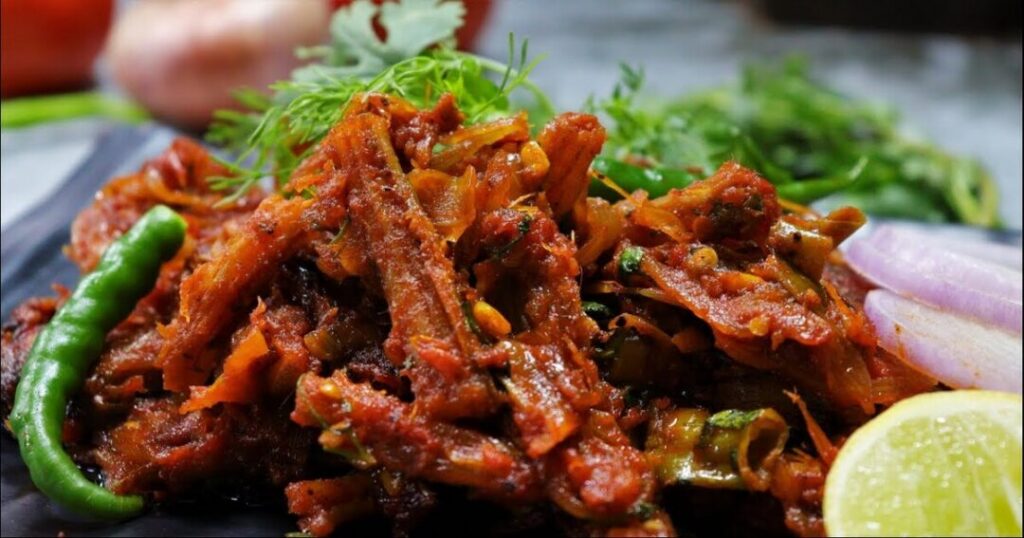
Sol kadhi—a cooling pink drink made from kokum fruit and coconut milk, mildly spiced—is the definitive Konkan digestive; drunk after a fish meal, it is one of the most characteristic regional preparations in Maharashtra.

Ukdiche modak — steamed rice dumplings filled with jaggery and coconut, associated with the Ganesh Chaturthi festival; available year-round at sweet shops in Alibaug and across the Konkan coast.

Where to eat: The beachside shacks at Nagaon and Kashid serve the most accessible fresh fish; the town of Alibaug has several local restaurants serving full Malvani thalis (rice, dal, two fish preparations, curry, and accompaniments)—the most authentic and affordable way to eat the full Konkan spread.
Also read: Things to Do in Ajmer: The Complete Guide to Rajasthan’s City of Faith
Which Places in Alibaug Do Most Visitors Miss?
Revdanda Fort — The Other Portuguese Ruin
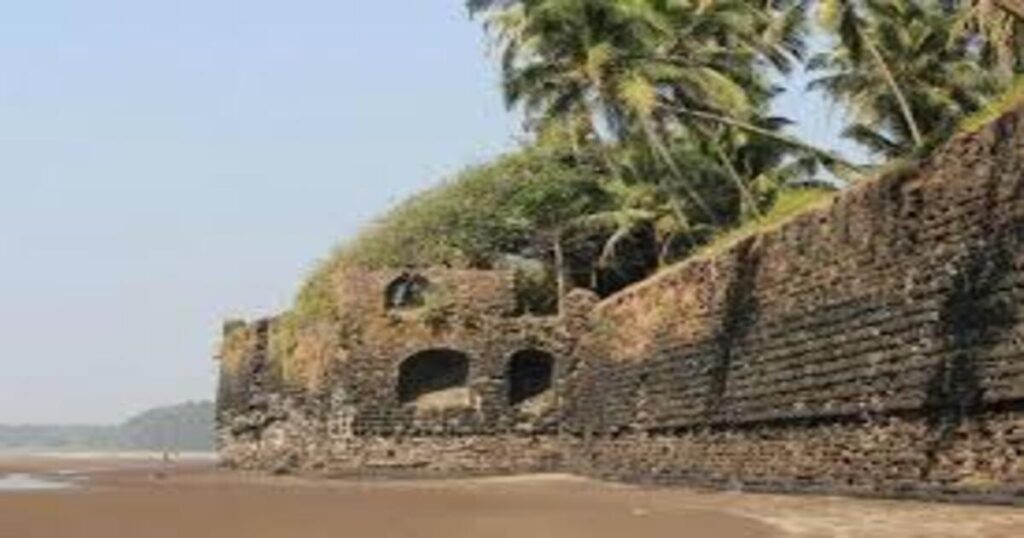
Revdanda Fort (also written Rewadanda), approximately 18 km south of Alibaug, is a Portuguese-era fort from the early 16th century situated at the mouth of the Kundalika River creek—partially submerged, partially ruined, and almost entirely unvisited. The approach by ferry across the creek from the Alibaug side is itself a scenic experience.
Kuda Caves — Buddhist Rock-Cut Caves in the Hills
The Kuda Caves (also written Khanderi Caves in some sources) in the Raigad district hills, accessible from the Alibaug–Murud road, are a series of Buddhist rock-cut caves dating to approximately the 1st–2nd century CE—similar in origin to the better-known Kanheri Caves in Mumbai’s national park. They are entirely unvisited by mainstream tourists and genuinely atmospheric.
Varsoli Beach — The Quiet Alternative
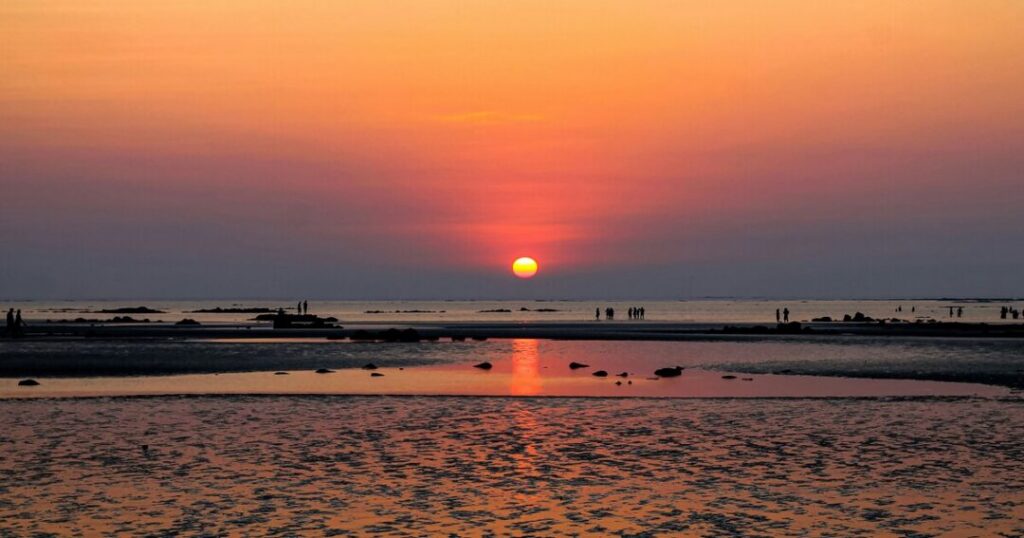
Varsoli Beach, a few kilometers from Alibaug town, is a quiet beach with a fishing village at one end—the kind of beach that Nagaon was before the weekend crowd arrived. Excellent for a morning walk, very few visitors.
When is the Best Time for Things to Do in Alibaug?
October to March is the finest window—temperatures between 18°C and 32°C, calm seas, clear skies, and the beaches at their cleanest. November to February is peak season and the most comfortable; the Kolaba Fort tidal walk is best in these months when the sea is calmer. Monsoon (June–September) brings heavy rainfall, but the coast is dramatically beautiful—the Sahyadri hills behind Alibaug go vivid green, the waterfalls appear, and the town empties of most tourists. The sea is rough, and swimming is not advisable in monsoon, but the landscape and atmosphere are extraordinary. April to May gets hot and humid but manageable with early morning activity.
Also read: Things to Do in Pondicherry: The Complete Guide Beyond the Obvious
What Is the Best Way to Reach Alibaug?
By ferry (recommended):
- Gateway of India (Mumbai) → Mandwa Jetty: The most scenic and efficient approach—a catamaran ferry service—runs from the Gateway of India to Mandwa Jetty (~90 km south of Mumbai by sea, approximately 55–65 minutes). From Mandwa, Alibaug town is approximately 12 km by road (~20 minutes by auto or shared vehicle).
- The first ferry typically departs early morning; the last return is typically late afternoon—verify current timings and book in advance for weekends
- The ferry crossing through Mumbai Harbour is itself one of the finest views of the Mumbai skyline
By road:
- Mumbai → Alibaug via Pen–Panvel: approximately 95 km, 2.5–3 hours; best on weekdays as the NH66 approach sees heavy weekend traffic
- Pune → Alibaug: approximately 145 km, 3–3.5 hours via Khopoli
By road + Ro-Ro ferry:
- The Roll-On/Roll-Off ferry from Bhaucha Dhakka (Mumbai) to Mandwa allows vehicles to cross, cutting the road journey significantly—check current availability and timing before planning.
Conclusion about Things to do in Alibaug
Alibaug is the Konkan coast at its most accessible—close enough to Mumbai for a Friday evening departure, substantial enough for two full days, and layered enough to reward visitors who look past the beaches.
Quick guide to the best places to go in Alibaug:
- Heritage: Kolaba Fort (1680 CE, tidal walk), Murud-Janjira (unconquered island fort, 55 km), Korlai Fort (1521 CE, living creole Portuguese language)
- Beaches: Kashid (finest, 30 km), Nagaon (water sports, 8 km), Mandwa (ferry arrival, fishing village), Varsoli (quiet)
- Nature: Phansad Wildlife Sanctuary (leopards, 40 km), Kundalika backwaters and mangroves, whitewater rafting near Roha
- Food: Malvani fish curry, bombil fry, sol kadhi, Konkan fish thali
- How to reach: Ferry from Gateway of India to Mandwa (~60 minutes) — the best approach
Download the Explurger Travel app to discover what Mumbai weekend travelers and Konkan regulars actually recommend in Alibaug, find the quiet beaches and hidden forts beyond the tourist circuit, and log every tidal walk, fish thali, and mangrove paddle on your trip.
The tide is already turning. The ferry is already boarding. The Konkan coast is an hour away.
FAQs About things to do in Alibaug
2. What are the best Alibaug tourist attractions?
The best Alibaug tourist attractions are Kolaba Fort (sea fort, 1680 CE, Shivaji Maharaj's naval headquarters, ASI-protected); Murud-Janjira (55 km south, island fort, never conquered, Siddi dynasty); Korlai Fort (35 km south, 1521 CE Portuguese fort, village with living Creole Portuguese language); Phansad Wildlife Sanctuary (leopards, forest walks); Nagaon and Kashid beaches (water sports and clean sand); and the Kundalika River backwaters (kayaking, mangroves, and whitewater rafting near Roha).
3. How do you reach Alibaug from Mumbai?
Two main options. By ferry (recommended): catamaran from Gateway of India to Mandwa Jetty, approximately 55–65 minutes — the most scenic and often fastest approach. From Mandwa, Alibaug is 12 km by road. By road: approximately 95 km via Pen–Panvel (2.5–3 hours on weekdays; significantly longer on weekends due to traffic). The Ro-Ro ferry from Bhaucha Dhakka allows vehicles to cross to Mandwa, saving considerable road time. Always check current ferry timings and book in advance for weekends.
4. What is the best beach in Alibaug?
For the best overall beach experience: Kashid Beach (30 km from Alibaug — white sand, clean water, casuarina-backed, least crowded). For water sports and facilities: Nagaon Beach (8 km from Alibaug — widest beach, most activities). For atmosphere and the Kolaba Fort tidal walk: Alibaug main beach (town beach, dark sand, sunset over the fort). For a quiet and local character: Varsoli Beach (near Alibaug town) and Mandwa Beach (ferry arrival point, fishing village character).
5. What is the best time to visit Alibaug?
October to March is the best window — calm seas, comfortable temperatures (18–32°C), and the Kolaba Fort tidal walk at its most accessible. November to February is peak season. Monsoon (June–September) is dramatically beautiful—vivid green hills, waterfalls, and an empty coast—but rough seas mean no swimming, and the fort tidal walk is not possible. April to May is hot and humid but manageable with early morning activity.